Boost Your Health with Strategic Techniques for Plant-Based Protein Stacking
What Is Plant-Based Protein Stacking and Why Is It Crucial for Your Wellness?
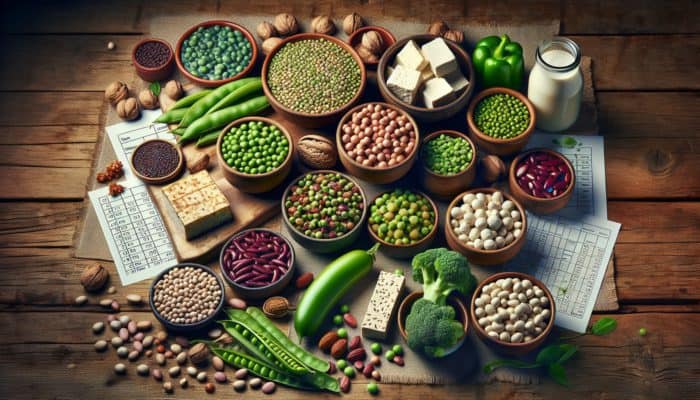
Plant-based protein stacking is an intentional method that combines different plant protein sources to create a comprehensive profile of essential amino acids necessary for optimal health and bodily functions. This strategy not only enhances nutrient absorption but also elevates the overall quality of a plant-based diet. To achieve this, it is essential to include a diverse array of plant protein options, including:
- Legumes (such as lentils, chickpeas, black beans)
- Grains (like quinoa, brown rice, oats)
- Nuts and seeds (including almonds, chia seeds, hemp seeds)
- Tofu and tempeh
- Seitan (made from wheat gluten)
- Peas and pea protein
- Green vegetables (such as spinach, broccoli)
- Spirulina and various algae
The strategic combination of these plant proteins is fundamental for crafting a complete amino acid profile, which is crucial for satisfying diverse nutritional requirements and preferences.
What Health Benefits Arise from Utilizing a Diverse Array of Protein Sources?
Incorporating a wide variety of protein sources provides numerous health benefits that greatly enhance your overall well-being. By integrating different plant proteins into your meals, you enrich your diet with a vast array of nutrients, vitamins, and minerals. The benefits you can enjoy include:
- Enhanced muscle recovery and growth
- Improved digestion and gut health
- Stabilized blood sugar levels
- Increased energy levels throughout the day
- Boosted immune function
- Support for cardiovascular health
- Reduction in inflammation
- Encouragement of sustainable dietary habits
Diversifying your protein intake allows individuals to align their diets more closely with personal health goals, whether those targets pertain to fitness, weight management, or overall wellness.
How Can You Start Stacking Proteins Effectively for Maximum Benefits?
Your journey towards effective protein stacking begins with a comprehensive understanding of your personal dietary requirements and preferences. Assessing your specific protein needs is vital, as these can vary based on factors such as age, activity level, and health objectives. By carefully selecting complementary plant proteins, you can build a balanced diet that caters to your unique nutritional needs.
Begin by identifying the plant proteins that seamlessly align with your lifestyle. For instance, if you maintain a busy work schedule, consider convenient options like protein-rich smoothies that feature pea protein and hemp protein, or prepare quick meals that incorporate quinoa and black beans. By consistently integrating these combinations into your daily routine, you can ensure a continuous supply of amino acids that enhance your nutrient absorption and utilization.
Expert Strategies for Mastering the Art of Plant-Based Protein Stacking
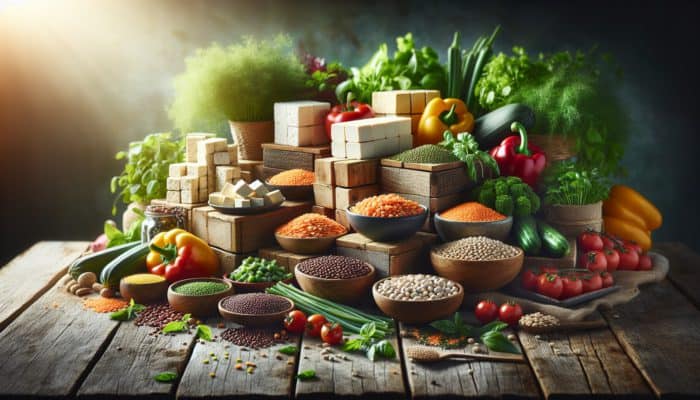
What Best Practices Ensure Successful Protein Stacking?
To achieve effective protein stacking, understanding the amino acid profiles of various plant proteins is essential. Not every plant protein provides all essential amino acids in adequate amounts, necessitating strategic combinations. For example, while legumes are typically low in methionine but rich in lysine, grains generally offer the opposite amino acid profile.
Practical examples of successful protein stacking can be observed among vegetarian and vegan athletes who routinely combine different protein sources to enhance their performance. For instance, a post-workout smoothie crafted from banana, almond milk, and a scoop of pea protein can deliver a robust amino acid profile, facilitating muscle recovery while providing essential nutrients.
Consider snacks like hummus paired with whole-grain pita or almond butter spread on whole-grain toast to consistently incorporate complementary proteins into your daily routine. This method not only helps maintain a balanced diet but also keeps your energy levels stable while promoting quicker recovery.
How Can You Maximize Protein Absorption for Optimal Benefit?
Maximizing protein absorption is crucial for individuals who wish to fully benefit from their plant protein consumption. Implement several actionable strategies to achieve this. First, ensure you consume a sufficient amount of protein at every meal, as evenly distributing your intake can enhance absorption. Additionally, pairing your plant-based proteins with other nutrients, such as healthy fats and carbohydrates, can improve digestion, allowing your body to utilize proteins more effectively.
For instance, a meal featuring lentils (high in protein) alongside avocado (providing healthy fats) can facilitate better nutrient absorption. Moreover, practicing mindful eating—taking the time to chew thoroughly and savor each bite—can further enhance digestion and absorption rates. It is also beneficial to consider the timing of your protein intake; consuming protein-rich foods immediately after exercise can significantly support muscle repair and growth.
What Impact Does Timing Have on Your Protein Stacking Strategy?
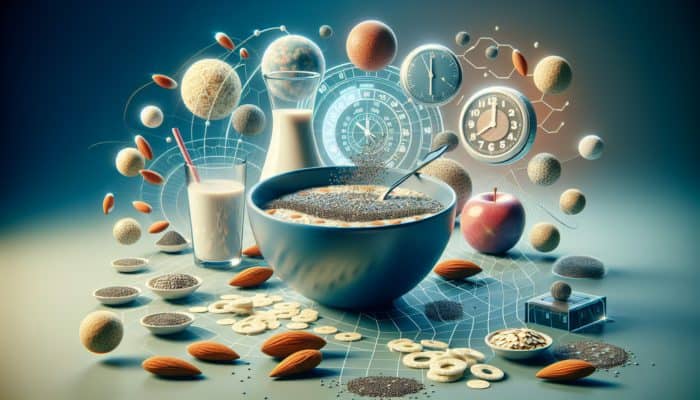
Timing is critical in determining how effectively your body can utilize the proteins you consume. Strategically spacing your protein intake throughout the day can enhance muscle recovery and nutrient distribution. For instance, starting your day with a protein-rich breakfast that includes a combination of chia seeds, oatmeal, and almond milk lays a solid foundation, ensuring your body has the necessary building blocks for muscle repair and sustained energy.
Furthermore, spreading your protein intake every 3-4 hours can maximize protein synthesis, particularly for those who engage in regular physical activity. By thoughtfully timing your meals and snacks, you can fully leverage the benefits of protein stacking, resulting in improved muscle recovery, reduced fatigue, and enhanced overall health.
How Does Protein Stacking Improve Nutritional Profiles?
What Essential Amino Acids Should You Focus On?
Essential amino acids (EAAs) are the fundamental building blocks of proteins that our bodies cannot synthesize independently, making them critical for various bodily functions. In the context of protein stacking, knowing which plant sources provide these EAAs is vital for significantly enhancing your dietary planning. The nine essential amino acids include histidine, isoleucine, leucine, lysine, methionine, phenylalanine, threonine, tryptophan, and valine.
Some plant-based sources, such as quinoa, soy, and chia seeds, are often classified as complete proteins because they contain all nine essential amino acids. However, many other plant proteins, like beans and grains, may lack one or more EAAs, necessitating effective combinations. For example, pairing rice (low in lysine) with beans (high in lysine) results in a complete protein source, ensuring your body receives the essential amino acids for optimal functioning.
Understanding which foods supply these essential amino acids enables you to construct a balanced diet that fulfills your nutritional requirements while minimizing the risk of deficiencies.
How Can You Create a Complete Protein Profile?
Creating a complete protein profile through strategic plant protein stacking is essential for individuals seeking high-quality nutrition. The key lies in knowing which combinations of plant proteins can satisfy your amino acid requirements. For instance, the classic pairing of rice and beans provides a complete protein profile, effectively compensating for each other’s amino acid deficits.
To achieve a comprehensive protein profile, aim to consume a wide variety of sources throughout the day. Include foods such as lentils, chickpeas, quinoa, nuts, and seeds in your meals and snacks to enhance your nutrition. For example, a salad topped with chickpeas, sunflower seeds, and a base of quinoa not only provides a diverse range of nutrients but also guarantees a solid amino acid profile.
Additionally, rotating your protein sources weekly can keep your diet exciting and varied. By mixing different proteins, such as adding tempeh into a stir-fry or incorporating nutritional yeast into sauces for a cheesy flavor, you can maintain flavorful meals while ensuring complete nutrition.
What Health Impacts Can You Expect from Protein Stacking?
Protein stacking significantly influences overall health by promoting balanced nutrition and enhancing physical performance. Individuals who effectively practice protein stacking often notice improvements in muscle growth and recovery after physical exertion, which is particularly advantageous for athletes, fitness enthusiasts, and those with active lifestyles.
Incorporating a variety of plant-based proteins not only fulfills your protein requirements but also supplies a broad spectrum of vitamins and minerals. For example, the antioxidants present in legumes and the healthy fats found in nuts contribute to reduced inflammation and improved heart health.
Moreover, maintaining a balanced protein intake can aid in effective weight management, as proteins are known to promote feelings of fullness and decrease overall caloric consumption. By implementing protein stacking, you can transform your nutritional approach, leading to significant health benefits and an enhanced quality of life.
How Does Timing of Protein Intake Affect Stacking?
The timing of your protein intake plays a vital role in maximizing the benefits of protein stacking. Consuming protein-rich foods at optimal moments can align with your body’s natural rhythms and metabolic processes, improving nutrient absorption and utilization. For example, the post-workout period is often regarded as the best time to consume protein, significantly enhancing muscle recovery and growth.
To optimize your results, try to consume a balanced meal containing protein within 30 minutes to two hours after exercising. This could involve a mix of plant proteins, such as a smoothie made with almond milk, banana, and a scoop of protein powder. This not only aids in muscle repair but also helps to replenish glycogen stores.
Additionally, ensuring you have protein-rich snacks on hand throughout the day, like a handful of nuts or a protein bar made from plant sources, can help maintain energy levels and control hunger. By understanding and respecting the timing of your protein intake, you can fully capitalize on the benefits of stacking, ultimately supporting your health and fitness aspirations.
What Role Do Plant-Based Proteins Play in Your Stacking Approach?
Plant-based proteins are fundamental to the protein stacking strategy, offering a flexible and sustainable method to ensure adequate nutrient consumption. Including these proteins in your diet not only helps achieve your health goals but also contributes to environmental sustainability. Generally, plant proteins are lower in saturated fat and higher in fiber compared to animal proteins, making them a heart-healthy option.
Diversifying your intake of plant-based proteins can enhance your nutrient consumption, delivering a wealth of vitamins, minerals, and phytonutrients essential for overall wellness. For instance, adding hemp seeds to smoothies or salads not only boosts protein content but also provides omega-3 fatty acids, which support cardiovascular health.
Moreover, plant-based proteins adapt to various dietary preferences and restrictions. Whether someone identifies as vegan, vegetarian, or simply wishes to reduce meat consumption, plant proteins readily fit into any dietary framework. By embracing the versatility of plant proteins, you can create meals that are not only nutritious but also enjoyable, further encouraging adherence to a balanced diet.
Empirical Evidence Supporting the Effectiveness of Plant-Based Protein Stacking
What Scientific Studies Validate the Practice of Plant-Based Protein Stacking?
A substantial body of research has demonstrated the benefits of combining plant proteins to achieve comprehensive nutrition. Studies indicate that consuming a diverse range of plant proteins can lead to improved muscle synthesis and better health outcomes. For example, research shows that individuals who incorporate various protein sources experience enhanced overall health markers, including lower cholesterol levels and improved blood sugar regulation.
Additionally, thorough analyses have revealed that plant-based diets rich in protein stacking correlate with reduced risks of chronic conditions, such as heart disease and type 2 diabetes. This body of evidence reinforces the idea that a diet centered around plant proteins can yield significant health benefits, encouraging individuals to adopt protein stacking as a practical strategy for achieving optimal health.
Expert evaluations of influential studies emphasize the importance of understanding protein dynamics. The combination of complementary proteins can enhance amino acid bioavailability, ensuring that the body effectively receives essential nutrients. With these insights, individuals can take a more informed approach to their dietary choices, ultimately leading to improved health outcomes.
How Does Protein Stacking Enhance Athletic Performance?
Protein stacking can significantly enhance athletic performance by providing sustained energy and facilitating muscle repair. Athletes frequently rely on a varied array of plant proteins to optimize their performance outcomes. For instance, the combination of lentils and quinoa offers a complete protein profile, making it an excellent post-workout meal that supports muscle recovery and replenishes energy stores.
Numerous real-life examples exist of athletes benefiting from protein stacking. For instance, professional vegan athletes have successfully harnessed the power of plant protein stacking to improve their recovery times and enhance performance metrics. By integrating a well-balanced mix of proteins, these athletes can maintain their strength and endurance while also promoting overall health.
Additionally, studies indicate that individuals practicing plant protein stacking experience reduced muscle soreness and improved exercise performance. This is largely attributed to the optimized recovery processes facilitated by the complete amino acid profiles achieved through thoughtful combinations of plant proteins.
Can Protein Stacking Improve Overall Health and Wellness?
Absolutely, protein stacking can significantly enhance overall health by ensuring a balanced intake of essential nutrients. By strategically combining plant proteins, individuals can access a wide array of vitamins, minerals, and amino acids crucial for optimal bodily function. For example, incorporating foods like beans, lentils, and whole grains can help regulate blood sugar levels, support heart health, and improve digestive wellness.
To seamlessly integrate protein stacking into your daily meals, consider practical strategies such as meal prepping protein-rich dishes ahead of time or ensuring that protein features in every meal and snack. For instance, a breakfast smoothie featuring spinach, banana, and a scoop of pea protein can set a healthy tone for your day, while a lunch salad abundant with chickpeas and quinoa can sustain your energy levels into the afternoon.
Moreover, adopting a protein stacking routine can help minimize the risk of nutrient deficiencies commonly associated with restrictive diets. By ensuring a comprehensive intake of plant proteins, individuals can maintain a thriving, balanced diet that promotes long-term health and wellness.
Practical Approaches for Successful Protein Stacking
How to Strategically Plan Your Daily Protein Intake?
Planning your daily protein intake requires a thorough understanding of your protein needs and scheduling meals to maintain balanced consumption throughout the day. Begin by assessing your protein requirements based on factors such as age, activity level, and personal health objectives.
When organizing your daily intake, consider these practical tips:
- Set a baseline: Aim for a specific protein target (e.g., 1.2 to 2.0 grams of protein per kilogram of body weight, depending on your activity level).
- Incorporate protein into all meals: Ensure that your breakfast, lunch, and dinner include a source of plant protein.
- Snack wisely: Choose protein-rich snacks like nuts, seeds, or hummus with vegetables.
- Meal prep: Prepare meals in advance that include a variety of plant proteins for easy access throughout the week.
- Experiment with combinations: Discover new protein pairings that yield complete amino acid profiles.
- Stay consistent: Make tracking your protein intake a regular practice to ensure you meet your goals.
- Adjust as needed: Be flexible and modify your intake based on your changing needs and activity levels.
By taking a proactive approach to your protein planning, you can ensure your body receives the right nutrients to support your health and fitness objectives.
What Are the Most Effective Combinations for Successful Protein Stacking?
Certain combinations of plant proteins can create a complete amino acid profile, significantly enhancing the results of your protein stacking efforts. Recognizing these pairings can greatly assist in achieving your nutritional goals. For instance, pairing legumes with grains is a classic and effective strategy; the combination of beans and rice is both flavorful and nutritionally beneficial.
Other dynamic combinations include:
- Lentils with quinoa
- Hummus with whole-grain pita
- Peanut butter on whole-grain bread
- Tofu with brown rice
- Chickpeas in a salad with nuts and seeds
- Seitan with vegetable stir-fry and rice
- Spirulina added to smoothies for an additional protein boost
- Almonds with yogurt made from soy or almond milk
These pairings not only enhance the amino acid profile but also provide a rich assortment of vitamins, minerals, and phytonutrients that contribute to overall health. By incorporating these combinations into your meals and snacks, you can ensure your protein intake is both effective and enjoyable.
How to Tailor Protein Stacking for Different Lifestyles?
Customizing your protein stacking strategy to accommodate various lifestyles is essential for meeting diverse nutritional needs. For busy professionals, balancing convenience and adequate protein intake is crucial. Meal prepping protein-rich snacks and quick meals can help maintain a balanced diet. For example, preparing overnight oats with almond butter and chia seeds offers a quick protein source to kickstart the day.
Athletes may have heightened protein requirements to support muscle repair and recovery. Incorporating various protein sources into meals—like adding hemp protein to smoothies and including lentils in salads—can help meet their increased protein needs. Additionally, adjusting meal timing to consume protein-rich foods post-workout can significantly enhance recovery.
Conversely, individuals leading a more relaxed lifestyle may prioritize enjoyment and variety in their meals. This could involve exploring diverse cuisines that feature plant proteins, such as Mediterranean dishes with chickpeas or Asian stir-fries with tofu. By understanding your unique lifestyle and its requirements, you can tailor your protein stacking approach to ensure it aligns with your health goals.
How to Track and Adjust Your Protein Intake Over Time?
Consistently monitoring and adjusting your protein intake is vital for maintaining optimal nutrition as your body’s requirements evolve. Start by keeping a food journal to record your daily protein consumption, noting the sources and quantities consumed. This practice will help you identify patterns and gaps in your diet.
As you progress, regularly reassess your protein needs based on changes in activity level, age, or health objectives. If you notice signs of fatigue or insufficient recovery from workouts, consider increasing your protein intake by incorporating more protein-rich snacks or meals.
Integrating a variety of protein sources into your diet keeps it exciting while ensuring a complete amino acid profile. Experimenting with different recipes and combinations can make the journey enjoyable and sustainable. For instance, trying new plant-based protein powders or discovering unique recipes can keep you engaged with your protein stacking routine.
By consistently monitoring and adjusting your diet, you can ensure it remains aligned with your evolving nutritional requirements, ultimately supporting optimal health and well-being.
What Common Challenges Exist in Plant-Based Protein Stacking?
How to Address Protein Deficiency Risks in Plant-Based Diets?
Protein deficiency can be a considerable challenge for those following a plant-based diet, but with thoughtful planning, this risk can be effectively managed. To overcome potential deficiencies, it is crucial to understand the protein content of various plant sources and combine them strategically. Prioritize including a diverse array of protein-rich foods in your daily meals.
For instance, incorporating legumes, grains, nuts, and seeds ensures a varied protein intake. A well-rounded meal could consist of a quinoa salad mixed with chickpeas and topped with a sprinkle of pumpkin seeds. This approach allows you to create a complete amino acid profile while minimizing the risk of deficiency.
Moreover, focusing on protein timing can significantly enhance overall intake. Regularly consuming protein-rich snacks throughout the day—such as a protein bar or a smoothie made with plant-based protein powder—can provide a continuous supply of amino acids, supporting muscle repair and growth. Educating yourself about plant protein sources will empower you to make informed choices, ensuring you thrive on a plant-based diet without concerns about deficiencies.
What Common Misconceptions About Protein Stacking Should You Be Aware Of?
Misconceptions regarding protein stacking can hinder individuals from effectively incorporating this practice into their diets. One prevalent myth is that plant-based proteins are inferior to animal sources regarding their amino acid profiles. While it is true that many plant proteins may be lower in certain essential amino acids, combining various sources can easily address this limitation.
Another misconception is the belief that it is necessary to consume protein at every meal for optimal results. In reality, as long as your overall daily intake is sufficient and diverse, your body can effectively utilize amino acids over time.
Additionally, some may think that protein stacking is exclusively for athletes or bodybuilders; however, anyone seeking a balanced and healthy diet can benefit from this practice. Educating yourself on the science behind protein and understanding the advantages of diverse sources will empower you to make informed dietary decisions, dispelling myths and leading to improved health outcomes.
How Can You Manage Digestive Issues Associated with Plant Proteins?
Digestive issues may arise when consuming plant proteins, particularly for those who are not accustomed to high-fiber foods or specific legumes. However, these challenges can be effectively managed through proper preparation and a combination of strategies. Soaking legumes before cooking can help reduce compounds that may cause bloating and gas, making them easier to digest.
Gradually introducing plant proteins into your diet can also aid your digestive system in adjusting. Start with smaller servings and incrementally increase the amount as your body adapts. Moreover, combining different plant proteins can enhance digestibility; for instance, pairing lentils with rice can facilitate easier digestion.
Incorporating digestive aids, such as fermented foods like kimchi or sauerkraut, can further support gut health. These foods are rich in beneficial probiotics that assist in breaking down proteins, enhancing overall digestion. By being mindful of how you prepare and consume plant proteins, you can enjoy all the benefits of protein stacking while minimizing discomfort.
Proven Techniques for Effective Plant-Based Protein Stacking
How to Source High-Quality Plant-Based Proteins for Successful Stacking?
Finding high-quality plant-based proteins is essential for successful protein stacking. When selecting protein sources, scrutinize labels for quality indicators such as organic certification, non-GMO status, and transparent ingredient lists. Whenever possible, opt for whole food sources, as these generally retain more nutrients than processed options.
For instance, when choosing protein powders, select those with minimal additives that focus on natural ingredients. Research brands known for their responsible sourcing practices and transparency in production. Reading customer reviews can also provide valuable insights into the product’s effectiveness and flavor.
Additionally, consider visiting local farmers’ markets or participating in community-supported agriculture (CSA) programs to obtain fresh, high-quality plant proteins. This approach not only supports local agriculture but also ensures you consume the freshest, most nutrient-dense options available.
By being discerning about your sources, you can enhance your protein stacking efforts with high-quality options that contribute to optimal health.
What Long-Term Benefits Are Associated with Adopting a Protein Stacking Approach?
The long-term benefits of protein stacking are substantial, resulting in sustained health and enhanced muscle function. Regularly incorporating a diverse range of plant proteins into your diet can help maintain a balanced nutrient profile over time, significantly reducing the risk of chronic diseases, including obesity, heart disease, and type 2 diabetes.
Moreover, protein stacking promotes improved muscle recovery and growth, which is particularly beneficial for individuals who engage in regular physical activity. Sustained energy levels and enhanced performance can be achieved as the body adjusts to a consistent intake of high-quality plant proteins.
Integrating protein stacking into your routine can also facilitate better weight management, as plant proteins are known to increase feelings of fullness and can help curb cravings. Over time, individuals may find it easier to maintain a healthy weight and adhere to a balanced diet.
To enjoy these long-term benefits, it is essential to commit to a protein stacking routine that is both enjoyable and sustainable. This may involve experimenting with various sources, recipes, and meal combinations to discover what works best for you.
How to Seamlessly Integrate Protein Stacking into Your Dietary Habits?
Incorporating protein stacking into your diet can be a smooth and enjoyable process. Start by gradually integrating a variety of plant-based proteins into your meals. For instance, consider adding legumes, grains, nuts, seeds, and vegetables to your recipes to create well-rounded dishes.
Real-world examples of successful integration strategies include meal prepping protein-rich lunches, such as quinoa bowls with roasted vegetables and chickpeas, which are easily portable for work or school. Preparing snacks like trail mix with almonds, sunflower seeds, and dried fruit ensures you have protein-rich options readily available throughout the day.
Incorporating protein stacking into social gatherings can also be a fun way to explore new flavors and combinations. Prepare dishes that emphasize plant proteins, such as bean dips with whole-grain crackers or vegan chili, to share with friends and family.
By embracing the diversity of plant-based proteins and creatively incorporating them into your meals, you can make protein stacking an effortless and enjoyable part of your dietary lifestyle, supporting both health and enjoyment.
Common Questions Regarding Plant-Based Protein Stacking
What is the concept of protein stacking?
Protein stacking refers to the practice of combining various plant protein sources to achieve a complete amino acid profile, thereby enhancing overall nutrition.
Why should you consider stacking plant-based proteins?
Stacking plant-based proteins ensures a balanced intake of essential amino acids, which supports muscle growth, recovery, and overall health.
What are the top sources of plant protein?
Leading plant protein sources include legumes, grains, nuts, seeds, tofu, tempeh, and spirulina, each offering unique nutritional advantages.
How can I enhance protein absorption?
Optimize protein absorption by consuming balanced meals that include protein, healthy fats, and carbohydrates, and by timing your meals to coincide with exercise.
What combinations work best for effective stacking?
Effective combinations for stacking include rice and beans, lentils and quinoa, and hummus with whole-grain pita, among many others.
How can I effectively monitor my protein intake?
Monitor your protein intake by maintaining a food journal, using tracking apps, or establishing daily protein goals tailored to your dietary needs.
Can protein stacking assist with weight management?
Yes, protein stacking can promote satiety and reduce cravings, making it easier to manage weight while ensuring balanced nutrition.
Are there any digestive issues associated with plant proteins?
Some individuals may experience digestive issues with plant proteins, but these can be mitigated through proper preparation and gradual dietary introduction.
How does timing influence protein stacking?
Timing can optimize protein utilization; consuming protein-rich meals after exercise and throughout the day can enhance recovery and muscle synthesis.
What are the long-term benefits of protein stacking?
The long-term benefits of protein stacking include improved muscle function, sustained energy levels, better weight management, and a reduced risk of chronic diseases.
Connect with us on Facebook!
The Article Stacking Plant-Based Proteins Effectively: A Comprehensive Guide appeared first on https://athleticsupplement.com
The Article Effective Stacking of Plant-Based Proteins: A Quick Guide Was Found On https://limitsofstrategy.com