In-Depth Overview of UK Tool Safety Laws for House Clearance Operations
What Are the Key Regulations That Safeguard Tool Safety in the UK?

The tool safety regulations that apply to house clearance operations in the UK are established through an extensive array of legislation designed to protect workers throughout their tasks. The main regulations include the Health and Safety at Work Act 1974, which serves as a cornerstone for workplace safety principles. This act compels employers to ensure, to the extent that is reasonably practicable, the health and safety of their employees, playing a crucial role in the creation of a secure working environment.
In addition, the Provision and Use of Work Equipment Regulations 1998 (PUWER) stipulate that all tools and equipment utilized in the workplace must be safe, suitable for their intended use, and maintained properly. This regulation is particularly relevant in house clearance, where various tools such as power drills and manual saws are regularly employed. Furthermore, the Control of Substances Hazardous to Health Regulations 2002 (COSHH) governs the management of hazardous substances, mandating that employers conduct risk assessments and implement necessary safety measures to protect workers from harmful exposures.
Adhering to these regulations not only reduces the risk of workplace accidents but also fosters a safety-oriented culture within the industry, aligning with best practices in house clearance. Understanding these regulations is vital for all individuals involved in such operations, ensuring both legal compliance and the safeguarding of employee well-being.
How Do These Safety Laws Impact House Clearance Activities?
The implementation of UK safety laws in house clearance is essential for ensuring that all tools utilized are safe and that workers receive necessary training. These laws create a framework demanding the use of appropriate tools, provision of personal protective equipment (PPE), and enforcement of stringent safety protocols. For instance, when using a chainsaw for garden clearance, it is not only important to have the correct tool but also to ensure that it is regularly serviced and maintained. Additionally, the operator must have received thorough training in its safe usage.
Moreover, compliance with these laws aids organizations in minimizing the consequences of negligence, which includes the risk of legal challenges stemming from workplace accidents that could have been avoided through proper adherence. House clearance companies should invest in comprehensive training programs and safety drills focusing on the correct use of tools and emergency response procedures. By doing so, they not only meet their legal responsibilities but also enhance their reputation as conscientious service providers.
To highlight the importance of these regulations, consider the necessity of conducting risk assessments prior to beginning any house clearance project. A thorough assessment should identify potential hazards related to the tools and tasks involved, encouraging a proactive approach that protects workers while ensuring compliance with legal requirements.
What Are the Implications of Non-Compliance with Tool Safety Regulations in the UK?
The enforcement of tool safety regulations in the UK is managed by the Health and Safety Executive (HSE), which holds the power to inspect workplaces and enforce compliance. Non-compliance can lead to severe repercussions, including hefty fines and even imprisonment for significant violations. For businesses engaged in house clearance, this could result in operational shutdowns, as the HSE can issue improvement notices that halt activities until compliance is achieved.
The HSE regularly inspects organizations within the house clearance sector, particularly focusing on high-risk tasks and areas prone to safety breaches. They offer guidance and support to businesses, aiding them in comprehending their legal obligations. However, the responsibility remains with employers to ensure that their operations comply with safety standards.
Additionally, companies may face civil claims from employees or clients if injuries occur due to negligence in adhering to safety regulations. The financial impact can be overwhelming and long-lasting, along with the potential damage to a company’s reputation. To mitigate these risks, it is critical for house clearance companies to stay current with legislative updates and routinely train their employees on compliance requirements.
What Measures Can Be Adopted to Ensure Compliance During House Clearance Operations?
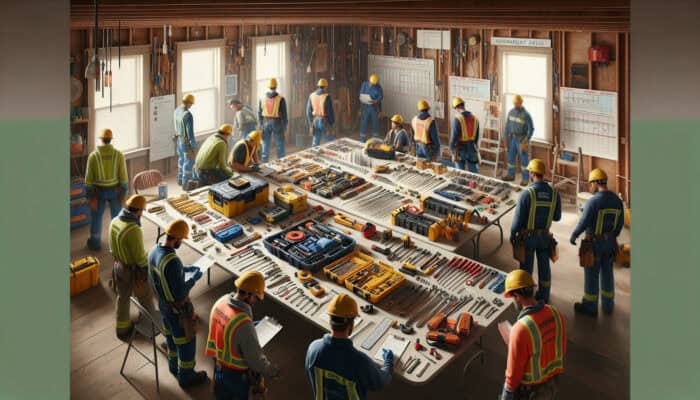
Ensuring compliance with tool safety regulations during house clearance requires a structured approach. First and foremost, conducting regular safety checks on all equipment is crucial. This involves assessing tools for any signs of wear, damage, and verifying that they are in proper working order before use. Such diligence can significantly prevent accidents caused by faulty equipment, which is a frequent occurrence in the house clearance industry.
Furthermore, training employees on the correct use of tools is a vital aspect of compliance. All personnel should undergo extensive training that covers operational procedures and emergency protocols. This training should be ongoing, including regular refreshers that reinforce safety practices and keep workers informed about new regulations and procedural updates.
Maintaining comprehensive records of all safety measures is also essential for demonstrating compliance during inspections. This documentation should encompass records of safety checks, training sessions conducted, and any incidents that may occur. By keeping meticulous records, companies can illustrate their commitment to safety and adherence to regulations, safeguarding themselves during audits or investigations.
In summary, achieving compliance in house clearance operations hinges on a proactive approach that integrates regular equipment checks, effective training programs, and thorough record-keeping. By embedding these practices into their operations, companies can cultivate a culture of safety and reliability that benefits both workers and clients.
Professional Insights on Tool Safety Regulations for House Clearance
What Are Some Practical Examples of Compliance in the UK?
Real-world examples of UK house clearance companies successfully implementing safety regulations demonstrate the effectiveness of these practices in minimizing workplace incidents. Organizations that prioritize compliance not only safeguard their workforce but also improve their operational efficiency. Numerous case studies showcase the positive outcomes achieved by adhering to safety standards.
– A leading house clearance service located in London established a mandatory annual safety training program, resulting in a 30% reduction in workplace accidents over two years. Employees received training on appropriate tool usage and emergency response procedures, significantly enhancing their confidence and competence.
– An Edinburgh-based company implemented a comprehensive safety audit system, conducting bi-monthly inspections of their equipment and tools. This proactive initiative identified potential hazards before they could lead to incidents, considerably improving their overall safety record.
– A house clearance firm in Manchester adopted the use of personal protective equipment (PPE), including helmets and high-visibility clothing. By ensuring all staff wore the appropriate gear, the company significantly minimized the risk of injuries from falling objects and enhanced visibility during operations.
– A Birmingham-based business integrated technology by using a safety management app to track tool usage and maintenance schedules. This innovation not only improved compliance but also streamlined operations by ensuring that tools were regularly serviced, thus preventing breakdowns during critical tasks.
These examples highlight the importance of adopting a comprehensive approach to safety that includes regular training, audits, and technological enhancements to ensure compliance with safety regulations within the house clearance sector.
What Are the Essential Best Practices for Safety Training in the UK?

Implementing best practices for safety training in the UK is vital for ensuring that workers are adequately prepared to handle tools safely and effectively. Establishing regular training sessions as an integral part of operational routines in house clearance companies is crucial. This training should encompass several essential elements:
– Comprehensive instruction on tool usage, focusing specifically on the equipment employees will utilize.
– Emergency response drills to prepare workers for potential accidents and hazardous situations.
– Training on risk assessments to enable staff to identify and proactively mitigate hazards.
– Regular refresher courses to keep safety practices current and ensure they remain a priority for employees.
These training components should be tailored to meet the specific needs of the house clearance operation, taking into account the types of tools being used and the unique risks associated with various clearance tasks. By conducting thorough training sessions that cover these critical areas, employers can ensure that their staff are well-equipped to operate tools safely and respond effectively in emergencies.
Moreover, involving employees in the training process can foster a culture of safety and encourage open communication regarding potential hazards. When workers feel empowered to express concerns or suggest improvements, it enhances overall safety within the workplace. By investing in robust safety training, house clearance companies can significantly decrease the likelihood of accidents and create a safer working environment for everyone.
What Expert Analysis Can Be Offered on UK Safety Equipment?
The importance of safety equipment utilized in UK house clearance operations cannot be overstated. Various forms of personal protective equipment (PPE) and safety gear are designed to reduce risks associated with tool usage and exposure to hazardous materials. An analysis of common safety equipment reveals its critical role in ensuring worker safety.
Gloves are essential during house clearance tasks, protecting hands from cuts, abrasions, and exposure to dangerous substances. The selection of gloves should correspond to the specific tasks being performed; for example, heavy-duty, cut-resistant gloves are advisable when handling sharp tools, such as saws.
Goggles are imperative for protecting the eyes, especially when using power tools that can generate flying debris. They shield the eyes from harmful particles and prevent injuries that could lead to long-term vision impairment.
Protective clothing, including overalls and high-visibility vests, plays a significant role in safeguarding workers. Overalls protect against sharp objects and hazardous substances, while high-visibility clothing ensures that workers are easily seen, particularly in environments with multiple hazards.
Ear protection, such as earplugs or earmuffs, is vital when operating noisy power tools. Prolonged exposure to high noise levels can lead to hearing damage, making ear protection an essential component of PPE in house clearance operations.
By regularly evaluating the effectiveness of safety equipment and ensuring that it meets the requisite standards, companies can maintain high safety levels during house clearance activities. Investing in quality safety gear not only protects employees but also reflects a commitment to maintaining a secure working environment.
Detailed Overview of Essential Tools and Their Safety Requirements in House Clearance
What Are the Most Commonly Utilized Tools in UK House Clearance?
In the UK house clearance industry, several tools are frequently employed, each accompanied by specific safety requirements to ensure their safe usage. Understanding these tools and their associated safety measures is essential for compliance with UK regulations. Commonly used tools include:
– Hammers: Indispensable for dismantling furniture or fixtures, hammers must be regularly inspected for loose heads and cracks in the handle. Proper technique is crucial to prevent injuries.
– Saws: Both manual and power saws are widely utilized. These tools necessitate training on safe operation, including the usage of blade guards and maintaining a clear workspace to avoid accidents.
– Drills: Power drills are essential for various clearance tasks. Regular inspections of batteries, cords, and safety features, along with training on proper handling, are critical for user safety.
– Ladders: Often employed for accessing elevated areas, ladders must be checked for stability, appropriate height, and secure footing prior to use. Training on ladder safety is vital to prevent falls.
– Shovels: Used for clearing debris, shovels should be regularly maintained to ensure they are in good condition, and operators should be trained in proper lifting techniques to prevent injury.
Each of these tools comes with particular safety protocols that workers must adhere to in order to mitigate risks associated with their use. Proper training and compliance with safety guidelines can significantly reduce the likelihood of accidents during house clearance tasks.
What Safety Inspections Should Be Conducted Before Using Tools in House Clearance?
Before utilizing any tools in a house clearance operation, implementing rigorous safety inspections is paramount. This ensures that equipment is functioning correctly and is safe for use. The following checks should be regarded as standard practice:
1. Visual Inspection: Scrutinize tools for any visible damage, such as cracks, rust, or loose parts. Any damaged tool should be withdrawn from service until it is adequately repaired.
2. Safety Features: Verify that all safety features, such as guards and safety switches, are intact and operational. For example, a power saw should have a blade guard that functions properly.
3. Electrical Cords: Inspect cords for fraying or damage, which can pose a serious electrocution risk. Cords should be routed safely to prevent tripping hazards.
4. Functional Test: If applicable, perform a functional test on the tool to ensure it operates as expected. This is particularly crucial for powered equipment, such as drills and saws.
Conducting these safety checks before starting work not only ensures compliance with regulations but also significantly minimizes the risk of workplace accidents. Fostering a culture of diligence and accountability in performing these checks can enhance overall safety awareness among workers.
What Are the Key Considerations for Proper Storage and Maintenance of Tools?
Effective storage and maintenance of tools are critical components of safety in house clearance operations. Tools should be securely stored in a dry environment to prevent damage and reduce the risk of accidents. Key factors to consider include:
– Dry Storage: Tools should be kept in a dry location to avoid rust and deterioration. Damp conditions can cause metal tools to corrode, compromising their safety and effectiveness.
– Organised Storage: Tools should be organized to allow for easy access while minimizing clutter. This arrangement helps prevent accidents caused by tripping over tools or equipment.
– Regular Maintenance: Tools require ongoing maintenance, including cleaning, sharpening, and replacing worn parts. For instance, saw blades should be kept sharp to ensure efficient cutting and to reduce strain on the user.
– Inventory Management: Keeping an inventory of tools aids in ensuring that all equipment is accounted for and in good working condition. Regular audits can help identify tools that need replacement or repair.
Incorporating these storage and maintenance practices into daily operations not only promotes safety but also extends the lifespan of tools, contributing to overall operational efficiency in house clearance tasks. A commitment to proper tool management reflects professionalism and enhances the reputation of the house clearance business.
Why Is Training and Certification Essential for Tool Usage in the UK?
Training and certification are vital elements of safe tool usage in the UK house clearance sector. Ensuring that workers are adequately trained minimizes the likelihood of accidents and ensures compliance with legal standards. Key practices include:
– Initial Training: New employees should undergo comprehensive training that covers tool safety, operational procedures, and emergency protocols. This foundational training is essential for minimizing risks.
– Certification Programs: Engaging in recognized certification programs can enhance workers’ skills. Certifications provide evidence of competency and can serve as a selling point for clients who prioritize safety.
– Ongoing Training: Regular refresher courses are necessary to keep employees updated on changes in safety regulations or procedures. This ongoing education reinforces the significance of workplace safety.
– Practical Assessments: Conducting practical assessments during training ensures that employees can demonstrate their proficiency in using tools safely. This hands-on approach builds confidence and competence.
By prioritizing training and certification, house clearance companies can develop a workforce that is knowledgeable and skilled in the safe use of tools. This investment not only enhances worker safety but also positions the company as a reputable and responsible service provider in the industry.
How Can UK House Clearance Companies Achieve Compliance with Safety Regulations?
What Key Steps Should Be Taken to Implement Safety Protocols in Operations?
For house clearance companies to ensure compliance with safety regulations, they must create and implement robust safety protocols tailored to their specific operations and work practices. This process involves several key steps, including:
1. Creating a Safety Policy: A comprehensive safety policy should outline the company’s commitment to health and safety, detailing procedures for the safe use of tools and equipment, as well as emergency response plans.
2. Training and Communication: Regular training sessions should be established to convey safety protocols to all employees. This ensures that workers understand their responsibilities and are equipped to adhere to safety measures.
3. Regular Safety Audits: Conducting regular audits helps identify potential hazards and areas for improvement. These audits should assess compliance with safety procedures and regulations, facilitating ongoing enhancements.
4. Incident Reporting Procedures: Establishing clear procedures for reporting incidents, near misses, and safety concerns encourages a culture of transparency and accountability. This allows proactive measures to prevent future incidents.
By implementing these safety protocols, house clearance companies can create a structured approach to compliance that prioritizes worker safety and mitigates risks associated with tool usage. This comprehensive strategy not only meets legal obligations but also fosters a safe working environment.
What Are the Advantages of Compliance for UK Businesses?
Compliance with tool safety regulations offers numerous benefits for house clearance businesses operating in the UK. These advantages not only enhance worker safety but also contribute to the overall success of the organization. Key benefits include:
– Enhanced Worker Safety: Compliance with safety regulations significantly diminishes the risk of accidents and injuries, resulting in a safer working environment for employees.
– Reduced Legal Risks: Adhering to safety laws decreases the likelihood of legal action stemming from workplace accidents. This mitigates potential financial liabilities and protects the company’s reputation.
– Improved Business Reputation: Companies that prioritize safety are perceived more favorably by clients, resulting in increased trust and a competitive advantage in the market.
– Lower Insurance Premiums: Compliant businesses often benefit from reduced insurance premiums, as insurers recognize their commitment to safety and risk management. This can lead to significant cost savings over time.
In summary, compliance with tool safety regulations not only safeguards workers but also enhances operational efficiency and the reputation of house clearance companies. Investing in safety measures ultimately yields positive outcomes and reduces risks.
What Documentation and Record-Keeping Practices Are Necessary for Compliance?
Maintaining accurate documentation and records is a crucial aspect of ensuring compliance with safety regulations in the UK house clearance industry. Proper record-keeping serves multiple purposes, including demonstrating compliance during inspections and facilitating continuous improvement in safety practices. Key documentation practices include:
1. Safety Training Records: Keeping detailed records of all safety training sessions, including dates, topics covered, and attendance, is vital for compliance. This documentation provides evidence of training efforts and helps identify areas for improvement.
2. Equipment Inspection Logs: Regular safety checks on tools and equipment should be documented to track maintenance and repairs. This includes records of inspections, repairs performed, and any incidents that may have occurred.
3. Incident Reports: Documenting all workplace incidents, regardless of severity, is essential for understanding safety trends and implementing corrective actions. This information can guide future training and safety improvements.
4. Safety Audit Reports: Conducting and recording the findings of regular safety audits helps companies identify compliance gaps and areas for improvement, contributing to ongoing enhancements in safety practices.
By prioritizing thorough documentation and record-keeping, house clearance companies can effectively demonstrate compliance with UK regulations and foster a culture of safety within their operations. This commitment to transparency and accountability not only enhances overall safety but also bolsters the organization’s reputation.
Why Are Regular Compliance Audits Critical for House Clearance Companies?
Conducting regular compliance audits is an essential practice for house clearance companies aiming to maintain adherence to UK safety regulations. Audits provide a comprehensive evaluation of safety practices and highlight areas for improvement. Key components of effective compliance audits include:
– Scheduled Audits: Establishing a regular audit schedule ensures that compliance checks are conducted consistently. This can range from quarterly to annual audits, depending on the size and scope of the business.
– Comprehensive Checklists: Utilizing detailed checklists during audits allows for a thorough examination of safety protocols, equipment condition, training records, and compliance with regulations.
– Employee Involvement: Engaging employees in the audit process fosters a culture of safety and accountability. Their insights can provide valuable perspectives on potential hazards and areas that require attention.
– Action Plans: After audits, it is crucial to create action plans that address any identified compliance gaps. This includes designating responsibilities and establishing timelines for implementing improvements.
Regular compliance audits not only help ensure adherence to safety regulations but also promote continuous improvement in safety practices. By systematically evaluating their operations, house clearance companies can enhance their safety standards and further protect their workers.
How Should Staff Be Educated on UK Compliance Requirements?
Educating staff on UK compliance requirements is crucial for ensuring that all employees are aware of their responsibilities in maintaining a safe working environment. Comprehensive training programs should encompass various aspects of compliance, including:
– Regulatory Overview: Providing employees with an understanding of key UK safety regulations and their implications for daily operations is essential. This knowledge fosters a culture of safety awareness.
– Specific Procedures: Training should cover the specific safety procedures and protocols that employees must follow when using tools and equipment. This includes understanding risk assessments and emergency response actions.
– Ongoing Education: Regular updates on changes in regulations and best practices are crucial for keeping staff informed. This may involve refresher courses or weekly safety meetings to discuss new developments and updates.
– Assessment of Understanding: Implementing assessments following training sessions helps gauge employees’ comprehension of compliance requirements. This can help identify areas needing further clarification or reinforcement.
By prioritizing compliance training, house clearance companies can ensure that employees are knowledgeable and equipped to uphold safety standards. A well-trained workforce contributes to a culture of safety, ultimately protecting employees and enhancing operational efficiency.
Evidence-Based Benefits of Implementing Tool Safety Regulations in House Clearance
What Practical Steps Can Be Taken to Minimize Accidents?
Reducing accidents in house clearance operations is paramount for ensuring worker safety and maintaining compliance with UK regulations. Implementing actionable steps can significantly decrease the likelihood of incidents. Key strategies include:
– Conducting Regular Tool Inspections: Establishing a routine for inspecting tools before use ensures they are in safe working condition. This can prevent accidents caused by faulty or damaged equipment.
– Comprehensive Employee Training: Instituting regular training for employees on safety procedures and proper tool usage is essential. This education enables workers to understand potential hazards and learn how to mitigate them.
– Utilizing Appropriate Safety Gear: Ensuring that all employees wear the necessary personal protective equipment (PPE) reduces the risk of injury. This includes gloves, goggles, and protective clothing tailored for specific tasks.
– Encouraging Reporting of Hazards: Cultivating an environment where employees feel comfortable reporting potential hazards or unsafe conditions can help identify risks before they lead to accidents.
By implementing these actionable steps, house clearance companies can significantly reduce workplace accidents and enhance the overall safety of their operations. A proactive approach to safety not only protects workers but also supports compliance with legal requirements.
How Do Safety Regulations Influence Worker Morale in the UK?
Safety regulations have a profound impact on worker morale within the UK house clearance industry. When employees feel safe and protected, their overall job satisfaction and productivity increase. The connection between safety and morale can be understood through several key factors:
– Sense of Value: When companies prioritize safety, employees feel valued and respected. This fosters a positive work environment where employees are motivated to perform at their best.
– Reduced Anxiety: Knowing that safety measures are in place alleviates anxiety about potential workplace accidents. This peace of mind allows employees to focus on their tasks rather than worrying about their safety.
– Increased Engagement: A commitment to safety encourages employee engagement. Workers are more likely to contribute ideas for improving safety practices and reporting hazards when they feel their well-being is a priority.
– Lower Turnover Rates: Companies that prioritize safety often experience lower turnover rates. Employees are more likely to stay with an organization that invests in their health and well-being, leading to a stable workforce.
In summary, implementing safety regulations not only protects workers but also enhances morale, resulting in increased productivity and job satisfaction. A positive work environment is essential for the long-term success of house clearance operations.
What Statistical Evidence Supports Safety Enhancements in the UK?
Research demonstrates that adherence to safety regulations has led to significant improvements in workplace safety within the UK house clearance industry. Statistical evidence highlights the positive impact of compliance on reducing accidents and injuries. Key findings include:
– A report from the Health and Safety Executive (HSE) indicated that the overall rate of workplace injuries in the UK has decreased by over 25% in the past decade, largely due to stricter enforcement of safety regulations.
– Companies that implemented comprehensive safety training programs reported a 40% reduction in accidents within the first year, showcasing the effectiveness of investing in employee education.
– Studies show that organizations with robust safety protocols experience fewer claims related to workplace injuries, resulting in substantial savings on insurance premiums and legal fees.
– A survey conducted among house clearance companies revealed that 90% of respondents acknowledged a direct correlation between safety training and reduced workplace incidents, underscoring the importance of compliance.
These statistics illustrate the tangible benefits of implementing safety regulations and training programs in the house clearance sector. By prioritizing safety, companies can significantly enhance worker protection and improve operational efficiency.
What Are the Economic Advantages of Implementing Safety Regulations?
Implementing safety regulations in the UK house clearance industry not only enhances worker safety but also results in significant economic benefits. By reducing the frequency and severity of workplace accidents, companies can realize substantial cost savings. Key economic advantages include:
– Reduced Accident-Related Costs: Fewer accidents translate to lower costs associated with medical expenses, lost wages, and potential legal claims. This financial relief can significantly bolster a company’s bottom line.
– Lower Insurance Premiums: Compliance with safety regulations often leads to reduced insurance premiums. Insurers recognize organizations that maintain high safety standards as lower risk, resulting in financial savings for the business.
– Improved Productivity: A safe working environment fosters productivity, as employees can work more efficiently without the fear of accidents or injuries. This increased output can enhance profitability.
– Enhanced Reputation: Companies that prioritize safety are more likely to be viewed positively by clients and customers. A strong reputation can lead to increased business opportunities and client retention.
In conclusion, investing in safety regulations not only protects employees but also provides significant economic advantages for house clearance companies. By fostering a culture of safety, businesses can enhance their operational efficiency and long-term sustainability.
Strategic Approaches to Implementing Tool Safety Regulations in House Clearance
What Steps Should Be Taken to Develop a Comprehensive Safety Plan?
Developing a robust safety plan is essential for house clearance companies seeking to ensure compliance with tool safety regulations. A comprehensive safety plan should encompass various components, including:
– Risk Assessments: Conduct thorough risk assessments for all tasks involving tool usage. This helps identify potential hazards and develop effective strategies to mitigate risks.
– Emergency Procedures: Establish clear emergency procedures for responding to accidents or incidents. This includes evacuation plans, first-aid protocols, and communication strategies for alerting emergency services.
– Regular Safety Meetings: Schedule regular safety meetings to review safety protocols, discuss recent incidents, and promote ongoing safety awareness among employees. This reinforces the importance of safety in daily operations.
– Continuous Improvement: Incorporate feedback from employees regarding safety practices and areas for improvement. This approach ensures that the safety plan evolves in response to changing circumstances and operational needs.
By developing a comprehensive safety plan, house clearance companies can create a structured framework for ensuring compliance with tool safety regulations. A proactive approach to safety fosters a culture of responsibility and accountability, ultimately enhancing worker protection and safety.
How Is Technology Shaping Safety Compliance in the UK?
Technology plays an increasingly vital role in enhancing safety within the UK house clearance industry. The integration of modern tools and systems can significantly improve compliance with safety regulations and streamline operations. Key technological advancements contributing to safety include:
– Safety Management Apps: These applications enable companies to track tool usage, maintenance schedules, and compliance with safety protocols. Real-time data helps identify potential risks and promotes accountability among workers.
– Virtual Training Platforms: Online training platforms allow companies to deliver safety training programs efficiently. Employees can access training materials and assessments at their convenience, ensuring that safety education is easily accessible.
– Wearable Technology: Devices like smart helmets and safety vests equipped with sensors can monitor workers’ environments and alert them to potential hazards. This technology enhances situational awareness and promotes proactive safety measures.
– Drones for Site Inspections: Drones can be utilized for conducting site inspections, identifying hazards from above without putting workers at risk. This technology allows for more thorough assessments of job sites before commencing clearance operations.
By embracing technology, house clearance companies can elevate their safety standards and ensure compliance with regulations. The integration of these innovations not only protects employees but also improves operational efficiency.
How Can Continuous Improvement and Feedback Enhance Safety Practices in the UK?
Continuous improvement and feedback play a crucial role in maintaining high safety standards within the UK house clearance industry. Establishing a culture of open communication and continuous evaluation can lead to enhanced safety practices. Key strategies for fostering continuous improvement include:
– Encouraging Employee Feedback: Create an environment where employees feel comfortable sharing their thoughts on safety practices and suggesting improvements. Regularly soliciting feedback can help identify potential hazards and areas for improvement.
– Regular Safety Reviews: Conduct periodic reviews of safety protocols and practices to identify opportunities for improvement. This includes assessing the effectiveness of training programs and compliance with regulations.
– Adapting to Changes: Stay informed about updates to safety regulations and industry best practices. This adaptability ensures that the organization remains compliant and ahead of potential risks.
– Celebrating Safety Achievements: Recognizing and celebrating successes in safety compliance can motivate employees and reinforce the importance of maintaining high standards.
By prioritizing continuous improvement and feedback, house clearance companies can cultivate a culture of safety that evolves with changing needs and challenges. This commitment to proactive safety management enhances worker protection and operational efficiency.
Frequently Asked Questions About Tool Safety Regulations
What Are the Primary Tool Safety Regulations in the UK?
The principal tool safety regulations in the UK encompass the Health and Safety at Work Act, the Provision and Use of Work Equipment Regulations, and the Control of Substances Hazardous to Health Regulations.
How Can I Ensure Compliance During House Clearance Activities?
To ensure compliance during house clearance, conduct regular safety checks, provide comprehensive training, maintain equipment, and keep detailed records of all safety measures.
What Types of Training Are Essential for Tool Safety?
Essential training for tool safety includes proper tool usage, emergency procedures, risk assessment, and ongoing assessments to ensure understanding and compliance with safety protocols.
What Tools Are Commonly Used in House Clearance Operations?
Common tools utilized in house clearance operations include hammers, saws, drills, ladders, and shovels, each with specific safety requirements to ensure safe usage.
How Do Safety Regulations Impact Worker Morale?
Safety regulations positively influence worker morale by ensuring a safe working environment, making employees feel valued, and leading to increased job satisfaction and productivity levels.
What Are the Benefits of Compliance for Businesses?
The benefits of compliance include enhanced worker safety, reduced legal risks, improved business reputation, and lower insurance premiums, all contributing to overall operational efficiency.
How Often Should Safety Audits Be Conducted?
Safety audits should be conducted regularly, with a recommended frequency of quarterly or annually, depending on the size and complexity of the operations.
What Role Does Technology Play in Safety Compliance?
Technology enhances safety compliance through tools such as safety management apps, virtual training platforms, wearable technology, and drones for site inspections, all of which improve operational safety.
How Can Continuous Improvement Be Fostered in Safety Practices?
Continuous improvement can be fostered by encouraging employee feedback, conducting regular safety reviews, adapting to changes in regulations, and celebrating safety achievements within the organization.
What Steps Can I Take to Reduce Accidents During House Clearance Operations?
To reduce accidents, implement regular tool inspections, provide comprehensive employee training, ensure appropriate use of safety gear, and encourage reporting of hazards to enhance overall safety.
Connect with us on Facebook!
The Article: Tool Safety Regulations for House Clearance: UK Guide Was First Found At https://birminghamhouseclearance.com
The Article UK Guide to Tool Safety Regulations for House Clearance Was Found On https://limitsofstrategy.com