Comprehensive Guide to Mastering Spices and Herbs for Culinary Excellence
What Are Spices and Why Are They Crucial in Culinary Arts?
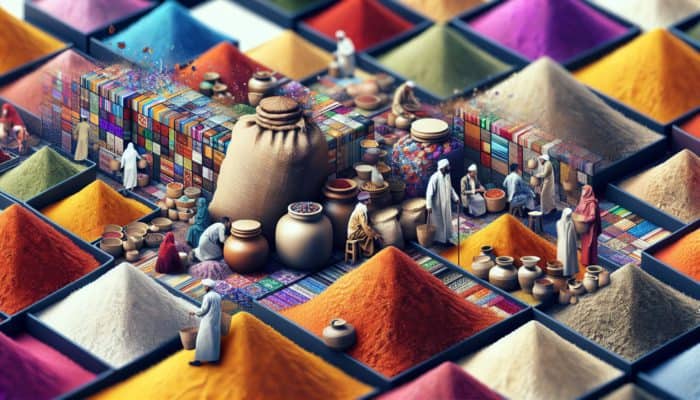
The Beginner’s Guide to Spices and Herbs highlights that spices are derived from the dried parts of plants, including seeds, roots, bark, and fruits, and they play a vital role in enhancing seasoning as well as preserving food. These aromatic ingredients have been cherished across various culinary traditions for centuries, recognized for their incredible ability to elevate simple dishes into remarkable culinary experiences through their complex flavors. Beyond their culinary importance, spices also hold significant medicinal properties and cultural relevance. For instance, Indian cuisine is famous for its rich tapestry of spices that create deep, satisfying flavors, while Middle Eastern dishes commonly feature sumac and za’atar to craft distinct taste profiles.
- Cumin: Brings warmth and is prevalent in Middle Eastern and Indian cuisines.
- Cinnamon: Offers sweetness and woodiness, suitable for both sweet and savory dishes.
- Turmeric: Renowned for its bright color and health benefits, commonly used in curries.
- Paprika: Provides smokiness and color, perfect for seasoning meats and stews.
- Black Pepper: A universal seasoning that enhances the flavor of almost any dish.
- Ginger: Infuses zest and is commonly used in Asian cuisines and baked goods.
- Nutmeg: Warm and sweet, frequently found in desserts and festive dishes.
- Cardamom: Aromatic and slightly sweet, favored in both savory and sweet recipes.
What Are Herbs and Their Indispensable Role in Culinary Practices?
Herbs primarily consist of the leafy portions of plants, often used fresh or dried to add flavor, enhance visual appeal as garnishes, or deliver medicinal benefits in cooking. The aromatic nature of these plants imbues depth, freshness, and brightness into a vast array of dishes. Grown in gardens worldwide, herbs offer a wide spectrum of flavors and aromas, mirroring the rich culinary traditions they belong to. For example, fresh basil is a cornerstone of Italian cuisine, while cilantro is held in high regard in both Mexican and Asian cooking. The versatility of herbs makes them essential for both home cooks and professional chefs, significantly improving the overall culinary experience.
Incorporating herbs into your culinary creations not only intensifies their flavor but also boosts their nutritional profile. Many herbs are packed with essential vitamins and minerals, adding substantial value to meals. The freshness of herbs can transform a basic dish into a gourmet masterpiece, evident in Mediterranean dishes where fresh herbs are abundantly used to create vibrant and nutritious meals.
What Sets Spices Apart from Herbs in Culinary Use?
While both spices and herbs enhance the flavor of dishes, they possess distinct differences in their sources and characteristics. Spices generally come from dried plant parts such as seeds, bark, roots, or fruits, providing more intense flavors. In contrast, herbs usually consist of the green, leafy sections of plants, which can be utilized either fresh or dried. This fundamental difference significantly influences their culinary applications and the overall flavor profiles of various dishes.
Grasping these distinctions is crucial for aspiring chefs and seasoned culinary enthusiasts alike. For example, spices like nutmeg or clove contribute rich, warm flavors when added during cooking, while herbs like parsley or chives deliver a fresh and vibrant finish when used as garnishes. Recognizing when to use each type can greatly improve your culinary skills, enabling you to create well-balanced dishes that highlight the best characteristics of both spices and herbs.
Proven Techniques for Effectively Using Spices and Herbs in Your Culinary Creations
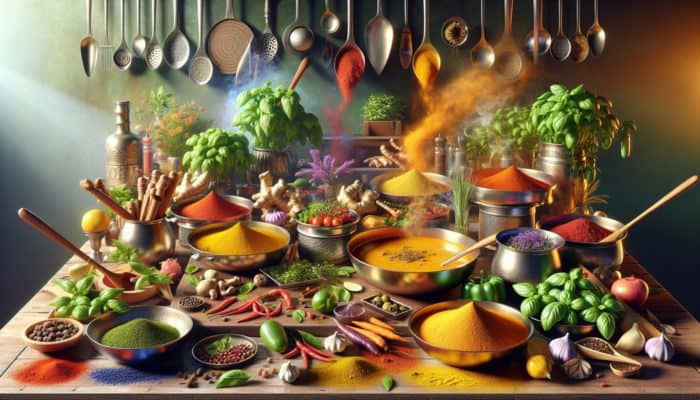
How to Effectively Master the Use of Spices in Cooking?
To effectively utilize spices in your culinary practices, you need to master various techniques that can amplify their flavor and unveil their aromatic properties. One essential method involves toasting spices, a technique that enhances their earthy flavors and releases essential oils. Accomplish this by heating them in a dry skillet over medium heat, stirring attentively to prevent burning. Additionally, grinding spices can unlock even greater flavor potential; employing a mortar and pestle or a spice grinder can convert whole spices into fine powders that integrate seamlessly into your culinary creations.
Another valuable technique involves blending spices to craft unique mixtures tailored to specific culinary traditions. This practice grants you the freedom to experiment with flavor profiles that may be unattainable with individual spices alone. For example, creating a garam masala blend requires combining spices such as cumin, coriander, and cardamom, resulting in a rich seasoning that embodies the essence of Indian culinary practices.
- Toasting: Heat spices in a dry pan to release their essential oils.
- Grinding: Utilize a mortar and pestle or grinder for fresher spices.
- Blending: Combine various spices for unique flavor profiles.
- Infusing: Add spices to liquids to craft flavorful broths or oils.
- Marinating: Incorporate spices into marinades for enhanced flavor in meats.
- Layering: Introduce spices at different stages of cooking for complexity.
- Storing: Keep spices in airtight containers to maintain freshness.
- Experimenting: Don’t hesitate to try new combinations for innovative dishes.
What Essential Techniques Should You Apply When Working with Herbs?
When working with herbs, the freshness and preparation methods significantly impact the flavor they contribute to dishes. Fresh herbs can be used whole, chopped, or minced to release their vibrant flavors. Finely chopping herbs also aids in evenly distributing their flavors throughout a dish. Furthermore, herbs can be infused in oils or included in marinades, allowing their essence to permeate the food and enhance the overall taste experience.
Dried herbs, while more concentrated in flavor, should be utilized with care. A general guideline is to use one-third the amount of dried herbs compared to fresh, as dried herbs can dominate a dish. Timing is also critical; adding fresh herbs towards the end of cooking preserves their bright taste, while dried herbs can be introduced earlier to allow their flavors to meld beautifully with the dish.
- Chopping: Finely chop herbs to release their essential oils.
- Mincing: Dice herbs into smaller pieces for a more intense flavor.
- Infusing: Steep herbs in hot liquids for flavor extraction.
- Garnishing: Use fresh herbs as a finishing touch for dishes.
- Mixing: Combine different herbs for a complex flavor profile.
- Preserving: Store fresh herbs in water or freeze them for later use.
- Cooking: Add dried herbs early and fresh herbs late in the cooking process.
- Experimenting: Explore different herb combinations for new flavor discoveries.
When Should You Add Spices and Herbs During Cooking for Optimal Flavor?
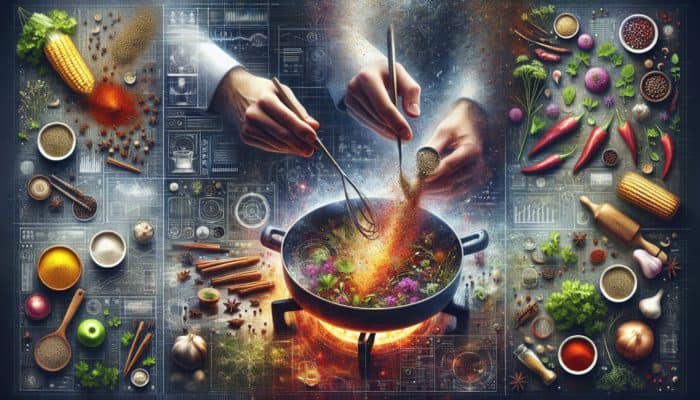
The timing of when to incorporate spices and herbs during the cooking process can profoundly impact the final result of your dish. Generally, spices should be added early, allowing them to bloom and develop their flavors throughout the cooking process. This is particularly important for spices like cumin and coriander, whose oils require time to infuse into the dish thoroughly.
Conversely, fresh herbs should ideally be introduced towards the end of cooking to preserve their freshness and vibrant flavor. Adding them too early may cause wilting and a decrease in their aromatic qualities. Dried herbs, while more concentrated, should still be added strategically—early enough to infuse their flavor without losing potency.
Understanding these principles can assist in crafting well-rounded dishes. For instance, when preparing a curry, toasting the spices at the outset allows for deep flavor development, while finishing the dish with fresh coriander brightens the taste and adds a refreshing contrast that enhances the overall culinary experience.
How Can You Store Spices and Herbs to Ensure Maximum Freshness?
Proper storage of spices and herbs is essential for maintaining their potency and flavor over time. Spices should be kept in a cool, dark location, away from heat and moisture sources. Airtight containers are ideal, as they protect spices from air exposure, which can compromise their quality. Glass jars or ceramic containers with lids work excellently for this purpose, helping to preserve the aromatic qualities of the spices.
For dried herbs, similar principles apply. Store them in airtight containers and shield them from direct sunlight. If you have fresh herbs, consider wrapping them in damp paper towels and placing them in a sealed plastic bag in the refrigerator to maintain their freshness longer. Alternatively, you can store fresh herbs upright in a glass of water, similar to cut flowers, and loosely cover them with a plastic bag, placing them in the fridge for optimal longevity.
Being mindful of your storage techniques can significantly extend the lifespan and quality of your spices and herbs, ensuring they remain aromatic and flavorful for your culinary adventures.
How to Perfectly Pair Spices and Herbs with Foods for Enhanced Flavor Experiences?
Certain spices and herbs naturally complement specific foods, amplifying their flavors and creating harmonious culinary experiences. For instance, rosemary, with its woody and aromatic profile, pairs exceptionally well with lamb dishes, infusing them with a robust depth of flavor. Likewise, cumin is crucial in Middle Eastern cuisine, intensifying the earthiness of dishes like falafel or hummus.
Effectively pairing spices and herbs requires an understanding of the primary flavors present in the dish. For example, citrusy herbs like cilantro and mint can elevate seafood dishes, providing a fresh contrast that brightens the overall taste. Additionally, spices such as paprika and cayenne can enhance grilled vegetables, adding a smokiness that complements their natural sweetness.
Consider also the regional cuisines that celebrate specific herb and spice pairings. For example, Thai cuisine often combines basil, lemongrass, and galangal to create vibrant, aromatic dishes. Exploring these pairings can lead to delightful culinary discoveries and innovations that elevate your cooking and transform your meals into extraordinary experiences.
Exploring the Health Benefits of Spices and Herbs
What Health Benefits Do Spices Provide?
Beyond their function as flavor enhancers, spices offer a myriad of health benefits that can positively influence overall wellness. Many spices, such as turmeric, contain anti-inflammatory compounds that can alleviate chronic conditions and promote better health. The active component in turmeric, curcumin, has been extensively studied for its potential to combat inflammation and oxidative stress, making it a potent addition to your diet.
Moreover, spices can aid in digestion and enhance metabolism. For instance, ginger is widely recognized for its digestive benefits, helping to relieve nausea and promote healthy gut function. Numerous spices also contain powerful antioxidants, which protect the body from damage caused by free radicals. Incorporating a diverse range of spices into your daily meals can provide essential nutrients while supporting overall health and wellness.
- Anti-inflammatory: Reduces inflammation in the body.
- Digestive aid: Improves digestive health.
- Antioxidant properties: Shields cells from oxidative stress.
- Metabolism booster: Enhances metabolic functions.
- Heart health: Certain spices support cardiovascular health.
- Blood sugar control: Some spices assist in regulating blood sugar levels.
- Weight management: Aids in weight loss efforts.
- Immune support: Strengthens the immune system.
What Are the Health Benefits Associated with Herbs?
Herbs are renowned not only for their culinary uses but also for their numerous health benefits. Many herbs possess medicinal qualities, making them valuable additions to your diet. For example, garlic is well-known for its ability to support heart health by helping to reduce blood pressure and cholesterol levels. Similarly, herbs like ginger and peppermint can facilitate digestion, alleviating common gastrointestinal discomfort and promoting overall comfort.
Furthermore, herbs can provide immune-boosting effects. Oregano and thyme are rich in antioxidants that help protect the body from harmful pathogens. Incorporating a variety of herbs into your meals not only enhances flavor but also contributes to improved overall health. Whether added to dishes, brewed into teas, or consumed fresh, herbs can be integral to a health-conscious diet and lifestyle.
- Digestive support: Aids in digestion and alleviates discomfort.
- Immune boosting: Strengthens the immune system.
- Heart health: Certain herbs may help lower blood pressure.
- Anti-inflammatory: Reduces inflammation throughout the body.
- Antioxidant-rich: Protects against cellular damage.
- Stress relief: Some herbs can help reduce stress and anxiety.
- Weight management: Aids in maintaining a healthy weight.
- Energy boost: Certain herbs can enhance energy and vitality.
How to Incorporate Spices and Herbs into Your Diet for Optimal Health Benefits?
Integrating spices and herbs into your diet can be a simple yet effective way to bolster your health while enhancing your meals’ flavors. Start by adding a variety of spices to your cooking; for example, sprinkle turmeric into soups or stews to harness its anti-inflammatory properties, or incorporate oregano into your tomato sauces for a heart-healthy boost.
Creating spice blends that align with your health goals can also be beneficial. For example, a mixture of garlic powder, ginger, and cayenne pepper can form a powerful combination that supports digestion and metabolic health. Instead of relying solely on salt for seasoning, experiment with herbs and spices to enrich your dishes while reducing sodium intake and encouraging healthier eating habits.
Additionally, brewing herbal teas can be an enjoyable way to increase your herb consumption. Infuse fresh mint or chamomile in hot water for soothing, health-promoting beverages that aid in relaxation and digestion. By creatively incorporating a diverse range of spices and herbs into your meals, you can achieve both flavorful and healthful results, enriching your culinary journey.
What Are the Synergistic Effects of Combining Spices and Herbs?
Combining spices and herbs is not just a culinary technique; it can significantly enhance their health benefits. Certain combinations may yield synergistic effects, promoting better digestion, stronger antioxidant actions, and enhanced overall wellness. For instance, pairing turmeric with black pepper can increase the bioavailability of curcumin, the active compound in turmeric, enhancing its effectiveness in combating inflammation.
Similarly, combining garlic with ginger creates a powerful mixture that supports immune health. The anti-inflammatory properties of both ingredients can work synergistically to provide greater relief from conditions like arthritis and other inflammatory disorders. By understanding these interactions, you can strategically use combinations of spices and herbs to achieve better health outcomes through your cooking.
Experimenting with various combinations can lead to delightful culinary experiences while also providing additional health benefits. For example, incorporating spices like cinnamon with ginger in your morning oatmeal not only enhances flavor but also offers a metabolism boost and supports healthy digestion, ensuring a nutritious start to your day.
Expert Insights on Spices and Herbs for Culinary Newcomers
What Are Expert Tips for Selecting Quality Spices and Herbs?
Choosing high-quality spices and herbs is essential for maximizing flavor in your cooking. Look for spices that display vibrant colors and strong aromas; dull or faded spices may have lost their potency and flavor profile. A straightforward method to assess quality is by smelling the spices; fresh spices should emit a distinct aroma that is both strong and inviting, indicating their freshness and quality.
When purchasing herbs, consider whether you prefer fresh or dried options. Fresh herbs should appear bright, aromatic, and free from signs of wilting or browning. For dried herbs, check packaging for harvest dates; fresher herbs typically possess more potent flavors. Additionally, consider sourcing your spices and herbs from reputable suppliers or local markets, where you can often find higher-quality products that enhance your culinary creations.
Another tip is to opt for whole spices whenever possible and grind them as needed. Whole spices retain their oils longer than pre-ground varieties, allowing for a more robust flavor when utilized in cooking. Investing time in selecting the right spices and herbs will undoubtedly yield better-quality dishes, elevating your culinary efforts.
What Are the Best Practices for Storing Spices and Herbs to Maintain Freshness?
Proper storage is crucial for preserving the potency and flavor of spices and herbs over time. Store them in airtight containers made of glass or ceramic, as plastic can allow air and moisture to degrade their quality. Keep spices in a cool, dark place, such as a pantry or cupboard, away from direct sunlight and heat sources that can cause them to lose their flavor quickly and become less effective in your cooking.
For dried herbs, ensure that they are entirely dry before storing to prevent mold growth. Label your containers with the purchase or harvest date to keep track of freshness and potency. If possible, use a vacuum-sealer to remove air from containers, which can help prolong their shelf life, ensuring that your spices retain their flavor and aroma.
Additionally, for fresh herbs, wrap them in damp paper towels and place them in a plastic bag in the fridge to maintain their freshness. Alternatively, you can store them upright in a glass of water, similar to cut flowers, covering them loosely with a plastic bag. Proper storage techniques will ensure that your spices and herbs retain their quality and remain flavorful for your culinary endeavors.
What Common Missteps Should You Avoid When Using Spices and Herbs?
Avoiding common mistakes with spices and herbs can significantly improve the flavor of your dishes. One frequent error is overusing spices; a little goes a long way, and excessive amounts can overpower a dish, detracting from the overall experience. Start with small quantities and adjust as necessary to achieve the desired flavor profile without overwhelming the dish.
Another mistake involves using expired or low-quality spices and herbs. Spices have a shelf life, and relying on stale or expired products can lead to lackluster flavors that fail to impress. Always check expiration dates and discard anything that seems past its prime. Similarly, improper storage can lead to a loss of potency; always store spices and herbs in airtight containers, away from light and heat sources that can degrade their quality.
Lastly, many cooks overlook the timing of when to add spices and herbs during cooking. Adding them at the wrong stage can diminish their effectiveness; for instance, introducing delicate herbs too early can result in a loss of flavor, while heartier spices can benefit from longer cooking times. By being mindful of these common mistakes, you can elevate your culinary skills and enhance the overall quality and enjoyment of your dishes.
How to Utilize Spices and Herbs to Elevate Your Cooking Techniques?
To enhance your culinary creations with spices and herbs, begin by understanding the flavor profiles of different ingredients. Familiarizing yourself with the characteristics of various spices and herbs will empower you to create harmonious pairings that elevate your dishes. For example, consider pairing warming spices like cinnamon and nutmeg with creamy dishes to create comforting flavor combinations that are sure to delight.
Experimenting with spice blends can also introduce exciting new flavors into your cooking repertoire. Start by creating a basic blend of your favorite spices, and don’t hesitate to adjust the proportions to suit your taste preferences. Explore the cuisines that inspire you and replicate their traditional spice blends, such as crafting your own curry powder or Italian seasoning for a personal touch.
Moreover, consider the textures and colors that spices and herbs can contribute to your dishes. Fresh herbs can provide a vibrant pop of color, while spices can lend depth and warmth. By learning how to balance flavors, textures, and visual appeal, you can create truly remarkable culinary experiences that showcase the best of spices and herbs, leaving your guests impressed and satisfied.
Pairing Spices and Herbs with Various Foods for an Optimal Flavor Experience
What Spices Are Best for Enhancing Savory Dishes?
Certain spices are particularly effective at enhancing savory dishes, enriching their inherent flavors and creating delightful culinary experiences. For example, cumin introduces a warm, earthy flavor that pairs beautifully with meats, legumes, and roasted vegetables, making it a staple in many Middle Eastern and Indian recipes. Coriander, with its citrusy notes, complements grains and elevates the taste of sauces and stews alike.
Paprika, whether sweet or smoked, adds a rich, vibrant color and depth to savory dishes, making it an excellent choice for stews, goulash, and barbecue rubs. For those seeking a spicy kick, cayenne pepper can invigorate savory dishes, enhancing the overall taste experience and creating memorable meals.
Understanding how spices interact with various food groups can elevate your cooking to new heights. For instance, pairing ground black pepper with creamy sauces creates a beautiful balance of flavors, while turmeric infuses a golden hue and numerous health benefits into your dishes. By experimenting with different combinations, you can uncover exciting flavor profiles and transform your cooking repertoire into something extraordinary.
What Herbs Are Best for Enhancing Savory Dishes?
Herbs are essential for adding freshness and depth to savory dishes, and certain herbs harmonize beautifully with specific foods. Rosemary, with its robust aroma, pairs exceptionally well with lamb and roasted vegetables, imparting a fragrant note that elevates the dish significantly. Thyme, versatile and earthy, complements a myriad of savory recipes, from chicken to soups, enhancing the overall flavor profile with its aromatic qualities.
Basil, widely celebrated in Italian cuisine, contributes a sweet and peppery touch that pairs perfectly with tomato-based dishes. Meanwhile, oregano offers a warm, slightly bitter flavor that is ideal for pizza and pasta sauces. Mint, with its refreshing taste, can invigorate meat or vegetable dishes, providing a delightful contrast that excites the palate.
When working with herbs, consider their role in the dish and the timing of their addition for maximum effect. Fresh herbs should ideally be added at the end of the cooking process to preserve their vibrant flavors, while dried herbs can be introduced earlier to allow their flavors to meld beautifully with the dish. Experimenting with diverse herb pairings can lead to innovative culinary creations that will impress your guests.
How to Pair Spices and Herbs with Sweet Dishes for a Unique Flavor Twist?
Spices can significantly elevate sweet dishes by introducing warmth and complexity that tantalize the palate. Cinnamon is a classic choice in baked goods, from pastries to pies, offering a sweet and woody profile that enhances desserts beautifully. Nutmeg, with its warm and slightly sweet flavor, often features in holiday treats like eggnog and spiced cakes, creating memorable flavor experiences.
Cardamom, an aromatic spice with citrusy notes, can add a unique twist to sweet dishes such as rice pudding and fruit salads. Ginger, known for its zest, can invigorate cookies and cakes, providing a delightful balance of sweet and spicy that keeps your taste buds engaged. When it comes to sweet profiles, don’t overlook the potential of spices to create harmony and contrast in your desserts.
Herbs can also enhance sweet dishes; for instance, mint pairs beautifully with chocolate desserts, offering a refreshing contrast that elevates the overall experience. Lavender can infuse cakes and creams with a delicate floral note, creating unique flavor profiles that surprise and delight those fortunate enough to indulge. By experimenting with various spice and herb pairings in sweet dishes, you can craft memorable desserts that stand out and leave a lasting impression.
How to Pair Spices and Herbs with Seafood for Maximum Flavor Impact?
Seafood dishes can greatly benefit from the right spices and herbs, enhancing their delicate flavors and creating a refreshing culinary experience. Dill, with its light and slightly sweet profile, is a classic pairing for fish, particularly salmon, providing a harmonious balance that elevates the dish. Fennel seeds, with their anise-like flavor, can enhance seafood stews, adding depth and complexity that delights the senses.
Fresh herbs like parsley and cilantro work beautifully with seafood, offering a bright, vibrant contrast to the richness of the fish. These herbs can be used in salsas or as garnishes to elevate the overall presentation and flavor of the dish. Additionally, spices like paprika or cayenne pepper can add a touch of heat to grilled seafood, providing a delightful contrast to its natural sweetness and enhancing the overall taste experience.
When pairing spices and herbs with seafood, consider the cooking method and the flavors you wish to highlight. For example, light and fresh herbs may be best suited for poached or steamed fish, while bolder spices can enhance grilled or roasted varieties. By understanding these dynamics, you can create seafood dishes that are not only delicious but also visually appealing and memorable for your guests.
Creating Custom Spice Blends for Personal Culinary Experiences
What Are the Fundamental Principles for Crafting Your Own Spice Blends?
Creating your own spice blends can be a rewarding way to personalize your culinary journey and expand your flavor repertoire. Start by grasping the basic principle of understanding the main flavor profiles you wish to achieve. Consider selecting a base spice that will serve as the foundation of your blend, such as cumin or paprika. From there, identify complementary spices that will elevate the primary flavor without overshadowing it, ensuring a harmonious balance.
Balance is essential when crafting spice blends; aim for a mixture that harmonizes various flavors, including earthy, sweet, and spicy notes. A good rule is to use smaller quantities of stronger spices, such as cloves or cinnamon, to avoid overpowering the blend and to allow the more subtle flavors to shine through.
- Choose a base spice: Select a primary spice to build your blend around.
- Add complementary spices: Incorporate spices that enhance the overall flavor.
- Balance the flavors: Aim for a harmonious mix of flavors.
- Start small: Experiment with small batches to refine your blend.
- Taste as you go: Adjust quantities based on your preferences.
- Store properly: Keep blends in airtight containers away from light and heat.
- Label your blends: Note the ingredients and date for future reference.
- Inspire creativity: Don’t hesitate to try new combinations and ideas.
What Notable Spice Blends Elevate Culinary Experiences?
Numerous popular spice blends can enhance the flavor of various dishes. Curry powder, for instance, is a well-known blend of spices, including turmeric, cumin, and coriander, widely used in Indian cuisine. This versatile blend can be added to soups, stews, or marinades, imparting a rich and aromatic flavor that is deeply satisfying.
Garam masala, another celebrated Indian blend, typically includes spices like cardamom, cinnamon, and cloves. It is best added at the end of cooking to preserve its aromatic qualities and enhance the overall flavor profile of the dish. Italian seasoning, featuring a blend of herbs such as basil, oregano, and thyme, is excellent for enhancing pasta sauces, salads, and roasted vegetables, making it a versatile addition to any kitchen.
Other noteworthy blends include Ras el Hanout, a North African mix often used in tagines, and herbes de Provence, a French blend that complements grilled meats and vegetables beautifully. Familiarizing yourself with these blends can inspire creativity in your cooking, allowing you to incorporate internationally inspired flavors into your meals and elevate your culinary repertoire.
How to Experiment with Custom Spice Blends for Unique Flavors?
Experimenting with custom spice blends is an exciting journey that enables you to tailor flavors to your personal tastes and culinary style. Begin by selecting a few spices or herbs that you enjoy and considering their individual flavor profiles. Start with small batches, mixing one teaspoon of each ingredient in a bowl to create your initial blend, and adjust as necessary.
As you taste and refine your blends, document your experiments to assist in recreating your favorite combinations over time. Don’t shy away from trying unconventional pairings; sometimes, unlikely combinations can yield delicious results that surprise and delight. The process of creating custom spice blends not only enhances your cooking but can also deepen your appreciation for the flavors that spices and herbs provide, enriching your culinary journey.
Research-Based Insights on the Benefits of Spices and Herbs
What Evidence Exists Regarding Spices and Cognitive Health?
Research indicates that certain spices, particularly turmeric and saffron, may have beneficial effects on cognitive health. Turmeric contains curcumin, which has been shown to possess anti-inflammatory and antioxidant properties that may help protect against neurodegenerative diseases like Alzheimer’s. Incorporating turmeric into your diet can be achieved by adding it to curries, soups, or smoothies, making it an easy addition to your meals for cognitive support.
Saffron is another spice that has garnered attention for its potential cognitive benefits. Studies suggest that saffron may enhance mood and memory function, making it a valuable addition to your diet. To integrate saffron into your meals, consider using it in risottos, desserts, or teas. These spices offer an easy way to support cognitive health while enhancing the flavor and appeal of your dishes.
What Does Research Indicate About Herbs and Heart Health?
Herbs like garlic and ginger have been extensively studied for their beneficial effects on heart health. Garlic, in particular, has been shown to help lower blood pressure and cholesterol levels, making it a valuable addition to a heart-healthy diet. Incorporating garlic into your meals, whether through roasting, sautéing, or using it in dressings, can provide flavor along with its health benefits, promoting cardiovascular wellness.
Ginger also supports heart health by contributing to circulation and reducing inflammation, making it a heart-friendly choice. Adding fresh ginger to stir-fries, smoothies, or teas can enhance your meals while providing cardiovascular support. By including these herbs in your diet, you can actively promote heart health while enjoying delicious, flavorful dishes that nourish your body.
What Research Reveals About the Anti-Inflammatory Properties of Spices and Herbs?
Many spices and herbs are renowned for their anti-inflammatory properties, which can play a significant role in managing chronic inflammation and related health issues. Turmeric, with its active compound curcumin, is one of the most researched spices for its anti-inflammatory effects. Regular consumption of turmeric can help alleviate symptoms of conditions like arthritis and inflammatory bowel disease, making it a powerful ally in your health regimen.
Ginger is another spice known for its anti-inflammatory benefits. Studies have suggested that ginger can reduce muscle soreness and enhance joint health, making it a wonderful addition to your diet. Incorporating ginger into your meals can be as simple as adding it to smoothies, soups, or stir-fries, providing both flavor and therapeutic advantages. By regularly consuming these anti-inflammatory spices and herbs, you can support your body’s health and overall well-being.
Practical Tips for Cultivating Your Own Spices and Herbs
How to Start Your Own Spice and Herb Garden?
Starting a spice and herb garden can be a fulfilling and cost-effective method to enjoy fresh flavors at home. Begin by selecting a suitable location that receives ample sunlight, as most herbs thrive in bright conditions. Prepare the soil by ensuring it is well-drained and rich in organic matter, which is vital for supporting healthy growth and ensuring your plants flourish.
Select easy-to-grow varieties to launch your garden, such as basil, parsley, and mint. Plant your seeds or seedlings according to their specific requirements, and make sure to water them regularly to maintain soil moisture. As your herbs grow, consider harvesting them frequently to encourage new growth and prevent them from becoming woody or less flavorful.
- Select a sunny location: Most herbs require full sun for optimal growth.
- Prepare the soil: Ensure it is well-drained and nutrient-rich.
- Choose easy varieties: Start with herbs like basil, parsley, and mint.
- Plant correctly: Follow specific planting instructions for each herb.
- Water regularly: Maintain consistent moisture for healthy growth.
- Harvest often: Regular harvesting encourages new growth and keeps herbs productive.
- Consider containers: Herbs can be grown in pots, making them versatile for limited spaces.
- Learn about pests: Monitor for pests and manage them organically to maintain a healthy garden.
What Are the Ideal Conditions for Growing Spices?
Growing spices like coriander and cumin requires specific conditions to ensure a fruitful harvest. These spices thrive in well-drained soil, so ensure your planting area possesses good drainage to prevent waterlogging, which can damage the roots. Additionally, both coriander and cumin prefer warm temperatures, making them ideal for cultivation during spring and summer months when the weather is favorable.
These spices benefit from consistent watering, but exercise caution to avoid overwatering, as this can lead to root rot and other issues. When cultivating spices, consider starting them indoors if you reside in a cooler climate, transplanting them outside once the weather warms up. Understanding these growing conditions will contribute to a bountiful harvest of spices that will enhance your culinary adventures and enrich your dishes.
What Are the Optimal Conditions for Growing Herbs?
Herbs like basil and mint thrive in similar conditions, preferring well-drained soil and ample sunlight for optimal growth. They generally flourish in locations that receive at least six hours of sunlight each day, which is crucial for their development and flavor enhancement. Regular watering is essential; however, it’s important to avoid waterlogged soil, as this can adversely affect growth and lead to root diseases.
Certain herbs can also be cultivated indoors, making them accessible year-round for your culinary needs. For indoor cultivation, use pots with drainage holes and place them on a sunny windowsill where they receive adequate light. Regular pruning can encourage bushier growth and prevent herbs from bolting, ensuring a continuous supply of fresh herbs at your fingertips. By understanding the specific growing conditions for each herb, you can cultivate a thriving herb garden that significantly enhances your culinary creations.
Frequently Asked Questions About Spices and Herbs
What Spices Should Beginners Start With?
Common spices for beginners include cumin, paprika, black pepper, cinnamon, and turmeric. These spices are versatile and can be incorporated into various cuisines and dishes, serving as excellent starting points for developing your culinary skills and understanding flavor profiles.
How Can I Determine If My Spices Are Fresh?
Fresh spices should display vibrant colors and strong aromas. If they appear dull or have little scent, they may have lost their potency and flavor, indicating it’s time to replace them. Always check expiry dates and store spices properly for optimal flavor retention.
Can I Substitute Dried Herbs for Fresh Herbs?
Yes, you can use dried herbs in place of fresh herbs. However, use about one-third of the amount of dried herbs compared to fresh, as dried herbs are more concentrated in flavor and can overpower a dish if used excessively.
What Is the Best Method for Storing Spices and Herbs for Longevity?
Store spices and herbs in airtight containers in a cool, dark place, away from heat and moisture. This helps preserve their freshness and potency, ensuring they remain effective and flavorful when you need them in your culinary creations.
How Do I Begin a Home Herb Garden?
To start a home herb garden, choose a sunny location, prepare well-drained soil, and select easy-to-grow herbs like basil and mint. Regularly water and harvest your herbs to encourage new growth and maintain their flavorful contributions to your dishes.
What Spices Are Notable for Their Health Benefits?
Spices such as turmeric, ginger, garlic, and cinnamon are renowned for their health benefits, including anti-inflammatory and antioxidant properties. Incorporating these spices into your diet can support overall health and contribute positively to your wellness.
How Do I Know Which Spices to Pair with Specific Dishes?
Research the flavor profiles of spices and consider the main ingredients of your dish. Experiment with traditional pairings within specific cuisines to discover harmonious combinations that elevate your cooking and enhance the flavor of your meals.
What Are Some Common Spice Blends I Can Create at Home?
You can create spice blends like curry powder, garam masala, and Italian seasoning at home. Combining spices according to specific cuisines or flavor profiles can enhance your cooking and provide a unique touch to your dishes.
Are There Safety Concerns Associated with Using Spices and Herbs?
While spices and herbs are generally safe, some individuals may have allergies or sensitivities. It’s important to introduce new spices gradually and consult with healthcare professionals if you have specific health concerns or dietary restrictions.
What Are the Best Herbs for Cooking?
Popular herbs for cooking include basil, parsley, cilantro, thyme, and rosemary. These herbs are versatile and can enhance a wide variety of dishes with their fresh, aromatic flavors, making them essential staples in any kitchen.
Connect with us on Facebook!
The post Best Beginner Guide to Spices and Herbs: Unlocking Flavor Secrets appeared first on https://cookinggods.com
The Article Beginner Guide to Spices and Herbs for Flavor Mastery Was Found On https://limitsofstrategy.com