Essential Tools and Equipment for Perfectly Cold Smoked Salmon
Explore Various Smoker Types for Superior Cold Smoking Results
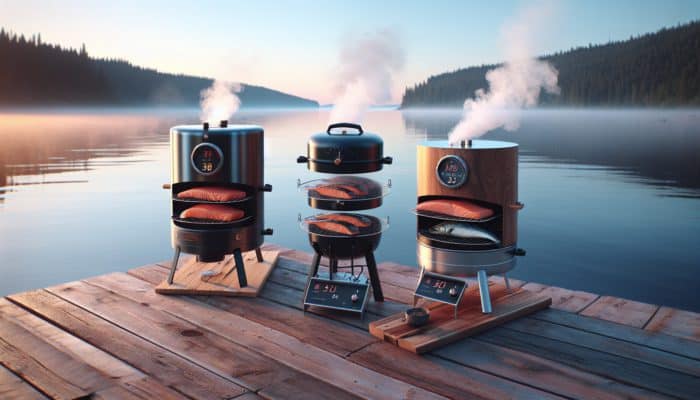
To cold smoke salmon like a culinary expert, understanding the different types of smokers available in the market is paramount. Each smoker type offers unique benefits that can greatly influence the quality of your smoking experience. For instance, electric smokers from trusted brands such as Masterbuilt provide excellent temperature control, making them ideal for novices. Conversely, gas smokers, like those made by Weber, heat up rapidly and maintain low temperatures effectively, appealing to those who prefer a more hands-off smoking experience. Charcoal smokers, represented by the classic Weber kettle, require a bit more attention but impart a deep, smoky flavor due to the combustion of charcoal.
When selecting a smoker, assess the quantity of salmon you intend to smoke simultaneously. A larger smoker is perfect for multiple fillets, while a compact electric model may be better suited for smaller batches. Consider factors such as pricing, portability, and the learning curve associated with each smoker. It is essential to choose one that aligns with your cold smoking aspirations and skill level. Ensure that your smoker can maintain temperatures within the range of 70°F to 90°F for successful cold smoking.
Critical Temperature Control Devices for Successful Cold Smoking
Maintaining the correct temperature throughout the cold smoking process is crucial for achieving optimal flavor while ensuring food safety. Various temperature control devices can aid in monitoring and adjusting heat levels as necessary. A dependable thermometer is an essential tool; consider investing in digital thermometers for quick and precise readings. Here are some indispensable temperature control devices that can greatly enhance your cold smoking experience:
- Digital thermometers
- Wireless remote thermometers
- Temperature controllers for smokers
- Humidity gauges
These tools are crucial in maintaining the ideal temperature range, thus reducing the risk of accidentally cooking the salmon or allowing harmful bacteria to grow. Regularly monitor your smoker’s temperature and humidity levels throughout the smoking process to create the best environment for your salmon.
Would You Like to Listen to the Audio?
Selecting the Best Wood and Pellets for Flavor Enhancement in Cold Smoking
The selection of wood or pellets for cold smoking salmon plays a crucial role in determining the flavor profile of your finished dish. Each type of wood adds distinct characteristics to the fish. For example, alder wood is traditionally preferred for salmon, known for imparting a mild, sweet flavor that beautifully complements the fish’s natural taste. In addition, apple wood brings a fruity note, while cherry wood provides a rich, slightly tangy flavor that enhances the overall taste experience.
When selecting wood, ensure it is properly seasoned and free from any chemicals or additives. Soaking wood chips in water prior to use can create a longer, more consistent smoke. Experimenting with various wood combinations can lead to personalized flavor profiles that elevate your cold-smoked salmon to gourmet levels. Ultimately, choosing the right wood is a key element in mastering the cold smoking technique.
Step-by-Step Guide to Preparing Salmon for Cold Smoking

Choosing the Right Salmon for Cold Smoking Success
The journey to crafting delicious cold-smoked salmon starts with selecting high-quality fish. Look for salmon that appears fresh, firm, and showcases vibrant coloration. Wild-caught Pacific salmon, such as sockeye or king salmon, typically deliver a richer flavor compared to their farmed counterparts. Ensuring freshness is vital; ideally, source your salmon from a reputable fishmonger or local market where it has been stored correctly to keep its quality intact.
Inspect the salmon’s skin; it should glisten and be free from any discoloration or unpleasant odors. If possible, ask about the fish’s origin and confirm it comes from sustainable sources. A well-chosen salmon not only enhances flavor but also elevates the overall quality and safety of your cold-smoked product.
Understanding the Curing Process for Salmon Preparation
The curing process is an essential step in preparing salmon for cold smoking, as it helps preserve the fish while enhancing its flavor. Two primary curing methods are available for consideration: dry curing and wet brining. In the dry curing method, a mixture of salt and sugar is applied to the salmon fillets, extracting moisture and amplifying flavor. This method typically requires a curing time of 24 to 48 hours in the refrigerator.
Conversely, wet brining involves submerging the salmon in a mixture of water, salt, sugar, and sometimes spices or herbs. This method not only infuses moisture but also incorporates additional flavors into the fish. The brining process usually lasts about 8 to 12 hours, depending on the desired saltiness. Regardless of the method chosen, ensure the salmon is thoroughly covered to prevent cross-contamination and promote even curing.
Implementing Effective Drying Techniques for Optimal Pellicle Formation
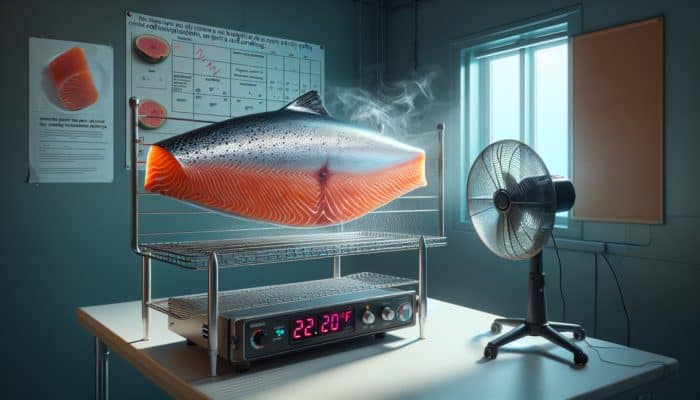
After the curing process, drying the salmon is essential to develop a pellicle, a sticky film that helps the smoke adhere to the fish. To dry salmon effectively, place it on a wire rack in a cool, well-ventilated area. Aim for a temperature between 60°F and 70°F, ensuring the environment is not overly humid. This drying phase can take anywhere from 1 to 4 hours, depending on the thickness of the fillet and the surrounding conditions.
Utilizing a fan to improve airflow around the salmon can expedite the drying process and enhance pellicle formation. Once the surface feels tacky to the touch, your salmon is prepared for the cold smoking stage. This step is critical; neglecting or improperly executing it can lead to inadequate smoke adherence and a less flavorful final product.
Managing Temperature and Humidity for Ideal Cold Smoking Conditions
During the cold smoking process, regulating both temperature and humidity is vital for achieving proper curing without overcooking the salmon. The optimal temperature for cold smoking salmon falls between 70°F and 90°F. Use a reliable thermometer to monitor the internal temperature of the smoker. If you notice temperature fluctuations, adjust the smoker’s vents or introduce ice to stabilize the temperature.
Humidity also plays a critical role; excessive moisture can lead to undesirable bacterial growth, while insufficient humidity can hinder the smoking process. Aim for a humidity level between 60% and 70% for optimal curing. Using a hygrometer can assist you in effectively tracking humidity levels. By attentively managing these factors, you ensure a safe and successful cold smoking process that results in beautifully flavored salmon.
Proven Tips for Cold Smoking Salmon Like a Seasoned Expert
Identifying the Perfect Wood for Flavor Enhancement
Choosing the right type of wood for cold smoking salmon is an art that can significantly elevate your culinary creations. Each wood variety imparts its unique flavor, which can either enhance or overwhelm the salmon’s inherent taste. Many professional smokers prefer alder for its mild, sweet, and slightly nutty profile, making it a classic companion for salmon. Apple wood is another excellent option, providing gentle sweetness that complements the fish wonderfully while adding a delightful aroma.
If you desire a more pronounced flavor, hickory and mesquite can deliver a stronger, smokier essence, but these should be used sparingly to prevent overpowering the salmon. Cherry wood strikes a perfect balance, offering both rich flavor and a hint of sweetness. Exploring various wood types can help you discover your preferred combination and create a signature smoked salmon that reflects your unique taste.
Mastering Temperature Control for Consistent Results
Maintaining the ideal temperature during the cold smoking process is crucial for achieving consistent and delicious outcomes. Begin by preheating your smoker to the desired temperature range of 70°F to 90°F before introducing the salmon. Utilize a reliable thermometer to monitor the internal temperature, making necessary adjustments as needed. If using a charcoal smoker, consider placing ice in a pan to effectively maintain a lower temperature.
Another effective strategy is to use a temperature controller, which automatically adjusts the heat based on your set parameters. This feature can be particularly beneficial during extended smoking sessions. For DIY setups, a water bath can also help stabilize temperature fluctuations. Consistency is essential; mastering temperature control guarantees that your cold-smoked salmon remains both safe and flavorful.
Valuing Patience and Timing in the Cold Smoking Process
In the world of cold smoking, patience and timing are invaluable. Rushing through the process can lead to poorly flavored salmon or, worse, unsafe food. Typically, the cold smoking process spans between 12 and 24 hours, depending on the fillet thickness and the desired smokiness level. Use this time wisely—resist the temptation to frequently check on the salmon, as this can introduce unwanted cold air and disrupt the smoking environment.
During the smoking phase, avoid the urge to hasten the process by increasing heat or smoke output. Instead, embrace the slow nature of cold smoking; it allows for complete flavor development and ensures a safe product. Remember, good things come to those who wait, and your patience will reward you with exceptional smoked salmon that is both delightful and safe to enjoy.
Comprehensive Preparation Steps for Salmon
Preparation is fundamental for achieving outstanding results with cold-smoked salmon. The process starts with proper brining, where you can choose between dry curing or wet brining. For a dry cure, combine sea salt and sugar in equal parts, adjusting to taste, and thoroughly coat the salmon fillets. Allow it to cure for 24 to 48 hours, depending on the fillet thickness, ensuring they are well-covered and refrigerated to uphold hygiene standards.
Once curing is finished, it is crucial to dry the fillets until a pellicle forms. This sticky surface layer of protein enhances smoke adhesion. Place the salmon on a wire rack in a cool, well-ventilated area, closely monitoring the drying process. Once the pellicle has developed, your salmon is set for the cold smoking phase, where the transformation takes place. Each step in the preparation process is vital for maximizing the flavor and texture of your final product.
What Are the Key Benefits of Cold Smoking Salmon?
Crafting a Rich and Sophisticated Flavor Profile
Cold smoking salmon creates a complex and refined flavor profile that elevates the fish’s natural taste. Unlike hot smoking, which cooks the fish, cold smoking infuses it with subtle smoky notes while preserving its texture. This method allows the delicate flavors of the salmon to shine through, making it a highly sought-after delicacy. The end result is a smooth, tender product that appeals to a diverse range of palates.
The enhancement of flavor stems from careful wood selection and smoking techniques, allowing the salmon to gradually absorb the smoky essence. This process creates a harmonious balance of sweet and savory flavors, resulting in a gourmet experience. Whether enjoyed on its own or paired with complementary foods, cold-smoked salmon elevates any dish, making it a versatile ingredient in both casual and fine dining settings.
Preservation Benefits and Extended Shelf Life of Cold Smoked Salmon
A significant advantage of cold smoking salmon is its extended shelf life. The combination of the curing process and low-temperature smoking effectively preserves the fish, making it safe for consumption for weeks or even months when stored correctly. This preservation technique has been employed for centuries, allowing communities to store fish for longer periods without refrigeration.
Proper storage is crucial for maximizing the shelf life of cold-smoked salmon. Vacuum sealing is the most effective method, as it removes air and prevents spoilage. When refrigerated, smoked salmon can last up to two weeks, while frozen portions can be enjoyed for several months. This makes cold smoking not only a culinary delight but also a practical method for savoring fresh salmon year-round.
Exploring the Health Benefits of Cold Smoked Salmon
Cold-smoked salmon is not just a culinary indulgence but also a nutritional powerhouse. Rich in omega-3 fatty acids, it offers numerous health benefits, including improved heart health, enhanced brain function, and reduced inflammation. Incorporating cold-smoked salmon into your diet can positively impact your overall well-being, making it a smart addition to your meals.
Furthermore, salmon is packed with protein and essential vitamins and minerals such as vitamin D, B vitamins, and selenium. These nutrients play vital roles in energy maintenance, immune support, and metabolic health. With its delightful flavor and impressive nutritional profile, cold-smoked salmon serves as both a savory treat and a healthful option in your diet.
How Does Cold Smoking Distinguish Itself from Hot Smoking?
Examining Temperature Variations in Smoking Techniques
The most significant distinction between cold smoking and hot smoking lies in the temperature at which each process occurs. Cold smoking typically takes place at temperatures between 70°F and 90°F, while hot smoking occurs at much higher temperatures, generally ranging from 165°F to 185°F. This temperature disparity fundamentally influences the texture and flavor of the smoked salmon.
Cold smoking preserves the fish without cooking it, resulting in a delicate, silky texture that retains its natural moisture. In contrast, hot smoking cooks the salmon, leading to a firmer texture and a more pronounced smoky flavor. Understanding these temperature variations is essential when deciding which smoking method to use for your culinary objectives.
Flavor and Texture Comparisons Between Cold and Hot Smoking Methods
Cold-smoked salmon presents a unique flavor and texture profile that distinctly sets it apart from hot-smoked alternatives. The gentle infusion of smoke during the cold smoking process creates a mild yet complex flavor that enhances the salmon’s natural sweetness. This method allows the fish to remain moist and tender, providing a luxurious mouthfeel that is highly regarded in culinary applications.
Conversely, hot-smoked salmon develops a more robust, smoky flavor and firmer texture due to the cooking process. While both methods yield delicious results, the choice between cold and hot smoking ultimately depends on personal preference and the desired culinary outcome. Cold-smoked salmon is often preferred for dishes that benefit from a more subtle flavor, such as salads, bagels, or charcuterie boards, while hot-smoked salmon is better suited for heartier meals.
Crucial Safety Considerations in Cold Smoking Practices
Cold smoking does not cook the salmon, which raises important safety considerations that must be strictly followed to prevent spoilage or foodborne illness. It is essential to start with the freshest salmon available and to adhere to proper curing and drying techniques. The curing process effectively reduces moisture, thereby inhibiting the growth of harmful bacteria.
Moreover, monitoring temperature throughout the cold smoking process is critical. Keeping the smoker within the recommended temperature range ensures that the fish remains safe for consumption. Proper storage methods, such as vacuum sealing and refrigeration, are also essential. By following established safety guidelines, you can fully enjoy the exquisite flavor of cold-smoked salmon without compromising your health.
Best Practices for Storing and Serving Cold Smoked Salmon
Optimal Storage Techniques for Quality Preservation
To maintain the quality of cold-smoked salmon, implementing effective storage techniques is crucial. After smoking, allow the salmon to cool completely before storing. If you plan to consume it within a week, store it in the refrigerator, ideally wrapped in parchment paper or a clean, dry cloth to allow airflow.
For long-term storage, vacuum sealing proves to be the most effective method, as it removes air and prevents freezer burn. Properly vacuum-sealed salmon can be stored in the freezer for up to six months. When you are ready to use it, thaw the salmon in the refrigerator overnight for optimal texture. Adhering to these storage guidelines ensures that your cold-smoked salmon retains its flavor and quality.
Innovative Serving Suggestions for Cold Smoked Salmon
Cold-smoked salmon is a versatile ingredient that can be incorporated into a multitude of serving options. Its rich, smoky flavor pairs beautifully with a variety of dishes and ingredients. Here are some creative serving suggestions:
- Served on a toasted bagel topped with cream cheese and capers
- Incorporated into a fresh salad featuring leafy greens and a citrus dressing
- Used in sushi rolls or as a topping for rice bowls
- Displayed on a charcuterie board alongside cheeses and olives
These ideas showcase the flexibility of cold-smoked salmon, making it suitable for appetizers, main courses, or elegant hors d’oeuvres. The possibilities are limited only by your creativity and willingness to explore new flavor combinations.
Expert Pairing Recommendations for Enhancing Cold Smoked Salmon
Pairing cold-smoked salmon with complementary foods can significantly enhance your dining experience. Its rich, smoky flavor harmonizes beautifully with various wines, cheeses, and accompaniments. For wine, consider a crisp, dry white like Sauvignon Blanc or a light-bodied red such as Pinot Noir, both of which elevate the taste of the salmon without overshadowing it.
Cheeses like cream cheese or goat cheese provide a delightful contrast to the smoky fish. Adding fresh herbs, such as dill or chives, can further enhance the flavor profile. For more adventurous pairings, explore unique accompaniments like pickled vegetables or spicy mustards that add an intriguing twist to your presentation. Selecting the right pairings can create a harmonious balance of flavors, enriching the overall enjoyment of cold-smoked salmon.
Critical Safety and Handling Guidelines for Cold Smoked Salmon
Ensuring the safe consumption of cold-smoked salmon is of utmost importance. Always start with fresh, high-quality fish, and follow appropriate curing and smoking protocols. Once the salmon is prepared, maintain suitable storage conditions to prevent spoilage. When serving, avoid leaving the salmon at room temperature for extended periods, as this can encourage bacterial growth.
Additionally, be vigilant about cross-contamination during preparation and serving. Utilize separate utensils and cutting boards for raw fish and other ingredients. By adhering to these safety practices, you can savor cold-smoked salmon while minimizing any potential health risks associated with improper handling.
Frequently Asked Questions Regarding Cold Smoking Salmon
What type of salmon is best suited for cold smoking?
Wild-caught Pacific salmon, such as sockeye or king salmon, is often regarded as the ideal choice for cold smoking due to its rich flavor and firm texture.
How long does the cold smoking process typically take?
Generally, cold-smoking salmon lasts between 12 and 24 hours, depending on the thickness of the fillets and the desired smokiness level.
Can I utilize a standard grill for cold smoking?
Yes, a conventional grill can be modified for cold smoking by employing a smoke box or adding wood chips to one side of the grill while keeping the opposite side cool to maintain low temperatures.
Is cold-smoked salmon safe for consumption?
Yes, provided that proper curing and storage methods are followed, cold-smoked salmon is safe to eat. Always ensure it is kept at appropriate temperatures during production and storage.
How can I determine when the salmon is finished smoking?
The salmon is deemed finished smoking when it achieves a firm texture and rich color, with a sticky pellicle formed on the surface, indicating effective smoke adherence.
Can I cold-smoke fish varieties other than salmon?
Absolutely! Many fish types can be effectively cold-smoked, including trout, mackerel, and tuna. Each variety will provide its unique flavor profile.
What are some recommended methods to serve cold-smoked salmon?
Cold-smoked salmon can be enjoyed in various ways: on bagels with cream cheese, in salads, or as part of a charcuterie board. Feel free to get creative with your serving ideas!
How should I store leftover cold-smoked salmon?
Store any leftover cold-smoked salmon in the refrigerator, wrapped in parchment paper or vacuum-sealed, for up to two weeks. For extended storage, freeze it for up to six months.
Is it advisable to hot-smoke the salmon after cold smoking?
Generally, hot smoking after cold smoking is not recommended, as it can compromise the texture and flavor developed during the cold smoking process.
Which wood is best suited for cold smoking salmon?
Alder wood is traditionally favored for cold smoking salmon, but cherry and apple woods also yield excellent flavor profiles. Experiment to discover your favorite combination!
Connect with us on Facebook!
The Article How to Cold Smoke Salmon Like a Pro: Master the Art appeared first on https://pitmastersarsenal.com
The Article Cold Smoke Salmon Like a Pro: Mastering the Technique Was Found On https://limitsofstrategy.com