Ultimate Guide to Understanding House Clearance Regulations in the UK
What Are the Key Legal Obligations for House Clearance in the UK?
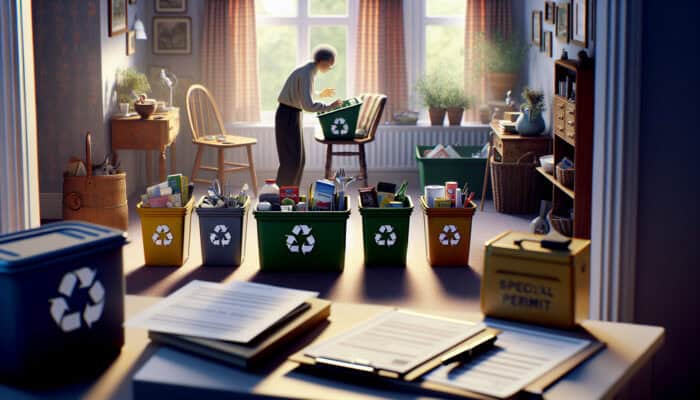
Grasping the legal obligations for house clearance in the UK is essential for ensuring compliance and steering clear of potential penalties tied to improper waste management. Numerous regulations dictate how discarded materials must be handled by both individuals and businesses. Principal legal obligations consist of:
- Waste Transfer Notes: These documents are essential when transferring waste to another person or organization, serving as proof of responsible disposal and ensuring traceability.
- Duty of Care: You are accountable for ensuring that your waste is managed and disposed of in a way that minimizes environmental harm, reflecting a commitment to sustainability.
- Environmental Protection Act 1990: This primary legislation governs waste management in the UK, outlining necessary compliance measures that must be adhered to at all times.
- Licensing of Waste Carriers: Always engage licensed waste carriers for transporting your waste, ensuring their operations meet legal standards and protecting your interests.
- Hazardous Waste Regulations: Special guidelines are applicable for hazardous materials, necessitating careful handling and disposal to mitigate risks.
- Local Council Guidelines: Each local council has unique rules regarding waste disposal and collection that residents must follow to avoid penalties.
- Data Protection Compliance: Ensure the disposal of sensitive information aligns with GDPR regulations to safeguard personal data and maintain confidentiality.
- Permits for Large Clearances: In certain circumstances, acquiring a permit for extensive clearances is necessary, particularly for larger-scale operations.
By familiarizing yourself with these legal aspects, you can navigate the house clearance process responsibly and reduce the likelihood of facing legal repercussions in the future.
How to Achieve Compliance with Waste Disposal Regulations
Adhering to waste disposal regulations is crucial for anyone involved in house clearance, as it requires a structured approach to sorting and disposing of materials in accordance with the law. Follow this detailed guide to ensure compliance:
1. Understand Your Waste: Identify the types of waste you are managing, such as general waste, recyclables, or hazardous materials, to tailor your approach effectively.
2. Sort Your Waste: Classify items into reusable, recyclable, and general waste categories, employing designated bins for each group to streamline the process.
3. Choose a Licensed Waste Carrier: Research and select a waste carrier licensed by the Environment Agency, ensuring they follow proper disposal methods to meet legal obligations.
4. Obtain a Waste Transfer Note: Always secure a waste transfer note when relinquishing your waste, as it serves as proof of legal disposal and protects you legally.
5. Keep Records: Maintain copies of all waste transfer notes and any documentation related to hazardous waste disposal for your records and future reference.
6. Follow Local Regulations: Consult with your local council regarding any specific waste disposal regulations you must adhere to, ensuring full compliance.
By diligently following these steps, you can effectively navigate the complexities of waste disposal laws and avoid potential legal complications.
Why Is Documentation Vital During the House Clearance Process?
Maintaining meticulous documentation throughout the house clearance process is essential for legal compliance and safety. It ensures you have a clear record of all activities involved, which can be critical for various reasons. Here are key considerations for managing documentation:
– Waste Disposal Records: Keep comprehensive records of all disposed waste, including its type and disposal method, which is crucial in case legal inquiries arise later.
– Receipts from Charities: If you donate items, retain receipts or acknowledgments from charities to substantiate your claims for tax purposes or personal records.
– Inventory of Items: Create an inventory list of all items being cleared, noting their condition and the decisions made regarding their disposal. This helps track what has been handled.
– Photographic Evidence: Take photos before and after the clearance for visual documentation, especially if disputes arise regarding the condition of the property or items.
– Compliance Documents: Retain copies of any permits, licenses, or transfer notes received during the clearance process for legal protection.
By allocating time to document every aspect of the clearance, you not only ensure compliance with legal requirements but also foster a transparent process that can safeguard against future issues.
Effective Preparation Steps for House Clearance

How to Formulate a Strategic Plan for Your House Clearance?
Effective planning is fundamental to executing a successful house clearance. A well-structured approach can minimize stress and streamline the entire process. To start, assess the scope of the clearance and establish a clear timeline. Here are some effective planning steps to consider:
- Assess the Scope: Determine the extent of the clearance needed and identify the categories of items involved, which will guide your process.
- Set a Timeline: Develop a realistic timeline for each phase of the clearance, from sorting to final disposal, to keep the project on track.
- Budget Accordingly: Outline a budget for any necessary services, such as hiring a clearance company or renting a skip, to avoid unexpected costs.
- Notify Stakeholders: Inform family members or other relevant parties about the clearance process and any decisions that will require their input.
- Gather Supplies: Collect boxes, bags, and markers for sorting and labeling items, ensuring you have all necessary materials ready for the task ahead.
- Plan for Transport: Organize how you will transport items to charity shops, waste disposal sites, or storage facilities to facilitate a smooth process.
- Schedule Helpers: Enlist friends or family to assist with heavy lifting or provide emotional support during the process, making it a collaborative effort.
By implementing these planning steps thoroughly, you’ll enhance your efficiency and make the house clearance a more manageable and organized task.
What Types of Items Should You Sort Before Starting the Clearance?
Sorting items before commencing the actual clearance is a crucial step that can significantly influence the outcome of your efforts. It allows you to make informed decisions about what to keep, donate, sell, or dispose of. When sorting through your items, consider the following categories:
- Keep: Retain items that you use frequently or possess significant sentimental value, as they contribute to your comfort and happiness.
- Donate: Items in good condition that you no longer need can benefit others through charitable donations, enhancing their value.
- Sell: Valuable items that could fetch a good price online or at a garage sale should be considered for sale to maximize your returns.
- Recycle: Materials such as paper, glass, and certain plastics should be recycled responsibly to reduce landfill waste.
- Dispose: Broken or damaged items that cannot be repaired or reused should be discarded responsibly to maintain cleanliness.
- Storage: Seasonal or infrequently used items that you wish to keep but do not need immediate access to can be stored safely.
- Sentimental Items: Special items that evoke memories may require more careful consideration before deciding their fate, as they hold emotional value.
By categorizing your items in this systematic manner, you can streamline the sorting process, ensuring everything is handled appropriately and efficiently. This ultimately results in a more effective and organized clearance.
What Essential Safety Measures Should Be Implemented During House Clearance?

Prioritizing safety during house clearance is paramount. The physical demands of the task, coupled with potential hazards in a cluttered environment, necessitate meticulous planning regarding safety measures. Here are essential safety tips and precautions to consider:
– Wear Protective Gear: Equip yourself with gloves, sturdy shoes, and dust masks. If working in particularly dusty or hazardous areas, goggles may also be necessary to protect your eyes.
– Lift Properly: Utilize correct lifting techniques to avoid injury. Bend your knees, keep your back straight, and lift with your legs rather than your back to prevent strain.
– Clear Pathways: Ensure that walkways and work areas are free from obstacles to prevent trips and falls, thereby enhancing safety during the clearance.
– Ask for Help: Don’t hesitate to seek assistance when lifting heavy items or moving furniture. Having an extra set of hands can significantly mitigate risks.
– Use Tools Safely: If utilizing tools or equipment, follow the manufacturer’s instructions and ensure you are familiar with their operation to avoid accidents.
– Address Hazardous Materials: Identify any hazardous materials, such as paints or chemicals, and handle them with extreme care according to safety regulations.
By incorporating these safety measures into your house clearance plan, you can protect yourself and others, ensuring a smoother and safer process.
Professional Insights on Initiating House Clearance in the UK
What Expert Advice Is Available for Efficient House Clearance?
When embarking on house clearance, seeking guidance from professionals can drastically improve your efficiency and effectiveness. Experts typically share proven strategies that can streamline the process. Here are some recommendations from industry professionals:
– Use Essential Tools: Equip yourself with necessary tools such as boxes, tarps, and packing tape. Having these materials ready can speed up sorting and packing significantly.
– Organize Systematically: Develop a plan for tackling each room or area, moving methodically from one to the next. This organized approach prevents overlaps and ensures nothing is overlooked.
– Maximize Efficiency: Industry professionals recommend setting up a staging area for items you plan to donate or sell, keeping them accessible while remaining out of the way.
Real-world examples show that those who follow professional advice often complete their clearances more efficiently and with reduced stress. Implementing these insights can lead to a smoother and more successful house clearance experience.
How to Optimize Space Utilization During the Clearance Process?
Optimizing space during house clearance is essential, especially if you’re working with limited room to move. By strategically placing items and utilizing storage solutions, you can significantly enhance the efficiency of your clearance. Here are some actionable steps to consider:
– Create Zones: Divide the space into zones for sorting, packing, and waste disposal. This organization keeps the process streamlined and allows for clear areas to work in, enhancing focus and productivity.
– Stack Boxes Wisely: When packing items, stack boxes neatly and securely to conserve space. Clearly label each box to avoid confusion and facilitate easy access later on.
– Utilize Vertical Space: Use shelves or stackable containers to maximize vertical space, which can be particularly useful in smaller rooms where floor space is limited.
– Clear Pathways: Maintain clear pathways throughout the process to facilitate movement and ensure safety. Keeping areas free of clutter accelerates the clearance process significantly.
– Temporary Storage Solutions: If necessary, consider renting a storage unit to hold items temporarily while you sort and clear the rest of the house. This allows you to work without the immediate pressure of disposing of everything at once.
By implementing these strategies, you can optimize your space effectively, making the clearance process more manageable and efficient.
What Common Mistakes Should You Avoid During House Clearance?
House clearance can be an overwhelming task, and many individuals encounter common mistakes that can complicate or prolong the process. Recognizing these pitfalls enables you to navigate your clearance more effectively. Here are some mistakes to avoid:
– Underestimating Time Needed: Many people underestimate how long the clearance will take. Always allow for extra time for unexpected items or decisions that require more thought.
– Failing to Plan: Skipping the planning stage can lead to chaos and disarray during the clearance. Always have a clear strategy in place before you begin to ensure smooth execution.
– Taking on Too Much: Avoid attempting to tackle the entire house in one go, especially if it is large. Break the task down into smaller, manageable sections to make it more achievable and less daunting.
– Neglecting Legal Obligations: Overlooking legal compliance can lead to fines or complications. Stay informed about local regulations regarding waste disposal to prevent issues.
– Emotional Attachment: Being overly attached to items can hinder your decision-making. Set limits on how many sentimental items to keep and consider involving a friend for objective input.
By remaining aware of these pitfalls and addressing them proactively, you can enhance your efficiency and ensure a more successful house clearance.
How to Effectively Manage Sentimental Items During House Clearance?
Handling sentimental items during a house clearance can be one of the most emotionally challenging aspects of the process. It’s essential to approach these items with care while also making practical decisions about their future. Here are several tips to help you navigate this sensitive area:
– Set Aside Time: Allocate specific time to go through sentimental items without rushing. This allows you to reflect on their significance without feeling pressured to decide quickly.
– Create a Memory Box: Consider designating a box for special items you wish to keep, limiting it to ensure you retain only those that hold the most meaning to you.
– Document Memories: If parting with an item, take photos and write down memories associated with it. This allows you to preserve the emotional connection without needing to keep the physical item.
– Involve Others: If items belong to family members, include them in the decision-making process. This not only eases the emotional burden but can also lead to collaborative decisions that honor shared memories.
– Consider Donations: Donating items that hold sentimental value but are no longer needed can be a fulfilling way to honor their significance while helping others.
By employing these strategies, you can manage sentimental items thoughtfully, ensuring that the process is both practical and emotionally sensitive.
What Are the Best Practices for Disposing of Hazardous Materials During House Clearance?
Disposing of hazardous materials during a house clearance is critical for safety and legal compliance. These materials can pose significant risks if not handled correctly. Here are some best practices to consider:
– Identify Hazardous Items Early: Common hazardous items include paints, solvents, batteries, and certain electronics. Identify these beforehand to manage their disposal properly and safely.
– Follow Local Guidelines: Consult your local council’s guidelines for disposing of hazardous materials, as regulations can vary by area, ensuring compliance with local laws.
– Use Designated Disposal Services: Many councils offer specific collection services for hazardous waste. Alternatively, look for local recycling centers that handle hazardous materials and ensure proper disposal.
– Label Clearly: If you need to store hazardous items temporarily, label containers clearly and keep them out of reach of children or pets to prevent accidents.
– Avoid Mixing Materials: Never mix hazardous materials with regular waste, as this can create dangerous situations. Always keep them separate until disposal to ensure safety.
By adhering to these best practices, you ensure a safe and responsible approach to hazardous waste disposal during your house clearance.
Choosing the Right House Clearance Services for Your Needs
What Critical Factors Should You Consider When Selecting a Clearance Company?
Choosing the right house clearance company is essential for a successful and efficient process. Several factors can influence your decision. Here are some key aspects to consider:
- Reputation: Research the company’s reputation through online reviews and testimonials from previous customers to gauge their reliability and service quality.
- Services Offered: Ensure the company provides the specific services you require, such as full clearance, partial clearance, and specialized disposal, catering to your unique needs.
- Licensing and Insurance: Confirm that the company is licensed and insured to operate legally within your area, ensuring protection against potential liabilities.
- Cost Transparency: Look for companies that provide clear pricing structures without hidden fees. Obtain detailed quotes to compare services effectively and make informed decisions.
- Experience: Opt for companies with substantial experience in house clearance, as they will possess a better understanding of managing the process efficiently and effectively.
- Environmental Practices: Inquire about their approach to responsible waste disposal and recycling, ensuring alignment with environmentally friendly practices that resonate with your values.
- Customer Service: Assess their customer service approach; good communication and support can ease the stress of the process and enhance your overall experience.
By considering these factors carefully, you can make a well-informed decision that leads to a smoother and more successful house clearance experience.
How to Evaluate the Credibility of a House Clearance Service?
Evaluating the credibility of a house clearance service is essential to ensure you choose a reliable and trustworthy provider. Here are several strategies to help you assess a company’s credibility effectively:
– Check for Licenses: Verify that the company holds the necessary waste carrier licenses and complies with local regulations to operate legally.
– Read Customer Reviews: Look for customer feedback on platforms such as Trustpilot or Google Reviews to gauge overall satisfaction among past clients and their experiences.
– Ask for References: A reputable company should be willing to provide references from past clients who can vouch for their services and reliability.
– Review Insurance Coverage: Confirm that the company has liability insurance to protect against any potential damages that may occur during the clearance process, ensuring your interests are safeguarded.
– Inquire About Procedures: Ask about their procedures for handling different types of waste, especially hazardous materials, to ensure they follow best practices and prioritize safety.
– Seek Certification: Look for certifications recognized by industry bodies that indicate a standard of professionalism and reliability, enhancing your confidence in their services.
By following these evaluation strategies, you can ensure that you are choosing a credible house clearance service that meets your requirements and offers peace of mind throughout the process.
What Advantages Are Gained from Hiring Professional House Clearance Services?
Engaging professional house clearance services can provide numerous benefits that make the process more efficient and less stressful. While some may consider a DIY approach, the advantages of hiring professionals are substantial. Here’s a comparison of DIY versus professional services:
– Time-Saving: Professionals can complete the job significantly faster due to their expertise and resources, allowing you to focus on other priorities in your life.
– Proper Disposal: Clearance companies are knowledgeable about legal disposal methods and have access to appropriate facilities, ensuring compliance with regulations and minimizing risks.
Opting for professional services can ultimately provide a smoother experience and peace of mind, enabling you to transition into your next chapter with ease and confidence.
How to Prepare Your Home for a House Clearance Service?
Preparing your home for a house clearance service is crucial for ensuring the process runs smoothly. By taking proactive steps, you can facilitate the efforts of the clearance team and enhance overall efficiency. Here’s a step-by-step guide on how to prepare:
1. Sort Items: Before the clearance team arrives, do your best to categorize items into keep, donate, sell, and dispose categories to assist in the process and provide clarity.
2. Label Clearly: Clearly label boxes or areas to indicate what items should be kept, donated, or thrown away. This clarity will help the team understand your intentions and streamline their work.
3. Clear Pathways: Ensure that hallways, doorways, and access points are clear of obstacles to allow for easy movement during the clearance, enhancing safety and efficiency.
4. Communicate Specific Needs: Inform the clearance team of any specific items or areas of concern, such as fragile items or hazardous materials requiring special handling to ensure proper care.
5. Gather Documentation: Prepare all necessary documentation, such as proof of ownership for valuable items, permits for disposal, or other relevant paperwork, to facilitate the clearance process.
6. Be Available: If possible, be present during the clearance to answer questions and make quick decisions regarding items that may require your input, ensuring clarity and efficiency.
By following these preparation steps, you can help ensure a more efficient house clearance procedure, minimizing potential challenges along the way and setting the stage for a smooth process.
Strategies for Effectively Managing Items During House Clearance
How to Strategically Decide What to Keep, Sell, or Donate?
Deciding the fate of items during house clearance can be a complex and emotionally charged process. It’s vital to have a systematic approach to make these decisions easier. Consider creating a decision-making flowchart based on the following criteria:
- Utility: If you use an item regularly or if it serves a practical purpose, it’s likely worth keeping, as it contributes to your daily life.
- Sentimental Value: Items that evoke strong emotional connections may warrant retention, but be mindful of how many you choose to keep to avoid clutter.
- Condition: Assess whether items are in good shape. If they’re damaged beyond repair, it’s best to dispose of them responsibly to maintain home organization.
- Valuable Items: Consider items that may have resale value. If they could sell for a reasonable price, it might be worth selling instead of donating, maximizing your return.
- Space Consideration: If space is limited, prioritize keeping essential or high-value items while being more discerning about less significant possessions to avoid overcrowding.
By following this structured approach, you can make informed decisions about what to keep, sell, or donate, ultimately simplifying the clearance process and minimizing any regret over your choices.
What Are the Best Practices for Selling Items from a House Clearance?
Selling items from a house clearance can be a practical way to offset costs and ensure that valuable possessions find new homes. Employing best practices can maximize your success in this endeavor. Here are effective strategies to consider:
– Fair Pricing: Research similar items online to determine competitive pricing. Be realistic about the value of your items to attract potential buyers and facilitate sales.
– Utilize Online Platforms: Leverage websites like eBay, Facebook Marketplace, or Gumtree to reach a wider audience. Take clear, well-lit photos to effectively showcase your items and draw interest.
– Host a Garage Sale: Organizing a garage sale can be an excellent way to sell multiple items simultaneously while engaging with your local community and creating a lively atmosphere.
– Provide Detailed Descriptions: Include comprehensive descriptions of each item, noting its condition, age, and any unique features. Transparency can build trust with potential buyers and encourage sales.
– Be Open to Negotiation: Buyers may want to haggle, so be prepared to negotiate. Flexibility can lead to quicker sales and a better experience for both parties.
– Consider Donation: If items aren’t selling, consider donating them to local charities, which can be a fulfilling way to part with possessions while helping others in need.
By following these best practices, you can effectively sell items during your house clearance, turning unwanted possessions into cash while contributing to a more sustainable approach to disposal.
How to Thoughtfully Handle Sentimental Items During House Clearance?
Handling sentimental items during a house clearance can evoke strong emotions and may require extra care in decision-making. It’s essential to approach this process thoughtfully. Here are several strategies to help manage sentimental possessions:
– Set Limits: Decide ahead of time how many sentimental items you want to keep. This creates boundaries and helps prevent hoarding, ensuring a more organized space.
– Create a Memory Box: Designate a special box for your most cherished items. Limit the size to ensure only the most meaningful pieces are included, maintaining focus on what truly matters.
– Take Photos: If you decide to part with an item, take a photograph along with a written memory of why it was special. This allows you to preserve the memory without keeping the physical item, easing emotional attachment.
– Involve Family: Discuss sentimental items with family members who may share an emotional connection to them. Jointly deciding can ease the burden of parting and honor shared memories.
– Consider Sharing: If multiple family members want certain items, consider sharing them or establishing a rotation for use, keeping the sentimental connection alive without overcrowding.
By thoughtfully navigating the complexities of sentimental items, you can create a balanced approach that honors your memories while ensuring practicality during the clearance process.
How to Dispose of Unwanted Items Responsibly and Sustainably?
Responsible disposal of unwanted items during house clearance is essential for ethical and environmental reasons. Several methods ensure that items are properly discarded or recycled. Consider the following guidance:
– Donate to Charities: Many charities accept gently used items, providing a second life while helping those in need. Research local charities and their donation guidelines to maximize your impact.
By following these responsible disposal methods, you can adopt a more sustainable approach to house clearance, making a positive contribution to your community and the environment.
Research-Backed Benefits of Conducting House Clearance in the UK
What Psychological Benefits Can Be Gained from Decluttering Your Space?
Decluttering through house clearance can yield significant psychological benefits that extend beyond mere tidiness. Research indicates that a well-organized environment can positively contribute to mental well-being. Here are some noteworthy psychological benefits:
– Reduced Stress Levels: A clutter-free space can alleviate feelings of overwhelm and anxiety, providing a sense of calm and control in your life.
– Improved Focus: A tidy environment enhances concentration and productivity, allowing for clearer thinking and better decision-making, which can be especially beneficial in work and personal projects.
Research shows that individuals living in cluttered environments frequently report higher stress levels and lower overall satisfaction. By actively engaging in house clearance and decluttering, you can create a more supportive and uplifting living space, positively impacting your mental health.
How Does House Clearance Impact Property Value?
House clearance can have a direct positive impact on property value, especially when preparing a home for sale. A clean and clutter-free property tends to attract more potential buyers and can lead to higher offers. Here are key points to consider:
– First Impressions Matter: A well-maintained and clear space creates a positive first impression, making the property more appealing to prospective buyers and enhancing overall marketability.
– Increased Perceived Space: Removing clutter makes rooms appear larger and more inviting, enhancing the overall appeal of the home and encouraging interest from buyers.
Ensuring your property is clear and well-maintained not only makes it more attractive to buyers but can also lead to a more profitable sale, benefiting you in the long run.
What Environmental Benefits Arise from Responsible House Clearance Practices?
Engaging in responsible house clearance practices significantly contributes to environmental sustainability by reducing waste and promoting recycling. Here are some of the key environmental benefits:
– Reduced Landfill Waste: By prioritizing recycling and donation, you minimize the amount of waste sent to landfill, which is crucial for reducing landfill expansion and environmental impact.
Engaging in responsible house clearance not only benefits the environment but also fosters a culture of sustainability and community support, making it a win-win for everyone involved.
Final Steps and Actions to Consider After House Clearance
What Key Actions Should Be Taken After Completing the House Clearance?
After completing a house clearance, several important steps should be taken to ensure your space is ready for its next use. Consider the following post-clearance checklist:
1. Clean the Space: Thoroughly clean the area, including dusting surfaces, vacuuming, and mopping floors to ensure a fresh and inviting environment for future activities.
2. Inspect for Remaining Items: Conduct a meticulous inspection of each room to ensure no items have been overlooked or left behind, ensuring completeness of the clearance.
By following these steps, you can ensure that the space is clear, clean, and ready for its next chapter, whether that involves moving in, renting it out, or preparing it for sale.
How to Conduct a Thorough Final Inspection After House Clearance?
Performing a thorough final inspection after a house clearance is essential to ensure that no items are left behind and that the space meets your expectations. Here are some tips to help you carry out a comprehensive inspection:
– Check Every Room: Methodically go through each room, examining closets, cupboards, and under furniture to ensure nothing has been overlooked, leaving no corner uninspected.
By meticulously following these steps, you can ensure that the clearance process is truly complete, providing confidence that nothing has been left behind.
How to Celebrate the Completion of Your House Clearance?
Celebrating the completion of a house clearance can provide a sense of accomplishment and closure. It’s important to recognize the effort put into the process, and a celebration can serve as a reward for your hard work. Here are some ideas for celebrating this milestone:
– Host a Gathering: Consider hosting a small gathering with friends or family to enjoy your newly cleared space. It can be a simple get-together or a themed party to mark the occasion and share your success.
Taking the time to celebrate the completion of your house clearance fosters a positive association with the process, helping you to feel accomplished and ready for what comes next.
How to Document the House Clearance Process Effectively?
Documenting the house clearance process is important for both personal records and potential legal reasons. Proper documentation ensures you have a thorough account of the activities undertaken during the clearance. Here’s how to effectively document the process:
– Take Before and After Photos: Capture photos of the space before and after the clearance to highlight the transformation. This can serve as a visual record of your efforts and progress.
– Maintain an Inventory List: Create a detailed inventory list of items cleared, noting their condition and what was done with them (kept, donated, sold, disposed). This helps in tracking your decisions and actions throughout the process.
– Keep Disposal Receipts: Retain any receipts or records from waste disposal or donation services to substantiate your actions. This could be useful for future reference or tax purposes, providing necessary documentation.
By meticulously documenting the house clearance process, you create a valuable resource for yourself, ensuring clarity and accountability while also providing peace of mind for future endeavors.
Frequently Asked Questions Regarding House Clearance
What Is House Clearance?
House clearance refers to the process of removing unwanted items from a property, including furniture, appliances, and personal belongings. This process is essential during moving, downsizing, or clearing out an estate after a death.
How Long Does a House Clearance Typically Take?
The duration of a house clearance can vary widely based on the number of items to be cleared and the size of the property. It can take anywhere from a few hours to several days, depending on the complexity of the task and the amount of preparation involved.
Do I Need a Permit for House Clearance?
In the UK, you may need a permit for large clearances or specific types of waste disposal. It’s essential to check with your local council regarding their regulations on waste management to ensure compliance.
Can I Undertake a House Clearance Myself?
Yes, many individuals choose to conduct house clearance themselves. However, it can be physically demanding and time-consuming, so hiring professionals may be a more efficient option, especially for larger tasks.
What Items Can Be Cleared During a House Clearance?
Items that can be cleared include furniture, appliances, personal possessions, clothing, and even hazardous materials. Consulting with a clearance service can help clarify specific items and their proper disposal methods.
How Do I Find a Reputable House Clearance Company?
Research local companies and read customer reviews. Look for licensed and insured providers, and consider asking for recommendations from friends or family who have had positive experiences.
What Should I Do with Sentimental Items?
When dealing with sentimental items, consider creating a memory box, documenting memories with photos, or involving family members in the decision-making process to honor their significance.
Is House Clearance Environmentally Friendly?
House clearance can be environmentally friendly if done responsibly. Prioritizing recycling, donating usable items, and properly disposing of hazardous materials contributes to sustainability efforts and reduces waste.
How Can I Ensure Safety During House Clearance?
To ensure safety, wear protective gear, use proper lifting techniques, clear pathways, and ask for assistance when handling heavy items to prevent injuries and accidents.
What Are the Benefits of House Clearance?
House clearance can reduce stress, enhance organization, increase property value, and provide psychological benefits such as increased focus and motivation. It also promotes sustainability through responsible disposal practices.
Connect with us on Facebook!
The Article: Where to Begin with House Clearance in the UK: Essential Tips Was First Found At https://birminghamhouseclearance.com
The Article House Clearance in the UK: Essential Starting Tips Was Found On https://limitsofstrategy.com