Discover Effective Strategies for Healthy Eating to Boost Your Energy in the UK
What Are the Essential Elements of Healthy Eating Standards in the UK?
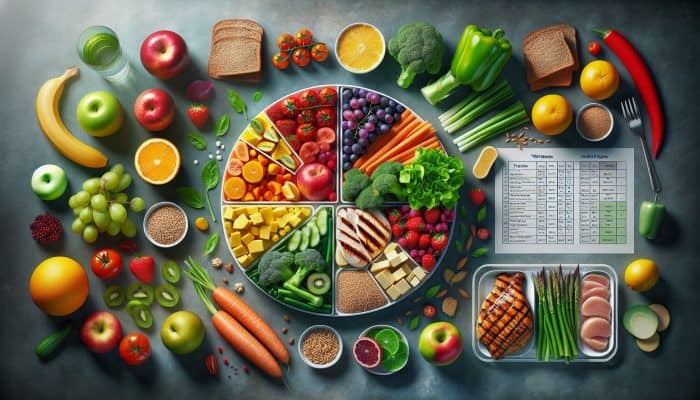
Healthy eating standards in the UK are anchored in principles that promote balanced diets, emphasizing the necessity of consuming a variety of food groups. This approach advocates for appropriate portions of fruits, vegetables, whole grains, and lean proteins, consistent with local dietary guidelines. By concentrating on these key components, individuals can secure essential nutrients vital for maintaining optimal health and sustained energy levels throughout the day. The crucial elements of a well-rounded diet in the UK include:
- Fruits and vegetables: Strive for a minimum of five portions each day.
- Whole grains: Incorporate options such as brown rice, wholemeal bread, and oats.
- Lean proteins: Favor sources like chicken, fish, beans, and lentils.
- Dairy or dairy alternatives: Whenever possible, select low-fat varieties.
- Healthy fats: Add sources like olive oil, avocados, and nuts to your diet.
- Limited sugar and salt intake: Reduce added sugars and choose lower-salt products.
- Hydration: Ensure adequate fluid intake, prioritizing water consumption.
- Seasonal produce: Opt for locally sourced, seasonal fruits and vegetables.
This comprehensive approach not only enhances overall health but is also critical for increasing energy levels throughout daily activities.
How Does Eating Local Produce Impact Your Energy Levels?
Integrating locally sourced produce into your meals can significantly elevate your energy levels. This improvement mainly stems from the freshness and nutrient preservation of seasonal foods available in the UK. By consuming local produce, you ensure that fruits and vegetables are harvested at their peak ripeness, thus maximizing both flavor and vitamin content. Eating seasonally also strengthens connections to local food cultures and encourages sustainable eating practices.
In the UK, for example, spring brings a bounty of asparagus and rhubarb, while summer showcases a variety of berries and tomatoes. Autumn introduces hearty root vegetables such as carrots and parsnips, while winter features leafy greens and brassicas like kale and Brussels sprouts. By tailoring your dietary choices to align with these seasonal offerings, you can enjoy a diverse range of flavors and textures that can greatly enhance your energy levels. Additionally, supporting local farmers not only strengthens community ties but also lowers the carbon footprint associated with food transportation.
What Dietary Guidelines Should You Follow to Maximize Energy in the UK?
The UK’s Eatwell Guide provides a visual representation of a balanced diet, detailing how various food groups contribute to overall health and vitality. This guide categorizes foods into distinct groups: fruits and vegetables, starchy carbohydrates, proteins, dairy or dairy alternatives, and oils and spreads. Following these guidelines is essential for sustaining energy levels, as they highlight the importance of a balanced and varied nutrient intake.
To effectively enhance energy levels, it is vital to consume a variety of foods from each category. For example, pairing whole grains with lean proteins promotes a gradual release of energy, while adding colorful fruits and vegetables guarantees a robust supply of antioxidants and vitamins. The Eatwell Guide encourages informed dietary choices, promoting a holistic approach to nutrition that aligns with local eating customs and preferences. By adhering to these dietary recommendations, individuals can optimize their energy levels for daily activities and improve overall health.
Expert Insights on Healthy Eating for Enhanced Energy Levels
What Real-Life Examples Showcase Energy-Boosting Diets in the UK?
Numerous real-life examples illustrate the profound impact of energy-boosting diets across the UK, highlighting how nutrition can enhance vitality. For instance, a study conducted in Manchester revealed that a community group focused on meal preparation using local ingredients observed significant increases in both energy levels and overall health. Participants reported heightened alertness and vitality after transitioning from processed foods to home-cooked meals filled with vegetables, whole grains, and lean proteins.
In another instance, a sports team in Scotland adopted a nutrition plan centered around traditional Scottish foods, such as salmon, oats, and root vegetables. The results included not only improved athletic performance but also increased energy among team members. Regular consumption of these energy-dense foods provided the necessary fuel for intense training sessions and competitions.
These cases underscore the importance of embracing local culinary traditions and prioritizing nutrient-rich ingredients, enabling individuals and communities to effectively boost their energy levels. The practical implementation of energy-boosting diets emphasizes the significance of making informed food choices that resonate with local agricultural practices and cultural identities.
What Practical Steps Can You Take to Implement Energy-Boosting Diets?
Implementing an energy-boosting diet in the UK involves straightforward, actionable steps that can be seamlessly integrated into daily routines. Start by examining your existing eating habits and identifying areas for enhancement. This process may involve increasing whole food consumption while decreasing reliance on processed alternatives. Here are several practical strategies to consider:
- Meal Planning: Allocate time each week to organize meals, ensuring balanced nutrient intake across food groups.
- Smart Shopping: Create a grocery list based on planned meals, placing emphasis on fresh produce and whole grains.
- Batch Cooking: Prepare larger quantities of meals to save time during busy weekdays, guaranteeing that nutritious options are readily available.
- Mindful Snacking: Opt for healthy snacks, such as nuts, fruits, or yoghurt, to maintain energy levels throughout the day.
- Stay Informed: Educate yourself about seasonal produce and explore local markets for fresh options.
- Mindful Eating: Pay attention to portion sizes and respond to hunger cues, fostering a healthier relationship with food.
- Hydration Focus: Carry a water bottle and set reminders to regularly drink water, ensuring optimal hydration.
- Community Engagement: Join local cooking classes or nutrition workshops to gain additional knowledge and support from peers.
By adopting these strategies, individuals can establish a sustainable energy-boosting diet that aligns with their lifestyles and preferences, leading to improved vitality and overall well-being.
What Common Obstacles Do People Encounter When Trying to Maintain an Energy-Boosting Diet?

Maintaining an energy-boosting diet in the UK can present several challenges, including time constraints, budget limitations, and access to fresh produce. Many individuals struggle to prioritize healthy eating amidst hectic schedules, often leading to a reliance on convenience foods that are high in sugars and unhealthy fats. Financial constraints further complicate dietary choices, making it difficult to obtain fresh, high-quality ingredients.
Access to fresh produce might be limited in specific areas, particularly in food deserts where supermarkets are scarce. In these situations, individuals may resort to purchasing processed foods, which hinders their attempts to maintain a nutrient-dense diet. To address these challenges, various strategies can be implemented:
- Time Management: Set aside specific times each week for meal preparation and grocery shopping to facilitate effective planning.
- Budget-Friendly Shopping: Explore local markets for better deals on produce, and consider buying in bulk to save costs.
- Community Resources: Engage with local community gardens or food co-ops, which often provide access to fresh produce at reduced prices.
- Frozen Options: Utilize frozen fruits and vegetables as convenient alternatives when fresh options are unavailable.
- Simple Recipes: Focus on quick and easy recipes that require minimal ingredients and preparation time.
- Mindful Snacking: Keep healthy snacks readily available to avoid resorting to less nutritious options during busy periods.
- Family Involvement: Include family members in meal planning and preparation to share the workload and create a supportive environment.
- Education and Advocacy: Get involved in community initiatives that promote healthy eating and raise awareness of accessible resources.
By effectively addressing these challenges with practical solutions, individuals in the UK can successfully maintain an energy-boosting diet that enhances their overall well-being.
How Does Healthy Eating Impact Energy Levels in the UK?
What Is the Connection Between Nutrition and Energy Production?
Understanding the physiological processes through which nutrients from food are converted into energy is essential for recognizing how diet affects energy levels. Upon consuming food, the body breaks down carbohydrates, proteins, and fats into their basic molecules. These molecules are subsequently processed within cells to produce adenosine triphosphate (ATP), commonly referred to as the primary energy currency of the body.
Each nutrient plays a distinct role in energy production. For example, carbohydrates serve as the body’s preferred energy source, providing quick fuel for both physical activity and cognitive functioning. Meanwhile, proteins support muscle repair and maintenance, and healthy fats supply a concentrated energy source for prolonged endurance. Key nutrients that contribute to energy production encompass:
- Complex carbohydrates: Found in whole grains, legumes, and starchy vegetables.
- Lean proteins: Present in chicken, fish, beans, and dairy products.
- Healthy fats: Sourced from items like avocados, nuts, and olive oil.
- B vitamins: Essential for energy metabolism, located in whole grains and leafy greens.
- Iron: Important for oxygen transport in the blood, abundant in red meat and lentils.
- Magnesium: Supports muscle function and energy production, found in seeds and nuts.
- Hydration: Water is vital for nutrient transport and metabolic processes.
- Antioxidants: Present in fruits and vegetables, they combat oxidative stress and promote overall health.
By focusing on a diet rich in these essential nutrients, individuals in the UK can enhance their energy production capabilities, resulting in improved vitality and overall health.
What Foods Should You Include for Optimal Energy in the UK?
Identifying specific foods that can elevate energy levels is crucial for designing a diet that supports vitality. In the UK, numerous options are known for their energizing properties. For instance, foods such as oats and wholegrain bread provide complex carbohydrates, ensuring sustained energy release. Additionally, lean proteins like chicken and fish contribute to muscle repair and recovery, further enhancing physical performance.
Fruits like bananas and berries are rich in natural sugars and antioxidants, making them excellent choices for quick energy boosts. Incorporating leafy greens such as spinach and kale offers essential vitamins and minerals that promote overall health. Let’s explore some of the best energy-boosting foods available in the UK:
- Quinoa: A complete protein source providing all nine essential amino acids.
- Sweet potatoes: Loaded with vitamins A and C, providing energy and antioxidants.
- Greek yoghurt: High in protein and probiotics, supporting gut health and energy levels.
- Nuts and seeds: Excellent sources of healthy fats and proteins, ideal for snacking.
- Fatty fish, such as salmon, are rich in omega-3 fatty acids that promote brain health.
- Legumes: Beans and lentils are superb sources of protein and fiber, helping you feel full longer.
- Dark chocolate: Provides a quick energy boost while being rich in antioxidants and mood-enhancing properties.
- Herbal teas: Offer hydration along with benefits from natural antioxidants.
By including these foods in daily meals, individuals can significantly boost their energy levels and improve overall health.
What Role Does Hydration Play in Energy Levels?
Hydration is crucial for maintaining energy levels throughout the day. In the UK, tap water meets strict safety standards and serves as an excellent source of hydration. Sufficient fluid intake is vital for optimal physiological function, including nutrient transport, temperature regulation, and metabolic processes. Even mild dehydration can lead to fatigue, reduced cognitive function, and decreased physical performance.
To foster proper hydration, it’s essential to include water-rich foods in your diet, such as fruits and vegetables. Foods like cucumbers, oranges, and watermelons are fantastic choices that contribute to overall fluid intake. Furthermore, herbal teas and low-sugar fruit juices can provide hydration while delivering nutritional benefits. Here are some tips for maintaining optimal hydration:
- Carry a reusable water bottle throughout the day to encourage consistent water intake.
- Set reminders to drink water, especially during busy periods.
- Incorporate water-rich foods into your meals and snacks.
- Monitor urine color; a clear or light yellow indicates proper hydration.
- Limit caffeinated beverages that may lead to dehydration.
- Explore herbal teas for variety and additional health benefits.
- Establish hydration goals, such as aiming for 2 liters of water per day.
- Track fluid intake using mobile apps for accountability.
By prioritizing hydration, individuals can significantly enhance their energy levels, contributing to overall health and well-being.
What Advantages Does Healthy Eating Offer for Energy Levels in the UK?
How Can Healthy Eating Enhance Physical Performance?
A nutritious diet can greatly improve physical performance and endurance, especially important for popular sports and activities in the UK. For instance, runners and cyclists significantly benefit from energy-boosting foods that support stamina and recovery. Consuming a diet rich in complex carbohydrates, lean proteins, and healthy fats enables athletes to perform at their peak.
In the context of UK sports, football players depend on energy-dense foods to fuel their high-intensity training and matches. A well-balanced intake of whole grains, fruits, and proteins not only enhances performance but also facilitates quicker recovery post-exercise. Research indicates that athletes who adhere to a structured diet report improved energy levels and reduced fatigue during training sessions.
Moreover, recreational activities such as hiking in the Yorkshire Dales or cycling along the South Downs can be significantly improved through appropriate nutrition. By consuming energy-boosting foods prior to these activities, individuals can experience extended endurance and an enhanced overall experience. A thoughtfully planned diet allows individuals to fully enjoy their favorite sports, resulting in healthier and more active lifestyles.
What Impact Does Healthy Eating Have on Mental Clarity and Focus?
<pHealthy eating profoundly influences cognitive functions, particularly in the UK’s work and educational environments. Nutrient-rich foods provide the brain with essential vitamins and minerals that support memory, concentration, and overall cognitive performance. Diets high in omega-3 fatty acids, antioxidants, and B vitamins have been linked to improved mental clarity and focus.
For example, students consuming a balanced diet that includes foods like fatty fish, nuts, whole grains, and leafy greens are better equipped to retain information and excel academically. Likewise, professionals in fast-paced work settings benefit from sustained energy levels due to proper nutrition, leading to increased productivity and creativity.
Incorporating regular meals and snacks that prioritize brain-boosting nutrients is essential for maintaining mental clarity. This approach not only supports learning and achievement but also contributes to overall mental well-being. Embracing healthy eating within daily routines fosters a culture of wellness that ultimately impacts personal and professional success.
What Long-Term Health Benefits Are Associated with Healthy Eating?
Maintaining an energy-boosting diet offers significant long-term health benefits, reducing the risk of chronic diseases prevalent in the UK. Diets rich in fruits, vegetables, whole grains, and lean proteins are associated with lower rates of obesity, heart disease, type 2 diabetes, and certain cancers. The long-term benefits of healthy eating extend beyond immediate energy levels, promoting overall vitality and well-being.
Research indicates that individuals adhering to a balanced diet experience enhanced cardiovascular health, improved weight management, and better immune function. Moreover, a nutrient-dense diet supports healthy aging and reduces the risk of cognitive decline. By prioritizing energy-boosting foods, individuals can not only improve their quality of life today but also establish a foundation for a healthier future.
Additionally, the advantages of healthy eating extend to mental health, with studies demonstrating correlations between nutrient intake and mood regulation. A balanced diet can ease symptoms of anxiety and depression, leading to greater overall well-being. By making informed dietary choices, individuals can significantly influence their long-term health and overall quality of life.
Research-Backed Advantages of Healthy Eating for Energy Enhancement
What Do UK-Based Studies Indicate About Healthy Eating?
Research conducted in the UK consistently emphasizes the influence of diet on energy levels, providing valuable insights into the benefits of healthy eating. Numerous studies reveal that individuals who consume nutrient-dense diets experience increased energy and improved overall health. For instance, a study led by the University of Cambridge discovered that participants who increased their intake of fruits and vegetables reported heightened vitality and decreased fatigue.
Moreover, research from the University of Edinburgh examined the dietary habits of Scottish adults and their correlation with energy levels. Findings indicated that those adhering to the Scottish dietary guidelines, which emphasize whole grains, fruits, and lean proteins, experienced notably higher energy levels and lower fatigue rates. These studies underscore the importance of a balanced diet in sustaining energy levels and overall health.
The conclusions drawn from these UK-based studies reinforce the need for public health initiatives advocating for healthy eating. By raising awareness about the benefits of a nutrient-rich diet, individuals can make informed choices that lead to improved energy levels and a higher quality of life.
How Does the UK’s Climate Influence Dietary Needs?
The UK’s climate plays a significant role in shaping dietary requirements for maintaining energy levels, particularly regarding seasonal variations. The relatively temperate maritime climate dictates the types of produce that can be grown and consumed throughout the year. The seasonal availability of specific fruits and vegetables necessitates dietary patterns to adapt accordingly, ensuring individuals receive essential nutrients year-round.
During the winter months, for instance, root vegetables like potatoes, carrots, and parsnips are plentiful, providing necessary energy through their carbohydrate content. Conversely, summer offers a variety of fresh fruits and salads, which are rich in vitamins and hydration. Understanding these seasonal transitions enables individuals to make informed food choices that align with their nutritional needs, ultimately supporting their energy levels.
Additionally, the UK’s climate affects cooking methods and food preservation techniques. Warmer months may inspire lighter, fresher meals, while colder weather often calls for heartier dishes that provide warmth and comfort. Tailoring diets to reflect these seasonal changes ensures that individuals can optimize their energy levels while enjoying a diverse array of flavors and nutrients.
What Are the Economic Benefits of Healthy Eating in the UK?
The economic advantages of healthy eating in the UK are substantial, encompassing lower healthcare costs and increased productivity. By prioritizing a nutritious diet, individuals can reduce the risk of chronic diseases, leading to decreased medical care and treatment expenses. Healthier populations place less demand on the National Health Service, allowing resources to be allocated to other critical areas.
Furthermore, maintaining a healthy diet contributes to enhanced workplace productivity. Employees who adhere to balanced diets generally experience better energy levels, improved focus, and elevated overall performance. This translates to reduced absenteeism and heightened job satisfaction, benefiting both businesses and the economy as a whole. The economic benefits of healthy eating can be summarized as follows:
- Reduced healthcare costs: A lower incidence of chronic diseases results in decreased medical expenses.
- Increased productivity: Healthier employees demonstrate improved performance and reduced sick days.
- Economic growth: A healthier workforce contributes to greater economic output and innovation.
- Stronger local economies: Supporting local farmers and producers enhances community resilience.
- Lower food waste: Emphasizing seasonal and local produce minimizes food waste and environmental impact.
- Enhanced quality of life: Improved health leads to greater life satisfaction and overall well-being.
- Public health savings: A healthier population reduces the strain on public health services.
- Investment in education: Healthier children achieve better educational outcomes, impacting future workforce quality.
These economic implications highlight the importance of promoting healthy eating as a public health priority in the UK.
How Can UK Dietary Guidelines Enhance Your Energy Levels?
Following UK dietary guidelines can significantly boost energy levels by ensuring a balanced intake of essential food groups and nutrients. The Eatwell Guide serves as a critical resource for individuals aiming to optimize their diets for improved energy. By adhering to these recommendations, individuals can make informed choices that enhance their overall health.
The guidelines emphasize the necessity of consuming fruits and vegetables, whole grains, proteins, and dairy or dairy alternatives. By prioritizing a variety of foods within each category, individuals increase their chances of obtaining the nutrients needed for energy production. For example, incorporating a wide range of colorful fruits and vegetables ensures a rich supply of vitamins and antioxidants, while whole grains provide lasting energy through complex carbohydrates.
Additionally, the recommended intake of lean proteins supports muscle health, especially for those engaged in regular physical activity. Including healthy fats from sources like nuts and avocados can further elevate energy levels and promote cardiovascular health. Ultimately, adhering to UK dietary guidelines not only addresses immediate energy needs but also fosters long-term health and well-being.
What Case Studies Highlight Successful Energy-Boosting Diets?
Numerous case studies illustrate how individuals in the UK have effectively enhanced their energy levels through dietary modifications. One noteworthy case involves a university student from Bristol who struggled with fatigue due to irregular eating patterns. After implementing a structured meal plan rich in whole foods and reducing processed snacks, she reported improved concentration and energy throughout her day.
Similarly, a working professional in London underwent a dietary transformation by incorporating more plant-based meals into his lifestyle. By focusing on foods like legumes, whole grains, and fresh vegetables, he experienced a significant increase in energy, enabling him to more effectively manage his demanding work schedule. These case studies highlight the practical applications of energy-boosting diets and their profound impact on individuals’ lives.
Through a commitment to dietary changes and an emphasis on nutrient-rich foods, these individuals successfully elevated their energy levels, showcasing the transformative effects of healthy eating on daily experiences. Their journeys serve as motivating examples for others seeking to enhance their vitality and overall health.
Practical Strategies for Healthy Eating to Boost Your Energy Levels
How to Integrate Traditional UK Foods into an Energy-Boosting Diet?
Traditional UK foods can be creatively adapted to fit an energy-boosting diet, merging cultural flavors with nutritional advantages. By reimagining beloved classics, individuals can enjoy the comfort of traditional meals while prioritizing health. For example, a classic English breakfast can be revitalized by replacing bacon and sausages with grilled tomatoes, sautéed spinach, and poached eggs, providing a nutritious start to the day.
Another example is shepherd’s pie, which can be made healthier by using lean minced lamb or lentils, incorporating a variety of vegetables, and topping it with mashed sweet potatoes instead of regular potatoes. This adaptation retains the dish’s comforting essence while enhancing its nutritional value. Here are several adaptations of traditional UK dishes for an energy-boosting diet:
- Fish and chips: Swap fried fish for baked or grilled versions, accompanied by baked sweet potato wedges.
- Stews: Create hearty vegetable and bean stews packed with seasonal produce, served with wholemeal bread.
- Curries: Use chickpeas or lentils with an array of spices for flavorful, protein-rich curries.
- Breakfast porridge: Top with fresh berries, nuts, and seeds for a nutrient-dense morning meal.
- Roast dinners: Feature roasted vegetables alongside lean meats and wholegrain sides.
- Apple crumble: Utilize oats and nuts for the topping, served with low-fat yoghurt instead of custard.
- Ploughman’s lunch: Include wholegrain bread, cheese, and a variety of fresh vegetables for a balanced meal.
- Pies: Create lighter versions using wholemeal pastry and fillings of seasonal vegetables and lean meats.
These adaptations illustrate how traditional UK foods can be enjoyed while delivering the necessary nutrients for energy and vitality.
How Can Meal Planning Support Your Energy Levels?
Meal planning is a highly effective strategy for maintaining consistent energy levels throughout the day, especially in the fast-paced lifestyles prevalent in the UK. By dedicating time to organize meals and snacks, individuals can ensure they are making healthy choices that adequately fuel their bodies. Here are some benefits of meal planning tailored to UK lifestyles:
- Time Savings: Planning meals diminishes daily decision fatigue, facilitating more efficient time management.
- Balanced Nutrition: Ensures a diverse intake of nutrients by incorporating a variety of food groups.
- Portion Control: Aids in managing portion sizes, preventing overeating and promoting healthier eating habits.
- Reduced Food Waste: Planning promotes efficient ingredient use, minimizing waste and saving money.
- Convenience: Pre-prepared meals facilitate adherence to a healthy diet, particularly during busy weeks.
- Budget-Friendly: Shopping according to a meal plan allows for cost-effective choices and minimizes impulse buys.
- Healthy Snacking: Planning for snacks ensures nutritious options are always available, deterring unhealthy snacking habits.
- Family Involvement: Engaging family members in the meal planning process fosters healthier eating habits for everyone.
By embracing meal planning, individuals can maintain energy levels throughout the day while establishing a sustainable approach to healthy eating that fits their unique lifestyles.
What Role Do Supplements Play in Energy-Boosting Diets in the UK?
While a well-balanced diet should provide the majority of necessary nutrients for energy production, some individuals in the UK may benefit from supplements to complement their dietary intake. Common supplements like B vitamins, iron, and omega-3 fatty acids can support energy levels, particularly for those with specific dietary restrictions or deficiencies.
For instance, individuals following a vegetarian or vegan diet may need to consider vitamin B12 supplements, as this nutrient is primarily found in animal products. Similarly, people who do not consume enough fatty fish might benefit from omega-3 supplements to support brain health and energy levels. It’s crucial, however, to approach supplementation with caution.
Consulting with a healthcare professional or registered dietitian can help identify specific nutrient needs and determine appropriate supplement types and dosages. Additionally, opting for high-quality supplements from reputable brands ensures safety and effectiveness. Here are some commonly used supplements in the UK for energy-boosting diets:
- B vitamins: Support energy metabolism and help alleviate fatigue.
- Iron: Essential for oxygen transport, particularly important for active individuals.
- Vitamin D: Important for bone health and immune function, especially during winter months.
- Magnesium: Vital for muscle function and energy production, beneficial for active lifestyles.
- Omega-3 fatty acids: Promote brain health and reduce inflammation, enhancing overall well-being.
- Probiotics: Support gut health, which can influence energy levels and nutrient absorption.
- Coenzyme Q10: Aids cellular energy production, particularly beneficial for older adults.
- Herbal supplements: Such as ginseng or ashwagandha, known for their energy-boosting properties.
By strategically incorporating supplements as needed, individuals can enhance their energy-boosting diets while prioritizing whole foods as their primary source of nutrition.
Key Tips for Healthy Eating in the UK
What Best Practices Should You Implement While Grocery Shopping in the UK?
Selecting energy-boosting foods during grocery shopping requires strategic practices that support healthy eating. In the UK, grocery stores and markets offer a wide variety of options, making it essential to navigate choices wisely. Start by creating a shopping list based on planned meals, focusing on whole foods and nutrient-dense selections.
When shopping, prioritize fresh, seasonal produce, as these items are often more affordable and flavorful. Scrutinizing food labels is crucial; seek products with minimal added sugars and unhealthy fats. Additionally, consider purchasing wholegrain options, such as brown rice or wholemeal bread, which provide sustained energy. Here are some effective grocery shopping tips:
- Shop the Perimeter: Fresh produce, dairy, and lean proteins are usually located along the outer aisles of the store.
- Choose Seasonal Items: Local produce is typically fresher and more nutrient-dense.
- Buy in Bulk: Purchase non-perishable items like grains and legumes in bulk for cost savings.
- Compare Labels: Look for lower sugar and salt content when selecting packaged foods.
- Explore Local Markets: Farmers’ markets may offer fresher options while supporting local agriculture.
- Avoid Shopping When Hungry: This helps reduce the likelihood of impulse purchases of unhealthy snacks.
- Involve Family Members: Bring others along to share ideas and discover new food options.
- Use a Grocery App: Many apps provide nutritional information and assist in tracking food purchases.
By employing these practices, individuals can effectively choose energy-boosting foods that align with their health goals, making grocery shopping a productive and enjoyable experience.
How Can You Sustain Healthy Eating While Dining Out in the UK?
Maintaining an energy-boosting diet while dining out in the UK is achievable through mindful choices and planning. Many restaurants now offer healthier menu options, simplifying the process of selecting meals that align with nutritional objectives. When dining out, it is essential to be mindful of portion sizes and ingredient choices.
Begin by scanning the menu for dishes featuring lean proteins, whole grains, and plenty of vegetables. Opt for grilled, baked, or steamed preparations instead of fried options. Requesting sauces and dressings on the side grants better control over added fats and calories. Here are some tips for healthy dining out in the UK:
- Research Menus in Advance: Many restaurants provide their menus online, allowing for pre-selection of healthier choices.
- Choose Smaller Portions: Consider sharing dishes or ordering appetizers as main meals.
- Ask About Ingredients: Inquire about how dishes are prepared and request modifications as needed.
- Prioritize Vegetables: Look for meals that feature a variety of colorful vegetables.
- Limit Alcohol: If consuming alcohol, opt for lighter options and limit intake to sustain energy levels.
- Skip Dessert or Share: If indulging, consider sharing a dessert to enjoy without overindulging.
- Stay Hydrated: Drink water or herbal tea instead of sugary beverages.
- Follow the 80/20 Rule: Aim to make healthy choices most of the time while allowing for occasional treats.
By making intentional choices while dining out, individuals can continue to prioritize their energy-boosting diets without sacrificing enjoyment or flavor.
What Cooking Techniques Can Enhance Energy-Boosting Meals?
Cooking methods significantly impact nutrient retention and overall meal quality, making it vital to employ techniques that enhance energy-boosting properties. In the UK, traditional cooking methods can be adapted to preserve nutrients while creating delightful meals. Steaming, Baking, grilling, and stir-frying are excellent techniques that maintain the integrity of vitamins and minerals in foods.
For example, steaming vegetables not only preserves their vibrant colors but also ensures they remain rich in vitamins. Baking fish with herbs and spices enhances flavor without requiring excessive oils or fats. Stir-frying provides a quick method for incorporating a variety of vegetables and proteins while retaining their nutritional content. Here are some effective cooking techniques for preparing energy-boosting meals:
- Steaming: Preserves nutrients and flavors, ideal for vegetables and fish.
- Baking: Creates healthier versions of traditional dishes with minimal added fats.
- Grilling: Adds delicious flavors while reducing the need for oils.
- Stir-frying: A quick cooking method that preserves nutrients from vegetables and proteins.
- Slow Cooking: Excellent for creating hearty stews and soups that are both nutritious and satisfying.
- Raw Preparations: Incorporate salads and fresh ingredients to maximize nutrient intake.
- Batch Cooking: Prepare large quantities to save time and ensure nutritious meals are always available.
- Fermentation: Enhances gut health and adds unique flavors to dishes.
By utilizing these cooking techniques, individuals can create energy-boosting meals that are not only nutritious but also enjoyable to eat.
How Can You Include Energy-Boosting Snacks in Your Daily Routine in the UK?
Incorporating energy-boosting snacks into daily routines is essential for maintaining consistent energy levels throughout the day. In the UK, there are plenty of healthy snack options available, making it easy to select nutritious choices that fuel the body. Choosing snacks that combine protein, healthy fats, and complex carbohydrates can help sustain energy levels and prevent fatigue.
For example, a handful of nuts paired with a piece of fruit provides a balanced mix of nutrients that deliver instant energy. Greek yoghurt with berries serves as a refreshing, protein-packed option, while wholegrain crackers with hummus offer a satisfying and energizing snack. Here are some recommendations for healthy snacks available in the UK:
- Nuts: Almonds, walnuts, and pistachios are excellent sources of healthy fats and protein.
- Fruits: Apples, bananas, and oranges provide natural sugars and hydration.
- Greek yoghurt: A protein-rich snack that can be complemented with fruits or nuts.
- Vegetable sticks: Carrot and cucumber sticks with hummus or tzatziki for added flavor.
- Wholegrain crackers: Pair with cheese or nut butter for sustained energy.
- Energy bars: Look for low-sugar, high-protein options made with whole foods.
- Popcorn: Air-popped popcorn provides a wholegrain snack alternative.
- Dark chocolate: A small piece can satisfy sweet cravings while providing antioxidants.
By integrating these snacks into daily routines, individuals can effectively maintain their energy levels, supporting overall health and productivity.
Addressing Barriers to Healthy Eating in the UK
What Solutions Are Available for Food Deserts in the UK?
Food deserts pose a significant challenge to maintaining healthy eating habits in certain regions of the UK, where access to fresh, nutritious foods is limited. These communities often depend on convenience stores with restricted produce options, making it difficult to adopt an energy-boosting diet. Addressing this issue demands multifaceted strategies to improve food access and nutrition.
One approach involves establishing community gardens, empowering individuals to cultivate their own fruits and vegetables. Local initiatives can foster partnerships with farmers’ markets to deliver fresh produce directly to underserved areas. Mobile markets or food delivery services can also enhance access to nutritious options for those unable to reach grocery stores. Here are several strategies to combat food deserts:
- Community Gardening: Encourage local residents to grow their own produce, fostering self-sufficiency.
- Mobile Markets: Introduce traveling markets that sell fresh produce in underserved neighborhoods.
- Food Co-ops: Establish cooperative grocery stores that prioritize local and healthy options.
- Education Initiatives: Promote nutrition education to empower residents to make healthier choices.
- Partnerships with Local Farms: Facilitate direct sales from local producers to communities.
- Government Support: Advocate for policies that address food insecurity and improve access to healthy foods.
- Healthy Corner Stores: Collaborate with local convenience stores to improve the availability of nutritious products.
- Public Transport Solutions: Improve transportation options to facilitate access to larger grocery stores.
By addressing the barriers posed by food deserts, communities can strive for sustainable access to healthy foods, ultimately improving dietary habits and energy levels.
What Strategies Can Help Overcome Budget Constraints for Healthy Eating?
Budget constraints can significantly impact the ability to maintain an energy-boosting diet in the UK. However, with strategic planning and creativity, individuals can enjoy healthy eating without overspending. To effectively manage budget limitations, consider the following strategies:
- Meal Planning: Organize meals to minimize food waste and make cost-effective choices.
- Seasonal Shopping: Purchase produce that is in season, as it tends to be more affordable.
- Bulk Purchasing: Buy non-perishable items in bulk to save money over time.
- Home Cooking: Preparing meals from scratch is generally more economical and healthier than eating out.
- Limit Processed Foods: Focus on whole foods, which are often more cost-effective and nutritious.
- Utilize Leftovers: Repurpose leftovers into new meals to maximize food usage.
- Explore Discount Stores: Investigate budget supermarkets that offer fresh produce at lower prices.
- Join Community Programs: Participate in local initiatives that provide access to affordable, healthy foods.
By applying these strategies, individuals can successfully navigate budget constraints while maintaining an energy-boosting diet that supports their health and well-being.
Why Is Education Important for Promoting Healthy Eating in the UK?
Education plays a crucial role in promoting healthy eating practices in the UK, particularly through community initiatives and school programs. By increasing awareness of the significance of nutrition and providing practical guidance, individuals can make informed choices that enhance their energy and overall health.
Schools can implement nutrition education programs that teach children about the benefits of healthy eating, incorporating hands-on activities like gardening and cooking lessons. Community workshops can offer valuable resources for adults, providing cooking demonstrations, meal planning guidance, and budgeting strategies for healthy eating. Here are some ways education can foster healthy eating:
- School Programs: Introduce nutrition education in schools to instill healthy habits from a young age.
- Community Workshops: Provide classes that educate individuals on healthy cooking and meal preparation techniques.
- Public Health Campaigns: Raise awareness of the benefits of healthy eating through media and community outreach.
- Collaborations with Local Organizations: Partner with healthcare providers to promote nutrition education initiatives.
- Online Resources: Develop websites and apps that offer easily accessible nutritional information.
- Incorporate Local Produce: Teach the advantages of seasonal eating and supporting local farmers.
- Cooking Challenges: Encourage community members to participate in healthy cooking competitions.
- Interactive Events: Host tastings and demonstrations at local fairs and markets to engage the community.
By prioritizing education and resources, communities can empower individuals to make healthier choices, ultimately leading to improved energy levels and overall well-being.
Frequently Asked Questions
What Are the Core Elements of a Healthy Diet in the UK?
Core components include fruits, vegetables, whole grains, lean proteins, dairy or alternatives, healthy fats, and limited sugar and salt.
How Can Local Produce Enhance Energy Levels?
Local produce is generally fresher and retains more nutrients, leading to increased energy and vitality when consumed.
What Is the Function of the Eatwell Guide?
The Eatwell Guide visually represents a balanced diet in the UK, illustrating how different food groups contribute to overall health and well-being.
How Does Hydration Affect Energy Levels?
Proper hydration is vital for nutrient transport and metabolic functions, as dehydration can lead to fatigue and decreased performance.
What Are Some Energy-Boosting Foods Available in the UK?
Options include whole grains, lean proteins, fruits, vegetables, nuts, and seeds, all contributing to sustained energy.
How Can I Maintain an Energy-Boosting Diet on a Budget?
Meal planning, purchasing in bulk, and focusing on seasonal produce can facilitate a healthy diet without overspending.
What Challenges Do UK Residents Face in Maintaining Healthy Eating?
Challenges include time constraints, budget limitations, and limited access to fresh produce, particularly in food deserts.
Can Traditional UK Foods Be Altered for Better Health?
Yes, traditional dishes can be reimagined with healthier ingredients while preserving their cultural flavors and comfort.
How Can Education Promote Healthy Eating in the UK?
Education initiatives can raise awareness, teach cooking skills, and foster community engagement to support improved dietary choices.
What Role Do Supplements Play in An Energy-Boosting Diet?
Supplements can enhance nutrient intake for energy, especially for individuals with dietary restrictions or deficiencies, but should be approached with care.
Connect with us on Facebook!
The Article Healthy Eating for Energy Boost: UK Guide Was First Published On https://acupuncture-frome.co.uk
The Article Energy Boost: A UK Guide to Healthy Eating Was Found On https://limitsofstrategy.com