Elevate Your BBQ Equipment Choices to Secure Competition Success
Discover the Top Smokers and Grills for Dominating BBQ Competitions

Selecting the ideal BBQ equipment is crucial for securing a win in BBQ competitions. When choosing the best smokers and grills, it is imperative for competitors to assess key factors such as fuel type, size, and temperature control. Each of these components significantly influences your BBQ’s ability to achieve optimal cooking conditions on the critical day of competition. For example, while electric smokers maintain consistent temperatures, they may not deliver the rich, complex flavors typical of wood or charcoal options. On the other hand, charcoal grills infuse a deep smokiness into dishes but require a higher skill level for effective temperature management.
Among the most esteemed brands recognized across the United States for BBQ competitors are:
- Traeger
- Weber
- Big Green Egg
- Camp Chef
- Ooni
- Brinkmann
- Pit Boss
- Masterbuilt
Choosing the appropriate smoker or grill can profoundly impact the flavor profile and cooking efficiency of your BBQ, making this decision one of the most vital steps in your preparation for competition.
Essential BBQ Tools for Every Serious Competitor
Equipping yourself with the right tools is fundamental for any dedicated BBQ competitor. The right BBQ tools can significantly enhance your cooking efficiency and improve the overall quality of your final product. Here are some indispensable items that should be included in every competitor’s toolkit:
- High-quality meat thermometers for precise temperature readings
- Spatulas and grilling tongs for safe and effective handling
- BBQ gloves to shield your hands from heat
- Grill brushes for equipment maintenance
- Injectors for flavorful marinades
- Meat claws for shredding cooked meat
- Non-slip cutting boards for safety during preparation
- Aluminum foil for wrapping and cooking meat
Each of these tools serves a specific purpose, from ensuring precise cooking temperatures to streamlining the overall preparation and serving process. Investing in high-quality tools not only enhances the results of your BBQ but also facilitates smoother operations on the crucial day of competition.
Implement Effective Maintenance Practices for Your BBQ Equipment
Proper maintenance of your BBQ gear is vital for ensuring its longevity and consistent performance. Regular cleaning and inspections guarantee that your equipment operates effectively, preventing unexpected issues during competitions. It is advisable to clean your BBQ tools after every use. For example, grease buildup can adversely affect flavor and cooking efficiency, making it essential to maintain your grills and smokers in clean and well-kept condition.
In addition, routinely inspecting seals, grates, and other critical components allows you to identify potential problems before they escalate. By performing these checks after each use, you prepare yourself for success and can save substantial time and stress on competition days.
Can You Differentiate Between Fuel Types for BBQ Competitions?
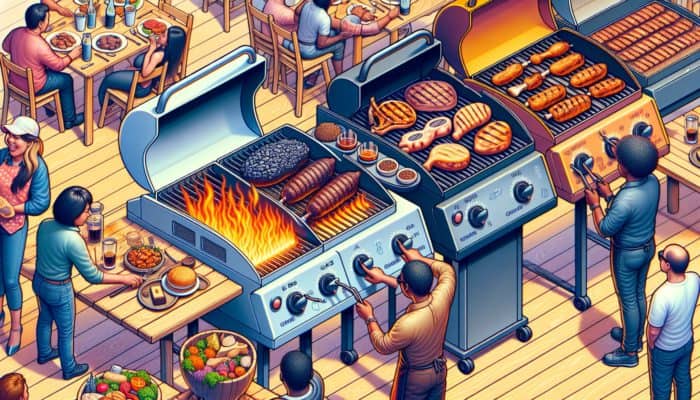
Choosing the appropriate fuel type is critical in BBQ competitions. Each fuel type offers distinct benefits and drawbacks, making it essential to understand their characteristics. Charcoal is frequently favored for its ability to reach high temperatures quickly while imparting exceptional smoke flavor, although it demands more attention during the cooking process. Gas provides convenience and allows for precise temperature control, though it may lack the depth of flavor that wood or charcoal offers.
In contrast, wood brings unique flavors that vary according to the type used, making it a preferred choice among serious competitors. Understanding these different fuel types is crucial for selecting the best option based on your specific competition requirements, whether you are preparing brisket or ribs.
What Safety Equipment and Practices Should You Implement?
Safety remains a top priority when participating in BBQ competitions. Having the proper gear and following safety practices ensures that you and your team can focus on delivering outstanding BBQ while remaining secure. Essential safety items include fire extinguishers, which should always be readily accessible, and heat-resistant gloves to protect your hands from hot surfaces.
Moreover, consistently practicing safe BBQ handling techniques is critical. This encompasses maintaining a clean cooking area, responsibly handling raw meats to prevent cross-contamination, and ensuring that your cooking equipment is securely set up. By prioritizing safety, you can avert accidents that could jeopardize your competition and, more importantly, ensure the safety of everyone involved.
Master Essential BBQ Techniques to Gain a Competitive Edge
What Are the Key Cooking Methods in BBQ?
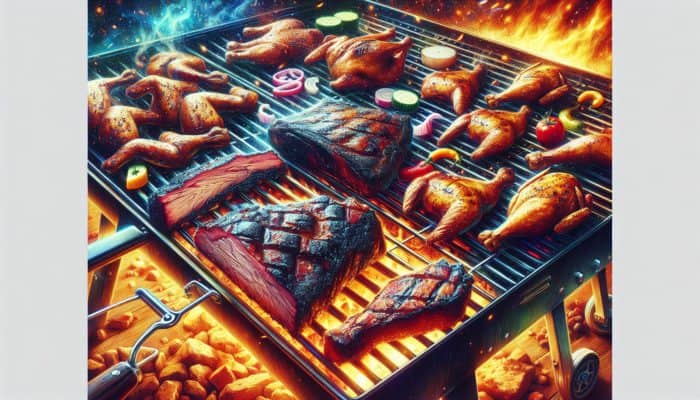
Mastering BBQ techniques demands a comprehensive understanding of various cooking methods, each presenting unique advantages that suit different types of meat. Low and slow cooking is particularly effective for tougher cuts such as brisket, as it promotes collagen breakdown and the development of rich, deep flavors. Although this technique requires patience, it yields tender, flavorful results that impress competition judges and elevate your BBQ to a higher standard.
On the other hand, hot and fast techniques, commonly applied to chicken or pork, can deliver crispy skin and juicy interiors within a shorter cooking timeframe. Knowing which method to employ based on the type of meat significantly influences flavor, texture, and overall presentation—all of which are critical factors in competitions. Regular practice with these techniques will enhance your understanding of their effects on various meats and refine your skills.
How Can You Effectively Control Temperature in BBQ?
Maintaining the correct temperature is essential for achieving exceptional BBQ results. Numerous techniques can assist in effectively managing heat, particularly during competitions where environmental conditions may be unpredictable. One effective strategy involves utilizing a combination of direct and indirect heat, which allows for greater control over cooking zones.
Additionally, investing in high-quality digital thermometers can provide real-time readings, ensuring that you avoid overcooking or undercooking your meat. It is also vital to regularly monitor the temperature of your cooking environment and adjust airflow in your smoker or grill as needed. Mastering these temperature control techniques can significantly elevate your BBQ, making them a critical component of your practice regimen.
What Techniques Can You Use to Perfect Your Smoking Skills?
Smoking meat is often regarded as an art form in BBQ competitions, and achieving the perfect smoke ring and flavor involves several essential steps. Firstly, selecting the appropriate type of wood is crucial, as each variety contributes distinct flavors. Common smoking woods and their flavor profiles include:
- Hickory: A strong, bacon-like flavor that enhances many meats
- Mesquite: Earthy and bold, especially suited for red meats
- Apple: Sweet and mild, ideal for pairing with poultry
- Cherry: Fruity and sweet, versatile for all types of meats
- Pecan: Rich and nutty, particularly great for brisket
- Oak: A strong yet mellow flavor, perfect for larger cuts
To enhance the smoke flavor, managing your smoke levels is vital. Excessive smoke can lead to bitterness, while insufficient smoke can result in a lack of flavor depth. Perfecting your smoking skills requires continuous practice and a willingness to experiment with various woods and techniques to uncover your unique flavor profile.
How to Enhance Flavor with Rubs and Marinades?
Elevating the taste of your BBQ is often achieved through expertly crafted rubs and marinades. The right combination of spices can dramatically enhance the natural flavors of your meat, resulting in standout dishes. Begin with a base of salt and sugar, then layer in additional spices such as paprika, garlic powder, or cumin to create complexity and depth in flavor.
It is crucial to apply rubs evenly before cooking to ensure that each bite bursts with flavor. Marinades can amplify this effect by allowing the meat to absorb additional flavors prior to cooking. For optimal results, let your meat marinate for several hours or even overnight, depending on the type of meat and the intensity of the marinade. Mastering the balance of these flavors is essential for creating BBQ that can compete at the highest levels.
What Are the Best Meats for BBQ Competitions?
How to Select Quality Cuts for BBQ?
Choosing quality cuts of meat is a critical factor that can set your BBQ apart in competitions. Not all meats are created equal; understanding which cuts excel in competitive environments is vital. For brisket, seek well-marbled cuts, as the fat content aids in moisture retention during prolonged cooking times. When selecting ribs, opting for young, tender animals ensures a desirable texture and taste.
Consider the specific category in which you are competing. For chicken, whole birds are often preferred, while pork shoulder is a favored choice in pulled pork categories. Building relationships with local butchers can provide access to premium cuts not typically found in standard grocery stores, thereby enhancing the quality of your competition entries.
What Steps Should You Follow for Preparing Your Meats?
Properly preparing meats is essential for achieving the best outcomes in BBQ competitions. Start by trimming excess fat and silver skin from cuts like brisket and ribs, as these elements can obstruct flavor absorption and affect texture. After trimming, marinating or applying a dry rub allows flavors to deeply penetrate the meat.
Once your meats are prepped, allowing them to rest at room temperature before cooking is crucial for even cooking. This preparation phase lays the groundwork for successfully executing your BBQ and can make a significant difference on competition day.
How to Cook Different Types of Meat to Perfection?
Each type of meat requires a distinct approach to achieve optimal results. For brisket, the key lies in low and slow cooking, maintaining a consistent temperature around 225-250°F, and cooking until it reaches an internal temperature of approximately 195°F for the best tenderness. Ribs benefit from the three-two-one method: three hours of smoking, two hours wrapped in foil, and one hour unwrapped to develop a flavorful bark.
When competing with chicken, it should ideally be cooked to a juicy 165°F, with crisping of the skin achieved through grilling or high-heat roasting. Pork, especially shoulder, is best cooked until it reaches about 195°F to ensure that it can be pulled apart effortlessly. Mastering these techniques ensures that you can handle each type of meat like a true champion.
Expert Insights on How to Practice for BBQ Competitions
What Can You Learn from Experienced Pitmasters?
Gaining insights from seasoned pitmasters can significantly enhance your BBQ skills. These experts typically possess years of experience and invaluable knowledge about what truly distinguishes BBQ in competitions. For instance, attending local BBQ workshops or viewing tutorials from respected competitors can expose you to advanced techniques and tips that are not widely known in the community.
Real-world examples from prestigious competitions such as the American Royal or Memphis in May showcase the diverse techniques employed by successful pitmasters. Engaging with these experts can offer practical, hands-on learning opportunities that refine your approach and elevate your BBQ game to unprecedented heights.
How to Gain Experience by Joining BBQ Competitions?
Participating in BBQ competitions not only provides invaluable experience but also offers insights into the competitive landscape. Many events, ranging from local cook-offs to larger state fairs, cater to various skill levels. To discover competitions across the U.S., consider joining BBQ associations or clubs that frequently organize events and create networking opportunities.
Engaging in these competitions allows you to test your skills against other passionate enthusiasts, receive constructive feedback, and learn what techniques work best under the pressure of competitive settings. This experience is invaluable for honing your skills while fostering camaraderie within the BBQ community.
How to Analyze Competition Results for Improvement?
Understanding what judges look for in BBQ can significantly refine your techniques. Judges typically evaluate entries based on appearance, tenderness, flavor, and texture. Ensuring that every aspect of your dish meets high standards is essential for achieving favorable scores.
To improve, critically analyze your competition results. If feedback indicates that your meat was overly salty or lacked a smoke ring, make necessary adjustments to your recipes. This analytical approach enables you to identify areas for growth and ensures that your BBQ consistently meets the benchmarks set by judges in competitions.
How Can You Improve Your BBQ Flavors?
What Are the Best Practices for Experimenting with Rubs and Sauces?
Experimenting with rubs and sauces is one of the most enjoyable ways to elevate your BBQ flavors. By trying various combinations of spices and ingredients, you can create unique profiles that will impress judges. For instance, blending brown sugar with paprika and chili powder can yield a sweet and spicy rub that works wonderfully for ribs and other meats.
When utilizing sauces, consider layering flavors; applying a base sauce during cooking and finishing with a glaze before serving can provide remarkable depth and complexity. Engaging in this experimentation allows you to discover signature flavors that resonate not only with your palate but also with competition judges.
Using Wood Wisely for Flavor Enhancement
The type of wood you choose for smoking plays a crucial role in determining the final flavor of your BBQ. Different woods impart unique flavors, making it essential to choose wisely based on the type of meat you are working with. For example, hickory’s robust flavor pairs excellently with pork, while lighter woods like apple beautifully complement chicken.
Understanding how each wood interacts with various meats enables you to create a harmonious flavor profile. Incorporating a variety of woods into your practice sessions can also help you uncover unique combinations that will distinguish your BBQ in competitions and leave a lasting impression on judges.
How to Achieve the Perfect Balance of Sweet and Savory?
Achieving the ideal balance of sweet and savory is crucial for creating winning BBQ. A well-rounded flavor profile can elevate your dish and cater to the discerning palates of judges. To effectively balance these flavors, consider incorporating elements like honey or brown sugar for sweetness while using spices like black pepper or mustard for a bold kick that enhances the overall taste experience.
Experimentation is key—try applying different levels of sweetness to your rubs or sauces and gauge the reactions from your practice audience. This testing will help you fine-tune the right balance that resonates with competition judges and sets your BBQ apart from the rest, ensuring you leave a memorable mark.
What Are the Best Marinating Techniques?
Marinating meats is an effective way to deeply enhance flavors. A well-crafted marinade can penetrate the meat, infusing it with spices and acids that tenderize while adding rich flavors. The best marinades combine acids (such as vinegar or citrus), oil, and a variety of seasonings to create a harmonious blend.
For optimal results, allow your meats to marinate for at least two hours, although overnight is often better for tougher cuts. Experimenting with various marinating times and ingredients can help you develop unique flavor profiles that captivate judges during competitions and elevate your BBQ to a higher level.
What Are the Key Elements of BBQ Presentation?
How to Master Plating Techniques for BBQ?
Presentation plays a vital role in BBQ competitions, as it can significantly influence judges’ scores. The way you plate your BBQ enhances its visual appeal and offers a feast for the eyes that complements the flavors. Utilizing contrasting colors, such as garnishing smoked meats with vibrant green herbs or bright red sauces, can make your dish visually striking and enticing.
Additionally, consider how you arrange your plate; stacking ribs vertically or artfully slicing brisket can create an attractive display that draws attention. Remember, first impressions matter, so investing time in mastering plating techniques can provide you with a competitive edge in BBQ competitions and set your entry apart from the rest.
What Are Effective Garnishing Tips for BBQ?
Garnishes not only enhance visual appeal but also add flavor, making them a critical aspect of BBQ presentation. When selecting garnishes, aim for items that complement your dish. For instance, fresh herbs like parsley or cilantro not only provide a pop of color but also offer refreshing flavors that contrast the richness of BBQ meats.
Consider using edible flowers or colorful vegetables, such as pickled red onions, to enhance the visual aesthetics of your dish. A thoughtful garnish can elevate your BBQ, showcasing your attention to detail and creativity, which judges greatly appreciate and look for during competitions.
How to Create a Cohesive Look for Your BBQ Dishes?
Consistency in presentation can set your entry apart in BBQ competitions. To achieve a uniform look, select a theme or style for your dishes and maintain that across all entries. This could involve using similar plating styles, colors, or types of garnishes for different meats to create an appealing visual narrative.
Moreover, regularly practicing your presentation techniques can help you develop a signature look that becomes recognizable to judges. A cohesive presentation not only demonstrates your skill but also leaves a lasting impression, helping your BBQ stand out in a crowded field.
Proven Strategies for Practicing BBQ Competitions Effectively
How to Develop a Structured Practice Schedule?
Creating a structured practice schedule is essential for achieving consistent improvement and success in BBQ competitions. Designate specific days and times each week for practice, ensuring that you allocate time to focus on various aspects of your BBQ skills. For example, you might dedicate one day to perfecting your rubs and sauces while reserving another day for honing essential cooking techniques.
Consistency is key; regular practice not only refines your skills but also fosters muscle memory, crucial for executing your techniques seamlessly during competitions. Incorporating a variety of practice scenarios, such as simulating competition conditions, can further enhance your preparedness and effectiveness on the day of the event.
What Should Your Home BBQ Practice Area Include?
Establishing a dedicated practice area at home can significantly enhance your BBQ preparation. The ideal space should include essential equipment such as your smoker and grill, alongside a prep station stocked with all necessary tools for cooking and preparation.
Ensure that your practice area is organized to facilitate easy movement and access to crucial items, creating a workflow that mimics competition settings. By having a designated space for BBQ practice, you can streamline your sessions and hone your skills without the distractions of a less organized environment.
Why Is Simulating Competition Conditions Important?
Practicing under conditions that closely resemble a competition is vital for preparing yourself and your team for the real thing. To replicate the stress and atmosphere of actual events, invite friends or fellow BBQ enthusiasts to act as judges during your practice sessions.
Set a timer for each cooking phase, mimicking the time constraints of competitions. Furthermore, practice presenting your dishes to an audience, as this will help you become comfortable with the pressure and expectations that come on competition day.
How to Evaluate and Adjust Your Recipes?
Regularly testing and refining your BBQ recipes is key to improving flavors and consistency. Start by documenting each recipe, including specific measurements and cooking times. After each practice session, take notes on what worked well and what did not, and be sure to taste everything critically.
This systematic review allows you to pinpoint areas for enhancement, whether it is adjusting seasoning levels or cooking times. Continually refining your recipes not only elevates the quality of your BBQ but also prepares you for the unpredictability of competition judging and scoring.
What Is the Importance of Learning from Competition Feedback?
Feedback from judges provides invaluable insights into how you can improve your BBQ. After competitions, take the time to analyze the scores and comments provided by judges, focusing on their constructive criticism to refine your craft.
Consider developing a strategy for incorporating this feedback into your practice routine. For example, if a judge mentions a lack of smoke flavor, adjust your smoking techniques and flavor profiles during practice to address these concerns. Effectively utilizing feedback can lead to significant enhancements in your BBQ skills and overall performance in competitions.
How to Build a Strong BBQ Competition Team?
What Should You Consider When Recruiting Team Members?
A strong BBQ competition team can significantly enhance your chances of success, making it essential to recruit members who share your passion for BBQ. Look for individuals with specific skill sets that complement your own, such as those knowledgeable in meat selection, cooking techniques, or presentation skills that can contribute positively to the team dynamic.
Additionally, team members should be enthusiastic and willing to devote time to practice and competition preparation. Assembling a team with diverse talents can lead to innovative ideas and approaches that help set your BBQ apart in competitions, contributing to overall success.
How to Define Roles and Responsibilities in Your Team?
Assigning clear roles and responsibilities within your BBQ team is critical for ensuring smooth operations during competitions. Identify each member’s strengths and interests, allowing them to take charge of specific tasks such as meat preparation, cooking, or presentation to optimize team performance.
This division of labor increases efficiency and fosters accountability, as each member understands that their contributions are integral to the team’s overall success. Regularly reviewing and adjusting roles based on team dynamics can also enhance collaboration and performance during competitions, ensuring that everyone is engaged and motivated.
What Are Effective Strategies for Fostering Team Spirit?
Building a cohesive team spirit is essential for maximizing performance during competitions. Engaging in team-building activities can strengthen relationships and improve communication among members. Whether through group cooking sessions, BBQ outings, or casual social events, these activities help promote camaraderie and enhance team dynamics.
Additionally, recognizing each member’s contributions and celebrating successes can significantly boost morale. A positive team environment can greatly influence how well your team performs under the pressure of competition, leading to a more enjoyable and productive BBQ experience for everyone involved.
Frequently Asked Questions (FAQs)
What Essential Equipment Do I Need for BBQ Competitions?
A solid competition setup includes a reliable smoker or grill, essential BBQ tools like thermometers and spatulas, heat-resistant gloves, and a fire extinguisher for safety during cooking and preparation.
How Do I Choose the Right Meat for Competitions?
Selecting quality cuts is crucial. Look for well-marbled brisket, tender ribs, and whole chickens, as these options meet competition standards and are likely to appeal to judges.
What Are Effective Temperature Control Techniques?
Utilizing a combination of direct and indirect heat, investing in quality thermometers, and regularly monitoring your cooking environment are effective methods for maintaining ideal temperature throughout the cooking process.
How Important Is BBQ Presentation?
Presentation is critical in competitions as it influences judges’ scores. Focus on plating, garnishing, and creating a cohesive look to enhance your BBQ’s visual appeal and overall impact on judges.
How Can I Improve My BBQ Flavors?
Experiment with different rubs and marinades, balance sweet and savory flavors, and consider using various woods for smoking to elevate flavor profiles and impress competition judges.
What Is the Best Way to Practice for Competitions?
Develop a structured practice schedule, simulate competition conditions, and regularly evaluate and adjust your recipes based on feedback and results obtained from practice sessions.
How Do I Find BBQ Competitions to Enter?
Join BBQ associations, follow local BBQ clubs, and check online event listings to discover competitions in your area that suit your skill level and interests.
What Are Common Judging Criteria for BBQ Competitions?
Judges typically evaluate appearance, tenderness, flavor, and texture in BBQ entries, making it essential to excel in these areas for a favorable score that reflects the quality of your BBQ.
How Can I Build a Successful BBQ Competition Team?
Recruit team members with complementary skills, assign clear roles, and foster a positive team spirit through team-building activities and recognition of each member’s contributions.
How Often Should I Clean My BBQ Gear?
Clean your BBQ gear after every use to ensure longevity, maintain performance, and prevent the buildup of grease and residue that can adversely affect flavor in your BBQ dishes.
Connect with us on Facebook!
The Article How to Practice for BBQ Competitions: U.S. Tips appeared first on https://pitmastersarsenal.com
The Article BBQ Competition Tips: How to Practice Effectively Was Found On https://limitsofstrategy.com