Discover Expert Tips for Selecting the Ideal Oils to Achieve High-Heat Grilling Mastery
Why Avocado Oil Stands Out as the Best Choice for High-Temperature Grilling
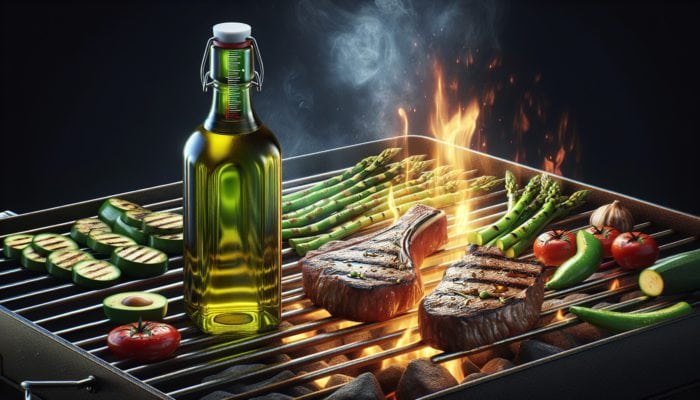
Avocado oil is an exceptional option for high-heat grilling, celebrated for its remarkable high smoke point of around 520°F (271°C). This distinctive feature allows you to achieve that sought-after perfect sear on meats while creating a delicious char on vegetables without the risk of burning. In addition to its cooking merits, avocado oil is rich in monounsaturated fats, which are recognized for supporting heart health and lowering levels of bad cholesterol. Furthermore, its subtle, buttery flavor enhances the natural taste of grilled dishes, making it versatile enough for various options, including fish, steak, and even grilled fruits.
To maximize the benefits of avocado oil while grilling, consider marinating your proteins before cooking. This technique not only infuses rich flavors but also aids in tenderizing the meat effectively. A simple yet delightful marinade can be crafted by mixing avocado oil, citrus juice, and fresh herbs, significantly enhancing your overall grilling experience. Additionally, brushing avocado oil directly onto your grill grates can help prevent sticking, ensuring that your meals come off the grill beautifully intact and ready to serve.
Why Peanut Oil is a Top Choice for Elevating Flavor in Grilling
Peanut oil is a favorite among grilling enthusiasts due to its neutral flavor and robust high smoke point, typically around 450°F (232°C). This oil works exceptionally well for grilling a wide array of foods, especially when the focus is on allowing the ingredients to shine rather than the oil itself. Its stability at elevated temperatures means it remains intact without breaking down, ensuring a clean and enjoyable cooking experience every time.
One of the best uses for peanut oil lies in Asian-inspired grilled dishes, where its nutty undertones perfectly complement marinated chicken skewers or grilled shrimp. Additionally, when utilized for frying or stir-frying after grilling, peanut oil can provide a delightful crunch to both vegetables and meats. Its versatility and reliability make peanut oil a kitchen essential for many chefs, allowing for a seamless transition from grilling to other cooking methods without sacrificing flavor integrity.
What Makes Grapeseed Oil an Excellent Choice for High-Heat Grilling?
Grapeseed oil is another fantastic selection for high-heat grilling, featuring a smoke point of approximately 420°F (216°C). This oil boasts a mild flavor that enhances your grilled foods without overpowering their natural tastes. Its light texture makes it ideal for brushing onto grill grates, ensuring even cooking while preventing sticking.
Utilizing grapeseed oil as a base for marinades can significantly elevate your grilling outcomes. It blends seamlessly with a variety of herbs and spices, allowing for creative and flavorful combinations. For example, a marinade incorporating grapeseed oil, garlic, and rosemary can add an irresistible aroma to grilled vegetables or meats. Additionally, its high vitamin E content provides numerous health benefits, making it a smart choice for health-conscious grillers who wish to elevate their meals without compromising on flavor.
Gain Expert Knowledge About the Best Oils for High-Temperature Grilling

Why Do Experts Recommend Avocado Oil for Grilling?
Experts consistently advocate for avocado oil when it comes to high-heat grilling due to its impressive smoke point and numerous health advantages. The composition of heart-healthy fats in avocado oil makes it an ideal choice for those prioritizing wellness in their cooking. Here are some specific recommendations for effectively incorporating avocado oil into your grilling routine:
- Utilize avocado oil for marinating meats, enhancing both flavor and tenderness.
- Brush it onto vegetables to achieve a delightful char while preventing sticking.
- Add it to salad dressings to provide a fresh, vibrant finish to grilled meals.
- Experiment with flavored avocado oils, such as garlic or chili, to introduce complexity and excitement to your dishes.
By following these expert tips, you can fully leverage the properties of avocado oil, ensuring your grilled dishes are not only delicious but also nutritious. Experts agree that integrating avocado oil into your grilling practices can significantly enhance your cooking outcomes, making every meal a delightful experience.
How Does Peanut Oil Excel in Grilling Techniques?
Peanut oil excels in grilling due to its high smoke point and stability at elevated temperatures. This reliability allows for consistent heat application, which is essential for achieving perfect grill marks on both meats and vegetables. Many chefs appreciate peanut oil for its ability to withstand high heat without breaking down, ensuring that flavors remain vibrant throughout the cooking process.
For optimal grilling techniques using peanut oil, consider these expert insights. Start by using it for direct grilling of proteins like chicken or pork, allowing the oil’s neutral flavor to enhance the dish instead of overpowering it. When grilling vegetables, lightly toss them in peanut oil to prevent sticking and ensure even cooking. Lastly, incorporating peanut oil into a basting sauce can add an extra layer of flavor, especially when paired with spices or marinades. This versatility establishes peanut oil as a reliable ally in the grilling process.
What Benefits Does Grapeseed Oil Offer for Grilling?

Grapeseed oil is favored for grilling due to its high smoke point and mild flavor profile. These characteristics make it a versatile option that enhances the natural flavors of grilled foods without overshadowing them. For grilling aficionados, grapeseed oil provides a range of applications that can elevate their dishes to new heights.
To maximize the benefits of grapeseed oil while grilling, consider using it as a marinade base, combining it with herbs and spices to create a flavorful soak for meats. Its light texture also makes it effective as a spray oil on grill grates, ensuring even coverage and preventing sticking. When grilling delicate items like fish, grapeseed oil offers a non-intrusive flavor, allowing the primary ingredients to shine. By following these expert recommendations, you can fully harness grapeseed oil’s unique properties for an enhanced grilling experience.
Uncover the Health Benefits of Quality High-Heat Grilling Oils
What Health Benefits Does Avocado Oil Provide?
Avocado oil is packed with numerous health benefits, primarily due to its rich composition of monounsaturated fats and antioxidants. These valuable components can significantly contribute to overall well-being. For instance, the high levels of healthy fats found in avocado oil are known to promote heart health by lowering bad cholesterol levels. Additionally, avocado oil is abundant in antioxidants, which can help combat oxidative stress within the body.
Here are some key health benefits associated with avocado oil:
- Rich in heart-healthy monounsaturated fats.
- Contains antioxidants that combat free radicals.
- Enhances nutrient absorption from other foods.
- May reduce inflammation and support joint health.
Incorporating avocado oil into your grilling routine not only enhances the flavors of your meals but also delivers essential health advantages, making it a wise choice for any health-conscious griller.
How Does Peanut Oil Positively Impact Health?
Peanut oil is not only a versatile grilling option but also offers numerous health benefits. Its composition includes healthy fats and vitamin E, both of which are crucial for maintaining good health. The monounsaturated fats in peanut oil can support heart health by promoting healthy cholesterol levels and reducing the risk of cardiovascular diseases.
Moreover, peanut oil is rich in vitamin E, a potent antioxidant that plays a vital role in immune function and skin health. Regular use of peanut oil can contribute to improved skin elasticity and overall well-being. Its ability to withstand high temperatures without breaking down makes it an ideal choice for grilling, ensuring that health benefits remain intact while you prepare delicious meals.
What Nutritional Advantages Does Grapeseed Oil Offer?
Grapeseed oil is recognized for its rich content of polyunsaturated fats and vitamin E, both of which provide distinct health benefits. The oil’s polyunsaturated fat profile can support cardiovascular health and help maintain healthy cholesterol levels. Additionally, grapeseed oil is an excellent source of vitamin E, essential for skin health and may help reduce inflammation within the body.
Beyond its heart-healthy properties, grapeseed oil can aid in skin healing and may improve the appearance of scars. When used in cooking, it retains its beneficial properties even at high temperatures, making it an excellent choice for health-conscious grilling. Incorporating grapeseed oil into your meals adds not only flavor but also vital nutrients that support overall wellness.
What Health Benefits Does Safflower Oil Provide?
Safflower oil is a lesser-known but highly beneficial oil rich in omega-6 fatty acids and vitamin E. These components can improve blood sugar levels and promote cardiovascular health, making safflower oil a valuable addition to your grilling repertoire. Its high smoke point also makes it suitable for high-heat grilling, allowing for various cooking applications.
Integrating safflower oil into your grilling practices can foster healthier meals. Its neutral flavor allows it to blend seamlessly with spices and marinades, enhancing the overall taste of grilled dishes. Furthermore, the vitamin E content in safflower oil contributes to skin health and bolsters the immune system, making it a nutritious choice for your grilling needs.
How Does Sunflower Oil Promote Your Health?
Sunflower oil is another fantastic option for grilling, known for being rich in healthy fats, vitamin E, and phytosterols. These components work synergistically to support heart health by reducing cholesterol levels and promoting better cardiovascular function. The oil’s light flavor profile makes it an ideal choice for a variety of dishes, ensuring that the natural flavors of grilled foods are preserved.
Additionally, sunflower oil possesses anti-inflammatory properties that can contribute to overall health. By incorporating sunflower oil into your grilling routine, you reap its nutritional value while enjoying flavorful meals. Whether used as a marinade or brushed onto grill grates, sunflower oil’s versatility and health benefits make it an essential addition to any grilling repertoire.
Key Considerations for Choosing the Right Oil for Grilling
What Factors Should You Assess When Selecting an Oil for Grilling?
Choosing the right oil for grilling involves thorough consideration of multiple factors to ensure optimal results. Key aspects to evaluate include the oil’s smoke point, flavor profile, and nutritional content. Each of these elements plays a critical role in how well the oil performs during the grilling process.
When selecting grilling oils, consider the following factors:
- Smoke point: Ensure the oil can withstand high temperatures without breaking down.
- Flavor profile: Choose an oil that complements the dish you are preparing.
- Nutritional content: Look for oils that are rich in healthy fats and vitamins.
- Cost and availability: Factor in your budget and access to different oils.
By weighing these considerations, you can make an informed decision that enhances your grilling experience while promoting healthy eating habits.
How Does Smoke Point Influence Grilling Performance?
The smoke point of an oil is a crucial factor that determines its suitability for high-heat grilling. Oils with lower smoke points can burn and produce harmful compounds, which not only affects the flavor of your food but may also pose health risks. For effective grilling, it is essential to use oils with a high smoke point that can withstand intense heat without degrading.
When grilling, oils such as avocado, peanut, or grapeseed oil are excellent choices due to their high smoke points. They allow you to achieve that perfect sear on meats and vegetables while imparting delicious flavors. Understanding the smoke point of your chosen oil can elevate your grilling technique and ensure that your meals are both flavorful and safe to consume.
What Role Does Flavor Play in Selecting Grilling Oils?
Flavor is a significant factor in selecting grilling oils, as it can either enhance or overpower the natural taste of your food. Choosing an oil with a complementary flavor profile is vital for creating delicious grilled dishes. For instance, oils like avocado and grapeseed have mild flavors that can enhance other ingredients without overwhelming them.
When selecting an oil, consider how its flavor will interact with the main ingredients. A robust oil may pair well with hearty meats, while lighter oils work better with delicate fish or vegetables. By thoughtfully considering the flavor of the oil in relation to your dish, you can ensure a harmonious balance that elevates your grilling experience.
How Does Nutritional Content Impact Oil Selection for Grilling?
The nutritional content of an oil significantly influences its selection for grilling, especially for health-conscious individuals. Oils rich in beneficial nutrients such as healthy fats, vitamins, and antioxidants contribute to the overall healthiness of grilled meals. When choosing oils for grilling, prioritize those with favorable nutritional profiles that align with your dietary goals.
For example, oils like avocado and grapeseed offer heart-healthy monounsaturated fats and antioxidants that are beneficial for overall well-being. In contrast, oils high in saturated fats may not be the best choice for health-minded grillers. By considering the nutritional content of your selected oils, you can create meals that are not only delicious but also nourishing.
Can You Safely Reuse Oil for Grilling?
Reusing oil for grilling can be a cost-effective practice, but it requires careful consideration to ensure safety. Oils degrade over time and can develop off-flavors or harmful compounds, especially if they have been subjected to high heat multiple times. To safely reuse oil for grilling, ensure it is properly stored and filtered.
After grilling, allow the oil to cool before straining it through a fine mesh sieve or cheesecloth to remove food particles. Store the filtered oil in a dark, cool place to prolong its shelf life. However, keep in mind that even with proper storage, the oil should ideally be used within a few weeks. Always assess the oil’s smell and color before using it again; if it smells rancid or appears cloudy, it is best to discard it.
Practical Strategies for Optimal Use of Oils in High-Temperature Grilling
How to Maximize the Benefits of Avocado Oil While Grilling?
To fully utilize the advantages of avocado oil, consider using it for both marinating and basting grilled foods. Its high smoke point allows it to withstand intense heat without burning, making it an ideal choice for various grilling methods. Begin by creating a flavorful marinade that incorporates avocado oil, fresh herbs, garlic, and citrus juice. This not only infuses rich flavor but also helps tenderize meats effectively.
While grilling, use avocado oil for basting during the cooking process to keep your meats moist and add layers of flavor. Simply brush the oil over your food as it grills, allowing it to caramelize and create a beautiful crust. Additionally, integrate avocado oil into your sauces or dressings served alongside grilled dishes for an extra boost of flavor and nutrition, making every meal a delightful experience.
What Are the Best Practices for Using Peanut Oil in Grilling?
Peanut oil’s versatility makes it an excellent choice for both marinating and direct grilling. To use peanut oil effectively, start by marinating your proteins for at least 30 minutes, allowing the oil to penetrate and enhance flavor. Combine peanut oil with soy sauce, ginger, or garlic for an Asian-inspired twist that beautifully complements grilled chicken or shrimp.
When grilling, consider utilizing peanut oil as a finishing touch. After grilling, drizzle a small amount over your dish to amplify the nutty flavor. This technique works particularly well with grilled vegetables or seafood, making each bite memorable. Moreover, peanut oil can also be employed for stir-frying leftover grilled items, ensuring that no flavor goes to waste while providing a seamless transition from grilling to another cooking method.
How to Effectively Incorporate Grapeseed Oil in Grilling?
Grapeseed oil can be utilized effectively in grilling by using it as a spray or brush-on oil. This ensures even coverage and enhances flavor without overpowering the natural tastes of the food. Start by lightly spraying grapeseed oil onto your grill grates to prevent sticking and promote even cooking, which is essential for achieving those perfect grill marks.
In addition to its use on grill grates, grapeseed oil is perfect for creating marinades or dressings. Mix grapeseed oil with herbs, spices, and vinegar to create a vibrant dressing that can be brushed on meats or vegetables before grilling. Furthermore, drizzling grapeseed oil over grilled dishes before serving provides a finishing touch that enhances both the visual appeal and flavor of your meal, ensuring a delightful dining experience.
Avoid Common Mistakes When Grilling with Oils
What Risks Are Associated with Using the Wrong Oil for Grilling?
Using oils with low smoke points can lead to significant cooking mishaps, including burning food and producing harmful compounds. This not only affects the flavor and texture of your meal but may also pose health risks. Oils such as olive oil may be suitable for sautéing but are not recommended for high-heat grilling due to their lower smoke point, which can compromise the quality of your dishes.
Choosing the right oil is crucial for achieving flavorful, well-cooked meals. Always opt for oils specifically designed for high-heat applications, such as avocado, peanut, or grapeseed oil, to avoid compromising the quality and safety of your grilled dishes. Taking this precaution ensures that your grilling experience is both enjoyable and health-conscious, allowing you to savor each bite.
How Can Excessive Oil Use Affect Your Grilling Results?
Overusing oil while grilling can lead to various issues, including flare-ups and greasy food. Excess oil can ignite flames that make it challenging to control the cooking process, resulting in burnt or unevenly cooked meals. Additionally, an overabundance of oil can cause food to become excessively greasy, detracting from the intended flavors of the ingredients.
To prevent these complications, practice moderation when applying oil. A light coating is typically sufficient for preventing sticking and enhancing flavor. For best results, consider using a brush or spray to evenly distribute the oil, ensuring your meals are delicious without being overly oily, which creates a more enjoyable cooking and dining experience.
What Are the Consequences of Not Preheating the Grill?
Neglecting to preheat the grill can result in uneven cooking and food sticking to the grates, significantly impacting your grilling experience. When the grill isn’t adequately hot, food can cling to the grates, making it difficult to achieve those beautiful grill marks. While proper oil application can help mitigate these issues, preheating remains essential for successful grilling.
To ensure optimal grilling results, allow your grill to reach the appropriate temperature before placing any food on it. A preheated grill not only creates a sear that locks in moisture but also enhances the overall flavor and texture of your dishes. This simple step can significantly improve your grilling outcomes, making your cooking process much more efficient and enjoyable.
Techniques for Enhancing Flavor with Grilling Oils
How Can You Infuse Oils with Flavorful Herbs and Spices?
Infusing oils with herbs and spices is an excellent method for enhancing the flavor of your grilled foods. By infusing oils before grilling, you can create unique flavor profiles that elevate your dishes. Start by gently heating your chosen oil, such as avocado or grapeseed, and adding fresh herbs, garlic, or chilies. Allow the mixture to simmer on low heat for about 10 minutes, then strain out the solids for a flavorful infusion.
Once your oil is infused, use it as a marinade for meats or vegetables, or brush it onto your food before grilling. The infused oil will impart a delightful aroma and flavor that complements the natural tastes of the ingredients. Experimenting with different herbs and spices allows you to customize your infusions to suit your preferences, making your grilled meals more exciting and flavorful, thus impressing your guests.
What Oils Are Most Effective for Marinating Grilled Foods?
When it comes to marinating, oils like avocado and peanut oil excel due to their ability to withstand high heat and enhance flavor. The creamy texture of avocado oil helps adhere spices and seasonings effectively, creating a well-balanced marinade. Combine avocado oil with citrus juice or vinegar for a zesty marinade that works beautifully with chicken or fish, providing a fresh and vibrant taste.
Peanut oil also makes an excellent option for Asian-inspired marinades, as its neutral flavor allows it to blend seamlessly with other ingredients. Consider mixing peanut oil with soy sauce, sesame oil, and ginger for a vibrant marinade that infuses flavor into grilled meats and tofu. Both oils significantly contribute to the tenderness of the food, making them ideal choices for marinating before grilling, ensuring a mouthwatering result.
How to Use Oils Effectively to Prevent Sticking?
Applying a thin layer of oil to the grill grates is a simple yet effective technique to prevent food from sticking during grilling. This method is particularly beneficial when working with lean proteins or delicate vegetables that are prone to sticking. Use a paper towel or cloth dipped in oil to wipe down the grates before preheating the grill for optimal results, ensuring a smooth cooking process.
Additionally, consider lightly coating the food itself with oil before placing it on the grill. This practice not only helps prevent sticking but also promotes even cooking and enhances flavor. By combining these techniques, you can ensure that your grilled dishes come off the grill perfectly intact, creating a more enjoyable cooking and dining experience for everyone involved.
Frequently Asked Questions About Grilling Oils
What is the best oil for high-heat grilling?
Avocado oil is widely recognized as one of the best oils for high-heat grilling due to its high smoke point and heart-healthy properties, making it perfect for searing meats and achieving flavorful results.
Can I use olive oil for grilling?
While olive oil boasts various health benefits, its lower smoke point makes it less suitable for high-heat grilling. It is better suited for low to medium heat cooking applications, where its flavor can shine without burning.
Is peanut oil a healthy option for grilling?
Yes, peanut oil is a healthy choice for grilling since it contains monounsaturated fats and vitamin E, both of which contribute to heart health while providing a stable option for high-heat cooking.
Should I oil the grill grates before cooking?
Absolutely, oiling the grill grates before cooking helps prevent sticking and ensures even cooking, which is essential for achieving perfect grill marks on your food while enhancing overall flavor.
How long can I safely store reused grilling oil?
Reused grilling oil can be stored for a few weeks if filtered properly and kept in a cool, dark place. Always check for off smells or discoloration before using it again to ensure safety.
Can I mix different oils for grilling purposes?
Yes, mixing different oils can create unique flavor profiles and adjust the smoke point. Just ensure that all oils used are suitable for high-heat applications to avoid burning.
What is the smoke point of grapeseed oil?
Grapeseed oil has a smoke point of approximately 420°F (216°C), making it an excellent choice for high-heat grilling and frying without breaking down, ensuring the best cooking results.
How do I determine if my oil has gone bad?
If your oil smells rancid, has an off-color, or appears cloudy, it has likely gone bad and should be discarded to ensure safe cooking practices and maintain the quality of your meals.
What are some alternatives to high-heat oils?
Alternatives to high-heat oils include safflower oil and sunflower oil, both of which have high smoke points and beneficial health properties, making them suitable for grilling.
Can I use flavored oils for grilling?
Yes, flavored oils can add depth to your grilled dishes. Just ensure that they have a suitable smoke point for grilling to avoid burning the flavors, allowing you to enjoy a variety of tastes.
Connect with Us on Facebook for More Grilling Tips!
The Article Best Oils for High-Heat Grilling: Top Picks for BBQ appeared first on https://pitmastersarsenal.com
The Article Top Picks for High-Heat Grilling Oils: Best BBQ Options Was Found On https://limitsofstrategy.com