Elevate Your Grilling Skills with Fresh Asparagus and Zesty Lemon Flavor
How to Choose the Finest Asparagus for Your Grilling Experience
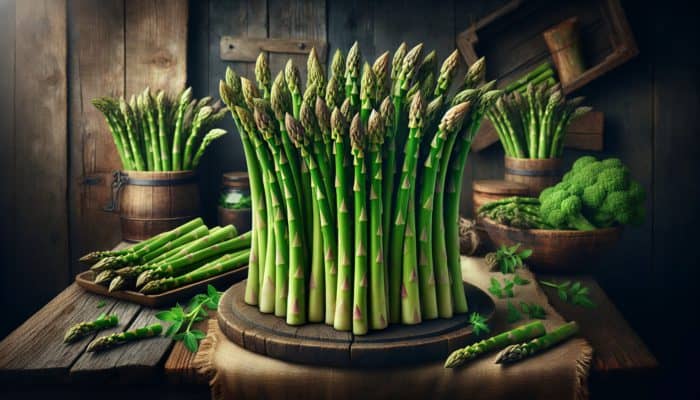
Selecting the finest asparagus is crucial for achieving a mouthwatering flavor and satisfying texture in your grilled dish. When shopping for fresh green asparagus, seek out stalks that exhibit key attributes: they should be firm and straight, with tightly closed tips that signify freshness, and vibrant green hues devoid of any browning or blemishes. Keep in mind that the thickness of the stalks can impact your grilling results; thicker stalks offer a delightful crunch, while thinner ones cook quicker and provide a more tender bite. Here’s a key checklist of vital characteristics to look for when selecting asparagus:
- Firm, straight stalks
- Tightly closed tips
- Vibrant green color without discoloration
- Minimal blemishes or wrinkles
- Stalk thickness suited to your cooking preference
- Fresh, pleasant aroma
These qualities guarantee that your asparagus delivers the best taste and texture possible. Whenever feasible, choose to purchase your asparagus from local farmers’ markets; the superior freshness can greatly enhance the overall flavor profile of your dish, ensuring a truly unforgettable culinary experience.
What is the Best Method for Preparing Lemon Zest to Enhance Your Dish?
To significantly enhance the flavor of your grilled asparagus, mastering the art of preparing lemon zest is paramount. Utilize a fine grater to zest the lemon, carefully avoiding the bitter white pith, which can detract from the flavor of your dish. The zest is rich in vibrant oils that release a burst of citrus flavor, ideal for accentuating the asparagus. For optimal flavor infusion, aim for approximately 1 tablespoon of lemon zest for every pound of asparagus. This ratio delivers a bright, tangy kick that harmoniously complements the natural earthiness of the vegetable without overpowering its innate essence.
Incorporating lemon zest can transform your dish; however, its versatility extends well beyond grilling. Consider using lemon zest in marinades, dressings, or as a finishing touch to various dishes where you desire an added layer of freshness and flavor.
Expert Grilling Techniques for Achieving Perfectly Charred Asparagus
Grilling asparagus requires meticulous attention to detail to achieve the perfect char while preventing overcooking. Begin by preheating your grill to a medium-high heat, typically ranging from 375°F to 450°F. This temperature zone promotes proper caramelization while preserving a delightful crisp texture. Once your grill is primed, position the asparagus directly on the grates.
Grill the asparagus for around 5 to 7 minutes, turning it intermittently to guarantee even cooking. Monitor the color closely; it should transition to a vivid green adorned with slight grill marks. Use tongs to gently rotate the spears to prevent breakage. Cooking times may vary based on the thickness of the stalks; thinner stalks will cook more quickly, whereas thicker spears may require additional time. The ultimate goal is to achieve a tender yet crisp texture that showcases the natural flavors of the asparagus.
What Essential Seasoning Techniques Should You Apply for Grilled Asparagus?
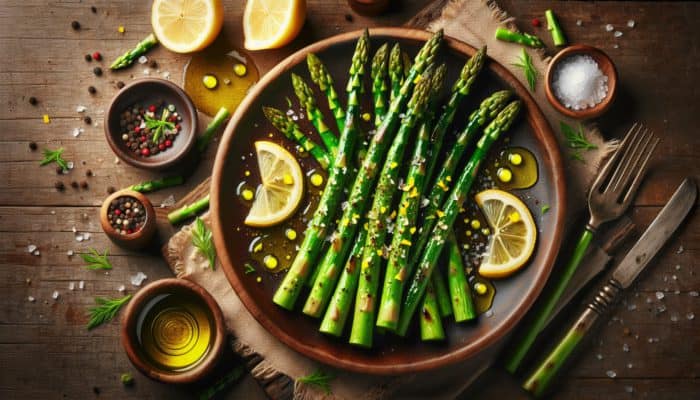
Once grilled, it’s essential to elevate your asparagus with the right finishing touches. Start by drizzling high-quality olive oil over the spears to enhance their flavors and add richness. Evenly distribute freshly grated lemon zest across the asparagus, ensuring each piece is coated in its zesty aroma. Finally, season with salt and pepper to taste, creating a harmonious blend of flavors that enhances the overall profile of the dish.
You might also consider adding complementary elements such as Parmesan cheese or crushed red pepper flakes to introduce additional layers of flavor. This final touch not only enhances taste but also adds moisture, ensuring that the zest and seasoning adhere well while the asparagus retains its delightful grilled essence.
Valuable Insights on Grilled Asparagus with a Zesty Lemon Infusion
How to Boost Flavor Profiles Using Culinary Techniques?
The versatility of grilled asparagus allows for a multitude of flavor enhancements that can beautifully complement the zesty lemon. Experimenting with an array of herbs and spices can lead to delightful combinations that elevate the dish beyond the ordinary. For instance, incorporating minced garlic infuses a rich flavor, while fresh thyme introduces an earthy, aromatic profile that pairs splendidly with the zesty notes of lemon.
Real-world examples highlight the classic pairing of lemon zest and garlic, often utilized by chefs to create a vibrant side dish. Additionally, a sprinkle of sea salt not only amplifies the sweetness of the asparagus but also enhances the brightness of the lemon. For those with adventurous palates, adding smoked paprika can introduce a subtle smokiness that surprisingly complements citrus flavors.
What Are the Health Benefits of Consuming Asparagus?

Incorporating asparagus into your meals not only enhances flavor; it also provides a wealth of health benefits. Asparagus is rich in essential nutrients, including vitamins A, C, E, K, and several B vitamins, along with dietary fiber and folate. These nutrients significantly support overall health, bolstering immune function, promoting skin health, and aiding digestive wellness. Regularly consuming asparagus may contribute to reducing the risk of chronic conditions such as heart disease and specific types of cancer.
Moreover, the fiber content in asparagus promotes a healthy digestive system, while the antioxidants present help combat oxidative stress. Thus, grilled asparagus not only stands out as a delicious addition to any meal but also as a nutritious one, establishing it as a valuable component of a balanced diet.
What Cooking Tips Do Professional Chefs Recommend for Grilling Asparagus?
Professional chefs frequently share invaluable tips for enhancing the flavor of grilled asparagus. A common suggestion is to marinate the asparagus before grilling. A simple mixture of olive oil, lemon juice, and a pinch of salt creates a marinade that draws out the natural flavors of the asparagus while adding a zesty layer.
To marinate effectively, combine 2 tablespoons of olive oil, the juice of one lemon, and a pinch of salt in a bowl. Toss the asparagus in this mixture, ensuring each spear is well-coated. Allow it to marinate for at least 15 minutes before grilling to maximize flavor absorption. This approach not only intensifies the taste but also assists in achieving a tender texture, making your grilled asparagus a standout dish for any gathering.
How Can You Creatively Serve Grilled Asparagus with Zesty Lemon Flavor?
What Are the Most Delicious Ways to Serve Grilled Asparagus as a Side Dish?
Grilled asparagus with lemon zest makes for an exceptional side dish, beautifully harmonizing with a variety of main courses. Its bright, zesty flavor can elevate grilled meats or fish, providing a refreshing contrast that balances richer flavors. Consider pairing it with options such as:
- Grilled salmon
- Roasted chicken
- Steak or beef tenderloin
- Pork chops
- Stuffed bell peppers
- Marinated tofu
The combination of grilled asparagus with any of these main dishes not only enhances the meal visually but also nutritionally, providing fiber and vitamins that complement the protein-rich elements on the plate, creating a well-rounded dining experience.
How to Integrate Grilled Asparagus into Salads for Extra Flavor?
Chopping grilled asparagus into smaller pieces opens up a world of salad possibilities. Tossed with mixed greens, cherry tomatoes, and a light lemon vinaigrette, the asparagus adds a delightful crunch and a burst of flavor. To deepen the taste, consider incorporating ingredients like:
– Avocado for creaminess
– Feta cheese for tanginess
– Radishes for extra crunch
– Cucumbers for freshness
Adding these components not only enhances the overall flavor but also boosts the nutritional value, transforming your salad into a balanced meal option that satisfies both taste and health.
What Are Unique Ways to Present Grilled Asparagus as an Appetizer?
For a sophisticated appetizer, serve grilled asparagus spears on a platter accompanied by a lemon aioli dipping sauce. This pairing is sure to impress guests at any gathering. To create a simple lemon aioli, mix 1/2 cup of mayonnaise, 1 clove of minced garlic, the juice of half a lemon, and a pinch of salt in a bowl. Whisk until smooth, adjusting the seasoning to your preference.
The creamy texture of the aioli pairs beautifully with the grilled asparagus, resulting in an indulgent yet straightforward starter that highlights seasonal flavors. Arrange the asparagus attractively on a serving dish, making it visually appealing and inviting for your guests.
How Can Grilled Asparagus Be Incorporated into Pasta Dishes?
Grilled asparagus can be seamlessly integrated into various pasta dishes, adding flavor and nutrition. Toss the asparagus with your favorite pasta, olive oil, minced garlic, and freshly grated Parmesan for a light yet satisfying meal. This combination allows the asparagus to shine while providing a hearty base for the dish.
Other pasta dishes that work harmoniously with grilled asparagus include:
- Fettuccine with lemon cream sauce
- Pasta primavera featuring mixed vegetables
- Orzo salad with feta and olives
- Spaghetti aglio e olio with garlic and oil
These variations introduce diverse textures and flavors, allowing for creative culinary exploration while showcasing the versatility of grilled asparagus in various culinary contexts.
What Are the Best Brunch Options Featuring Grilled Asparagus?
For a delightful brunch dish, consider incorporating grilled asparagus into a frittata or quiche. Its fresh, vibrant flavor pairs exquisitely with eggs, creating a dish that feels sophisticated yet remains easy to prepare. To enhance the dish, think about adding ingredients such as cheese, sun-dried tomatoes, or herbs like dill or chives.
The inclusion of grilled asparagus not only boosts the nutritional profile of your brunch but also creates an eye-catching presentation. Serve alongside crusty bread or a light salad for a complete meal that will impress both guests and family alike, ensuring a memorable dining experience.
What Are the Top Seasonings for Grilled Asparagus with Zesty Lemon Flavor?
Why Are Classic Salt and Pepper Essential Seasonings?
A fundamental yet effective seasoning approach for grilled asparagus involves a simple blend of salt and pepper. This combination enhances the natural flavors of the asparagus and the zest of the lemon without overpowering them. When grilling, opt for a coarse salt, such as sea salt or kosher salt, as these varieties provide a gratifying crunch and burst of flavor that can significantly elevate your dish.
The key is to season the asparagus prior to grilling; a sprinkle of salt and pepper amplifies the sweetness of the spears, allowing their natural flavors to shine. Aim for approximately 1/4 teaspoon of salt per pound of asparagus, adjusting based on personal taste preferences.
How Can Herb Infusions Enhance Grilled Asparagus Flavor?
Incorporating fresh herbs can introduce an exciting new dimension to grilled asparagus with lemon zest. Herbs like parsley, dill, or basil complement the dish exceptionally well, offering aromatic notes that enhance the citrus flavors. Finely chop the herbs and sprinkle them over the asparagus just before serving for a refreshing burst of flavor that invigorates the dish.
Different herbs can dramatically alter the taste profile; for example, dill introduces a fresh, slightly tangy note, while basil adds a hint of sweetness. Experimenting with various herb combinations can lead to delightful discoveries, allowing you to tailor the flavor to your liking and preferences.
What Spicy Additions Pair Well with Grilled Asparagus?
For those who enjoy a bit of heat, consider adding spicy elements to your asparagus dish. A pinch of red pepper flakes or a dash of your favorite hot sauce can provide a zesty kick that contrasts beautifully with the lemon zest. The warmth enhances the dish, creating a more layered and engaging flavor profile that excites the palate.
Here’s a list of spicy seasonings that pair well with asparagus:
- Crushed red pepper flakes
- Cayenne pepper
- Hot paprika
- Chipotle powder
- Harissa paste
These additions can transform your grilled asparagus into a bold statement dish that’s perfect for those looking to spice things up during their meal.
How Do Garlic and Parmesan Transform Grilled Asparagus?
Incorporating minced garlic and grated Parmesan cheese into your grilled asparagus adds a rich, savory depth that beautifully complements the vegetable. For optimal results, sprinkle these ingredients over the asparagus before grilling. The garlic infuses the spears with a robust aroma, while the Parmesan contributes a salty, umami punch that enhances the overall flavor.
Consider merging garlic and Parmesan with a drizzle of olive oil for an even more enhanced flavor experience. This combination not only elevates the taste of the asparagus but also creates a visually appealing presentation, with melted cheese slightly clinging to the spears, adding to the allure of the dish.
What Citrus Variations Can Be Explored with Grilled Asparagus?
While lemon zest is a standout choice, experimenting with different citrus zests can introduce a refreshing and tangy twist to your dish. Zests from fruits like lime or orange can brighten the flavor, providing a delightful contrast to the earthy notes of asparagus. Combining lemon and lime zest, for instance, adds depth and complexity that invigorates the palate.
Feel free to mix and match various citrus zests to discover the ideal balance that suits your taste preferences. This playful approach keeps the dish lively and offers endless opportunities for flavor exploration and culinary creativity.
What Are the Research-Backed Benefits of Grilled Asparagus with Zesty Lemon Flavor?
How Do Antioxidant Properties Benefit Your Health?
Asparagus is well-known for its antioxidant properties, which play a crucial role in combating oxidative stress within the body. Antioxidants are vital for neutralizing free radicals, thereby reducing the risk of chronic diseases. The addition of lemon zest further amplifies these benefits by providing a significant source of vitamin C, celebrated for its immune-boosting and skin-health-promoting qualities.
Research indicates that combining asparagus with lemon zest not only preserves the nutritional integrity of the vegetable but also enhances its health benefits. This powerful duo positions grilled asparagus as not just a flavorful dish but also a crucial addition to a health-conscious diet, making it an intelligent choice for those prioritizing wellness.
What Role Does Asparagus Play in Supporting Digestive Health?
The fiber content in asparagus is instrumental in promoting healthy digestion by encouraging regular bowel movements and preventing constipation. Additionally, lemon zest can stimulate the production of digestive juices, enhancing the body’s capacity to break down food efficiently. Together, asparagus and lemon zest create a potent duo that supports the digestive process.
Incorporating this combination into your meals can significantly aid in maintaining digestive health and improving overall wellness. Regularly consuming grilled asparagus with lemon zest can be especially beneficial for individuals looking to enhance their digestive efficiency and comfort.
How Does Grilled Asparagus Support Weight Management Efforts?
In the context of weight management, grilled asparagus with lemon zest stands out as an excellent choice. This dish is low in calories yet packed with nutrients, providing essential vitamins and minerals without contributing to excessive calorie intake. This makes it an ideal addition to any diet focused on maintaining or losing weight.
The fiber found in asparagus contributes to feelings of fullness, effectively reducing the likelihood of overeating. Coupled with the bright flavors of lemon zest, this dish can satisfy cravings without compromising your dietary goals, making it an essential component of a balanced diet that supports healthy living.
What Common Mistakes Should You Avoid When Grilling Asparagus with Zesty Lemon Flavor?
How to Prevent Overcooking Your Asparagus?
One common mistake when grilling asparagus is overcooking it. While the goal is to achieve a tender texture, overcooking can lead to mushiness and a loss of flavor. The best indicator of perfectly grilled asparagus is its vibrant green color and slight char, while still maintaining a crisp bite.
To avoid overcooking, closely monitor the grilling process and test for doneness at the 5-7 minute mark. Remember that thicker stalks may require more time, making it critical to adjust your cooking duration according to the thickness of your asparagus.
What Happens When You Use Excessive Lemon Zest?
While lemon zest adds a delightful flavor, using too much can overpower your dish. It’s essential to apply it judiciously to maintain a balanced taste. The ideal ratio of lemon zest to asparagus is around 1 tablespoon of zest for every pound of asparagus, ensuring the zest enhances the dish without overshadowing the natural flavor of the vegetable.
Excessive zest may mask the earthy qualities of the asparagus, leading to an unbalanced dish. To ensure you’re using the appropriate amount, start with a small quantity and taste; you can always add more if necessary, allowing for a well-rounded flavor profile.
Why Is Proper Seasoning Important for Grilled Asparagus?
One cannot underestimate the significance of seasoning grilled asparagus. Failing to season it can result in a bland dish, undermining the potential flavors of both the asparagus and the lemon zest. A simple seasoning of salt and pepper can profoundly enhance the overall flavor of the dish.
For best results, season the asparagus with salt and pepper before grilling, and consider adding additional flavors, such as garlic or herbs, to create a more complex flavor profile. The consequences of under-seasoning can lead to a lackluster dining experience, so don’t overlook this vital step in the cooking process.
What Creative Variations Can Enhance Grilled Asparagus with Zesty Lemon Flavor?
How to Incorporate Cheese into Your Grilled Asparagus Dish?
Integrating cheese into your grilled asparagus can introduce a savory twist that enhances the overall dish. Sprinkling grated Parmesan or crumbled feta over the warm asparagus allows the cheese to melt slightly, creating a rich, creamy texture that beautifully complements the crispness of the spears.
Various types of cheese can work well, including goat cheese or blue cheese, each bringing distinct flavors to the table. The contrast between the tangy cheese and the bright lemon zest can create an exciting flavor dynamic that elevates your dish to new culinary heights.
What Nuts Can Be Added to Grilled Asparagus for Extra Flavor?
Adding toasted nuts, such as almonds or pine nuts, introduces a delightful crunch and flavor complexity to your grilled asparagus. Nuts not only enhance the dish’s texture but also provide healthy fats, making it a more nutritious option overall.
For the best results, lightly toast the nuts in a skillet before sprinkling them over the asparagus after grilling. This process amplifies their flavor, creating a charming contrast with the zesty asparagus. The combination of nuts and asparagus culminates in a satisfying dish that is visually appealing and delicious, perfect for impressing your guests.
How to Mix Grilled Asparagus with Other Vegetables for a Flavorful Medley?
Grilling asparagus alongside other vegetables can create a colorful and flavorful medley. Bell peppers, zucchini, and cherry tomatoes make excellent companions for asparagus, adding a diversity of taste and texture to the dish.
This combination not only enhances the visual appeal of your plate but also allows for a variety of flavors that can cater to different palates. Consider drizzling the mixed vegetables with olive oil and a sprinkle of salt before grilling to create a harmonious dish that celebrates the flavors of seasonal produce.
How to Properly Store and Reheat Grilled Asparagus with Zesty Lemon Flavor?
What Are the Best Storage Techniques for Leftover Grilled Asparagus?
To maintain the freshness of your grilled asparagus, it’s vital to follow proper storage techniques. Store any leftover grilled asparagus in an airtight container in the refrigerator, where it can remain fresh for up to 3 days. This method helps preserve the flavor and texture, allowing you to enjoy the dish later without significant degradation.
Avoid leaving grilled asparagus at room temperature for extended periods, as this can lead to spoilage. Additionally, consider keeping the asparagus unseasoned until you’re ready to reheat to maintain the integrity of the flavors and overall quality.
What Are the Best Reheating Methods for Grilled Asparagus?
When it comes to reheating grilled asparagus, it’s essential to do so gently to prevent it from becoming soggy. One effective method is to reheat in a skillet over medium heat for a few minutes until warmed through. Alternatively, you can also place the asparagus in the oven at 350°F for a few minutes.
Both methods allow you to quickly warm the asparagus without compromising its texture and taste. Avoid using the microwave, as it can lead to steam buildup and result in a mushy texture, detracting from the original grilling experience.
How to Freeze Grilled Asparagus for Future Use?
If you have extra grilled asparagus, freezing can be a practical option for future enjoyment. However, it requires a brief preparation step: blanch the asparagus briefly in boiling water for 2-3 minutes before freezing. This process helps preserve the texture and flavor during storage, ensuring you can enjoy it later.
Once blanched, immediately transfer the asparagus to an ice bath to halt the cooking process. After cooling, pat the asparagus dry and place it in freezer-safe bags or containers. When properly stored, grilled asparagus can last up to 3 months in the freezer. When you’re ready to use it, thaw it in the refrigerator overnight and reheat as desired for a delightful dish.
How to Enhance Flavor When Reheating Grilled Asparagus?
To improve the flavor of reheated grilled asparagus, consider adding a sprinkle of fresh lemon zest or a drizzle of olive oil just before serving. This revitalizes the flavors and brings back the bright notes that may have diminished during storage, ensuring a delightful tasting experience.
By following these straightforward steps, you can ensure that your grilled asparagus retains its deliciousness, providing a delightful addition to your meals even after being stored.
Frequently Asked Questions about Grilled Asparagus
How do I choose the best asparagus for grilling?
Look for firm, straight stalks with tightly closed tips and a vibrant green color. Avoid any that appear limp, wilted, or have browning.
What’s the best way to prepare lemon zest?
Use a fine grater to remove the colored part of the lemon peel, avoiding the bitter white pith. About 1 tablespoon of zest is ideal for enhancing flavor.
How long should I grill asparagus?
Grill asparagus for 5-7 minutes on medium-high heat, turning occasionally. Thicker stalks may take a bit longer, so monitor for doneness.
What dishes pair well with grilled asparagus?
Grilled asparagus is a versatile side that pairs excellently with grilled meats, fish, pasta dishes, salads, and even as an appetizer with dips.
Can I marinate asparagus before grilling?
Yes, marinating asparagus in olive oil, lemon juice, and salt for 15 minutes can enhance its flavor and tenderness before grilling.
What are the health benefits of asparagus?
Asparagus is high in vitamins A, C, E, K, fiber, and folate, supporting immune function, digestive health, and overall nutrition.
How should I store leftover grilled asparagus?
Store leftover grilled asparagus in an airtight container in the refrigerator for up to 3 days to maintain freshness and texture.
Can I freeze grilled asparagus?
Yes, you can freeze grilled asparagus. Blanch it briefly before freezing to preserve its texture and flavor, and store for up to 3 months.
What are common mistakes when grilling asparagus?
Common mistakes include overcooking, using too much lemon zest, and neglecting to season properly, all of which can detract from the dish’s flavor.
What are some creative variations of grilled asparagus?
Consider adding cheese, nuts, or mixing with other vegetables. These variations enhance flavor and texture, making the dish even more enjoyable.
Connect with us on Facebook!
The Article Grilled Asparagus with Lemon Zest: A Flavorful Delight appeared first on https://pitmastersarsenal.com
The Article Grilled Asparagus with Lemon Zest for a Tasty Treat Was Found On https://limitsofstrategy.com