Discover the Crucial Role of a Testosterone Blood Test for Optimal Health
Understanding the Essential Indicators of Your Testosterone Levels
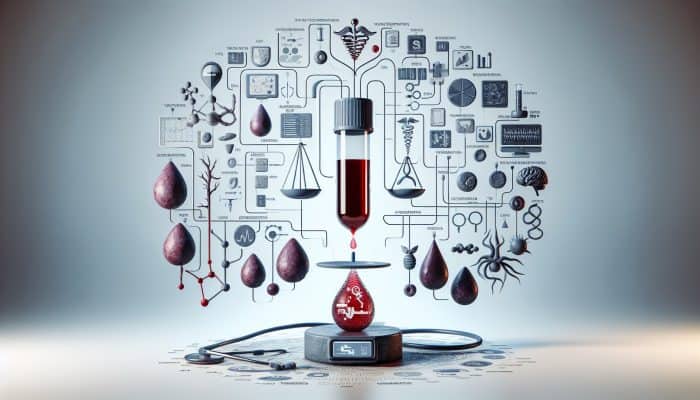
The Testosterone Blood Test in Portsmouth serves as a vital diagnostic tool, providing essential insights into the concentration of testosterone present in your blood. This test plays a crucial role in revealing various health concerns related to hormonal imbalances. It specifically measures total testosterone levels, which are key for accurately evaluating an individual’s hormonal landscape. Recognizing several conditions that may arise from insufficient testosterone levels includes:
- Hypogonadism
- Infertility challenges
- Diminished libido
- Erectile dysfunction
- Chronic fatigue and lethargy
- Depression or mood instability
- Metabolic syndrome
- Osteoporosis
Understanding these conditions enables healthcare providers in Portsmouth to craft tailored treatment strategies that directly address specific hormonal deficiencies, ultimately enhancing overall health and improving quality of life.
Grasping the Process of the Testosterone Blood Test
The testosterone blood test is typically a straightforward procedure where a healthcare professional collects a small blood sample from a vein in your arm. This process is quick and uncomplicated, usually occurring in a local clinic or hospital in Portsmouth. Initially, the healthcare provider sanitizes the area around the vein with an antiseptic wipe before inserting a needle to draw blood into a vial. After collecting the sample, a small bandage will be applied to the site. Most patients report minimal discomfort, and the entire process generally lasts just a few minutes.
Because of its simplicity, this test is widely utilized across various healthcare settings, allowing individuals who need to monitor their testosterone levels to do so without unnecessary delays. If you are experiencing symptoms indicative of hormonal imbalances, obtaining this test is essential for your health and well-being.
What Makes This Testosterone Blood Test Indispensable?
If you are experiencing symptoms suggesting low testosterone levels, you may want to consider a testosterone blood test. Common signs include persistent fatigue, decreased libido, and mood fluctuations that can significantly impact your quality of life. For men over the age of 40, it becomes increasingly important to discuss these symptoms with your GP in Portsmouth, as testosterone levels tend to decline naturally with age. Other important indicators for testing include unexplained weight gain, loss of muscle mass, and difficulties with concentration.
Addressing these symptoms proactively through testing allows you to collaborate effectively with your healthcare provider to develop a comprehensive treatment plan. This proactive approach is vital for maintaining optimal health and can help prevent long-term health complications associated with hormonal imbalances.
Insights from Experts on Testosterone Blood Testing in Portsmouth

What Do Medical Professionals Advise Regarding This Test?
Healthcare professionals specializing in endocrinology in Portsmouth stress the importance of regular testosterone testing, particularly for men aged 40 and older. They recommend monitoring testosterone levels as a strategy to identify conditions such as hypogonadism, which frequently goes unnoticed. Early detection allows healthcare providers to implement effective treatment strategies that can considerably enhance the quality of life and prevent potential complications.
Additionally, research suggests a robust connection between low testosterone levels and various health issues, including cardiovascular disease and metabolic disorders. Regular testing enables individuals to gain a deeper understanding of their hormonal health and take necessary measures, whether through lifestyle adaptations or medical treatments. Engaging with a healthcare professional concerning testosterone levels encourages a more informed approach to managing your health effectively.
How Should You Interpret Your Testosterone Test Results?
Interpreting testosterone levels entails comparing your results to established normal ranges, which can vary based on age and individual health factors. In Portsmouth, healthcare providers adhere to specific reference ranges to contextualize your results. Generally, total testosterone levels for adult males are deemed normal if they fall within the range of 300 to 1,000 ng/dL. Levels below this range may indicate low testosterone, while levels that exceed this may suggest hyperandrogenism or other medical conditions.
Accurate interpretation of these results is crucial, as various factors—such as the time of day, stress levels, and existing health conditions—can influence testosterone levels. For instance, testosterone typically peaks in the morning and gradually decreases as the day progresses. Consequently, healthcare providers often recommend conducting tests in the early morning to ensure a precise assessment. Real-world examples include patients with lower levels receiving guidance on lifestyle adjustments and potential treatment options tailored to their needs.
What Actions Should You Take After Receiving Your Results?

Once you receive your testosterone blood test results, consulting with a healthcare professional in Portsmouth is essential to evaluate what your findings mean for your health. If your levels are low, your doctor may recommend further testing or explore possible underlying causes. This step is critical, as understanding the reasons behind low testosterone can lead to personalized treatment options tailored to your unique situation.
Following the test, actionable measures may include embracing lifestyle changes, such as dietary modifications and exercise routines, or discussing medical interventions like hormone replacement therapy. Keeping an open line of communication with your GP ensures you stay well-informed and can make choices that align with your health objectives. Regular follow-ups may also be necessary to monitor changes in your testosterone levels over time effectively.
Essential Preparations for Your Testosterone Blood Test
What Key Steps Should You Take Before Undergoing the Test?
Proper preparation for your testosterone blood test is essential to guarantee accurate results. Before the test, it is generally recommended to refrain from eating or drinking anything except water for 8 to 12 hours. This fasting period helps minimize any potential interference from food and beverages, resulting in a more accurate measurement of your testosterone levels. Crucial pre-test preparations include:
- Avoiding alcohol consumption for 24 hours prior to the test
- Informing your healthcare provider about any medications or supplements you are currently taking
- Ensuring you have adequate rest the night before the test
- Discussing any recent acute illnesses with your healthcare provider
Being diligent about these preparations can significantly enhance the reliability of your test results, leading to more informed clinical decisions made by your healthcare provider.
How to Schedule Your Testosterone Blood Test Appointment in Portsmouth?
Arranging a testosterone blood test in Portsmouth is a straightforward process. You can schedule an appointment at a local clinic or through your GP. Many healthcare providers in the vicinity recognize the urgency of timely testing and offer flexible appointment options. To streamline the scheduling process, consider the following approaches:
- Contacting your GP surgery directly for a referral
- Visiting local clinics that offer walk-in blood tests
- Utilizing online booking platforms available on healthcare provider websites
- Requesting appointments during routine health check-ups
This accessibility ensures that anyone needing to monitor their testosterone levels can do so without significant delays, allowing for timely intervention when necessary.
What Should You Expect During Your Testosterone Blood Test?
During the testosterone blood test, you can anticipate a straightforward blood draw, typically performed from your arm. The procedure is designed to be quick, usually taking less than ten minutes. A healthcare professional will clean the area with an antiseptic, then insert a needle to collect blood into a vial. While it is normal to feel a slight pinch, the procedure is generally painless. You may experience the following during the test:
- The insertion of a needle to draw blood
- Application of a bandage after the blood draw
- Minimal discomfort at the needle site
- Post-test care instructions, such as keeping the bandage on for several hours
Overall, the experience is efficient and focuses on making the process as comfortable as possible for the patient.
How to Analyze Your Testosterone Results Effectively?
Understanding your testosterone levels is crucial for managing your health effectively. Normal testosterone ranges can vary based on age and laboratory standards, so consulting your healthcare provider for a comprehensive interpretation of your results is essential. Typically, total testosterone levels are considered normal if they fall within 300 to 1,000 ng/dL for adult males. Key factors to consider when analyzing your results include:
- Comparison of your levels against age-specific reference ranges
- Consideration of any symptoms you may be experiencing
- Discussion of potential lifestyle factors influencing your levels
- Evaluation of other health conditions that may impact testosterone production
By understanding these components, you can engage in meaningful discussions with your healthcare provider regarding next steps and possible interventions that may be beneficial for your health.
What Common Side Effects Might Occur After the Test?
After the testosterone blood test, you may experience minor side effects, although these are usually temporary. The most frequently reported side effects include slight bruising or soreness at the needle site, which typically resolves within a few days. Potential side effects and their remedies may include:
- Minor bruising, which can be alleviated with ice packs
- Soreness at the injection site, manageable with over-the-counter pain relievers
- Feeling faint or lightheaded, which can be addressed by resting
- Infection risk, although rare, requires monitoring the site for excessive redness or swelling
Being aware of these potential side effects enables you to manage any discomfort effectively after the test. Always consult your healthcare provider if you have concerns regarding your recovery.
Exploring the Advantages of a Testosterone Blood Test
In What Ways Can This Test Enhance Your Health?
Regular testosterone testing offers significant benefits for monitoring your hormonal health. By identifying low testosterone levels early on, you empower yourself to take proactive measures that can lead to remarkable improvements in your overall well-being. Some health benefits associated with consistent testing include:
- Enhanced mood stability and reduced anxiety
- Increased energy levels and decreased fatigue
- Improved sexual function and libido
- Growth in muscle mass and strength
- Better cognitive function and concentration
- Decreased risk of developing metabolic syndrome
- Enhanced bone density
Through early detection and management, the risk of developing more serious health conditions linked to low testosterone can be significantly reduced, leading to a healthier and more fulfilling life.
Can This Test Reveal Fertility Issues?
Low testosterone levels can have a profound impact on male fertility. A testosterone blood test can help determine whether low hormone levels are contributing to infertility, paving the way for targeted treatments. For men encountering challenges with conception, this test provides invaluable insights that guide further medical evaluations and strategies. In Portsmouth, healthcare providers frequently recommend testosterone testing as an initial step for men facing reproductive difficulties.
By diagnosing low testosterone early, individuals can explore treatment options such as hormone replacement therapy, lifestyle changes, or other medical interventions aimed at improving fertility. This proactive approach is critical, as addressing hormonal imbalances can restore fertility potential and enhance overall reproductive health.
Can This Test Assist in Enhancing Athletic Performance?
Some athletes in Portsmouth may utilize testosterone testing to optimize their performance. Monitoring testosterone levels can help determine if an athlete’s hormone levels are within the ideal range for performance and recovery. However, it is crucial to approach this testing under medical supervision, as misuse of testosterone can lead to serious health consequences.
Athletes can benefit from understanding their testosterone levels in relation to training regimens, recovery periods, and overall health. Collaborating with healthcare professionals allows them to develop tailored strategies to maximize performance while ensuring compliance with legal and ethical guidelines. This balanced approach to sports science is essential for sustainable athletic performance.
Where to Obtain a Testosterone Blood Test in Portsmouth
Which Local Clinics Offer This Test?
In Portsmouth, numerous clinics provide testosterone blood tests, giving you various options for monitoring your hormonal levels. Notable facilities include:
- Queen Alexandra Hospital
- Portsmouth City Health Centre
- Local GP surgeries
- Private health clinics such as Spire Portsmouth Hospital
- Well-being clinics focusing on hormone health
These facilities are equipped to conduct blood testing efficiently, and many also offer additional support services to help you manage your hormonal health effectively.
How Can You Access NHS Services for Your Testosterone Test?
You can obtain testosterone blood tests through the NHS by scheduling an appointment with your GP in Portsmouth. During your visit, your GP will evaluate your symptoms and, if necessary, provide a referral for the test. This process ensures that you receive appropriate evaluation and support, including follow-up care if your results indicate a hormonal imbalance. It is advisable to discuss any symptoms or concerns with your healthcare provider prior to your appointment to ensure a comprehensive approach to your health.
Are There Private Testing Options Available?
Yes, several private clinics in Portsmouth offer testosterone blood tests, typically providing quicker results and more flexible appointment times. Some private options include:
- Spire Portsmouth Hospital
- Harley Street Clinic Portsmouth
- Private GP services
- Well-being specialists focusing on hormonal health
Choosing private services may be advantageous if you prefer expedited testing and results, along with additional hormone management services.
What Can You Expect During Your Testosterone Blood Test?
The testosterone blood test involves a simple blood draw, usually from your arm. The procedure is quick, typically taking less than ten minutes. You will be welcomed by a healthcare professional who will guide you through the process, ensuring minimal discomfort. Patients can expect the following:
- Preparation of the skin with an antiseptic
- A quick blood draw using a sterile needle
- Application of a bandage post-draw
- Aftercare instructions to ensure comfort at the injection site
Overall, the experience is designed to be efficient and as pleasant as possible, allowing you to resume your daily activities shortly after the test.
Research-Backed Benefits of Testosterone Blood Testing in Portsmouth
What Insights Does Research Provide Regarding Testosterone Levels?
Research indicates that maintaining optimal testosterone levels is crucial for overall health. Studies demonstrate that adequate testosterone is associated with lower risks of chronic diseases such as obesity, diabetes, and cardiovascular conditions. In Portsmouth, healthcare professionals depend on this research to guide patient care, underscoring the importance of regular testosterone checks for effective health monitoring.
Furthermore, studies show that individuals with low testosterone levels are at a heightened risk of mental health issues, including depression and anxiety. By understanding these connections, healthcare providers can formulate comprehensive care plans that address both physical and mental health needs, ultimately improving overall patient outcomes.
How Can Routine Testing Impact Long-Term Health?
Consistent testosterone testing is vital for managing long-term health conditions. By keeping track of hormone levels, healthcare providers can identify changes that may require intervention, thus preventing potential complications. In Portsmouth, regular testing is particularly recommended for men over 40, as age-related declines in testosterone can lead to various health concerns if left unaddressed.
Real-world examples highlight the advantages of routine testing; for instance, men diagnosed with low testosterone often experience improvements in mood, energy, and libido after beginning treatment. This proactive approach not only enhances quality of life but also contributes to better long-term health outcomes by reducing the risk of chronic conditions linked to hormonal imbalances.
What Are the Latest Developments in Testosterone Testing?
Recent advancements in testosterone testing technology have greatly enhanced accuracy and shortened wait times for results in Portsmouth. Innovations in laboratory techniques allow for more precise measurements of testosterone levels, enabling healthcare providers to make informed decisions regarding patient care. Enhanced testing methods include improved assays that can differentiate between total and free testosterone, providing a more comprehensive understanding of hormonal health.
These advancements not only streamline the testing process but also boost the reliability of results, facilitating timely interventions tailored to individual needs. Consequently, patients can anticipate quicker turnaround times for their tests, allowing for more effective management of their health concerns.
Strategies for Managing Your Testosterone Levels After Testing
What Lifestyle Adjustments Can Help Maintain Healthy Testosterone Levels?
After your testosterone blood test, incorporating lifestyle changes can significantly assist in managing your hormone levels. Regular physical activity, a well-balanced diet, and adequate sleep form the foundation of hormonal health. Key lifestyle recommendations to consider include:
- Engaging in strength training and aerobic exercises
- Incorporating a diet rich in healthy fats, proteins, and whole grains
- Prioritizing sleep hygiene to ensure restorative rest
- Managing stress through mindfulness and relaxation techniques
These modifications not only promote testosterone production but also contribute to overall well-being, making them essential components of your health journey.
When Is It Time to Retest Your Testosterone Levels?
It is generally advisable to retest your testosterone levels every 6 to 12 months or as recommended by your healthcare provider in Portsmouth. Regular follow-ups facilitate the monitoring of any changes in hormone levels and the assessment of the effectiveness of implemented treatment strategies. This routine testing is particularly crucial if you have initiated a new treatment or made significant lifestyle changes that could impact your hormonal balance.
By adhering to a retesting schedule, you ensure that your healthcare provider has the most up-to-date information to make informed decisions regarding your healthcare plan, promoting optimal management of your testosterone levels.
What Medical Treatments Are Available for Low Testosterone Levels?
If your test results indicate low testosterone, a variety of treatment options may be available through specialists in Portsmouth. Hormone replacement therapy (HRT) remains one of the most common treatments, which can be administered via injections, patches, or gels. Additionally, your healthcare provider may suggest lifestyle changes as a first-line approach, such as dietary adjustments or exercise regimens.
In certain cases, addressing underlying health issues, such as obesity or metabolic disorders, can also contribute to improvements in testosterone levels. Collaborating closely with a healthcare professional ensures that you receive a personalized treatment plan tailored to your specific needs and health objectives, ultimately enhancing your quality of life.
Frequently Asked Questions About Testosterone Testing
What is the purpose of a testosterone blood test?
A testosterone blood test measures the level of testosterone in your blood to diagnose hormonal imbalances and related health conditions.
Why might I require a testosterone blood test?
You may need this test if you exhibit symptoms such as low libido, fatigue, mood changes, or other indications of hormonal imbalance.
What is the procedure for conducting the testosterone blood test?
The test is performed by drawing blood from a vein in your arm, which is a quick and straightforward procedure conducted in a healthcare setting.
What are the common symptoms linked to low testosterone levels?
Common symptoms include fatigue, decreased libido, irritability, and loss of muscle mass, all of which may indicate a hormonal imbalance.
How should I prepare for a testosterone blood test?
You should fast for 8 to 12 hours before the test and abstain from alcohol for 24 hours. Inform your healthcare provider about all medications you are taking.
Where can I obtain a testosterone blood test in Portsmouth?
You can get a testosterone blood test at clinics such as Queen Alexandra Hospital, local GP surgeries, or private health clinics throughout Portsmouth.
What benefits arise from regular testosterone testing?
Regular testing can facilitate early diagnosis of conditions, allowing for timely interventions that enhance overall health and quality of life.
What lifestyle changes can help improve testosterone levels?
Regular exercise, a balanced diet, effective stress management, and adequate sleep can significantly support healthy testosterone levels.
How frequently should I retest my testosterone levels?
It is advisable to retest your testosterone levels every 6 to 12 months, based on your healthcare provider’s recommendations.
What treatment options are available for low testosterone?
Treatment options include hormone replacement therapy and lifestyle modifications tailored to enhance testosterone production and overall health.
Connect with us on Facebook!
This Article Was First Found On https://bloodtest.co.uk
The Article Testosterone Blood Test: A Comprehensive Guide for Portsmouth Residents Was Found On https://limitsofstrategy.com