Your Comprehensive Resource for Superior Outdoor Drainage Systems
What Diverse Options Exist for Outdoor Drainage Systems to Suit Your Needs?
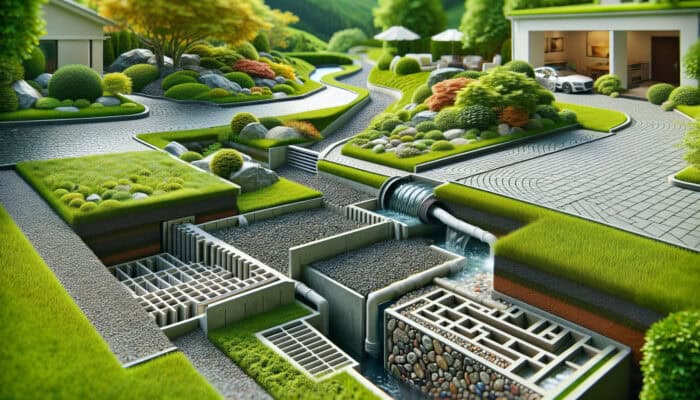
Implementing effective outdoor drainage systems is crucial for managing excess water on both residential and commercial properties in Burnaby. Various types of systems are available, each designed to address specific challenges, including French drains, surface drains, and channel drains. Each system operates uniquely, tailored to the landscape’s features and the volume of water needing management.
- French Drains: These systems consist of a trench filled with gravel and a perforated pipe, specifically designed to divert groundwater away from buildings and structures.
- Surface Drains: Positioned at ground level, grates collect surface water and channel it into an expansive drainage system.
- Channel Drains: Long, narrow trenches capture surface water and are commonly installed in driveways or patios for effective water management.
- Dry Wells: Underground structures that facilitate water seepage back into the soil, significantly reducing surface runoff.
- Downspout Extensions: Pipes that extend downspouts away from building foundations, effectively preventing water accumulation around the foundation.
- Catch Basins: These underground containers trap debris while allowing water to flow through, preventing clogs that can disrupt the drainage system.
- Swales: Shallow, landscaped channels designed to manage water runoff while promoting natural absorption into the ground.
- Permeable Paving: Materials that allow water to permeate through, minimizing runoff and supporting groundwater recharge.
By understanding these various types of drainage systems, property owners can make informed choices that cater to their unique landscaping and drainage needs.

How Do Outdoor Drainage Systems Operate Effectively to Manage Water Flow?
Outdoor drainage systems operate by collecting and redirecting excess water away from specific areas of your property, crucially reducing the risk of water damage and soil erosion. This operation involves various components working in harmony, including pipes, drains, and grading, to ensure effective management of water across the property.
The process initiates with the collection of both surface and subsurface water, usually through grates or channels that direct water into a network of pipes. Gravity is an essential factor, as drainage systems are typically designed with a slope to guide water away from buildings and structures. The collected water is subsequently transported to a designated drainage outlet, such as a storm drain or soakaway, where it can safely dissipate into the environment.
A well-designed drainage system minimizes pooling, curtails soil erosion, and protects the structural integrity of buildings. The coordinated function of these components is crucial for maintaining a dry, healthy environment, benefiting both residential homes and gardens significantly.
What Advantages Does an Effective Drainage Solution Offer Property Owners?
Implementing a well-structured drainage system provides numerous benefits for property owners that extend beyond mere aesthetics; these systems play a vital role in the overall health and durability of the property.
- Prevention of Waterlogging: Effective drainage prevents the buildup of standing water, which can be harmful to plants and lawns.
- Reduction of Soil Erosion: Properly managed water flow diminishes erosion, preserving essential topsoil and maintaining the integrity of the landscape.
- Foundation Protection: By diverting water away from foundations, drainage systems help prevent structural damage and costly repairs.
- Mould and Pest Prevention: Keeping water away from buildings significantly lowers the risk of mould growth and pest infestations.
- Enhanced Aesthetic Appeal: A well-drained landscape is visually appealing, contributing positively to the overall property value.
- Improved Safety: Effective drainage reduces slippery surfaces and hazards during wet weather, enhancing safety for all.
- Increased Property Value: Properties with efficient drainage systems tend to be more attractive to prospective buyers, boosting marketability.
- Environmental Benefits: Good drainage practices can reduce runoff, protecting local waterways from contamination.
Integrating these drainage solutions not only safeguards your investment but also promotes a healthier environment for everyone.
Professional Insights on Outdoor Drainage Services Available in Burnaby

What Qualities Define an Expert in Drainage Services?
An expert in drainage services possesses a wealth of knowledge and hands-on experience in designing and installing effective drainage solutions tailored to specific site requirements. Their expertise is vital for addressing the unique challenges posed by various terrains, soil types, and local climatic conditions.
In Burnaby, professionals have successfully managed projects that involve complex landscaping and environmental issues. For example, one notable case involved a residential property where experts installed a French drain system to alleviate flooding risks during heavy rainfall. By assessing soil drainage properties and using high-quality materials, they effectively redirected water away from the home, preventing extensive damage while enhancing the overall value of the property.
Additionally, these experts stay updated with the latest industry practices and technologies, ensuring their solutions are both innovative and effective. Their insights contribute to the immediate success of projects while paving the way for long-term sustainability and efficiency in managing water resources.
How Can You Select the Right Drainage Service Provider for Your Needs?
Choosing the right drainage service provider is essential for ensuring the effectiveness of your drainage solution. Start by verifying their credentials, including licenses and certifications, to confirm their expertise and adherence to industry standards.
Next, evaluate the provider’s experience by reviewing their portfolio of completed projects. Look for customer testimonials and online reviews to gather insights into their reliability and the quality of service. Request references, particularly from previous clients in Burnaby, as local projects demonstrate their understanding of the area’s specific challenges.
Additionally, inquire about their project management methods, including timelines and communication protocols. A provider who prioritizes transparent communication and sets realistic timelines is more likely to deliver a seamless experience. Finally, ensure that the provider offers comprehensive post-installation support, as proper maintenance is crucial for the longevity of your drainage system.
Why Is Local Expertise Crucial for Effective Drainage Solutions?
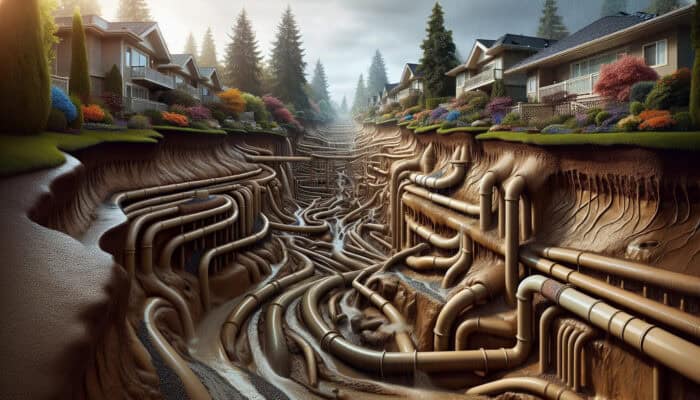
Local expertise in drainage systems proves invaluable, particularly in a region like Burnaby, where soil types and climatic conditions significantly influence drainage effectiveness. Professionals familiar with the local environment can provide tailored solutions that address unique challenges, such as clay soils that retain moisture or sloped properties prone to erosion.
An expert’s understanding of Burnaby’s seasonal weather patterns, including heavy rainfall and snowmelt, enables them to design systems that efficiently manage peak water flow. Local professionals know how to create systems capable of handling runoff during the rainy season while ensuring adequate drainage in the hotter summer months.
Moreover, local experts are well-versed in municipal regulations and permitting requirements, ensuring that installations comply with all necessary guidelines. This expertise not only simplifies the installation process but also reduces potential legal issues for homeowners.
What Common Drainage Challenges Are Found in Burnaby and How Can Experts Resolve Them?
Burnaby faces several drainage challenges, largely due to its varied topography and heavy rainfall. Common issues include water pooling, flooding in low-lying areas, and soil erosion on sloped properties. Experts implement innovative solutions to address these challenges effectively.
For example, water pooling in residential yards after heavy rains is a common concern. This can lead to unsightly conditions and damage to landscaping. Experts typically recommend installing surface drains or French drains to channel excess water away from the property, ensuring efficient water evacuation.
Soil erosion on sloped properties is another prevalent challenge, which can threaten foundations and landscaping. Experts may use terracing methods or retaining walls to stabilize the soil, paired with drainage systems that effectively manage water flow.
In some instances, properties in Burnaby may suffer from inadequate drainage infrastructure. For these situations, professionals can design custom drainage solutions that seamlessly integrate with existing systems, enhancing overall efficiency and preventing future complications.
Step-by-Step Guide to Installing Outdoor Drainage Systems
What Are the Key Steps Involved in Installing a Drainage System?
The installation of a drainage system involves several critical steps to ensure the system operates efficiently and effectively in managing water flow. Each step requires careful planning and execution to achieve the desired results.
The installation process usually begins with a site assessment, where experts evaluate the property to identify existing drainage issues. This assessment considers factors such as soil type, terrain, and current water flow patterns. After the assessment, the next step involves system design, where a customized plan is developed to address the property’s unique needs.
Once the design is finalized, the actual excavation begins, which entails digging trenches for pipes and drains according to the specified layout. This step is crucial to ensure that the system effectively channels water away from structures. After excavation, components such as pipes, drains, and gravel are installed. Proper grading and slope are vital for promoting water movement.
The final step includes restoring the landscape, filling in any excavated areas, and ensuring the property retains its aesthetic appeal post-installation. When executed properly, these steps lead to a well-functioning drainage system that protects the property from water-related damage.
What Challenges May Arise During Drainage System Installation?
Installing drainage systems can present various challenges that require skilled solutions. One common issue is navigating existing structures, such as patios, walkways, or landscaping features, which can complicate the installation process. To solve this, experts often employ creative strategies, such as rerouting drainage paths or utilizing smaller, flexible drainage components that can fit around obstructions.
Another challenge arises due to soil conditions, particularly in areas with hard or rocky soil. This can impede excavation efforts and lengthen installation timelines. Experts may utilize specialized equipment to break through tough soil or adjust their installation techniques to ensure proper drainage without compromising the integrity of the surrounding landscape.
Furthermore, achieving the correct slope for drainage can be tricky. An inadequate slope can prevent water from flowing as intended, leading to pooling and inefficiencies. Professional installers conduct thorough assessments and employ precise grading techniques to establish the necessary slope, ensuring water is effectively redirected away from structures.
What Maintenance Is Required After Installing a Drainage System?
Once a drainage system is installed, regular maintenance is vital for ensuring its longevity and efficiency. Homeowners should prioritize routine inspections, especially after heavy rains or seasonal shifts. Checking for clogs or blockages in pipes and drains is crucial, as debris can accumulate and obstruct water flow.
Additionally, homeowners should routinely clear the areas surrounding drainage outlets of leaves, soil, and other debris that may obstruct drainage. Keeping these areas clean promotes optimal performance and prevents potential backups.
Seasonal adjustments may also be necessary, particularly in preparation for winter. Homeowners should inspect downspouts to ensure they direct water away from the foundation. Moreover, any exposed drainage components should be winterized to avoid freezing.
Finally, hiring a professional for periodic assessments can help identify emerging issues before they escalate, ensuring that the drainage system continues to function effectively for years to come.
Understanding the Financial Implications of Outdoor Drainage Services
What Costs Should You Expect for Installing a Drainage System?
The cost of a drainage system can vary widely based on several factors, including the property size, type of drainage system, and installation complexity. For smaller residential properties, basic drainage solutions such as surface drains or downspout extensions may start at a few hundred dollars. However, more extensive systems, like French drains or channel drains, can range from several thousand to tens of thousands of dollars.
Factors influencing costs include the materials selected, labor rates in Burnaby, and any necessary permits required for installation. Homeowners should also consider long-term maintenance costs, as neglecting these aspects can lead to significant expenses down the line due to system failure or property damage.
Ultimately, homeowners should obtain detailed quotes from multiple service providers, allowing them to compare costs and understand the potential return on investment for their drainage solutions.
What Key Elements Affect the Costs of Drainage Systems?
Several critical factors influence the costs associated with installing a drainage system. First and foremost, labor expenses can vary significantly based on the complexity of the installation and the expertise of the contractors involved. More intricate systems demand skilled labor, which can increase overall expenses.
Materials also represent a significant cost factor. The selection of pipes, gravel, and other components can greatly impact the budget, with higher-quality materials typically resulting in a more durable system. Additionally, local availability of materials may affect pricing, so consulting local suppliers is advisable.
Site conditions can further influence costs. Properties with challenging terrain, such as steep slopes or rocky soil, may require specialized equipment or additional labor, resulting in increased expenses. Lastly, permitting fees can add to the total cost, as homeowners may need to comply with local regulations, particularly in environmentally sensitive areas.
Homeowners can effectively manage these costs by carefully planning their projects, prioritizing essential components, and obtaining multiple quotes to ensure they receive competitive pricing.
How to Establish a Budget for Long-Term Maintenance of Your Drainage System?
Budgeting for the long-term maintenance of a drainage system is essential to ensure its ongoing effectiveness. Homeowners should consider various factors when creating their maintenance budget. Routine inspections are critical; allocating funds for professional assessments at least once a year can help detect potential issues early.
Besides inspections, homeowners should set aside a budget for cleaning services to remove debris from drains and outlets. Regular maintenance can prevent clogs, saving homeowners from costly future repairs. These cleaning services can be scheduled seasonally, with extra attention given after heavy storms or during autumn when leaves are likely to accumulate.
Homeowners should also consider setting aside funds for potential repairs or upgrades. As systems age, certain components may require replacement. A proactive budgeting approach ensures that homeowners are prepared for any necessary expenses without experiencing financial strain.
Ultimately, educating oneself on DIY maintenance practices can empower homeowners to undertake minor upkeep, thereby reducing the need for frequent professional services while ensuring the system operates effectively.
What Should You Evaluate When Comparing Quotes from Drainage Service Providers?
When obtaining quotes from various drainage service providers, homeowners should consider several key elements to ensure they select the best value for their needs. Start by ensuring that each quote outlines the scope of work in detail, including the types of materials to be used and the specific systems that will be installed.
Next, examine the timeline provided for project completion. A clear schedule helps homeowners set expectations and understand when the work will be finished. Additionally, inquire about warranties or guarantees offered by the provider, as this can reflect their confidence in the quality of their work.
It is also wise to assess the reputation of each provider. Look for customer reviews and references to gauge the level of service and satisfaction experienced by past clients. A provider with a solid track record may command a slightly higher price but could deliver superior long-term results.
Finally, be cautious of quotes that seem unusually low. While budget-friendly options are enticing, they often indicate lower-quality materials or rushed work. A thorough evaluation of all these factors will help homeowners make an informed decision that aligns with their needs and budget.
Key Materials Utilized in Outdoor Drainage Systems
What Materials Are Commonly Employed in Effective Drainage Systems?
Selecting appropriate materials is vital to the success of a drainage system. Various materials are commonly used, each serving specific functions within the system. Here are some of the most frequently utilized components:
- PVC Pipes: Durable and lightweight, PVC pipes are often used for underground drainage systems due to their resistance to corrosion and longevity.
- Gravel: Essential for systems like French drains, gravel promotes water flow and helps prevent clogging.
- Geotextile Fabrics: These fabrics are crucial for separating soil from gravel, allowing water to flow while preventing sediment from clogging the system.
- Catch Basins: Made from concrete or plastic, catch basins collect debris while allowing water to flow into the drainage system without obstruction.
- Drainage Sumps: Often used with pumps, sumps collect water that needs to be actively discharged from an area.
- Permeable Pavers: Used in driveways and pathways, these materials allow water to infiltrate the ground, thereby reducing runoff.
- Downspouts and Extensions: These direct water from gutters away from the foundation, preventing pooling.
- Channel Drains: Constructed from durable materials, channel drains intercept surface runoff in high-traffic areas.
Choosing high-quality materials is essential for ensuring the longevity and efficiency of the drainage system, giving homeowners peace of mind when investing in these critical solutions.
What Is the Expected Durability and Longevity of Drainage Materials?
The durability of materials used in drainage systems directly influences their lifespan and effectiveness. Homeowners should prioritize materials that can withstand environmental stresses, such as moisture, temperature fluctuations, and soil movement.
For instance, PVC pipes are well-regarded for their durability and resistance to corrosion, making them a preferred choice for underground drainage systems. When installed properly, they can last for decades, ensuring reliable performance throughout their operational life. Additionally, gravel is an excellent choice for drainage applications, as it facilitates water flow while resisting degradation over time.
When selecting materials, homeowners should consider the specific environmental conditions present in Burnaby, including soil characteristics and climate. For example, areas with high clay content may necessitate different materials or techniques compared to sandy soils. Consulting with local experts can provide valuable insights into material selection that aligns with local conditions and needs.
Investing in durable materials may involve a higher upfront cost. However, the long-term benefits of reduced maintenance needs and increased reliability make it a wise decision for homeowners seeking to protect their properties.
What Eco-Friendly Materials Are Available for Sustainable Drainage Solutions?
In today’s environmentally conscious society, many homeowners are increasingly aware of the ecological impact of their drainage systems. Fortunately, several eco-friendly material options are available that enhance drainage functionality while positively contributing to the environment.
One popular choice is permeable pavers, which allow rainwater to infiltrate through the surface and replenish groundwater supplies. This approach reduces runoff and minimizes flooding risk, making it an excellent choice for driveways and walkways.
Additionally, recycled materials, such as recycled plastic drainage pipes, serve as sustainable alternatives to traditional options. These materials provide the same level of performance while reducing the need for new resources.
Utilizing natural stone for drainage features, such as dry wells or swales, promotes aesthetic appeal while blending seamlessly into the landscape. This approach supports local ecosystems and minimizes disruption to soil and plant life.
By selecting eco-friendly materials, homeowners can create drainage systems that effectively manage water while also demonstrating their commitment to sustainability and environmental stewardship.
Evidence-Based Benefits of Outdoor Drainage Services in Burnaby
How Does Efficient Drainage Contribute to Your Property’s Value?
Well-designed drainage systems can significantly enhance property value by preventing water damage and maintaining the integrity of the landscape. Properties equipped with efficient drainage solutions are less susceptible to issues such as flooding, mould growth, and erosion, which can deter potential buyers.
Research indicates that homes with effective drainage solutions often see an increase in resale value. Prospective buyers frequently prioritize properties with established drainage systems, recognizing the long-term advantages of avoiding costly repairs associated with water-related problems. Moreover, well-maintained landscapes enhance curb appeal, making properties more attractive to potential buyers.
Investing in proper drainage not only protects the property but also positions it favorably in the real estate market. Homeowners can expect a return on investment through enhanced marketability and an increased lifespan of their property’s infrastructure.
What Impact Does Proper Drainage Have on Local Ecosystems?
Effective drainage systems play a crucial role in protecting local ecosystems by managing stormwater runoff and reducing contamination. When water is properly channeled, it decreases the volume of runoff that can carry pollutants into nearby rivers, lakes, and streams.
In Burnaby, where natural habitats and waterways are plentiful, implementing effective drainage systems is vital for preserving local ecosystems. By reducing runoff, these systems contribute to cleaner water sources, promoting the health of aquatic life and maintaining the overall balance of the ecosystem.
Moreover, well-designed drainage systems can mitigate the risk of erosion on slopes, safeguarding vital habitats from degradation. By promoting infiltration and minimizing damage to the local landscape, effective drainage practices yield lasting environmental benefits that extend beyond individual properties.
How Do Proper Drainage Practices Promote Health and Safety?
Proper drainage systems significantly improve health and safety by preventing water accumulation and its associated risks. Areas prone to standing water can become breeding grounds for mould, pests, and bacteria, all of which pose health hazards to residents.
By effectively managing water flow, drainage systems reduce the likelihood of mould growth, thereby contributing to enhanced indoor air quality. Additionally, keeping water away from foundations minimizes the risk of structural damage, ensuring a safer living environment.
Furthermore, effective drainage practices help decrease slippery surfaces, particularly in driveways and walkways, reducing the risk of falls and injuries. This safety aspect is especially important for families with children or elderly residents, who may be more vulnerable to accidents.
Investing in proper drainage solutions not only safeguards the property but also promotes the overall well-being of its occupants, making it a critical consideration for homeowners.
Legal and Regulatory Factors for Drainage Installation
What Permits Are Necessary for Proper Drainage Installation?
Installing a drainage system in Burnaby may require specific permits to ensure compliance with local regulations. These permits are crucial for maintaining safety standards and protecting the environment.
Homeowners should begin by contacting the local municipality to understand the specific permitting process for drainage installation. Applications typically require detailed plans outlining the proposed drainage system and its intended impact on surrounding areas. This documentation ensures that the project adheres to established guidelines and addresses potential environmental concerns.
After submitting the application, local authorities will review it for compliance with zoning laws and environmental regulations. Homeowners may need to make adjustments based on feedback from the municipality before receiving final approval. While this process may seem lengthy, it is essential for ensuring that the drainage system is both safe and effective.
Why Is Adherence to Local Regulations Critical for Drainage Installation?
Adhering to local regulations is vital when installing a drainage system. These regulations ensure that drainage solutions meet safety standards and do not negatively impact surrounding properties or ecosystems. Homeowners in Burnaby should familiarize themselves with relevant codes and guidelines before beginning any installation work.
To ensure compliance, homeowners should collaborate closely with qualified drainage service providers who are knowledgeable about local regulations. These professionals can guide homeowners through the permitting process and advise on best practices for installation.
Moreover, regular inspections by local authorities may be required throughout the installation process to confirm adherence to regulations. Homeowners should prioritize communication with their service providers to guarantee that all necessary steps are taken to remain compliant during the project’s duration.
What Environmental Regulations Influence the Design and Installation of Drainage Systems?
Environmental regulations play a fundamental role in the design and materials used in drainage systems. In Burnaby, these regulations protect local ecosystems and prevent drainage practices from causing harmful runoff or erosion.
Homeowners should be aware of regulations regarding stormwater management, which aim to minimize the impact of urbanization on water quality and quantity. This may involve implementing specific drainage solutions, such as bio-retention systems or green infrastructure, to promote water absorption and filtration.
Additionally, compliance with regulations ensures that drainage systems do not negatively impact neighboring properties or public infrastructure. Homeowners should consult with local experts who can identify environmentally friendly practices that comply with regulatory requirements while effectively addressing their drainage needs.
Success Stories: Effective Drainage Project Case Studies in Burnaby
What Valuable Insights Can Be Gained from Successful Drainage Projects?
Successful drainage projects provide valuable insights into effective solutions and best practices. A notable case in Burnaby involved a residential property that faced chronic flooding during heavy rainfall. The homeowners engaged a local drainage expert who assessed the property and pinpointed critical issues.
By implementing a combination of French drains and channel drains, the expert successfully rerouted water away from the foundation and into a nearby stormwater management system. This project not only resolved flooding issues but also enhanced the homeowners’ peace of mind. This example underscores the importance of tailored solutions that effectively address specific property challenges.
Another successful project involved a commercial property facing drainage challenges due to its proximity to a waterway. The team incorporated permeable paving in the parking lot, allowing rainwater to infiltrate and recharge groundwater supplies. This innovative solution improved drainage while positively affecting the local ecosystem.
These case studies emphasize the significance of comprehensive assessments and customized solutions, illustrating that effective drainage systems can greatly enhance property function and value.
What Do Before and After Scenarios Reveal About Drainage Solutions?
Before-and-after scenarios vividly illustrate the impact of effective drainage systems on properties. For instance, a family home in Burnaby struggled with persistent water pooling in the backyard, leading to a muddy landscape that limited outdoor activities.
After consulting a drainage expert, the homeowners installed a French drain system that effectively diverted excess water away from the property. The transformation was remarkable; the previously soggy yard became a dry, usable space that the family could enjoy year-round. This scenario exemplifies the tangible benefits of proper drainage solutions, enhancing not only the property’s usability but also its aesthetic appeal.
Another example involves a commercial property that frequently experienced flooding during heavy rainfall. Before the installation, the entrance was often submerged, creating accessibility issues. After implementing an advanced drainage system with proper grading and catch basins, the property saw significant improvement. The after scenario showcased a dry, accessible entrance, demonstrating how effective drainage enhances both functionality and safety for employees and customers.
What Lessons Can Be Learned from Challenges Faced During Drainage Installations?
Challenges encountered during drainage project installations can provide critical lessons for future endeavors. For example, a project in Burnaby faced unexpected soil conditions that complicated excavation efforts. This challenge prompted the installation team to adapt by utilizing specialized machinery to break through tough ground, underscoring the importance of flexibility and preparation in project planning.
Another lesson learned involved communication between contractors and homeowners. During a project that experienced delays due to misunderstandings about design choices, it became evident that maintaining open dialogue is essential. Homeowners should feel empowered to ask questions and express concerns throughout the installation process to ensure alignment with project goals.
Additionally, this scenario highlighted the necessity of thorough site assessments. By detecting potential challenges early, such as hidden utility lines or poor soil conditions, teams can devise proactive strategies to mitigate risks, ensuring smoother project execution.
These lessons emphasize the importance of meticulous planning, open communication, and adaptability in addressing drainage projects, ultimately leading to successful outcomes.
Emerging Trends in Outdoor Drainage Services
What Are the Latest Technological Innovations in Drainage Systems?
Emerging technologies in drainage systems are revolutionizing water management approaches. A significant trend is the development of smart drainage systems that utilize sensors and IoT technology to monitor water levels and flow rates in real time. This data allows for proactive management, empowering homeowners to address potential issues before they escalate.
Another innovation includes the use of advanced materials that enhance drainage efficiency and durability. For instance, permeable concrete and innovative geotextiles improve water infiltration while reducing runoff, aligning with sustainable practices. These advancements not only enhance drainage performance but also support environmental conservation efforts.
As technology continues to evolve, homeowners can expect more integrated solutions that simplify maintenance and enhance system performance. The rise of automation in drainage management may lead to systems that self-regulate, adjusting based on weather patterns and environmental conditions.
What Sustainable Practices Are Gaining Traction in the Drainage Industry?
Sustainable practices are becoming increasingly essential in drainage solutions as homeowners and municipalities strive to minimize their environmental impact. Rainwater harvesting is one such practice gaining popularity; it involves collecting rainwater for reuse in irrigation or non-potable applications, thus conserving water resources.
Another trend involves the integration of green infrastructure, which incorporates natural elements such as rain gardens or bioswales into urban drainage systems. These solutions effectively manage stormwater while providing aesthetic and ecological benefits, enhancing local biodiversity.
Furthermore, the shift toward using recycled materials in drainage systems reflects a broader commitment to sustainability. By choosing eco-friendly options, homeowners can contribute to waste reduction and promote responsible resource use.
As these trends gain momentum, the drainage industry will continue to evolve, prioritizing environmentally conscious solutions that benefit both properties and the planet.
What Predictions Can Be Made for the Future of the Drainage Industry?
The drainage industry is on the brink of significant transformation as new technologies and practices emerge. One key prediction is the growing adoption of smart technologies that integrate monitoring systems into drainage solutions. These advancements will enable homeowners to track performance, identify potential issues, and optimize water management in real-time.
Moreover, the emphasis on sustainability will likely drive demand for eco-friendly drainage products and practices. As awareness of environmental challenges increases, homeowners will increasingly seek solutions that minimize runoff and promote groundwater recharge, leading to a greater focus on green infrastructure.
Additionally, the industry’s regulatory landscape is likely to continue adapting, with stricter guidelines encouraging the adoption of best practices in drainage design and installation. This shift will likely result in a higher demand for skilled professionals who can navigate these evolving regulations while delivering effective solutions.
Overall, homeowners can expect an industry that prioritizes innovation, sustainability, and resilience in addressing drainage challenges, ultimately enhancing property value and promoting environmental stewardship.
Frequently Asked Questions About Outdoor Drainage Services
What Is Considered Outdoor Drainage?
Outdoor drainage encompasses systems specifically designed to manage and redirect excess water away from properties, thereby preventing water damage and erosion.
How Can I Assess If My Property Needs Drainage Services?
Indicators such as frequent water pooling, soggy yards, or mould growth may signal the necessity for drainage services to protect your property.
Is DIY Installation of a Drainage System Viable?
While some homeowners may attempt DIY installations, consulting professionals for complex systems is advisable to ensure effectiveness and compliance with regulations.
What Is the Typical Duration for Installing a Drainage System?
The duration of a drainage installation varies based on the system’s complexity and the property’s size, typically ranging from a few days to a couple of weeks.
What Maintenance Activities Are Essential for a Drainage System?
Regular inspections, debris removal from drains, and seasonal adjustments are crucial for maintaining outdoor drainage systems effectively.
Are Eco-Friendly Drainage Options Available on the Market?
Yes, options like permeable pavers, rain gardens, and recycled materials support sustainable drainage practices.
What Is the Cost Range for Installing a Drainage System?
Costs vary based on system type, property size, and materials used, typically ranging from hundreds to thousands of dollars.
What Permits Are Required for Drainage Installation in Burnaby?
Permits may be required depending on the scope of work and local regulations. It is essential to check with local authorities before installation.
How Does Proper Drainage Influence Property Value?
Proper drainage can enhance property value by preventing water damage and maintaining the landscape’s integrity, making it more appealing to buyers.
What Common Drainage Challenges Are Encountered in Burnaby?
Common issues include water pooling, flooding in low-lying areas, and soil erosion, all of which can be effectively managed with appropriate drainage solutions.
Connect with Us on Facebook for More Information!
Presented By: Outdoor Drainage in Burnaby
The Article: Outdoor Drainage Services in Burnaby: Enhancing Your Property First Published On: https://pacificbluemechanical.ca/
The Article Outdoor Drainage Services: Boosting Your Burnaby Property Was Found On https://limitsofstrategy.com