Discover Cat Flavor Preferences for Homemade Treats
What Flavor Profiles Are Most Appealing to Cats?
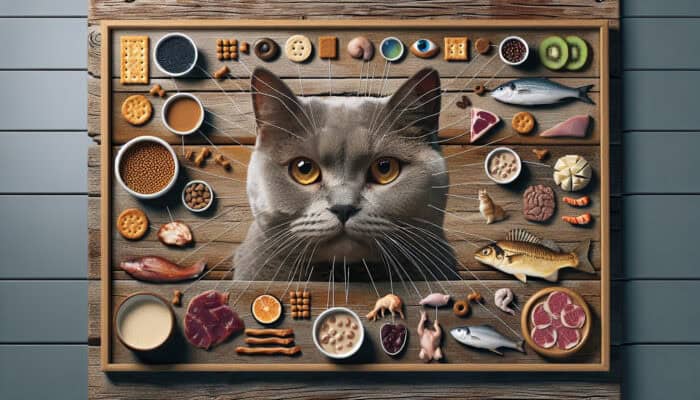
Cats possess distinct taste preferences that set them apart from humans and other animals. These delightful companions typically gravitate towards savory flavors and specific <a href="https://limitsofstrategy.com/essential-tips-for-caring-for-color-treated-hair-textures/">textures</a>, which are crucial when crafting homemade treats. Gaining insight into these inclinations can significantly enhance your ability to create snacks that even the most discerning cats will relish. Below is a compilation of common feline flavor preferences to assist you in your treat-making endeavors:
- Meaty flavors, especially chicken, beef, and fish
- Umami-rich ingredients like tuna and liver
- Creamy textures from items such as yogurt or pureed foods
- Natural fats that elevate flavor, including salmon oil
- Herbs such as catnip, which can attract even the fussiest cats
- Soft and moist ingredients that provide a delightful mouthfeel
- Crispy textures that some cats prefer to chew
Understanding these flavor profiles not only aids in developing successful recipes but also ensures the treats are enjoyable and satisfying for your feline friend. The intricacies of feline taste are often underestimated; cats can exhibit surprising pickiness regarding their food. Therefore, experimenting with various combinations is essential to unearth what truly excites your cat’s palate.
How Does Aroma Influence a Cat’s Food Choices?
Cats rely significantly on their sense of smell to assess the appeal of food items. This sensory capability is crucial, as an enticing aroma can greatly enhance the allure of a treat. Unlike humans, who may respond to colorful presentations or artistic plating, cats are primarily swayed by the scents that waft towards them. Consequently, when preparing homemade treats, emphasizing aromatic ingredients can be an effective strategy to appeal to a finicky eater.
The olfactory receptors in a cat’s nose are far more sensitive than those in humans, allowing them to detect even faint scents that can spark their interest. Ingredients such as fish, poultry, and specific cat-friendly herbs can produce strong aromas that resonate with their natural instincts. When making treats, consider using ingredients known for their robust scents, such as tuna, chicken broth, and a sprinkle of catnip.
Moreover, the cooking method can significantly alter the aroma of these treats. Techniques like baking or dehydrating can intensify scents, making them more captivating. You may find that simply warming a treat or serving it right out of the oven can create an irresistible appeal. Prioritizing the scent profile of your homemade treats is vital when catering to your cat’s selective taste.
Why Is Texture Essential in Cat Treats?
The texture of cat treats can profoundly influence a cat’s interest in them. Some cats lean towards crunchy options, while others may prefer softer, chewier varieties. Identifying your cat’s texture preference is crucial to ensuring that your homemade treats are welcomed rather than rejected.
Cats exhibit varying preferences regarding how food feels in their mouths. A crunchy texture might appeal to those who enjoy the act of chewing, while a softer texture may attract cats with sensitive gums or dental issues. When crafting your homemade treats, it is wise to experiment with different textures to discover what delights your cat the most.
For example, if you choose to bake treats, pay close attention to the baking time to achieve the perfect level of crunchiness. Conversely, if you’re aiming for a softer texture, explore recipes that involve pureeing or incorporating moist ingredients. Striking the right balance between texture and consistency can significantly impact your cat’s acceptance of the treats. Aim to create something that is not only flavorful but also enjoyable to chew and consume.
Expert Tips for Crafting Homemade Treats for Discerning Cats

What Ingredients Are Best for Cat Treats?
Choosing the right ingredients is vital when preparing homemade cat treats. The components should be safe, nutritious, and appealing to cats. To ensure your treats are both delicious and healthful, consider the following actionable steps for selecting the best ingredients:
- Choose high-quality protein sources like chicken, fish, or turkey.
- Incorporate healthy fats from options such as fish oil or olive oil.
- Add small amounts of cat-safe vegetables like pumpkin or peas.
- Use whole grains sparingly, such as oats or brown rice, for added texture.
- Avoid toxic ingredients like onions, garlic, and chocolate.
- Select low-carb ingredients to align with a cat’s natural dietary needs.
- Opt for fresh, organic produce to boost nutritional value.
By following these guidelines, you can create a variety of flavorful treats that cater to your cat’s unique preferences. Each ingredient not only enhances flavor but also offers essential nutrients that contribute to your cat’s overall health. Furthermore, being mindful of ingredient sources can help you steer clear of preservatives and fillers commonly found in commercial cat treats.
It is also wise to monitor any allergies or sensitivities your cat may have when introducing new ingredients. Gradually incorporating new components can help you identify any potential issues. Always ensure that the treats you create not only please your cat’s palate but also promote their health and well-being.
How Can You Achieve Nutritional Balance in Treats?
When creating homemade treats, it is crucial to complement a cat’s diet without causing nutritional imbalances. Ensuring that the treats you prepare are nutritionally sound is essential for your cat’s health. As obligate carnivores, cats primarily require a diet centered around meat, making it vital to understand their specific nutritional needs when crafting healthy treats.
When developing your homemade treats, keep the following guidelines in mind to maintain nutritional balance:
- Include a primary protein source as the main ingredient.
- Add essential fatty acids for a healthy coat and skin.
- Incorporate small amounts of vitamins and minerals, such as taurine, which is vital for heart health.
- Limit carbohydrates since cats do not require them in large quantities.
- Utilize fresh ingredients to maximize nutritional content.
- Consult veterinary resources or professionals to address specific dietary requirements.
- Keep treats to a small percentage of the overall diet—ideally about 10% or less.
Maintaining nutritional balance is crucial to prevent issues such as obesity, digestive disturbances, and other health complications. Monitoring the total caloric intake from treats is essential. Always consult with a veterinarian to ensure your homemade treats align with your cat’s specific dietary needs, particularly if they have any underlying health concerns.
Remember, homemade treats should enhance rather than replace your cat’s regular meals. They should serve as a reward or an occasional snack that provides joy without compromising health.
What Common Food Allergens Should You Avoid in Cat Treats?
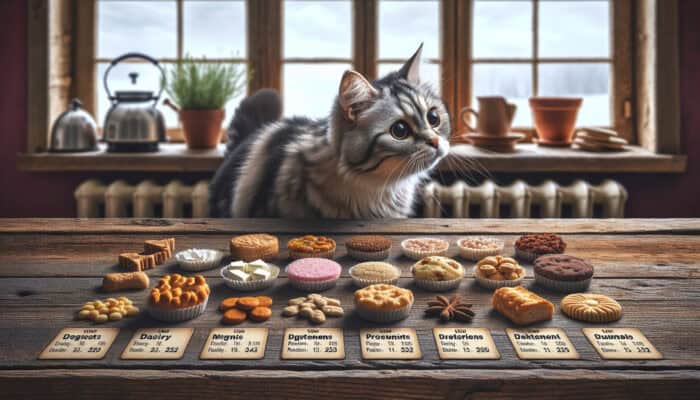
Some cats may experience food allergies or sensitivities, which should be taken into account when creating homemade treats. Common allergens, such as dairy or certain proteins, can trigger negative reactions, making it essential to be cautious with your ingredient choices. Identifying and avoiding these allergens can greatly enhance your cat’s overall health and prevent discomfort.
When preparing homemade treats, keep the following common allergens in mind to avoid:
- Dairy products, such as milk and cheese, which many cats cannot digest.
- Wheat and gluten, which can lead to digestive issues in some felines.
- Poultry, especially if your cat has a history of poultry sensitivities.
- Fish, which may provoke allergic reactions in certain cats.
- Eggs, as they can cause problems for some felines.
- Artificial additives and preservatives found in commercial ingredients.
- Certain legumes, which can lead to gastrointestinal distress.
To ensure your homemade treats are safe and enjoyable, it is advisable to monitor any adverse reactions your cat may exhibit towards specific ingredients. This proactive approach can assist you in tailoring future treat recipes to avoid potential triggers. By being cautious and attentive, you can create a variety of delicious options that cater to your cat’s dietary needs while keeping them happy and healthy.
Delicious Recipes for Homemade Cat Treats
Quick and Easy Tuna Treats Your Cat Will Love
Tuna is a favorite for many cats and serves as an excellent primary ingredient for homemade treats. This straightforward recipe combines canned tuna, egg, and flour to create delicious, bite-sized morsels that your picky eater is sure to adore. Here’s how to make these delightful treats:
- Preheat your oven to 350°F (175°C).
- In a mixing bowl, combine one can of drained tuna, one beaten egg, and one cup of whole wheat flour.
- Mix thoroughly until a dough forms, adding water as needed to achieve the desired consistency.
- Roll the dough into small balls or flatten it and cut into shapes using a cookie cutter.
- Place the treats on a baking sheet lined with parchment paper.
- Bake for approximately 10-12 minutes, or until golden brown.
- Allow them to cool completely before serving to your cat.
These tuna treats are not only easy to prepare but also packed with protein, making them a nutritious option for your feline companion. Ensure that the tuna you use is packed in water rather than oil to maintain a healthy fat content. Your cat will likely find these treats irresistible, making them a staple in your homemade treat rotation.
Irresistible Chicken and Catnip Treats for Feline Fun
The combination of chicken and catnip creates an appealing treat that many cats simply cannot resist. This recipe is easy to follow and can be customized with different herbs to keep things interesting. Here’s how to prepare these delightful chicken treats:
- Start by cooking one chicken breast thoroughly, either by boiling or baking.
- Once cooked, shred the chicken into small pieces and place it in a mixing bowl.
- Add ½ cup of oat flour and one tablespoon of dried catnip to the bowl.
- Mix until well combined, adding a small amount of chicken broth if the mixture is too dry.
- Form small balls or flatten the mixture and cut it into shapes.
- Preheat your oven to 350°F (175°C) and bake the treats for 15-20 minutes.
- Let them cool before offering them to your cat.
These treats not only provide a delicious reward but also include catnip, which can induce a euphoric effect in many cats. This combination ensures that your cat enjoys the flavor while also having a fun and engaging experience when indulging in these treats.
Nourishing Salmon and Sweet Potato Bites for Cats
Salmon is another fantastic ingredient that delivers essential omega-3 fatty acids, while sweet potatoes provide a healthy carbohydrate source. This recipe is both nutritious and delicious for cats and is simple to prepare. Here’s how to create these tasty treats:
- Preheat your oven to 350°F (175°C).
- Bake one medium sweet potato until soft; allow it to cool and then mash it in a bowl.
- Add one can of drained salmon (in water) to the mashed sweet potato.
- Mix in one cup of oat flour until a dough forms, adjusting with more flour if necessary.
- Roll the dough into small balls or flatten and cut into shapes.
- Place on a parchment-lined baking sheet and bake for 20-25 minutes.
- Cool completely before serving to your cat.
This recipe combines two highly appealing ingredients, providing a healthy boost to your cat’s diet. The omega-3 fatty acids present in salmon contribute to healthy skin and a shiny coat, while sweet potatoes are an excellent source of fiber, aiding in digestion.
What Strategies Can Enhance Treat Appeal for Cats?
What Shapes and Sizes Are Most Preferred by Cats?
Cats may demonstrate preferences for particular shapes and sizes of treats. Experimenting with different forms can help you identify what your cat enjoys most. The shape and size of treats can significantly impact a cat’s willingness to engage with them, making it worthwhile to explore various options.
Most cats are drawn to smaller, bite-sized treats that they can easily pick up and chew. You may also find that your feline friend has a preference for specific shapes, such as small squares, stars, or even fish-shaped treats. By varying the shapes and sizes, you not only keep your cat engaged but also introduce an element of fun into treat time.
When crafting treats, keep these tips for shapes and sizes in mind:
- Opt for small, bite-sized pieces for easy consumption.
- Use cookie cutters to create fun and engaging shapes.
- Observe your cat’s reactions to different shapes and sizes.
- Create larger treats for puzzle toys or interactive play.
Ultimately, the objective is to discover shapes and sizes that excite your cat. Through experimentation, you can enhance the overall experience, making treat time more enjoyable and interactive for both you and your furry friend.
Why Is Presentation Important for Treats?
The way treats are presented can significantly influence a cat’s interest. Treat presentation can vary widely, from the type of container used to the serving method, and can make a notable difference in how appealing the treats appear to your cat.
Using colorful, visually appealing containers or bowls can capture a cat’s attention and create an engaging experience. You might also consider hiding treats in puzzle toys or using treat-dispensing balls to encourage mental stimulation as your cat works to retrieve them. Rotating the types of containers or presentation styles can keep things fresh and exciting.
To enhance treat presentation, consider these strategies:
- Utilize varied containers, such as colorful bowls or treat dispensers.
- Change up presentation methods regularly to maintain interest.
- Serve treats at different times and locations to create anticipation.
- Pair treats with interactive play sessions to maximize engagement.
Creating a dynamic and engaging treat experience can motivate your cat to savor these homemade delights even more. By transforming treat time into a special occasion, you strengthen your bond with your cat while ensuring they remain excited about their treats.
How Can Treats Be Effective Training Tools?
Treats can function as effective tools in training, rewarding desired behaviors and reinforcing positive actions. This approach not only enhances your cat’s skills but also deepens the connection between you and your feline companion.
Utilizing treats as training aids can help establish a routine and create a fun learning environment. Start with basic commands or behaviors, such as “sit” or “come,” and reward your cat with a treat upon successfully executing the task. This positive reinforcement motivates your cat to repeat the desired behavior, making training sessions enjoyable for both of you.
Here are some tips for utilizing treats as training aids:
- Select small, highly appealing treats for quick rewards.
- Establish a consistent training schedule to reinforce learning.
- Be patient and encouraging, using treats to celebrate achievements.
- Gradually reduce treat rewards as your cat becomes proficient in the behavior.
Training with treats not only teaches your cat new skills but also fosters a unique bond based on trust and positive interactions. By incorporating homemade treats into training sessions, you ensure that both learning and indulgence occur with love and attention.
Scientific Advantages of Homemade Treats for Selective Cats
What Nutrients Are Found in Homemade Treats?
Homemade treats can be tailored to include specific nutrients that benefit cats, such as taurine and various vitamins. By selecting the right ingredients, you can create treats that appeal to their taste while delivering essential health benefits.
Nutrients that can be included in homemade treats consist of:
- Taurine, essential for heart and eye health.
- Omega-3 fatty acids for maintaining a healthy coat and skin.
- Vitamins A and E for immune support and overall well-being.
- Fiber from vegetables to promote digestion.
- Minerals like calcium and phosphorus for strong bones.
- Antioxidants that help combat free radicals.
- Hydration through moisture-rich ingredients.
By being intentional about the nutrients you incorporate, you can ensure that your homemade treats not only satisfy your cat’s cravings but also provide significant health benefits. This nutritional customization is one of the primary advantages of making homemade treats over relying on commercial options.
Recognizing these benefits can inspire pet owners to invest time in preparing healthy, nutrient-rich treats that cater to their cats’ distinct needs. Ultimately, this approach nurtures a deeper sense of care for their feline companions.
How Do Homemade Treats Affect Cat Health?
Regularly feeding homemade treats can positively influence health, such as improved digestion and coat condition. The ingredients chosen for these treats can significantly impact your cat’s overall well-being, establishing a solid foundation for a healthy diet.
Homemade treats made from fresh ingredients provide numerous advantages. For instance, the absence of fillers and preservatives typically found in commercial treats reduces the risk of allergic reactions and gastrointestinal issues. Moreover, utilizing high-quality proteins and healthy fats from sources like chicken or fish supports muscle health and energy levels.
Here are some health benefits associated with homemade treats:
- Improved coat condition due to omega fatty acids.
- Enhanced digestive health from fiber-rich ingredients.
- Stronger immune function with added vitamins and nutrients.
- Reduced risk of obesity through portion-controlled homemade selections.
- Lower likelihood of food allergies and sensitivities.
- Positive impact on dental health through crunchy textures.
These health benefits can motivate pet owners to prioritize homemade treats as part of their pet’s diet. By focusing on their feline friends’ well-being, owners can foster a healthier lifestyle while strengthening the bond they share with their cats.
What Psychological Benefits Do Treats Offer?
Treats can provide psychological advantages, such as reducing stress and enhancing bonding time with owners. Homemade treats serve not only as rewards but also as tools for enriching your cat’s environment and improving their quality of life.
Providing treats can create a positive association between your presence and enjoyable experiences for your cat. This can help alleviate anxiety, particularly in multi-pet households or during stressful situations like veterinary visits. Treat time can become a bonding moment between you and your feline friend, reinforcing your connection.
Consider these psychological advantages of treats:
- Encourages positive reinforcement during training sessions.
- Promotes interactive play and engagement.
- Helps combat boredom with stimulating treat puzzles.
- Offers comfort during stressful times with familiar flavors.
- Fosters trust between you and your cat through shared experiences.
- Creates enjoyable routines that your cat anticipates.
By acknowledging the emotional and psychological aspects associated with treat-giving, you can significantly enhance your cat’s life. This understanding fosters a nurturing relationship, ensuring that both you and your feline companion benefit from the rewarding experience of sharing homemade treats.
How Can Homemade Treats Cater to Picky Eaters?
Homemade treats provide the flexibility to customize ingredients to suit the unique preferences of picky cats, increasing the likelihood that they will eat and enjoy their food. The ability to tailor ingredients to your cat’s likes is a significant advantage of crafting treats at home.
For picky eaters, even minor adjustments can make a substantial difference. From varying flavor profiles to experimenting with different textures, homemade treats offer endless possibilities. You may discover that incorporating a favorite ingredient, such as a specific protein or herb, can make a treat completely irresistible.
To cater to picky eaters, consider these strategies:
- Incorporate their preferred protein sources, like chicken or salmon.
- Utilize different cooking techniques to enhance flavors and textures.
- Experiment with various seasonings, such as catnip or parsley.
- Adjust treat sizes to align with their chewing preferences.
By focusing on your cat’s individual tastes and preferences, you can create treats that excite them and encourage enthusiastic eating. This level of customization can be especially crucial for cats that may struggle with traditional food options, ensuring they receive the nutrition they need while relishing every bite.
Best Practices for Storing and Preserving Homemade Treats
What Are the Best Storage Techniques for Treats?
Proper storage is essential for extending the shelf life of homemade treats. Keeping them in airtight containers in a cool, dry environment is vital for preserving their freshness and preventing spoilage. The manner in which you store your treats can significantly affect their quality over time, so it is important to follow best practices.
To ensure your homemade treats remain safe and enjoyable, consider these storage methods:
- Use airtight containers made of glass or BPA-free plastic.
- Store treats in a cool, dark location, away from direct sunlight.
- Keep treats moisture-free to prevent mold growth.
- Consider refrigerating treats containing perishable ingredients for added safety.
Implementing these practices allows you to enjoy homemade treats for a longer period without sacrificing quality. Additionally, proper storage helps maintain the nutritional benefits of your homemade creations, ensuring they remain a healthy option for your furry friend.
How Long Can Homemade Treats Be Kept?
The shelf life of homemade treats varies based on their ingredients and storage methods. Understanding how long treats can be safely stored is essential for maintaining their quality and ensuring your cat enjoys them at their best.
Typically, homemade treats can last anywhere from one week to several months, depending on their composition. Treats made with fresh proteins or moisture-rich ingredients generally have a shorter shelf life compared to those made with dry components.
To maximize the shelf life of your treats, consider the following guidelines:
- Soft treats containing moist ingredients last about 1-2 weeks in the refrigerator.
- Hard, dry treats can last up to a month at room temperature.
- Freezing treats can extend their shelf life for several months.
- Regularly inspect stored treats for signs of spoilage, such as off-smells or mold.
By being mindful of these storage considerations, you can ensure that the treats you prepare remain fresh and enjoyable for your cat, providing them with delicious snacks for an extended duration.
How to Properly Freeze Treats for Longevity?
Freezing treats is an excellent method for preserving their freshness and nutritional value. This approach is particularly beneficial for making treats in bulk and storing them for future use. Freezing not only prolongs the shelf life but also allows you to prepare a variety of flavors to keep your cat interested.
To effectively freeze your homemade treats, follow these steps:
- Allow treats to cool completely before freezing.
- Arrange treats in a single layer on a baking sheet to freeze individually.
- Once frozen, transfer the treats to airtight containers or freezer bags.
- Label containers with the date and contents for easy identification.
By freezing treats, you can create a supply that enables you to offer fresh, homemade snacks whenever you desire. This is especially advantageous for busy pet owners who want to ensure their cat always has something tasty available.
Why Is Proper Labeling and Dating Important for Stored Treats?
Proper labeling and dating are essential for tracking the freshness and shelf life of treats. This practice ensures that you use them before they spoil, allowing you to maintain quality and safety in your homemade cat treats.
When labeling treats, consider these tips:
- Include the date of preparation on the label.
- Note any specific ingredients or flavors for easy identification.
- Utilize clear, waterproof labels to prevent smudging.
- Regularly check stored treats for freshness based on the date.
This practice promotes better organization and ensures that you provide your cat with the freshest treats possible. By keeping track of your homemade creations, you can minimize waste and maximize enjoyment for your feline friend.
How to Reheat and Serve Stored Treats?
Learn the best methods for reheating stored treats to retain their taste and texture. Proper serving techniques can enhance the enjoyment of homemade treats, making them more appealing to your cat.
When serving treats, consider these techniques:
- Gently warm treats in the microwave for a few seconds to enhance aroma.
- Serve treats at room temperature for optimal texture.
- Utilize interactive feeding toys to make serving more engaging.
- Pair treats with regular meal times to create a routine.
These serving techniques can help elevate the treat experience for your cat, making treat time an occasion they eagerly anticipate. By focusing on presentation and temperature, you can enhance the overall appeal of your homemade creations.
Frequently Asked Questions About Homemade Cat Treats
Can I Use Human Foods to Create Homemade Treats for My Cat?
Yes, you can use human food as long as it is safe for cats. Ingredients like chicken, fish, and certain vegetables can be incorporated, but avoid toxic foods like onions or chocolate.
How Often Can I Give My Cat Homemade Treats?
Treats should ideally comprise no more than 10% of your cat’s daily caloric intake. Regularly offering treats is fine, but moderation is key to maintaining a balanced diet.
Are There Ingredients to Avoid in Homemade Cat Treats?
Yes, avoid toxic ingredients such as onions, garlic, chocolate, and excessive dairy. Always check for common allergens specific to your cat.
How Can I Determine If My Cat Enjoys a Homemade Treat?
Watch your cat’s response. If they devour it enthusiastically and seem excited, they likely enjoy it. Disinterest or refusal may indicate they are not a fan.
Can I Create Treats for Cats with Food Allergies?
Absolutely! You can customize ingredients to avoid allergens. Use safe proteins, grains, and vegetables that your cat can tolerate.
Do Homemade Treats Require Refrigeration?
It depends on the ingredients. Treats made with perishable items should be refrigerated, while dry treats can be stored at room temperature in an airtight container.
Why Are Homemade Treats Better Than Store-Bought Options?
Homemade treats eliminate preservatives and fillers, allowing for fresh, high-quality ingredients tailored to your cat’s tastes and health needs.
Can I Freeze Homemade Cat Treats?
Yes! Freezing is an excellent way to extend the shelf life of treats. Just ensure they are well-packaged to prevent freezer burn.
What Are Some Good Protein Sources for Cat Treats?
Excellent protein sources include chicken, turkey, fish (such as salmon or tuna), and even certain organ meats rich in nutrients.
How Can I Maximize Treat Appeal for My Cat?
Experiment with shapes, sizes, and aromas. Use favorite ingredients, present them in fun ways, and pair them with play to increase their attractiveness.
Join Us on Facebook for More Tips!
The Article Homemade Treats for Picky Cats: Delicious Recipes First Published On https://elgatoencasa.com
The Article Delicious Recipes for Picky Cats: Homemade Treats Was Found On https://limitsofstrategy.com