Explore the Critical Role of Backflow Testing in Ensuring a Safe Water Supply
What Is Backflow and Why Is It Important for Your Water Safety?
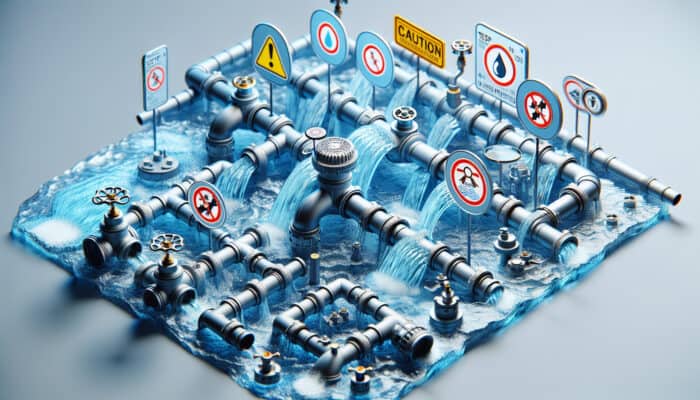
Understanding backflow is crucial for anyone concerned about their water supply. This plumbing issue occurs when water unintentionally flows backward into the clean water system, leading to potential contamination that can compromise public health. The significance of regular testing and robust backflow prevention measures cannot be overstated. Various factors, including pressure fluctuations, improper installation of plumbing fixtures, and even environmental conditions, can threaten the quality of our drinking water. Hence, homeowners and business operators must prioritize backflow prevention and testing initiatives to uphold health standards and protect the community.
Common causes of backflow include:
- Pressure changes in the water supply system
- Improper installation of plumbing fixtures
- Backpressure from downstream systems
- Temperature fluctuations affecting water density
- Cross-connections between potable and non-potable water sources
Such issues can introduce harmful contaminants into drinking water, posing serious health risks. Recognizing and understanding the intricacies of backflow and its causes is the foundational step toward ensuring the safety and integrity of our essential water systems.
What Are the Key Advantages of Consistent Backflow Testing?
Regularly engaging in backflow testing is vital for safeguarding the integrity and safety of water systems, while also ensuring compliance with local regulations and safety standards. By committing to consistent testing, homeowners and businesses can effectively protect themselves from the potential health hazards associated with water contamination.
The primary advantages of routine backflow testing include:
- Early detection of malfunctioning devices that could permit contamination
- Adherence to local regulations and safety standards
- Peace of mind knowing that your water supply is safe and clean
- Prevention of costly repairs stemming from contamination incidents
- Extended lifespan of water systems through proactive maintenance
Regular testing not only safeguards individual health but also fosters community trust in local water sources. By taking proactive measures, testing can prevent issues from escalating, leading to a more reliable and secure water supply for all stakeholders involved.
What Legal Obligations Exist for Backflow Testing in Canada?
In Canada, various regulations mandate the regular testing of backflow systems to protect public health and safety. Understanding these legal requirements is essential for compliance and plays a vital role in meeting the standards established by governmental bodies. The Canadian Standards Association (CSA) and local municipalities are responsible for enforcing these regulations to ensure that water systems operate safely and efficiently.
Key Canadian regulations include:
- CSA B64.10-18: Standards for backflow prevention methods
- Provincial plumbing codes mandating annual testing
- Municipal regulations prioritizing water safety
- Environmental Protection Act guidelines
- Health Canada’s recommendations concerning water quality
Adhering to these regulations is not only critical for public health but also fosters a culture of accountability among property owners regarding water safety and maintenance practices.
Selecting the Ideal Backflow Testing Service Tailored to Your Needs

What Essential Qualifications Should You Seek in a Backflow Testing Service?
When searching for a dependable backflow testing service, it is pivotal to prioritize certified professionals who have relevant experience in the field. Look for certifications from recognized organizations such as the American Society of Sanitary Engineering (ASSE) or local regulatory bodies, as these certifications indicate a level of expertise that guarantees quality service.
A qualified professional will not only possess technical skills but also have a comprehensive understanding of local regulations and the challenges associated with backflow prevention. This expertise can significantly affect the efficacy of the testing process and any subsequent remediation efforts, ensuring the integrity of your water supply is maintained.
How Can You Effectively Evaluate Different Backflow Testing Service Providers?
To identify the most suitable backflow testing service that meets your specific requirements, assess various providers based on their reputation, pricing, and customer feedback. Conducting thorough research prior to making a decision is critical. Seek out companies with a proven track record within the community and positive testimonials from previous clients.
Customer reviews can offer valuable insights into the reliability and quality of service that a provider delivers. Don’t hesitate to reach out to multiple service providers for quotes and detailed descriptions of their offerings. By comparing these factors, you can make an informed choice that aligns with your needs and budget.
What Are the Typical Costs Associated with Backflow Testing Services?

The cost of backflow testing can vary significantly based on location, complexity, and the specific service provider you select. Understanding these costs is essential for effective budgeting, ensuring that you receive value for your investment. Typically, flat-rate fees apply for standard testing, while more complex systems may incur additional costs.
Prices for backflow testing generally range from $100 to $500 or more, depending on the particular requirements of your system. Factors influencing these costs include the type of backflow prevention device, the testing method employed, and any necessary repairs or replacements following the evaluation. Being aware of these expenses will help you maintain compliance and ensure water safety without incurring unexpected financial burdens.
How Frequently Should You Schedule Backflow Testing?
Regular backflow testing is paramount for maintaining both water safety and system integrity. Typically, testing should occur annually or as dictated by local regulations. The frequency may vary depending on the type of facility and local ordinances.
For instance, commercial properties often face stricter testing schedules compared to residential structures. Property owners should familiarize themselves with local laws to ensure compliance and maintain optimal safety standards. Scheduling tests consistently each year can help manage maintenance effectively and ensure that no deadlines are overlooked.
What Is Involved in a Backflow Test?
During a backflow test, a certified technician conducts a comprehensive inspection and assessment of the backflow prevention device to verify its proper functionality. The technician utilizes specialized equipment to monitor for any indications of reverse flow within the system.
Upon completion of the testing process, you can expect to receive a detailed report outlining the test results, any necessary repairs, and recommendations for future maintenance. This documentation is crucial for compliance with local regulations and for your records, ensuring that you remain informed about the status of your backflow prevention devices.
Professional Perspectives on Backflow Testing Services in White Rock
What Distinguishes Top Backflow Testing Services?
Insights from industry experts reveal that leading backflow testing services set themselves apart through a combination of advanced technology, exceptional customer service, and strict adherence to industry standards. Top-tier service providers invest in cutting-edge testing equipment, enabling more accurate results and efficient service delivery.
For example, companies that utilize digital reporting tools streamline the testing process, granting clients immediate access to test results and actionable recommendations. Furthermore, outstanding customer service—characterized by clear communication, responsiveness, and thorough follow-up—enhances the reputation of top providers. A commitment to educating clients about best practices in backflow prevention can also significantly improve a service’s credibility within the community.
How Frequently Should You Conduct Backflow Testing?
Experts generally recommend annual backflow testing; however, the frequency may vary based on local regulations and specific facility usage. Property owners should consult with their service providers to establish an appropriate testing schedule tailored to their unique circumstances.
Proactively scheduling tests can help prevent compliance lapses and ensure systems function optimally. Utilizing reminders and tracking systems is essential for maintaining regular testing intervals, which is crucial for effective backflow prevention.
What Best Practices Should You Implement to Prevent Backflow Issues?
Implementing best practices can substantially mitigate the risk of backflow incidents. This includes regular maintenance of backflow prevention devices and conducting thorough inspections of plumbing systems to identify potential vulnerabilities.
Property owners should take the initiative to educate themselves and their staff about the significance of backflow prevention and the warning signs of potential issues. Encouraging open communication with your backflow testing service can facilitate timely maintenance and repairs, further minimizing risks. By adopting these proactive measures, property owners not only protect their water supply but also contribute to the broader mission of maintaining public health and safety within the community.
How to Select the Right Backflow Testing Service in White Rock?
Experts recommend that choosing a reliable backflow testing service in White Rock involves considering several essential factors, including certification, experience, and local reputation. Begin by verifying the credentials of potential providers, ensuring they hold the necessary licenses and certifications to operate effectively in their respective areas.
Local reputation can be assessed through community feedback and online reviews. Engage with fellow property owners to gather recommendations and insights based on their experiences and expertise. This grassroots approach can yield valuable information regarding the quality and reliability of various service providers.
Diving Deep into the Backflow Testing Process
What Steps Are Involved During a Backflow Test?
During a backflow test, technicians meticulously examine the system for any signs of reverse flow, utilizing specialized equipment to ensure the integrity of the entire system. The process typically begins with a visual inspection of the backflow prevention device to evaluate its condition and identify any visible concerns.
Following the initial inspection, technicians will connect testing equipment to measure the pressure and flow of water, ensuring that everything operates within acceptable parameters. This comprehensive approach guarantees that any potential issues are identified and addressed promptly, thereby safeguarding the water supply and maintaining compliance with safety standards.
What Equipment Is Used in Backflow Testing?
Backflow testing requires specialized tools, such as test kits and gauges, which enable technicians to accurately assess the system’s condition. These specialized instruments facilitate precise measurements of water pressure and flow, ensuring adherence to safety standards and regulations.
Utilizing high-quality equipment is essential; it not only contributes to the accuracy of test results but also impacts the overall efficiency of the testing process. Regular calibration and maintenance of these tools are vital to guarantee reliable outcomes and effective service delivery.
What Should You Anticipate After Completing a Backflow Test?
After the testing is finalized, a thorough report is generated that outlines the results, along with any necessary repairs or adjustments. This report serves multiple purposes: it provides a clear overview of the system’s current status, documents compliance with regulations, and outlines actions needed to address potential issues.
Property owners should take the time to carefully review this report, as it can highlight both immediate concerns and long-term maintenance strategies that will benefit their properties. Keeping records of these reports is crucial for ongoing compliance and for monitoring the health of the water system over time.
Identifying Common Backflow Issues and Effective Mitigation Strategies
What Are the Most Frequent Backflow-Related Problems?
Common issues associated with backflow include worn-out valves, improper installation, and pressure fluctuations. Recognizing these problems is crucial for implementing effective backflow prevention strategies. Worn-out valves may fail to seal properly, allowing contaminated water to enter the clean water supply, while improper installation can create significant vulnerabilities within the system.
Moreover, pressure changes—often caused by periods of high demand or maintenance activities within the water system—can create scenarios conducive to backflow. Understanding these common issues is fundamental to implementing effective prevention strategies and ensuring the integrity of the water supply.
How Can You Effectively Address Backflow Failures?
Effectively addressing backflow failures involves promptly repairing or replacing faulty components and ensuring proper maintenance of the entire system. Timely intervention is critical; neglecting a backflow issue can lead to severe health risks and costly contamination incidents.
Engaging a qualified backflow testing service is essential for accurately diagnosing issues. These professionals can recommend appropriate actions, such as replacing a faulty valve or adjusting the system to restore proper pressure balance, thereby effectively mitigating risks and preserving water quality.
What Preventive Actions Can Help Avoid Backflow Issues?
Regular maintenance and inspections are vital preventive strategies to avert backflow problems. Establishing a schedule for routine checks can significantly decrease the risk of failures and enhance the safety of your water supply.
Furthermore, property owners should educate themselves on plumbing practices that prevent cross-connections, one of the leading causes of backflow incidents. Simple actions, such as installing air gaps and ensuring proper drainage, can greatly contribute to safeguarding the water supply and maintaining public health standards.
Why Is It Essential to Have Professional Backflow Testing?
Professional backflow testing is critical for ensuring the safety and efficiency of water systems, identifying potential issues early, and maintaining compliance with applicable regulations. Investing in expert services not only protects public health but also enhances the reliability of your water delivery systems.
Through regular professional oversight, property owners can prevent minor problems from escalating into significant hazards. This proactive approach nurtures community trust in local water supplies, ensuring that everyone has access to safe, clean water.
Research-Backed Insights on the Benefits of Backflow Testing Services in White Rock
What Do Research Findings Indicate About Backflow Testing?
Research indicates that routine backflow testing significantly reduces the risks of water contamination, thereby safeguarding public safety. Engaging in consistent testing and maintenance minimizes vulnerabilities within water systems, protecting the health of the entire community.
Property owners can implement these research findings by establishing a consistent testing schedule and collaborating with qualified professionals who are committed to maintaining high safety standards in water supply management.
How Does Backflow Testing Contribute to Public Health Protection?
Backflow testing plays a direct role in safeguarding public health by preventing contamination of the water supply. Contaminated water can lead to severe health issues, including gastrointestinal illnesses and exposure to harmful substances.
Real-world examples emphasize the importance of backflow prevention. For instance, communities that have adopted rigorous backflow testing protocols have experienced notable improvements in public health outcomes, underscoring the undeniable link between safe water and the overall well-being of the community.
What Financial Benefits Are Associated with Regular Backflow Testing?
Regular backflow testing can lead to substantial cost savings by mitigating expenses associated with contamination incidents and necessary system repairs. Investing in preventive measures is often far less costly than addressing the consequences of a contamination crisis after it has occurred.
By maintaining a robust backflow prevention system, property owners can avoid fines, costly repairs, and potential legal liabilities stemming from water contamination incidents. This proactive approach not only translates into financial savings but also ensures the long-term sustainability of water systems and resources.
What Environmental Advantages Are Linked to Consistent Backflow Testing?
Consistent backflow testing helps prevent pollutants from entering water systems, thereby protecting local ecosystems and maintaining environmental health. By ensuring that water systems operate effectively, backflow testing reduces the risk of introducing harmful substances into the environment.
This practice extends beyond mere regulatory compliance; it is about safeguarding our natural resources for future generations. Protecting local waterways and habitats is a shared responsibility that all property owners and communities must embrace.
Ensuring Optimal Maintenance of Your Backflow Prevention System
What Essential Maintenance Tasks Are Necessary for Backflow Systems?
Regular inspection, cleaning, and testing are crucial tasks for maintaining the effectiveness of your backflow prevention system. Schedule routine inspections to evaluate the condition of your backflow devices and the plumbing arrangements in place.
Cleaning components that may collect debris or sediments is equally important, as these materials can interfere with the system’s functionality. Ensuring that all components are in optimal condition is vital to preventing problems before they arise, thereby protecting both your water supply and property.
How to Effectively Schedule Maintenance and Testing for Backflow Systems?
Plan maintenance and testing schedules that comply with regulations and guarantee system reliability. Set reminders for annual testing and integrate maintenance tasks into your regular property management schedule to ensure nothing is overlooked.
Consider enlisting a professional service provider who can offer reminders and assist with scheduling, ensuring adherence to all critical tasks. This proactive approach is essential for maintaining compliance and effectively protecting public health.
What Steps Should You Take if You Discover Maintenance Is Overdue?
If you discover that maintenance is overdue, prioritize scheduling immediate testing and repairs to prevent potential backflow incidents. Delaying these actions can lead to serious health risks and costly repairs.
Contact your backflow testing service as soon as possible to arrange for a thorough inspection. Taking prompt action can safeguard your water supply and help avoid any repercussions associated with non-compliance.
Your Questions About Backflow Testing Answered
What is backflow testing, and why is it crucial for securing water safety?
Backflow testing is a vital process that evaluates backflow prevention devices to ensure their proper functioning, thus preventing contaminated water from entering the clean water supply. It is essential for maintaining public health and safety.
How frequently should backflow testing be conducted?
Backflow testing should be performed annually or more often, depending on local regulations and the specific requirements of your water system.
What signs may indicate backflow issues?
Indicators may include discolored water, unusual tastes, or fluctuations in water pressure. If you notice any of these symptoms, contact a professional immediately for assessment.
Can property owners perform backflow testing independently?
No, backflow testing must be conducted by certified professionals to ensure compliance with safety regulations and to accurately evaluate the systems involved.
What actions are taken if a backflow test fails?
If a backflow test is unsuccessful, necessary repairs or replacements will be required. The testing service will provide a detailed report outlining required actions and recommendations for resolution.
Are different types of backflow prevention devices available?
Yes, common types of backflow prevention devices include air gaps, reduced-pressure zone devices, and double-check valves—each designed for specific applications and risk management levels.
What should I do if I suspect backflow has occurred in my system?
If you suspect backflow has occurred, stop using the water immediately and contact a qualified backflow testing service to investigate and resolve the issue as soon as possible.
How can I find a trustworthy backflow testing service provider in my area?
Look for certified professionals with strong community reputations, positive customer reviews, and extensive experience with local regulations to ensure you receive quality service.
What potential consequences arise from neglecting regular backflow testing?
Failing to conduct regular backflow testing can lead to severe contamination risks, legal liabilities, and significant health hazards for occupants and the surrounding community.
How can I effectively maintain my backflow prevention system?
Regular inspections, cleaning, and timely testing are crucial for maintaining the effectiveness of your backflow prevention system, helping to prevent issues before they arise.
Connect with us on Facebook for more updates!
Presented By: Backflow Testing in White Rock
The Article: Backflow Testing Services in White Rock: Ensuring Water Safety First Published On: https://pacificbluemechanical.ca/
The Article Backflow Testing Services: Safeguarding Water in White Rock Was Found On https://limitsofstrategy.com