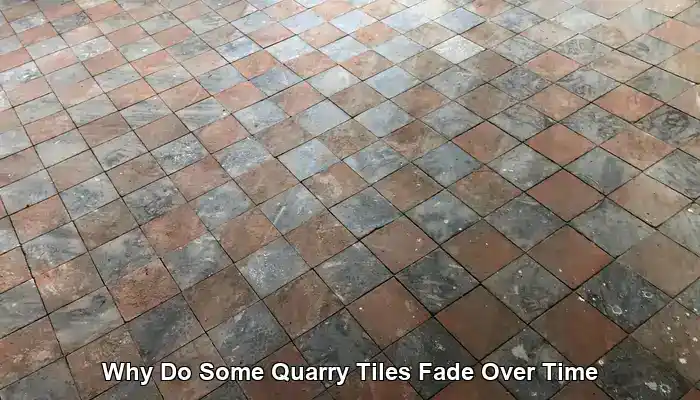
Quarry tiles are well-known for their exceptional durability, earthy aesthetics, and timeless appeal. Whether adorning a cozy kitchen floor or serving as the base for a sun-drenched patio, these dense, unglazed ceramic tiles are built to withstand heavy foot traffic and challenging environmental conditions. However, despite their sturdy reputation, many homeowners and property managers notice a gradual fading of color over the years, which can range from subtle to striking changes. This occurrence can be perplexing, particularly when tiles that once showcased vibrant reds, warm browns, or deep terracotta tones begin to look pale, patchy, or dull. Understanding this fading phenomenon is crucial for maintaining the visual charm of your quarry tiles.
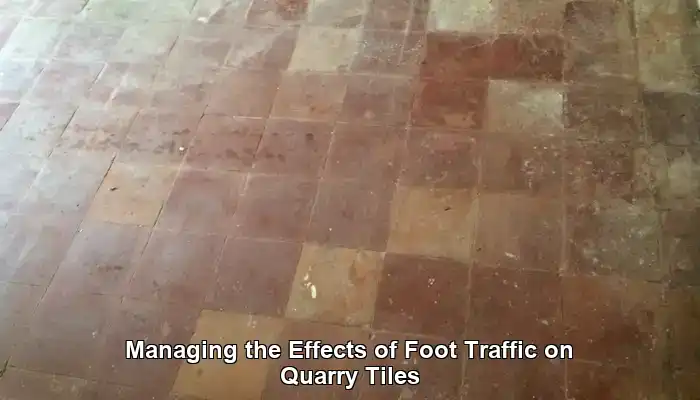
The fading of quarry tiles goes beyond simple aesthetics; it frequently signals more profound issues such as wear, environmental stress, or chemical damage. Outdoors, these tiles are subjected to relentless weathering from rain, frost, and temperature fluctuations that gradually erode their surface. The freeze-thaw cycle poses particular risks, as it can lead to micro-cracks and surface spalling, revealing lighter inner layers with rougher textures. Indoors, the scenario becomes equally intricate. High foot traffic can wear down the tile’s pigmented outer layer, exposing the inner body, which may include larger particles and different mineral colors. This natural layering means that once the surface is compromised, the color and texture can noticeably shift, resulting in a less appealing finish.
In addition to physical wear, chemical exposure is a significant factor in the fading of Quarry tiles. Strong cleaning agents, especially those that are acidic or alkaline, can weaken sealers and strip protective coatings. Over time, this vulnerability can lead to staining, efflorescence (the formation of salt deposits that lighten the surface), and the accumulation of dirt in new pits and abrasions. These combined factors contribute to a faded, uneven appearance that diminishes the original beauty of the tiles, highlighting the necessity for diligent maintenance practices.
Grasping the underlying causes of fading in quarry tiles is the essential first step toward preserving their character and extending their lifespan. In this article, we will explore the environmental, mechanical, and chemical causes of fading—both indoors and outdoors—and offer practical advice for prevention and restoration. Whether you are caring for a historic floor or simply aiming to maintain the beauty of your tiles, this guide will provide you with the knowledge necessary to decode the intricate science of quarry tile wear and deliver actionable insights for effective care.
Discover Essential Products for Routine Care and Maintenance of Quarry Tiles
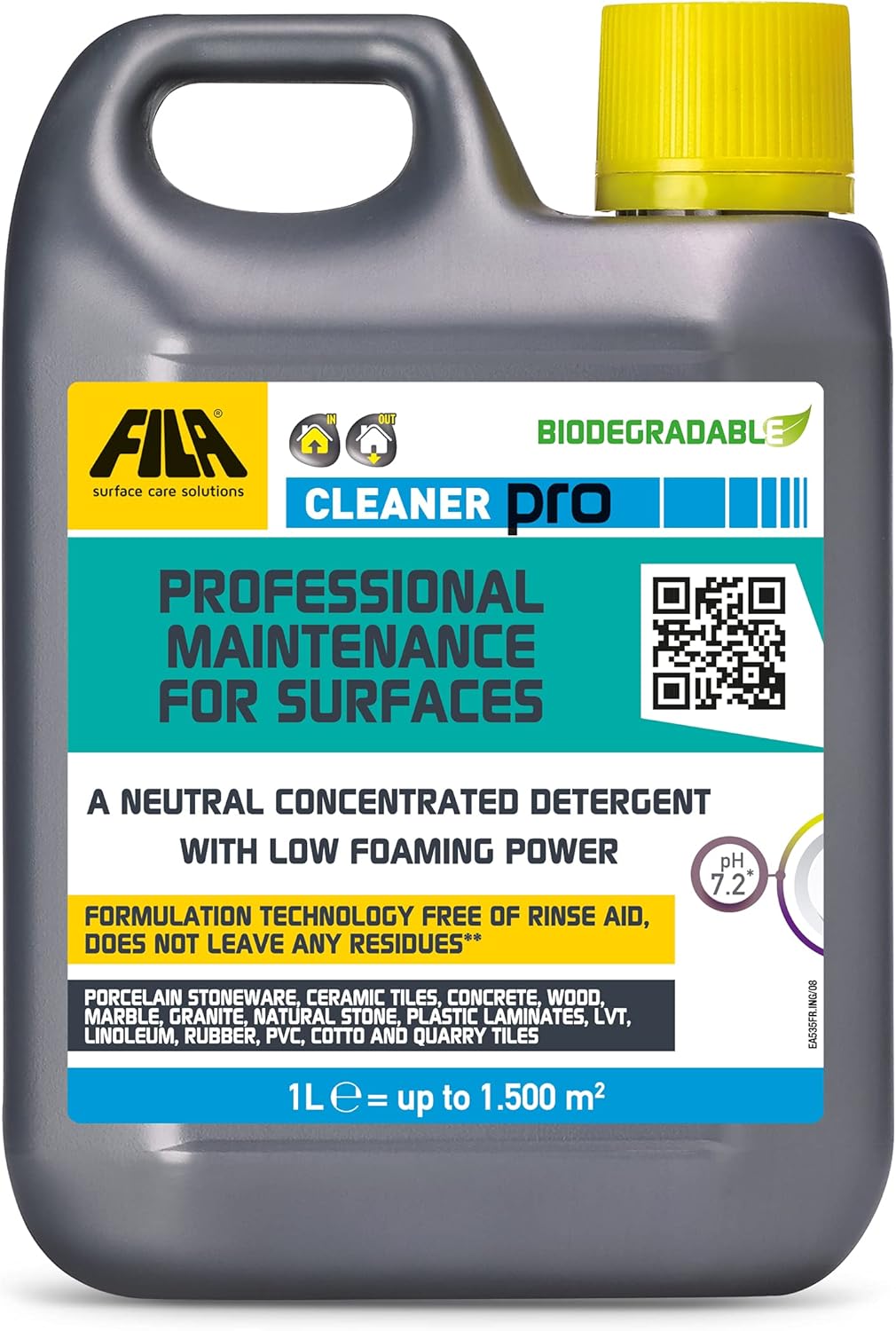
Fila Pro Floor Cleaner
|
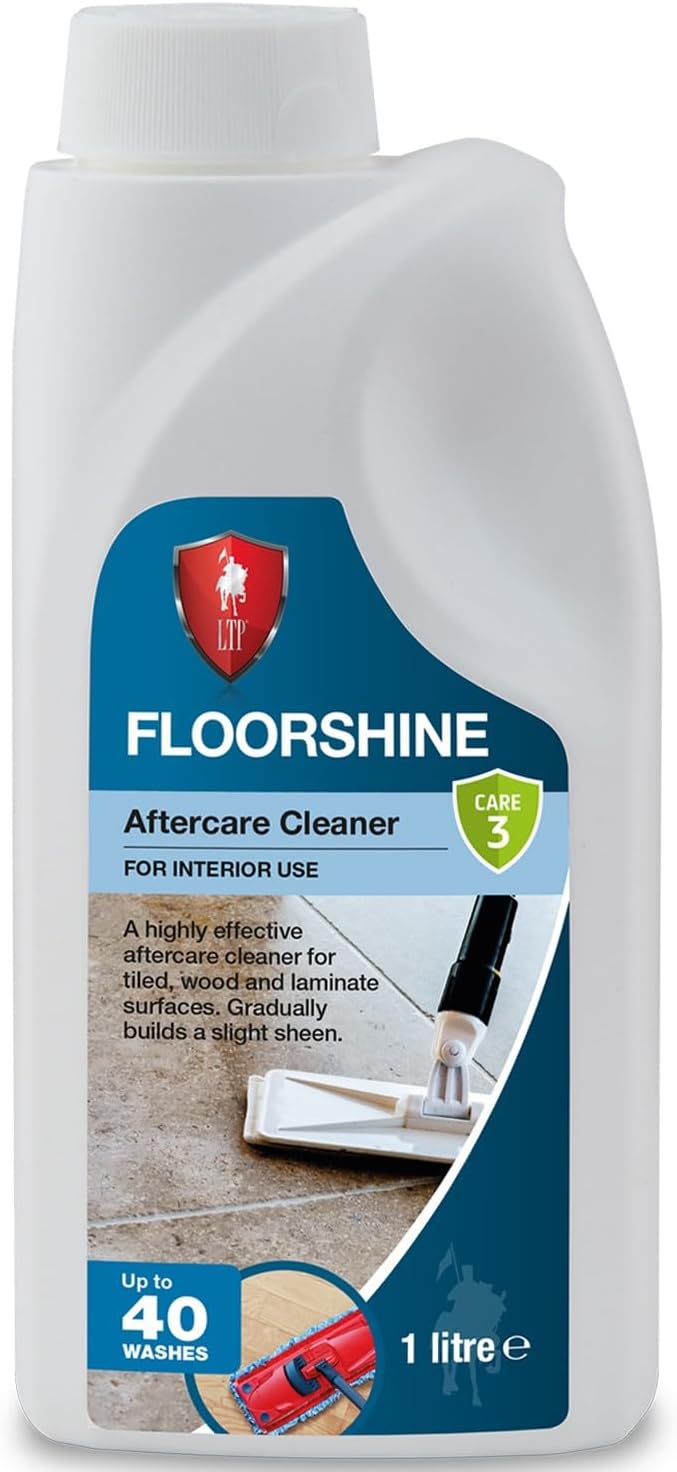
LTP Floorshine
|

Vileda H2PrO Spin Mop System
|
Examine Key Outdoor Factors That Lead to Quarry Tile Fading
Quarry tiles placed outdoors face a relentless array of environmental stressors that gradually erode their color and texture. Although these tiles are celebrated for their resilience, nature has a way of diminishing even the toughest surfaces over time, often resulting in significant visual changes.
How Does Weather Exposure Influence the Longevity of Quarry Tiles?
One major contributor to fading is weather exposure, particularly from rain and freeze-thaw cycles. Rainwater can infiltrate the porous surface of unsealed or inadequately sealed tiles, transporting minerals and contaminants that stain or leach color. When temperatures plummet, trapped moisture expands as it freezes, causing micro-cracks and surface flaking. This repeated freeze-thaw cycle unveils the tile’s inner body, which typically consists of lighter, less pigmented materials, leading to a diminished appearance that detracts from the overall aesthetic.
What Are the Consequences of Surface Wear and Layer Exposure?
Quarry tiles generally feature a dense outer crust that retains the most vibrant color. As this crust wears down—due to foot traffic, abrasion, or natural erosion—the inner layer becomes exposed. This underlying layer is usually rougher, containing larger aggregate particles and a lighter, more uneven color. The result is a patchy appearance that lacks the richness of the original surface, which can be frustrating for homeowners striving to maintain the integrity of their outdoor spaces.
How to Manage Chemical Damage in Outdoor Settings?
Outdoor cleaning frequently relies on potent chemicals to combat moss, algae, or dirt. Unfortunately, these strong solutions can erode sealers and strip away protective coatings, leaving the tiles vulnerable to the elements. Once the sealer is compromised, the tile becomes more susceptible to staining, mineral deposits, and accelerated wear. Over time, this chemical exposure contributes to fading and surface dullness, making it crucial to choose cleaning products with care to avoid long-term damage.
Recognize Indoor Factors That Accelerate Quarry Tile Fading
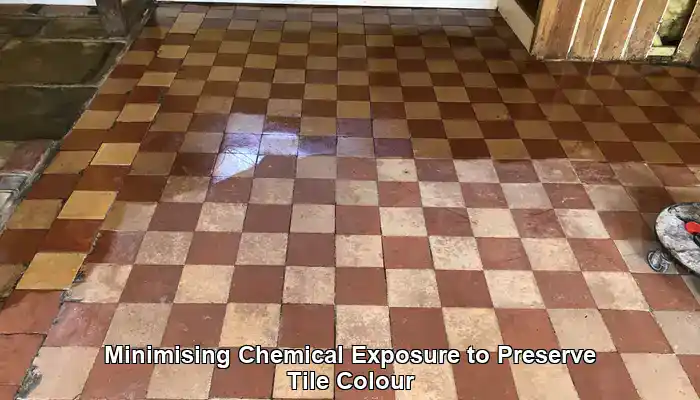
While outdoor quarry tiles are exposed to the elements, indoor tiles confront a distinct set of challenges that can be equally detrimental over time. From foot traffic to cleaning routines, the fading of indoor quarry tiles is typically a gradual, cumulative process driven by wear, surface breakdown, and chemical exposure, necessitating vigilant monitoring and regular maintenance.
What Is Abrasive Wear and Crust Loss in Quarry Tiles?
Quarry tiles are designed with a dense, pigmented outer crust that provides them with their rich color and smooth finish. Indoors, particularly in high-traffic areas such as kitchens, hallways, and commercial spaces, this crust gradually wears down. As the surface erodes, the inner body of the tile becomes exposed. This inner layer typically contains larger mineral particles and a more porous structure, resulting in a noticeable shift in color and texture. Earth-toned tiles may begin to appear mottled or faded, with lighter patches where the crust has thinned, detracting from the overall appeal of the space.
What Are the Effects of Surface Pitting and Soil Buildup?
As the surface begins to wear down, micro-abrasions and pits develop. These tiny indentations act as traps for soil, grease, and cleaning residues. Over time, the accumulation of grime within these pits leads to uneven staining and dullness. Even regular cleaning may not completely eliminate embedded dirt, resulting in a faded, blotchy appearance. This issue is particularly prevalent in older floors that have not been properly sealed or maintained, underscoring the importance of ongoing care and attention.
How Does Efflorescence and Mineral Migration Impact Indoor Tiles?
Efflorescence is another significant factor contributing to indoor tile fading. This phenomenon occurs when moisture beneath the tile migrates upward, carrying soluble salts to the surface. As the water evaporates, it leaves behind a white, powdery residue that lightens the tile’s appearance and can cause surface damage. Efflorescence is particularly common in areas with inadequate subfloor ventilation or where tiles are installed over damp concrete. If left unaddressed, it can deteriorate the tile’s surface and complicate cleaning, necessitating preventive measures to maintain tile integrity.
What Are the Implications of Chemical Overuse and Sealer Breakdown?
Indoor cleaning routines often rely on strong chemical agents—especially in commercial or food preparation areas. While these products may effectively remove grease and stains, they can also strip away sealers and protective coatings. Once the sealer is compromised, the tile becomes more porous and vulnerable to staining, wear, and further fading. Acidic or alkaline cleaners can even etch the surface, permanently altering its texture and color. Over time, repeated exposure to harsh chemicals accelerates the deterioration of both the tile and its finish, making it critical to choose appropriate cleaning methods.
What Are the Best Maintenance Practices to Preserve Tile Colour?
The fading of indoor quarry tiles is often preventable with diligent care. Using pH-neutral cleaners, sticking to a regular sealing schedule, and avoiding abrasive cleaning tools can significantly prolong the life and appearance of the tiles. For older floors showing signs of wear, professional restoration—including deep cleaning, re-sealing, and color enhancement—can help revive their original beauty and integrity, ensuring they continue to enhance your space.
Adopt Effective Prevention and Restoration Strategies for Quarry Tiles
Understanding the reasons behind quarry tiles fading is merely the beginning—the real value lies in acquiring knowledge to prevent it and restore their original beauty when wear inevitably occurs. Whether your tiles are situated indoors or outdoors, proactive maintenance and thoughtful restoration can significantly prolong their lifespan and retain their rich, earthy character.
Why Sealing Is the Essential First Line of Defence for Quarry Tiles?
One of the most effective strategies for preventing fading is through proper sealing. Quarry tiles are naturally porous, and without a protective barrier, they readily absorb moisture, dirt, and chemicals. A high-quality penetrating sealer fills the pores without creating a surface film, allowing the tile to breathe while repelling contaminants. For outdoor tiles, this protection is particularly crucial to guard against rain, frost, and algae. Indoors, sealing helps resist staining from spills, cleaning products, and foot traffic, ensuring that the tiles maintain their vibrancy and visual appeal.
Sealers should be reapplied consistently—typically every 1 to 3 years, depending on usage and environmental exposure. A simple water-drop test can determine when resealing is necessary: if water absorbs rather than beads on the surface, it’s time for a refresh, ensuring your tiles remain protected from the elements.
How to Clean Effectively: Choose Gentle, Non-Abrasive Products?
Routine cleaning is essential, but the cleaning products you select can significantly impact your tiles. Harsh chemicals, particularly acidic or alkaline cleaners, can deteriorate sealers and etch the tile surface. Over time, this leads to dullness, discoloration, and increased susceptibility to staining. Instead, opt for pH-neutral cleaners formulated specifically for stone or tile surfaces. These products gently lift dirt without compromising the tile’s integrity, thereby preserving their aesthetic appeal.
For stubborn grime or efflorescence, apply targeted treatments sparingly and always follow up with a thorough rinse. Avoid bleach, ammonia, and vinegar-based solutions, which may appear effective but can cause long-term damage, ensuring the longevity of your tiles.
What Maintenance Techniques Best Preserve Colour in Quarry Tiles?
Regular sweeping and damp mopping help prevent soil buildup and surface abrasion. Utilize soft-bristle brushes or microfiber pads instead of abrasive scrubbers, which can wear down the tile’s pigmented crust. In high-traffic areas, consider placing rugs or mats to mitigate direct wear—especially near entryways or kitchen workstations—to maintain the tiles’ pristine condition.
For outdoor tiles, exercise caution when pressure washing. While it can effectively remove surface dirt, excessive pressure may erode the tile or force water into cracks, worsening freeze-thaw damage. If you decide to use a pressure washer, keep the pressure low and the nozzle positioned at a safe distance to avoid damaging the tiles.
How Professional Restoration Can Revitalize Worn Tiles?
When fading becomes evident and routine maintenance is insufficient, professional restoration can yield striking results. Restoration specialists use a combination of deep cleaning, mechanical resurfacing, and color enhancement techniques to rejuvenate tired tiles, ensuring they regain their former splendor.
- Deep cleaning eliminates entrenched dirt, grease, and mineral deposits using specialized equipment and solutions tailored for quarry tiles.
- Mechanical honing or polishing smooths worn surfaces and restores texture, particularly on indoor tiles with surface pitting, preserving their overall appeal.
- Color enhancement sealers can enrich faded tones, especially in earth-toned tiles, by deepening the natural pigments without creating a glossy finish, thus restoring vibrancy.
In instances of severe wear, restoration may also involve regrouting, tile replacement, or applying protective coatings suited to the tile’s environment, ensuring their longevity.
What Does Strategic Long-Term Care for Quarry Tiles Involve?
Preventing future fading necessitates a long-term perspective that encompasses both routine maintenance and proactive measures. Establish a maintenance schedule that includes regular inspections, cleaning, and resealing. Educate household members or staff on proper cleaning techniques and the significance of using suitable products to ensure the tiles remain in excellent condition. For commercial spaces, consider collaborating with a floor care professional to develop a customized plan based on traffic levels and environmental factors.
If your tiles are part of a heritage property or hold historical significance, consult with conservation experts before initiating any restoration work. Preserving the authenticity of older quarry tiles often necessitates specialized techniques and materials to ensure that their historical integrity is maintained.
Acquire In-Depth Insights on Quarry Tile Care
Quarry tiles are celebrated for their rugged beauty and lasting charm, yet even the most durable materials are vulnerable to the effects of time. Whether subjected to the harshness of outdoor weather or the constant wear of indoor foot traffic, fading is a natural result of environmental stress, mechanical abrasion, and chemical exposure. From the erosion of the tile’s pigmented crust to the subtle impacts of efflorescence and surface pitting, each factor contributes to diminishing the tile’s original vibrancy.
Fortunately, fading does not have to be permanent. With adequate knowledge and care—regular sealing, gentle cleaning, and professional restoration when necessary—quarry tiles can retain their color and character for decades. Understanding the causes of fading empowers homeowners, property managers, and restoration specialists to take proactive measures that preserve both the aesthetic and structural integrity of these timeless surfaces. By implementing effective maintenance strategies, you can ensure your quarry tiles continue to enhance your home or property for many years to come.
Frequently Asked Questions about Quarry Tile Care
Can faded quarry tiles be effectively restored?
Yes, quarry tiles can often be restored through deep cleaning, resealing, or even professional refinishing techniques, depending on the extent of the fading. Homeowners should explore their options for restoring the beauty of their tiles, ensuring they regain their original charm.
What is the recommended cleaning frequency for quarry tiles?
Regular sweeping should be conducted weekly, with deeper cleaning performed every few months to maintain their appearance and prevent fading. Establishing a routine will help protect their vibrancy, ensuring they remain visually appealing.
Are there specific sealants designed for quarry tiles?
Yes, specialized sealants formulated specifically for quarry tiles offer protection against moisture and UV rays, enhancing their longevity and appearance. Homeowners should consult professionals for recommendations tailored to their specific tiles.
What cleaning products should be avoided on quarry tiles?
Avoid using acidic cleaners, harsh chemicals, and abrasive scrubbers, as these can damage the tile surface and contribute to fading. Opt for gentle, tile-safe products instead to maintain their integrity.
How can I tell if my quarry tiles require resealing?
If water no longer beads on the surface or if tiles appear dull and stained, it may be time to reseal. Regular checks can help maintain optimal protection and ensure that the tiles remain in good condition.
Does indoor lighting influence the fading of tiles?
Indirect indoor lighting generally has less impact than UV rays, but prolonged exposure to bright light can contribute to gradual fading. Homeowners should consider lighting options when designing spaces to minimize potential fading.
Can I use a steam cleaner on quarry tiles?
Steam cleaners can be too harsh for quarry tiles, potentially damaging their surface. It’s best to adhere to recommended cleaning methods to maintain their integrity and appearance over time.
Are some quarry tiles more prone to fading than others?
Yes, tiles made from lower-quality materials or pigments may fade more quickly compared to those made from superior materials. Homeowners should prioritize quality to ensure longevity and resistance to fading.
Does foot traffic significantly impact the lifespan of quarry tiles?
High foot traffic can lead to wear and tear, accelerating fading and increasing the need for maintenance. Homeowners should adopt strategies to effectively manage foot traffic, ensuring the tiles remain in good condition.
Is it possible to completely prevent fading in quarry tiles?
While it is challenging to prevent fading entirely, regular maintenance, proper sealing, and selecting quality products can significantly minimize color loss over time, helping to preserve the tiles’ appeal.
The Article Why Do Some Quarry Tiles Fade Over Time: A Guide first found on https://www.abbeyfloorcare.co.uk
The Article Quarry Tiles Fade Over Time: Understanding the Causes appeared first on https://fabritec.org
The Article Understanding the Causes of Quarry Tile Fade Over Time Was Found On https://limitsofstrategy.com