In-Depth Exploration of Cholesterol Blood Tests: Vital Information for Your Heart Health
Discover the Essential Metrics Assessed in Cholesterol Blood Tests
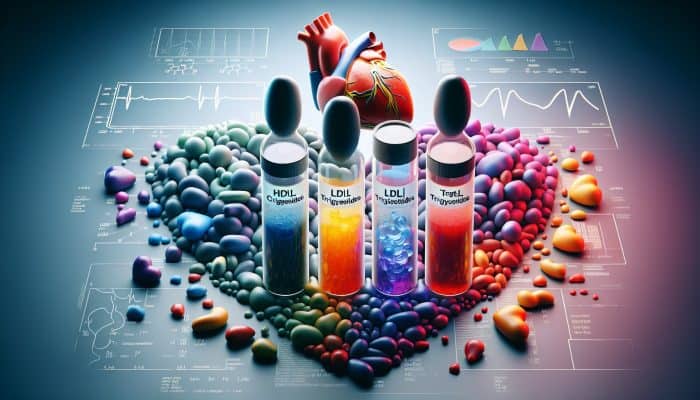
A cholesterol blood test is an indispensable diagnostic tool that evaluates various types of lipids in your bloodstream, offering crucial insights into your cardiovascular health. The test primarily assesses key components such as High-Density Lipoprotein (HDL), Low-Density Lipoprotein (LDL), and triglycerides. Understanding these lipid types is essential for determining your risk for <a href="https://limitsofstrategy.com/heart-disease-prevention-for-women-a-guide-for-the-uk/">heart disease</a> and serious cardiovascular diseases. By gaining knowledge about these metrics, you can take proactive steps to improve your heart health through informed lifestyle modifications and regular monitoring.
The test evaluates:
- HDL cholesterol: Often referred to as “good” cholesterol, higher levels of HDL can significantly protect you from heart disease.
- LDL cholesterol, commonly known as “bad” cholesterol, is associated with a higher risk of cardiovascular complications.
- Triglycerides: Elevated triglyceride levels can increase the risk of heart disease and are frequently linked to conditions such as obesity and diabetes.
- Total cholesterol: This figure represents the overall sum of your HDL, LDL, and triglycerides, providing a comprehensive overview of your cholesterol health.
- Non-HDL cholesterol: This measurement includes all cholesterol types except HDL, offering additional insights into your heart health.
Grasping these metrics is critical; they allow your healthcare provider to evaluate risk factors and create a personalized health plan tailored specifically to your unique needs and medical conditions.
The Significant Role of Regular Cholesterol Testing in Your Health Journey
<pConsistent cholesterol testing is fundamental for maintaining optimal heart health and preventing serious cardiovascular diseases. As individuals grow older, the likelihood of developing elevated cholesterol levels increases, making routine monitoring essential. Since high cholesterol often occurs without noticeable symptoms, regular testing serves as a proactive approach to preserving your health and well-being.
Moreover, early detection of abnormal cholesterol levels enables timely interventions, which may involve lifestyle adjustments or medication. Such proactive measures can dramatically decrease the risk of severe heart issues, such as heart attacks and strokes. Regular testing not only benefits individual health but also supports broader public health initiatives aimed at lowering the incidence of cardiovascular diseases nationwide.
How Frequently Should You Schedule Cholesterol Testing for Optimal Health?
The frequency of cholesterol testing depends on several factors, including your age, family history, and any pre-existing health conditions. Generally, adults over the age of 40 should consider evaluating their cholesterol levels every five years. However, individuals with specific risk factors—such as a family history of high cholesterol or existing cardiovascular conditions—should consult their GP to discuss a personalized testing schedule. Maintaining open communication with your healthcare provider is crucial, as they can provide tailored advice based on your health profile and circumstances.
Valuable Insights from Specialists on Cholesterol Blood Tests Available in Slough

Current Recommendations from Health Experts Regarding Cholesterol Testing
Recent guidelines from UK health authorities highlight the importance of more frequent cholesterol testing for individuals with a family history of high cholesterol or existing cardiovascular conditions. Local health professionals in Slough, including practitioners at the Slough Health Centre, strongly advocate for proactive screening, especially in communities where high cholesterol rates are prevalent.
For instance, a related case study revealed that residents participating in community health screenings experienced a 25% increase in the early identification of high cholesterol levels compared to those who did not participate. Such findings emphasize the necessity of regular check-ups, particularly among demographic groups at higher risk for heart disease. Collaborating with healthcare professionals familiar with local health challenges can significantly enhance community health outcomes.
How to Accurately Interpret Your Cholesterol Test Results
Understanding your cholesterol test results requires a clear comprehension of what your numbers signify in relation to established health standards. For HDL, higher levels (above 1.0 mmol/L for men and above 1.2 mmol/L for women) are regarded as protective against heart disease. In contrast, the ideal LDL level typically remains below 3.0 mmol/L, with lower values recommended for individuals at an increased risk of heart disease.
Triglycerides should ideally be maintained below 1.7 mmol/L. A healthcare provider can assist in explaining your specific results, placing them within the context of your overall health profile. Knowing your cholesterol numbers is essential, as it empowers you to make informed decisions regarding dietary changes, exercise routines, or the potential need for medication.
Where Can You Access Reliable Cholesterol Testing Services in Slough?

In Slough, a variety of clinics and GP surgeries provide trustworthy cholesterol blood testing services. Notable establishments include The Wexham Park Hospital and several local GP practices recognized for delivering excellent patient care. When selecting a testing facility, consider factors such as the clinic’s accreditation, patient feedback, and the qualifications of the healthcare team.
Choosing a reputable service is crucial for obtaining accurate results, which will guide any necessary lifestyle changes or medical interventions. It is prudent to contact the clinic in advance to inquire about their testing methods, anticipated turnaround time for results, and any associated fees. This diligence will help ensure a smooth and stress-free testing experience.
Key Preparatory Steps for Your Cholesterol Blood Test
Is Fasting Required Before Undergoing the Test?
Fasting for 9-12 hours prior to a cholesterol test is commonly recommended to ensure the precision of your results. While some contemporary guidelines suggest that fasting may not always be necessary, many healthcare providers in Slough continue to endorse this practice, especially for patients undergoing a comprehensive lipid panel.
Fasting aids in eliminating any temporary fluctuations in cholesterol levels that may occur after recent meals, thereby providing a clearer representation of your baseline cholesterol readings. If you are uncertain about the requirements, it is advisable to consult your GP or the testing facility for specific fasting instructions prior to your cholesterol test.
What Substances Should You Avoid Before Testing to Ensure Accurate Results?
Before your cholesterol test, it is wise to avoid certain substances that could negatively influence your results. Specifically, it is advisable to refrain from consuming alcohol and high-fat foods for at least 24 hours before your appointment. These items can temporarily elevate your cholesterol levels, potentially leading to misleading conclusions.
Maintaining a balanced diet rich in fruits, vegetables, and whole grains in the days leading up to your test can help ensure that your cholesterol levels accurately reflect your true health status. Additionally, staying well-hydrated by drinking water is beneficial, as it can facilitate an easier blood draw.
What Should You Expect During the Cholesterol Testing Procedure?
The cholesterol blood test is a straightforward procedure that involves a quick blood draw, typically taken from the arm. A healthcare professional will cleanse the area with an antiseptic wipe and insert a needle into a vein to collect a small blood sample. The entire process generally lasts just a few minutes and causes minimal discomfort.
Once the blood is drawn, you may be instructed to apply pressure to the site to minimize any bleeding. Typically, your results will be available within a few days, allowing your healthcare provider to discuss them with you during a follow-up appointment. The simplicity of this procedure belies its crucial role in effectively monitoring your heart health.
How Can You Manage Pre-Test Anxiety Effectively?
It is completely normal for many individuals to experience anxiety before undergoing a cholesterol blood test. To alleviate this discomfort, practice deep breathing techniques to calm your nerves before your appointment. Visualizing a positive experience or listening to soothing music can also create a more relaxed atmosphere for your visit.
Additionally, discussing your concerns with a trusted friend or family member can provide emotional support, making the experience feel less intimidating. Remember, this test is a proactive step toward better health, and managing your anxiety effectively can enhance your overall testing experience.
The Advantages of Regular Cholesterol Testing for Your Health
How Consistent Testing Aids in Heart Disease Prevention
Regular cholesterol testing is vital for the early detection and management of elevated cholesterol levels, which are significant risk factors for heart disease and stroke. By promptly identifying elevated cholesterol levels, healthcare providers can collaborate with patients to implement lifestyle changes or pharmacological treatments that substantially lower these risks.
For instance, a recent health initiative in Slough reported that individuals who consistently monitored their cholesterol levels experienced a 30% reduction in the rate of heart disease over a five-year span. Such statistics underscore the crucial role of routine testing in enabling timely responses to health concerns, ultimately promoting healthier outcomes.
Can Consistent Testing Improve Your Overall Health and Well-Being?
Monitoring and managing your cholesterol levels through regular testing can lead to enhanced overall health and longevity. Elevated cholesterol levels are often associated with other health issues, such as obesity and diabetes. By effectively managing your cholesterol, you are likely to decrease the risk of these related conditions as well.
Health-promoting lifestyle modifications prompted by cholesterol testing, including dietary changes and increased physical activity, not only benefit your heart health but also contribute to overall well-being. Individuals who adopt such health-conscious behaviors frequently report higher energy levels and improved mental health.
What Lifestyle Modifications May Be Suggested Based on Your Results?
Based on your cholesterol test results, your healthcare provider may recommend various lifestyle modifications tailored to your specific needs. Common suggestions include adopting a heart-healthy diet rich in fruits, vegetables, whole grains, and healthy fats. Specifically reducing saturated and trans fats is vital for lowering LDL cholesterol levels.
Increased physical activity is also typically encouraged. Aim for at least 150 minutes of moderate-intensity exercise each week, as this can effectively reduce LDL cholesterol while enhancing HDL cholesterol levels. In some cases, medication may be necessary to help manage cholesterol levels, depending on your individual risk factors and overall health status.
How Frequently Should You Schedule Cholesterol Testing to Monitor Your Health?
The frequency of cholesterol testing should be personalized based on your health profile and risk factors. For most adults, testing every five years is standard; however, individuals with elevated risk factors, such as obesity or a family history of high cholesterol, may require more frequent evaluations.
Your healthcare provider will serve as the best resource in determining how often you should be tested, considering your specific circumstances and prior results. Staying proactive about your cholesterol levels is essential for maintaining optimal heart health.
What Do Your Cholesterol Test Results Indicate About Your Health?
Understanding your cholesterol test results is vital for making informed health decisions. There are ideal ranges for HDL, LDL, and triglycerides, and knowing where you stand within these categories can guide you toward appropriate actions. For instance, if your LDL levels are elevated, your healthcare provider may recommend dietary changes, increased exercise, or medication.
By comprehending these results, you empower yourself to take control of your health. If your levels fall within a healthy range, it may simply require ongoing efforts to maintain those numbers through continued healthy living. Regular engagement with your healthcare provider will help ensure that you remain informed and proactive about your cardiovascular health.
Evidence-Based Benefits of Cholesterol Blood Testing Available in Slough
What Does Current Research Reveal About Cholesterol Testing?
Research indicates that regular cholesterol testing significantly impacts heart health management among the UK population. One study found that individuals participating in routine cholesterol screenings were notably more likely to receive timely interventions, leading to improved heart health outcomes.
It is crucial to reflect on how these statistics can inform actionable strategies. When interpreting your cholesterol data, consider factors such as age, family history, and lifestyle choices. A proactive approach involves not only understanding your numbers but also implementing changes based on that information, effectively fostering better health outcomes.
How Has Cholesterol Testing Shaped Public Health Initiatives?
The growing accessibility and awareness of cholesterol testing have significantly contributed to a decline in heart disease rates across the UK. National health campaigns have effectively raised awareness about the dangers of high cholesterol, encouraging more individuals to seek testing and take proactive steps to manage their health.
In Slough, community outreach programs focusing on heart health have attracted participation from diverse demographics, resulting in enhanced screening rates and improved cholesterol management within the population. This shift illustrates the broader impact of accessible healthcare on public health metrics and outcomes.
Are There Local Initiatives Promoting Regular Cholesterol Testing?
Local health initiatives in Slough actively promote regular cholesterol testing as part of comprehensive community health efforts. Campaigns organized by organizations such as the Slough Borough Council have played a crucial role in educating residents about the importance of monitoring cholesterol levels.
These initiatives often include free testing events and educational workshops, providing residents with essential information regarding heart health. By advocating for regular screenings, these local efforts aim to cultivate a healthier population and reduce the prevalence of heart-related diseases within the community.
Effective Strategies for Cholesterol Blood Testing in Slough
How to Select the Best Facility for Your Cholesterol Testing?
Choosing the right clinic or GP surgery for cholesterol testing is essential for obtaining accurate results and quality healthcare. When evaluating potential facilities in Slough, consider their accreditation, staff qualifications, and patient reviews. Prioritize facilities known for reliability and accuracy in their testing processes.
Additionally, consider the convenience of location and accessibility. A facility that offers flexible hours and easy appointment scheduling can simplify the testing process. Investing time in researching and selecting a facility that meets your health needs will ensure a positive testing experience and optimal care.
What Follow-Up Actions Should You Take After Receiving Your Test Results?
Once you receive your cholesterol test results, it is crucial to consult with a healthcare professional to discuss your next steps. Depending on your cholesterol levels, recommended actions may involve lifestyle modifications, such as dietary changes and increased physical activity, or potentially the need for medication management.
Regular follow-up consultations enable ongoing monitoring of your cholesterol levels, allowing for timely adjustments to your health plan as required. This collaborative approach with your healthcare provider is vital for maintaining optimal heart health and preventing potential complications.
How to Sustain Healthy Cholesterol Levels for Long-Term Health?
Maintaining healthy cholesterol levels necessitates a comprehensive approach that includes a balanced diet, regular exercise, and, in some cases, medication. Focus on consuming heart-healthy foods rich in omega-3 fatty acids, fiber, and antioxidants while minimizing saturated and trans fats.
Incorporating physical activity into your daily routine—such as walking, cycling, or swimming—can significantly impact your cholesterol levels. Routine monitoring through regular testing also guarantees that any deviations from healthy levels are promptly addressed, enabling necessary interventions.
How Frequently Should You Schedule Cholesterol Testing Moving Forward?
The frequency of cholesterol testing should be customized to your personal health profile and risk factors. For most adults, testing every five years is standard; however, individuals with higher risk factors may require more frequent assessments. Consult your healthcare provider to establish a testing schedule that aligns with your health history and current medical conditions.
By remaining committed to regular testing, you can maintain an informed approach to your heart health, facilitating timely interventions and adjustments to your lifestyle or treatment plan as necessary.
What Are the Financial Considerations Associated with Cholesterol Testing?
Understanding the costs associated with cholesterol testing in Slough is essential for effective health management. While many GP surgeries provide cholesterol testing as part of routine care under the NHS, private clinics may have varying fees for consultations and tests.
It is vital to inquire about potential costs in advance, including any follow-up appointments or additional testing that might be necessary. Being aware of these financial implications can help you plan accordingly, ensuring that you prioritize your heart health without facing unexpected financial burdens.
Frequently Asked Questions About Cholesterol Blood Testing
What Does a Cholesterol Blood Test Include?
A cholesterol blood test evaluates the levels of cholesterol and triglycerides in your blood to assess your risk for heart disease.
How Often Should I Have My Cholesterol Levels Evaluated?
Adults generally should undergo cholesterol testing every five years, but those with risk factors may require more frequent evaluations.
What Do HDL and LDL Cholesterol Levels Indicate About My Health?
HDL is often termed “good” cholesterol because it helps remove other forms of cholesterol from the bloodstream. Conversely, LDL is considered “bad” cholesterol due to its association with plaque buildup in arteries.
Is Fasting Necessary Prior to My Cholesterol Test?
Fasting for 9-12 hours is typically recommended for accurate results, although some tests may be conducted without fasting.
What Lifestyle Changes Can Effectively Lower Cholesterol Levels?
Adopting a heart-healthy diet, increasing physical activity, and reducing saturated fat intake can significantly assist in lowering cholesterol levels.
What Are Triglycerides, and Why Are They Important for My Health?
Triglycerides are a form of fat present in your blood; elevated levels can increase the risk of heart disease and are often correlated with obesity.
How Can I Understand My Cholesterol Test Results?
Interpreting your cholesterol results involves being aware of the ideal ranges for HDL, LDL, and triglycerides, which your healthcare provider can explain in detail.
Are There Any Risks Associated with Cholesterol Testing?
Cholesterol testing is generally safe. The primary risk involves minor discomfort from the blood draw, with minimal potential for complications.
What Actions Should I Take If My Cholesterol Levels Are Elevated?
Consult your healthcare provider for a personalized action plan, which may include lifestyle changes or medications to help manage your cholesterol levels.
Where Can I Obtain a Cholesterol Blood Test in Slough?
You can access a cholesterol blood test at various clinics and GP surgeries throughout Slough, including reputable local hospitals and healthcare centers.
Connect with us on Facebook!
This Article Was First Found On https://bloodtest.co.uk
The Article Cholesterol Blood Test: A Health Guide for Slough Residents Was Found On https://limitsofstrategy.com