Why Regular Cholesterol Testing Is Essential for Maintaining Optimal Heart Health
Understanding the Critical Importance of Routine Cholesterol Testing in Your Health Journey

Cholesterol Blood Test in Beverley: Consistently monitoring your cholesterol levels is vital for maintaining your heart health at its peak. Engaging in regular cholesterol testing serves as an invaluable tool for the early detection of potential health issues. Elevated cholesterol levels significantly heighten the risk of cardiovascular diseases, which are recognized as leading causes of morbidity and mortality in the UK. By diligently tracking this essential health parameter, individuals can take proactive measures to manage their cholesterol effectively, thus improving their overall well-being. The knowledge gained from these tests can lead to timely interventions, necessary lifestyle changes, and any medical treatments needed to mitigate the long-term risks associated with high cholesterol levels.
In addition, cholesterol testing should be viewed as an ongoing commitment rather than a one-off event; this continuous monitoring facilitates the identification of changes over time. For residents of Beverley, understanding their cholesterol implications empowers them to actively manage their health. Embracing regular testing not only enhances heart health outcomes but also fosters a profound sense of accountability towards personal wellness.
 What Is the Ideal Frequency for Cholesterol Testing?
The timing for cholesterol testing can vary based on numerous personal factors, including age, pre-existing health conditions, and family history of heart disease. Generally, it is recommended that adults undergo cholesterol testing every 4 to 6 years. However, individuals with elevated risk factors, such as obesity, diabetes, or a familial tendency towards cardiovascular issues, may require testing more frequently. Residents in Beverley are advised by local health guidelines that align with national recommendations, encouraging individuals to commence cholesterol testing at the age of 40.
For those already diagnosed with high cholesterol or possessing significant risk factors, annual testing is strongly recommended. Engaging with a healthcare professional to assess personal risk factors and establish an appropriate testing schedule is crucial. Regular consultations with GP practices empower individuals to stay informed about their cholesterol management and take necessary actions.
What Are the Advantages of Early Detection of High Cholesterol Levels?
The benefits of identifying high cholesterol levels early are substantial and cannot be overstated. Early detection of cholesterol issues provides individuals with the opportunity to implement lifestyle changes that can significantly reduce their risk of developing severe health complications, including heart disease and stroke. Timely interventions enable dietary adjustments, increased physical activity, and the commencement of pharmacological treatment as needed.
In Beverley, local public health initiatives emphasize the critical importance of early detection, suggesting that individuals who participate in regular testing are more likely to comprehend their cardiovascular health status. This increased awareness leads to improved health management outcomes and promotes a proactive approach to personal health. The long-term advantages of early detection of high cholesterol encompass not only enhanced heart health but also an improved quality of life and greater longevity.
Valuable Insights from Experts on Cholesterol Testing and Management in Beverley

What Knowledge Do Healthcare Professionals Share About Cholesterol Management?
Healthcare professionals in Beverley have observed a significant enhancement in patient outcomes associated with the practice of regular cholesterol blood testing. For instance, a recent local case study featured a patient who discovered elevated cholesterol levels following a routine test, prompting immediate lifestyle changes. Under the guidance of healthcare experts, this individual adopted a heart-healthy diet and increased physical activity, resulting in a remarkable reduction in cholesterol levels within a few months.
These real-life scenarios underline the necessity for regular testing and continuous follow-up care. Experts advocate for a comprehensive strategy that integrates not only initial testing but also ongoing monitoring and support. Healthcare providers in Beverley emphasize that regular cholesterol testing forms a foundational element of cardiovascular health, especially within communities grappling with lifestyle-related health challenges.
How Can Healthcare Professionals Assist You in Managing Your Cholesterol Levels?
Upon receiving your cholesterol test results, consulting with a healthcare professional is crucial for effectively interpreting these findings and recommending actionable steps tailored for individuals in Beverley. If test results reveal elevated cholesterol levels, it is advisable to arrange a consultation with a GP to discuss subsequent measures. These may encompass lifestyle modifications, dietary changes, and potential medication options.
Implementing lifestyle changes is vital for effective cholesterol management. This could involve adopting a diet rich in fruits, vegetables, and whole grains while minimizing saturated fats and sugars. Regular exercise is equally important; experts recommend striving for at least 150 minutes of moderate exercise weekly. Furthermore, individuals should consistently monitor their cholesterol levels to track their progress. Community resources, such as health workshops and support groups in Beverley, can provide additional motivation and valuable information to aid in this journey.
What Are the Current Guidelines for Effective Cholesterol Management?

The latest recommendations for cholesterol management stress the necessity of a personalized approach that takes into account individual risk profiles and health conditions. Experts advise Beverley residents to adhere to these guidelines, which advocate for regular monitoring of cholesterol levels as part of a thorough assessment of cardiovascular health risks. Recent guidelines also highlight the significance of dietary counseling and lifestyle modifications as primary interventions before considering medication for individuals with mildly elevated cholesterol levels.
Moreover, recent studies endorse specific dietary approaches, such as the Mediterranean diet, characterized by healthy fats, which can effectively assist in managing cholesterol levels. Healthcare providers in Beverley are encouraged to stay informed about these evolving guidelines to offer their patients the most effective strategies for cholesterol management and promoting heart health.
Understanding Your Cholesterol Levels and Decoding Test Results
What Do Your Cholesterol Numbers Indicate About Your Overall Health?
Interpreting cholesterol numbers is critical for assessing your risk of heart health issues. Cholesterol levels are generally reported in millimoles per litre (mmol/L) and encompass total cholesterol, low-density lipoprotein (LDL), high-density lipoprotein (HDL), and triglycerides. In general, total cholesterol levels below 5.0 mmol/L are considered desirable, while levels exceeding 6.0 mmol/L may indicate an increased risk for heart disease.
LDL, commonly known as ‘bad’ cholesterol, ideally should be below 3.0 mmol/L, as elevated levels are associated with plaque buildup in the arteries. Conversely, HDL, recognized as ‘good’ cholesterol, should exceed 1.0 mmol/L, given its crucial role in transporting cholesterol away from the bloodstream. Triglycerides, another form of fat present in the blood, should ideally remain below 1.7 mmol/L for optimal health. Understanding these figures empowers individuals to take control of their cardiovascular health and engage in informed discussions with their healthcare providers in Beverley.
How Can You Effectively Interpret Your Cholesterol Test Results?
Interpreting cholesterol test results can initially seem overwhelming; however, with appropriate guidance, it becomes manageable. After receiving results, individuals should compare their numbers against established healthy ranges. If total cholesterol or LDL levels exceed recommended thresholds, it may indicate a need for lifestyle changes or medical intervention.
Engaging with a GP in Beverley is essential for comprehending the implications of these results. Healthcare professionals can provide detailed explanations regarding what the numbers signify and suggest an appropriate course of action. It is crucial to remember that cholesterol levels represent just one facet of heart health; other factors, such as blood pressure and family history, should also be considered when evaluating overall risk.
What Factors Can Influence Your Cholesterol Levels?
Cholesterol levels are affected by a combination of dietary habits, lifestyle choices, genetics, and existing medical conditions. Diet plays a pivotal role; high consumption of saturated and trans fats can elevate LDL cholesterol levels. Conversely, a diet abundant in omega-3 fatty acids, fiber, and antioxidants can help lower cholesterol levels and enhance heart health.
Physical activity is another significant factor; regular exercise elevates HDL cholesterol while lowering LDL cholesterol and triglycerides. Genetic factors also play a crucial role; conditions such as familial hypercholesterolemia can lead to significantly elevated cholesterol levels regardless of dietary habits or lifestyle. Additionally, certain medical conditions, such as diabetes and hypothyroidism, can adversely affect cholesterol levels. Understanding these influences enables individuals to implement targeted strategies for effective cholesterol management.
Where to Find Cholesterol Blood Testing Services in Beverley
Local GP Practices Providing Cholesterol Testing
Numerous GP practices in Beverley include cholesterol blood testing as part of routine health evaluations. The first step in scheduling an appointment to evaluate your cholesterol levels is to reach out to your local surgery. Most practices are well-equipped to conduct these tests efficiently, often as part of a comprehensive health assessment that considers other cardiovascular risk factors.
Local GPs play a vital role in guiding patients through the assessment process, helping them understand the significance of regular testing as a means of maintaining heart health. After the test, healthcare professionals can thoroughly discuss the results, offering valuable recommendations tailored to each individual’s specific health needs.
Private Clinics Specializing in Cholesterol Testing
Beverley is home to several private clinics that provide cholesterol testing services. Many of these clinics offer quicker results and more detailed analyses compared to traditional GP practices. This can be particularly beneficial for individuals seeking immediate feedback on their health status. When considering a private clinic, it is wise to research the services they provide, compare costs, and read reviews from other patients to ensure high-quality care.
Some clinics also offer comprehensive health packages that include cholesterol testing alongside other relevant assessments, providing a holistic view of one’s cardiovascular health. This option can be especially appealing for those prioritizing convenience and speed in obtaining their test results.
NHS Health Checks and Screenings for Residents
Residents of Beverley aged between 40 and 74 are eligible for free NHS Health Checks, which encompass cholesterol testing, every five years. These checks are designed to evaluate the risk of developing heart disease, stroke, type 2 diabetes, and kidney disease. Scheduling an appointment at a local health centre is straightforward and offers a valuable opportunity for early detection and management of potential health risks.
NHS Health Checks serve as an excellent resource for residents, ensuring broad access to essential health screenings. Participating in these checks not only helps individuals stay informed about their health but also fosters community awareness regarding the importance of monitoring cholesterol and other key health indicators.
Community Pharmacies Offering Cholesterol Testing Services
In Beverley, numerous pharmacies provide cholesterol blood testing services, offering a convenient option for individuals wishing to monitor their levels without the need for a GP appointment. These tests are often quick and can be performed in-store, making them an ideal choice for those with busy lifestyles.
When opting for pharmacy testing, it is wise to confirm the availability of services beforehand and inquire about the specific procedures involved. Some pharmacies may also provide additional resources or guidance on lifestyle changes post-test, further supporting individuals in effectively managing their cholesterol levels.
Preparing for Your Cholesterol Blood Test: Key Steps
What Preparations Are Required Before Undergoing the Test?
Preparation for a cholesterol blood test is essential to ensure accurate results. Most healthcare professionals advise fasting for 9 to 12 hours prior to the test, meaning no food or drink should be consumed except for water. This fasting period allows for a more precise evaluation of cholesterol levels, free from the influence of recent dietary intake.
It is equally important to continue taking prescribed medications unless instructed otherwise by your GP. Certain individuals may be advised to avoid specific supplements or medications that could impact cholesterol levels in the days leading up to the test. Consulting with a healthcare professional in Beverley for personalized advice tailored to your health situation is crucial.
What Can You Expect During the Cholesterol Testing Procedure?
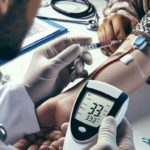
The cholesterol blood test is a straightforward process that involves drawing blood, typically from the arm. In Beverley, trained nurses or phlebotomists perform the test, ensuring it is completed quickly and efficiently. Most patients report minimal discomfort, akin to a slight prick, and the entire procedure usually takes only a few minutes.
After the blood draw, samples are sent to a laboratory for analysis. Patients are typically informed about what to expect regarding the timeline for results, and they may be advised on when to follow up for their findings. This simplicity and efficiency make cholesterol testing accessible and manageable for everyone.
What Is the Average Wait Time for Cholesterol Test Results?
In Beverley, results from a cholesterol blood test are generally available within a few days. Many healthcare providers will reach out directly to inform patients when results are ready, providing an opportunity for a follow-up appointment to discuss the findings.
This prompt feedback is crucial for individuals eager to understand their cholesterol levels and take necessary steps to enhance their heart health. In some instances, patients may receive results through an online portal, allowing for even quicker access and facilitating ongoing management of their health.
Effective Lifestyle Changes for Managing Cholesterol Levels
What Dietary Adjustments Can Support Cholesterol Management?
Diet plays a pivotal role in effectively managing cholesterol levels. A heart-healthy diet characterized by low saturated fats and high fiber is essential for optimal cholesterol control. Incorporating a greater variety of fruits, vegetables, whole grains, and lean proteins into daily meals can significantly contribute to lowering LDL cholesterol levels.
Consider implementing the following dietary modifications to promote heart health:
- Increase your intake of fruits and vegetables for vital nutrients and antioxidants.
- Opt for whole grains instead of refined grains to enhance fiber consumption.
- Include healthy fats, such as those found in nuts, seeds, and fatty fish, in your diet.
- Limit processed foods that are high in sugars and unhealthy fats.
- Reduce consumption of red meat and explore plant-based protein sources.
These changes can lead to improved cholesterol levels and overall cardiovascular health. Collaborating with a nutritionist or healthcare provider in Beverley can further tailor dietary strategies for effective cholesterol management.
How Does Regular Exercise Influence Cholesterol Levels?
Engaging in regular physical activity is essential for effectively managing cholesterol levels. Striving for at least 150 minutes of moderate exercise each week can elevate HDL (good) cholesterol while lowering LDL (bad) cholesterol and triglycerides. Activities such as walking, cycling, swimming, and strength training provide significant benefits for heart health.
Exercise not only assists in cholesterol management but also contributes to weight loss, lowers blood pressure, and enhances overall cardiovascular fitness. For residents of Beverley, local parks and community centers offer excellent venues for outdoor activities and group fitness classes, encouraging a more active lifestyle.
Establishing a consistent exercise routine can have a profound effect on cholesterol levels and overall health. Seeking support from local fitness groups or professionals can enhance motivation and accountability, leading to sustainable lifestyle changes.
The Positive Impacts of Quitting Smoking on Cholesterol Levels
Quitting smoking represents one of the most impactful lifestyle changes individuals can make to improve cholesterol levels and overall heart health. Smoking adversely affects cholesterol levels by lowering HDL cholesterol and fostering the accumulation of arterial plaque.
For residents of Beverley, local stop-smoking services and support groups provide invaluable resources for individuals aiming to quit. These services often include counseling, medication, and group support to increase the chances of success.
The benefits of quitting smoking extend far beyond cholesterol management, resulting in improved lung health, a reduced risk of cancer, and an enhanced quality of life. Engaging with local resources significantly boosts the likelihood of achieving and maintaining a smoke-free lifestyle.
Research-Driven Benefits of Cholesterol Blood Testing in Beverley
How Has Cholesterol Testing Contributed to Enhanced Health Outcomes?
Research indicates that regular cholesterol testing has led to improved health outcomes for residents of Beverley. Data gathered from local health agencies show a reduction in cardiovascular incidents, attributed to increased awareness and proactive management of cholesterol levels.
Patients who engage in regular testing tend to be more informed about their health, leading to early interventions and necessary lifestyle changes. This proactive approach has significantly decreased the incidence of heart disease and related complications within the community.
Public health initiatives in Beverley continue to stress the importance of cholesterol testing as a means of improving collective health outcomes. Regular assessments cultivate a culture of health awareness, encouraging individuals to prioritize their vascular health. Local Studies Reveal About Cholesterol Testing?
Studies conducted in Beverley demonstrate the effectiveness of cholesterol blood testing in preventing cardiovascular events. Data indicates that patients who participate in regular testing are more likely to receive timely interventions, resulting in better management of cholesterol and related health conditions.
Outcomes from these studies reveal a strong correlation between routine testing and lower rates of heart attacks and strokes. Health practitioners in Beverley advocate for ongoing research in this area to further strengthen the argument for regular cholesterol testing as an essential component of community health strategies.
Such findings underline the crucial role that local health initiatives play in enhancing the overall health profile of the community, underscoring the necessity for accessible cholesterol testing for all residents.
How Do Cholesterol Testing Rates in Beverley Compare to National Averages?
When comparing cholesterol testing rates in Beverley to national averages, a positive trend emerges. Local health initiatives have successfully increased participation in testing, resulting in a more informed population regarding cholesterol management.
National statistics reveal that many regions grapple with low testing rates, which can lead to undiagnosed high cholesterol and associated health crises. In contrast, Beverley has adopted a proactive approach, with community outreach programs and encouragement from GPs resulting in higher testing rates.
This focus on local testing not only aligns with national health objectives but also fosters a culture of accountability and proactive health management within the community. By prioritizing routine tests, the residents of Beverley are significantly enhancing their overall health outcomes.
How Can Community Involvement in Testing Enhance Overall Health?
Regular cholesterol testing yields broader community health benefits by raising awareness of heart health issues and promoting preventive actions. As more residents engage in testing, the community becomes better educated about cholesterol management, leading to a decreased overall risk of heart disease.
Local health campaigns highlight the importance of cholesterol testing and its role in fostering a healthier community. Increased participation in testing can yield more accurate data collection, allowing health authorities to tailor interventions and resources more effectively.
Communities that emphasize regular health screenings not only enhance individual health and well-being but also improve collective health. A proactive approach fosters an environment where heart health is a shared responsibility, culminating in a better quality of life for all Beverley residents.
Medications and Therapeutic Options for Managing High Cholesterol
When Are Medications Necessary for Cholesterol Management?
While lifestyle modifications can effectively control cholesterol levels for many individuals, medications may be needed for those who cannot achieve desired results through diet and exercise alone. In Beverley, healthcare professionals evaluate each patient’s unique circumstances to determine if pharmacological intervention is warranted.
Typically, medications such as statins are prescribed for individuals with significantly elevated cholesterol levels or those at high risk for cardiovascular events. Discussing the potential benefits and risks of medications with a GP is critical for individuals considering this option. Regular follow-up appointments and cholesterol tests are essential to monitor the effectiveness of these interventions, ensuring optimal patient outcomes.
Ultimately, a collaborative approach between the patient and healthcare provider facilitates effective management of high cholesterol levels, integrating both lifestyle changes and, when necessary, medication into the treatment plan.
What Types of Medications Are Commonly Prescribed for Cholesterol Management?
A variety of medications are available to assist in lowering cholesterol levels, with statins among the most frequently prescribed. Statins work by inhibiting cholesterol production in the liver, thereby effectively reducing LDL cholesterol levels.
Other options include ezetimibe, which decreases cholesterol absorption in the intestine, and PCSK9 inhibitors, which enhance the liver’s capacity to remove LDL cholesterol from the bloodstream. Each medication possesses its own mechanism of action and potential side effects, necessitating careful evaluation by healthcare providers in Beverley when prescribing these treatments.
Selecting the appropriate medication often involves a thorough discussion between the patient and healthcare provider, weighing the benefits against potential risks. As cholesterol management continues to evolve, ongoing research may introduce new therapeutic options that could further enhance patient outcomes.
How to Effectively Monitor and Adjust Your Cholesterol Treatment?
Monitoring and adjusting treatment for high cholesterol is a crucial aspect of effective management. Regular follow-up appointments and cholesterol tests are vital for evaluating the efficacy of prescribed medications and lifestyle changes. In Beverley, patients are encouraged to maintain open communication with their healthcare providers to discuss any side effects or concerns regarding their treatment plan.
Adjustments to medications or lifestyle strategies may be required based on test results and individual responses to treatment. For instance, if cholesterol levels remain elevated despite medication, a healthcare provider may contemplate increasing the dosage or switching to a different type of medication.
Patients should also take a proactive approach towards their health management by attending routine follow-ups and maintaining a healthy lifestyle to support cholesterol control. This collaborative method ensures that individuals receive personalized care tailored to their evolving needs.
Community Resources and Support Available in Beverley
Local Support Groups for Heart Health Management
Joining a heart health support group in Beverley can provide invaluable encouragement, education, and resources for individuals striving to effectively manage their cholesterol levels. These groups often create a network of like-minded individuals who share similar health concerns, fostering a sense of community and shared purpose.
Support groups can offer access to valuable information and resources, including workshops, seminars, and guest speakers focusing on heart health and cholesterol management. Engaging with others on a similar journey can inspire individuals to adhere to healthier lifestyles, ultimately improving their heart health outcomes.
In addition to emotional support, these groups frequently facilitate discussions about practical strategies for managing cholesterol, such as meal planning and exercise tips, making them an essential resource for those looking to enhance their health.
Educational Workshops and Seminars Focused on Heart Health
Participating in local workshops and seminars dedicated to heart health and cholesterol management can significantly enhance knowledge and motivation. Beverley offers various educational events that cover topics ranging from dietary strategies to exercise routines specifically designed to improve cholesterol levels.
These workshops often feature healthcare professionals who provide evidence-based information and practical advice tailored to the community’s needs. By participating, residents can gain insights into the latest research, treatment options, and lifestyle changes that can positively affect their heart health.
Moreover, these events provide networking opportunities, allowing individuals to connect with local health professionals and fellow participants who can offer support and share experiences. Engaging with educational resources is a proactive step towards managing cholesterol and promoting overall well-being.
Online Resources and Health Apps
Utilizing online resources and health apps tailored for residents in the UK can greatly assist individuals in tracking their cholesterol levels, setting health goals, and accessing valuable information on cholesterol management. Numerous reputable websites and mobile applications offer features such as cholesterol tracking, meal planning, and exercise recommendations.
These digital tools empower individuals to take an active role in their health management, providing a convenient way to monitor progress and stay informed about cholesterol-related issues. Many apps also feature BMI calculators, dietary tracking tools, and medication reminders, offering comprehensive support.
Additionally, online forums and communities can provide further motivation and advice from individuals who have successfully managed their cholesterol levels. Leveraging technology can significantly enhance cholesterol management efforts for residents of Beverley, promoting a healthier lifestyle.
Frequently Asked Questions About Cholesterol Testing
What is the purpose of a cholesterol blood test?
A cholesterol blood test measures the levels of various types of cholesterol in your bloodstream, including total cholesterol, LDL, HDL, and triglycerides. This assessment helps evaluate your heart health and risk of cardiovascular disease.
How often should I have my cholesterol tested?
Adults are generally advised to have their cholesterol tested every 4 to 6 years. However, individuals with higher risk factors may need more frequent testing, as determined by their healthcare provider.
What do the results of my cholesterol test indicate?
Your cholesterol test results typically include total cholesterol, LDL (bad) cholesterol, HDL (good) cholesterol, and triglycerides. Specific ranges indicate whether your levels fall within a healthy range or pose potential risks.
Can lifestyle changes effectively improve my cholesterol levels?
Yes, implementing dietary and exercise modifications can significantly enhance your cholesterol levels. Adopting a heart-healthy diet and engaging in regular physical activity can help lower LDL and raise HDL cholesterol.
What medications are available for managing high cholesterol?
Common medications for high cholesterol include statins, ezetimibe, and PCSK9 inhibitors. Your GP will determine the most suitable option based on your individual health profile.
How can I prepare for my cholesterol test?
It is recommended to fast for 9 to 12 hours before your cholesterol test, avoiding all food and drinks except water. Continue taking any prescribed medications unless otherwise advised.
What steps should I take if my cholesterol levels are elevated?
If your cholesterol levels are high, consult your GP for a comprehensive management plan that may include lifestyle changes and, if necessary, medication tailored to your health needs.
Where can I obtain a cholesterol blood test in Beverley?
You can get a cholesterol blood test at local GP practices, private clinics, NHS health checks, or some pharmacies that offer testing services in Beverley.
What is the typical wait time for cholesterol test results?
Cholesterol test results are usually available within a few days, depending on the testing facility. Your GP will inform you when they are ready.
Are there support groups for heart health in Beverley?
Yes, Beverley has support groups for heart health that offer resources, emotional support, and community connections for individuals seeking to manage their cholesterol and enhance their overall well-being. You can find us on Facebook!
This Article Was First Found On https://bloodtest.co.uk
The Article Cholesterol Blood Test: Your Essential Guide in Beverley Was Found On https://limitsofstrategy.com