Summary of “Mastering the Art of Cleaning and Sealing Slate Floors”:
- Understanding the Importance of Cleaning and Sealing Slate for Longevity: This section emphasizes the vital role of both cleaning and sealing in preserving the natural beauty and extending the lifespan of slate surfaces.
- Critical Tools for Effective Slate Maintenance: This outlines essential tools such as pH-neutral cleaners, microfiber mops, soft-bristled brushes, and high-quality sealants needed for optimal slate care.
- Your In-Depth Manual for Cleaning Slate Floors: This provides a comprehensive guide on techniques for dusting, mopping, and effectively removing stubborn stains using gentle cleaning methods.
- Strategies for Properly Drying and Inspecting Your Slate Floors: This highlights the necessity of allowing floors to dry completely before inspecting for any embedded stains or damages.
- The Complete Guide to Sealing Slate: This explains how to choose the right type of sealer (penetrating or topical) and apply it evenly for maximum effectiveness.
- Practical Aftercare Strategies for Slate Floors: This offers actionable advice for maintaining a clean slate surface after sealing, including tips for spot-cleaning and regular upkeep.
- Common Mistakes to Avoid in Slate Maintenance: This warns against the use of acidic cleaners, excessive moisture, and improper sealer application that can damage slate.
- The Advantages of Engaging Professional Slate Cleaning Services: This suggests considering expert stone cleaners for heavily soiled or previously unsealed slate floors.
Uncovering the Diverse Types of Slate Found Throughout the United Kingdom
Identifying the Various Slate Types Available in the UK
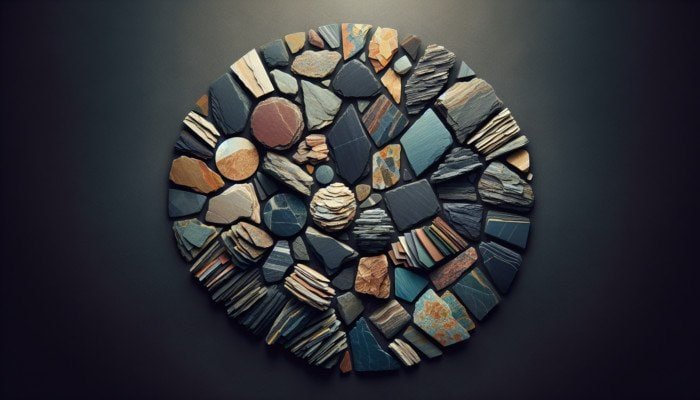
Slate is an extraordinary metamorphic rock that has significantly influenced the architectural landscape of the United Kingdom for centuries. Its unique physical characteristics make it an exceptional material for a wide range of applications in both residential and commercial buildings across the region. Several types of slate are prominent in the UK, each exhibiting unique qualities. For example, Welsh slate is highly regarded for its vibrant colors and remarkable durability, making it the material of choice for roofing, flooring, and landscaping projects. This variety is synonymous with premium quality, particularly those sourced from quarries in Patagonia, well-known for their rich hues and superior strength.
Another significant type is Cornish slate, which is recognized for its darker tones, frequently used in luxury and traditional architecture. Its historical importance has contributed to its ongoing popularity, especially in projects centered around heritage conservation. Additionally, Lake District slate is famous for its diverse colors and textures, often featured in rustic designs that elegantly blend with the surrounding natural environment. The variety of slate types not only enhances visual appeal but also provides practical benefits, as their durability is well-suited to withstand the UK’s notoriously unpredictable weather.
Understanding the Multifaceted Uses of Slate in UK Architecture
The remarkable versatility of slate is evident in its extensive applications within UK architecture. Historically, slate has been a favored choice for roofing due to its exceptional resistance to environmental factors and its timeless aesthetic appeal. Many historical structures throughout the UK, such as the iconic slate roofs seen in the Welsh countryside, exemplify the durability and resilience of this material. Beyond roofing, slate is increasingly utilized for flooring and cladding, adding a touch of natural beauty and enduring elegance to various interior spaces.
Moreover, slate has firmly established itself in public buildings and civic spaces. The Town Hall in Manchester features a striking slate façade that illustrates how this material can contribute to impressive and lasting public architecture. Even in contemporary designs, architects are drawn to slate for its sustainable qualities and low maintenance requirements. These widespread uses highlight slate’s adaptability, solidifying its role as a foundational material in both traditional and modern construction projects.
Why is Consistent Slate Maintenance Essential in the UK’s Distinct Climate?
The UK’s unique climate presents specific challenges for slate, making regular maintenance critical for preserving both its aesthetic allure and functionality. The combination of frequent rainfall, high humidity levels, and temperature fluctuations can lead to the growth of moss and algae. If left unaddressed, these elements can stain and deteriorate the slate’s surface. Therefore, homeowners and property managers must become familiar with the appropriate care techniques for slate to ensure its lasting beauty.
Implementing a routine schedule for inspections and cleanings can significantly extend the lifespan of slate installations. This proactive strategy not only enhances the slate’s visual appeal but also helps avert more costly repairs down the line. Additionally, applying a high-quality slate cleaner and sealer at regular intervals can shield the surface from moisture-related damage and environmental factors, allowing the slate to maintain its vibrant hues and structural integrity despite the challenges posed by the UK’s weather patterns.
Choosing the Most Suitable Slate Cleaner for Your Specific Needs

What are the Unique Challenges of Cleaning Slate in the UK?
Cleaning slate in the UK necessitates a thorough understanding of the specific challenges posed by the local environment. The frequent rainfall and increased humidity levels contribute to the growth of mould and mildew, both of which can lead to unsightly stains and diminish the visual appeal of the slate surface. Additionally, the mineral-rich soils in certain areas may leave behind unsightly mineral deposits, resulting in efflorescence. Therefore, selecting the appropriate cleaner that caters to these environmental conditions is essential for effective upkeep.
Furthermore, the prevalence of hard water in many regions can exacerbate staining and dull the slate’s appearance. This not only compromises visual quality but can also lead to wear and tear if left unaddressed. Consequently, it is crucial to use cleaning products that are specifically formulated for slate to effectively tackle these region-specific challenges without harming the stone itself.
Top Recommendations for Cleaning Products Perfect for UK Slate
When selecting a slate cleaner and sealer, homeowners in the UK have access to a variety of options tailored to address their environment’s distinct challenges. One of the top-rated products on the market is Lithofin Slate Cleaner, renowned for its effectiveness in eliminating dirt and stains while remaining safe for the stone’s surface. Its powerful formula penetrates deeply to lift grime, making it an ideal choice for slate exposed to harsh weather conditions.
Another excellent option is Fila Eco Clean, an environmentally friendly cleaner that respects the planet while delivering outstanding results. This product not only tackles dirt and stains but also helps to prevent the growth of algae and mould. For those dealing with particularly persistent stains, Zep Heavy-Duty Stone Cleaner offers a robust solution that efficiently breaks down tough grime without compromising the integrity of the slate.
When choosing the most suitable cleaner, it is imperative to consider your slate’s specific requirements, including its finish and any previous treatments. Researching user reviews and seeking recommendations can assist homeowners in making an informed decision regarding their cleaning products.
How to Ensure Safety When Using Cleaning Products for Slate in the UK

Safety must be a primary consideration when utilizing cleaning products for slate maintenance in the UK. Many slate cleaners contain chemicals that may pose risks if mishandled, making it vital to adhere to safety guidelines. Users should always wear appropriate protective gear, such as gloves and goggles, to shield against splashes or skin contact.
Proper ventilation is equally important when using cleaning products indoors. Ensuring adequate airflow helps disperse potentially harmful fumes that may be released during cleaning. When cleaning outdoors, selecting cooler, overcast days can minimize the risk of the cleaner drying too quickly, thereby allowing for more effective application and reducing the impact on the slate surface.
Moreover, homeowners should always carefully read the instructions on the label and follow the recommended dilution rates and usage guidelines. This practice not only optimizes the cleaner’s effectiveness but also guarantees its safe and responsible use.
Assessing the Environmental Impact of Slate Cleaning Products in the UK
Many homeowners in the UK are increasingly concerned about the environmental implications of their cleaning products. As awareness of eco-friendly practices rises, the demand for sustainable cleaning solutions continues to grow. Traditional slate cleaners often contain harsh chemicals that can leach into the water supply, posing potential risks to local ecosystems.
Opting for eco-friendly cleaners, particularly those free of phosphates and harmful solvents, can help mitigate these adverse effects. Brands such as Ecover and Method offer cleaning products that are biodegradable and derived from natural sources, making them a responsible choice for environmentally conscious consumers.
Furthermore, when purchasing cleaning materials, considering packaging is essential. Many eco-friendly brands utilize recyclable or biodegradable packaging, further reducing their environmental footprint. This conscientious approach not only aids in protecting the UK’s natural beauty but also aligns with the growing sustainability ethos prevalent in contemporary society.
Executing Effective Cleaning Techniques for Slate Surfaces
Preparing Your Slate Surface for Optimal Cleaning Results
Proper preparation is fundamental to effective slate cleaning, particularly in UK homes where weather conditions can change dramatically. Before starting the cleaning process, it is advisable to conduct a thorough inspection of the slate surface. This initial step allows homeowners to identify areas requiring special attention, such as stains or discoloration.
Once any issues have been noted, the next step is to remove loose dirt and debris from the surface. This can be accomplished by sweeping or vacuuming the slate to ensure no particles scratch the surface during cleaning. For deeper dirt, a gentle scrub with a soft-bristled brush can assist in dislodging it without damaging the slate.
After clearing the surface of debris, lightly dampening the slate with water is beneficial. This pre-treatment step helps prevent the cleaning solution from drying too quickly, thereby allowing it to work effectively. By taking these measures, homeowners prepare their slate for a thorough cleanse, enhancing the overall cleaning results.
Step-by-Step Guide to Cleaning Slate Surfaces in the UK
The slate cleaning process in the UK is specifically tailored to address the unique needs posed by the climate and common issues associated with outdoor elements. Once the slate surface is prepared, homeowners can proceed to apply the slate cleaner and sealer. Using a mop or soft cloth, the cleaner should be applied evenly across the slate, ensuring comprehensive coverage.
For tougher stains, applying the cleaner directly onto the affected area and allowing it to sit for several minutes can enhance penetration and effectiveness. Adhering to the manufacturer’s recommendations for dwell time is crucial for achieving optimal results.
After allowing the cleaner to work effectively, the slate must be thoroughly rinsed with clean water to remove any residual product. This step is vital, as any leftover cleaner can lead to streaks or residue buildup. Once rinsed, the slate should be dried using a soft cloth to prevent water spots and enhance its natural beauty.
Depending on the level of staining and the condition of the slate, homeowners may need to repeat the cleaning process. Establishing regular cleaning schedules will ensure that slate surfaces remain pristine, reflecting the care and attention dedicated to their maintenance.
Essential Post-Cleaning Care Practices for Slate Surfaces in the UK
Maintaining the beauty and integrity of slate following a thorough cleaning session is crucial, especially given the UK’s unpredictable climate. Applying a high-quality sealant after cleaning can create a protective barrier against moisture and stains, significantly extending the slate’s lifespan. Sealers specifically designed for slate are available, and their application can dramatically reduce the likelihood of mould and mildew growth.
Additionally, routine inspections and spot treatments should be conducted to address emerging issues before they escalate. Homeowners should remain vigilant for signs of staining or discoloration, particularly in high-traffic areas or places prone to moisture. Regular sweeping or mopping, combined with periodic deep cleaning, will further aid in maintaining slate surfaces.
Immediate action is critical in the event of spills. Gently blotting the area with a soft cloth can help prevent stains from setting in. By integrating these post-cleaning care practices, homeowners can ensure that their slate remains a stunning feature of their property for years to come.
The Essential Need for Sealing Slate in the UK
What Are the Major Benefits of Sealing Your Slate Surfaces in the UK?
Sealing slate is a crucial step for homeowners in the UK who wish to maintain the beauty and functionality of this exceptional material. One of the primary benefits of sealing is its ability to create a protective barrier against moisture. Given the UK’s notoriously damp climate, this protection is vital to prevent water infiltration, which can lead to mould growth and potential structural damage over time.
In addition to moisture protection, sealing aids in resisting stains caused by everyday spills. Whether it’s a splash of red wine in the dining room or mud tracked in from outside, a properly sealed slate surface is significantly less vulnerable to permanent staining. This not only helps maintain the slate’s aesthetic appeal but also simplifies cleaning routines.
Another considerable advantage is that sealers can enhance the slate’s natural colors and textures, making it appear richer and more vibrant. For homeowners who value the visual aspect of their property, applying a sealer can elevate the overall look and feel of the space, thereby increasing its market value and attractiveness.
How to Select the Right Sealer for Your Slate in the UK
Choosing the appropriate sealer for slate in the UK is essential to achieving the desired protective benefits. Two primary categories of sealers are available: penetrating and topical sealers. Penetrating sealers are absorbed into the slate, creating a long-lasting barrier against moisture while allowing the stone to breathe. Due to the UK’s climate conditions, this type is often recommended for outdoor slate installations.
Conversely, topical sealers create a film on the surface of the slate. While they can enhance shine and color, they may require more frequent reapplication and can be more susceptible to wear from foot traffic. Homeowners should carefully consider their specific needs when selecting a sealer, taking into account the slate’s location and level of exposure to environmental elements.
Moreover, it is wise to choose a sealer formulated specifically for natural stone, ensuring compatibility with slate’s unique properties. Consulting product reviews and seeking professional advice can further guide homeowners in making informed decisions that align with their maintenance objectives.
Proven Techniques for Applying Sealer to Slate in the UK
Applying a sealer to slate is a straightforward process, but meticulous attention to detail is essential for achieving the best results. Before application, ensure that the slate surface is thoroughly cleaned and dried. This step is imperative, as any residue or moisture can hinder the sealer’s performance, leading to uneven coverage.
Pour a small amount of the chosen sealer onto a clean, soft cloth or applicator pad. Work systematically from one corner of the slate and apply the sealer in even strokes. It is advisable to use a circular motion to guarantee comprehensive coverage and avoid streaking. Special attention should be given to joints and seams, as these areas can be more susceptible to moisture infiltration.
After applying the sealer, allow it to sit for the recommended dwell time as indicated on the product label. This allows the sealer to penetrate effectively. Finally, any excess product should be wiped away using a clean, dry cloth to prevent a sticky residue from forming. Following these techniques will enhance the slate’s lifespan and visual appeal, ensuring it remains an attractive feature in UK homes.
Common Issues Encountered by Homeowners with Slate in the UK
How Can You Address Stains and Discoloration in Your UK Slate?
Stains and discoloration are common concerns for slate owners across the UK. The country’s humid climate and varying weather patterns can exacerbate these issues. Organic materials such as leaves and soil can leave unsightly stains if not promptly addressed. Additionally, spills from beverages, oils, or food can penetrate the slate if appropriate sealing measures are not in place.
Understanding the different types of stains that may occur is crucial for effective treatment. For instance, rust stains often result from metal objects resting on the slate, while efflorescence, characterized by a white powdery residue, arises from salt deposits brought to the surface by moisture. Identifying the cause of the discoloration is the first step in effectively addressing and preventing further staining.
Regular maintenance, including cleaning with suitable products and timely sealing, can significantly reduce the risk of stains forming. For existing stains, targeted cleaning solutions specifically formulated for slate can assist in restoring the surface to its original condition.
How to Manage Cracks and Damage in Your UK Slate?
Cracks and damage to slate surfaces can develop over time, particularly in areas that experience extreme temperature fluctuations. In the UK, where freezing temperatures are common, moisture can infiltrate existing cracks, expanding as it freezes and causing further deterioration. Recognizing and addressing these issues early is vital to preventing more serious damage.
The most common types of damage include fissures, chips, and complete breaks. Regular inspections can help homeowners detect these problems before they escalate. If cracks are discovered, they should be filled with a high-quality epoxy designed for slate, providing a durable solution that blends seamlessly with the surrounding material.
Preventive measures, such as avoiding heavy impacts on slate surfaces and ensuring proper drainage, can help mitigate the risk of cracks forming. Furthermore, applying a protective sealant can create a barrier against moisture absorption, reducing the likelihood of damage caused by the UK’s variable climate.
How to Understand and Prevent Efflorescence in UK Slate?
Efflorescence is a common issue faced by slate in the UK, presenting as white, powdery stains on the surface. This phenomenon occurs when the slate’s moisture evaporates, leaving mineral deposits behind. The UK’s rainy weather can exacerbate efflorescence, making it essential for homeowners to understand how to effectively manage and treat this issue.
The first step in addressing efflorescence is to identify and eliminate the source of excess moisture. Ensuring proper drainage and addressing leaks in nearby plumbing can prevent water from penetrating the slate. Once the source is controlled, efflorescence can be removed by gently scrubbing with a soft brush and a solution of water and vinegar or a pH-neutral cleaner.
For long-term prevention, applying a high-quality slate cleaner and sealer can protect against moisture infiltration and mineral buildup. This proactive approach will help maintain the slate’s appearance and enhance its durability against the elements.
Choosing Between DIY and Professional Slate Cleaning Services in the UK
When Should You Opt for a DIY Approach to Clean Slate in the UK?
Determining whether to clean slate surfaces yourself or hire professional services depends on several factors, including the size of the area, the extent of staining, and your comfort level with cleaning products. A DIY approach can be cost-effective and rewarding for smaller, less soiled areas. Many homeowners find they can achieve satisfactory results with the right tools and cleaning products.
However, engaging professional services may be more efficient and effective for larger surfaces or heavily stained slate. Professionals have the expertise and equipment necessary to tackle challenging stains and ensure a thorough clean without risking damage to the slate. Furthermore, they can provide valuable guidance on ongoing maintenance and sealing, aiding homeowners in making informed decisions.
Ultimately, the decision should factor in both the slate’s condition and the homeowner’s skill level and time availability. Evaluating these elements can lead to the most effective cleaning solution tailored to individual circumstances.
Key Factors to Consider When Hiring Professionals for Slate Cleaning in the UK
When seeking professional slate cleaning services in the UK, making an informed choice is essential for achieving the best results. Start by researching local companies and examining customer reviews to gauge their reputation and the quality of their work. Look for businesses that specialize in natural stone care, as they will have a deeper understanding of slate’s specific properties.
It is advisable to request quotes from multiple service providers to compare prices and the range of services offered. Transparency regarding cleaning methods and products can offer peace of mind. Inquire about their experience with slate to ensure they are well-equipped to handle any challenges that may arise.
Furthermore, professionals should carry appropriate insurance and guarantees. This provides homeowners with additional protection, ensuring that any unforeseen issues that arise during the cleaning process can be addressed without financial repercussions.
Cost Considerations for UK Homeowners: DIY versus Professional Cleaning Services
When evaluating the costs associated with DIY slate cleaning versus hiring professionals, it is crucial to consider both the financial and time investments involved. A DIY approach typically requires purchasing cleaning products and tools, which can range from £30 to £100 depending on the extent of the cleaning needed. However, this approach often demands a significant time commitment, particularly for larger areas or intricate designs.
Professional cleaning services generally charge between £15 and £25 per square metre, depending on the slate’s condition and location. While this option may seem more expensive upfront, it often results in a superior clean and the benefit of professional expertise. This can ultimately save homeowners from potential costly repairs in the future due to improper cleaning methods.
When deciding, it is vital to assess personal capabilities, the state of the slate, and the value of time versus money. A thoughtful approach can lead to the best outcome, providing homeowners with beautiful, well-maintained slate surfaces that enhance the overall value of their property.
Environmental Responsibilities Associated with Slate Cleaning in the UK
What Are Some Eco-Friendly Cleaning Options for Slate in the UK?
The UK’s demand for eco-friendly cleaning solutions is rising, particularly among homeowners who wish to minimize their environmental impact. Many traditional cleaning products contain harsh chemicals that can harm health and the environment. As a result, opting for biodegradable and non-toxic alternatives is becoming increasingly popular.
Brands like Ecozone and Astonish offer cleaning products specifically formulated for natural stone, including slate. These products are free from harmful solvents and are designed to be effective in cleaning while being gentle on the environment. Homeowners can discover various eco-friendly options, ranging from concentrated cleaners to multi-surface solutions that are safe for slate.
Choosing eco-friendly cleaners promotes a healthier living environment and aligns with the growing trend towards sustainability. By selecting these products, homeowners contribute to a collective effort to protect the UK’s natural beauty and wildlife, ensuring that future generations can enjoy the same pristine landscapes.
How to Dispose of Cleaning Materials Responsibly in the UK
Proper disposal of cleaning materials is vital to maintaining environmental responsibility in the UK. Many cleaning products contain chemicals that can harm aquatic life and ecosystems if discarded improperly. Therefore, homeowners should always adhere to local guidelines for disposing of cleaning materials to minimize environmental impact.
Empty containers should be recycled whenever feasible, while leftover cleaning solutions should not be poured down drains or into the environment. Numerous local councils provide specific disposal instructions for hazardous materials, and homeowners should familiarize themselves with these guidelines to ensure compliance.
Moreover, considering purchasing products in bulk can help reduce packaging waste, further contributing to a more sustainable approach. By adopting responsible disposal practices, homeowners can mitigate the negative effects of cleaning materials on UK ecosystems and promote a healthier environment.
Implementing Sustainable Sealing Techniques for Slate in the UK
Sustainable sealing practices for slate in the UK can significantly enhance the material’s longevity while minimizing environmental impact. Choosing sealants that are environmentally friendly and free from harmful chemicals is essential. Many contemporary sealers are made from natural materials, providing adequate moisture protection without compromising air quality or harming the ecosystem.
When applying sealers, homeowners should consider using tools that minimize waste, such as reusable applicators and containers. This approach reduces the environmental footprint associated with one-time-use products. Additionally, opting for sealants with an extended lifespan means less frequent reapplication, resulting in reduced material consumption.
Furthermore, educating oneself about the environmental impact of sealing products can guide homeowners toward making informed decisions that benefit both their slate and the planet. Sustainable practices help maintain the integrity of slate surfaces and contribute to a broader movement towards responsible home care.
Encouraging Water Conservation During Slate Cleaning in the UK
Water conservation is an urgent concern in the UK, especially in light of changing climate patterns. When cleaning slate, utilizing water-efficient techniques can significantly reduce waste. Techniques such as misting instead of pouring water directly onto the slate can help control usage while ensuring effective cleaning.
Another practical approach is using bucket and sponge methods, where water can be reused rather than flowing down the drain. Homeowners can also explore products that require less water for rinsing, further contributing to conservation efforts.
Using absorbent cloths or mops can help minimize water usage while achieving a thorough clean. By adopting these techniques, homeowners can care for their slate effectively while playing a part in conserving this vital resource, promoting sustainability in their cleaning practices.
Recognizing the Impact of Slate Cleaning on UK Ecosystems
Understanding the impact of slate cleaning practices on local ecosystems is essential for environmentally conscious homeowners in the UK. Traditional cleaning products can contain harmful chemicals that, if washed down drains, may enter waterways and adversely affect aquatic life.
By choosing eco-friendly slate cleaners and using responsible disposal methods, homeowners can help protect these vital ecosystems. Additionally, selecting products with minimal packaging and making bulk purchases can further reduce the environmental impact of cleaning practices.
Engaging with local wildlife conservation efforts or initiatives can also give homeowners insights into maintaining their properties while supporting biodiversity. By fostering awareness of the implications of slate cleaning, individuals can contribute to the health of UK ecosystems, ensuring that both their homes and the environment thrive.
Frequently Asked Questions About Slate Care
What is the best method for cleaning slate surfaces effectively?
The optimal approach for cleaning slate involves utilizing a specially formulated slate cleaner, rinsing the surface thoroughly with water, and drying it using a soft cloth. Regular maintenance is essential to prevent stains and damage from accumulating.
How frequently should I apply sealer to my slate surfaces?
Sealing slate every 1-3 years is generally recommended, depending on usage levels and exposure to moisture. Regular inspections can help determine when resealing is necessary.
Is vinegar a safe option for cleaning slate surfaces?
While vinegar is a natural cleaner, its acidity can be too harsh for slate. To avoid damaging the slate’s surface, it is advisable to use a pH-neutral cleaner specifically designed for natural stone.
What steps should I take if my slate has developed stains?
Identify the type of stain and apply a suitable cleaner or solution for it. For particularly stubborn stains, consulting a professional or using a targeted stain remover designed for slate may be beneficial.
Is sealing slate truly necessary for maintenance?
Absolutely. Sealing slate is crucial for safeguarding it against moisture, stains, and damage, particularly in humid environments such as the UK.
How can I prevent efflorescence from forming on my slate surfaces?
To prevent efflorescence, ensure proper drainage and apply a high-quality sealer to block moisture from penetrating the slate.
Is it advisable to clean the slate using a pressure washer?
Using a pressure washer on slate is not recommended, as the high pressure can cause damage to the stone. It is better to clean the slate using gentle methods.
What signs indicate that my slate needs cleaning?
Visible stains, a dull appearance, or the presence of mould and mildew are clear signs that your slate requires cleaning. Conducting regular inspections can help identify these issues at an early stage.
How do I select the most suitable cleaner for my slate surfaces?
Select a slate cleaner specifically designed for natural stone, considering any specific stains or issues you may be experiencing with your slate.
Are there eco-friendly slate cleaning options currently available on the market?
Numerous brands offer eco-friendly slate cleaners that are biodegradable and free from harmful chemicals, making them a responsible choice for conscientious homeowners.
Last Updated on 3 October 2025 by sitemanager
The post Mastering the Art of Cleaning and Sealing Slate Floors appeared first on https://tilecleaningsurrey.co.uk
The Article Clean and Seal Slate Floors Professionally with These Tips appeared first on https://fabritec.org
The Article Professionally Clean and Seal Slate Floors with Expert Tips Was Found On https://limitsofstrategy.com