Unlock the Life-Changing Advantages of Health Apps for Your Pet’s Medical Management
Health apps designed for pet medical records are indispensable digital solutions crafted to empower pet owners in effectively managing and monitoring the health and medical histories of their beloved companions. These innovative applications provide a robust platform that seamlessly connects pet owners with their veterinarians, ensuring that detailed health records are always accessible at their fingertips. The increasing trend towards these applications is fueled by the growing need for organized, efficient, and easily accessible methods for overseeing pet health. Below, we explore some of the essential features commonly found in health apps for pet records:
- Vaccination reminders
- Medication tracking
- Health history storage
- Appointment scheduling
- Emergency contact information
- Integration with veterinary clinics
- User-friendly interface
- Data security measures
Essential Features of Health Apps for Pet Records Every Pet Owner Should Consider
The effectiveness and functionality of health apps for pet records depend on their diverse features tailored to meet the specific requirements of pet owners. One major advantage is the capacity to accurately monitor vaccination schedules and medication regimens. This crucial functionality notifies pet owners when their furry companions require vaccinations or need medication refills, which is vital for maintaining their optimal health. Furthermore, these applications facilitate the storage of a pet’s health history, encompassing previous illnesses, surgeries, and allergies, thereby simplifying the process of sharing detailed information with veterinarians during consultations.
Additionally, a significant feature is the appointment scheduling capability, which aids pet owners in keeping track of upcoming veterinary visits or health check-ups. Many applications even allow direct communication with veterinary practices, thereby enhancing the overall management experience for pet owners. By emphasizing user-friendly interfaces, these apps guarantee that individuals, regardless of their technological proficiency, can navigate them without difficulty. Prioritizing enhanced data security is also crucial, as it protects sensitive pet health information from unauthorized access.
Transforming Pet Care: The Key Benefits of Using Health Apps for Pet Records
Embracing health apps for pet records provides numerous benefits that significantly improve the management of pet care. A primary advantage is the meticulous tracking of vaccination and medication schedules. This functionality enables pet owners to keep their furry friends updated with essential health requirements, effectively reducing the likelihood of health complications stemming from missed doses or vaccinations. This proactive approach towards health management fosters a sense of responsibility and attentiveness among pet owners.
Moreover, having a comprehensive health history and medical records stored digitally grants pet owners quick and straightforward access during emergencies or routine vet visits. This easy access can save precious time, particularly in urgent situations, leading to more efficient and effective care. Centralizing pet health information enhances organization and accessibility, allowing pet owners to take a more active role in managing their pets’ health.
What Important Considerations Should You Keep in Mind When Selecting the Ideal Health App for Pet Records?
What Key Features Are Essential in a Health App for Pets?
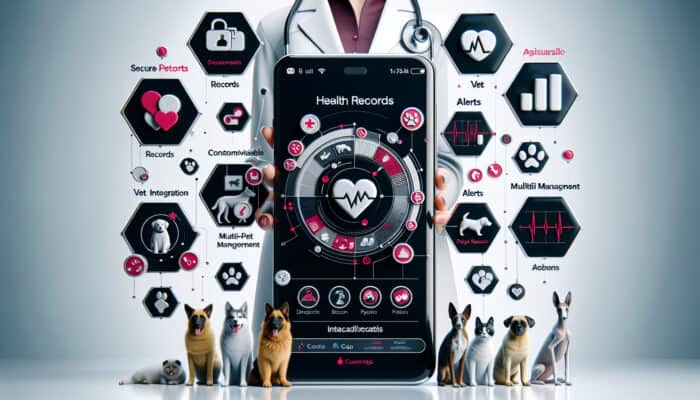
When choosing the most suitable health app for managing pet records, it is vital to identify features that align with both the pet’s and owner’s needs. Look for applications that offer a comprehensive blend of functionality, security, and ease of use. Important features to focus on include:
- User-friendly interface
- Secure data storage
- Integration with veterinary services
- Customizable health tracking
- Alerts and reminders
- Data export options
- Emergency contact support
- Multi-pet management capabilities
An intuitive user-friendly interface should enable pet owners from various technological backgrounds to navigate the app effortlessly, ensuring they can easily access and input information. Security features are paramount due to the sensitivity of health data; therefore, look for apps that integrate robust encryption measures and comply with data protection regulations. Furthermore, integration with veterinary services is crucial as it facilitates seamless communication and data sharing between pet owners and veterinarians, leading to better-coordinated care and a more informed approach to health management.
Why Is User Experience and Interface Design Critical for Health Apps?
The user experience (UX) and interface design of a health app for pet records significantly influence its overall effectiveness. A well-designed app should feature an intuitive layout that prioritizes ease of navigation. Users must be able to input health data, schedule appointments, and retrieve critical information without facing hurdles. A complicated interface can lead to frustration and underutilization of the app’s features. Therefore, a streamlined design that concentrates on essential functionalities will keep users engaged and satisfied.
Moreover, accessibility features are essential for catering to users with varying needs. Options such as larger text sizes, high-contrast modes, and voice commands can greatly enhance usability for older pet owners or those with disabilities. Regular updates and user feedback should guide design improvements, ensuring the app evolves to meet the changing demands of its users. Ultimately, fostering a positive user experience is crucial for the long-term success and adoption of health apps for pet records.
What Are the Necessary Security and Privacy Measures for Pet Health Apps?
When selecting a health app for pet records, the security and privacy of pet health data hold significant importance for pet owners. Given the sensitive nature of the information being stored, apps must implement stringent security measures to safeguard against unauthorized access and data breaches. Essential security features to seek out include data encryption, two-factor authentication, and regular security audits. These protective measures help build trust and confidence in the app, allowing users to feel secure when sharing their pets’ health information.
Another critical consideration is compliance with data protection regulations, which can vary by region. Pet owners should verify that the app adheres to relevant laws, such as the General Data Protection Regulation (GDPR) for users in Europe or the Health Insurance Portability and Accountability Act (HIPAA) in the United States. This compliance confirms that the app follows strict guidelines concerning user data collection, storage, and sharing. Safeguarding your pet’s data not only secures their health information but also provides peace of mind to pet owners using the app.
Expert Perspectives on the Significance of Health Apps for Pet Records

What Insights Do Veterinarians Offer Regarding Health Apps?
Veterinarians frequently provide valuable insights regarding the usability and effectiveness of health apps for pet records. Many veterinary professionals acknowledge the potential of these apps to enhance communication between pet owners and their clinics. For instance, Dr. Sarah Thompson, a veterinarian with over a decade of experience, asserts, “Health apps have revolutionized how we monitor our patients’ care. They enable pet owners to maintain accurate records, significantly enhancing our ability to provide personalized treatment.”
Veterinarians also emphasize how these apps promote proactive health management. They find features like vaccination reminders and medication tracking beneficial, motivating pet owners to adhere to health protocols. Dr. James Lee, a veterinary surgeon, remarks that “The integration of health apps can lead to better compliance with treatment plans, ultimately resulting in healthier pets.” This professional feedback highlights the importance of aligning app functionalities with the needs of veterinary practices, fostering a collaborative approach to pet healthcare.
How Do Health Apps Enhance the Delivery of Veterinary Care?
Health apps can significantly improve veterinary care by streamlining communication, enhancing data accessibility, and fostering informed decision-making. For instance, when pet owners can effortlessly share health records and medical histories through an app, veterinarians can make more informed decisions regarding diagnoses and treatments. This immediacy of information cultivates a collaborative environment where pet owners and veterinarians work together to achieve better health outcomes for their pets.
Furthermore, health apps encourage ongoing engagement between pet owners and veterinary practices. By sending reminders for vaccinations and check-ups directly through the app, pet owners are more likely to comply with recommended health schedules. This continuous follow-up can lead to the early detection of health issues, minimizing the risk of serious complications in the future. In conclusion, health apps not only empower pet owners but also enhance the effectiveness of veterinary care, ultimately benefiting both pets and their caregivers.
Real-Life Case Studies: The Impact of Health Apps on Pet Health Management
Real-world case studies illustrate the positive impacts of health apps on pet care and health management. A notable example is the implementation of the Pet Health Tracker App by a veterinary clinic in Australia, which enabled pet owners to log their pets’ health data and access veterinary consultations directly through the app. Following its launch, the clinic reported a 30% increase in appointment adherence, resulting in improved health outcomes for pets. Pet owners expressed feeling more empowered in managing their pets’ health, as they could easily monitor trends and share information with their veterinarians.
Another success story involves the management of chronic conditions in pets. A case featuring a dog diagnosed with diabetes demonstrated how the owner utilized an app to track insulin administration and monitor blood sugar levels. With the app’s assistance, they effectively maintained the dog’s health, resulting in fewer veterinary visits and improved overall well-being. Such case studies showcase how health apps can enhance pet health management and encourage proactive care, ultimately leading to healthier pets and greater peace of mind for their owners.
What Key Features Should Health Apps for Pets Include?
Health apps designed for pets should encompass various features that cater to the needs of both pet owners and veterinarians. Essential functionalities include tracking vaccination records, which enables pet owners to actively monitor immunizations and avoid lapses in essential healthcare. Additionally, medication reminders are crucial; they ensure pets receive the correct dosages at the appropriate times, thereby enhancing adherence to treatment plans.
Appointment scheduling is another vital feature that allows pet owners to conveniently book visits, reducing missed appointments and improving overall care continuity. The inclusion of health trend tracking enables owners to monitor their pet’s health over time, allowing for swift identification of potential issues. Moreover, integrating veterinary software improves data flow, facilitating timely care delivery by healthcare professionals. Overall, a comprehensive health app should prioritize features that enhance user experience while improving the quality of care for pets.
User Experiences with Pet Health Apps: Valuable Feedback
User testimonials provide invaluable insights into the effectiveness of health apps for pet records. Many pet owners share positive experiences, highlighting how these apps have streamlined their health management processes. For example, a pet owner named Emily stated, “Since I started using the health app, I never miss my cat’s vaccination appointments. The reminders are incredibly helpful, and I feel more in control of her health.” This sentiment resonates with many who appreciate the proactive approach to pet care facilitated by these applications.
While most feedback is positive, some users have encountered challenges, such as difficulties during initial setup or integration with their veterinary clinics. Nevertheless, the general consensus remains that the benefits far outweigh any initial hurdles. By addressing these challenges through effective customer support and user education, app developers can enhance user experiences and foster greater satisfaction. Overall, these testimonials affirm that health apps significantly impact pet care, motivating pet owners to remain engaged and informed.
Enhancing Communication with Veterinarians Through Health Apps
Health apps can greatly enhance communication between pet owners and veterinarians, leading to more efficient care delivery. To facilitate effective communication, pet owners should utilize features such as messaging systems or direct data sharing within the app. Regular updates regarding pet health, including behavioral changes or noticeable symptoms, can be communicated through these channels, enabling veterinarians to provide timely and tailored advice.
Additionally, pet owners can take proactive measures to improve communication. For instance, maintaining a record of questions or concerns within the app can lead to more productive discussions during veterinary visits. Furthermore, leveraging appointment follow-ups through the app ensures that ongoing issues or treatment plans are closely monitored. By utilizing technology to streamline communication, pet owners and veterinarians can collaborate more effectively, resulting in enhanced pet care outcomes.
Enhancing Data-Driven Decision Making in Veterinary Care
Data-driven decision-making is essential for effective veterinary care, and health apps play a crucial role in this process. By providing comprehensive health data, these apps empower veterinarians to make informed decisions regarding treatment plans and health management strategies. For instance, the ability to analyze vaccination history, medication adherence, and health trends allows veterinarians to identify potential issues sooner and implement preventive measures accordingly.
Health apps also enable pet owners to provide valuable insights about their pets’ behaviors and health symptoms. By monitoring changes in behavior or physical condition, owners can present crucial information to their veterinarians, enhancing the overall effectiveness of care. The integration of analytics tools within health apps can further support this data-driven approach, allowing both pet owners and veterinarians to visualize trends and make informed health decisions that improve outcomes for pets.
Real-Life Examples Highlighting the Benefits of Health Apps
Numerous case studies demonstrate how health apps have positively influenced pet care and health management. For example, a pet owner using a health app to manage their diabetic cat’s insulin regimen effectively tracked blood sugar levels and medication dosages. This proactive management resulted in fewer emergency vet visits and significant improvements in the cat’s overall health condition.
Another instance involves a veterinary clinic that adopted a health app for pet records, leading to heightened client engagement. The clinic reported a 40% increase in clients utilizing preventive care services due to reminders and educational resources provided through the app. Expert analysis indicates that these results stem from the app’s ability to foster ongoing communication and promote a culture of proactive health management among pet owners. Such real-life examples underscore the effectiveness of health apps in transforming pet healthcare.
How Do Health Apps for Pet Records Operate?
Simplifying Data Collection and Entry in Health Apps
Health apps for pet records streamline the data collection and entry processes, making it simple for pet owners to maintain accurate health records. Typically, pet owners can manually input essential information, such as vaccination dates, medication schedules, and health history directly into the app. This approach allows for personalized record-keeping that captures each pet’s unique health journey.
Moreover, many health apps incorporate functionalities that facilitate data entry. For instance, automatic data import from veterinary clinics enables pet owners to access their pets’ health records without the need for manual data input. This integration not only saves time but also minimizes the risk of human error in record-keeping. As a result, pet owners can ensure that their pets’ health information is up-to-date and accurately reflects their medical history.
Efficient Data Storage and Management in Health Apps
Data storage and management are fundamental components of health apps for pet records, ensuring that sensitive information is securely stored and readily accessible. Many health apps utilize cloud-based storage solutions, allowing pet owners to access their pets’ health information from any location and device. This capability proves especially beneficial during travel or emergencies, as pet owners can quickly retrieve vital health data.
Effective data organization is crucial for smooth management. Health apps typically categorize information by type, such as vaccinations, medications, and health history, enabling users to easily locate specific records. Additionally, regular backups and security protocols safeguard against data loss, ensuring that health records remain protected while being readily available for veterinary consultations or emergencies.
Integrating Health Apps with Other Health Services
Health apps for pet records often integrate with other health services, enhancing the overall efficiency of pet healthcare management. A significant advantage of this integration is the seamless data sharing between pet owners and veterinary clinics. When health apps connect with veterinary software, clinics can receive real-time updates about a pet’s health status, allowing them to provide informed care tailored to specific needs.
Furthermore, integration with wearable pet devices enhances the capabilities of health apps. These devices can monitor vital health metrics such as heart rate or activity levels, providing real-time data that can be shared with veterinarians. Such collaborative technology fosters a comprehensive view of a pet’s health, encouraging preventive measures and proactive care. Overall, the integration of health apps with other health services optimizes pet healthcare, enhancing experiences for both owners and veterinarians.
Ensuring Data Accessibility and Sharing in Health Apps
The ability to access and share health data is one of the primary advantages of health apps for pet records. Pet owners can quickly retrieve critical information, such as vaccination records or treatment histories, ensuring they are prepared for any veterinary consultations or emergencies. This accessibility promotes a proactive approach to pet health management, allowing owners to stay informed and actively involved in their pets’ care.
Moreover, health apps frequently include sharing capabilities, enabling pet owners to easily communicate health information with veterinarians. By providing access to a pet’s medical history, owners can ensure that veterinarians have all the necessary details to make informed decisions. This sharing of health records not only enhances communication but also streamlines the veterinary visit process, ultimately leading to more effective and timely care for pets.
What Advantages Do Health Apps for Pet Records Provide?
Enhancing Health Monitoring for Pets
Health apps for pet records significantly enhance health monitoring for pets. By offering features that facilitate tracking vaccinations and medications, pet owners can ensure they adhere to recommended schedules. This proactive approach to pet healthcare helps prevent lapses that could lead to serious health complications, such as missed vaccinations or incorrect medication dosages.
Additionally, these apps can send regular reminders for health checks, ensuring pets receive timely veterinary care. By monitoring health trends over time, pet owners can identify potential issues early on, allowing for prompt intervention. The ability to track changes in behavior, appetite, or physical condition through these apps empowers owners to take an active role in their pets’ health management, ultimately resulting in better overall care.
Boosting Emergency Preparedness for Pet Owners
In emergencies, having immediate access to a pet’s health records can be critical for effective treatment. Health apps significantly enhance emergency preparedness by securely storing crucial information that pet owners can quickly retrieve when necessary. Features such as emergency contact details and health data sharing capabilities facilitate seamless communication with veterinarians or emergency clinics during crises.
Moreover, by keeping health records up-to-date, pet owners can ensure that vital information—such as allergies, chronic conditions, and current medications—is readily available. This level of preparedness can expedite care in stressful situations, leading to better outcomes for pets. The peace of mind that comes from knowing that all essential health information is organized and accessible is invaluable for pet owners.
Achieving Cost and Time Efficiency with Health Apps
Health apps for pet records deliver significant cost and time efficiency advantages for pet owners. By proactively managing their pets’ health needs, owners may reduce the frequency of veterinary visits, saving both time and money. Efficient health management allows pet owners to address concerns promptly, often preventing more severe issues that require veterinary intervention.
Furthermore, health apps streamline health management processes, significantly reducing the time spent organizing appointments, tracking medications, and maintaining health records. With automated reminders and straightforward access to information, pet owners can focus more on their pets rather than administrative tasks. This enhanced efficiency benefits not only pet owners but also allows veterinarians to dedicate more time to patient care, improving the overall quality of service.
The Importance of Regular Health Check Reminders
Regular health check reminders are a crucial feature of health apps for pet records, ensuring that pets receive timely care. These reminders help pet owners stay informed about upcoming vaccinations, wellness exams, and other essential health checks, promoting a proactive approach to pet healthcare. By receiving notifications directly through the app, owners are less likely to overlook important appointments, contributing to improved health outcomes for their pets.
Moreover, these reminders can be customized based on individual pet needs, allowing owners to tailor their health management plans effectively. This customization fosters a sense of responsibility and engagement in pet care, empowering owners to take a hands-on approach to monitoring their pets’ health. Ultimately, regular health check reminders enhance the overall quality of care for pets, ensuring they receive the necessary attention throughout their lives.
Tracking Health Trends Over Time with Health Apps
Monitoring health trends over time is another significant advantage of health apps for pet records. Pet owners can track various health metrics, such as weight, activity levels, and dietary habits, allowing them to identify patterns that may indicate potential health issues. This continuous monitoring promotes a proactive mindset, facilitating early intervention for any emerging concerns.
For instance, if a pet’s weight begins to fluctuate, owners can adjust their diet or exercise routines accordingly, potentially preventing obesity-related health problems. Furthermore, health apps often provide data visualization tools, making it easier to comprehend trends and communicate findings with veterinarians. By offering a comprehensive view of a pet’s health over time, these apps empower pet owners and enhance the overall quality of care.
Research-Backed Advantages of Health Apps for Pet Records
Insights from Studies on Health App Effectiveness
Research indicates that health apps can positively influence pet health outcomes by enhancing monitoring and care. Key findings from various studies reveal that pet owners who utilize health apps report higher levels of engagement in managing their pets’ health. This increased involvement often leads to better adherence to recommended vaccination and medication schedules, ultimately improving overall pet well-being.
Moreover, studies demonstrate that health app users experience higher satisfaction rates and improved communication with veterinary clinics. The ease of tracking health data and sharing it with professionals fosters a more collaborative approach to pet care, resulting in more personalized treatment plans. Such research underscores the effectiveness of health apps in promoting proactive health management among pet owners.
Long-Term Health Management Strategies Through Health Apps
Long-term health management represents another critical aspect that health apps for pet records effectively address. These apps are particularly beneficial for managing chronic conditions, such as diabetes or arthritis, as they enable pet owners to consistently monitor vital health metrics. Features that facilitate regular tracking of symptoms, medication schedules, and veterinary visits empower owners to take charge of their pets’ health over time.
By promoting preventive health measures, health apps can help avert serious health issues from developing. For instance, by identifying trends in a pet’s health data, owners can consult with veterinarians to implement dietary or lifestyle changes that enhance their pets’ quality of life. In summary, these apps serve as essential tools for ensuring the long-term health and well-being of pets.
Research on Data Privacy and Security in Health Apps
Data privacy and security are critical concerns for health app users, and research highlights the importance of compliance with data protection regulations. Many health apps adhere to strict guidelines, ensuring that sensitive health information is collected, stored, and shared securely. Compliance with regulations such as GDPR and HIPAA not only protects pet health data but also builds trust among users, leading to higher app adoption rates.
Research also suggests that strong data privacy and security measures result in increased user satisfaction and engagement. When pet owners feel confident that their health information is secure, they are more inclined to use health apps regularly, leading to better health outcomes for their pets. Consequently, developers must prioritize security and privacy features to effectively foster user trust and loyalty.
Impact of Health Apps on Pet Health Outcomes: Research Findings
Research indicates that health apps can significantly affect pet health outcomes by enhancing monitoring and care. Key findings from these studies include a notable increase in adherence to veterinary recommendations among app users. By utilizing these digital tools, pet owners are more likely to stay on top of vaccinations and medications, leading to healthier pets and fewer preventable health issues.
- Increase in vaccination compliance by up to 40%
- Improvement in chronic condition management among 60% of users
- Reduction in emergency vet visits due to better monitoring
- Enhanced pet owner engagement and satisfaction ratings
These findings emphasize the efficacy of health apps in fostering proactive health management among pet owners. By promoting user engagement and providing valuable health insights, these apps significantly enhance the quality of care for pets globally.
Emerging Trends in Health Apps for Pet Records
Technological Advancements Shaping the Future of Health Apps
The future of health apps for pet records looks bright, with a variety of technological advancements on the horizon. One noteworthy trend is the integration of artificial intelligence (AI) and machine learning capabilities. These technologies will enable apps to analyze pet health data more effectively, offering personalized care recommendations based on individual pet profiles. Such advancements may facilitate predictive analytics, identifying potential health issues before they arise and prompting preventive measures.
Furthermore, advancements in mobile and wearable technology will enhance the capabilities of health apps. Wearable devices that monitor pet activity levels, heart rates, or even sleep patterns can seamlessly integrate with health apps, providing a comprehensive view of a pet’s well-being. This integration will empower pet owners to make more informed decisions and encourage proactive health management.
User-Centric Design Innovations for Enhanced Engagement
As the demand for health apps continues to grow, user-centric design innovations will become increasingly vital. Future apps may offer more personalized and customizable features to meet the diverse needs of pet owners. By allowing users to tailor their experience, developers can enhance engagement and satisfaction, ultimately leading to improved health management for pets.
Moreover, incorporating gamification elements into health apps can boost user engagement and encourage consistent usage. By rewarding owners for adhering to health schedules or completing health check-ups, apps can create an enjoyable and motivating environment for pet care. This playful approach can potentially lead to improved health outcomes for pets, as owners become more invested in their well-being.
Challenges and Solutions in the Health App Landscape
As health apps for pet records continue to evolve, developers must address potential challenges that may arise. One primary concern is ensuring data privacy and security, especially as technology advances and collects more sensitive information. App developers must implement robust security measures to safeguard user data and comply with regulations, fostering trust among users.
Another challenge is user retention. With a plethora of apps available in the market, developers must focus on creating unique features and user experiences that distinguish their applications. Continuous updates, incorporation of user feedback, and ongoing engagement strategies will be essential for maintaining user interest and ensuring that pet owners derive maximum value from the app.
Future Integration with Veterinary Services
Future health apps may integrate more directly with veterinary services, allowing for real-time data sharing and appointment scheduling. Such integration can enhance pet care by enabling veterinarians to monitor their patients’ health remotely and provide timely recommendations. This real-time communication fosters a collaborative approach to pet healthcare, ultimately improving outcomes for pets.
Moreover, automated reminders and alerts can assist pet owners in staying on top of their pets’ health needs, ensuring they remain engaged in their care. By streamlining communication between pet owners and veterinarians, these integrated systems can contribute to more effective health management strategies and a deeper understanding of individual pet health needs.
Advancements in Data Privacy and Security for Health Apps
As health apps continue to collect sensitive data, future trends will focus on reinforcing privacy measures and security protocols to safeguard both pet and owner information. Developers must prioritize compliance with evolving data protection regulations, ensuring that user data is collected, stored, and shared securely.
Moreover, employing advanced encryption methods and two-factor authentication will bolster security and enhance user trust. As data breaches become more prevalent in the digital landscape, prioritizing security will be essential for app developers aiming to retain user confidence and encourage adoption.
Frequently Asked Questions (FAQs) About Health Apps for Pet Records
What Are Health Apps for Pet Records?
Health apps for pet records are digital platforms designed to assist pet owners in tracking and managing their pets’ health information, including vaccinations, medications, and medical histories.
How Can Health Apps Benefit My Pet’s Health?
Health apps provide benefits such as improved health monitoring, enhanced emergency preparedness, and better organization of veterinary records, leading to more proactive pet care.
What Features Should I Prioritize When Choosing a Pet Health App?
Key features to consider include user-friendly design, data security, vaccination and medication tracking, appointment scheduling, and integration with veterinary services.
Are Health Apps Secure for Storing Sensitive Pet Information?
Most health apps prioritize security, utilizing encryption and complying with data protection regulations to ensure that sensitive pet health information is well protected.
Can Health Apps Integrate with Veterinary Clinics for Seamless Communication?
Yes, many health apps have the capability to integrate with veterinary clinics, facilitating seamless data sharing and communication between pet owners and veterinarians.
What Factors Should I Consider When Selecting the Right Health App for My Pet?
To choose the right app, evaluate factors such as user experience, essential features, security measures, and how well the app integrates with your veterinary services.
What Role Do Reminders Play in Health Apps for Pets?
Reminders help pet owners stay on track with vaccination schedules and medication doses, ensuring that pets receive timely healthcare and preventing lapses in treatment.
Can I Monitor My Pet’s Health Trends Over Time Using an App?
Yes, health apps often feature capabilities that allow pet owners to monitor and track their pets’ health trends over time, aiding in the early identification of potential issues.
What Are the Anticipated Future Trends in Health Apps for Pets?
Future trends include advancements in AI and machine learning, enhanced user-centric designs, improved data privacy and security measures, and direct integration with veterinary services.
Can Health Apps Assist in Effectively Managing Chronic Conditions in Pets?
Absolutely, health apps can play a significant role in managing chronic conditions by enabling pet owners to track symptoms, medication schedules, and health metrics consistently, promoting better long-term care.
Connect with us on Facebook!
The Article Health Apps for Pet Records: Comprehensive Solutions First Published On https://elgatoencasa.com
The Article Pet Records: Comprehensive Health Apps for Your Furry Friends Was Found On https://limitsofstrategy.com