Your Comprehensive Guide to Mastering Debt Consolidation in the UK
What is Debt Consolidation and How Does It Function Effectively?

Utilizing Debt Consolidation to Improve Credit Quickly: Debt consolidation is a strategic financial approach that empowers individuals to combine multiple outstanding debts into a single consolidated loan. This strategy simplifies the repayment process significantly, making it more manageable for borrowers. In the UK, this method has become increasingly popular as a viable solution for addressing various financial obligations, such as credit cards, personal loans, and other types of debt. The primary advantage of consolidation lies in the convenience of making just one monthly payment, which reduces the risk of missed payments and associated penalties. Ultimately, the goal of debt consolidation is to establish a feasible repayment plan, often by securing a loan at a lower interest rate than the existing debts, potentially lowering the overall cost of borrowing.
This approach is particularly beneficial for individuals burdened with high-interest debts, as it provides a pathway to alleviate financial stress. Within the UK, options for debt consolidation encompass Personal loans, balance transfer credit cards, and even secured loans against property. Each of these alternatives has unique characteristics and suitability based on an individual’s financial circumstances and credit profile. Therefore, understanding these differences is crucial for making well-informed choices regarding debt consolidation.
How Does the Debt Consolidation Process Operate in the UK?
The debt consolidation process in the UK typically initiates with a comprehensive evaluation of an individual’s current debts. This assessment entails determining the total amount owed, the interest rates associated with those debts, and the monthly repayments required. After gathering this critical information, the individual can seek various lenders to secure a new loan. The funds acquired from this new loan are then utilized to pay off existing debts, effectively merging them into a single, manageable payment.
The cornerstone of successful debt consolidation lies in obtaining a loan with a lower interest rate than the average rates of the debts being consolidated. This new loan usually incorporates a structured repayment plan tailored to align with the financial capabilities of UK borrowers. It is essential to meticulously evaluate diverse lending options, taking into account factors such as the total loan cost, repayment terms, and any associated fees. Numerous lenders across the UK offer competitive rates for personal loans, simplifying the journey for individuals seeking effective solutions to their financial challenges.
What Benefits Can Debt Consolidation Provide for Residents of the UK?
Debt consolidation presents a multitude of advantages for UK residents, particularly for those overwhelmed by multiple debts. One significant benefit is the potential for markedly reduced monthly repayments. By consolidating debts into a single loan with a lower interest rate, individuals can alleviate their monthly financial load. This not only enhances cash flow but also streamlines budgeting practices, making it more feasible for individuals to manage their finances efficiently.
Moreover, engaging in debt consolidation can have a positive impact on credit scores. As several debts are combined, the overall credit utilisation ratio may decrease, indicating a healthier credit profile. Consistent and punctual repayments on the newly consolidated loan can further boost creditworthiness, allowing individuals to regain control over their financial futures. Additional noteworthy benefits include simplified payment tracking and clearer visibility of financial obligations, which can aid UK residents in achieving their broader financial aspirations more effectively.
What Are the Risks and Considerations Associated with Debt Consolidation in the UK?

While debt consolidation can serve as an effective financial strategy, it also carries inherent risks and considerations. A major concern is the possibility of extending loan terms, which may result in paying more interest over an extended period. UK residents must be vigilant and ensure that the advantages of lower monthly payments do not come at the expense of a prolonged repayment duration.
Another critical consideration is the requirement for disciplined financial management. After consolidating debt, individuals may easily revert to previous spending habits, potentially creating a cycle of borrowing that exacerbates their financial difficulties. Thus, UK residents need to formulate a robust budgeting strategy coupled with a clear repayment plan. Acknowledging these risks can empower individuals to make more informed decisions about whether debt consolidation aligns with their financial goals.
Expert Insights on Effectively Using Debt Consolidation to Swiftly Rebuild Credit
How Can Debt Consolidation Significantly Enhance Your Credit Score?
Debt consolidation can substantially elevate your credit score through various mechanisms. Primarily, by merging multiple debts, you can decrease your credit utilisation ratio—the proportion of credit being utilized compared to your total available credit. This reduction is advantageous, as a lower credit utilisation ratio is generally perceived positively by credit scoring models, potentially leading to improved scores over time.
Additionally, debt consolidation encourages timely payments. By consolidating, you convert your obligations into a singular monthly payment, thereby minimizing the likelihood of missed or late payments—one of the leading factors that negatively affect credit scores. The following key benefits can emerge from enhancing your credit score via debt consolidation:
- A lower credit utilisation ratio boosts overall credit health.
- Timely repayments bolster your credit history.
- Reducing the number of accounts in collections enhances your standing.
- Improved financial management fosters confidence among lenders.
It is vital to approach debt consolidation with a strategic mindset. Regularly monitoring your credit score is advisable to track progress and ensure the new loan is managed effectively.
What Best Practices Should You Follow for Successful Debt Consolidation in the UK?
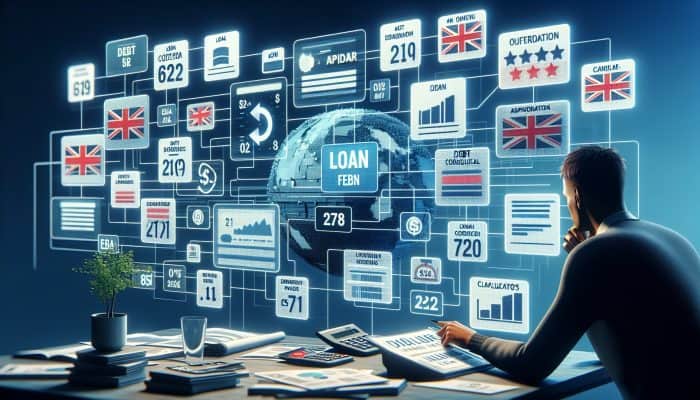
Achieving successful debt consolidation in the UK hinges on meticulous planning and disciplined execution. The initial step involves accurately assessing your current financial condition, identifying all existing debts along with their respective interest rates and total amounts owed. Once this evaluation is conducted, you can begin to explore potential lenders and the various loan options available.
Selecting the right loan is of paramount importance. Seek personal loans with favorable interest rates, ensuring that all terms are transparent and devoid of hidden fees. It is advisable to compare multiple offers to identify the most suitable option. Furthermore, maintaining a stringent budget after consolidation is essential for upholding financial discipline and preventing the accumulation of new debts. Here are some actionable steps for effectively implementing debt consolidation in the UK:
- Conduct a thorough assessment of your current debts.
- Investigate various lenders and loan options.
- Select a loan featuring a lower interest rate and favorable terms.
- Craft a realistic budget to manage your monthly repayments.
By adhering to these best practices, UK residents can maximize the benefits of debt consolidation while minimizing potential risks.
Real-Life Transformations: How Debt Consolidation Changed Lives in the UK
Real-life stories of UK residents who have successfully leveraged debt consolidation provide invaluable insights into its effectiveness. Take, for example, Sarah, a 34-year-old marketing professional from London. Faced with £15,000 in high-interest credit card debt, Sarah opted to consolidate her debts through a personal loan with a significantly lower interest rate. This decision reduced her monthly payments from £600 to £400, allowing her to allocate additional funds toward savings and investments. Within a year, her credit score improved by over 80 points, exemplifying the transformative potential of debt consolidation.
Another compelling case is Mark, a university lecturer from Manchester, who struggled with multiple loans and overdue payments. After consolidating his debts into a single, manageable loan, he focused on making timely repayments, resulting in a markedly improved credit history. His experience underscores the importance of discipline in maintaining the benefits of debt consolidation, demonstrating that with commitment, individuals can effectively rebuild their credit.
These success stories highlight the potential of debt consolidation in the UK, revealing how it can pave the way to regaining financial stability and enhancing credit scores.
What Risks and Limitations Should You Be Aware of When Rebuilding Credit through Debt Consolidation?
While debt consolidation may seem like a straightforward solution, it is crucial to recognize that it is not a cure-all for every financial challenge. One prevalent misconception is equating debt consolidation with debt elimination. Many UK residents may inadvertently incur new debt while still managing their consolidated loan, thereby exacerbating their financial burden.
Another risk involves the potential for increased overall costs if the consolidation loan is structured with an extended repayment term. Although monthly payments may decrease, this could lead to a higher total interest burden over the life of the loan. It is essential for individuals to remain vigilant about their spending habits and commit to prudent financial management after consolidation.
Understanding these limitations equips UK residents with a realistic perspective on debt consolidation. Successful credit rebuilding necessitates a comprehensive approach that transcends merely consolidating debts. Here are some common pitfalls to be mindful of:
- Assuming consolidation erases debt without changing spending habits.
- Extending loan terms results in heightened overall costs.
- Insufficient monitoring of financial behaviors after consolidation.
- Neglecting to develop a comprehensive budget and financial strategy.
Awareness and proactive measures can assist individuals in navigating these risks, ensuring that debt consolidation serves as an effective tool for financial recovery rather than a pathway back into debt.
How to Choose the Ideal Debt Consolidation Loan in the UK?
What Essential Factors Should You Assess When Selecting a Loan?
When choosing a debt consolidation loan in the UK, several critical factors should be meticulously evaluated to ensure that you select the most fitting option for your financial situation. First and foremost, the interest rate on the loan is paramount. A lower interest rate can considerably reduce the total amount paid over time, allowing for significant savings while clearing your debts.
Loan terms are also vital. It is crucial to consider the duration of the loan and how it aligns with your financial objectives. Shorter loan terms may entail higher monthly payments but can lead to substantial savings on interest in the long run. Conversely, longer terms might offer lower monthly payments but can result in higher total costs over the lifespan of the loan. Additionally, examining the lender’s reputation, including their reviews and ratings, can furnish valuable insights into their reliability and customer service.
Other factors to consider include any fees associated with the loan, such as origination fees, early repayment penalties, or annual fees, which can influence the overall borrowing cost. Here are the key factors to evaluate when choosing a debt consolidation loan in the UK:
- Interest rates offered by various lenders.
- Loan terms and conditions, including repayment duration.
- The reputation and quality of customer service of the lender.
- Associated fees that may impact total borrowing costs.
By thoroughly assessing these factors, UK residents can make informed decisions and secure a loan that best aligns with their needs and financial circumstances.
Comparing Various Types of Debt Consolidation Loans Available in the UK
In the UK, there exists a range of debt consolidation loans, each with distinct features and benefits. Understanding these options is essential for making an informed choice that aligns with your financial objectives. The most common types include personal loans, secured loans, balance transfer credit cards, and debt management plans.
Personal loans are unsecured loans that empower borrowers to consolidate existing debts into a single monthly payment. These loans are often preferred due to their lack of collateral requirements, although they may incur higher interest rates. In contrast, secured loans are backed by collateral, such as property, which can lead to lower interest rates but carries the risk of losing the asset if repayments fall behind.
Balance transfer credit cards present another feasible alternative, allowing individuals to transfer existing credit card balances to a new card featuring a low or zero introductory interest rate. This can yield substantial savings, but it is crucial to understand the terms and duration of the promotional rate. Lastly, debt management plans involve collaborating with a credit counseling agency to negotiate lower interest rates and payments, facilitating debt repayment over time.
When comparing these options, consider the following aspects:
- Interest rates associated with each loan type.
- Repayment terms and flexibility.
- Risks linked to secured versus unsecured loans.
- Potential for additional fees or penalties.
By carefully weighing these criteria, UK residents can select the most appropriate debt consolidation loan tailored to their individual circumstances.
Effective Strategies for Negotiating Improved Loan Terms in the UK
Negotiating better loan terms can be a pivotal step in ensuring that debt consolidation is both effective and advantageous for your financial situation. Many UK residents may underestimate the negotiation potential, yet it is a vital skill that can yield significant savings. One of the initial steps is thorough market research; understanding average rates and terms can provide leverage during discussions with lenders.
When approaching a lender, it is beneficial to be transparent about your financial situation and the reasons for seeking consolidation. Such honesty can often lead to more favorable terms. Additionally, consider offering a higher down payment, if feasible, to reduce the lender’s risk, potentially resulting in better interest rates. Here are some essential tips for negotiating improved loan terms in the UK:
- Research and comprehend current market interest rates.
- Be open about your financial situation with lenders.
- Consider providing a higher upfront payment for enhanced terms.
- Don’t hesitate to shop around and compare offers from multiple lenders.
By employing these negotiation strategies, UK residents can increase their chances of securing more favorable loan terms, thereby improving their overall financial health and ensuring a successful debt consolidation journey.
What Potential Risks Are Associated with Debt Consolidation in the UK?
Can Debt Consolidation Result in Elevated Debt Levels?
If not managed meticulously, debt consolidation may lead to increased debt levels, particularly for individuals who lack financial discipline. A significant risk is the propensity to incur new debts after consolidating existing ones. Once individuals eliminate their previous debts, they may experience a sense of relief and might be tempted to revert to spending patterns that initially triggered their debt crisis.
Moreover, debt consolidation does not address the underlying causes that prompted excessive borrowing in the first place. Without a clear and sustainable budget and financial strategy, individuals may find themselves ensnared in a cycle of debt that becomes increasingly challenging to escape. Therefore, UK residents need to approach debt consolidation with a steadfast commitment to responsible financial management. Implementing a strict budget and diligently adhering to it can help avert the resurgence of debt.
What Are the Ramifications of Missing Payments on a Consolidation Loan?
Failing to make payments on a consolidation loan can have severe consequences for your financial health and credit score. In the UK, late payments are reported to credit bureaus and can significantly diminish your credit score, negating any improvements achieved through consolidation. Additionally, lenders may impose late fees, escalating the overall cost of the loan and potentially leading to further financial strain.
Repeated missed payments can put borrowers at risk of default, resulting in legal actions and additional penalties. It is crucial for UK residents to comprehend these implications and meticulously track payment due dates. Setting up automatic payments or reminders can be an effective strategy to ensure timely payments, thereby helping to maintain a positive credit profile while avoiding the pitfalls associated with missed payments.
How Can You Avoid Common Debt Consolidation Pitfalls in the UK?
Steering clear of common pitfalls associated with debt consolidation is essential for ensuring long-term financial success. One of the most effective strategies is to develop a comprehensive financial plan that includes a realistic budget. This budget should account for all monthly expenses, including the payment of the newly consolidated loan, helping individuals avoid falling back into debt.
Another critical consideration is to refrain from using credit cards or taking on additional loans while repaying the consolidation loan. This discipline can prevent the borrowing cycle that often ensnares those who consolidate their debts. Furthermore, regularly monitoring your credit score will enable you to track your progress and stay informed about your financial health. Here are some practical steps to avoid common pitfalls:
- Create a detailed budget encompassing all monthly payments.
- Avoid accruing new credit card debt during the consolidation process.
- Set up automatic payments to ensure timely bill payments.
- Regularly monitor your credit score to gauge your progress.
By implementing these strategies, UK residents can enhance their ability to navigate debt consolidation successfully and avoid the common traps that can lead to further financial difficulties.
Steps to Rebuild Credit After Debt Consolidation in the UK
How to Effectively Monitor Your Credit Score Post-Consolidation?
Monitoring your credit score after debt consolidation is crucial for tracking your progress and ensuring that your financial health improves. In the UK, several online platforms and services offer free credit score checks, enabling individuals to stay updated about their credit status. Regularly checking your score can help identify changes and alert you to potential issues early on.
Moreover, many credit reporting agencies provide tools that offer insights into the factors affecting your score. Understanding these factors enables you to make informed decisions about your financial behavior. It is advisable to check your credit score at least once a month, observing trends over time and assessing the impact of timely payments on your new loan. This proactive approach can facilitate better financial planning and inspire individuals to maintain responsible financial habits.
Strategies for Ensuring Timely Payments and Reducing Overall Debt
Making timely payments and actively working to reduce overall debt are critical components of rebuilding credit after consolidation. Establishing a budget that prioritizes debt repayment can help ensure that loan obligations are consistently met. UK residents should consider designating a portion of their monthly income specifically for debt repayment, thereby decreasing the total amount owed over time.
Setting up direct debits for the consolidated loan payment can help avoid missed payments and late fees. Additionally, individuals should contemplate making extra payments whenever their financial situation permits. This proactive approach not only accelerates the reduction of principal but also diminishes the overall interest payable. Here are some strategies for ensuring timely payments and reducing debt:
- Create a dedicated budget for debt repayment each month.
- Automate loan payments through direct debits.
- Consider making additional payments whenever feasible.
- Regularly review and adjust your budget to remain on track.
By adopting these strategies, UK residents can significantly enhance their ability to rebuild credit effectively, leading to greater financial stability in the long run.
Building a Strong Positive Credit History in the UK
Establishing a positive credit history encompasses more than merely managing debt consolidation; it requires a holistic approach to financial responsibility. For UK residents, maintaining a diverse credit mix—such as a combination of credit cards, loans, and other credit types—can positively impact credit scores. Lenders typically favor borrowers with varied credit histories, as it demonstrates an ability to manage different types of credit effectively.
In addition to managing existing debts, individuals should focus on establishing new credit responsibly. This might involve applying for a credit card with a low limit and using it for regular expenses, ensuring the balance is paid off in full each month. This practice illustrates to lenders that you can manage credit effectively. Other factors influencing credit scores include the longevity of your credit history and your payment history, both of which can be enhanced through diligent financial management. Here are essential aspects to consider for building a positive credit history:
- Maintain a diverse credit mix with various credit types.
- Utilize credit cards responsibly and pay off balances monthly.
- Keep older credit accounts open to lengthen your credit history.
- Ensure all payments are made on time to uphold a positive record.
By focusing on these elements, UK residents can work towards establishing a robust credit history that enhances their financial future.
Effective Strategies for Using Debt Consolidation to Rapidly Rebuild Credit
What Are the Most Effective Strategies for Debt Consolidation?
To maximize the advantages of debt consolidation, it is crucial to employ effective strategies tailored to your financial circumstances. One of the most significant aspects is selecting the right type of loan. Assess your financial goals and choose a loan with favorable terms and interest rates. Making the right decision can significantly affect how successfully you manage repayments and build a positive credit history.
Adhering to a strict budget after consolidation is another essential strategy. By allocating funds specifically for debt repayment, you can stay on track and avoid reverting to old habits of overspending. Regularly reviewing your budget and making necessary adjustments will ensure that you remain committed to your financial objectives. Here are some expert insights for effective debt consolidation strategies:
- Select a loan that aligns with your financial goals and repayment capacity.
- Create a strict budget dedicated to managing debt repayments.
- Regularly review your financial situation to make necessary adjustments.
- Consider automating payments to ensure timely repayments.
By integrating these strategies, UK residents can effectively leverage debt consolidation as a means to rebuild credit quickly and sustainably.
How to Create a Comprehensive Debt Repayment Plan in the UK?
Creating a debt repayment plan is a vital step in ensuring that debt consolidation leads to financial recovery. Begin by listing all your debts, including their balances, interest rates, and corresponding minimum monthly payments. This comprehensive overview will assist in identifying which debts should be prioritized.
The next step is to determine how much you can allocate towards debt repayment each month, factoring in your essential living expenses and discretionary spending. From there, you can establish a timeline for repaying each debt. Consider employing either the snowball or avalanche repayment methods. The snowball method focuses on paying off smaller debts first to build momentum, while the avalanche method prioritizes high-interest debts first to save money in the long term. Here are key steps to consider when creating a debt repayment plan:
- List all current debts with details on balances and interest rates.
- Determine how much you can allocate monthly for debt repayment.
- Choose a repayment strategy (snowball or avalanche).
- Set a timeline for paying off each debt and adhere to it.
By following these steps, UK residents can create a solid repayment plan that facilitates successful debt consolidation and promotes financial stability.
Practical Tips for Maintaining Financial Discipline After Consolidation
Maintaining financial discipline after debt consolidation is crucial for ensuring long-term financial stability and preventing a return to debt. One effective strategy is to establish clear financial goals. Define your aspirations, whether saving for a house deposit or building an emergency fund.
Consistently adhering to a budget is another essential component of maintaining discipline. Regularly review and adjust your budget to reflect changes in your financial situation, and resist the temptation to overspend. Practicing mindful spending—carefully considering purchases and only acquiring what you genuinely need—can also help maintain control over your finances. Here are some practical tips for reinforcing financial discipline post-consolidation:
- Set specific financial goals to motivate responsible spending.
- Keep track of your budget and adjust as necessary.
- Practice mindful spending, avoiding impulse purchases.
- Celebrate milestones to maintain motivation and focus.
By implementing these strategies, UK residents can strengthen their commitment to financial discipline and ensure that debt consolidation serves as a stepping stone toward a healthier financial future.
How Debt Consolidation Influences Your Credit Score in the UK
Debt consolidation can have both positive and negative effects on your credit score, largely depending on how the process is managed. When you consolidate your debts, you may initially experience a slight dip in your score due to the hard inquiry that lenders conduct. However, this is typically a temporary situation, and the long-term effects can be highly beneficial if managed correctly.
As you start making timely payments on your consolidated loan, your credit score should begin to improve. Consistently reducing debts and maintaining a low credit utilisation ratio can significantly enhance your creditworthiness. However, if you fail to keep up with repayments or misuse the newly available credit irresponsibly, you risk further damaging your score. Understanding how these variables interact is crucial for successful credit management. Here are key points regarding the impact of debt consolidation on credit scores:
- An initial hard inquiry may cause a temporary dip in your credit score.
- Timely payments on the new loan help improve credit over time.
- A lower credit utilisation ratio enhances your overall credit profile.
- Irresponsible credit behavior post-consolidation can lead to further damage.
By being aware of these factors, UK residents can effectively utilize debt consolidation to enhance their credit scores, paving the way for a brighter financial future.
How to Select the Most Suitable Debt Consolidation Loan in the UK?
Choosing the correct debt consolidation loan is a critical step in the credit rebuilding process. It begins with assessing your individual financial circumstances, including income, existing debts, and credit score. Understanding these factors will enable you to identify the types of consolidation loans available to you and determine which will offer the most favorable terms.
Carefully consider your options: personal loans, secured loans, and balance transfer credit cards each have unique advantages and disadvantages. Look for loans that provide lower interest rates, manageable repayment terms, and no hidden fees. Moreover, reputable lenders typically offer customer service and support that can be invaluable during your repayment journey. Here are the essential criteria for selecting the right debt consolidation loan in the UK:
- Assess your financial situation to understand eligibility for various loans.
- Compare interest rates and terms from different lenders.
- Evaluate the lender’s reputation and the availability of customer service.
- Ensure clarity on any fees associated with the loan.
By carefully considering these factors, UK residents can select the best debt consolidation loan suited to their needs, ultimately facilitating a successful path toward credit rebuilding.
What Alternatives Exist to Debt Consolidation in the UK?
How Do Debt Management Plans Facilitate Assistance?
Debt management plans (DMPs) are structured repayment agreements established with the help of a credit counseling agency. They present a viable alternative to debt consolidation for individuals grappling with multiple debts. In a DMP, the agency negotiates with creditors on behalf of the debtor to secure lower interest rates and more manageable monthly payments. This approach can alleviate overwhelming debt and enable individuals to regain control over their finances.
One of the primary benefits of a DMP is the structured system it provides. Participants make a single monthly payment to the credit counseling agency, which subsequently distributes the funds to creditors. This method simplifies payments and can prevent defaults on debts. However, it is crucial to acknowledge that enrolling in a DMP may initially affect your credit score and may also prolong the repayment timeframe compared to other methods. Overall, DMPs can serve as an effective solution for UK residents seeking to manage their debts responsibly.
Exploring Bankruptcy as a Last Resort in the UK
Bankruptcy is often viewed as a last resort for individuals facing insurmountable debt. In the UK, declaring bankruptcy can offer a fresh start, but it carries significant implications. When an individual declares bankruptcy, their assets may be liquidated to repay creditors, and they may face various restrictions for a designated period.
While bankruptcy can eliminate unsecured debts, it can also leave a lasting negative imprint on credit scores, making it challenging to secure loans or credit in the future. Therefore, it is essential for UK residents to thoroughly understand the bankruptcy process and its consequences before considering this option. Seeking advice from a qualified financial advisor or credit counseling agency can provide valuable guidance in making an informed decision.
Benefits of Engaging Credit Counseling Services in the UK
Credit counseling services can offer essential guidance and support for UK residents grappling with debt. These services provide a comprehensive assessment of an individual’s financial situation, enabling the identification of the most suitable solutions for managing debts. Credit counselors are trained professionals who negotiate with creditors on behalf of clients, often securing lower interest rates and extended repayment terms.
One of the primary advantages of credit counseling is the educational component. Many counseling services offer workshops and resources on budgeting, financial planning, and responsible credit management. This knowledge empowers individuals to make informed decisions about their finances and cultivate sustainable habits. Engaging with a credit counseling service can be a pivotal step in regaining financial stability and achieving long-term financial health.
Considering an Individual Voluntary Arrangement (IVA) in the UK
An Individual Voluntary Arrangement (IVA) is a formal agreement between a debtor and their creditors, whereby the debtor repays a portion of the debt over a specified timeframe, typically five years. This legal process enables individuals to consolidate their debts into a single, more manageable monthly payment. One of the key advantages of an IVA is that it can protect you from creditors, preventing them from initiating legal action during the repayment period.
While an IVA can be a suitable alternative for UK residents with debts they cannot manage, it is essential to be aware of the implications. An IVA will be recorded on your credit file, which can affect your credit score. Failing to comply with the terms can lead to bankruptcy proceedings. Nonetheless, for many individuals, an IVA can offer a structured path toward financial recovery and debt resolution.
The Role of Debt Relief Orders (DROs) in Effective Debt Management
Debt Relief Orders (DROs) are a form of insolvency available for individuals with lower levels of debt and minimal assets. In the UK, a DRO can provide a year-long moratorium on debt repayment, allowing individuals to concentrate on regaining financial stability without the immediate pressure from creditors. This option is particularly beneficial for those lacking sufficient income or assets to manage their debts.
To qualify for a DRO, individuals must meet specific criteria, including having debts below a certain threshold and a lack of disposable income. While a DRO can offer a fresh start, it will also be recorded on your credit file and can impact your ability to obtain credit in the future. Nonetheless, for many, it represents a practical solution for managing unmanageable debts and achieving a sense of financial relief.
Long-Term Financial Planning After Debt Consolidation in the UK
How to Set Financial Goals Following Consolidation?
Establishing financial goals post-debt consolidation is vital for maintaining the momentum of financial recovery. Start by defining clear, achievable objectives related to savings, investments, and overall financial health. For instance, you might aim to build an emergency fund equivalent to three to six months’ worth of living expenses or allocate money for a future purchase, such as a house deposit.
Creating a timeline for these goals can also enhance motivation and accountability. Break down larger goals into smaller, manageable milestones to track progress effectively. Regularly reviewing these goals and adjusting them as necessary can help maintain focus and ensure that financial priorities remain aligned with changing circumstances. Here are some essential steps to consider when setting financial goals post-consolidation:
- Define clear, achievable financial objectives.
- Create a timeline for accomplishing each goal.
- Break larger goals into smaller milestones for tracking progress.
- Review and adjust goals regularly to stay aligned with your financial situation.
By adopting this structured approach, UK residents can establish a solid foundation for long-term financial success.
Why Is an Emergency Fund Crucial for UK Residents?
Having an emergency fund acts as a cornerstone of financial stability, particularly for those who have previously faced debt challenges. An emergency fund serves as a financial safety net, providing resources to cover unexpected expenses without resorting to credit. In the UK, financial experts recommend saving enough to cover three to six months’ worth of living expenses in your emergency fund.
Building this fund necessitates time and discipline, but it can significantly reduce the risk of falling back into debt should unforeseen financial emergencies arise. To create an emergency fund, consider establishing a separate savings account and automating contributions from your monthly income. This not only simplifies saving but also reinforces the habit of consistently setting aside funds for emergencies. Here are some important factors to keep in mind when establishing an emergency fund:
- Determine the target amount based on three to six months’ living expenses.
- Set up a separate savings account to avoid dipping into funds.
- Automate monthly contributions to simplify the savings process.
- Review and adjust the target amount as your financial situation changes.
By prioritizing an emergency fund, UK residents can enhance their financial resilience and safeguard against future debt challenges.
Strategies for Achieving Financial Independence in the UK
Achieving financial independence is a long-term goal that many aspire to, involving the accumulation of wealth and securing a sustainable financial future. To start, consider diversifying your income sources, which could include investments, side businesses, or rental properties. By diversifying your income, you can reduce reliance on a single source and enhance overall financial stability.
Investing is another critical component of reaching financial independence. Allocate a portion of your income to long-term investments, such as stocks, bonds, or retirement accounts. Additionally, enhancing your financial literacy through courses and reading can improve decision-making skills and promote smarter financial choices. Here are essential strategies to consider for achieving financial independence in the UK:
- Diversify income sources to enhance financial stability.
- Invest a portion of your income in long-term opportunities.
- Continuously educate yourself on financial matters and investment strategies to stay informed and make informed decisions.
- Set specific financial independence goals with clear timelines and deadlines.
By implementing these strategies, UK residents can work toward financial independence, fostering a secure and prosperous future.
Frequently Asked Questions About Debt Consolidation
1. What is debt consolidation?
Debt consolidation is the process of merging multiple debts into a single loan, simplifying repayments and often reducing interest rates for better financial management.
2. How does debt consolidation function in the UK?
In the UK, debt consolidation involves taking out a new loan to pay off existing debts, typically resulting in a lower interest rate and a structured repayment plan.
3. What advantages does debt consolidation provide?
Benefits include lower monthly payments, reduced interest rates, improved credit scores, and simplified payment management for UK residents.
4. What risks should I keep in mind with debt consolidation?
Risks include potentially longer loan terms, the chance of accumulating new debts, and the necessity for disciplined financial management.
5. How can debt consolidation improve my credit score?
By lowering your credit utilisation ratio and ensuring timely payments, debt consolidation can lead to a more favorable credit score over time.
6. What factors should I assess when choosing a debt consolidation loan?
When selecting a debt consolidation loan in the UK, consider interest rates, loan terms, lender reputation, and any associated fees.
7. Can debt consolidation lead to increased debt levels?
If not managed properly, debt consolidation can result in higher debt, especially if individuals continue to use credit irresponsibly.
8. What are the consequences of missing payments on a consolidation loan?
Missing payments can negatively affect your credit score and lead to penalties, making it crucial to stay on track with repayments.
9. How can I monitor my credit score after debt consolidation?
You can monitor your credit score using various online platforms that offer free credit checks, enabling you to track changes and progress.
10. What alternatives are available to debt consolidation?
Alternatives include debt management plans, bankruptcy, credit counseling services, Individual Voluntary Arrangements (IVAs), and Debt Relief Orders (DROs).
Connect with us on Facebook!
This Article Was First Found On: https://www.debtconsolidationloans.co.uk
The Article Debt Consolidation Strategies for Quick Credit Rebuilding in the UK Was Found On https://limitsofstrategy.com