
Comprehensive Exploration of Debt Consolidation Solutions in the UK
What Is Debt Consolidation and How Can It Transform Your Financial Health?
Debt consolidation serves as a strategic financial approach, enabling individuals to merge multiple debts into a single, more manageable loan. This method often results in a significantly reduced interest rate compared to the original debts, thus making repayment much more feasible. In the UK, many individuals opt for debt consolidation as a means to enhance their financial circumstances and alleviate the stress associated with juggling numerous monthly payments. By consolidating their debts, borrowers can concentrate on making just one consistent payment each month, which can greatly diminish financial anxiety and enhance budgeting skills, ultimately leading to a more secure financial future.
The primary objective of debt consolidation is to achieve clarity regarding one’s financial obligations. Instead of managing multiple creditors—each with varying repayment conditions—individuals can streamline their debts into a singular, manageable commitment. This approach not only simplifies personal finance management but also empowers individuals to regain control of their financial lives. However, it is essential to carefully scrutinize the terms of the new loan to avoid inadvertently extending the repayment duration or increasing the total interest paid over time, which could negate the benefits of consolidation.
How Does the Debt Consolidation Process Unfold in the UK?
In the UK, the procedure for debt consolidation usually involves acquiring a new loan specifically aimed at settling existing debts. This new loan can be sourced from various institutions, such as banks, credit unions, or other financial organizations. It is crucial for borrowers to meticulously assess the terms and conditions linked with this new financial commitment. The initial step often consists of a thorough analysis of one’s financial situation, including the total debt amount, respective interest rates, and current monthly repayment obligations.
Having evaluated the total debt burden, individuals can approach multiple lenders to explore their available options. Many institutions in the UK offer personal loans tailored for debt consolidation, often featuring interest rates that are more favorable than those of the debts being settled. Once a suitable loan is secured, the funds are allocated to pay off all outstanding debts, effectively consolidating them into one loan. It is imperative for borrowers to ensure timely payments on this new loan to prevent any negative repercussions on their credit scores and overall financial health.
What Advantages Can UK Residents Anticipate from Debt Consolidation?
For many individuals in the UK, debt consolidation serves as an effective strategy for enhancing financial management. One of the most notable advantages is the potential for lower interest rates, which can lead to decreased monthly payments and overall savings. With reduced monthly financial obligations, individuals may find it easier to meet payment deadlines, easing the anxiety often associated with financial pressures.
Beyond lower payments, debt consolidation streamlines the repayment process. Instead of keeping track of multiple payment due dates and varying amounts, borrowers need only focus on a single payment. This simplification can significantly improve financial organization and help individuals allocate their resources more effectively. Moreover, successfully managing a debt consolidation loan can have a positive effect on a borrower’s credit score over time, especially if they consistently adhere to payment schedules.
- Simplified financial management
- Prospects for lower interest rates
- Enhanced credit score through punctual payments
- Reduced monthly payment obligations
- Lowered financial stress levels
What Risks and Factors Should You Consider Regarding Debt Consolidation in the UK?

Despite its numerous benefits, debt consolidation may not suit everyone. A significant risk involves the potential extension of the loan term, which could ultimately result in higher total interest payments over time. Borrowers must exercise caution and not assume that a lower monthly payment equates to a healthier financial situation; it is vital to assess the overall cost of the consolidation loan in relation to the debts being repaid.
Another critical aspect to consider is the possible effect on credit scores. While debt consolidation can enhance credit in the long run, the process might temporarily lower a borrower’s score due to new credit inquiries and adjustments in balances. Additionally, it is essential to confirm that the terms of the new loan are beneficial; some lenders may impose hidden fees or higher interest rates that could undermine the expected savings from consolidation.
- Potential increase in overall interest payments
- Short-term reduction in credit scores
- Hidden charges from lenders
- Risk of accruing additional debt
Confronting the Challenges of Bad Credit in the UK
How Does Bad Credit Influence Loan Applications?
Holding bad credit can substantially hinder loan applications in the UK, as lenders often view these individuals as higher financial risks. As a result, acquiring loans can become significantly more challenging, frequently leading to higher interest rates or outright rejections. A poor credit history typically reflects missed payments, defaults, or high levels of existing debt, which can deter lenders from approving loans or compel them to impose unfavorable terms.
Common factors contributing to bad credit in the UK include late payments on credit cards or loans, defaults on previous loans, high credit utilization ratios, bankruptcy, and even simple administrative errors within credit reports. Recognizing these factors can help individuals identify areas for improvement and take proactive steps to enhance their credit standing.
- Late payments on financial agreements
- Defaults or accounts in collections
- High credit utilization ratios
- Previous bankruptcies
- Errors in credit reports
How Can Bad Credit Complicate the Debt Consolidation Process?
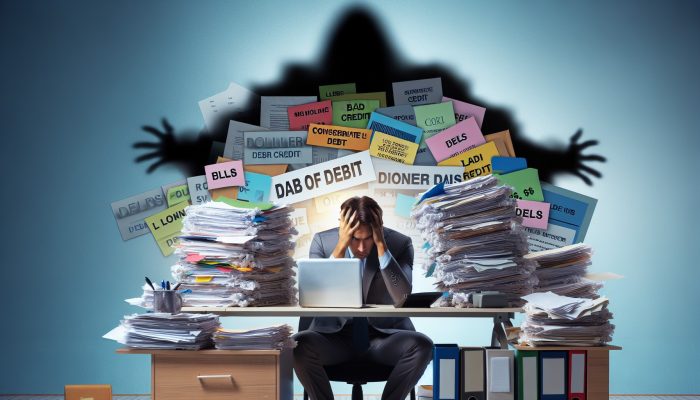
Experiencing bad credit can complicate the debt consolidation process considerably, as there are typically fewer lending options available for individuals with poor credit histories. When applying for a consolidation loan, those with bad credit may confront higher interest rates and stricter repayment conditions compared to their counterparts with better credit scores. This disparity might dissuade individuals from pursuing consolidation even when it could offer relief from their financial woes.
Furthermore, the limited availability of favorable borrowing options may compel individuals to seek out subprime lenders, who are often associated with predatory lending practices. This situation can create a cycle of debt that hinders financial recovery rather than facilitating it. Consequently, individuals with bad credit should conduct a thorough assessment of their financial circumstances and explore all available alternatives before proceeding with debt consolidation.
What Effective Strategies Can Enhance Your Credit Score in the UK?
Enhancing one’s credit score is essential for securing better debt consolidation options and acquiring more favorable loan conditions. Individuals in the UK can adopt various effective strategies to improve their credit ratings over time. The most impactful approach involves ensuring that all current debts and bills are paid punctually, as payment history constitutes a significant component of credit scores.
Another important strategy is to lower overall debt levels, especially high credit card balances. It is advisable to maintain credit utilization below 30% of the available limit, as this can positively influence credit scores. Additionally, routinely reviewing credit reports for inaccuracies is crucial, as errors can adversely affect scores. If any discrepancies are detected, individuals should promptly dispute them with credit reference agencies to ensure correction.
- Timely payment of bills
- Reduction of overall debt levels
- Keeping credit utilization below 30%
- Regularly checking for errors in credit reports
Expert Insights: Real-Life Case Study on Debt Consolidation with Bad Credit
What Are Some Successful Real-World Examples of Debt Consolidation?
Numerous individuals in the UK have successfully consolidated their debts despite facing bad credit, showcasing that recovery is achievable with the right strategies. For instance, some individuals have managed to lower their monthly payments and alleviate financial stress by collaborating closely with financial advisors and debt counselors.
Key elements that have contributed to the success of these debt consolidation efforts include a commitment to adhering to a strict budget, actively negotiating terms with creditors, and conducting thorough research to identify the most suitable lenders. Additionally, many borrowers have prioritized maintaining open communication with their financial institutions, fostering trust and facilitating better repayment arrangements.
- Commitment to a strict budget
- Engaging with creditors to negotiate terms
- Researching potential lenders
- Keeping open lines of communication with financial institutions
What Expert Guidance Can Help You Overcome Bad Credit Challenges?
Navigating debt consolidation with bad credit necessitates a strategic approach. Experts recommend that individuals first assess their complete financial landscape to identify areas demanding improvement. Establishing a practical budget is crucial to ensure that individuals can meet their ongoing financial obligations while concurrently working towards reducing their debts.
Furthermore, seeking professional advice can prove invaluable. Debt counselors or financial advisors can assist individuals in comprehending their options and directing them toward appropriate lenders. It is also essential to exercise patience throughout the process, as enhancing credit scores and consolidating debts takes time. By maintaining a focus on consistent payment behavior and responsible financial practices, individuals can lay the foundation for more advantageous lending opportunities in the future.
- Assess your financial position
- Establish a practical budget
- Seek expert guidance
- Remain patient and consistent with payments
What Long-Term Benefits Can You Gain from Debt Consolidation?
Engaging in debt consolidation can pave the way for long-term financial stability for UK residents, especially those grappling with bad credit. By simplifying debt management and potentially decreasing interest payments, individuals can redirect their focus toward cultivating healthier financial habits. As they effectively manage a single consolidated loan, borrowers may find it easier to stick to payment schedules and avoid missed payments.
Moreover, over time, consistent repayments on a debt consolidation loan can positively influence credit scores. This enhancement can lead to better borrowing terms in the future, as lenders appreciate responsible repayment behavior. Ultimately, the long-term advantages of debt consolidation extend beyond immediate relief; it fosters a more disciplined approach to financial management, unlocking new opportunities for growth and advancement.
How to Select the Most Suitable Debt Consolidation Solution?
Choosing the right debt consolidation option necessitates careful consideration of various factors, including financial circumstances, personal goals, and prevailing market conditions. UK residents should begin by evaluating their current debt levels and understanding the interest rates associated with their existing debts. This foundational knowledge will empower them to identify suitable consolidation loans that offer improved terms.
When selecting a consolidation option, it is vital to compare offers from several lenders, focusing on interest rates, fees, and repayment conditions. Additionally, borrowers should assess the lender’s reputation and customer service to ensure a reliable partnership. By conducting thorough research and obtaining professional advice when needed, individuals can make informed decisions that align with their financial objectives.
Illustrative Case Studies of Successful Debt Consolidation in the UK
Success Story: Overcoming Debt Challenges with Bad Credit
A compelling case study highlights a UK resident named Sarah, who found herself overwhelmed by multiple credit cards and personal loans, all contributing to rising monthly payments. With a credit score reflecting her financial struggles, Sarah felt trapped in her situation. However, after seeking help from a certified debt counselor, she embarked on a journey to consolidate her debts.
Sarah’s journey began with a comprehensive review of her financial status, pinpointing the total debt owed and the corresponding interest rates. With her counselor’s guidance, she identified a suitable debt consolidation loan from a local credit union that offered a lower interest rate than her existing debts. This allowed her to settle all outstanding debts and focus on one manageable monthly payment.
What Steps Did Sarah Undertake to Successfully Achieve Debt Consolidation?
Achieving successful debt consolidation required Sarah to take several proactive measures. Initially, she collaborated with her credit counselor to fully understand her new loan terms and the importance of maintaining a budget. Sarah crafted a detailed budget that accounted for her new monthly payment, ensuring she could meet her obligations without falling behind.
Moreover, Sarah committed to improving her credit score over time. By consistently making on-time payments and avoiding the build-up of new debts, she gradually saw an enhancement in her credit rating. This newfound financial discipline alleviated her immediate stress and laid the groundwork for a brighter financial future.
What Key Insights Can Be Gained from Sarah’s Experience?
Sarah’s narrative imparts several crucial lessons for individuals contemplating debt consolidation. First, it emphasizes the significance of seeking professional assistance to navigate the complexities of debt management. Expert guidance can provide clarity and aid individuals in making informed decisions tailored to their unique financial situations.
Additionally, the importance of establishing and adhering to a strict budget cannot be overstated. By developing a clear financial plan, individuals can better manage their resources and make significant strides toward achieving financial stability. Ultimately, Sarah’s experience serves as a reminder that enhancing credit scores through responsible financial habits is not only achievable but also attainable with dedication and discipline.
Prominent Financial Institutions Offering Debt Consolidation Solutions in the UK
Which UK Banks Are Notable for Debt Consolidation Loans?
When pursuing debt consolidation loans, UK residents have a wealth of options from various banks and financial institutions. Several prominent banks offer personal loans specifically designed for debt consolidation, typically featuring competitive interest rates and flexible repayment terms. Among the most reputable UK banks for debt consolidation are Barclays, Lloyds, and HSBC, each providing tailored financial solutions to assist individuals in managing their debts more effectively.
It is essential for borrowers to meticulously compare the loan products available from these financial institutions. Factors such as interest rates, repayment periods, and any associated fees should be thoroughly assessed when making a decision. By analyzing available options and selecting the most suitable based on personal financial circumstances, borrowers can optimize the benefits of consolidation and enhance their overall financial health.
What Role Do Credit Unions Play in Providing Debt Consolidation Options?
Credit unions in the UK play a vital role in offering debt consolidation solutions, often providing terms that are more favorable than those offered by traditional banks. As not-for-profit entities, credit unions prioritize their members’ interests, resulting in lower interest rates and fees for borrowers. This can be particularly advantageous for individuals with bad credit, as credit unions might be more inclined to consider personal circumstances rather than solely focusing on credit scores.
Additionally, credit unions frequently offer personalized service and financial education, equipping members to make informed decisions regarding their debt management. By viewing credit unions as viable options for debt consolidation, UK residents can access more favorable lending conditions and support tailored to their specific financial needs.
How to Make an Informed Choice When Selecting a Lender in the UK?
Selecting the appropriate lender for debt consolidation is crucial to the process. UK residents should initiate the process by comparing interest rates, fees, and repayment terms from various lenders to identify the best options available. Reading customer reviews and evaluating the lender’s reputation can provide valuable insights into their reliability and the quality of customer service.
Moreover, borrowers must ensure they fully comprehend the terms and conditions associated with any loan, including the potential for hidden fees or penalties. Engaging in open communication with prospective lenders can help clarify uncertainties and foster a positive working relationship. By conducting thorough research and evaluating lenders, individuals can secure a loan that aligns best with their financial goals and circumstances.
Proven Strategies for Successful Debt Consolidation with Bad Credit
What Practical Steps Should You Implement for Debt Consolidation?
For UK residents with bad credit contemplating debt consolidation, several actionable steps can improve their chances of success. First and foremost, evaluating one’s financial situation is essential. This assessment involves calculating the total debt owed and understanding the interest rates associated with each financial obligation.
Next, individuals should research various lenders, focusing on those that offer consolidation loans specifically designed for borrowers with bad credit. Consulting with credit counselors or financial advisors can provide valuable insights into navigating the consolidation process. Following this, creating a realistic budget that incorporates the new loan payment is vital for ensuring ongoing financial stability.
Lastly, maintaining open lines of communication with the chosen lender throughout the repayment period is crucial. This practice ensures that any potential issues can be promptly addressed, fostering a positive relationship and establishing a solid foundation for improved financial health.
- Evaluate your financial scenario
- Research lenders who cater to borrowers with bad credit
- Consult with financial advisors
- Create a practical budget
- Maintain ongoing communication with lenders
What Essential Considerations Should Be Made Prior to Debt Consolidation?
Before proceeding with debt consolidation, several critical considerations must be assessed to ensure this strategy aligns with long-term financial objectives. First, it is crucial to evaluate your comprehensive financial situation, including current debts, income, and expenses. This foundational understanding will aid in determining the viability of debt consolidation as a potential solution.
Additionally, borrowers should meticulously examine the terms of the new loan to ensure it provides tangible benefits. Factors such as interest rates, fees, and repayment conditions must be scrutinized to confirm their favorability. Lastly, individuals should reflect on whether consolidating debts will genuinely support their long-term financial health or if it could lead to further complications in the future.
How Can You Maintain Financial Health After Debt Consolidation?
After debt consolidation, sustaining financial health is vital for ensuring long-term success. One of the most effective strategies is to adhere strictly to a budget that incorporates the new consolidated loan payment along with other regular expenses. By managing finances diligently, individuals can avoid slipping back into previous debt cycles.
Another crucial aspect is to consistently pay bills on time and steer clear of accruing new debt. Practicing prudent financial management will facilitate improved credit scores over time, ultimately leading to better borrowing options in the future. Regularly reviewing financial goals and adjusting spending habits as necessary can promote ongoing financial stability in the period following consolidation.
Legal and Regulatory Framework Governing Debt Consolidation in the UK
What Regulations Govern Debt Consolidation in the UK?
Debt consolidation in the UK is subject to specific regulations designed to safeguard consumers throughout the borrowing process. The Financial Conduct Authority (FCA) oversees lending practices, ensuring that lenders adhere to fair and transparent guidelines. These regulations necessitate that lenders provide clear disclosures concerning loan terms, interest rates, and any fees associated with consolidation loans.
Moreover, borrowers have the right to receive comprehensive information before entering into loan agreements. Understanding these regulations empowers individuals to make informed decisions regarding their financial commitments and shields against predatory lending practices. By recognizing their rights, borrowers can approach debt consolidation with greater confidence and awareness.
How Do UK Laws Protect Borrowers Engaged in Debt Consolidation?
UK laws provide various protections for borrowers involved in debt consolidation. These protections include the requirement for lenders to disclose clear and comprehensive information about loan terms, ensuring transparency throughout the borrowing process. Additionally, UK laws grant borrowers the right to a cooling-off period, allowing them to reconsider their decision to take on new debt without incurring penalties.
Provisions within the Consumer Credit Act also protect borrowers from unfair practices, such as hidden fees or misleading information. These legal safeguards promote responsible lending and ensure that individuals can pursue debt consolidation without fear of exploitation. Understanding these protections is crucial for borrowers as they navigate the consolidation landscape.
What Consequences Can Arise from Defaulting on a Debt Consolidation Loan?
Defaulting on a consolidation loan in the UK can lead to severe consequences that adversely impact both financial standing and credit scores. When borrowers fail to meet their repayment obligations, lenders may initiate collection actions, including pursuing legal avenues to recover owed funds. This scenario can result in further financial distress and complications.
Additionally, defaulting can significantly damage an individual’s credit rating, making it increasingly challenging to obtain future loans or secure favorable borrowing conditions. In some instances, borrowers may incur extra fees and interest rates, exacerbating their financial difficulties. To avoid the negative repercussions of default, it is essential for individuals to remain diligent in managing their repayment schedules and maintain open communication with lenders if challenges arise.
Effective Financial Planning and Debt Management Strategies in the UK
How to Formulate an Effective Budget for Debt Consolidation?
Creating a budget is a foundational step for successful debt consolidation in the UK. A well-structured budget allows individuals to understand their financial position and plan effectively for new loan payments. To begin, individuals should list all sources of income, including salaries and any supplementary earnings, followed by detailing all monthly expenses. This process will highlight areas where spending can be curtailed.
While budgeting, it is vital to incorporate the new consolidated loan payment alongside existing financial commitments. By allocating specific amounts for each category, individuals can gain clarity on their cash flow and ensure they can meet their monthly obligations without falling behind. Regularly revisiting and adjusting the budget facilitates ongoing financial health and adaptability as circumstances evolve.
What Are the Most Effective Debt Management Techniques Available?
Several effective debt management techniques can assist UK residents in navigating their financial challenges. One commonly utilized strategy is the snowball method, where individuals focus on paying off the smallest debts first while maintaining minimum payments on larger debts. This approach can create a sense of accomplishment and motivation as debts are eliminated.
Another method is the avalanche technique, prioritizing the repayment of debts with the highest interest rates first. This strategy can lead to significant savings over time. Additionally, entering a debt management plan with a certified financial planner can yield customized strategies for managing debts effectively. Each technique has its advantages, and individuals should choose based on personal preferences and financial situations.
How to Seek Professional Financial Guidance in the UK?
Seeking professional financial advice can be an invaluable step in managing debt consolidation effectively. UK residents should search for certified financial planners or debt counselors who can provide personalized guidance based on individual circumstances. These experts can assist in evaluating one’s financial situation, identifying suitable consolidation options, and developing practical strategies for long-term financial success.
When selecting a financial advisor, it is crucial to consider their qualifications, experience, and reputation. Collaborating with professionals who possess a solid understanding of the UK financial landscape can enhance the effectiveness of debt management efforts. By taking the initiative to seek expert assistance, individuals can empower themselves to make informed decisions that promote sustainable financial health.
Emerging Trends in Debt Consolidation Across the UK
What New Trends Should Be Recognized in Debt Consolidation?
Emerging trends in debt consolidation within the UK are increasingly shaped by technological advancements and evolving consumer behaviors. A significant trend is the growing reliance on digital platforms for loan applications, which streamline the process and enhance accessibility. Many lenders now offer online tools that enable borrowers to assess their eligibility and explore various loan options without excessive paperwork.
Furthermore, there is a noticeable shift towards more flexible repayment options, catering to the diverse financial situations of borrowers. As financial education becomes a focal point for many institutions, individuals are also becoming empowered to make informed decisions regarding their debt management, leading to a more proactive approach to financial well-being.
How Will Technology Transform Debt Consolidation Practices?
Technology is set to revolutionize the debt consolidation landscape in the UK. With advanced online platforms, borrowers can easily compare loan offers, evaluate interest rates, and read customer reviews—all from the comfort of their homes. This increased accessibility enables individuals to make informed choices that align with their financial needs.
Moreover, technology is likely to enhance communication between borrowers and lenders, facilitating more efficient management of loan repayments and addressing any issues that may arise. The use of mobile applications for budgeting and expense tracking is also anticipated to grow, empowering individuals to stay on top of their finances and make proactive decisions regarding their debt.
How to Prepare for Future Financial Security in the UK?
Preparing for future financial security in the UK necessitates a multifaceted approach that encompasses understanding debt consolidation options, maintaining a healthy credit score, and developing long-term financial plans. As individuals navigate their financial journeys, prioritizing education about debt management and responsible borrowing will be vital for making well-informed decisions.
Additionally, cultivating healthy financial habits, such as sticking to strict budgets and making timely payments, will establish the foundation for improved credit ratings and enhance access to better lending options in the future. By fostering a proactive mindset and utilizing available resources, UK residents can bolster their financial resilience and secure a more stable future.
Frequently Asked Questions about Debt Consolidation
What is debt consolidation, and how does it work?
Debt consolidation involves merging multiple debts into a single loan, typically at a lower interest rate, simplifying repayments and potentially reducing overall monthly payments.
How does debt consolidation function in the UK?
In the UK, debt consolidation generally entails acquiring a new loan to settle existing debts, allowing borrowers to manage payments more effectively under one unified loan.
What advantages does debt consolidation offer?
Benefits encompass lower monthly payments, simplified financial management, improved credit scores over time, and reduced financial stress, facilitating easier handling of financial obligations.
What risks are associated with debt consolidation?
Risks include the potential extension of the loan term, hidden fees, and short-term impacts on credit scores. Borrowers must carefully weigh these considerations prior to proceeding.
How does bad credit affect loan applications?
Bad credit can hinder loan applications by leading to higher interest rates or outright rejections, as lenders perceive individuals with poor credit histories as higher risks.
What steps can I take to improve my credit score?
Enhancing your credit score involves making timely bill payments, reducing overall debt levels, maintaining low credit utilization, and routinely checking credit reports for inaccuracies.
What effective debt management techniques are available?
Effective methods include the snowball strategy for focusing on smaller debts first, the avalanche approach for prioritizing higher interest debts, and engaging in a debt management plan.
Who can assist with debt consolidation?
Certified financial planners and debt counselors can provide personalized guidance and tailored strategies for individual financial situations, aiding in navigating the consolidation process.
What repercussions arise from defaulting on a consolidation loan?
Defaulting can lead to significant damage to your credit score, potential legal actions from lenders, and additional financial complications, making it essential to adhere to payment schedules.
How can I choose the right lender for a debt consolidation loan?
Selecting the right lender involves comparing interest rates, fees, and terms, alongside evaluating the lender’s reputation and quality of customer service.
Connect with us on Facebook!
This Article Was First Found On: https://www.debtconsolidationloans.co.uk
The Article Debt Consolidation with Bad Credit: A UK Case Study Success Was Found On https://limitsofstrategy.com


