Your Comprehensive Resource for Understanding Diabetes Blood Testing Procedures
What Is the Purpose of a Diabetes Blood Test?
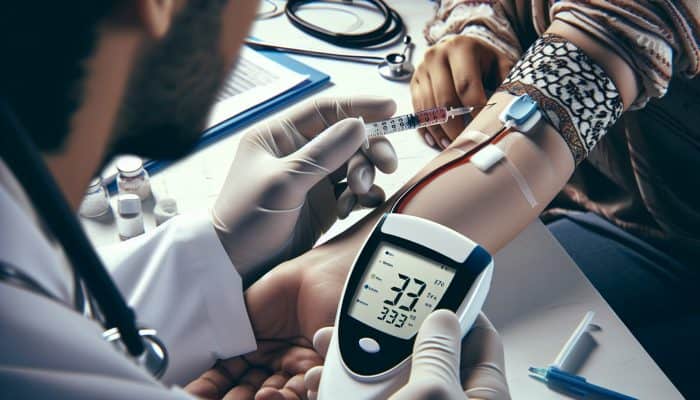
Diabetes Blood Test in Birmingham: A diabetes blood test serves as a critical diagnostic tool that measures the amount of glucose circulating in your blood. This test plays a crucial role in diagnosing diabetes, monitoring the condition, and assessing your body’s ability to manage blood sugar levels. The information gathered from this test provides essential insights for both patients and healthcare providers, informing necessary adjustments in treatment plans, dietary habits, or lifestyle modifications. By evaluating glucose levels, healthcare professionals can identify potential complications and risks associated with diabetes, facilitating timely interventions that lead to improved health outcomes.
Grasping your blood sugar levels is vital for maintaining overall wellness, particularly in effectively managing diabetes. Regular testing not only aids in recognizing your current diabetes status but also empowers you to take proactive steps toward health management. With the increasing incidence of diabetes in the UK, having a dependable method for monitoring blood sugar levels has become essential for individuals and healthcare systems.
 Discover the Different Types of Diabetes Blood Tests You Can Choose
A variety of diabetes blood tests exist, each tailored for specific purposes in diabetes management. The primary types include:
- Fasting Blood Sugar Test: This test measures blood sugar levels after an overnight fast, proving essential for diagnosing diabetes.
- A1C Test: This test calculates the average blood sugar levels over the previous 2-3 months, offering a comprehensive view of blood sugar control.
- Oral Glucose Tolerance Test (OGTT): This assessment measures your blood sugar levels before and after consuming a glucose-rich drink, which is particularly useful for diagnosing gestational diabetes.
- Random Blood Sugar Test: A quick evaluation that can be performed at any time, irrespective of the last meal, to assess immediate blood sugar levels.
Each type of test provides distinct insights, and selecting the right one often hinges on your medical history and the circumstances surrounding your diabetes care. Understanding these variations is crucial for effective management and treatment of the condition.
Why Is It Essential to Regularly Test Your Blood Sugar Levels?
Establishing a routine of regular blood sugar testing is essential for managing diabetes effectively. Consistent monitoring of your blood sugar levels allows for the early detection of fluctuations that may signal a deterioration in your health. This proactive approach is vital in preventing long-term complications associated with diabetes, such as heart disease, kidney failure, and neuropathy.
By regularly checking your blood sugar, you gain the ability to adjust your treatment strategies more effectively. This could involve making necessary changes to your medication, dietary choices, and exercise routines, which can significantly enhance your quality of life. Furthermore, the information collected from these tests is invaluable for healthcare providers, enabling them to tailor their treatment protocols for a personalized approach to your care.
How Should You Prepare for Your Upcoming Diabetes Blood Test?

Proper preparation for a diabetes blood test is crucial to ensure the accuracy of the results. Typically, this preparation may involve fasting for a specific duration prior to the test, particularly for the fasting blood sugar and A1C tests. Important considerations include:
- Fasting: Generally, this requires refraining from eating for at least 8 hours before the test.
- Medication: It’s vital to inform your healthcare provider about any medications you are currently taking, as some might interfere with the results of your tests.
- Illness: Notify your doctor if you have been unwell recently, as this can impact your blood sugar readings.
- Hydration: Unless instructed otherwise, drink plenty of water to stay hydrated, as this helps improve vein visibility during the blood draw.
By following these guidelines, you can ensure that your test results are as accurate as possible, which will support optimal diabetes management and improve your overall health outcomes.
How Can You Effectively Understand Your Diabetes Blood Test Results?
Grasping the results of your diabetes blood tests is essential for managing your condition effectively. Understanding what your numbers indicate enables you to make informed decisions regarding your treatment plan. Healthcare professionals typically provide reference ranges for normal, prediabetic, and diabetic levels, allowing you to ascertain whether you are within a safe range or if adjustments are necessary.
For example, a fasting blood sugar level below 5.6 mmol/L is generally considered normal, while levels between 5.6 and 6.9 mmol/L indicate prediabetes. Familiarizing yourself with these distinctions facilitates timely interventions, thereby reducing the risk of complications and enhancing your overall health outcomes.
Where Can You Find Comprehensive Diabetes Blood Testing Services in Birmingham?
Accessing NHS Services in Birmingham for Your Blood Testing Needs

The NHS offers a wide range of diabetes blood testing services throughout Birmingham, ensuring that all residents have easy access. Many of these services are available at no cost to eligible patients, making them an invaluable resource for effective diabetes management. Key NHS testing locations in Birmingham include:
- Birmingham City Hospital
- Selly Oak Hospital
- The Queen Elizabeth Hospital
- Heartlands Hospital
These facilities employ qualified healthcare professionals who guide you through the testing process, ensuring you receive personalized care and support tailored to your specific needs.
Exploring Private Clinics for Comprehensive Diabetes Testing Options in Birmingham
For individuals seeking quicker results or additional consultation alternatives, private clinics in Birmingham provide diabetes blood testing services. These clinics usually feature shorter wait times and offer a more personalized healthcare experience. Some prominent private clinics in Birmingham include:
- Spire Parkway Hospital
- New Hall Hospital
- Bupa Health Centre Birmingham
- Circle Health Group
These facilities offer customized services that may better meet your unique healthcare needs, especially if you require comprehensive health assessments alongside your diabetes testing.
Convenient Home Testing Kits for Managing Diabetes in Birmingham
The demand for home testing kits for diabetes is rapidly increasing among individuals who prioritize privacy and convenience. These kits allow blood sugar monitoring in the comfort of your home, serving as an effective means of managing diabetes. Some popular home testing kit brands available in Birmingham include:
- Accu-Chek
- Freestyle Lite
- OneTouch
- GlucoRx
Utilizing these kits empowers patients to take control of their health by facilitating regular monitoring, which is crucial for effective diabetes management and overall well-being.
What Preparatory Steps Should You Take Before a Diabetes Blood Test?
Proper preparation for a diabetes blood test is vital to ensure precise results and a smooth experience during your appointment. Consider the following key aspects:
- Fasting Requirements: For fasting tests, it is essential to avoid eating or drinking anything except water for at least 8 hours before the test to maintain optimal accuracy.
- What to Bring to Your Appointment: Bring your NHS number or identification, a list of current medications, and any relevant medical history documentation to streamline the process.
- What to Expect During the Test: You can expect a brief procedure where a healthcare professional will draw a small blood sample. Most patients find this process to be quick and painless.
- How to Manage Anxiety Before the Test: If you experience anxiety, relaxation techniques like deep breathing, meditation, or listening to calming music can help alleviate stress before your appointment.
By understanding and preparing for these components, you can significantly enhance your experience, making it far less daunting.
Insights from Experts on Diabetes Blood Testing in Birmingham
Real-World Success Stories Highlighting the Importance of Diabetes Testing
Real-life examples underscore the significance of regular diabetes blood testing in Birmingham, showcasing how individuals have successfully managed their conditions. Take Sarah, a 45-year-old Birmingham resident diagnosed with type 2 diabetes. Through consistent blood testing every three months, she could identify when her blood sugar levels began to rise. This awareness allowed her to collaborate effectively with her healthcare team to modify her diet and exercise regimen, ultimately leading to improved A1C readings.
Another example is John, who received a diabetes diagnosis just prior to the pandemic. Regular testing became a critical lifeline for him, as it not only helped manage his condition but also provided a sense of control during uncertain times. These narratives vividly illustrate the profound impact that regular blood testing can have on an individual’s health journey.
Actionable Steps for Optimizing Your Diabetes Testing Routine
To maximize the benefits of diabetes blood testing in Birmingham, consider implementing the following actionable strategies:
- Establish a Testing Schedule: Create a consistent testing routine, ideally every three months, to effectively monitor your blood sugar levels.
- Communicate with Your Health Team: Discuss your test results with your healthcare provider and ask questions to gain a clearer understanding of your health status.
- Document Your Results: Keeping a log of your blood sugar levels can help identify patterns and triggers that may impact your health.
- Follow Up on Abnormal Results: If your results fall outside the normal range, consult your healthcare provider to make necessary adjustments to your management plan.
By embracing these steps, you can optimize your diabetes management strategy and ensure you are making informed decisions regarding your health.
Expert Insights on Interpreting Your Diabetes Test Results
Interpreting your diabetes blood test results can be a complex task; however, mastering this understanding is vital for effective diabetes management. Start by recognizing the normative ranges; for instance, a fasting blood sugar level of less than 5.6 mmol/L is considered normal. If your A1C test results exceed 6.5%, this typically indicates poorly managed diabetes.
Experts often recommend evaluating trends observed in your results over time rather than focusing solely on individual readings. If patterns emerge indicating a consistent increase in your levels, it may be prudent to discuss with your healthcare provider the necessary adjustments to your treatment plan. Engaging with your healthcare provider to grasp these nuances can empower you to proactively manage your diabetes.
What Are the Major Benefits of Regular Diabetes Blood Testing?
Consistent Monitoring for Optimal Blood Sugar Management
Regular diabetes blood testing is essential for continuously monitoring blood sugar levels. This practice is crucial in maintaining your blood sugar within recommended ranges, thereby minimizing the risk of complications. The frequency of testing often depends on your unique circumstances, with healthcare providers typically advising a minimum of one test every three months for individuals diagnosed with diabetes.
By diligently monitoring your levels, you can promptly respond to any significant changes, adapting your treatment and lifestyle as necessary. This proactive approach is instrumental in preserving your overall health and well-being.
Effectively Adjusting Your Treatment Plans Based on Test Results
The insights gained from regular blood testing for diabetes empower healthcare providers to make effective adjustments to treatment plans. Based on your results, your healthcare provider may recommend changes to your medication, dietary practices, or exercise regimens. For example, if your blood sugar levels consistently remain elevated, it might indicate the need for an increased dosage of insulin or other medications.
Conversely, stable blood sugar levels may suggest that your current regimen is effective, allowing you to maintain your lifestyle with increased confidence. This dynamic approach to treatment ensures you receive the most suitable care tailored to your individual health needs.
Preventing Long-Term Complications Through Regular Blood Testing
One of the most significant advantages of regular testing is the prevention of long-term complications associated with diabetes. By effectively managing blood sugar levels, you can significantly reduce the risk of severe health issues such as cardiovascular disease, kidney damage, and neuropathy. Healthcare providers consistently emphasize the importance of maintaining blood sugar levels as close to normal as possible to mitigate these risks.
Furthermore, understanding the potential consequences of uncontrolled diabetes can motivate individuals to adhere to their testing and management plans. Regular blood testing serves as a vital tool in safeguarding your health, enabling timely interventions before complications arise.
How Can You Accurately Interpret Your Diabetes Blood Test Results?
Understanding the Importance of Your Blood Sugar Levels
Understanding your blood sugar levels is crucial for effective diabetes management. Typically, a normal fasting blood sugar level should be below 5.6 mmol/L. If your readings fall between 5.6 and 6.9 mmol/L, this indicates prediabetes, serving as a critical warning sign. Levels of 7.0 mmol/L or higher at the time of diagnosis suggest diabetes.
By recognizing these thresholds, you can better understand your health status and the necessary actions required for effective management of your condition. Regular discussions with your healthcare provider about these levels also provide clarity on how lifestyle changes can influence your readings.
What Key Insights Can You Gain from Your A1C Test Results?
The A1C test is a crucial element of diabetes management as it reflects your average blood sugar levels over the past 2 to 3 months. An A1C result of less than 5.7% is considered normal, while 5.7% to 6.4% indicates prediabetes. An A1C of 6.5% or higher often confirms a diagnosis of diabetes.
Understanding how the A1C is calculated and its implications can significantly aid in managing your diabetes. This test also helps assess the effectiveness of your current treatment plan, facilitating necessary adjustments to achieve your target A1C levels.
When Should You Seek Additional Medical Guidance?
If your diabetes blood test results fall outside the standard range, it is crucial to seek further medical advice. Signs indicating the need for additional attention include consistently elevated blood sugar levels, unexplained weight loss, or symptoms such as excessive thirst, frequent urination, and fatigue.
Promptly discussing these concerns with your healthcare provider can lead to timely interventions, ensuring your diabetes management plan is as effective as possible. Taking early action can help prevent complications and enhance your overall health outcomes.
Research-Backed Advantages of Diabetes Blood Testing in Birmingham
Improved Management of Diabetes Through Regular Testing
Research consistently demonstrates that regular blood testing for diabetes leads to enhanced management of the condition. In Birmingham, studies show that individuals who engage in consistent monitoring are less likely to experience complications. Routine testing allows for the identification of trends, enabling healthcare providers to proactively adjust treatment plans accordingly.
This level of care often results in improved health outcomes and a reduction in hospitalizations related to diabetes complications. This data reinforces the importance of making blood testing a standard part of diabetes management.
Enhanced Patient Education Opportunities Through Testing
Diabetes blood testing in Birmingham also offers valuable opportunities for enhanced patient education. Each test fosters a dialogue between patients and healthcare professionals, providing insights into how lifestyle factors influence blood sugar levels.
Educated patients are empowered to take control of their health, making informed decisions regarding their diet, exercise, and medication adherence. This education is vital for achieving better health outcomes and ensuring that individuals remain actively engaged in their care.
Cost-Effectiveness of Routine Testing for Diabetes Management
The cost-effectiveness of regular blood testing for diabetes is noteworthy. Research indicates that consistent monitoring can prevent costly complications associated with poorly managed diabetes. For instance, expenses related to hospitalization due to diabetes-related complications can be substantial, highlighting the value of regular testing as a preventive measure.
By investing in routine testing, individuals can save money in the long run while also enhancing their quality of life. This aspect of diabetes management is crucial, particularly within a healthcare system like the NHS, where preventing complications can alleviate pressure on resources.
Early Detection of Complications Through Regular Testing
Regular diabetes blood testing in Birmingham enables the early detection of complications, facilitating timely intervention and management. By closely monitoring blood sugar levels, potential signs of complications can be addressed before they escalate into more serious issues. For example, the early identification of declining kidney function can lead to interventions that significantly delay or prevent the progression of kidney disease.
This preventive strategy not only enhances individual health outcomes but also reduces the overall burden on the healthcare system. Timely interventions are essential for managing diabetes effectively, ensuring that patients maintain their health and well-being.
How Can You Easily Access Comprehensive Diabetes Blood Testing Services in Birmingham?
Simplifying the Process of Booking Your Blood Test Appointment
Booking an appointment for a diabetes blood test in Birmingham is a straightforward process. Patients can arrange their tests through various channels, including online booking systems, telephone appointments, or in-person visits to healthcare facilities.
When scheduling your appointment, ensure you have your NHS number available and provide your medical history if needed. This information will help healthcare providers prepare for your visit, ensuring that you undergo the appropriate tests tailored to your specific healthcare needs.
Utilizing Walk-In Services for Immediate Blood Testing
Some healthcare facilities in Birmingham offer convenient walk-in services for diabetes blood testing. These services are ideal for individuals who require immediate testing without the need for a prior appointment. Locations such as community health centres often designate specific times for walk-in testing, ensuring accessibility for all patients.
This flexibility is especially beneficial for individuals who may find it challenging to schedule appointments in advance, thus ensuring everyone has the opportunity to monitor their health effectively.
Innovative Mobile Testing Units Bringing Services Directly to You
Mobile testing units represent an innovative solution in Birmingham, delivering diabetes blood testing services directly into the community. These units often operate in various locations, including shopping centres and community events, making it easier for individuals to access testing services.
Patients can stay informed about the locations and schedules of these mobile units through local health service announcements. This initiative aims to enhance accessibility and encourage regular testing, particularly among demographics that may be less inclined to visit healthcare facilities.
Proven Strategies for Effective Diabetes Blood Testing in Birmingham
Establishing a Consistent Testing Routine for Better Management
Creating a regular testing routine is critical for successful diabetes management. Consistency in monitoring allows for better tracking of blood sugar levels over time, enabling individuals to identify patterns and respond effectively.
To establish your testing schedule, choose specific days of the week or month for conducting your tests. This consistency helps form a habit, ensuring that blood sugar monitoring becomes an integral part of your health routine and management strategy.
Keeping Detailed Records of Your Blood Test Results
Maintaining a record of your diabetes blood test results is beneficial for understanding trends and making informed decisions about your health. Utilizing tools such as mobile apps or paper journals can simplify this process, allowing you to document fluctuations and potential triggers affecting your blood sugar levels.
By regularly reviewing your documented results, you can identify patterns that may warrant discussions with your healthcare provider. This proactive approach fosters greater engagement with your diabetes management plan and enhances your overall health outcomes.
Collaborating Effectively with Your Healthcare Providers
Collaboration with healthcare providers is essential for ensuring that your diabetes blood testing and management plan are tailored to your specific needs. Regular communication regarding your results and any concerns can lead to more personalized care, improving your management strategies.
Be open about your experiences, lifestyle choices, and any challenges you encounter. This collaboration ensures that your healthcare provider can offer appropriate support and adjustments to your treatment plan, fostering a comprehensive approach to diabetes management.
Selecting the Right Testing Equipment for Optimal Results
Choosing the right blood glucose meters and testing strips is critically important for effective diabetes management. When selecting equipment, consider features such as ease of use, display readability, and data storage capabilities.
Additionally, ensure that testing strips are readily available for purchase, as this will facilitate regular testing. Investing in reliable equipment enhances your ability to monitor your blood sugar effectively, ultimately contributing to better health management outcomes.
Understanding Your Blood Sugar Targets for Enhanced Control
Understanding your target blood sugar levels is essential for effective diabetes management. Work closely with your healthcare provider to establish personalized goals based on your health status, lifestyle, and treatment plan.
Once you are aware of your targets, you can adjust your lifestyle accordingly, such as modifying your diet or increasing physical activity. Regularly evaluating your progress is crucial, as it helps you remain accountable and motivated to meet your health objectives.
Commonly Asked Questions About Diabetes Blood Testing
What Is the Normal Range for Blood Sugar Levels?
Normal fasting blood sugar levels are generally below 5.6 mmol/L. Levels ranging from 5.6 to 6.9 mmol/L suggest prediabetes, while levels of 7.0 mmol/L or higher indicate diabetes.
How Often Should I Have a Diabetes Blood Test?
It is generally recommended to undergo diabetes blood tests at least every three months, although your healthcare provider may suggest more frequent testing based on your individual circumstances.
Can I Eat Before a Blood Test for Diabetes?
For fasting blood sugar tests, you should refrain from eating or drinking anything other than water for at least 8 hours before the test to ensure accurate results.
What Should I Do If My Blood Sugar Is Too High?
If your blood sugar levels are consistently elevated, consult your healthcare provider to discuss potential adjustments to your treatment plan, which may include changes to your medication, diet, or exercise regimen.
Are There Any Risks Associated with Diabetes Blood Tests?
Diabetes blood tests are generally safe, with minimal risks involved. The most common side effects include minor bruising or discomfort at the site of the blood draw.
What Is the A1C Test Used For?
The A1C test measures your average blood sugar levels over the past 2-3 months, providing valuable insights into how well your diabetes is being managed.
Can I Monitor My Blood Sugar at Home?
Yes, home testing kits are available, allowing you to conveniently monitor your blood sugar levels. Regular home monitoring can empower you to manage your diabetes proactively and effectively.
What Should I Do If My A1C Levels Are High?
If your A1C levels exceed the normal range, it is crucial to consult with your healthcare provider about potential strategies for improving your blood sugar control.
How Can Lifestyle Changes Affect My Diabetes Management?
Lifestyle changes, such as improving your diet, increasing physical activity, and managing stress, can significantly impact your blood sugar levels and overall diabetes management.
What Should I Do If I Experience Symptoms of Low Blood Sugar?
If you experience symptoms of low blood sugar, such as shakiness or dizziness, it is essential to consume fast-acting carbohydrates, like glucose tablets or sugary drinks, and seek medical advice if symptoms persist.
Connect with us on Facebook!
This Article Was First Found On https://bloodtest.co.uk
The Article Diabetes Blood Test: Your Essential Guide in Birmingham Was Found On https://limitsofstrategy.com