Discover the Importance of Fitness for Older Women in the UK
Explore the Transformative Benefits of Regular Exercise
Engaging in fitness activities is essential for enhancing overall health, maintaining mobility, and improving the quality of life for older women in the UK. Regular physical activity provides a multitude of benefits that significantly impact both physical health and mental well-being. Consider these important advantages:
- Enhanced cardiovascular health: Regular exercise strengthens the heart and improves circulation, leading to better cardiovascular function.
- Improved mobility: Physical activity increases flexibility and builds muscle strength, making everyday tasks simpler and more manageable.
- Support for bones and joints: Weight-bearing exercises are crucial for maintaining bone density and ensuring optimal joint health.
- Boosted mental clarity and mood: Exercise triggers the release of endorphins, which help alleviate symptoms of depression and anxiety.
- Effective weight management: Staying active is vital for achieving and maintaining a healthy weight.
- Improved sleep quality: Regular physical activity enhances sleep patterns, resulting in more restful nights.
- Increased social engagement: Group fitness classes foster new social connections and create a sense of community.
The wide array of benefits underscores why older women in the UK should prioritise their fitness journey. Exercise not only contributes to a longer, healthier life but also enhances enjoyment in daily activities.
Identify the Best Fitness Activities for Older Women
When it comes to choosing appropriate fitness activities for older women, it’s important to select exercises that are both effective and enjoyable. The UK offers a variety of options specifically designed to meet the needs of older women:
Walking is one of the simplest yet most rewarding forms of exercise. Whether it’s a leisurely stroll in local parks like Hyde Park in London or traversing the scenic trails of the Lake District, walking provides excellent cardiovascular benefits while being gentle on the joints.
Swimming is another excellent choice, especially in the UK’s numerous indoor pools. This low-impact activity is ideal for those with joint issues and effectively builds endurance and strength without placing stress on the body.
Yoga, known for enhancing flexibility and promoting mindfulness, is highly recommended as well. Classes specifically designed for seniors are widely available in community centres and local gyms, offering both physical and mental health benefits.
Other activities include cycling, whether outdoors or on stationary bikes, and classes like Pilates that focus on core strength and stability. Incorporating a mix of these activities can sustain enthusiasm while addressing various fitness aspects.
Adopt Essential Safety Guidelines When Starting a Fitness Routine
Embarking on a fitness journey can be intimidating, especially for older women. Ensuring safety and minimising injury risk should be a top priority. Here are vital safety measures to keep in mind:
- Consult a healthcare professional: Before beginning any exercise program, it is crucial to check with your GP to ensure you are fit to participate.
- Start slow: Gradually increase the intensity and duration of workouts to avoid unnecessary strain on the body.
- Listen to your body: Pay attention to any discomfort or pain, and be ready to modify your routine as necessary.
- Warm-up and cool-down: Always incorporate appropriate warm-up and cool-down exercises to prepare your muscles and aid in recovery.
- Stay hydrated: Maintain optimal hydration by drinking plenty of water before, during, and after exercise.
- Select appropriate footwear: Choose supportive shoes that are suitable for the activities you plan to engage in.
- Use proper equipment: Ensure that any equipment you use matches your ability level and exercise goals.
By following these safety tips, older women in the UK can confidently embark on their fitness journeys, paving the way for a vibrant, healthier lifestyle.
Access Valuable Fitness Resources Across the UK
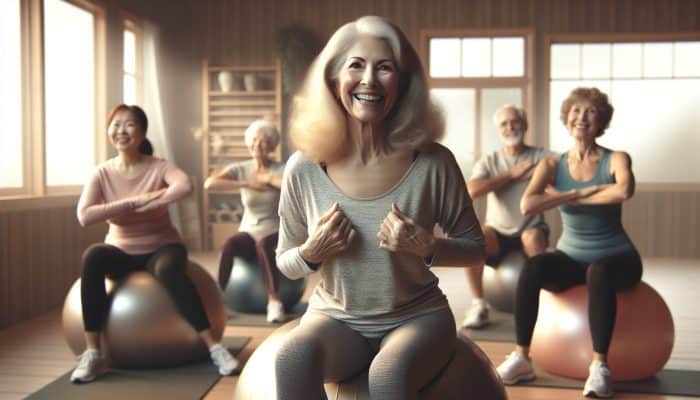
Finding suitable fitness resources tailored for older women is essential to making exercise enjoyable and accessible. The UK provides a plethora of options to explore:
Local gyms are increasingly attuned to the unique needs of older adults, offering specialised classes created specifically for seniors. Community centres typically host fitness programs that focus on low-impact workouts, ensuring older women can find a friendly and supportive environment.
The rise of online resources has revolutionised fitness approaches, with many platforms offering virtual workout classes specifically for older women. Websites providing customised fitness plans, instructional videos, and community forums can offer invaluable support in maintaining a consistent fitness routine.
Local councils often organise community fitness events, ranging from walking groups to dance classes, allowing older women to connect with others while staying active. Exploring local offerings can reveal many resources that are free or low-cost, making fitness accessible for everyone.
The diverse range of fitness resources available throughout the UK empowers older women to take charge of their health and wellness through regular exercise and activity.
Gain Expert Insights on Effective Fitness Strategies for Older Women
Learn from Inspiring Real-Life Fitness Success Stories
Real-life stories can serve as powerful motivators for those considering their fitness journeys. Many older women in the UK have embarked on transformative fitness paths, showcasing the significant impact of regular exercise. For instance, the story of Margaret from Manchester, who began walking at 65 after retiring, exemplifies this journey. Initially, she struggled to walk a mile, but with perseverance, she gradually built her endurance and ultimately completed a 10-mile charity walk.
Margaret’s journey illustrates several actionable steps that others can follow. Setting realistic and achievable goals is essential. Starting with short, manageable distances and progressively increasing them fosters a sense of accomplishment. Additionally, finding a supportive community, such as local walking groups or fitness classes, provides motivation and accountability throughout the journey.
Similarly, Angela, a 70-year-old from Birmingham, turned to yoga after dealing with arthritis. She discovered a local class specifically designed for individuals with similar health conditions. Angela reports not only improved physical health but also greater mental clarity and reduced anxiety. This underscores the importance of tailoring fitness activities to individual needs for effective outcomes.
Such narratives exemplify how dedication and the right support can lead to remarkable changes, inspiring others to begin their fitness journeys with confidence and enthusiasm.
Expert Recommendations on the Best Times to Exercise
Understanding the optimal times to exercise can greatly enhance the effectiveness of a fitness routine for older women. Experts frequently recommend exercising during specific times to maximise energy levels and minimise fatigue. Here are some suggested times to consider:
- Morning: Exercising in the morning can jumpstart the metabolism and create a positive mindset for the day ahead.
- Late morning: This time often coincides with increased energy levels and reduced stiffness, making it ideal for more vigorous workouts.
- Afternoon: For those who prefer a midday break, afternoon sessions can alleviate stress and provide a refreshing boost.
- Early evening: This time is advantageous as the body is naturally warmed up from daily activities, potentially leading to enhanced performance.
While these suggested times can be beneficial, it is essential to listen to your body and choose a time that fits your personal schedule and energy levels. Finding a routine that feels natural is key to long-term adherence and success in your fitness journey.
Expert Guidance on Nutrition to Maximise Fitness Results
Nutrition plays a pivotal role in optimising fitness outcomes for older women in the UK. Combining a balanced diet with a regular exercise routine can lead to enhanced health, effective weight management, and improved overall well-being.
Experts recommend focusing on a diet rich in whole foods, including a variety of fruits, vegetables, lean proteins, and whole grains. These foods provide essential nutrients that support energy levels and facilitate muscle recovery. Incorporating sources of calcium and vitamin D, such as dairy products and leafy greens, is crucial for maintaining optimal bone health, especially for older women.
Staying hydrated is equally important and should not be overlooked. As we age, the sensation of thirst may diminish, leading to inadequate hydration. It’s vital to drink water consistently throughout the day, especially before and after exercising.
Furthermore, post-workout nutrition is critical for recovery. Consuming a combination of carbohydrates and protein after exercise aids in muscle recovery and replenishes energy stores. Simple options, such as a banana with yoghurt or whole-grain toast with peanut butter, can be both satisfying and beneficial.
Understanding these nutritional principles empowers older women to optimise their fitness efforts and overall health, ensuring they feel their best while engaging in physical activity.
What Are the Key Benefits of Fitness for Older Women?
How Can Regular Fitness Enhance Mental Health?
Engaging in fitness serves as a powerful method for improving mental well-being, particularly for older women in the UK. Regular physical activity has proven effective in reducing symptoms of anxiety and depression, thus enhancing overall mood. Exercise stimulates the production of endorphins, the body’s natural mood enhancers, leading to a more positive outlook on life.
Additionally, fitness routines instil a sense of achievement and purpose. Setting and achieving personal goals, regardless of size, boosts self-esteem and confidence. Participating in group activities or classes promotes essential social interaction, effectively countering feelings of isolation that often affect older adults.
Incorporating mindfulness practices such as yoga or tai chi can further improve mental clarity and emotional stability. These activities foster relaxation and focus, minimising the negative effects of stress. Thus, embarking on a fitness journey can serve as a holistic approach to enhancing mental health and cultivating a vibrant, fulfilling life.
What Physical Improvements Can Be Gained from Regular Exercise?
Older women in the UK can expect a variety of physical benefits from engaging in regular exercise. One of the most significant advantages is increased strength, allowing individuals to perform daily tasks with greater ease and efficiency. Strength training, in particular, boosts muscle tone and endurance, positively affecting overall functionality and independence.
Flexibility is another critical improvement that can be observed. Exercises such as stretching or yoga enhance the range of motion in joints, helping to prevent injuries and maintain mobility as one ages. Improved balance is equally important, as it reduces the risk of falls, a common concern among older adults.
Additionally, cardiovascular fitness can significantly improve through aerobic activities such as walking or swimming. This leads to better heart health and increased stamina, making daily activities less taxing. With consistent effort, older women can anticipate these physical benefits, contributing to a more active and independent lifestyle.
Can Regular Fitness Help Prevent Chronic Diseases?
Participating in regular physical activity is a proactive approach to preventing chronic diseases that frequently affect older women in the UK. Numerous studies indicate that exercise can reduce the risk of conditions such as heart disease, diabetes, and certain types of cancer. By maintaining a healthy weight through regular exercise, women can markedly decrease their chances of developing these severe illnesses.
Cardiovascular exercises strengthen the heart, improve circulation, and help manage blood pressure. Moreover, strength training directly impacts bone density, reducing the risk of osteoporosis, a common concern for older women.
Additionally, regular physical activity has been shown to enhance insulin sensitivity, a critical factor in preventing type 2 diabetes. Exercise effectively helps control blood sugar levels and can even reverse pre-diabetic conditions, making it an essential component of overall health management.
In summary, the benefits of fitness extend beyond immediate physical improvements; they include long-term health safeguards that contribute significantly to a longer, healthier life.
How Does Engagement in Fitness Enhance Social Connections?
Participating in fitness activities can greatly enhance social connections for older women in the UK. Engaging in group exercise classes, walking clubs, or community sports fosters a sense of belonging and camaraderie. This social interaction is particularly beneficial, as it combats loneliness and isolation, prevalent issues among older adults.
When women join fitness classes or community events, they not only improve their physical health but also meet like-minded individuals, forming friendships and support networks that can last a lifetime. These interactions can enhance motivation to remain active and healthier overall, as shared experiences often encourage commitment.
Moreover, many local community centres and gyms organise events specifically for older adults, creating opportunities to socialise while engaging in physical activity. Sharing experiences and goals with others can enrich the enjoyment of fitness and cultivate a supportive environment that encourages ongoing participation.
Thus, fitness becomes not only a tool for health maintenance but also a valuable pathway to building lasting social connections that enhance quality of life.
Can Regular Exercise Improve Sleep Quality for Older Women?
Regular exercise has been shown to significantly improve sleep quality for older women in the UK. Engaging in physical activity can help individuals fall asleep faster and experience deeper sleep cycles. This is particularly important, as sleep patterns often change with age, leading to difficulties in achieving restorative rest.
Exercise promotes relaxation and alleviates anxiety, facilitating a smoother transition into sleep. Moreover, consistent physical activity helps regulate the sleep-wake cycle, establishing a healthy routine that promotes restful nights.
However, it’s crucial to note that timing matters. Engaging in vigorous workouts close to bedtime may have the opposite effect for some individuals. Opting for morning or early afternoon sessions can yield optimal sleep benefits, allowing for a more restorative night’s sleep.
Incorporating regular physical activity into daily life can lead to improved physical fitness alongside enhanced sleep quality, significantly impacting overall health and well-being.
Explore Fitness Facilities and Resources Available in the UK
Discover Local Gyms and Fitness Centres Tailored for Older Women
The UK is home to a variety of gyms and fitness centres specifically catering to the needs of older women. Many local facilities recognise the importance of inclusivity and have developed programmes tailored for older adults.
For example, Nuffield Health gyms throughout the UK offer specialised classes concentrating on strength, balance, and flexibility, ensuring that older women can access safe and effective workouts. Additionally, many local leisure centres provide affordable access to pools, fitness classes, and equipment designed with seniors in mind.
Community gyms frequently offer personal training sessions, allowing older women to work one-on-one with trainers experienced in geriatric fitness. This personalised attention can be invaluable in crafting a fitness programme that aligns with individual health needs and goals.
In urban areas, facilities such as PureGym and Anytime Fitness cater to diverse age groups, offering no-contract memberships and flexible hours to accommodate various schedules. This extensive range of options ensures older women can find a suitable environment to confidently pursue their fitness goals.
Engage with Community Fitness Initiatives Designed for Older Women
Community-based fitness programmes serve as an excellent resource for older women looking to stay active. Many councils across the UK run initiatives specifically aimed at seniors, promoting health and wellness through exercise.
For instance, the “Active Ageing” programme in many local councils offers a variety of classes, from gentle aerobics to dance sessions, encouraging participation in a supportive group setting. These programmes focus not only on physical fitness but also on fostering social interaction, cultivating a sense of community among participants.
Local charities and organisations often host fitness events and workshops tailored for older adults. These events can include walking groups in parks or chair yoga classes in community halls, ensuring that fitness remains accessible and enjoyable for all.
Additionally, many areas feature outdoor fitness trails equipped with specialised equipment designed for older adults. These trails provide safe and inviting spaces for exercise, making it easier for older women to engage in physical activity within their local communities.
Utilise Online Resources and Fitness Apps to Enhance Your Journey
With the advent of digital technology, an abundance of online resources and fitness apps have emerged to support the fitness goals of older women in the UK. Numerous platforms offer tailored workout plans, instructional videos, and community forums accessible from the comfort of home.
Apps like MyFitnessPal or Fitbit enable users to track their physical activity, nutrition, and progress over time, simplifying the process of staying motivated and accountable. These tools often include community features that facilitate connections with others on similar fitness journeys, fostering support and encouragement.
Moreover, platforms like YouTube host a multitude of channels dedicated to fitness for older adults, showcasing exercises ranging from gentle stretching routines to more vigorous workouts suitable for varying fitness levels. This accessibility allows older women to engage in fitness at their own pace and in their own space, promoting a more personal experience.
Websites such as Age UK offer valuable resources, including tips for staying active, nutritional advice, and local class listings. These resources equip older women with the knowledge and tools needed to embark on and successfully maintain their fitness journeys.
How Can Older Women Overcome Fitness Challenges?
What Common Barriers to Fitness Do Older Women Encounter?
Older women in the UK often face various barriers when trying to maintain a consistent fitness routine. One significant challenge is time constraints, as many juggle caregiving responsibilities, work commitments, or other obligations that restrict their ability to prioritise exercise effectively.
Physical limitations can also create obstacles. Conditions such as arthritis or joint pain may make certain exercises difficult or discouraging, leading to reluctance in engaging with fitness activities. Additionally, a lack of confidence or fear of injury can prevent older women from trying new exercises or classes, which creates further barriers to physical activity.
Another common barrier is the perception that fitness activities are not designed for their age group. Many older women may feel intimidated by younger, more active individuals in traditional gym settings or public classes, prompting them to avoid participation altogether.
By recognising these barriers, older women can seek practical solutions, such as choosing low-impact activities, finding age-appropriate classes, and seeking support from friends or community groups to foster motivation and commitment to their fitness journeys.
Effective Strategies to Maintain Motivation in Fitness
Maintaining motivation can be particularly challenging for older women aiming to establish a consistent fitness routine. However, several effective strategies can help sustain momentum.
Setting achievable and realistic goals is crucial. By breaking broader fitness aspirations into smaller, manageable steps, older women can celebrate their progress and keep motivation alive. For instance, instead of striving to run a marathon, starting with a goal of walking a specific distance each week can provide a fulfilling sense of accomplishment.
Finding a workout partner can also be a powerful motivator. Exercising with a friend not only makes workouts more enjoyable but also adds an element of accountability and encouragement. It becomes easier to stay committed when someone else relies on you to show up and participate.
Incorporating variety into fitness routines can help prevent boredom. Trying different activities, such as swimming, cycling, or attending group classes, keeps the experience fresh and exciting. Furthermore, rewarding oneself for reaching milestones—whether treating oneself to a massage or purchasing a new workout outfit—can provide the necessary motivation to continue on the fitness journey.
Ultimately, the key is to find joy in movement and remember the substantial health benefits associated with consistent exercise, serving as a continuous source of inspiration and encouragement.
Adjusting Fitness Routines for Specific Health Considerations
Adapting fitness routines to accommodate various health conditions is essential for older women in the UK to maintain an active lifestyle safely and effectively. Many may have specific considerations, such as arthritis, heart conditions, or osteoporosis, that require tailored exercise approaches to ensure well-being.
For example, those with arthritis can benefit from low-impact activities such as swimming or cycling, which minimise stress on the joints while providing essential cardiovascular benefits. Strength training with lighter weights can also aid in building muscle without exacerbating joint pain.
For individuals with heart conditions, it’s important to collaborate closely with healthcare professionals to create a personalised exercise plan that is both safe and effective. Low-intensity aerobic activities, such as walking, can serve as an excellent starting point, gradually increasing in intensity as fitness improves.
Understanding modifications for exercises is crucial. For instance, using chairs for support during balance exercises can reduce the risk of falls, while resistance bands can offer a safe and effective alternative for strength training.
Incorporating flexibility and balance exercises into routines is also vital, particularly for those at risk of falls. Activities such as tai chi or yoga can enhance stability and coordination, improving overall safety during physical activity.
By recognising health conditions and adapting routines accordingly, older women can engage in fitness safely and effectively, ensuring long-term adherence to an active lifestyle that promotes health and wellness.
Research-Backed Benefits of Fitness for Older Women
Investigating Studies on Enhanced Quality of Life
Numerous studies have highlighted the substantial impact of regular physical activity on the quality of life for older women in the UK. Engaging in physical activity correlates with improved physical health, enhanced mental well-being, and increased social interactions, all contributing to a higher overall quality of life.
For instance, research indicates that older adults who participate in regular exercise report lower levels of depression and anxiety. This not only enhances emotional health but also fosters a greater sense of purpose and fulfilment in life.
To implement these findings, older women should aim to incorporate a balanced mix of aerobic, strength, and flexibility exercises into their routines. This balanced approach leads to comprehensive health improvements, ensuring all aspects of fitness are effectively addressed.
Moreover, local community programmes and fitness classes actively encourage participation, reinforcing the social aspects of fitness. Engaging in group activities fosters connections, leading to sustained motivation and commitment to an active lifestyle.
Ultimately, the correlation between fitness and improved quality of life serves as a compelling reason for older women to prioritise their health through regular exercise and activity.
Understanding Data on Reduced Healthcare Costs Through Fitness
Regular fitness can lead to significant reductions in healthcare costs for older women in the UK. Engaging in physical activity not only improves health outcomes but also decreases the prevalence of chronic diseases, ultimately lowering the financial burden on individuals and the healthcare system as a whole.
Research suggests that individuals who remain active are less likely to develop conditions such as diabetes, heart disease, and obesity, which often require extensive medical attention and treatment. By engaging in regular exercise, older women can significantly lower their risk of these diseases, leading to reduced medical expenses over time.
Furthermore, many local councils and organisations are recognising the economic benefits of promoting fitness among older adults. Implementing community fitness programmes can lead to decreased healthcare costs at a broader level, allowing funds to be reallocated to other critical areas of need within the healthcare system.
Taking proactive steps towards fitness can yield impressive returns, both in terms of personal health and economic savings. Older women should view regular exercise as an investment in their health and a means to alleviate potential future healthcare expenses.
Exploring Longitudinal Studies on Longevity and Fitness
Longitudinal studies consistently demonstrate that regular physical activity is associated with increased longevity among older women in the UK. Research indicates that those who engage in regular physical activity tend to live longer, healthier lives compared to their sedentary counterparts.
These studies highlight the positive effects of exercise on various health markers, including cardiovascular health, metabolic function, and mental clarity. By maintaining an active lifestyle, older women can enhance their chances of living longer and enjoying a better quality of life as they age.
One actionable step for implementing these findings is to establish a consistent exercise routine that includes both aerobic and strength-training activities. Setting long-term goals and focusing on sustainability can help ensure continued adherence to fitness practices over time.
Moreover, community support and access to fitness resources significantly impact the ability to maintain an active lifestyle. Older women should seek out group activities, classes, and local initiatives tailored to their age group, reinforcing the importance of social engagement in fitness and overall well-being.
In summary, the research-backed link between fitness and longevity underscores the importance of older women engaging in regular exercise to enhance their lifespan and overall well-being.
Success Stories and Testimonials from UK Fitness Programs
Inspiring Transformation Stories from Fitness Classes
Fitness classes across the UK have produced numerous inspiring transformation stories among older women. These narratives highlight personal achievements and serve as powerful testaments to the benefits of group exercise and community support.
Consider the story of Susan, a 68-year-old from Edinburgh, who began attending a local Zumba class designed specifically for older adults. Initially hesitant, she found the environment welcoming and supportive. Over the course of a year, Susan lost weight, gained confidence, and forged lasting friendships with fellow attendees. This social connection motivated her to remain active, demonstrating the impact of community on fitness.
Another remarkable journey is that of Linda, a 72-year-old from Cardiff, who joined a senior strength training programme. Initially concerned about her ability to lift weights, she found a supportive instructor who tailored the exercises to her level. Over time, Linda not only increased her strength but also improved her overall health markers, including blood pressure and cholesterol levels.
These stories illustrate the transformative potential of fitness classes, demonstrating how group settings cultivate motivation, accountability, and a sense of community among older women. By sharing these experiences, we encourage others to embark on their fitness journeys, knowing they are not alone in their pursuit of improved health and wellness.
Testimonials from Fitness Retreats Focused on Health and Wellness
Fitness retreats in the UK have gained popularity among older women seeking a holistic approach to health and wellness. Participants frequently leave these retreats with inspiring stories and testimonials that reflect their transformative experiences.
One attendee, Margaret from Surrey, described her week at a wellness retreat centred on yoga and nutrition. She praised the expert guidance from instructors who tailored activities to meet the unique needs of older participants. Margaret reported feeling rejuvenated, both physically and mentally, upon returning home, with a renewed commitment to her fitness journey.
Another participant, Helen from Brighton, shared her experience at a fitness retreat that combined hiking and mindfulness practices. She noted that the immersive environment allowed her to disconnect from daily stressors and focus entirely on her health. This retreat not only enhanced her physical fitness but also equipped her with mindfulness techniques that she continues to integrate into her daily routine.
Such testimonials highlight the potential of fitness retreats to provide transformative experiences, offering older women the opportunity to invest in their health while fostering connections with others on similar journeys toward well-being.
Personal Journeys of Fitness Transformation in Older Women
The personal journeys of older women in the UK who have achieved significant health improvements through fitness serve as powerful examples of what is possible. Take, for instance, the story of Joan, a 65-year-old who began her fitness journey after facing health issues related to her weight.
Joan embraced a lifestyle change, incorporating walking, strength training, and nutritional adjustments into her routine. After a year, she not only lost weight but also witnessed significant improvements in her blood pressure and energy levels. Joan’s journey highlights the importance of setting goals and remaining committed to one’s health.
Another inspiring story is that of Diane, a 70-year-old who struggled with mobility issues. After joining a local seniors’ fitness class focused on flexibility and balance, she gradually regained her confidence and strength. Diane now participates in community walks and encourages others to join her, showcasing how fitness can transform lives and foster a sense of community spirit.
These personal narratives underscore the profound impact of fitness on the lives of older women, demonstrating that it is never too late to embark on a fitness journey and achieve remarkable results through dedication and effort.
Frequently Asked Questions (FAQs) About Fitness for Older Women
What types of exercise are most beneficial for older women?
Low-impact exercises such as walking, swimming, and yoga are ideal for older women, as they enhance strength, flexibility, and cardiovascular health without straining the joints.
How often should older women engage in physical activity?
It is generally recommended that older women participate in moderate exercise for at least 150 minutes per week, complemented by strength training on two or more days to enhance their overall fitness.
Are there specific fitness programmes designed for seniors in the UK?
Yes, numerous community centres and gyms offer fitness programmes specifically designed for seniors, focusing on low-impact workouts, strength training, and flexibility exercises to address their unique needs.
How can I maintain motivation to exercise regularly?
Establishing achievable goals, finding a workout buddy, and incorporating variety into your routine can significantly help maintain motivation for regular exercise and support long-term adherence.
What should I do if I experience pain during exercise?
If you experience pain during exercise, it’s crucial to stop and evaluate the situation. Consult a healthcare professional if the pain persists or is severe to determine the appropriate course of action.
How can I improve my balance as I age?
Incorporating balance exercises, such as tai chi or standing on one foot, into your routine can help enhance stability and reduce the risk of falls, improving safety during daily activities.
Can fitness enhance my social life?
Absolutely! Participating in group fitness classes or community sports can foster social connections, helping to counter feelings of isolation and loneliness while enriching your overall experience.
Is it safe to start exercising if I have chronic health conditions?
Yes, but it’s crucial to consult a healthcare professional before starting any exercise programme to ensure it’s safe and appropriate for your specific health conditions and fitness level.
What role does nutrition play in fitness for older women?
Nutrition is vital; a balanced diet supports energy levels, aids in recovery, and enhances the benefits of regular exercise, leading to improved health outcomes and overall wellness.
How can I find local fitness resources tailored for older women?
Check with local community centres, gyms, and organisations, as many offer resources, classes, and events specifically designed for older adults, making fitness more accessible and enjoyable.
Connect with us on Facebook!
This article Fitness for Older Women: UK Guide to Health and Vitality was first published on https://acupuncture-frome.co.uk
The Article Fitness for Older Women: A UK Health and Vitality Guide Was Found On https://limitsofstrategy.com