Discover the Powerful Benefits of Glutamine for Accelerated Recovery
What Is Glutamine and Why Is It Essential for Optimal Recovery?
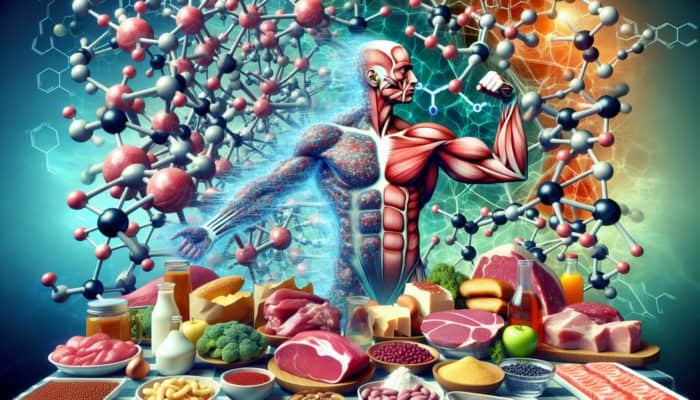
Glutamine is a vital amino acid that plays a significant role in enhancing muscle recovery and supporting immune health. Classified as a conditionally essential amino acid, glutamine can be produced by the body; however, its production may not meet the body’s demands during times of intense physical activity or during periods of illness. This amino acid serves as a crucial building block for muscle tissue and is integral to protein synthesis, which is necessary for effective recovery. It can be found in various foods, offering a natural way for individuals to support their recovery processes.
Prominent food sources rich in glutamine include:
- Meat (including beef, chicken, and pork)
- Fish
- Dairy products (like milk, yogurt, and cheese)
- Eggs
- Nuts (such as almonds and walnuts)
- Legumes (including beans and lentils)
- Spinach
- Cabbage
Incorporating these glutamine-rich foods into daily meals allows individuals to naturally elevate their glutamine levels. For those engaged in rigorous training, glutamine supplementation can provide additional benefits, particularly when dietary sources may not suffice.
How Does Glutamine Facilitate Effective Muscle Recovery?
Glutamine is crucial for muscle recovery as it aids in reducing muscle breakdown and enhancing protein synthesis. After strenuous exercise, muscle fibers can experience micro-tears that necessitate repair for recovery and growth. Glutamine supports this repair process by delivering nitrogen to muscle cells, which is essential for creating new proteins. This function not only assists in mending damaged tissues but also promotes the growth of stronger muscle fibers over time.
Additionally, glutamine is vital for replenishing glycogen stores after exercise. Glycogen serves as the primary energy source during prolonged physical activities, and its depletion can result in fatigue and diminished performance. By facilitating glycogen recovery, glutamine allows athletes to sustain their training intensity and frequency, ultimately leading to enhanced performance outcomes.
How Does Glutamine Enhance Immune Functionality?
Glutamine is indispensable for the proliferation of lymphocytes and macrophages, essential components of the body’s immune response. During strenuous physical stress, such as intense training, the body’s need for glutamine increases, which can lead to its depletion. A decrease in glutamine levels may compromise the immune system, heightening vulnerability to infections and illnesses.
Research suggests that maintaining sufficient glutamine levels is critical for sustaining a robust immune response by supplying energy to immune cells, ensuring their effective operation. This immune support is particularly crucial for athletes, who face an elevated risk of illness due to the physical demands of their training. By incorporating glutamine into their recovery protocols, athletes can strengthen their immune defenses, significantly minimizing the risk of training disruptions caused by illness.
Expert Recommendations for Leveraging Glutamine for Recovery
What Best Practices Should Be Followed for Effective Glutamine Supplementation?
The timing and dosage of glutamine supplements can profoundly affect recovery outcomes. Experts advocate for taking glutamine immediately after workouts to yield optimal results, as this is when muscle tissues are most in need of repair. A common guideline is to consume 5-10 grams of glutamine post-exercise, ideally mixed with water or a recovery shake. This strategy capitalizes on the anabolic window following exercise, enhancing muscle recovery and growth.
Real-world examples underscore the effectiveness of this method. Numerous professional athletes adhere to a structured post-workout regimen that incorporates glutamine supplementation. For instance, a professional marathon runner includes glutamine in her recovery shake after each training session, reporting less muscle soreness and quicker recovery times. Similarly, bodybuilders consistently integrate glutamine into their post-workout nutrition to boost muscle rebuilding.
How Can Glutamine Be Seamlessly Incorporated Into Daily Meal Plans?
Incorporating glutamine-rich foods into daily meals can significantly bolster recovery without relying solely on supplements. For individuals seeking to maximize their glutamine intake, adopting a balanced approach is paramount. Ensuring that glutamine sources are present in every meal guarantees a steady supply of this vital amino acid throughout the day.
Practical strategies to enhance daily glutamine consumption include adding protein sources like chicken or fish to lunch and incorporating legumes or nuts into snacks. For breakfast, a smoothie featuring yogurt and spinach can provide an excellent amount of glutamine. Meal planning can help ensure a diverse range of glutamine-rich foods are consumed, fostering recovery while maintaining overall nutritional balance.
What Insights Do Experts Offer Regarding Glutamine’s Effectiveness for Recovery?
Experts concur that glutamine can offer significant recovery benefits, particularly for athletes and individuals engaged in demanding workout routines. Its role in muscle repair and immune support renders it an essential component of effective recovery strategies. Athletes participating in endurance sports, strength training, or high-intensity interval training can especially benefit from glutamine supplementation due to its capacity to alleviate muscle soreness and improve recovery times.
Insights from leading sports nutritionists affirm that glutamine’s effectiveness is evident across various populations, from recreational athletes to elite competitors. Its adaptability makes it suitable for numerous training types, and many experts recommend its inclusion in comprehensive recovery plans. Notably, individuals recuperating from injuries may also find glutamine supplementation advantageous, as it supports tissue repair and immune function during the rehabilitation process.
How Does Glutamine Contribute to Immune Health and Recovery?
Glutamine plays a crucial role in promoting immune health, which is essential for effective recovery. In times of rigorous training, the body undergoes stress that can temporarily weaken immune function. By elevating glutamine levels, athletes can bolster their immune response, facilitating faster recovery from exercise-induced stress.
Experts highlight that glutamine aids in reducing inflammation, which can help prevent chronic soreness and fatigue. It supplies essential energy to immune cells, supporting defense mechanisms against infections that may arise due to heightened training loads. For those engaged in high-volume training, glutamine supplementation serves as a proactive approach to maintaining immune integrity and promoting quicker recovery.
Exploring the Holistic Benefits of Glutamine for Enhanced Recovery
How Does Glutamine Alleviate Muscle Soreness?
Glutamine helps reduce muscle soreness by facilitating the repair of muscle tissue and minimizing inflammation following exercise. After a challenging workout, muscles can experience soreness due to micro-tears and inflammation. Glutamine plays a key role in this repair process by providing essential building blocks for muscle recovery, thereby alleviating discomfort.
In practice, those who incorporate glutamine into their recovery strategies often report experiencing less post-exercise soreness. This reduction in soreness enables a quicker return to training and decreases downtime between sessions. For athletes, this results in fewer interruptions to their training schedules and greater consistency in their programs.
How Does Glutamine Strengthen Immune Functionality?
By enhancing immune system functionality, glutamine reduces the risk of illness, which can impede training and recovery. A robust immune system is vital for athletes, especially those training in environments that may expose them to pathogens. Glutamine supplementation can bolster the body’s immune response, allowing athletes to train more effectively without disruptions caused by illness.
Furthermore, glutamine’s anti-inflammatory properties contribute to maintaining immune health. By mitigating inflammation, athletes experience less pain and discomfort, enabling them to focus on their performance and recovery. This comprehensive approach to health and recovery is increasingly recognized within sports nutrition, highlighting glutamine’s importance in an athlete’s dietary regimen.
What Is Glutamine’s Role in Promoting Muscle Growth?
Glutamine fosters muscle growth by enhancing protein synthesis and reducing muscle breakdown. This process is essential for anyone looking to improve their physique or athletic performance. By facilitating the development of new muscle tissues, glutamine is pivotal in muscle hypertrophy—the increase in muscle size resulting from training.
Through its involvement in protein synthesis, glutamine helps maintain the body in an anabolic state, particularly after workouts. This benefit is especially advantageous for bodybuilders and strength athletes who require optimal muscle recovery to achieve their objectives. Over time, consistent glutamine intake can lead to noticeable improvements in muscle mass and overall performance.
Effective Strategies for Maximizing Glutamine’s Benefits
When Is the Ideal Time to Consume Glutamine for Optimal Recovery?
Taking glutamine immediately after a workout can maximize its recovery benefits. The post-exercise period is critical for muscle repair, and consuming glutamine during this time can significantly influence recovery outcomes. Many athletes prefer to mix glutamine powder into their post-workout shakes for rapid absorption and recovery enhancement.
Additionally, glutamine can also be beneficial when taken before bedtime, supporting overnight recovery and enabling the body to leverage the amino acid during its repair processes while sleeping. This dual approach—post-workout and pre-bedtime—can optimize recovery and muscle growth, leading to improved overall training outcomes.
What Types of Glutamine Supplements Are Available on the Market?
Glutamine supplements are available in various forms, such as powders, capsules, and liquids. Each format presents distinct advantages based on user preferences and lifestyles. For example, glutamine powders are often favored for their versatility, as they can be easily mixed into shakes or beverages and adjusted for dosage.
Capsules provide a convenient option for those who prefer a straightforward approach to supplementation. They are portable and require no mixing, making them ideal for athletes on the move. Liquids, while less common, can facilitate rapid absorption. Regardless of the chosen form, it is crucial to select a high-quality supplement that aligns with individual needs and goals to ensure effective recovery.
How Can Glutamine Be Combined With Other Supplements for Enhanced Recovery?
Combining glutamine with other supplements, such as BCAAs and creatine, can significantly improve overall recovery and performance. BCAAs, or branched-chain amino acids, work synergistically with glutamine to further stimulate muscle protein synthesis and recovery. Many athletes find that taking these supplements together yields better results than using them individually.
When exploring supplement combinations, attention to timing and dosage is crucial for achieving optimal outcomes. For instance, taking glutamine alongside BCAAs immediately after a workout can enhance recovery, while creatine can be included in pre-workout supplements to boost energy levels. Understanding how these supplements interact empowers athletes to tailor their supplementation strategies for maximum benefit.
Research-Backed Insights on Glutamine’s Role in Recovery
What Does Scientific Research Indicate About Glutamine and Recovery?
A substantial body of research indicates that glutamine supplementation can significantly enhance recovery times and alleviate muscle soreness. Studies support its application among athletes and individuals with rigorous training schedules, emphasizing its role in muscle repair and immune support. Key findings from various studies include:
- Glutamine supplementation leads to reduced exercise-induced muscle soreness.
- It assists in glycogen replenishment post-exercise.
- Increases in muscle mass have been documented among participants using glutamine.
- Enhanced immune function in athletes has been associated with glutamine intake.
These findings highlight the critical role of glutamine in recovery strategies, reinforcing its value as an essential tool for athletes seeking to optimize their performance and recovery.
How Does Glutamine Influence Endurance and Athletic Performance?
Glutamine can improve endurance by supporting energy levels and diminishing fatigue. Athletes engaged in prolonged physical activities often face performance declines due to fatigue. By maintaining adequate glutamine levels, the body can sustain energy during extended workouts, leading to enhanced endurance.
Moreover, glutamine contributes to improved performance by enabling faster recovery between training sessions. As athletes train frequently, their muscles require prompt recovery to maximize gains without risking overtraining. Sufficient glutamine intake ensures that athletes can maintain high training volumes while minimizing the risk of burnout.
What Are the Long-Term Advantages of Regular Glutamine Supplementation?
Long-term glutamine supplementation has been linked to maintaining muscle mass, enhancing immune health, and improving overall recovery. Consistent supplementation helps sustain glutamine levels in the body, which is vital for athletes undergoing intense training. This steady supply aids in preventing muscle breakdown and supporting ongoing muscle growth.
Experts assert that athletes who incorporate glutamine into their long-term nutrition strategies often experience fewer injuries and improved overall health. Enhanced immune function can also facilitate extended training periods without interruptions due to illness, contributing to better performance over time. In summary, the long-term benefits of glutamine make it a strategic choice for anyone serious about optimizing their training and recovery.
Maximizing Recovery Outcomes Through Strategic Glutamine Use
What Are the Recommended Dosages for Glutamine Supplementation?
Dosage recommendations for glutamine can vary based on individual requirements and training intensity. General guidelines suggest a range of 5-10 grams post-workout for most individuals. However, athletes with higher training volumes may need more, depending on their specific recovery needs.
For optimal results, athletes should experiment with their dosages to determine what works best for them. Listening to the body’s responses is critical; some individuals may find they require slightly more or less based on their training demands. Consulting with a nutritionist or coach can further assist in tailoring supplementation to individual goals.
How Can the Effects of Glutamine on Recovery Be Evaluated?
Assessing the effects of glutamine can be accomplished by monitoring muscle soreness, recovery times, and overall performance. Keeping a recovery journal is an effective way to evaluate how glutamine impacts recovery. By documenting daily observations of soreness levels and performance metrics, individuals can gain valuable insights into the supplement’s effectiveness.
Additionally, athletes can track changes in their training capacity, energy levels, and frequency of illness. Establishing a baseline prior to starting glutamine supplementation allows for a more accurate assessment of the amino acid’s impact over time. This reflective practice can provide meaningful insights for refining recovery strategies.
How to Integrate Dietary Approaches and Glutamine for Optimal Recovery?
A comprehensive diet rich in glutamine, complemented by targeted supplementation, can yield the most effective recovery results. Athletes should consider both dietary sources and supplements to create a holistic recovery strategy. A diet incorporating glutamine-rich foods will naturally support recovery, while supplementation can fill any nutritional gaps.
Formulating meal plans that prioritize glutamine sources alongside regular supplement intake can maximize muscle repair and strengthen immune function. Coordinating meals with glutamine supplementation also enhances nutrient timing, thereby improving overall recovery. By adopting a holistic approach, athletes can achieve optimal recovery and performance outcomes.
When Is the Best Time to Take Glutamine for Recovery Benefits?
Timing glutamine intake around workouts, particularly after exercise, can significantly enhance recovery. It is advisable to consume glutamine within 30 minutes following training, as this timing aligns with the body’s increased demand for recovery nutrients. This strategy can significantly expedite muscle repair and growth.
In addition to post-workout supplementation, taking glutamine before bedtime can facilitate overnight recovery processes, allowing the body to effectively utilize the amino acid during this critical rest period. This multifaceted timing strategy ensures athletes maximize the benefits of glutamine for muscle recovery and growth, enabling sustained training efforts and improved performance.
Commonly Asked Questions About Glutamine and Its Benefits
What is glutamine?
Glutamine is a conditionally essential amino acid that plays a crucial role in muscle recovery, immune function, and overall health.
How does glutamine aid in muscle recovery?
Glutamine supports the repair of muscle tissue, reduces soreness, and replenishes glycogen stores following exercise.
What are the top sources of glutamine?
Rich sources of glutamine include meat, fish, dairy products, eggs, nuts, legumes, spinach, and cabbage.
When should I take glutamine for optimal recovery?
It is recommended to take glutamine immediately after workouts and before bedtime to maximize recovery benefits.
How much glutamine should I take?
Typical dosages range from 5-10 grams post-workout, but individual needs may vary based on training intensity.
Can glutamine enhance immune function?
Yes, glutamine boosts immune health by providing energy to immune cells and supporting immune integrity during times of physical stress.
Is glutamine beneficial for endurance athletes?
Research suggests that glutamine can enhance endurance by sustaining energy levels and reducing fatigue during prolonged exercise.
What forms of glutamine supplements are available?
Glutamine supplements come in powders, capsules, and liquids, each offering unique benefits based on user preference.
Can glutamine be combined with other supplements?
Yes, glutamine can be effectively combined with BCAAs and creatine to improve recovery and performance outcomes.
What are the long-term benefits of glutamine supplementation?
Long-term glutamine supplementation can help maintain muscle mass, enhance immune function, and improve overall recovery.
Connect with us on Facebook!
The Article Enhancing Recovery With Glutamine: A Universal Approach appeared first on https://athleticsupplement.com
The Article Glutamine: A Universal Approach to Enhancing Recovery Was Found On https://limitsofstrategy.com