Explore the Top Materials for High-Quality Grill Covers
What Are the Most Frequently Used Materials for Grill Covers?
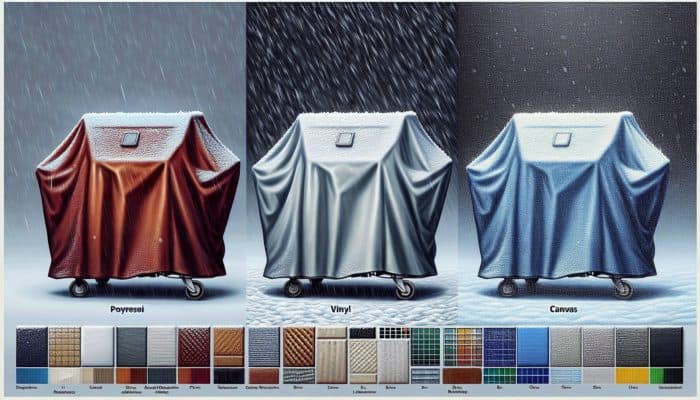
Understanding the various materials available for grill covers is essential for making an informed choice that guarantees optimal durability and protection. The most frequently utilized materials include polyester, Vinyl, and canvas. Each material comes with its unique features, catering to diverse requirements based on specific weather conditions and intended use. For instance, polyester is lightweight and often treated for waterproof properties, making it suitable for regions with milder climates. However, it may struggle in extreme weather situations. Alternatively, vinyl offers robust protection against rain and snow due to its thicker design, making it ideal for areas facing harsh winters. Lastly, canvas is celebrated for its exceptional durability and breathability but may need additional treatments to bolster its resistance to various weather elements.
In areas like the Pacific Northwest, where rainfall is ubiquitous, opting for a vinyl cover is a smart choice due to its superior waterproof capabilities. Conversely, those residing in arid regions like Arizona may find that a polyester cover with UV protection is sufficient, effectively shielding the grill from the sun’s damaging rays without the need for heavier materials. Being aware of your local climate is crucial for selecting the perfect grill cover that addresses your specific needs.
Why Is It Essential to Choose Waterproof Materials for Grill Covers?
Choosing waterproof materials for grill covers presents several vital benefits, primarily their ability to deliver outstanding protection against environmental factors. When rain or snow accumulates on an exposed grill, it can lead to rust, mold, and overall degradation. A waterproof cover acts as a protective barrier, preventing moisture from infiltrating the grill. It is advisable to select covers that have sealed seams to ensure that water does not seep through the stitching points, a common vulnerability found in lower-quality models.
Furthermore, waterproof covers significantly prolong the lifespan of your grill. In states with erratic weather patterns, such as Florida, where sudden downpours can occur without warning, having a reliable waterproof cover becomes imperative. These covers not only protect against rain but also guard against snow, which can be especially harmful during the colder months. Investing in a high-quality waterproof cover could save you from costly repairs or replacements down the line.
How Do UV-Resistant Materials Enhance Your Grill Cover?
For individuals living in sun-drenched areas, selecting grill covers crafted from UV-resistant materials is vital for preserving their appearance and functionality over time. Extended exposure to UV rays can cause fading and deterioration, ultimately jeopardizing the cover’s structural integrity. A UV-resistant cover combats these detrimental effects by incorporating specialized coatings designed to block harmful rays effectively.
For example, if you reside in Southern California, where sunlight exposure is continuous, a UV-resistant grill cover will help retain its color and prevent the material from becoming brittle or cracking. Covers lacking this feature may necessitate more frequent replacements, leading to higher long-term costs. Therefore, it is wise to invest in a cover specifically designed to withstand the damaging effects of the sun. Seek out covers that highlight UV protection as a crucial feature to ensure your grill stays well-guarded against the relentless rays of the sun.
Achieving the Perfect Fit and Size for Your Grill
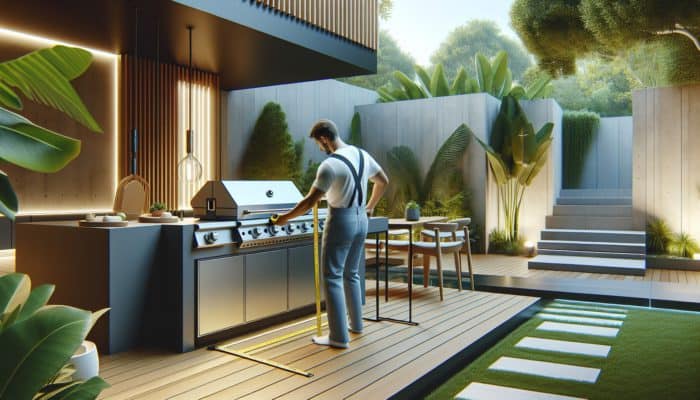
What Is the Most Effective Method for Measuring Your Grill for a Cover?
Accurate measurements are critical when selecting a grill cover that fits appropriately. Start by measuring the width, depth, and height of your grill. It is recommended to use a measuring tape and measure from the widest points. A frequent error is underestimating the required dimensions. After obtaining your measurements, add a few inches to each dimension to ensure an ideal fit. A snug cover is essential, as it prevents wind from lifting it off or shifting it out of position.
For instance, if your grill measures 50 inches in width, 25 inches in depth, and 40 inches in height, aim for a cover that accommodates at least 52 inches in width, 27 inches in depth, and 42 inches in height. This additional space accounts for any minor discrepancies in measurements and ensures that the cover fits comfortably without being overly tight. A snug fit is important not only for aesthetics but also for functionality and protection against adverse weather conditions.
Why Is a Tight Fit Crucial for Grill Covers?
A tight fit is crucial for your grill cover’s effectiveness in safeguarding your grill from environmental elements. When a cover fits snugly, it minimizes the chances of being lifted or blown off in windy conditions. This is particularly significant in regions known for unpredictable weather patterns, such as the Midwest, where wind gusts can reach substantial speeds. A loosely fitting cover may allow moisture and debris to enter, heightening the risk of rust and mold.
Moreover, a snug fit deters the formation of pockets where moisture can gather, which could lead to pooling and subsequent damage to the grill surface. It is advisable to seek out covers with adjustable straps or fasteners to improve the fit. By ensuring your cover fits tightly around your grill, you not only protect it from wind but also shield it from other environmental factors such as rain and snow.
What Are the Risks Associated with an Ill-Fitting Cover?
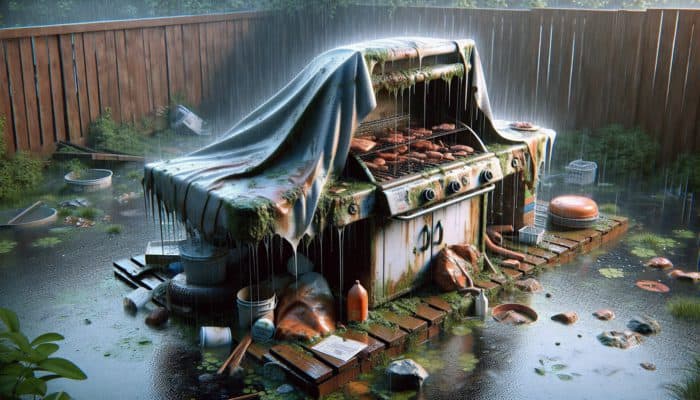
Opting for an ill-fitting grill cover can lead to numerous negative consequences for your grill’s longevity and performance. One of the most significant hazards is water pooling, which can occur if the cover is too large or not secured properly. Water accumulation can lead to rust and mold, undermining the structural integrity of your grill. For example, if you live in a region with heavy rainfall, an ill-fitting cover can convert your grill into a breeding ground for mold and mildew.
Additionally, a cover that is too loose may be blown off entirely during strong winds, leaving your grill unprotected against the elements. This exposure can result in fading, rusting, and other forms of deterioration that could have been avoided. Over time, these issues can accumulate, leading to costly repairs or even necessitating a complete replacement of your grill. Therefore, it is essential to choose a cover that fits your grill snugly to prevent these common pitfalls and protect your investment.
How to Determine the Most Suitable Cover Material?
When selecting a grill cover, considering its material is paramount, as it significantly influences durability and weather resistance. The ideal choice often lies between polyester, vinyl, and canvas. Each material presents its own strengths and weaknesses. Polyester is lightweight and generally more budget-friendly, making it a popular choice for those with lighter grills or who live in milder climates. However, it may not endure heavy rain or snow.
Conversely, vinyl is renowned for its robustness, providing superior protection against moisture and UV rays, making it ideal for extreme weather conditions. Canvas, while durable, may necessitate additional treatments to bolster its weather resistance. When selecting a material, it is crucial to account for your local climate conditions. If you face extreme weather, opting for heavier, weather-resistant materials will yield benefits in the long run. Be cautious to balance durability with the cover’s weight, as heavier covers may be more cumbersome to manage but offer better protection.
How to Adjust Covers for Unique Grill Shapes?
Grills come in various shapes and sizes, complicating the quest for the right cover. If your grill has unique appendages or is an unusual shape, it’s essential to find a cover that accommodates these characteristics. Many manufacturers offer custom designs or adjustable covers that cater to different grill styles. Look for covers that incorporate adjustable straps or elastic hems to achieve a better fit.
For example, if your grill features a side burner or other protruding components, ensure that you choose a cover designed for such shapes. Many high-quality covers also provide weatherproofing features, ensuring all parts of your grill are shielded, regardless of its shape. Investing in a cover that can be adjusted to fit unique grill configurations will enhance the longevity of your grill while providing assurance that it remains well protected.
Professional Tips for Choosing a Durable Grill Cover
What Are Some Examples of Durable Grill Covers Available on the Market?
When it comes to selecting a durable grill cover, real-world examples can offer valuable insights. Brands like Char-Broil and Weber provide covers that have demonstrated resilience against various environmental factors. For instance, the Weber Premium Grill Cover is constructed from high-quality, durable materials and incorporates weather-resistant features, ensuring long-lasting use. Similarly, Char-Broil’s Deluxe Grill Cover boasts adjustable straps and reinforced seams, making it a favorite among those who grill frequently in varying weather conditions.
- Weather-resistant materials
- Reinforced seams for added durability
- Adjustable straps for a snug fit
- UV protection to prevent fading
- Breathable fabric to prevent moisture buildup
- Easy to clean and maintain
- Custom fit for various grill shapes
These features provide critical insights when evaluating your options. Additionally, reading customer reviews can assist you in assessing how these covers perform in real-world scenarios. Look for feedback discussing how well the cover withstands wind, rain, and UV exposure over time. This information is invaluable for helping consumers make informed choices based on actual experiences.
What Are the Key Steps for Selecting the Right Grill Cover?
Selecting the right cover for your grill involves several essential steps to ensure you make an informed decision. First, assess your local climate to determine the level of protection your grill will require. For example, if you live in an area with heavy snowfall, prioritize waterproof and insulated options. Next, accurately measure your grill, including width, depth, and height, and remember to add a few inches for a proper fit. This will significantly narrow down your options.
- Evaluate your climate conditions.
- Accurately measure your grill dimensions.
- Research different materials and their benefits.
- Read customer reviews for insights on durability.
- Consider additional features like UV resistance.
- Compare prices and warranty options.
- Look for promotional deals or discounts.
After gathering this information, compare various products based on the features that matter most to you, such as weather resistance, fit, and durability. Ultimately, selecting the right cover is about understanding your grill’s needs and your local weather conditions, ensuring you have the best possible protection.
What Expert Insights Exist on Material Durability for Grill Covers?
Material durability is a crucial aspect when selecting a grill cover, and understanding how different materials perform over time can guide your purchase. For instance, polyester covers are often treated with coatings that enhance their weather resistance; however, they may not be as robust as vinyl options, which typically feature a thicker construction. Experts suggest that while polyester can suffice for lighter usage and milder climates, vinyl generally offers a more reliable choice in extreme weather.
Moreover, canvas covers provide excellent durability but may come with added weight and require more maintenance. In regions experiencing extreme seasonal changes, selecting materials that can endure temperature fluctuations without cracking or tearing is vital. It’s also wise to consider how well the material breathes; a breathable cover can help prevent moisture buildup underneath, which is critical in humid climates. Therefore, making an informed choice based on your local weather patterns and personal needs can significantly extend the lifespan of your grill cover.
How to Maintain Your Grill Cover for Extended Longevity?
Maintaining your grill cover is just as important as selecting the right one to ensure its longevity. Regular cleaning helps prevent dirt and grime accumulation, which can weaken the material over time. It is advisable to clean your cover using mild soap and water, avoiding harsh chemicals that might damage the fabric. Additionally, allowing the cover to dry thoroughly before storage helps prevent mold and mildew growth.
Moreover, proper storage during the off-season is essential. Fold your cover neatly and store it in a dry place away from direct sunlight to prevent material degradation. Proper maintenance not only extends the life of your cover but also ensures that your grill remains protected throughout the year, regardless of weather conditions. By incorporating regular cleaning and optimal storage practices, you can maximize the utility of your grill cover, enabling you to enjoy your outdoor cooking experience for many years to come.
What Common Mistakes Should You Avoid When Purchasing a Grill Cover?
When purchasing a grill cover, several common mistakes can lead to poor choices and wasted money. One of the most significant pitfalls is selecting the incorrect size; a cover that is too large or too small will fail to protect your grill effectively. Always measure your grill accurately and consider how a snug fit will enhance protection against the elements.
Another mistake is overlooking material quality. Cheaper covers might seem appealing, but they often lack the durability and weather resistance necessary for effective protection. Ignoring customer reviews can also lead you astray; always take the time to read about others’ experiences with a particular cover. Lastly, neglecting to consider local weather conditions can hinder your choice. For instance, if you live in a humid area, a breathable cover is essential to prevent moisture accumulation. By avoiding these common errors, you can ensure that you select a cover that genuinely meets your needs.
How Do Various Weather Conditions Affect Grill Cover Durability?
What Impact Do Rain and Snow Have on Grill Covers?
Rain and snow are two of the most significant environmental factors that influence the durability of grill covers. If a cover is not fitted correctly, rain can pool on top, leading to moisture seeping through the material and causing rust and mold to develop on your grill. Choosing a waterproof cover can significantly reduce these risks. A quality cover will channel water away from the grill, preventing pooling and subsequent damage.
In states like Oregon, where heavy rainfall is common, it is wise to invest in a cover that explicitly mentions waterproof features, such as sealed seams and reinforced stitching. These attributes will not only keep your grill dry but also prolong the life of the cover itself. Furthermore, snow can accumulate on a cover, adding weight and pressure. Covers with sturdy construction can withstand this weight without tearing, ensuring your grill remains protected during winter storms.
How Does Sun Exposure Affect Grill Cover Materials?
Prolonged exposure to the sun can significantly degrade grill covers, leading to fading and weak spots in the material. UV rays can cause covers to lose their structural integrity, making them less effective at protecting your grill. This is especially concerning in states like Florida, where the sun shines relentlessly for much of the year. Choosing covers made from UV-resistant materials is essential for those living in sunny climates.
UV-resistant covers typically feature special treatments that help block out harmful rays, preserving their color and preventing brittleness. By investing in a cover designed to withstand sun exposure, you protect your grill from long-term damage. Additionally, consider storing your grill in a shaded area when not in use or utilizing a cover that incorporates reflective materials to further shield against UV damage.
What Role Does Wind Play in Grill Cover Durability?
Wind poses a substantial risk to grill covers, especially in areas known for high gusts. Strong winds can lift or tear covers that are not securely fitted, exposing your grill to the elements. For optimal protection, look for covers with reinforced edges and tie-downs that can secure the cover firmly in place. These features enhance the stability of the cover, ensuring it remains attached even during blustery conditions.
In regions like the Great Plains, where wind is a constant factor, selecting a cover that can endure these conditions is crucial. Covers with adjustable straps or hooks can help keep the cover securely fastened to your grill, preventing it from being blown away. It is also advisable to regularly check the cover for wear and tear, especially after windy days, to ensure it remains functional and effective.
How Do Temperature Fluctuations Affect Grill Cover Integrity?
Extreme temperature fluctuations can adversely impact the integrity of grill covers over time. Materials may expand and contract with changing temperatures, leading to cracks and tears. Covers crafted from flexible, durable materials tend to withstand these shifts better, ensuring they maintain their protective qualities. For locations experiencing drastic seasonal changes, such as the Northeast, choosing covers capable of enduring temperature variations is particularly important.
When selecting a cover, consider materials designed to accommodate such climates. Many manufacturers offer products specifically tested for temperature resilience. Regularly inspecting your cover for signs of wear can also help identify potential issues before they develop into significant problems. A well-maintained cover will serve you much longer, keeping your grill in excellent condition despite the unpredictable nature of weather.
How Does Humidity Affect the Longevity of Grill Covers?
High humidity levels can accelerate the growth of mold and rust if moisture becomes trapped beneath a grill cover. This poses a serious threat, particularly in coastal areas where humidity is a constant concern. Opting for a cover with breathable materials can help facilitate airflow, reducing moisture buildup. A breathable cover allows trapped heat and moisture to escape, thereby minimizing the risk of mold and rust formation.
For those residing in humid environments, consider selecting covers with ventilation features specifically designed for high-humidity conditions. Regularly inspecting and cleaning your grill cover can further extend its lifespan, ensuring that any moisture is removed before it can cause damage. By understanding how humidity affects grill cover longevity, you can make informed decisions that protect your investment in outdoor cooking.
Best Practices for Maintenance and Care of Grill Covers
How to Effectively Clean Your Grill Cover?
Regular cleaning of your grill cover is essential for its longevity. Over time, dirt and grime can accumulate, potentially weakening the material. To clean your cover effectively, use mild soap and water along with a soft brush or cloth. Avoid harsh chemicals that can damage the fabric. A simple wash can significantly enhance the cover’s durability and appearance.
For instance, if you live in an area with a lot of dust or pollen, frequent cleaning may be necessary to maintain the cover’s quality. Additionally, consider rinsing it off with a hose after severe weather events to remove any buildup. By establishing a routine cleaning schedule, you can ensure that your grill cover continues to provide optimal protection against environmental elements, helping to prolong its lifespan.
What Is the Best Way to Store Your Cover During the Off-Season?
Proper storage of your grill cover during the off-season is crucial for ensuring its longevity. When not in use, fold your cover neatly and store it in a dry, cool place away from direct sunlight. This prevents the material from degrading due to UV exposure and reduces the risk of mold or mildew growth. Avoid cramming the cover into tight spaces, as this can create creases that weaken the fabric.
For additional protection, consider placing your cover in a breathable storage bag. This will help keep it clean and shield it from dust and other contaminants. By taking these simple steps to store your cover properly, you can significantly extend its life and ensure it’s ready for use when grilling season rolls around again.
How Can You Repair Minor Damages to Your Grill Cover?
Minor damages, such as small tears or holes in your grill cover, can often be repaired rather than replaced. Using waterproof tape or patches designed for outdoor fabrics can effectively seal these minor issues, extending the life of your cover without the need for a complete replacement. Simply clean the area around the damage, apply the patch, and ensure it adheres well before placing the cover back on your grill.
It is also worthwhile to regularly inspect your grill cover for any signs of wear. Catching minor damages early allows for easy repairs and prevents more significant issues from developing down the line. This proactive approach not only saves you money but also guarantees that your grill remains protected from the elements, allowing you to continue enjoying outdoor cooking without interruption.
Budget-Friendly Considerations for Durable Grill Covers
How to Balance Cost and Quality When Choosing a Grill Cover?
Finding the right balance between cost and quality is crucial when selecting a durable grill cover. While it might be tempting to opt for the cheapest option, investing in a higher-priced cover often pays off in the long run. Typically, more expensive covers utilize better materials that offer enhanced durability and weather resistance. This can lead to substantial savings by reducing the frequency of replacements over time.
For instance, while a budget cover may cost $20-$30, it might only last one season, necessitating a replacement. Conversely, a quality cover priced at $50-$100 may last several years, providing much better value for your investment. When budgeting for a grill cover, consider the potential long-term savings and the protection it will provide to your grill.
What Are the Long-Term Savings Associated with a Durable Grill Cover?
Investing in a durable grill cover can yield significant long-term savings. A quality cover can last several years, reducing the need for frequent replacements due to wear or damage from environmental factors. This durability translates to savings not only in terms of the cost of the cover itself but also in maintenance and repairs for the grill it protects.
For example, a well-constructed cover can prevent rust and corrosion, which may require costly repairs or even the replacement of the grill. By ensuring your grill remains protected, you can extend its lifespan and enjoy your outdoor cooking experience for years to come. Overall, opting for a high-quality cover may feel like a larger upfront investment, but the long-term financial benefits make it a wise choice.
How to Find Affordable Yet Durable Grill Covers?
Finding affordable yet durable grill covers is entirely feasible with some strategic shopping. Start by researching reputable brands known for their quality products, and check for sales or discounts, especially during off-seasons when retailers often clear inventory. Many manufacturers offer periodic promotions that can significantly lower the price of high-quality covers.
Another effective strategy is to compare prices across various retailers, both online and in-store. Websites often feature user reviews and detailed product descriptions that can assist in decision-making. By taking the time to find the best deal on a durable cover, you can protect your grill without exceeding your budget. Being patient and conducting thorough research pays off when you discover the perfect cover at a fraction of the original price.
How to Assess the Durability of Different Materials?
Understanding the durability of various materials is essential when selecting a grill cover. Different materials, such as polyester, vinyl, and canvas, offer distinct levels of durability and weather resistance. Polyester is lighter and may be suitable for mild climates, while vinyl is sturdier and provides better protection against harsh elements.
Additionally, canvas covers are often highly durable but may require treatment to enhance their weather resistance. When evaluating material durability, consider the climate you live in; choosing a material that can withstand your local weather conditions is vital for ensuring your cover lasts. Spending a little extra time researching material options will pay dividends in the long run, as you’ll be better equipped to make an informed choice that meets your needs.
What Is the Cost-Benefit Analysis of Custom vs. Universal Covers?
When deciding between custom and universal grill covers, it’s important to conduct a cost-benefit analysis. Custom covers are tailored to fit specific grill models, providing enhanced protection and longevity. However, they often come at a higher price point. Conversely, universal covers are generally more affordable but may not fit as snugly, potentially compromising protection.
For those with standard grill shapes, a universal cover might suffice, but for unique or high-end grills, investing in a custom option may be more economical in the long run. A well-fitting custom cover will protect against the elements more effectively, reducing the risk of damage and prolonging the lifespan of your grill. Assess your budget, grill type, and the level of protection needed to make the best choice for your situation.
Frequently Asked Questions
What material is best suited for a grill cover?
The best materials for grill covers include polyester, vinyl, and canvas, depending on your climate. Vinyl is excellent for waterproofing, while polyester is lighter and more budget-friendly. Canvas is durable but may require extra treatment.
How should I accurately measure my grill for a cover?
Measure the width, depth, and height of your grill. Add a few inches to each dimension to ensure a proper fit that prevents wind from lifting the cover.
Can I leave my grill covered during winter?
Yes, as long as the cover is weather-resistant and fits well, it can protect your grill from snow and ice. Ensure the cover allows for ventilation to prevent moisture buildup.
How frequently should I clean my grill cover?
Aim to clean your grill cover every few months or after extreme weather events. Regular cleaning can help maintain its integrity and appearance.
Are custom grill covers worth the investment?
Yes, custom grill covers offer a snug fit and enhanced protection against the elements, making them worth the investment for high-end or uniquely shaped grills.
What can I do to prevent mold on my grill cover?
Ensure your cover is breathable and allow it to dry completely before storing it. Regularly cleaning the cover also helps minimize moisture buildup.
Do grill covers come with warranties?
Many quality grill covers come with warranties that vary by manufacturer. Always check the warranty details to understand what is covered and for how long.
How can I repair a tear in my grill cover?
You can repair minor tears using waterproof tape or patches designed for outdoor materials. Clean the area around the tear before applying the patch for the best results.
Is it necessary to buy a grill cover with UV protection?
If you live in a sunny area, a cover with UV protection is essential to prevent fading and deterioration of the material, thus prolonging the cover’s lifespan.
Where can I find affordable grill covers?
Look for discounts during off-seasons and compare prices across various retailers, both online and in-store. Reputable brands often have sales that can help you save money.
Connect with us on Facebook!
The Article How to Select a Durable Grill Cover: Tips for USA appeared first on https://pitmastersarsenal.com
The Article Durable Grill Cover Selection Tips for USA Users Was Found On https://limitsofstrategy.com