Master the Art of Selecting Premium Dry-Aged Steak Cuts
Dive Deep into the Fascinating Dry-Aging Process for Steaks
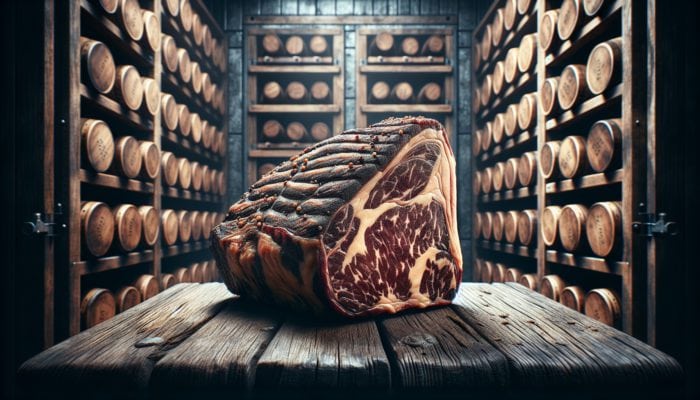
The dry-aging process for steak is a sophisticated technique that elevates ordinary cuts into extraordinary culinary masterpieces. This intricate method involves allowing the steak to mature in a carefully controlled environment, significantly enhancing its flavor and tenderness. As moisture gradually dissipates, the steak’s natural flavors intensify, while enzymes actively break down tough muscle fibers, resulting in a tender texture that melts in your mouth. The outcome is a complex flavor profile rich in umami notes that passionate meat aficionados desire. Opting for dry-aged steak means choosing a cut that guarantees a distinctive and delectable experience, perfect for any gourmet dining occasion.
When it comes to selecting a dry-aged steak, focusing on the most popular cuts available across the United States is essential. The following selections are widely sought after for their incredible marbling and flavor, both of which are enhanced through the dry-aging process:
- Ribeye
- T-Bone
- Porterhouse
- New York Strip
- Filet Mignon
- Sirloin
- Tomahawk
- Flank Steak
These cuts are not only prized for their rich flavor but also for the delightful texture that dry-aging imparts. Choosing the right cut is vital for achieving the perfect balance of flavor and texture in your culinary creations, ensuring an unforgettable dining experience.
Discover the Best Places to Source Premium Dry-Aged Steaks in the US
Finding high-quality dry-aged steaks can be an exhilarating journey if you know where to look. Specialty butchers and upscale grocery stores are your best options for obtaining these premium cuts. Many reputable butchers maintain in-house dry-aging facilities, offering the freshest and most flavorful selections available. Look for reliable establishments, such as Whole Foods Market or your neighborhood butcher known for their dedication to meat quality.
Additionally, the convenience of online shopping has broadened access to premium steaks. Numerous websites specialize in gourmet meats, including Snake River Farms and Porter Road, which deliver high-quality dry-aged selections right to your doorstep. When shopping online, it’s wise to read customer reviews and check vendor ratings to ensure you choose a reliable supplier, guaranteeing a positive purchasing experience.
What Is the Ideal Aging Period for Dry-Aged Steaks?
The optimal duration for dry-aging your steaks varies significantly based on individual taste preferences and the specific cut of meat being utilized. Typically, dry-aging periods span from 21 to 45 days. Shorter aging times, usually around 21-28 days, preserve a stronger beef flavor while still providing some tenderness. Conversely, aging meat for 30-45 days intensifies the flavors and develops a more intricate taste profile, which is especially appreciated by steak enthusiasts.
For instance, cuts like ribeye and T-bone can tolerate longer aging periods due to their rich marbling, which helps retain moisture. In contrast, leaner cuts such as filet mignon may benefit from a shorter aging duration to maintain their delicate texture. Ultimately, experimenting with various aging times will help you find your personal preference for flavor intensity and tenderness in steak.
What Are the Essential Guidelines for Storing Dry-Aged Steaks at Home?
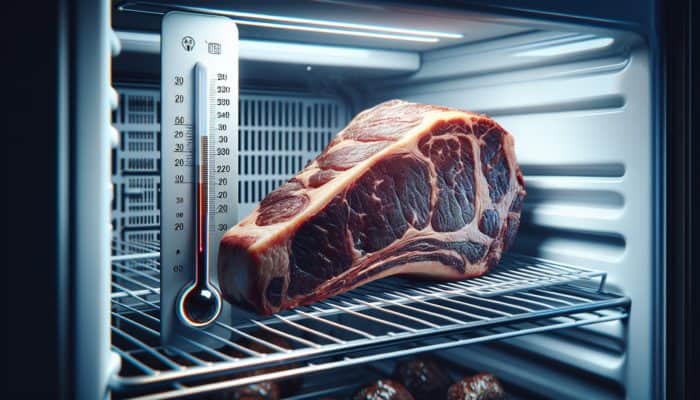
Proper storage is crucial for maintaining the quality of dry-aged steaks once they arrive in your kitchen. To preserve their exceptional flavor and texture, store the steaks in the coldest part of your refrigerator, ideally at temperatures between 34°F to 38°F. Instead of wrapping the steaks tightly, keep them unwrapped on a rack. This method promotes air circulation, preventing moisture buildup and ensuring the meat remains fresh.
For the best flavor experience, aim to consume dry-aged steaks within a few days of purchase. If you plan to store them longer, consider vacuum-sealing to help maintain their freshness. However, be cautious, as freezing can negatively affect the meat’s texture, so it should be a last resort.
Expert Techniques for Grilling Dry-Aged Steaks to Perfection
Grilling Insights from Renowned Chefs Throughout the US
Gaining knowledge from culinary experts is essential for refining your grilling abilities, particularly with dry-aged steaks. Renowned chefs across the United States have developed specific techniques to achieve impressive grilling outcomes. For instance, Chef Adam Perry Lang, a recognized BBQ specialist, emphasizes the significance of developing a proper crust through high-heat direct grilling.
Another culinary authority, Chef Tom Colicchio, promotes the two-zone fire method, which reserves one side of the grill for high-heat searing while the other side remains cooler for gradual cooking. This technique allows for better control during the cooking process, enabling you to achieve a perfect medium-rare steak without charring the exterior. By integrating these grilling techniques, along with a dependable meat thermometer, you can consistently produce high-quality grilled dry-aged steaks that will impress your guests.
What Temperature Should You Target When Grilling Steaks?
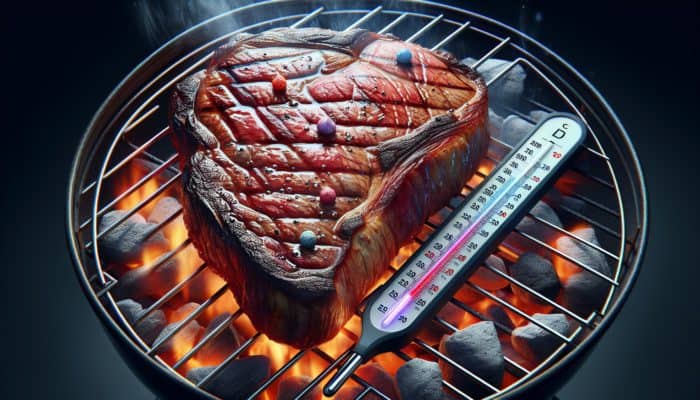
The temperature at which you grill your dry-aged steaks plays a critical role in determining the final product. The optimal grilling temperature should be between 450°F to 500°F, categorized as medium-high heat. This temperature range allows the steak’s exterior to sear beautifully, creating those enticing grill marks while ensuring that the interior reaches the desired doneness without overcooking.
Utilizing a two-zone method on either a gas or charcoal grill can facilitate maintaining this precise temperature. Start by searing the steak over direct heat, then transfer it to the cooler side of the grill to finish cooking. This technique guarantees a perfect sear while preserving the juicy tenderness that dry-aged steaks are renowned for.
How Can You Accurately Assess Steak Doneness?
The hallmark of a perfectly grilled dry-aged steak lies in its doneness, which can be accurately gauged using a meat thermometer. For a medium-rare steak, aim for an internal temperature of 135°F. Ensure that you insert the thermometer into the thickest part of the steak for the most precise reading.
Alternatively, as you gain experience, the touch test can serve as a useful method. Compare the firmness of the steak to different parts of your hand. A medium-rare steak should feel similar to the fleshy area of your palm beneath your thumb when your hand is relaxed. With practice, these techniques will enhance your ability to grill steaks to perfection, guaranteeing a delightful dining experience.
Why Is It Essential to Let Your Steak Rest After Grilling?
Allowing your grilled dry-aged steak to rest is a crucial step that many people overlook. After grilling, it’s important to let the steak rest for 5-10 minutes before slicing into it. This resting period allows the juices to redistribute throughout the meat, resulting in a more moist and flavorful outcome.
To keep the steak warm during this resting phase, loosely cover it with aluminum foil. Avoid tightly wrapping it, as this can trap steam and lead to a soggy exterior. By permitting your steak to rest, you will savor a succulent bite that truly highlights the unique flavors developed during the dry-aging process.
Prepare Your Grill for a Flawless Dry-Aged Steak Experience
Essential Steps for Thoroughly Cleaning and Preheating Your Grill
Before grilling dry-aged steaks, it is vital to ensure that your grill is clean. Leftover food particles and grease can impart unwanted flavors to the meat, compromising your culinary efforts. Thoroughly scrub the grates with a grill brush to remove any debris, ensuring a clean cooking surface. This step is crucial for achieving that perfect sear and those appealing grill marks that enhance the visual appeal of your steak.
Next, preheat your grill to the desired temperature, which typically takes about 15-20 minutes. Ensure it reaches the necessary high heat for optimal grilling. Here’s a quick checklist for proper grill preparation:
- Scrub grates with a grill brush.
- Check propane levels or charcoal supply.
- Preheat the grill for at least 15 minutes.
- Oil the grates to prevent sticking.
- Establish a two-zone cooking area for improved control.
- Test the temperature using a thermometer or hand test.
- Prepare all your tools (tongs, thermometer, etc.).
- Set aside a plate for resting the steak.
By following these steps, you will ensure that your grill is primed for an exceptional cooking experience, leading to perfectly grilled dry-aged steaks.
Which Type of Grill Produces the Best Results for Dry-Aged Steaks?
Choosing the right grill can significantly influence the grilling outcome of your dry-aged steaks. Both charcoal and gas grills offer distinct advantages that cater to different preferences. Charcoal grills are often praised for imparting a smoky flavor that many grilling enthusiasts cherish, making them ideal for those who enjoy a robust taste. While heat control may be less exact, many grilling aficionados assert that the flavor produced is unmatched.
Conversely, gas grills provide superior temperature regulation, allowing for precise adjustments throughout the cooking process. This feature is particularly advantageous when grilling thicker cuts of dry-aged steak, as it helps ensure even cooking without the risk of burning. Ultimately, the best grill for you depends on your personal preferences, cooking style, and the thickness of the steaks you intend to prepare.
Enhancing Steak Flavor with Wood Chips While Grilling
Incorporating wood chips into your grilling routine can significantly elevate the flavor profile of your dry-aged steaks. Choosing the right type of wood can enhance the inherent richness of the meat, adding depth and character to your dish. Popular hardwoods like oak and hickory impart a robust, smoky flavor that pairs beautifully with aged beef.
For those who prefer a milder, sweeter profile, fruit woods such as cherry or apple can provide a delightful contrast to the richness of the steak. To use wood chips effectively, soak them in water for about 30 minutes, then place them directly on the coals or in a smoking box on a gas grill. The resulting smoke will envelop the steak during cooking, infusing it with complex flavors that complement the deep umami notes intrinsic to dry-aged meat.
What Is the Optimal Grill Temperature for Cooking Dry-Aged Steaks?
Achieving the perfect sear on dry-aged steaks demands careful temperature management. Aim for a range of approximately 450°F to 500°F, which creates an ideal cooking environment. This temperature ensures that the exterior develops a flavorful crust while maintaining the juiciness of the interior.
Utilize the two-zone cooking technique for optimal control: sear the steak over direct heat for a brief duration, then move it to a cooler section of the grill to finish cooking. This method allows you to create a stunning char without overcooking the meat. Continuously monitoring the temperature throughout the grilling process will help you achieve your desired doneness, enhancing the overall enjoyment of your dry-aged steaks.
Seasoning and Marinating Techniques to Elevate the Flavor of Dry-Aged Steaks
What Are the Most Effective Seasonings to Enhance Dry-Aged Steaks?
One of the remarkable features of dry-aged steaks is their inherent flavor, which can be beautifully accentuated with minimal seasoning. A classic blend of coarse sea salt and freshly cracked black pepper allows the rich umami notes to shine without overwhelming the meat. For optimal results, apply these seasonings generously before grilling, ensuring that every bite is infused with flavor.
For those looking to broaden their flavor horizons, consider incorporating herb rubs or light marinades that complement the steak’s natural taste. Popular herbs include rosemary, thyme, and garlic, which can elevate the flavor profile without masking the unique characteristics of the steak. The key is to keep it simple, allowing the steak’s natural flavors to take center stage and enhance your meal rather than overshadowing them.
How Long Should You Marinate Dry-Aged Steaks for Maximum Flavor Enhancement?
Marinating dry-aged steaks should be approached with care, as their rich flavors can be easily overshadowed by strong marinades. The ideal marinating time typically ranges between 30 minutes to an hour. This brief infusion allows the marinade to enhance the steak without overpowering its natural taste.
When using acidic ingredients like citrus juice or vinegar, apply them sparingly, as they can tenderize the meat excessively, leading to undesirable texture changes. Instead, focus on complementary flavors, such as olive oil, herbs, and spices, to create a marinade that highlights the essence of the beef rather than concealing it. This balance ensures a dining experience that is both delightful and satisfying.
Crafting Your Unique Signature Rub for Flavorful Dry-Aged Steaks
Creating a signature rub specifically designed for your dry-aged steaks presents an exciting opportunity to personalize your grilling experience. Start with a base of salt and pepper, then enhance it with a combination of your favorite spices and herbs. Popular additions include paprika, garlic powder, onion powder, and dried herbs such as thyme or oregano.
Aim to develop a well-balanced flavor profile that showcases the unique qualities of the dry-aged beef. Experimenting with various ratios and ingredients can lead to a one-of-a-kind blend that becomes your go-to seasoning for steak nights. Generously apply the rub before grilling to ensure the flavors penetrate the meat, resulting in a flavorful and unforgettable dining experience.
Research-Backed Benefits of Grilling Dry-Aged Steaks Perfectly
What Nutritional Advantages Do Dry-Aged Steaks Offer?
Dry-aging does more than just enhance flavor; it can also improve the nutritional profile of your steaks. As moisture evaporates during the aging process, the concentration of nutrients increases, making dry-aged steaks a rich source of protein, iron, and essential vitamins. This concentrated nutrient density can be particularly beneficial when included in a balanced diet.
When incorporating dry-aged steaks into your meal planning, consider pairing them with nutrient-rich sides like leafy greens or roasted vegetables to create a well-rounded plate. Additionally, the intensified flavor allows smaller portions to provide a satisfying culinary experience, enabling you to indulge in premium beef while practicing moderation.
How Does the Dry-Aging Process Enhance Steak Flavor?
The art of dry-aging significantly transforms the flavor profile of steaks by breaking down proteins and fats, resulting in an incredibly tender and flavorful cut of meat. Enzymes naturally present in the meat work during the aging process to enhance its taste, yielding a depth of flavor that is challenging to replicate through other cooking methods.
When combined with specific grilling techniques, the flavors developed during dry-aging can be further amplified. For instance, achieving a perfect sear on the grill caramelizes the exterior, creating a sublime contrast to the tender, juicy interior. This synergy of dry-aging and expert grilling results in a steak that is not only delectable but also a true culinary delight that is sure to impress.
What Is the Impact of Dry-Aging on Texture and Tenderness?
The effect of dry-aging on the texture and tenderness of steaks is profound. As the meat ages, enzymes break down tough muscle fibers, resulting in a more tender product that practically melts in your mouth. This enhanced tenderness, combined with the rich flavors developed during the aging process, elevates dry-aged steaks to a class above ordinary cuts.
Utilizing grilling techniques such as direct heat searing followed by indirect cooking helps preserve and enhance the steak’s texture. This method prevents the meat from overcooking while allowing the natural tenderness to shine through. The result is an exquisite dining experience that emphasizes the superior qualities of dry-aged beef, making each bite a pleasure to savor.
How to Optimize Grilling Times for Perfectly Cooked Dry-Aged Steaks?
Timing is crucial when grilling dry-aged steaks to avoid overcooking and to maintain their tenderness. Grilling time varies based on the thickness of the cut and the desired level of doneness. As a general guideline, a 1-inch thick steak typically requires around 4-5 minutes per side for medium-rare.
Monitoring the internal temperature of the steak is essential for achieving optimal doneness. Utilizing a meat thermometer can assist you in achieving precise results without any guesswork. By adhering to these guidelines and making adjustments based on the specific cut and grill temperature, you can consistently produce beautifully grilled dry-aged steaks that are juicy, flavorful, and sure to impress.
What Health and Safety Measures Should You Consider When Grilling Dry-Aged Steaks?
When grilling dry-aged steaks, prioritizing food safety is of utmost importance. Always handle the meat with clean hands and sanitize all surfaces to prevent cross-contamination. Ensure that the internal cooking temperature reaches at least 145°F for safe consumption, allowing for a juicy medium-rare steak at 135°F after resting.
Proper storage is also vital. Keep dry-aged steaks refrigerated and aim to cook them within a few days of purchase. If you’re grilling for a gathering, avoid leaving the steaks out at room temperature for extended periods. Adhering to these health and safety guidelines will ensure a delicious meal while maintaining a safe cooking environment.
How to Serve and Enjoy Your Perfectly Grilled Dry-Aged Steak
Which Wines Pair Best with Dry-Aged Steaks?
Wine pairing can elevate your dining experience, especially when enjoying a beautifully grilled dry-aged steak. Full-bodied red wines, such as Cabernet Sauvignon or Malbec, are classic choices that harmonize with the rich flavors of aged beef. The tannins in these wines complement the umami notes of the steak, creating a well-rounded palate experience that enhances each bite.
For those looking to explore more adventurous pairings, lighter reds like Pinot Noir can provide a delightful contrast to the richness of the steak. Experimenting with various wines can lead to exciting flavor combinations that enhance your meal. Regardless of your selection, serving the right wine can significantly elevate the enjoyment of your perfectly grilled dry-aged steak, making every meal memorable.
What Are the Ideal Side Dishes to Accompany Dry-Aged Steaks?
Pairing your dry-aged steak with the right side dishes can greatly enhance the overall dining experience. Consider serving grilled vegetables, which highlight the natural sweetness of seasonal produce and create an appealing visual presentation. Roasted potatoes, whether traditional or sweet, provide a hearty balance to the richness of the steak.
Fresh salads, such as a classic Caesar or a light arugula salad, can also serve as excellent companions. The crispness of greens offers a refreshing contrast to the savory steak. Additionally, creamy sides like mashed potatoes create a satisfying combination of textures and flavors that complement dry-aged beef, rounding out the meal beautifully.
How to Properly Store and Reheat Leftover Dry-Aged Steaks?
To enjoy leftover dry-aged steaks, proper storage and reheating techniques are essential. Store leftover steak in airtight containers to maintain freshness and prevent it from drying out. Ideally, consume leftovers within three days for the best taste and texture.
When reheating, opt for gentle methods that preserve the steak’s juiciness. Consider using an oven set to a low temperature, around 250°F, to warm the steak gently without overcooking. Alternatively, a quick sear in a skillet can also work well, allowing you to revive the original flavor and tenderness. By following these steps, you can savor every delicious bite of your expertly grilled dry-aged steak.
Common Questions About Dry-Aged Steaks Addressed
What Sets Dry-Aged Steak Apart from Regular Steak?
Dry-aged steak undergoes a specialized process that enhances its flavor and tenderness through controlled aging. This method concentrates flavors and breaks down muscle fibers, resulting in a richer and more complex taste compared to regular steak.
How Long Can I Dry-Age a Steak at Home?
You can dry-age steak at home for approximately 21 to 45 days, depending on your personal taste preferences. Shorter aging periods yield a more pronounced beef flavor, while longer aging enhances richness and tenderness.
Is It Possible to Grill a Frozen Dry-Aged Steak?
While fresh dry-aged steaks are preferable for grilling, frozen steaks can also be grilled. Just ensure the steak is completely thawed before grilling to achieve even cooking and optimal results.
Do I Need to Marinate Dry-Aged Steaks?
Marinating dry-aged steaks is not necessary, as they already possess a rich flavor. If you choose to marinate, keep it brief (30 minutes to an hour) to avoid overpowering the meat’s natural taste.
What’s the Most Reliable Way to Determine When My Steak Is Done?
Using a meat thermometer is the most trustworthy method for checking doneness. For medium-rare, aim for an internal temperature of 135°F. The touch test can also serve as a helpful guide to gauge firmness.
Should I Cover My Steak While It Rests?
Yes, it is advisable to loosely cover your steak with foil while it rests. This helps retain warmth without trapping steam, which can make the exterior soggy.
Can I Use a Gas Grill for Cooking Dry-Aged Steaks?
Absolutely! Gas grills offer excellent temperature control, making them a fantastic choice for grilling dry-aged steaks. Using medium-high heat will yield the best results.
What Are the Best Side Dishes for Dry-Aged Steaks?
Ideal sides for dry-aged steaks include grilled vegetables, mashed potatoes, and fresh salads. These dishes complement the steak’s richness and balance the meal beautifully.
How Should I Store Leftover Dry-Aged Steaks?
Store leftover dry-aged steaks in airtight containers in the refrigerator. They will taste best when consumed within three days to maintain optimal flavor and tenderness.
Can I Dry-Age Steaks at Home Without Specialized Equipment?
While professional dry-aging typically requires specialized equipment, you can dry-age steaks at home using a dedicated fridge or cooler with proper airflow and temperature control to achieve the best results.
Connect with us on Facebook!
The Article How to Grill Dry-Aged Steaks Perfectly: A US Guide appeared first on https://pitmastersarsenal.com
The Article Grill Dry-Aged Steaks Perfectly: The Ultimate US Guide Was Found On https://limitsofstrategy.com