Key Ingredients to Elevate Your Bulking Recipes for Muscle Growth
Enhance Muscle Development with Diverse Protein Options
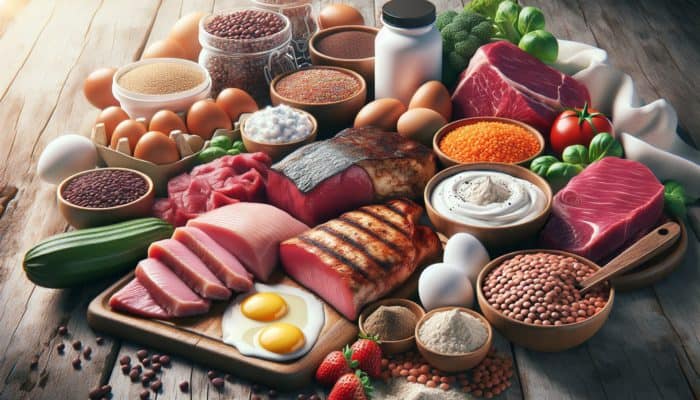
To unlock maximum muscle growth during your bulking phase, it is crucial to include a diverse array of high-protein foods. These foods play an integral role in muscle repair and recovery, providing your body with the essential building blocks it needs. By varying your protein sources, you ensure that your body receives a complete profile of necessary amino acids. Some ideal protein sources to consider for bulking are:
- Chicken breast
- Lean beef
- Salmon and other fatty fish
- Eggs
- Greek yoghurt
- Lentils and beans
- Quinoa
- Protein powders (including whey, casein, and plant-based)
Incorporating both animal and plant-based proteins not only caters to various dietary preferences but also ensures you receive a broader spectrum of essential nutrients. For instance, while chicken and beef are renowned for their high protein content, legumes like lentils also provide fibre and important micronutrients. This variety in protein intake helps prevent diet fatigue and promotes comprehensive health throughout your bulking journey.
Increase Caloric Intake by Adding Healthy Fats to Your Diet
Incorporating healthy fats into your meals is vital for boosting your caloric intake without placing excessive strain on your digestive system. Here are some excellent sources of healthy fats that can effectively support your bulking ambitions:
- Avocado oil
- Nut butters (including almond, peanut, and cashew)
- Seeds (such as flaxseeds, chia seeds, and pumpkin seeds)
Incorporating these healthy fats into your meals not only enhances flavor but also provides essential fatty acids that are crucial for overall health. For example, avocado oil can be drizzled over salads or used in cooking, significantly increasing the caloric density of your meals. Additionally, nut butters can be blended into smoothies or spread on fruit for a quick and nutritious snack, making them versatile options for anyone focused on efficient bulking strategies.
Optimize Your Energy Levels by Selecting the Right Carbohydrates
Carbohydrates are your primary energy source, and when bulking, selecting the most effective carbohydrate sources is essential for fueling workouts and recovery. The best carbohydrate sources to consider for your bulking recipes include:
– Whole grains: Options like brown rice, quinoa, oats, and whole-grain pasta provide sustained energy and fibre.
– Starchy vegetables: Potatoes, sweet potatoes, and corn are nutrient-dense and satisfying.
– Fruits: Bananas, dates, and berries provide quick energy and natural sugars.
By seamlessly integrating these carbohydrate sources into your daily meals, you ensure that your caloric needs are met while supporting your body’s energy demands during intense training sessions. For example, a robust bowl of quinoa topped with roasted sweet potatoes and black beans makes for an excellent post-workout meal, delivering a balanced mix of protein, carbs, and healthy fats.
Incorporate Calorically Dense Foods for Successful Bulking
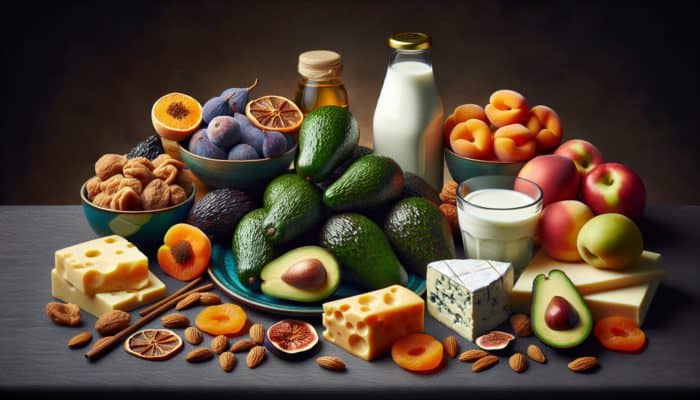
To effectively meet your high caloric requirements, it is essential to incorporate calorie-dense foods into your bulking diet. Foods like avocados, dried fruits, and full-fat dairy are particularly efficient in this regard. Avocados not only provide healthy fats but also enhance the creamy texture and flavor of various dishes. Dried fruits, such as apricots and figs, are packed with concentrated sugars that can significantly increase your calorie intake without requiring large servings. Furthermore, full-fat dairy products such as cheese and whole milk offer both calories and protein, making them ideal choices for bulking.
By strategically incorporating these calorie-rich foods into your meals, you can elevate ordinary dishes into hearty, high-energy options that robustly support your bulking goals. For instance, a satisfying full-fat Greek yoghurt parfait layered with dried fruits and granola serves as a delightful high-calorie snack or breakfast, combining all essential macronutrients in one appetizing bowl.
Expert Guidance on the Best High-Calorie Recipes for Bulking
Inspiring Success Stories from Experienced Bulkers
Many successful bulking recipes arise from individuals who have refined their dietary strategies over time, particularly fitness experts and athletes. For instance, a well-known bodybuilder may recommend a high-calorie ground beef and sweet potato hash, loaded with protein, carbs, and healthy fats. Customizing these recipes to accommodate various dietary preferences can be simple. For individuals following a vegetarian or vegan diet, substituting ground beef with lentils or tempeh while keeping the sweet potatoes can still yield a high-calorie density while catering to plant-based diets.
Besides traditional meals, snacks like protein bars or smoothies are also effective in helping you achieve your daily caloric targets. For example, a peanut butter banana smoothie not only tastes fantastic but can be customized to include protein powder or oats for enhanced nutrition and calories. The flexibility to adapt recipes ensures that everyone can discover enjoyable, suitable high-calorie meals.
A Step-by-Step Guide to Crafting High-Calorie Meals

Creating high-calorie meals can be simplified with a systematic approach. Begin by selecting a protein source such as chicken or beans, followed by a carbohydrate source like rice or pasta, and finish with healthy fats such as olive oil or nuts.
A common mistake to avoid during bulking is depending on processed foods or excessive sugar intake to increase calorie consumption. Instead, focus on whole foods and nutrient-dense options. For instance, while a fast-food burger may seem calorie-rich, it often lacks the essential nutrients necessary for muscle growth and overall health.
Effective meal preparation requires careful planning. Dedicate a few hours each week to meal prepping. Cook large batches of protein, grains, and vegetables, then mix and match them throughout the week to maintain variety. This practice not only saves time but also guarantees that you consistently meet your caloric targets.
Optimize Meal Timing for Maximum Muscle Gains
The timing of your meals is crucial for maximizing the results of your bulking efforts. Consuming high-calorie meals at strategic moments can significantly enhance muscle growth and recovery. Ideally, you should consume a high-calorie meal or shake within 30 minutes post-workout to provide your body with the nutrients it craves after rigorous exercise.
Furthermore, spacing meals every 3-4 hours ensures a steady influx of calories and nutrients. For those who struggle with appetite, incorporating high-calorie snacks or shakes between meals can help fill caloric gaps. For example, a pre-bedtime casein protein shake can offer a steady release of protein overnight, aiding muscle recovery.
Especially during periods of high training volume, distributing calories evenly throughout the day becomes essential. This method not only maintains energy levels but also helps prevent muscle catabolism, ensuring that your body sustains a positive nitrogen balance conducive to growth.
What Steps Should I Take to Calculate My Caloric Needs for Bulking?
Calculate Your Basal Metabolic Rate (BMR) for Accurate Estimates
Determining your Basal Metabolic Rate (BMR) serves as the foundation for identifying your daily caloric needs. BMR represents the number of calories your body requires while at rest to maintain vital functions. Understanding your BMR allows you to tailor your caloric intake based on your activity levels and bulking objectives.
To accurately compute your BMR, consider key factors such as age, gender, height, and weight. For example, a younger, heavier male athlete typically has a higher BMR than an older, lighter female. Knowing your BMR provides a clear foundation for establishing your caloric surplus, which is essential for muscle growth during bulking phases.
Assess Your Activity Level to Determine Accurate Caloric Needs
Adjusting your caloric intake according to your activity level is vital for effective bulking. Your total daily energy expenditure (TDEE) comprises your BMR plus the calories burned through physical activity. To accurately evaluate your activity level, consider the intensity and frequency of your workouts.
For individuals engaged in heavy lifting or endurance training multiple times a week, applying a multiplier of 1.5-2.0 to BMR when calculating TDEE may be appropriate. This adjustment ensures that your caloric intake sufficiently supports muscle growth while also meeting overall energy demands throughout the day. Recognizing your position within your activity levels can help fine-tune your diet as you progress.
Establish a Caloric Surplus for Effective Muscle Growth
Striving for a caloric surplus is crucial for facilitating muscle growth during bulking. A general guideline recommends increasing your daily caloric intake by approximately 250-500 calories above your TDEE to encourage gradual weight gain without excessive fat accumulation. This surplus supplies the necessary building blocks for muscle tissue while providing energy for training.
However, the ideal surplus may vary based on individual metabolic rates and fitness objectives. For example, someone with a high metabolic rate might require a larger surplus to see significant gains, while someone less active may only need a modest increase. Regularly tracking progress and adjusting caloric intake is essential for achieving the right balance that promotes muscle growth without unwanted fat gain.
Optimize Macronutrient Ratios for Successful Bulking
Balancing your intake of proteins, carbohydrates, and fats is vital for maximizing muscle growth during bulking. A typical macronutrient ratio for successful bulking might hover around 40% carbohydrates, 30% protein, and 30% fats.
This ratio ensures that you’re not only supporting energy levels but also supplying adequate protein for muscle repair. Adjustments can be made based on individual responses and preferences. For instance, some individuals may thrive on higher carbohydrate ratios, particularly if engaging in endurance sports alongside strength training.
Effectively tracking your macronutrients can be accomplished through various applications and tools, enabling a more precise approach to dietary planning. Ensuring that each meal aligns with these ratios helps maintain a steady supply of nutrients conducive to muscle growth and overall health.
Delicious High-Calorie Breakfast Ideas to Kickstart Your Day
Indulge in Protein-Packed Pancakes for a Healthy Start
Starting your day with protein-packed pancakes is an excellent way to fulfill your caloric needs early on. By using protein-rich ingredients such as oats, eggs, and Greek yoghurt, these pancakes can be both delicious and nutritious. The benefits of consuming protein early in the day are substantial; it kickstarts muscle recovery and helps in curbing hunger later on.
To create a simple yet effective recipe, combine oats, protein powder, mashed bananas, and eggs, cooking them in a non-stick skillet. Top with nut butter or full-fat Greek yoghurt for extra calories and flavor. This meal not only delivers a healthy dose of protein but also includes carbohydrates from the oats, ensuring you sustain energy levels throughout the morning.
Additionally, enhancing your pancakes with toppings like fresh fruits or a drizzle of honey can elevate the nutrient profile, transforming this breakfast into a delightful and satisfying way to begin your day.
Create Flavorful Smoothie Bowls for a High-Calorie Breakfast
Smoothie bowls provide the perfect opportunity to blend fruits, nuts, and protein into a high-calorie breakfast. These bowls deliver a refreshing, visually appealing meal that can be customized to suit your taste preferences. Key ingredients to consider for a high-calorie smoothie bowl include:
- Bananas
- Spinach or kale for added greens
- Nut butter for healthy fats
- Greek yoghurt for protein
- Oats for additional carbohydrates
- Dried fruits like dates or figs for natural sweetness
The versatility of smoothie bowls is one of their greatest strengths. You can easily modify the thickness and flavor by altering the fruits or adding protein powders. For example, blending spinach with bananas and almond milk creates a nutrient-rich base, while topping it with granola and seeds adds texture and extra calories.
Smoothie bowls are particularly convenient for busy mornings, as they can be prepared in minutes and enjoyed on the go. This ease of preparation makes them a favorite among fitness enthusiasts looking to boost their caloric intake efficiently.
Exploring Nutrient-Dense Egg-Based Dishes
Eggs are among the most versatile and nutrient-dense foods available, making them an exceptional option for bulking. With their high protein content, eggs can be easily incorporated into a variety of dishes to boost calorie intake. For example, consider making a hearty scramble with cheese, avocado, and vegetables.
To further increase the calorie content, add ingredients like full-fat cheese or sautéed mushrooms, enriching the dish’s flavor while enhancing its richness. An omelet filled with spinach, cheese, and smoked salmon serves as a high-protein breakfast, perfect for individuals aiming to bulk effectively.
Cooking eggs in healthy fats, such as olive oil or butter, can also amplify their calorie content. This method ensures that your meals not only taste amazing but also align with your nutritional goals, making egg-based dishes a crucial component of your bulking strategy.
What Advantages Do High-Calorie Snacks Offer?
Elevate Energy Levels for Enhanced Performance
High-calorie snacks offer an immediate energy boost for workouts, making them an essential part of any bulking diet. They help sustain elevated energy levels throughout the day, particularly during preparation for or recovery from intense training sessions. The most effective types of snacks for an energy lift include:
- Trail mix (comprised of nuts and dried fruits)
- Granola bars or protein bars
- Nut butter paired with rice cakes or fruit
- Full-fat yoghurt with honey
For example, trail mix is not only calorie-dense but also portable, making it an ideal pre-workout option. The combination of healthy fats from nuts and natural sugars from dried fruits provides a quick energy source without leaving a heavy feeling during workouts.
Incorporating high-calorie snacks at strategic times throughout the day can help prevent energy dips and support sustained performance both in and out of the gym.
Enhance Muscle Recovery with Nutritious Snacks
Snacks play a vital role in muscle recovery following workouts. Consuming high-calorie snacks that combine protein and carbohydrates can significantly promote muscle repair and growth. For instance, a post-workout smoothie made with whey protein, banana, and oats replenishes glycogen stores while providing essential amino acids for muscle recovery.
Additionally, snacks like Greek yoghurt topped with fresh berries or a peanut butter sandwich on whole-grain bread can serve as convenient recovery options. These snacks not only aid muscle repair but also help restore energy levels, ensuring you’re prepared for your next workout.
The timing of these snacks is equally important; consuming them within 30 minutes post-exercise is ideal for maximizing recovery benefits. This immediate nutrient intake helps alleviate muscle soreness and supports overall training progress.
The Convenience of Quick High-Calorie Snacks
High-calorie snacks are critical for busy lifestyles, offering quick, nutritious options that require minimal preparation. The convenience of having ready-to-eat snacks ensures that you consistently meet your caloric needs without resorting to unhealthy alternatives. Some quick and high-calorie snack ideas include:
- Protein shakes or ready-to-drink protein drinks
- Beef or turkey jerky
- Nut bars or protein balls
- Hard-boiled eggs
These snacks are not only easy to prepare but also portable, allowing you to maintain your diet even on the go. For example, preparing a batch of protein balls made with oats, nut butter, and protein powder can provide a quick, satisfying post-workout snack.
Incorporating these convenient high-calorie snacks into your daily routine guarantees that you’re always prepared to refuel, helping you stay on track with your bulking objectives.
Research-Backed Benefits of High-Calorie Recipes for Bulking
Prioritize Nutrient-Dense Meals for Enhanced Muscle Growth
Focusing on recipes that provide essential nutrients is crucial during bulking. Nutrient-dense meals not only support muscle growth but also contribute to overall health. Meals rich in protein, healthy fats, and carbohydrates deliver the nutrients necessary for muscle recovery and sustained energy.
For example, a meal featuring grilled salmon, quinoa, and steamed broccoli not only offers high calories but also supplies essential omega-3 fatty acids, vitamins, and minerals. By prioritizing nutrient-dense foods, you can ensure your caloric intake focuses on quality as well as quantity, promoting long-term health benefits.
Moreover, these meals can reduce the risk of nutritional deficiencies that may arise from a high-calorie but low-nutrient diet. This emphasis on nutrient density is vital for maintaining a balanced approach to bulking.
Support Long-Term Health with a Balanced Bulking Approach
Bulking with high-calorie recipes can yield long-term health benefits, provided the focus remains on wholesome, nutrient-rich foods. A well-structured bulking diet can support overall wellness by promoting a balanced intake of macronutrients and micronutrients.
However, it is equally important to acknowledge the potential health risks associated with improper bulking, such as excessive weight gain due to unhealthy foods or an unbalanced diet. This approach can lead to increased body fat, which may compromise health and performance over time.
By emphasizing healthy, high-calorie recipes, you can mitigate these risks. This balanced strategy not only supports muscle growth but also fosters sustainable dietary habits that contribute to overall health.
Boost Performance with High-Calorie Recipes
High-calorie recipes can significantly enhance athletic performance, especially when they feature specific ingredients known for their beneficial effects. For example, incorporating complex carbohydrates like oats or whole grains provides sustained energy for longer workouts, while protein sources are essential for muscle repair.
Certain foods, such as bananas and beetroot, have been shown to improve endurance and recovery. Including these ingredients in meals or snacks can enhance training outcomes and performance. For instance, a smoothie made with bananas, spinach, and protein powder can deliver a powerful pre-workout boost.
Furthermore, maintaining the right balance of macronutrients in high-calorie recipes can optimize performance and recovery, allowing athletes to train harder and longer. Focusing on these components reinforces the significance of meal quality in supporting rigorous training regimens.
High-Calorie Lunch and Dinner Recipes to Energize Your Workouts
Craft Nourishing Soups and Stews for Maximum Nutrition
Soups and stews present an excellent opportunity to pack in calories while providing comfort and satisfaction. These dishes are easily customizable to include a variety of ingredients, ensuring they are both nutritious and filling. The best ingredients for bulking soups and stews include:
- Beans and lentils for added protein
- Root vegetables like carrots and potatoes for carbohydrates
- Healthy oils for additional calories
- High-protein stocks, such as chicken or beef broth
A hearty lentil stew featuring carrots, potatoes, and a drizzle of olive oil can serve as a fulfilling meal that satisfies hunger while meeting caloric needs. The inclusion of beans or lentils enhances the protein content, while root vegetables provide essential carbohydrates.
Moreover, preparing large batches simplifies meal prep, as these dishes can be stored in the fridge or freezer for quick lunches or dinners throughout the week. The versatility of soups and stews makes them an invaluable component of a bulking diet.
Create Calorie-Rich Pasta and Rice Dishes
Pasta and rice dishes are perfect for bulking due to their high carbohydrate content and versatility. By making these dishes more calorie-dense, you can effortlessly enhance their nutritional profile. To create calorie-rich pasta and rice meals, consider incorporating:
– Cream-based sauces: Alfredo or carbonara can significantly elevate caloric content.
– Protein-rich toppings: Chicken, shrimp, or tofu boost the dish’s protein content.
– Vegetables: Adding healthy fats and fibre-rich vegetables provides balance.
For example, a creamy chicken Alfredo pasta not only serves as a rich source of calories but also combines protein, fat, and carbohydrates within one dish. Including vegetables like spinach or broccoli can further enhance the nutrient density, creating a well-rounded meal for bulking.
Rice dishes can similarly be enhanced with rich sauces and protein sources. A stir-fried rice bowl featuring beef, eggs, and assorted vegetables can serve as a satisfying, calorie-dense meal that supports your bulking efforts.
Explore Meat and Poultry Dishes for Maximum Protein Content
Meat and poultry rank among the best sources of protein and can be seamlessly integrated into high-calorie bulking meals. Certain cooking methods can greatly enhance the caloric density of these entrees. For example, roasting or grilling meat with flavorful marinades can amplify both taste and caloric content.
Experimenting with different cuts of meat can yield varying calorie counts. For instance, chicken thighs contain more calories than chicken breast due to their higher fat content. Similarly, marbled cuts of beef generally provide more calories compared to leaner cuts.
Preparing dishes like a slow-cooked beef stew or grilled chicken with a rich sauce can ensure you meet your caloric requirements while enjoying flavorful meals. These cooking methods not only enhance taste but also encourage higher calorie intake, making them ideal for bulking.
How Can I Effectively Track My Progress While Bulking?
Monitor Your Weight and Body Measurements Consistently
Regularly tracking your weight and body measurements is essential for assessing progress during a bulking phase. It’s advisable to take these measurements at least once a week, ideally at the same time each day, to ensure consistency.
In addition to weight, measuring body parts such as the chest, arms, waist, and thighs can provide a clearer picture of changes. This approach enables you to adjust your diet and training regimen based on observed trends. If you find you’re gaining weight but not seeing increases in muscle size, you may need to modify your caloric intake or training intensity.
Maintaining a log of these measurements can also help identify patterns over time, fostering accountability and encouraging adherence to your bulking objectives.
Evaluate Strength and Performance Gains
Monitoring changes in strength and performance during workouts is another critical aspect of tracking progress while bulking. Indicators of effective bulking include increases in the weight lifted, enhancements in endurance, and overall performance improvements.
Regularly testing your limits—such as increasing your squat or deadlift max—provides tangible evidence of progress. Additionally, maintaining a workout log to record lifts and other performance metrics helps identify areas for improvement.
If you notice stagnation in your progress, consider adjusting your diet or training program. For example, if strength gains plateau, you might need to increase your caloric surplus or modify your workout routines.
Maintain a Detailed Log of Your Diet and Caloric Intake
Keeping a thorough log of your diet and caloric intake is critical to ensuring you meet your bulking objectives. Tracking what you eat can help identify any discrepancies between your actual intake and your caloric targets.
Utilizing apps or food diaries streamlines this task, making it easier to monitor meals and snacks. Regularly reviewing your intake can help pinpoint ways to increase your calorie consumption, whether through larger portion sizes or by incorporating more calorie-dense foods.
By maintaining this log, you’ll be able to adjust your diet as necessary, ensuring you stay on track with your bulking plan.
Utilize Progress Photos for Visual Monitoring
Regularly taking progress photos serves as an effective way to visually track changes in your physique. It’s recommended to capture these photos every 2-4 weeks, taking images from multiple angles to provide a comprehensive view of your transformation.
These images can serve as motivation and help you evaluate whether your bulking strategy is effectively contributing to muscle gain. Comparing photos over time can highlight improvements that may be less noticeable in daily observations.
Moreover, these visuals can provide critical insights, prompting adjustments to your diet or training if changes are not aligning with your goals.
Monitor Your Body Fat Percentage for Healthy Bulking
Keeping track of your body fat percentage is essential to ensure that you’re gaining muscle rather than excess fat during bulking. Various methods can be employed to measure body fat, including skinfold calipers, bioelectrical impedance scales, and DEXA scans.
While the goal is to observe increases in muscle mass, it’s equally important to monitor body fat levels. An ideal scenario involves a gradual increase in muscle with minimal fat gain. Regularly assessing body fat percentage can inform dietary adjustments; for example, if body fat levels rise too quickly, reducing caloric intake or increasing cardiovascular activity may be necessary.
Maintaining a balanced approach to bulking not only fosters muscle growth but also supports long-term health.
Proven Strategies for Maximizing High-Calorie Recipes for Bulking
Implement Effective Meal Planning and Preparation Techniques
Planning and preparing meals in advance is a proven strategy for ensuring consistent bulking. By dedicating time each week to meal prep, you can effectively manage your caloric intake and minimize the temptation to make unhealthy food choices.
Start by crafting a weekly meal plan focused on your caloric goals. Prepare large batches of protein, grains, and vegetables, storing them in the fridge or freezer. This approach not only saves time but also simplifies meal assembly throughout the week.
Additionally, preparing snacks in advance can help maintain caloric targets. For instance, making energy balls or portioning out nuts ensures you have quick, high-calorie options readily available.
Balance Macronutrients for Optimal Bulking Results
Balancing your intake of proteins, fats, and carbohydrates is essential for achieving optimal bulking results. As previously mentioned, a macronutrient ratio of around 40% carbohydrates, 30% protein, and 30% fats is often effective for many individuals.
However, personal preferences and specific fitness goals may necessitate modifications to these ratios. Regularly evaluating your progress can help determine whether your current macronutrient distribution effectively supports your bulking objectives.
Consider experimenting with different ratios to discover what works best for your body. For example, endurance-trained athletes may benefit from higher carbohydrate intake, while strength-focused individuals might require a greater emphasis on protein.
Adjust Recipes to Meet Caloric and Nutritional Needs
Modifying recipes to align with your caloric and nutritional requirements is a key strategy for maintaining variety and interest in your diet. Adjustments can be as simple as adding an extra serving of protein or incorporating more calorie-dense ingredients.
For example, when preparing smoothies, consider adding oats or nut butter to enhance calories without significantly altering the flavor. Similarly, when crafting pasta dishes, adding a creamy sauce or extra cheese can improve both flavor and caloric content.
By regularly experimenting with recipes, you can keep your meals exciting while ensuring they align with your bulking goals. This adaptability is crucial for preventing diet fatigue and fostering long-term commitment to your bulking plan.
Integrate High-Calorie Ingredients into Your Meals
Incorporating high-calorie ingredients into your meals is an effective method for boosting energy content without drastically increasing portion sizes. Foods such as nuts, oils, and full-fat dairy are excellent additions to elevate the calorie content of your dishes.
For instance, adding a tablespoon of olive oil to salads or cooked vegetables can significantly increase the meal’s calorie content without overpowering the dish. Likewise, topping meals with nuts or seeds not only enhances flavor but also contributes healthy fats and protein.
Experimenting with these high-calorie ingredients can help you discover new flavor combinations while ensuring your meals remain both satisfying and aligned with your bulking objectives.
Frequently Asked Questions About Bulking
What are the top high-calorie foods for effective bulking?
Foods such as avocados, nuts, nut butters, whole grains, and full-fat dairy serve as excellent calorie sources for bulking. They provide the necessary energy and nutrients to support muscle growth.
How can I increase my calorie intake without feeling overly full?
Focus on calorically dense options, such as nut butters, dried fruits, and smoothies. These choices allow you to consume more calories without excessive bulk.
Is meal timing crucial for effective bulking?
Yes, meal timing can greatly enhance muscle growth. Consuming high-calorie meals post-workout and spacing meals throughout the day can optimize nutrient absorption and energy levels.
How should I modify my diet if I’m gaining too much fat while bulking?
If you’re experiencing excessive weight gain, consider decreasing your caloric surplus or increasing your cardiovascular activity. Monitoring body fat percentage can help inform these adjustments.
What are some quick snacks I can prepare for bulking?
Quick snack options include protein bars, trail mix, hard-boiled eggs, or nut butter with fruit. These choices are simple to prepare and provide essential calories.
How frequently should I weigh myself while bulking?
Weighing yourself weekly offers a consistent measure of progress. Ensure this is done at the same time each day for accuracy.
Can I effectively bulk on a vegetarian or vegan diet?
Absolutely! Incorporating protein-rich plant foods such as lentils, beans, quinoa, and tofu can help you meet your caloric and protein needs.
What role do supplements play in bulking?
Supplements like protein powder can aid in reaching your protein targets, especially if you struggle to consume enough protein from whole foods. Always prioritize whole foods first.
How can I effectively track my progress while bulking?
Monitor weight, body measurements, strength gains, and take progress photos regularly. Keeping a food diary or using an app can also help track your dietary intake.
Why is hydration crucial while bulking?
Maintaining hydration is essential for optimal performance and recovery. Proper hydration supports nutrient transport and muscle function, especially during intense training sessions.
Connect with us on Facebook!
The post Top High-Calorie Recipes for Bulking: Ultimate Guide appeared first on https://cookinggods.com
The Article High-Calorie Recipes for Bulking: Your Ultimate Guide Was Found On https://limitsofstrategy.com