Your Comprehensive Guide to Hydronic Radiant Floor Heating Systems
What is Hydronic Radiant Floor Heating and How Does It Operate?

Hydronic radiant floor heating represents a remarkably efficient and innovative technique that harnesses the power of water to deliver warmth directly to the floors of living areas. This cutting-edge system is meticulously designed to uphold a comfortable and consistent temperature throughout your home, ensuring even warmth without the drafts commonly associated with traditional heating systems. In contrast to conventional heating methods that depend on air circulation, hydronic heating radiates warmth from the ground up, fostering a cozy atmosphere in every room. The system comprises several crucial components that work in harmony to guarantee effective heat delivery:
- Boiler: This essential component heats the water that circulates throughout the system, ensuring consistent warmth in your home.
- Piping: Specialized tubes installed beneath the floor efficiently carry heated water, distributing warmth uniformly across the space.
- Thermostat: This device regulates the system’s temperature, ensuring optimal comfort levels throughout your living area.
- Pump: The pump circulates hot water through the piping, maintaining an uninterrupted flow and even heat distribution.
- Insulation: Adequate insulation is vital, as it prevents heat loss and boosts the system’s overall efficiency.
- Expansion tank: This component sustains system pressure and accommodates changes in water volume, preventing operational complications.
- Manifold: The manifold distributes heated water to various zones within the home, allowing for personalized temperature control tailored to individual preferences.
This modern heating solution not only enhances home comfort but also promotes energy efficiency, making it a favored choice among homeowners and commercial property managers in search of effective heating solutions.
Uncover the Extensive Benefits of Hydronic Heating Systems
Hydronic heating systems offer a wide range of benefits, making them an appealing choice for both residential and commercial environments. The primary advantages of these systems include:
- Energy Efficiency: Hydronic heating consumes significantly less energy than traditional heating methods, leading to lower utility bills.
- Enhanced Comfort: The system ensures steady and even heat distribution across the floor, fostering a warm and inviting environment.
- Cost Savings: With proper installation and insulation, homeowners can achieve substantial reductions in energy costs over time.
- Quiet Operation: Unlike forced-air systems, hydronic heating operates silently, contributing to a peaceful indoor atmosphere.
- Versatility: This heating method is compatible with a variety of flooring types, including tile, hardwood, and carpet, making it versatile for different settings.
- Zone Heating: Hydronic systems allow for temperature control in distinct areas of a building, accommodating diverse heating preferences for various zones.
- Improved Air Quality: By minimizing dust circulation, hydronic systems enhance indoor air quality, making them beneficial for allergy sufferers.
These numerous benefits position hydronic heating as a wise investment for homeowners aiming to enhance their indoor living conditions while achieving significant energy efficiency.
How Does Hydronic Radiant Floor Heating Achieve High Efficiency?
The operational efficiency of hydronic radiant floor heating stems from its straightforward yet effective mechanism. Let’s take a closer look at how it functions:
- Heating Water: A boiler heats water to the desired temperature, typically ranging from 120°F to 140°F, to guarantee optimal warmth throughout the area.
- Circulation: The heated water is pumped through a network of tubing installed beneath the floor, ensuring even warmth distribution.
- Heat Transfer: As the hot water flows through the pipes, it transfers heat to the floor, which then radiates warmth throughout the room, creating a comfortable environment.
- Thermostatic Control: The thermostat continuously monitors and adjusts the system to maintain the set temperature, ensuring consistent comfort.
This streamlined process creates a highly effective and comfortable heating environment, minimizing energy use while maximizing warmth throughout your living space.
Discover the Different Types of Hydronic Radiant Floor Heating Systems
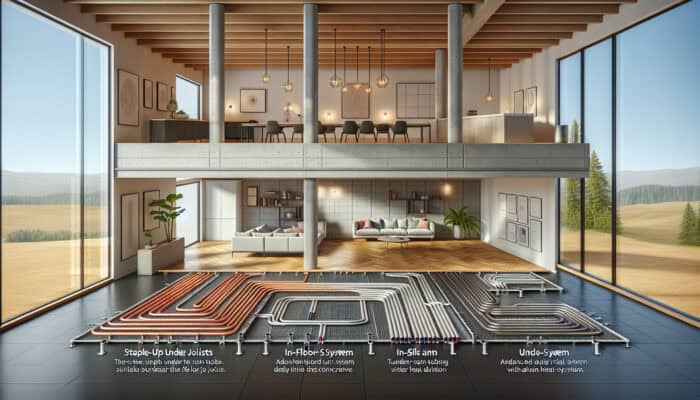
Hydronic radiant floor heating systems come in various types, each designed to meet specific installation requirements and architectural designs. The main systems include:
- Staple-up Systems: Ideal for existing buildings, these systems involve securing the piping to the underside of the floor joists, making installation a straightforward process.
- In-slab Systems: This type embeds piping within a concrete slab, making it perfect for new constructions where concrete is poured.
- Underfloor Systems: This method installs tubing either in a subfloor or on top of an existing floor, commonly used in retrofitting projects.
- Panel Systems: Utilizing aluminum or other conductive materials, these systems distribute heat uniformly across the floor surface. They have specific advantages and installation requirements, making it essential for homeowners to consult with professionals to determine the most suitable option for their unique space.
Professional Insights on Hydronic Radiant Floor Heating Services in North Vancouver
What Makes North Vancouver a Prime Location for Hydronic Heating Systems?
North Vancouver’s climate, characterized by cold winters and mild temperatures, creates an ideal environment for hydronic heating systems. The architectural styles prevalent in the area, combined with the community’s preference for energy-efficient solutions, further enhance the appeal of these systems. Homes featuring expansive open areas, for instance, greatly benefit from the even heat distribution provided by hydronic systems.
Experts in the region have observed a significant uptick in the adoption of hydronic radiant floor heating in North Vancouver, driven by the comfort and energy efficiency these systems offer. A notable example involved a modern residence in Deep Cove, where homeowners reported a remarkable 30% decrease in heating costs after installing a hydronic heating system. These real-world applications illustrate how hydronic heating can transform living spaces into warmer, more energy-efficient environments.
Best Installation Practices from Local Hydronic Heating Specialists

The success of a hydronic heating system heavily depends on proper installation practices. Local experts recommend several best practices to ensure an effective setup:
1. Initial Assessment: Conducting a thorough evaluation of the building’s insulation and layout is crucial prior to installation. This comprehensive analysis aids in designing an efficient system tailored to the specific needs of the space.
2. Selecting Quality Components: Opting for high-quality pipes, boilers, and thermostats can significantly enhance overall system performance and longevity.
3. Professional Installation: Hiring certified professionals for installation ensures compliance with local building codes and optimal system performance, leading to long-term satisfaction.
4. Zoning Considerations: Incorporating multiple heating zones during installation allows for customized heating, catering to the unique needs of different areas within the home.
These actionable insights emphasize the importance of meticulous planning and execution for a successful hydronic heating installation in North Vancouver.
Maintenance Practices to Ensure the Longevity of Hydronic Systems
To guarantee the longevity and optimal performance of hydronic heating systems, regular maintenance is essential. Experts recommend conducting annual inspections to identify potential issues before they escalate. Key maintenance practices include:
- Inspecting Components: Regularly checking the boiler, pump, and piping for any signs of wear or leaks is vital for maintaining system integrity and performance.
- Flushing the System: Periodic flushing of the system removes sediment buildup that can hinder efficiency, ensuring smooth and effective operation.
- Checking for Air Bubbles: Ensuring there are no air bubbles trapped in the system is essential, as they can significantly reduce heating efficiency and effectiveness.
- Updating Controls: Keeping thermostats and control systems up to date enhances overall performance and responsiveness, allowing for better comfort management.
By adhering to these maintenance practices, homeowners can significantly extend the lifespan of their hydronic systems while ensuring efficient and continuous operation throughout their homes.
Assessing the Cost-Benefit of Hydronic Systems in North Vancouver
The initial investment required for a hydronic heating system can be considerable; however, experts assert that the long-term savings greatly outweigh these upfront costs. In North Vancouver, where energy prices can fluctuate, the efficiency of hydronic systems offers a significant financial advantage.
When analyzing the initial costs, which include installation, equipment, and ongoing maintenance, homeowners can expect an average return on investment (ROI) of 20-30% over time due to reduced heating bills. Additionally, the comfort and improved air quality provided by these systems deliver non-monetary benefits that further enhance the value of this investment.
Local case studies indicate that homes retrofitted with hydronic heating systems have experienced energy bill reductions of up to 40%, making it a financially prudent choice for many property owners in the region.
Innovations Advancing Hydronic Heating Technology
The hydronic heating landscape is continuously evolving, with local experts highlighting numerous innovative technologies that enhance system efficiency and user comfort. Recent advancements include:
- Smart Thermostats: Modern smart thermostats enable remote control and monitoring of heating systems, optimizing energy use based on occupancy patterns.
- Radiant Floor Panels: New materials are being developed to improve heat distribution efficiency while reducing installation time and complexity.
- Hybrid Systems: These systems combine hydronic heating with renewable energy sources, such as solar panels, to further enhance sustainability and energy efficiency.
- Advanced Insulation Techniques: Innovations in insulation materials significantly minimize heat loss, thereby improving overall system efficiency and performance.
These advancements not only enhance energy efficiency but also address the growing demand for sustainable heating solutions in North Vancouver, aligning with environmental goals.
Making an Informed Choice for Hydronic Heating Services in North Vancouver
What Essential Factors Should You Consider When Selecting a Hydronic Heating Service Provider?
Choosing a hydronic heating service provider requires careful consideration of several factors to ensure quality installation and maintenance. Key criteria to evaluate include:
- Experience: Look for companies with a proven track record in successful hydronic heating installations, as this ensures reliability.
- Certifications: Verify that the service provider has relevant certifications and complies with industry standards for quality assurance.
- Customer Reviews: Reading testimonials and reviews from previous customers can provide valuable insights into satisfaction levels and service quality.
- Portfolio of Work: Reviewing their previous projects helps assess the quality and effectiveness of their installations and their expertise in hydronic systems.
- Warranty and Support: Inquire about the warranties offered and the level of post-installation support to ensure long-term satisfaction.
By focusing on these factors, homeowners can choose a reputable service provider that meets their specific needs and expectations, ensuring successful installation and ongoing support.
Evaluating and Comparing Hydronic Heating Service Providers in North Vancouver
When assessing hydronic heating service providers in North Vancouver, thorough research is essential. Start by compiling a list of potential contractors and evaluating them based on several critical criteria.
First, compare their portfolios to view examples of their past work. Look for projects that align with your own in terms of scope and complexity. Additionally, gather customer feedback from reliable review platforms to gauge overall satisfaction and service quality.
Price comparisons are also important; however, ensure you fully understand what services are included in each quote. Be cautious of low bids, as they may indicate the use of subpar materials or rushed work. Prioritize quality and reputation over cost to make a sound decision. By conducting a comprehensive evaluation, you can identify the service provider that best aligns with your project goals and budget.
Understanding the Financial Aspects of Hydronic Heating Services
Grasping the costs associated with hydronic heating services is crucial for effective budgeting. Initial installation costs can vary significantly depending on the project’s complexity, the type of system selected, and the required materials.
Factors influencing these costs include:
- System Type: In-slab systems generally incur higher costs due to greater installation complexity compared to staple-up systems.
- Building Size: Larger buildings necessitate more extensive systems, which can increase overall costs due to additional materials and labor.
- Material Quality: While higher-quality materials may result in a higher upfront cost, they can lead to savings through increased durability and efficiency over time.
- Labor Costs: Skilled labor costs can vary; investing in experienced professionals can help prevent costly errors and ensure a job well done, enhancing the system’s reliability.
By accounting for these factors, homeowners can make informed decisions that effectively balance upfront costs with long-term benefits, ensuring a worthwhile investment in their heating solutions.
Case Studies Showcasing the Benefits of Hydronic Radiant Floor Heating in North Vancouver
Success Stories from Residential Hydronic Heating Installations
The implementation of hydronic heating systems in residential homes throughout North Vancouver demonstrates the effectiveness and numerous advantages of this heating approach. One notable case involved a family living in the Edgemont Village area who chose an in-slab hydronic system during their home renovation.
The family reported significant improvements in comfort, noting that their home felt uniformly warm without the cold spots often associated with traditional heating systems. Additionally, they experienced a substantial reduction in their energy bills, making the investment worthwhile in the long run. Homeowners can extract valuable insights from such success stories, including the critical importance of proper insulation and zoning to achieve maximum efficiency and comfort.
Commercial Applications Illustrating the Effectiveness of Hydronic Heating
Businesses in North Vancouver are increasingly adopting hydronic heating systems, recognizing the potential for cost savings and enhanced comfort. A local boutique hotel recently installed a hydronic heating system during its renovation process.
The owners highlighted the system’s versatility, allowing them to maintain different temperatures across various areas of the hotel, significantly enhancing guest comfort. This installation not only improved the overall guest experience but also reduced energy costs by approximately 25%. These commercial applications illustrate the reliability and effectiveness of hydronic heating systems in diverse environments, proving their value in both residential and commercial applications.
Key Insights from Local Hydronic Heating Installations
A review of various hydronic heating installations in North Vancouver reveals several valuable insights that can inform future projects. A common challenge faced by many homeowners was inadequate insulation, which led to energy inefficiencies and inconsistent heating throughout their spaces.
Another key insight emphasizes the need for professional consultation during the planning phase. Homeowners who engaged experienced professionals from the outset reported smoother installations and fewer post-installation issues. Addressing these common challenges can significantly enhance the outcomes of future hydronic heating projects, ensuring that homeowners achieve the desired comfort and efficiency.
Optimizing Your Hydronic Heating System for Maximum Efficiency
Strategies for Boosting Energy Efficiency
Maximizing energy efficiency within hydronic heating systems is crucial for reducing costs and minimizing environmental impact. One effective strategy involves ensuring adequate insulation throughout the building, which prevents heat loss and helps maintain a consistent indoor temperature, ultimately enhancing the system’s performance.
Incorporating zoning controls is another beneficial technique that allows homeowners to heat only the areas currently in use, further optimizing energy consumption and reducing waste. Upgrading to high-efficiency boilers and smart thermostats can also greatly enhance overall system performance, allowing for better management of energy use. By implementing these strategies, homeowners can significantly lower energy consumption while enjoying the many benefits of hydronic heating systems.
Effective Temperature Control for Optimal Comfort
Maintaining effective temperature control in hydronic heating systems is vital for ensuring comfort levels within the home. One of the best practices for temperature management is utilizing smart thermostats, which enable precise control of heating schedules based on occupancy patterns and individual preferences.
Additionally, adopting zoning systems enhances comfort by providing individualized temperature control for different rooms or areas of the home. This not only improves overall comfort but also contributes to energy efficiency by avoiding unnecessary heating in unoccupied spaces. Implementing these practices can elevate your hydronic heating experience to unprecedented levels of comfort and satisfaction.
Troubleshooting Common Issues in Hydronic Heating Systems
Identifying and addressing common issues with hydronic heating systems can prevent significant problems and guarantee smooth operation throughout the home. One frequent issue involves air bubbles trapped in the system, which can disrupt heat distribution. Homeowners can troubleshoot this by bleeding the radiators to expel any trapped air, ensuring efficient heat transfer.
Another common challenge is sediment buildup within the boiler, which can compromise system efficiency. Regular maintenance, including periodic flushing of the system, can help mitigate this issue and maintain optimal performance. By being proactive and addressing these common problems promptly, homeowners can enhance the reliability and longevity of their hydronic heating system, ensuring consistent comfort in their living spaces.
Prioritizing Regular Maintenance for System Longevity
Regular maintenance is vital for extending the lifespan of hydronic heating systems. Homeowners should conduct routine checks on critical components, such as the boiler, pumps, and piping, to identify any signs of wear or damage before they escalate into major issues.
Additionally, scheduling annual professional inspections can uncover potential problems before they develop, ensuring the system operates at peak efficiency. Tasks such as checking pressure levels, inspecting valves, and cleaning filters should be integral to a comprehensive maintenance routine. By prioritizing these maintenance tasks, homeowners can extend the lifespan and improve the reliability of their hydronic heating system, ensuring a comfortable environment year-round.
Research-Backed Advantages of Hydronic Radiant Floor Heating Services in North Vancouver
Health and Comfort Benefits Associated with Hydronic Heating
Research indicates that hydronic heating systems significantly enhance indoor air quality, which is crucial for health and comfort in residential settings. Unlike forced-air systems that circulate dust and allergens, hydronic systems provide radiant heat without disturbing particulate matter, resulting in cleaner and healthier indoor air.
This feature is particularly beneficial for individuals suffering from allergies and older adults, who may be more sensitive to poor air quality. Studies show that homes equipped with hydronic heating experience fewer respiratory issues and higher overall comfort levels, reinforcing the system’s appeal to health-conscious homeowners prioritizing indoor air quality.
Environmental Advantages of Hydronic Systems and Their Sustainability
Hydronic heating systems are considered a more environmentally friendly option compared to traditional heating methods. These systems consume less energy, leading to lower greenhouse gas emissions and a reduced carbon footprint.
In North Vancouver, where sustainability is increasingly prioritized, the adoption of hydronic systems aligns with the city’s efforts to minimize its environmental impact. Moreover, many homeowners are integrating renewable energy sources, such as solar heating, with hydronic systems, further enhancing their environmental benefits and sustainability.
Long-Term Financial Benefits of Hydronic Heating
Research indicates that while the initial costs of installing hydronic heating systems may exceed those of traditional options, the long-term energy savings can be substantial. Studies show that homeowners can save up to 40% on heating costs over time, making hydronic heating a financially savvy choice that offers significant returns on investment.
Real-world examples in North Vancouver illustrate that families have recouped their initial investment within a few years through these savings, underscoring the economic viability of hydronic heating systems as a long-term heating solution.
Increasing Property Value through Hydronic Heating Systems
Hydronic radiant floor heating systems can enhance a property’s market value and overall appeal to prospective buyers. Homes featuring these systems often attract buyers seeking modern, energy-efficient heating solutions that provide unparalleled comfort.
Research indicates that properties equipped with hydronic heating can command higher selling prices, as they are associated with comfort, energy efficiency, and advanced technology. This trend is particularly evident in North Vancouver’s competitive real estate market, where the demand for energy-efficient homes continues to rise steadily.
Versatility and Customization Opportunities in Hydronic Heating Systems
One of the standout features of hydronic systems is their adaptability in installation and customization. These systems can be tailored to fit various home designs and heating needs, whether installed in new constructions or retrofitted into existing buildings.
This flexibility allows homeowners to customize temperature settings for different rooms, enhancing comfort and energy efficiency throughout the entire space. Furthermore, the system can be tailored to work seamlessly with various flooring materials, expanding its applicability across diverse architectural settings and personal preferences.
Emerging Trends in Hydronic Radiant Floor Heating Technology
Technological Advancements Influencing Hydronic Systems
Staying informed about technological advancements in hydronic heating is essential for maximizing efficiency and comfort in modern homes. Emerging technologies include advanced sensors that monitor temperature and humidity, enabling real-time adjustments to heating settings for optimal performance and energy savings.
Additionally, innovations in piping materials and insulation techniques are enhancing system performance, making installations quicker and more efficient. As these technologies continue to advance, homeowners can expect even greater efficiency and user-friendly features in their hydronic heating systems, contributing to superior heating solutions.
Integration of Hydronic Heating with Smart Home Technologies
The integration of hydronic heating systems with smart home technology is a growing trend that enhances control and convenience for homeowners. This integration allows users to manage their heating systems remotely via smartphones, enabling them to adjust settings and schedule heating according to their daily routines.
This capability not only improves comfort but can also lead to considerable energy savings, as users can optimize heating based on occupancy patterns and preferences. The convergence of hydronic heating and smart technology represents a progressive approach to modern home heating solutions, offering both convenience and efficiency.
Future Predictions for Hydronic Heating in North Vancouver
Experts anticipate a growing demand for hydronic heating systems in North Vancouver, driven by an increasing focus on energy efficiency and sustainability. As awareness of climate change continues to rise, homeowners are actively seeking solutions to reduce energy consumption and lower their carbon footprints.
The local market is expected to witness further innovations in hydronic heating technology, including enhanced efficiency measures and increased integration with renewable energy sources. As these trends unfold, hydronic heating will remain a highly relevant and sought-after solution for both residential and commercial applications in the region.
Frequently Asked Questions about Hydronic Radiant Floor Heating
What is hydronic radiant floor heating?
Hydronic radiant floor heating is a system that utilizes heated water circulating through pipes beneath the floor to efficiently and evenly warm a space, creating a comfortable indoor environment that promotes overall well-being.
How does hydronic heating save on energy costs?
By providing consistent heat directly from the floor and enabling zoning options, hydronic heating can significantly reduce energy consumption compared to traditional heating systems, resulting in lower utility bills.
What types of flooring are suitable for hydronic heating?
Hydronic heating can be effectively used with various flooring types, including tile, hardwood, laminate, and carpet, depending on the specific installation method selected for your home.
How often should I maintain my hydronic heating system?
It is advisable to conduct annual maintenance checks to ensure your hydronic heating system operates efficiently and to address any potential issues before they escalate, ensuring longevity and performance.
Can I install hydronic heating in an existing home?
Yes, hydronic heating can be retrofitted into existing homes using various installation methods, including staple-up or underfloor systems, making it a versatile and accessible option for many homeowners.
What is the average lifespan of a hydronic heating system?
With proper maintenance, hydronic heating systems can last over 20 years, making them a durable and long-lasting option for reliable heating throughout your home.
Are hydronic systems environmentally friendly?
Yes, hydronic heating systems are more energy-efficient than traditional heating methods, leading to lower greenhouse gas emissions and a reduced carbon footprint, contributing to environmental sustainability efforts.
How do I choose the right hydronic heating service?
Evaluate service providers based on their experience, customer reviews, certifications, and the quality of their previous work to ensure you select a reputable contractor that meets your needs.
What are the initial costs of installing hydronic heating?
Initial costs can vary based on system type and installation complexity, generally ranging from $5,000 to $20,000, depending on the size of the home and specific project requirements.
Can hydronic heating be integrated with renewable energy sources?
Yes, hydronic systems can be combined with renewable energy sources, such as solar panels, to enhance their efficiency and sustainability for home heating, aligning with eco-friendly practices.
Connect with us on Facebook!
Presented By: Hydronic Radiant Floor Heating in North Vancouver
The Article: Hydronic Radiant Floor Heating Services in North Vancouver First Published On: https://pacificbluemechanical.ca/
The Article Hydronic Radiant Floor Heating in North Vancouver Was Found On https://limitsofstrategy.com