Harness the Potential of Interactive Content to Transform User Experiences
What Is Interactive Content and Why Is It Important?
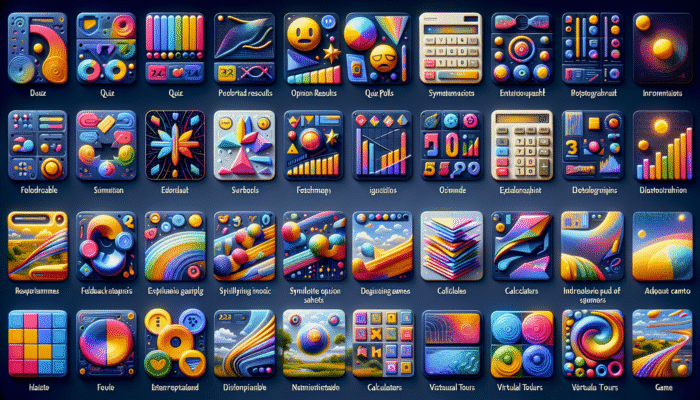
Interactive content embodies digital elements specifically crafted to actively involve users, transforming the way they engage with digital materials. This engagement is crucial in a time where users seek more than just passive consumption of information. Elements such as quizzes, polls, and games necessitate user involvement, thereby enhancing both engagement levels and content retention. To create compelling interactive content, consider incorporating:
- Quizzes that provide tailored outcomes based on user responses
- Polls designed to assess user opinions and preferences
- Interactive infographics that allow users to explore data dynamically and intuitively
- Surveys aimed at gathering vital feedback from users
- Games that motivate users to participate actively and enjoyably
- Calculators offering personalized calculations based on user inputs
- Virtual tours simulating real-world experiences to engage users
The incorporation of these dynamic components creates a more immersive environment, encouraging users to delve deeper into content instead of simply absorbing it. In a world inundated with information, leveraging interactive elements is essential for effectively capturing and maintaining audience attention.
How Does Interactive Engagement Enhance User Experience?
The evolution from passive observers to active participants represents a significant shift in user engagement, greatly enhancing the overall user experience. By motivating users to actively engage, brands can create lasting impressions that nurture customer loyalty. To elevate user experience, brands can employ several strategies, including:
- Personalisation that resonates with user preferences and behaviours
- Seamless navigation that guides users effortlessly through the content
- Immediate feedback that acknowledges user contributions
- Visual storytelling that engages users on an emotional level
- Gamification techniques that make interactions enjoyable and rewarding
- Community engagement features, like comment sections or forums for discussion
- Adaptive content that evolves based on user interactions
Implementing these strategies enriches the user experience and increases the likelihood of users returning for additional interactions. The primary objective is to make users feel appreciated and understood, which significantly boosts overall satisfaction and retention rates.
What Metrics Are Essential for Evaluating User Engagement with Interactive Content?
Evaluating the success of interactive content relies on robust measurement techniques. Metrics play a pivotal role in assessing user engagement and the overall effectiveness of interactive initiatives. Key metrics to consider include:
- Time spent engaging with various interactive elements
- Completion rates for quizzes and games, indicating user commitment
- Social shares that amplify reach and visibility
- Click-through rates linked to calls to action
- Conversion rates aligned with marketing objectives
- User feedback collected through surveys to gauge satisfaction
- Return visits reflecting user loyalty and sustained interest
These metrics yield invaluable insights into user behaviour, enabling brands to make informed adjustments that enhance future content strategies. By analysing engagement data, brands can not only measure success but also pinpoint opportunities for refining user experiences and content offerings.
Professional Insights on Creating Interactive Content for Maximum User Engagement

How Can Industry Experts Improve the Quality of Interactive Content?
Incorporating expert insights can significantly enhance the quality of interactive content, adding both credibility and depth to the material. Their contributions can convert standard content into authoritative resources that resonate with users. Effective methods for integrating expert insights involve identifying industry leaders, conducting interviews, and showcasing quotes or contributions from specialists. By embedding expert opinions within the content, it gains an extra layer of trustworthiness. Additionally, collaboration with experts can lead to co-created experiences such as webinars or live Q&A sessions, promoting direct engagement between audiences and authoritative figures. This strategy not only boosts user engagement but also solidifies the brand’s reputation as a thought leader in its field.
What Best Practices Should Inform the Creation of Interactive Content?
Adhering to best practices in the design of interactive content ensures optimal effectiveness and user satisfaction. Fundamental principles include implementing clear calls-to-action that effectively guide users, optimising for mobile devices to accommodate a growing audience, and frequently refreshing content to sustain its relevance. Each of these practices plays a crucial role in maintaining user interest and fostering ongoing engagement. For instance, well-defined calls-to-action can motivate users to explore deeper content, while mobile optimisation ensures accessibility for users on the go. Additionally, regularly updated content improves SEO performance and signifies a commitment to delivering valuable, current information, fostering trust and ongoing engagement.
How Do Expert Contributions Enhance User Engagement in Interactive Content?

The integration of expert contributions into interactive content can profoundly enhance its depth and authority, compelling users to engage in more meaningful ways. Numerous real-world examples demonstrate how featuring thought leaders in content pieces has led to impressive increases in interaction rates. For instance, a health quiz that incorporates insights from a renowned doctor not only elevates credibility but also attracts a broader audience, leveraging the expert’s established reputation. By showcasing these expert insights, brands can build a sense of community around their content, stimulating user discussions and interactions. This approach not only drives engagement but also positions the brand as a trusted source of information within its industry.
Exploring Various Types of Interactive Content
What Are the Most Effective Types of Interactive Content for Engagement?
Within the diverse range of interactive content types available, certain formats stand out due to their ability to stimulate user engagement. Quizzes, polls, and interactive infographics are particularly engaging and shareable, making them excellent tools for capturing audience attention. These formats encourage users to participate actively, strengthening their connection with the content. For instance, quizzes that provide personalised results can significantly prolong user engagement on a site, as they are motivated to explore their outcomes further. Similarly, interactive infographics allow users to engage with data at their own pace, creating a customised experience that enhances understanding and retention. Moreover, gamified features, such as challenges or leaderboards, can further increase engagement, transforming simple interactions into competitive experiences that users find enjoyable and addictive.
How Do You Select the Right Type of Interactive Content for Your Audience?
Choosing the appropriate type of interactive content necessitates a strategic approach, including a comprehensive understanding of your audience and a clear definition of your goals. The right choice hinges on the demographics and preferences of your target audience, along with the message you wish to communicate. For example, younger demographics may lean towards gamified content that entertains, while professionals might prefer interactive infographics that clarify complex data. Additionally, consider the objectives of your content—whether it aims to educate, entertain, or drive conversions. By aligning content types with audience expectations and strategic objectives, brands can create impactful interactions that resonate with users, leading to enhanced engagement rates and improved content performance.
What Successful Examples of Interactive Content Can Be Showcased?
Numerous examples illustrate the effectiveness of interactive content in driving user engagement. Interactive storytelling, for example, immerses users in narratives where their choices shape outcomes, creating a uniquely personalised experience. Platforms like Netflix have successfully leveraged this approach, allowing viewers to dictate plot directions in shows like “Bandersnatch.” Furthermore, gamified learning experiences, such as those offered by language learning apps that utilise interactive quizzes and community features, have proven exceptionally effective in sustaining user engagement over time. Additionally, interactive calculators in finance and wellness sectors allow users to input their information and receive tailored insights, encouraging deeper exploration of the subject matter. These examples highlight the potential of interactive content to effectively engage, educate, and entertain users.
Proven Strategies for Crafting Engaging Interactive Content
How to Formulate a Content Strategy Focused on User Engagement?
Developing a content strategy centred on engagement involves a series of intentional, well-defined steps. First, understanding your audience is paramount; utilize data analytics to uncover their preferences, behaviours, and pain points. Establishing clear, measurable objectives is equally essential, enabling focused content development that aligns with user expectations. Once these goals are established, selecting the right platforms for content distribution enhances visibility and accessibility. For instance, younger audiences may engage more effectively on social media, while professionals might prefer LinkedIn or niche blogs. Incorporating feedback mechanisms that allow users to share their opinions and preferences is also critical, enhancing content relevance and engagement over time.
How to Effectively Weave Storytelling into Interactive Content?
Integrating storytelling can dramatically amplify the impact of interactive content by forging emotional connections and establishing a compelling narrative arc. When users engage with a well-crafted narrative, they are more likely to retain key messages and feel invested in the content. To leverage storytelling effectively, include relatable characters, scenarios, and conflicts that resonate with your audience. For example, an interactive case study following a character’s journey through a brand’s services can effectively illustrate real-world applications. Additionally, incorporating visual elements like animations or illustrations can enrich the narrative experience, captivating users and motivating them to explore further. By crafting narratives that users can genuinely relate to, brands can foster deeper engagement and build lasting connections with their audience.
How to Implement Gamification to Enhance User Engagement?
Gamification introduces game-like elements into interactive content, incentivising users to engage more proactively. Techniques such as points, badges, and leaderboards create a competitive atmosphere and a sense of achievement, motivating users to participate actively. For instance, educational platforms that reward users with badges for completing modules can significantly boost motivation and consistent usage. Furthermore, incorporating challenges or quests can create a fun and engaging experience that promotes ongoing interaction. Additionally, offering tangible rewards, such as discounts or exclusive content, can further incentivise user engagement. By applying gamification principles, brands can cultivate a more enjoyable and immersive user experience, leading to increased engagement and loyalty.
Key Tools and Platforms for Creating Interactive Content
What Are the Top Tools for Developing Interactive Content?
A variety of tools are highly regarded for their effectiveness in crafting engaging interactive content. Platforms like Canva provide user-friendly interfaces for designing visually appealing content, while Typeform excels in generating interactive forms and surveys. Another notable platform is Ceros, which enables users to create visually stunning interactive content without requiring extensive coding skills. These tools empower content creators to design captivating quizzes, polls, and infographics, significantly enhancing user interaction. Additionally, platforms like Adobe Spark and Genially offer a variety of templates and features that facilitate interactive storytelling and presentations. By leveraging these tools, content creators can produce high-quality interactive experiences that resonate with their audience, driving engagement and enhancing brand visibility.
How to Select the Most Suitable Platform for Your Interactive Content?
Choosing the right platform for your interactive content involves considering several factors, including your target audience, the type of content, and budget constraints. Understanding your audience’s preferences is critical; for instance, younger users may prefer social media platforms, while professionals might engage more with dedicated websites or blogs. Additionally, evaluate the type of content you plan to produce—certain platforms are better suited for visual content, while others excel in data-driven interactive experiences. Budget considerations also play a vital role; some platforms offer free tiers, while others require subscriptions for advanced features. By aligning these factors with your strategic goals, you can select the most effective platform to maximise user engagement and content impact.
How to Seamlessly Integrate Interactive Content into Existing Platforms?
Incorporating interactive elements into established platforms can significantly enhance user experience without necessitating a complete overhaul of existing content. This can be achieved by embedding quizzes or polls into blog posts or integrating interactive infographics into current webpages. Such integration enriches the content and encourages users to engage more deeply with the material they are already consuming. For example, a blog article featuring embedded polls can effectively gauge reader opinions while providing immediate feedback on the discussed topic. Moreover, utilizing tools that seamlessly integrate with existing content management systems can streamline the process, ensuring a cohesive and enjoyable user experience. By enhancing existing platforms with interactive features, brands can significantly elevate user engagement and retention.
Evidence-Based Advantages of Interactive Content for User Engagement
What Insights Does Research Provide Regarding Interactive Content?
Research consistently demonstrates that interactive content leads to elevated engagement rates, improved knowledge retention, and enhanced conversion rates. Studies indicate that users are more likely to remember information presented in an interactive format compared to static content. To leverage these findings, brands should incorporate interactive quizzes at the conclusion of informational content to reinforce learning and retention. Furthermore, analytics should be employed to monitor user engagement with interactive elements, facilitating the continuous refinement of content strategies. By focusing on interactive content types validated by research, brands can create more effective and engaging user experiences that resonate with their audiences.
How Does Interactive Content Influence User Behaviour?
Interactive content significantly impacts user behaviour, promoting longer site visits, increased social sharing, and a higher likelihood of return visits. Users are more inclined to explore additional content when presented with engaging, interactive experiences that align with their interests. For instance, interactive infographics that allow users to manipulate data not only extend engagement but also encourage sharing on social media platforms. This increased sharing can enhance visibility and attract new users to the content. Additionally, users who engage with interactive elements often report higher satisfaction levels, translating into loyalty and repeat visits. By capitalising on these insights, brands can tailor their content strategies to boost user engagement and cultivate lasting relationships with their audiences.
What Are the Long-Term Advantages of Implementing Interactive Content?
The long-term benefits of adopting interactive content strategies include the development of a loyal audience, improved brand recall, and the establishment of thought leadership within an industry. As users engage with interactive content, they forge stronger connections with the brand, increasing the likelihood of repeat visits and word-of-mouth referrals. For example, brands that utilise interactive storytelling can craft memorable narratives that resonate with audiences, enhancing recall and brand affinity. Additionally, consistently delivering valuable interactive experiences positions a brand as a thought leader, attracting attention from industry peers and influencers. Over time, these relationships can lead to partnerships and collaborations that further amplify brand visibility and credibility. By prioritising interactive content, brands can strategically position themselves for sustainable growth and engagement in their respective markets.
Evaluating and Measuring User Engagement
What Key Metrics Should You Monitor for Interactive Content?
Monitoring critical metrics for interactive content is essential for understanding its effectiveness and impact on user engagement. Important metrics to consider include engagement time, which reveals how long users interact with the content, and interaction rates, indicating the level of user participation. Conversion rates are equally vital, showcasing the percentage of users who complete desired actions, such as signing up for newsletters or making purchases. Furthermore, social shares represent another key metric, illustrating how frequently users disseminate content across their networks. By closely tracking these metrics, brands can gain insights into content performance and user behaviour, enabling data-driven decisions that refine future interactive strategies.
How Can Analytics Be Utilised to Enhance Interactive Content?
Effectively leveraging analytics can yield invaluable insights into user behaviour, guiding the optimisation of interactive content. Analytics platforms can reveal patterns in user engagement, helping to identify which elements resonate most with audiences. By analysing data such as click-through rates and time spent on content, brands can refine their interactive elements to better cater to user needs. For example, if analytics indicate that users often abandon a quiz midway, it may suggest that the questions are overly complex or that the quiz lacks engaging visuals. Consistently reviewing and acting on analytics data ensures that interactive content remains relevant and compelling, ultimately driving higher engagement rates and user satisfaction.
What Tools Can Be Used to Evaluate the Performance of Interactive Content?
Several tools are available for analysing the performance of interactive content, providing detailed insights that can inform content strategies. Google Analytics is a powerful tool that tracks user behaviour, offering metrics such as engagement time and bounce rates. Hotjar provides additional visual insights, including heatmaps that illustrate user interactions on pages, allowing creators to see where users click and scroll. Additionally, specialised interactive content platforms often come equipped with built-in analytics features, enabling real-time tracking of user engagement. By utilising these tools, brands can gain a comprehensive understanding of their content performance, facilitating data-driven adjustments that enhance user experiences and promote long-term engagement.
What Best Practices Should Be Followed When Interpreting Engagement Data?
Interpreting engagement data effectively necessitates a systematic approach to identify trends and patterns within the metrics. Brands should focus on key performance indicators (KPIs) that align with their specific goals, allowing for a more targeted analysis. Regularly reviewing data alongside user feedback can help pinpoint areas for improvement, ensuring that content evolves to meet audience expectations. Moreover, segmenting data by demographics or user behaviour can yield deeper insights into how different audiences engage with the content. By employing these best practices, brands can make informed decisions regarding their content strategy, ultimately enhancing user engagement and satisfaction.
What Case Studies Highlight Successful Interactive Content Engagement?
Examining real-world instances of successful interactive content can provide valuable insights into effective engagement strategies. One exemplary case is BuzzFeed, renowned for its engaging quizzes that attract millions of users. Their approach to crafting shareable content not only drives traffic but also fosters community interaction around shared interests. Another noteworthy example is Duolingo, which employs gamification techniques to promote language learning through interactive challenges. Their innovative utilisation of leaderboards and rewards effectively motivates users to engage consistently. These case studies exemplify how interactive content can significantly boost user engagement, offering key takeaways for brands looking to implement similar strategies in their content.
Addressing Challenges in Interactive Content Creation
What Common Challenges Arise When Creating Interactive Content?
Developing interactive content presents several challenges that can hinder engagement and effectiveness. Common obstacles include technical difficulties, such as ensuring compatibility across diverse devices and browsers, alongside the challenge of sustaining user interest over time. Additionally, achieving accessibility for a varied audience, including individuals with disabilities, can pose significant challenges. As content creators strive to develop engaging and inclusive experiences, addressing these hurdles is essential for maximising user interaction. By anticipating these challenges, brands can implement proactive strategies to mitigate potential pitfalls and enhance overall content effectiveness.
How Can You Resolve Technical Issues Related to Interactive Content?
Addressing technical challenges in interactive content creation necessitates a multifaceted approach. Comprehensive testing is crucial; content should be evaluated across various devices and browsers to ensure consistent performance. Adopting responsive design principles is vital for ensuring that content is accessible across mobile, tablet, and desktop platforms. Staying abreast of the latest web technologies also plays a significant role in minimising technical hurdles. Collaborating with experienced developers can provide additional expertise, ensuring that interactive elements function smoothly. By prioritising technical robustness, brands can enhance user experiences and cultivate deeper engagement with their content.
How to Ensure Accessibility and Inclusivity in Interactive Content?
Creating interactive content that is accessible and inclusive is crucial for ensuring that all users, including those with disabilities, can engage effectively. This involves adhering to web accessibility guidelines, such as providing alternative text for images, ensuring that content is navigable via keyboard controls, and incorporating captions for videos. Moreover, considering diverse user needs during the design process can lead to more inclusive content. For example, providing multiple engagement methods—such as audio, text, and visual formats—can cater to a broader audience. By prioritising accessibility, brands not only meet legal requirements but also foster an inclusive environment that enhances user engagement and satisfaction.
Anticipating Future Trends in Interactive Content
What Emerging Trends Are Influencing Interactive Content?
Emerging trends in interactive content are set to reshape user engagement significantly, with advancements in augmented reality (AR), virtual reality (VR), and AI-driven personalisation leading the way. AR and VR technologies are creating immersive experiences that allow users to interact with content like never before, fostering deeper emotional connections. Meanwhile, AI-driven personalisation enables brands to tailor content based on individual preferences, resulting in more relevant and engaging user experiences. These trends not only enhance interactivity but also elevate the overall quality of content, positioning brands as innovative leaders within their respective markets. As these technologies become increasingly accessible, the potential for interactive content will expand, presenting limitless engagement opportunities.
How Will Interactive Content Develop in the Coming Years?
The evolution of interactive content is likely to witness a shift towards more personalised, immersive, and integrated experiences. As technological advancements continue, users will expect seamless interactions that adapt to their behaviours and preferences. For example, future platforms may leverage machine learning to analyse user data and automatically adjust content presentation to optimise engagement. Furthermore, the integration of interactive content into everyday digital experiences, such as social media and e-commerce, will become increasingly prevalent, creating new opportunities for brands to engage users. This evolution will demand continual innovation, prompting brands to explore new formats and techniques that captivate users and foster loyalty.
How Can Brands Prepare for Future Developments in Interactive Content?
To effectively prepare for future developments in interactive content, brands must remain informed about emerging technologies and industry trends. Regular participation in webinars, attendance at conferences, and interaction with industry thought leaders can provide insights into new tools and strategies. Experimentation with innovative formats—such as AR applications or interactive podcasts—will be crucial in adapting to evolving user expectations. By cultivating a culture of innovation within content teams, brands can stay agile and responsive to the changing landscape of interactive content, ensuring they continue to engage audiences effectively.
What Role Will Gamification Have in the Future of Interactive Content?
Gamification is anticipated to play a significant role in the future of interactive content by enhancing user engagement through the integration of game-like elements into non-game contexts. As users increasingly seek enjoyable and rewarding digital experiences, gamification techniques such as points, badges, and challenges will become essential tools for fostering interaction. Brands may employ gamification to motivate users to complete tasks, participate in surveys, or explore content more thoroughly. This approach not only makes interactions more enjoyable but also encourages sustained engagement, prompting users to return for additional experiences. As the digital landscape evolves, gamification will remain a vital strategy for enhancing user engagement and satisfaction.
How Will Technological Advances Shape Interactive Content Creation?
Technological advancements will profoundly influence the creation of interactive content, streamlining processes and enabling developers to utilise more sophisticated tools. Emerging technologies such as AI and machine learning will facilitate the development of content that adapts in real-time to user behaviours, thereby enhancing personalisation and engagement. Additionally, tools that harness augmented reality and virtual reality will allow for more immersive experiences, fundamentally altering how users interact with content. As these technologies become increasingly accessible, brands will have the opportunity to create innovative interactive experiences that captivate users, making engagement more compelling and rewarding. By embracing these advancements, brands can position themselves at the forefront of interactive content creation, driving future engagement strategies.
Frequently Asked Questions About Interactive Content
What Is Interactive Content?
Interactive content requires user participation, encompassing formats such as quizzes, polls, and games, which enhance engagement and retention compared to traditional content formats.
Why Is Interactive Content Significant?
Interactive content elevates user engagement, improves the overall user experience, and enhances knowledge retention, making it a crucial tool for brands to connect with their audiences more effectively.
How Can I Assess the Effectiveness of Interactive Content?
Monitor metrics such as engagement time, completion rates, conversion rates, and social shares to evaluate the effectiveness of your interactive content.
Which Types of Interactive Content Yield the Best Outcomes?
Quizzes, polls, interactive infographics, and gamified experiences are among the most effective types of interactive content for engaging users.
How Can Storytelling Enhance Interactive Content?
Incorporating storytelling can forge emotional connections, making the content more engaging and memorable, thus enhancing user interaction.
What Tools Are Best for Creating Interactive Content?
Tools such as Canva, Typeform, and Ceros are excellent for crafting a variety of interactive content types, offering intuitive interfaces for creators.
How Do I Choose the Right Platform for Interactive Content?
Consider your target audience, the type of content, and your budget when selecting a platform for your interactive content to maximise engagement and effectiveness.
What Challenges Are Common in Creating Interactive Content?
Common challenges include technical difficulties, sustaining user interest, and ensuring accessibility for diverse users across multiple devices.
How Can I Improve the Accessibility of Interactive Content?
Follow web accessibility guidelines, provide alternative text for images, and ensure that content is navigable via keyboard controls to enhance accessibility.
What Future Trends Should I Monitor in Interactive Content?
Emerging trends include augmented reality, virtual reality, and AI-driven personalisation, all poised to revolutionise how users interact with content.
Connect with us on Facebook!
The post Create Interactive Content for Engagement: Boost Audience Interaction appeared first on Ezi Gold.
The Article Interactive Content for Engagement: Enhance Audience Interaction Was Found On https://limitsofstrategy.com