Enhance Your Burger Experience by Selecting the Best Ground Beef for Juicy Perfection
What Essential Elements Determine the Best Ground Beef for Flavorful Burgers?
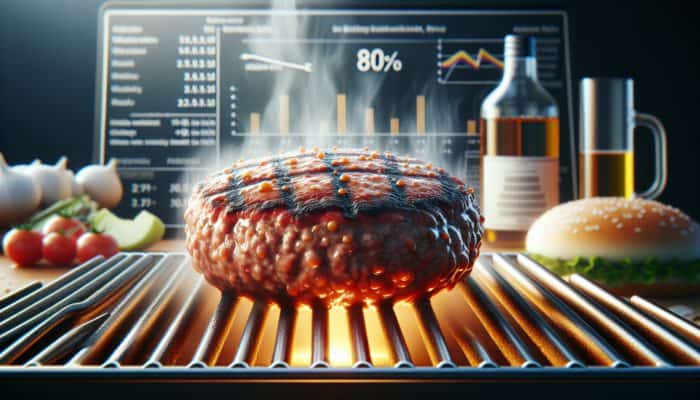
When choosing ground beef for crafting your delectable burgers, understanding the significance of fat content is crucial. This knowledge helps ensure that your patties stay juicy and packed with flavor during grilling. For burger aficionados, selecting an 80/20 lean-to-fat ratio is the hallmark of excellence. This perfect combination delivers exceptional taste while maintaining moisture. The fat enhances the richness of the burger and contributes to that irresistible juicy sensation. On the other hand, opting for ground beef with minimal fat, such as 90/10, may result in a dry, uninspiring burger, while a blend with excessive fat, like 70/30, could yield a greasy, crumbly mess on the grill.
Additionally, the freshness of the meat plays a pivotal role in your burger’s overall quality. Sourcing ground beef from a reputable butcher typically ensures a superior product compared to the mass-produced, pre-packaged varieties often found at grocery stores. Look for ground beef showcasing a rich red color, which indicates optimal freshness and a firm texture. These characteristics not only signify freshness but also reflect careful handling, greatly enhancing the quality of your grilled burgers.
How to Select Premium Cuts of Meat to Amplify Burger Flavor
To elevate the flavor and juiciness of your burgers, the use of high-quality meat cuts is paramount. Chuck is frequently recommended as the ideal choice for ground beef, providing an impeccable balance of flavor and fat content. For an even richer taste, consider blending chuck with other premium cuts like sirloin or brisket. Sirloin offers a subtly enhanced beef flavor, while brisket’s higher fat content infuses a deep richness, thereby enhancing the overall flavor profile of your burgers.
While selecting your cuts, pay particular attention to marbling, which refers to the small flecks of fat interspersed within the muscle. A well-marbled cut will yield a burger that is not only juicy but also has a melt-in-your-mouth texture. Moreover, consider grinding your own meat from these premium cuts. This approach guarantees freshness and allows you to tailor the fat content, creating a personalized burger experience that aligns with your specific taste preferences.
How Does Fat Content Affect the Juiciness of Your Burgers?
The fat content in ground beef is a critical factor influencing the juiciness of your burgers. A hamburger crafted from ground beef with at least 20% fat effectively retains moisture throughout the cooking process. This is due to the fat acting as a natural barrier against drying out, delivering a succulent texture that amplifies the overall enjoyment of your burger. During grilling, the fat renders and generates steam within the patty, a vital component in keeping the burger moist from start to finish.
Conversely, opting for ground beef with insufficient fat content typically results in dry burgers. For those seeking healthier alternatives, consider a blend incorporating leaner cuts while still ensuring a satisfying flavor. Striking a delicate balance between lean proteins and fat is essential to guarantee that your burgers remain juicy and enjoyable, thus avoiding the disappointment of a dry burger experience.
Why Grinding Your Own Meat Ensures Freshness and Personalization
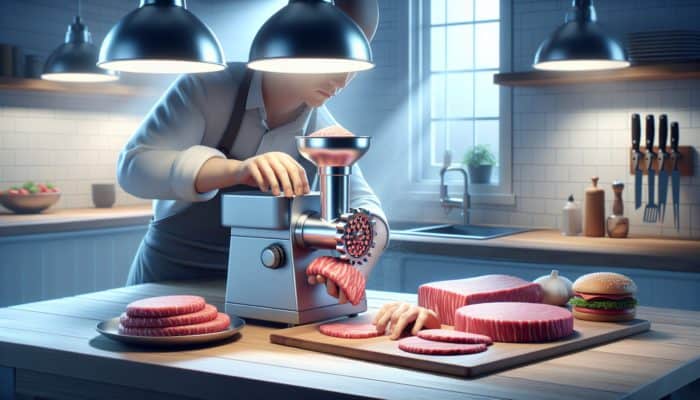
Grinding your own meat provides a level of freshness and customization that pre-packaged ground beef cannot match. By employing a meat grinder or an attachment for your food processor, you can select high-quality cuts and determine the optimal fat-to-lean ratio that suits your preferences. This method guarantees freshness and allows you to create tailored blends that align perfectly with your taste.
When grinding meat at home, it’s important to keep everything chilled. This practice preserves the integrity of the fat during the grinding process, resulting in a superior texture in your final product. Be diligent in cleaning your equipment thoroughly to prevent contamination. The outcome is a burger patty that is fresher, more flavorful, and significantly enhances the overall grilling experience for both you and your guests.
Proven Strategies for Grilling Burgers While Preserving Their Juiciness
What Techniques Do Culinary Experts Use to Maintain Burger Moisture?
Professional chefs implement a variety of techniques to ensure that burgers retain their moisture and flavor throughout cooking. One popular method involves creating a dimple in the center of each patty before grilling. This technique prevents the burger from puffing up during cooking, allowing for even heat distribution and optimal moisture retention. Additionally, it’s crucial to refrain from pressing down on the patties while they cook, as this action releases precious juices that help keep the burger moist.
Other effective techniques include:
- Utilizing a marinade or brine before cooking to infuse moisture into the meat.
- Incorporating ingredients such as grated onion or Worcestershire sauce into the meat mixture for enhanced flavor.
- Grilling over indirect heat for a portion of the cooking time to avoid drying out.
- Allowing the patties to rest after cooking to enable juices to redistribute effectively.
Employing these methods will result in a juicy burger bursting with flavor while avoiding common pitfalls associated with drying out during grilling.
How Can You Control Temperature to Prevent Dry Burgers?
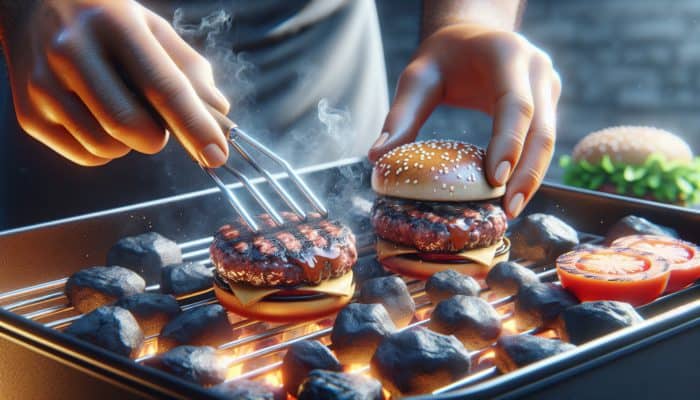
Maintaining the right temperature is crucial when grilling burgers. Keeping a consistent grill temperature ensures even cooking, which is essential for achieving juicy results. Utilize a grill thermometer to monitor the temperature, aiming for around 375-400°F while grilling burgers. This temperature range enables the exterior to sear properly while keeping moisture locked inside the patties.
Moreover, avoid flipping burgers excessively. Instead, flip them only once during the cooking process to help retain juices. If you’re using a gas grill, adjusting the heat is straightforward, whereas charcoal grill enthusiasts must manage their coals carefully to maintain optimal temperatures. Developing a thorough understanding of how to control your grill’s heat will significantly improve your success in grilling burgers.
What Essential Tools Are Required for Grilling Juicy Burgers?
Investing in high-quality grilling tools can greatly enhance your burger grilling experience. Essential tools include a meat thermometer for accurate cooking temperatures, a sturdy spatula for flipping patties, and a reliable grill brush for keeping your cooking surface clean. Each of these tools plays a vital role in effectively managing the cooking process.
For instance, a meat thermometer allows you to check the doneness of the burger without cutting into it, ensuring that the juices remain intact. A spatula with a wide surface area works best for flipping patties without causing them to break apart. Additionally, a grill brush keeps the grates clean, promoting even cooking and preventing sticking. By equipping yourself with the right tools, you set the stage for perfectly grilled, juicy burgers every time.
Steps to Prepare Your Grill for Perfectly Cooked Burgers
How Do You Properly Preheat a Grill for Optimal Burger Cooking?
Preheating your grill is an essential step in the burger grilling process. Aim to preheat your grill to medium-high heat, approximately 375-400°F. This temperature range is ideal for achieving the perfect sear, which locks in the juices of the burger. Preheating not only ensures even cooking but also helps prevent sticking to the grates.
To preheat effectively, close the grill lid and allow it to heat for about 10-15 minutes. This time allows the grill to reach an optimal temperature where the grates become sufficiently hot to sear the patties. A well-preheated grill is the foundation for creating those perfect, juicy burgers that you and your guests will relish.
What Is the Best Method for Cleaning and Oiling Grill Grates for Optimal Performance?
An essential step in successful burger grilling is ensuring that your grill grates are clean and well-oiled. A clean grill prevents sticking and encourages even cooking, which is vital for juicy burgers. Utilize a grill brush to scrub away any residue from previous cooking sessions, ensuring that the surface is free from debris.
Once clean, oil the grates to create a non-stick surface. Use a cloth or paper towel dipped in oil to rub across the grates while the grill is still hot. This simple action creates a protective barrier that helps prevent the burgers from sticking, allowing them to sear properly while retaining their moisture. A well-prepared grill is essential for achieving the juiciest burgers possible.
What Is the Optimal Grill Setup for Achieving Perfect Burgers?
Setting up your grill correctly is critical for grilling burgers to perfection. It is advisable to create two zones: a direct heat zone for searing and an indirect heat zone for finishing the cooking process. This configuration allows you to achieve that perfect crust on the outside while ensuring the inside remains juicy and cooked to your desired doneness.
To establish this setup, light one side of a gas grill or arrange hot coals on one side of a charcoal grill. Start by searing the burgers over direct heat to create that appetizing crust. After searing, move them to the indirect heat zone to finish cooking, thus preventing them from drying out. This approach allows you to maintain control over the cooking process and serve burgers that are both juicy and flavorful.
How Long Should You Preheat the Grill for Optimal Burger Cooking?
Allowing your grill to preheat adequately is essential for delivering juicy burgers. A preheating time of 10-15 minutes is generally sufficient for most grills to reach the ideal cooking temperature of 375-400°F. During this period, keep the grill lid closed to trap heat and ensure the grates heat evenly.
Using a grill thermometer can help you gauge readiness more accurately. Once preheated, you can confidently place your burger patties on the grill, assured that they will sear properly and maintain their moisture. Paying attention to the preheating process will elevate your grilling game and significantly enhance the flavor and texture of your burgers.
What Essential Tools Should You Have for Grilling Burgers?
Equipping yourself with the right tools for grilling burgers can significantly enhance your cooking experience. Essential tools include a spatula for flipping burgers, tongs for maneuvering patties on the grill, a meat thermometer for checking doneness, and a timer to effectively monitor cooking times.
A heavy-duty spatula is crucial for lifting and flipping patties without breaking them apart. A quality set of tongs enables you to handle burgers without compromising their structure. A meat thermometer is indispensable for achieving perfect doneness without cutting into the burger, while a timer helps you track cooking times to avoid overcooking. By arming yourself with these tools, you will facilitate a smoother grilling process and create mouthwatering burgers every time.
Expert Techniques for Shaping and Seasoning Burger Patties for Optimal Results
How Do You Properly Shape Patties for Even Cooking?
To ensure that your burgers cook evenly and retain their juiciness, it is essential to shape the patties correctly. When forming patties, handle the meat gently to avoid compacting it, which can lead to tough burgers. Instead, lightly form the meat into patties that are approximately ¾ to 1 inch thick. This thickness allows for even cooking without risking dryness.
A helpful technique is to create a small dimple in the center of each patty. As the burger cooks, it expands, and this technique helps prevent puffing, resulting in more consistent cooking. Strive for uniformity in size and thickness; this will ensure that all your patties cook at the same rate, helping you achieve the perfect level of doneness.
What Are the Best Seasoning Techniques for Flavorful Burgers?
Simple seasoning can dramatically elevate the flavor of your burgers. The most effective method involves using kosher salt and freshly ground black pepper. A generous sprinkle of these two ingredients amplifies the natural flavors of the meat without overpowering them. For those looking to add depth, consider incorporating garlic powder, onion powder, or even a touch of smoked paprika.
When seasoning, it’s best to apply it just before grilling to prevent moisture from being drawn out of the meat. The goal is to enhance the burger’s flavors while ensuring it remains juicy. Remember that toppings and sauces can also contribute additional flavor, so finding the right balance with your seasoning is crucial for a harmonious taste experience. The right blend of spices will keep your burgers savory and succulent.
How Does Patty Size Impact Cooking Time?
The size of the patty is a critical element that directly influences cooking time. Larger and thicker patties naturally require a longer cooking duration. A standard-sized patty, approximately ¾ inch thick, usually takes around 4-5 minutes per side to achieve medium doneness. However, if you opt to make larger or thicker patties, be sure to adjust your cooking time accordingly.
Using a meat thermometer is a smart strategy to eliminate guesswork; burgers should reach an internal temperature of 160°F for safe consumption. If you’re cooking larger patties, consider switching to indirect heat after searing to ensure that the interior cooks thoroughly without over-browning the exterior. Understanding how patty size affects cooking time will greatly assist you in serving juicy burgers consistently.
Grilling Techniques That Preserve Moisture and Flavor
What Is the Significance of Flipping Burgers Correctly?
Flipping burgers correctly is vital for preserving moisture and achieving that perfect sear. The golden rule is to flip your burgers only once during cooking. Frequent flipping can lead to the loss of valuable juices, resulting in drier patties. By allowing the burgers to cook undisturbed for the first half of their cooking time, you enable a crust to form that locks in moisture.
Moreover, when flipping, use a gentle motion with a spatula. Avoid pressing down on the patties, as this will release juices that contribute to the burger’s flavor and moisture. The goal is to create a lovely crust while preserving the juicy interior. Adhering to this technique will yield deliciously moist burgers that are sure to impress your family and friends.
How Can You Achieve the Perfect Sear on Your Burgers?
Achieving a flawless sear is essential for locking in the juices and flavor of your burgers. Start with a hot grill; the initial contact between the burger and the grill should produce a satisfying sizzle. This high heat caramelizes the surface, resulting in that coveted crust.
Minimize disturbances during grilling, as this allows the Maillard reaction to take place, leading to a flavorful crust. Once you’ve placed the patty on the grill, resist the temptation to flip it too soon. Instead, allow it to cook undisturbed for approximately 3-4 minutes before flipping. This technique will yield an ideal sear that enhances the overall flavor of your burger while keeping it moist.
Using the Lid to Regulate Heat and Moisture During Grilling
Closing the grill lid while cooking burgers is an effective method for maintaining consistent heat and moisture. A closed lid traps steam, creating a humid environment that helps keep the patties moist throughout the cooking process. This technique is especially beneficial for thicker burgers, which may require longer cooking times.
When you close the lid, it also aids in cooking the patties evenly from all sides, thus reducing the risk of a burnt exterior while the interior remains undercooked. However, monitor the grill temperature closely to prevent overheating. Using the lid strategically can significantly enhance the juiciness of your burgers, resulting in a delectable final product.
Proven Practices for Grilling Burgers Without Drying Them Out
What Best Practices Should You Follow for Grilling Flavorful Burgers?
To achieve consistent results when grilling burgers, adhering to best practices is essential. Always utilize a meat thermometer to check for doneness, ideally removing burgers from the grill just before they reach your desired temperature, as they will continue cooking while resting.
Another key practice is to allow your burgers to rest for about 5 minutes after grilling. This resting period gives juices the chance to redistribute throughout the patties, enhancing flavor and moisture retention.
Additional best practices include:
- Choosing high-quality meat with the appropriate fat content.
- Avoiding pressing down on the patties while grilling.
- Creating a dimple in the center of each patty.
- Maintaining a clean and well-oiled grill to prevent sticking.
Incorporating these strategies will help you produce juicy burgers that are bursting with flavor and sure to impress your guests.
How Can You Ensure Even Cooking for Your Burgers?
To guarantee that your burgers cook evenly, employ several techniques. Start by rotating the burgers halfway through the cooking time. This practice ensures that all parts of the patty receive direct heat, resulting in uniform cooking without risking dryness.
Additionally, utilizing the indirect heat zone for the final cooking stages can promote even heating. After searing the burgers over direct heat, transfer them to the cooler side of the grill to finish cooking. This method prevents charring while allowing the inside to reach the desired doneness.
By adopting these practices, you’ll significantly reduce the risk of serving dry burgers and elevate your grilling skills to new heights.
What Are the Benefits of Allowing Burgers to Rest After Grilling?
Resting burgers after grilling is a crucial step that many home cooks often overlook. Allowing the patties to rest for about 5 minutes gives the juices within the meat time to redistribute, preventing a dry burger when you slice into it. During grilling, the juices tend to migrate toward the surface; resting allows them to flow back throughout the patty, thereby enhancing flavor and moisture.
Moreover, resting helps stabilize the temperature of the meat. As burgers cool slightly, they become easier to handle and serve. This practice is not merely about letting the burgers sit; it’s about ensuring that every bite is as juicy and flavorful as possible. Implementing this simple step will genuinely transform your burger experience.
Incorporating Cheese and Toppings While Preserving Burger Juiciness
When Is the Optimal Time to Add Cheese to Your Burgers?
The timing of adding cheese to burgers is crucial for achieving the perfect melt without overcooking the meat. It’s best to place cheese on the burgers during the final minute of grilling. This method allows the cheese to melt beautifully while ensuring the burger remains juicy and tender.
To facilitate even melting, close the grill lid once the cheese is placed on the patty. This creates steam that aids in melting without drying out the burger. Opt for cheeses renowned for their meltability, such as cheddar, Swiss, or American, to complement your burger. This approach adds creaminess and flavor while keeping the burger juicy and satisfying.
How Do Toppings Impact the Moisture Levels of Your Burger?
Toppings can significantly affect the moisture level of a burger. Fresh toppings like lettuce, tomatoes, and sliced pickles not only enhance flavor but also contribute moisture, balancing the richness of the beef. These toppings introduce freshness and texture, making each bite exciting.
In contrast, toppings that are too hot, such as sautéed onions or grilled mushrooms, should be added only after the burger has finished grilling to prevent further moisture loss. It is essential to be mindful of the moisture content in your toppings, as they can complement the burger rather than detract from its juiciness. Choosing the right combination of toppings elevates the overall eating experience, resulting in a more enjoyable burger.
What Are the Top Toppings for Achieving Juicy Burgers?
The best toppings for juicy burgers are those that not only enhance flavor but also contribute to the burger’s overall moisture. Some excellent choices include:
- Avocado – Adds creaminess and healthy fats.
- Bacon – Provides a crunchy texture and savory flavor.
- Sautéed onions – Offer sweetness and moisture when added after grilling.
- Fresh herbs like cilantro or basil – Introduce vibrant freshness.
These toppings should be thoughtfully selected to complement the burger’s main flavor while ensuring that the overall experience remains juicy and satisfying. When combined carefully, these ingredients can elevate any burger to gourmet status, making it a truly memorable meal.
How Can You Prevent Cheese from Making Burgers Soggy?
To prevent cheese from making burgers soggy, moderation is key. Use only a moderate amount of cheese when topping your burgers. Adding too much can lead to excess moisture, which, when combined with the juices from the burger, may result in a soggy bun.
Another crucial tip is to add the cheese at the right moment—during the last minute of cooking. This timing allows the cheese to melt without releasing an excessive amount of moisture into the burger. Lastly, consider toasting your burger buns slightly before assembly; this can create a barrier that keeps the bun from absorbing too much moisture, ensuring a delightful and crunchy bite with every mouthful.
How to Monitor Doneness to Avoid Overcooking Your Burgers
How Should You Utilize a Meat Thermometer Effectively?
Using a meat thermometer correctly is essential for achieving perfectly cooked burgers without drying them out. Start by inserting the thermometer into the thickest part of the patty, ensuring it does not touch the grill, as this can lead to inaccurate readings. Cook your burgers until they reach an internal temperature of 160°F for well-done.
If you’re aiming for medium or medium-rare, adjust the temperature accordingly—155°F and 145°F, respectively. Remember to remove the burgers from the grill just before they reach your desired doneness, as they will continue to cook while resting. This practice ensures juicy, flavorful results every time.
What Visual Indicators Signal a Perfectly Cooked Burger?
Recognizing the indicators of a perfectly cooked burger is key to serving a juicy, satisfying meal. Look for clear juices oozing from the patty, which is a positive sign that the burger is cooked through without being dry.
Additionally, the texture should feel firm yet spring back when pressed lightly. A properly cooked burger will not feel mushy or overly soft. Furthermore, observe the burger for a nicely browned crust on the outside, which contributes to that delicious grilled flavor.
Here are some visual signs of doneness to keep in mind:
- Clear juices running from the burger.
- A firm texture that springs back when pressed.
- A well-browned crust on the outside.
- Minimal shrinkage of the patty.
These indicators will assist you in determining when your burgers are ready to be enjoyed.
How Can You Avoid Overcooking Your Burgers?
Preventing overcooked burgers is crucial for maintaining their juiciness and flavor. One effective strategy is to use a meat thermometer to monitor the internal temperature without cutting into the burger. Remove the patties from the grill when they are just a few degrees shy of your target temperature, as they will continue cooking during the resting phase.
Another practical tip is to keep an eye on cooking times based on patty size. Thicker patties require longer grilling times, while thinner ones cook more quickly. Utilizing indirect heat for larger patties can also help prevent the exterior from burning while ensuring that the interior cooks through evenly. By combining these techniques, you can serve perfectly cooked burgers that retain their moistness and flavor.
How to Store and Reheat Burgers to Retain Moisture
How Should You Store Leftover Burgers to Maintain Quality?
Properly storing leftover burgers is essential for maintaining their quality and preventing them from drying out. Place the burgers in an airtight container in the refrigerator to keep them fresh. To further protect them from sticking together, consider placing a sheet of parchment paper between individual patties.
This method prevents the burgers from becoming compressed, which can lead to texture changes and moisture loss. Always allow the burgers to cool down to room temperature before sealing them in an airtight container. This practice helps avoid condensation, which can cause sogginess or spoilage.
What Is the Best Method for Reheating Burgers?
Reheating burgers can be tricky, as microwaving often leads to dry meat. Instead, gently reheat burgers in a skillet or oven to preserve moisture. For the skillet method, add a small amount of water or broth to create steam, covering the pan with a lid for even heating.
If using an oven, wrap the burgers in aluminum foil to keep them from drying out. Set your oven to a low temperature (around 350°F) and heat until the burgers reach an internal temperature of 165°F. This method helps maintain the quality of the meat while ensuring it’s safe to eat.
How Can You Keep Burger Quality When Reheating?
To maintain burger quality during reheating, focus on gentle techniques that retain moisture. When reheating in a skillet, add a few tablespoons of water or broth to the pan, then cover it to trap steam, which helps keep the meat juicy.
If using an oven, wrap the burgers in foil to prevent moisture loss. Aim for a reheating temperature of about 165°F to ensure safety while avoiding overcooking. Additionally, consider serving reheated burgers immediately to maximize flavor and moisture retention, providing a delightful experience reminiscent of freshly grilled patties.
How Long Can You Safely Store Reheated Burgers?
Reheated burgers can be safely stored in the refrigerator for up to 3-4 days. It’s important to ensure that they are cooled completely before placing them in an airtight container to maintain their quality and prevent spoilage.
For best results, consume the leftover burgers within this timeframe for optimal flavor and safety. If you need to store them longer than a few days, consider freezing the patties. When properly wrapped, frozen burgers can last for several months without significant quality loss. This way, you can enjoy the fruits of your grilling labor even later.
Frequently Asked Questions About Burger Perfection
What is the ideal fat content for juicy burgers?
The optimal fat content for juicy burgers is 80/20, providing a perfect balance of flavor and moisture retention.
How can I ensure my burgers do not dry out while grilling?
To prevent drying out, always choose the right meat with sufficient fat content and avoid excessive flipping while grilling.
What is the best method for seasoning burgers?
Seasoning burgers simply with salt and pepper enhances their flavor, but consider adding garlic or onion powder for additional taste.
How long should I grill burgers for optimal juiciness?
Grill burgers for approximately 4-5 minutes per side for medium doneness, adjusting based on patty thickness.
What techniques do chefs use to keep burgers moist?
Chefs often create a dimple in patties and avoid pressing down on them while grilling to retain valuable juices.
Should I allow burgers to rest after grilling?
Absolutely, letting burgers rest for about 5 minutes allows juices to redistribute, resulting in a juicier bite.
Is it possible to freeze leftover grilled burgers?
Yes, you can freeze grilled burgers. Just wrap them tightly and store them in the freezer for several months.
How can I prevent my cheese from making burgers soggy?
Use a moderate amount of cheese and add it during the last minute of grilling to limit excess moisture release.
What is the best way to reheat burgers without drying them out?
Reheat burgers gently in a skillet with a bit of water or broth, covered to create steam, or in an oven wrapped in foil.
How do I know when my burgers are done cooking?
Use a meat thermometer to confirm that the burgers reach an internal temperature of 160°F for well-done results.
Connect with us on Facebook!
The Article How to Grill Burgers Without Drying Them: US Secrets appeared first on https://pitmastersarsenal.com
The Article Grilling Burgers: Secrets to Keep Them Juicy Was Found On https://limitsofstrategy.com