Master Knife Sharpening Techniques to Elevate Your Culinary Skills
Why Understanding Knife Angles is Key to Perfect Sharpening
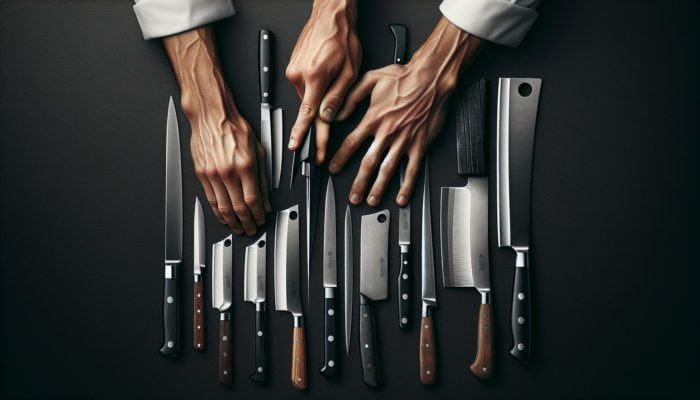
Comprehending knife angles is critical for achieving the highest level of sharpness when honing your kitchen blades. Different knife types, such as the precise yanagiba used by master sushi chefs or the sturdy butcher’s cleaver, are designed with specific sharpening angles that suit their intended functions. Generally, kitchen knives should be sharpened at angles ranging from 15 to 20 degrees for optimal performance. Nevertheless, these angles can vary based on the knife’s construction and its specific culinary purpose. For example, Japanese knives often feature sharper angles that enhance precision, requiring advanced sharpening techniques for upkeep.
To determine the correct sharpening angle, you can use a protractor or perform a visual assessment. Align your knife blade with the sharpening tool and adjust until you achieve the desired angle. A sharper angle yields a finer edge ideal for delicate tasks, while a wider angle results in a sturdier edge suited for tougher cutting jobs. By mastering these details, you can dramatically improve your sharpening skill set, ensuring your knife operates at peak efficiency for its designated uses.
What Factors Should You Consider When Selecting a Sharpening Tool?
Choosing the right sharpening tool is essential for keeping your knives’ edges razor-sharp. There are numerous options available, such as whetstones, sharpening rods, and electric sharpeners, each tailored to different sharpening styles and preferences. Whetstones are often the go-to choice for enthusiasts due to their versatility and precision; they allow for meticulous control over both the sharpening angle and the pressure exerted. As you become more skilled, you will appreciate the tactile feedback that makes the sharpening process feel both intuitive and satisfying.
Conversely, sharpening rods provide a swift solution for touch-ups, especially in busy kitchens where time is of the essence. A few quick strokes can realign your knife’s edge, immediately restoring its cutting capabilities. Although electric sharpeners may not be the traditional method, they offer remarkable convenience and consistent outcomes, making them a practical option for those who may not be confident in manual sharpening techniques. Ultimately, your choice of sharpening tool will be influenced by your personal preferences, skill level, and the unique requirements of your knife collection.
Why Consistent Pressure is Crucial for Effective Knife Sharpening
Exerting consistent pressure throughout the sharpening process is vital for achieving a uniform blade edge. Fluctuations in pressure can lead to uneven sharpening, resulting in a knife that does not perform well. As you commence sharpening, concentrate on applying steady, even pressure while guiding the blade against the sharpening tool. This technique not only creates a smoother cutting edge but also helps prevent excessive wear on one side of the blade. Many experienced sharpeners recommend practicing your pressure application on a less valuable knife to build confidence before attempting more expensive tools.
Additionally, pay attention to your grip and the knife’s angle as you sharpen. A secure grip combined with uniform pressure will enhance your sharpening experience, ensuring that the blade maintains its structural integrity. As you refine your technique, you may discover that subtle adjustments in pressure can yield different results, allowing you to customize the sharpness to your preferences. With regular practice, this skill will become second nature over time.
What Strategies Can You Implement to Maintain Your Knife’s Edge?

Regularly honing your knife and practicing appropriate storage methods are fundamental to maintaining sharpness, which can considerably prolong the time between major sharpening sessions. Honing, which realigns the knife’s edge, should ideally be done before each use. This routine maintenance not only keeps your knife functioning optimally but also reduces the necessity for extensive sharpening. Investing in a high-quality honing rod can simplify this process, ensuring your knives remain in excellent condition.
Equally important is how you store your knives. Storing them loosely in a drawer can lead to dull edges and potential damage. Instead, consider utilizing a magnetic strip, a knife block, or protective blade guards to safeguard the edges while enhancing safety. By following a regimen of regular honing and proper storage techniques, you can save time and money while significantly improving your culinary experience.
Insights from Experts on Optimal Knife Sharpening Practices
What Techniques Do Professional Chefs Use to Sharpen Their Knives?
Chefs worldwide employ various techniques to maintain their knives for optimal performance. A common practice is the combination of whetstones and honing rods. Chefs typically begin with a coarse whetstone to reshape the blade’s edge, followed by finer stones for a polished finish. This layered methodology enables them to achieve a razor-sharp edge that meets the strict demands of high-volume kitchens, where precision and speed are crucial.
For instance, esteemed chefs in Japan often highlight the significance of traditional knife sharpening practices, frequently maintaining a selection of whetstones tailored to different knife types and sharpening needs. They not only invest in high-quality knives but also dedicate time to honing their sharpening techniques, recognizing that a sharp knife is vital for preserving the quality of their culinary masterpieces. Furthermore, many chefs form a personal connection with their knives, using them for years, making maintenance an essential aspect of their culinary identity.
What Are the Best Practices for Ensuring Knife Longevity?
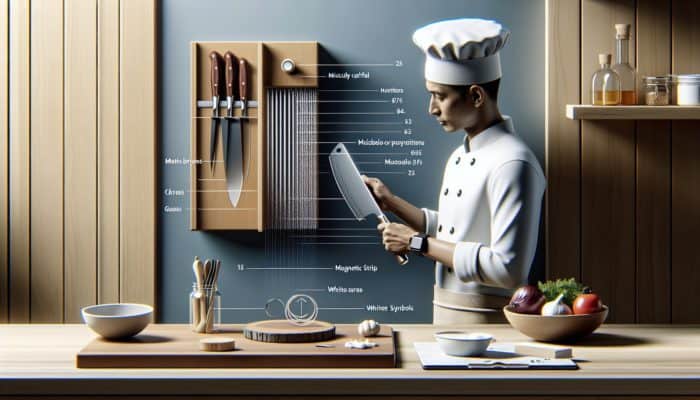
Proper maintenance of your knives is essential for ensuring their longevity and effectiveness. Here are some critical tips to keep your knives in excellent condition:
- Hone regularly: Use a honing rod before each use to realign the blade.
- Wash by hand: Avoid using a dishwasher; hand wash with mild soap to prevent damage.
- Dry immediately: Wipe your knives dry after washing to prevent rust and discoloration.
- Store properly: Utilize a knife block, magnetic strip, or blade guards to protect edges.
- Sharpen as needed: Avoid over-sharpening; establish a schedule based on your knife’s usage.
- Keep them clean: Regularly remove any food particles or residue that can dull the blade.
- Inspect regularly: Check blades for chips or dullness and address issues promptly.
By adhering to these practices, you can significantly extend the lifespan of your knives while maintaining their cutting efficiency. Numerous chefs affirm that dedicating just a few minutes each week to caring for their knives greatly enhances their overall culinary experience.
How Can You Effectively Test the Sharpness of Your Knives?
Testing your knives’ sharpness is a straightforward yet crucial step in ensuring that your sharpening efforts yield the desired outcomes. One effective method is the paper test, which involves slicing through a piece of paper. A genuinely sharp knife will cut cleanly and effortlessly, without snagging or tearing the paper. Another popular test among chefs is the tomato test; a sharp knife should easily slice through the skin of a ripe tomato.
To perform the paper test, hold the paper vertically and attempt to slice through it with your knife. If the blade glides through smoothly, congratulations—you’ve successfully sharpened your knife! If it struggles or tears the paper, further sharpening is necessary. For the tomato test, apply gentle pressure to the skin; a sharp blade should penetrate easily without needing excessive force. These simple tests provide immediate feedback on the effectiveness of your sharpening method and help you calibrate your future efforts.
Avoiding Common Mistakes in Knife Sharpening
What Techniques Can Help You Prevent Over-Sharpening Your Blade?
Over-sharpening is a common pitfall among knife owners, significantly reducing the lifespan of their blades. Every time you sharpen, you remove tiny amounts of metal from the edge. If you sharpen too frequently, particularly without necessity, you risk quickly degrading the blade. To avoid this, develop an understanding of how often your knives should be sharpened based on their usage and wear.
Casual home cooks may find they only need to sharpen their knives a few times annually, whereas professional chefs might need to sharpen them more frequently. However, it’s essential to regularly assess sharpness and resist the urge to sharpen after each use. Instead, focus on honing your knives consistently, which helps realign the edge without removing any metal. This practice will help prevent excessive wear while ensuring that your knife remains effective.
How to Avoid Choosing the Wrong Grit for Sharpening?
Another frequent error is starting with the incorrect grit when sharpening. Many novice sharpeners mistakenly select a fine grit stone, hoping for quick results. However, beginning with too fine a grit can lead to ineffective sharpening since it may not adequately reshape the edge. Instead, start with a coarse grit to address any nicks or dullness. Once the edge has been reshaped, gradually transition to finer grits for finishing touches.
The transition from coarse to fine should feel seamless as you navigate through the grits to achieve a polished finish. Each grit serves a specific purpose in the sharpening process, helping to create the ideal edge for your particular knife type. Understanding the role of each grit will enhance your sharpening results and keep your knives in optimal condition for a longer period.
Why Is Maintaining Blade Alignment So Important?
Neglecting blade alignment can significantly hinder the sharpening process and diminish your knife’s overall effectiveness. A misaligned edge complicates sharpening and can lead to uneven wear and potential damage over time. To prevent this, it’s essential to incorporate a honing rod into your routine regularly. This simple tool realigns the edge and prepares it for sharpening, ensuring that your knife retains its structural integrity.
Integrating regular honing into your knife maintenance routine not only keeps your blades aligned but also reduces the frequency of major sharpening sessions. Many skilled chefs advocate honing before every use, making it a seamless part of their kitchen preparation. By prioritizing alignment, you’ll find that sharpening becomes less of a chore and more of a quick tune-up for your essential tools.
What Techniques Work Best for Different Types of Knives?
How to Sharpen Serrated Knives Effectively?
Serrated knives require specialized sharpening techniques due to their unique design. The scalloped edges can render traditional sharpening methods ineffective. Instead, using a tapered sharpening rod is the optimal approach to maintain the serrations while ensuring the knife remains functional. These rods fit perfectly into the grooves of the serrated edge, enabling targeted sharpening without damaging the blade.
To sharpen a serrated knife effectively, ensure you’re using a rod that corresponds with the size and shape of the serrations. Begin by inserting the rod into one of the serrations, applying gentle pressure as you slide it back and forth. Repeat this process for each serration, taking care to avoid overlapping the blade’s edge. This technique allows you to preserve the integrity of the serrated knife while ensuring a sharp cutting surface that performs optimally during use.
What Is the Best Method for Sharpening a Chef’s Knife?
A chef’s knife is among the most versatile tools in any kitchen and greatly benefits from regular sharpening. The optimal method for sharpening a chef’s knife is to utilize a whetstone, which provides remarkable control over the sharpening process. Begin by soaking the whetstone in water for approximately 10 to 15 minutes, allowing it to absorb moisture, which reduces friction and creates a smoother sharpening experience.
Once the stone is ready, position your knife at the desired angle—typically around 20 degrees for a chef’s knife—and draw the blade across the stone. Start at the heel and move toward the tip, applying consistent pressure throughout the stroke. It’s essential to maintain a steady angle and pressure during the sharpening process. After several passes on one side, flip the knife over and repeat on the opposite side. Finally, finish with several strokes on a finer grit to polish the edge and enhance its sharpness.
How to Maintain the Edge on Pocket Knives Effectively?
Pocket knives are often used for a variety of tasks, from opening packages to food preparation, and they require consistent maintenance to keep their edges sharp. One of the best practices is to carry a small sharpening stone for on-the-go touch-ups. A compact whetstone or a pocket-sized ceramic rod can be incredibly handy for keeping an edge whenever necessary.
When sharpening your pocket knife, adhere to the same principles as with larger knives. Firstly, ensure that the knife is clean and free from debris. Then, select an appropriate angle—typically around 20 degrees—and apply consistent pressure as you slide the blade across the stone or rod. Regularly sharpening your pocket knife not only enhances its cutting efficiency but also ensures that it’s ready for use whenever needed.
The Research-Backed Benefits of Knife Sharpening Techniques
How Sharp Knives Enhance Cutting Efficiency in the Kitchen?
A sharp knife is a pleasure to use; it cuts more efficiently, significantly reducing the effort needed to slice through various foods. Practically, this translates to less time spent on ingredient preparation, leading to a more enjoyable cooking experience overall. The effort required to slice through vegetables diminishes, allowing for smoother, cleaner cuts that enhance both texture and presentation.
To achieve the sharpest edge possible, focus on refining your sharpening technique. Utilize the appropriate angle and pressure, and don’t hesitate to start with a coarse grit if necessary to reshape the edge. A finely honed edge can dramatically improve cutting performance, impressing both home cooks and professional chefs alike.
How Do Sharp Knives Increase Kitchen Safety?
It may come as a surprise, but sharp knives are actually safer than dull ones. Dull knives require more force to cut, heightening the risk of slips and accidents. In contrast, using a sharp knife allows you to glide through ingredients with minimal pressure, providing greater control and precision. This reduction in force leads to fewer accidents, creating a safer kitchen environment.
Incorporating knife sharpening into your regular kitchen routine not only enhances safety but also boosts your confidence in your cooking skills. Knowing that you are equipped with well-maintained tools can transform your culinary experience, allowing you to focus on creativity rather than struggling with ineffective equipment.
What Long-Term Benefits Can You Expect from Regular Sharpening?
Consistent sharpening extends the lifespan of your knives, ensuring they remain reliable tools for years to come. By maintaining a regular sharpening routine, you reduce the likelihood of significant damage that could necessitate professional repair or replacement. Knives that are sharpened regularly retain their performance, making them indispensable tools in any kitchen.
Moreover, consistent maintenance fosters a deeper appreciation for your tools. As you dedicate time to keeping them sharp, you cultivate a more personal connection to your knives, recognizing the craftsmanship and care involved in their use. This relationship ultimately enriches your cooking experience, leading to greater satisfaction during meal preparation.
How Sharp Knives Improve Food Presentation Quality?
A sharp knife allows for precise cuts, significantly enhancing the visual appeal of your dishes. Whether you’re julienning vegetables or slicing fresh herbs, clean edges create a polished look that elevates your presentations. Sharp knives enable you to achieve professional-looking results, transforming your home-cooked meals into restaurant-quality dishes.
To master the art of presentation, focus on techniques such as angle control and consistent pressure while cutting. These skills will not only improve the aesthetic quality of your dishes but also contribute to the overall dining experience. Your attention to detail will shine through in the meals you prepare, impressing family and friends alike.
How Sharp Edges Help Minimize Food Waste?
Maintaining sharp knives reduces the likelihood of crushing or tearing food, allowing you to preserve more usable portions. Sharp knives can slice through ingredients cleanly, decreasing waste during preparation. This efficiency translates into cost savings and promotes a more sustainable approach to cooking.
For instance, when preparing fruits or vegetables, a sharp knife ensures you can achieve clean cuts without damaging the flesh, maximizing the yield from each item. By consistently sharpening your knives, you not only enhance your cooking experience but also contribute to reducing food waste in your kitchen.
Essential Tools and Accessories for Effective Knife Sharpening
How to Select the Right Whetstone for Your Knives?
Whetstones are available in various grits, each suited for different stages of the sharpening process. Choosing the correct stone is crucial for achieving your desired results. Coarse grit stones (typically 200-600 grit) are ideal for reshaping or repairing damaged edges, while medium grit stones (800-2000 grit) are perfect for refining the edge. Finally, fine grit stones (3000 grit and above) are best for polishing and achieving a razor-sharp finish.
When selecting a whetstone, consider the types of knives you will be sharpening and their specific requirements. For most home cooks, a combination stone with both coarse and fine sides can be an excellent choice, providing versatility without overcrowding your kitchen. As your sharpening skills improve, you might choose to invest in individual stones tailored to your specific knife types.
Why Are Honing Rods Essential for Knife Maintenance?
Utilizing honing rods is vital for maintaining the edge between sharpening sessions. These tools are designed to realign the blade’s edge, keeping it straight and effective. Regular use of a honing rod can minimize the need for extensive sharpening, making it an invaluable asset for any kitchen. By incorporating honing into your routine, you can keep your knives in optimal condition without removing excessive material from the blade.
To use a honing rod, hold it vertically and glide the blade down its length at the appropriate angle. Repeat this process several times on each side, ensuring that you maintain even pressure throughout. The more you incorporate honing into your routine, the longer your knives will retain their sharpness, making your culinary tasks smoother and more enjoyable.
What Advantages Do Electric Sharpeners Offer?
Electric sharpeners provide convenience and consistent results, especially for individuals who may lack the time or expertise to sharpen manually. They are designed to deliver precise angles and uniform pressure, making them user-friendly for beginners. Here are some key benefits of using an electric sharpener:
- Speed: Electric sharpeners can quickly sharpen knives within just a few minutes.
- Consistency: They maintain the correct angle for optimal results every time.
- Ease of use: Many models are straightforward, requiring minimal technique or experience.
- Variety: Some models accommodate various knife types, including serrated blades.
- Minimal effort: Electric sharpeners require little physical exertion, making them suitable for all skill levels.
Incorporating an electric sharpener into your knife maintenance regimen can enhance convenience while ensuring your knives remain sharp and ready for action at all times.
What Questions Are Commonly Asked About Knife Sharpening?
How frequently should I sharpen my knives?
The frequency of sharpening depends on usage; home cooks may sharpen a few times a year, while professionals might require more frequent sharpening. Regularly hone your knives to maintain the edge between sharpening sessions.
Can I use a whetstone on any knife type?
Yes, whetstones are compatible with most types of knives, including chef’s knives, paring knives, and even some serrated knives, given the appropriate technique.
What distinguishes honing from sharpening?
Honing realigns the edge of a knife to maintain sharpness, while sharpening removes material to create a new edge. Both processes are essential for comprehensive knife maintenance.
How do I know when my knife needs sharpening?
If your knife struggles to cut through food or feels dull during use, it’s time to sharpen it. The paper or tomato test can help effectively assess sharpness.
Is it safe to sharpen knives at home?
Yes, sharpening knives at home is safe when performed correctly. Ensure you follow proper techniques and utilize reliable sharpening tools to minimize risks.
What type of whetstone should I purchase as a beginner?
A combination whetstone with both coarse and fine grits is ideal for beginners, offering versatility for various sharpening needs without overwhelming complexity.
Can I use an electric sharpener for serrated knives?
Some electric sharpeners are designed to accommodate serrated knives; however, check the specifications to ensure compatibility. Manual sharpening methods are often preferred for serrated blades.
How can I extend the life of my knives?
Regular honing, proper storage, hand washing, and avoiding excessive sharpening will all contribute to the longevity of your knives.
What’s the best way to store my knives?
Store knives in a knife block, on a magnetic strip, or with blade guards to protect edges and ensure safety in the kitchen.
Do professional chefs sharpen their knives differently?
Yes, many professional chefs utilize whetstones in conjunction with honing rods, focusing on maintaining sharp edges to meet the demands of their busy kitchens.
Explore our world on X!
The post Knife Sharpening Tips: Master the Art of Edge appeared first on Survival Bite.
The Article Knife Sharpening Tips: Perfect Your Edge Skills Today Was Found On https://limitsofstrategy.com