Enhancing Independence for Elderly Residents in the UK with Lightweight Tools
What Are Lightweight Tools Specifically Created for Seniors?
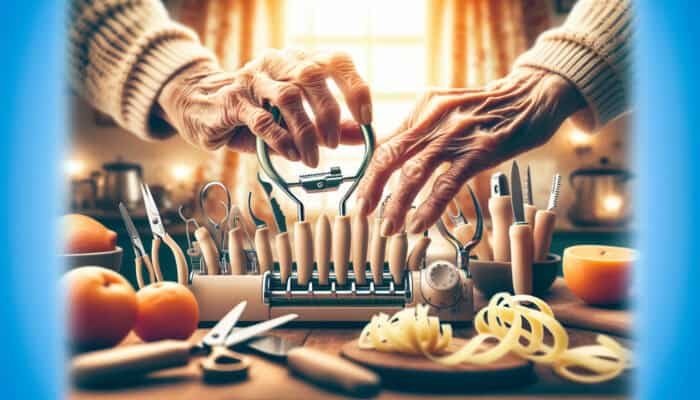
Lightweight tools designed for elderly residents in the UK are innovative and user-friendly devices aimed at simplifying daily tasks, reducing the physical burden on older adults. These tools not only enhance the quality of life for seniors but also empower them to maintain a sense of independence and control over their lives. By minimizing physical strain and promoting ease of use, lightweight tools enable elderly individuals to engage in essential activities like cooking, gardening, and household chores without feeling overwhelmed by their physical limitations. Manufacturers focus on ergonomic designs to ensure that elderly individuals can comfortably navigate their daily routines while enjoying the satisfaction of accomplishing tasks independently.
For example, kitchen utensils such as peelers, scissors, and pots are engineered with ergonomic grips that greatly reduce hand strain. This thoughtful design integration into everyday items helps elderly UK residents retain their autonomy while performing vital daily activities comfortably.
What Are the Major Benefits of Utilizing Lightweight Tools?
The benefits of lightweight tools are extensive, especially for elderly residents in the UK who may face mobility challenges or reduced strength. Firstly, these tools foster independence by allowing seniors to complete tasks without constant assistance from others. This newfound autonomy significantly boosts self-esteem and positively influences mental health.
Additionally, lightweight tools dramatically lower the risk of injuries commonly associated with heavier, traditional tools. The cumbersome nature of traditional tools often leads to accidents; however, using specially designed lightweight options enables elderly residents to undertake activities like cooking or gardening with much less physical strain, contributing to a safer living environment. Moreover, lightweight tools encourage social interaction; they allow elderly individuals to participate in communal activities, such as cooking or gardening, helping them maintain invaluable connections with family and friends.
Where Can Elderly Residents in the UK Find Lightweight Tools?
In the UK, lightweight tools are readily accessible, making it easier for elderly residents to incorporate them into their daily lives. A variety of local shops throughout the region stock these tools, ensuring that seniors can find what they need without the burden of extensive travel. Furthermore, the rise of online shopping has greatly simplified the process of browsing and purchasing lightweight tools, allowing individuals with mobility constraints to shop conveniently from the comfort of their homes.
Specialized retailers focusing on assistive technologies often provide a wider selection tailored to meet the specific needs of older users. This ensures that elderly individuals find suitable tools that cater to their unique requirements, even if they have physical limitations. Additionally, community initiatives frequently collaborate with retailers to offer workshops and demonstrations, further enhancing awareness and accessibility of lightweight tools for seniors.
What Types of Lightweight Tools Are Available for Senior Residents?
A wide array of lightweight tools is available, each designed to assist elderly UK residents in performing their daily activities with ease. Common examples include ergonomic kitchen utensils, such as lightweight frying pans and easy-grip vegetable peelers, which allow for meal preparation without placing unnecessary stress on the hands and wrists. These tools often feature non-slip handles and lightweight materials, significantly improving the overall user experience.
Another category encompasses gardening tools, including trowels and pruning shears, designed with padded grips and decreased weight to reduce fatigue during use. For those needing mobility assistance, lightweight mobility aids like walking sticks and rollators are crucial, enabling elderly users to navigate their surroundings safely. Each of these tools is thoughtfully crafted with older individuals in mind, promoting greater independence while minimizing the physical demands tied to everyday tasks.
How Is the UK Government Facilitating Access to Lightweight Tools?
The UK government recognizes the importance of aiding elderly residents in obtaining lightweight tools. Numerous initiatives exist to provide financial support for acquiring these essential devices. Local councils frequently allocate budgets for grants that can subsidize the costs associated with mobility aids and other lightweight tools. Additionally, there are programs aimed at improving accessibility for elderly residents through partnerships with local charities and community organizations.
Moreover, various health services offer recommendations regarding suitable lightweight tools tailored to individual needs. By collaborating with local businesses, the government facilitates workshops and training sessions that ensure elderly residents are well-informed about the benefits and proper usage of these tools. This comprehensive strategy not only enhances accessibility but also empowers individuals to take control of their daily activities.
Expert Tips for Choosing Lightweight Tools Tailored for Seniors
How Should Elderly Individuals Approach the Selection of Lightweight Tools?

Experts advise a deliberate and thoughtful methodology when selecting lightweight tools for elderly users, emphasizing several key factors to ensure optimal performance and usability. For instance, elderly residents in the UK should prioritize tools that are easy to handle, allowing them to perform tasks without excessive exertion. Real-life success stories highlight this approach, such as Mary from Brighton, who found that using a lightweight kitchen mixer allowed her to bake comfortably without straining her joints.
- Focus on ergonomics: Look for tools that feature comfortable, non-slip grips that fit securely in the hand.
- Evaluate weight: Ensure tools are light enough for effortless handling.
- Consider simplicity: Select tools that require minimal mechanical skills to operate effectively.
- Emphasize safety features: Opt for tools that come equipped with built-in safety mechanisms to prevent accidents.
Each of these considerations is vital for enhancing usability, ensuring that elderly users can continue to engage in their cherished pastimes without discomfort. Additionally, reading reviews and seeking guidance from healthcare professionals can further inform the selection process.
What Essential Features Should Lightweight Tools Incorporate?
Lightweight tools must include several critical features to cater to the unique needs of elderly users effectively. Primarily, they should be ergonomic, designed to accommodate the natural grip of the hand. This aspect is crucial as it reduces strain and allows for prolonged use without discomfort. Tools crafted with larger, easy-to-hold grips are particularly beneficial for those with limited dexterity or arthritis.
Another essential feature is user-friendliness; lightweight tools should require minimal force to operate, empowering elderly individuals to engage confidently. For instance, lightweight gardening shears should effectively cut through stems without demanding excessive strength. Furthermore, safety features such as automatic shut-offs or non-slip bases significantly enhance user safety and peace of mind. Ultimately, these features promote greater independence, allowing elderly individuals to perform daily tasks efficiently without assistance.
Which Brands Are Highly Recommended for Lightweight Tools?
Several brands have gained recognition for their commitment to producing lightweight tools that meet the needs of elderly users in the UK. Brands such as Fiskars and Ergonomic Kitchen are well-regarded for their quality and reliability. Fiskars, in particular, is celebrated for its line of ergonomic gardening tools specifically designed for comfort and ease of use, enabling elderly gardeners to tend to their gardens without undue strain.
Similarly, Ergonomic Kitchen offers a variety of kitchen tools, including peelers and knives, that are lightweight and easy to handle. Experts commonly endorse these brands based on thorough research and positive user feedback. Choosing reputable brands not only guarantees quality but also ensures that elderly consumers receive products thoughtfully designed for their specific needs, ultimately enhancing their everyday living experience.
How Do Lightweight Tools Improve Daily Living for Elderly Residents in the UK?
What Daily Activities Can Be Made Easier with Lightweight Tools?
Lightweight tools can significantly simplify various tasks for elderly UK residents, making daily activities more manageable. Tasks such as dressing, cooking, and gardening become considerably easier, allowing seniors to maintain their routines without excessive stress. For instance, lightweight dressing aids like button hooks assist individuals with limited mobility in getting dressed independently, helping to preserve their dignity and self-reliance.
In the kitchen, lightweight utensils and appliances enable seniors to prepare meals without the fatigue associated with lifting heavier items. Gardening, often a beloved hobby for many elderly individuals, transforms from a chore into an enjoyable activity when utilizing lightweight tools. These simple adaptations empower elderly residents to engage in activities that enhance their physical and mental well-being.
How Do Lightweight Tools Enhance Mobility for Seniors?
Lightweight mobility aids are essential for improving the quality of life for elderly residents in the UK. Products like walking sticks, rollators, and lightweight wheelchairs are specifically designed to provide support and stability while allowing users to move comfortably and confidently. For example, a lightweight rollator equipped with a built-in seat allows elderly individuals to take breaks as needed, making outings and errands much more manageable.
The psychological benefits of these mobility aids are equally significant; having reliable tools can greatly boost confidence among elderly users. Knowing they possess dependable tools encourages them to venture out and engage in social activities, which is vital for mental health. In facilitating mobility, lightweight tools play a crucial role in promoting a more active lifestyle.
In What Ways Do Lightweight Tools Mitigate Physical Strain?
One of the primary advantages of utilizing lightweight tools is the significant reduction in physical strain experienced by elderly UK residents. Traditional tools can be heavy, often resulting in fatigue and discomfort. In contrast, lightweight alternatives are engineered to minimize strain, allowing users to complete their tasks more comfortably. For example, using a lightweight vacuum cleaner simplifies household chores, encouraging elderly individuals to maintain their living spaces without excessive effort.
Moreover, the ergonomic design of many lightweight tools typically means they require less force to operate, reducing the risk of injury. By alleviating the physical demands of daily tasks, these tools empower elderly residents to engage in activities they enjoy, thus enhancing their overall quality of life. Ultimately, this leads to a more comfortable and sustainable way of navigating everyday living.
How Do Lightweight Tools Foster Independence Among Seniors?
Independence is crucial for elderly living, and lightweight tools play a significant role in nurturing this sense of autonomy. By enabling elderly residents to perform daily tasks independently, these tools enhance their self-reliance and dignity. For example, lightweight kitchen utensils empower seniors to prepare meals without assistance, fostering a sense of accomplishment and control over their nutrition.
Furthermore, lightweight mobility aids provide essential support for elderly individuals to navigate their surroundings confidently. This newfound independence extends beyond physical activities; it nurtures a sense of mental and emotional freedom. When elderly residents can manage their routines without heavily relying on others, it positively impacts their overall well-being and happiness.
What Safety Features Do Lightweight Tools Provide?
Safety is a top priority in the daily lives of elderly UK residents, and lightweight tools significantly enhance a safer living environment. Many lightweight tools incorporate built-in safety features, such as non-slip handles and automatic shut-off mechanisms, which help prevent accidents during use. For instance, lightweight kitchen appliances often come equipped with safety features that prevent overheating, making them safer for elderly users.
Additionally, utilizing lightweight tools reduces the likelihood of falls and injuries, common concerns among the elderly. By facilitating easier handling and operation, these tools provide peace of mind not only to the users but also to their families. The combination of practicality and safety creates an environment where elderly residents can live confidently and with reduced fear of injury, ultimately contributing to a higher quality of life.
Practical Strategies for Incorporating Lightweight Tools for Seniors in the UK
How Can Elderly Individuals Integrate Lightweight Tools into Their Daily Routines?
Incorporating lightweight tools into daily routines can significantly enhance the lives of elderly UK residents. One effective method is to start with small, manageable tasks that can be accomplished using these tools, helping users build confidence and familiarity. For example, an elderly individual may begin using lightweight gardening tools for short intervals, gradually increasing their usage as they become more comfortable.
Another strategy involves creating a designated area for these tools within the home, making them easily accessible. Organizing a specific drawer or shelf for lightweight tools encourages frequent use, leading to more consistent engagement in daily activities. Furthermore, family members play a crucial role in this integration by providing support and encouragement, aiding elderly residents in understanding how to use the tools effectively.
What Are the Best Practices for Maintaining Lightweight Tools?
Regular maintenance of lightweight tools is essential to ensure their longevity and effectiveness. By following a few best practices, elderly UK residents can keep their tools in optimal condition. Firstly, it is vital to clean tools after each use to prevent dirt and grime accumulation, particularly with kitchen and gardening implements. This can be as simple as rinsing them under warm water and drying thoroughly.
- Periodically inspect tools for any signs of wear and tear.
- Sharpen blades on gardening tools to maintain efficiency.
- Store tools in a dry, secure location to prevent damage.
- Check batteries and other components on electrical tools regularly.
Establishing a routine maintenance schedule allows elderly residents to prolong the life of their lightweight tools, ensuring they remain safe and effective for daily use.
Where Can Seniors Receive Training on Using Lightweight Tools?
Various organizations and healthcare providers throughout the UK offer training sessions designed to help elderly residents learn to use lightweight tools effectively. Community centers often host workshops where participants can try different tools and receive hands-on instruction. Additionally, local councils may provide resources or collaborate with local retailers to facilitate these training sessions.
Healthcare professionals, such as occupational therapists, serve as excellent resources for personalized training. They can assess individual needs and recommend suitable tools while providing expert guidance on safe and effective usage. By engaging with these training opportunities, elderly residents can boost their confidence and competence in using lightweight tools, ultimately leading to greater independence.
Which Types of Lightweight Tools Offer the Most Benefits for Seniors?
Several categories of lightweight tools have proven especially beneficial for elderly UK residents. Kitchen utensils designed with ergonomics in mind, such as lightweight pots and pans, significantly enhance the cooking experience. Gardening tools with padded grips and reduced weight enable individuals to maintain their hobbies without causing fatigue.
Mobility aids like rollators and lightweight walkers are vital for enhancing mobility and providing stability. Additionally, dressing aids, such as button hooks and zipper pulls, empower seniors to dress independently, fostering a sense of dignity and self-sufficiency. These tools are meticulously designed to meet the specific needs of elderly individuals, enabling them to fully engage in their daily lives.
How Can Family Members Support Elderly Residents in Using Lightweight Tools?
Family members play a pivotal role in assisting elderly relatives with selecting, learning to use, and effectively utilizing lightweight tools. One significant way families can help is by aiding their elderly loved ones in identifying tools that best suit their needs and preferences. This process may involve researching various products, understanding their features, and even visiting stores together to evaluate options in person.
Moreover, family members can provide practical support by assisting with initial training on how to use the tools. Engaging in activities together, such as cooking or gardening, not only fosters bonding but also helps elderly individuals feel more comfortable and confident when using their new tools. Positive reinforcement and encouragement from family can greatly enhance an older adult’s willingness to adopt these lightweight tools, leading to a more independent lifestyle.
What Are the Latest Innovations in Lightweight Tools for Elderly Residents in the UK?
How Have Lightweight Tools Evolved in Recent Years?
The evolution of lightweight tools in recent years has focused on enhancing ergonomics and incorporating smart technology. Manufacturers are increasingly integrating features that improve usability, such as adjustable grips and easy-to-read displays. For example, contemporary lightweight gardening tools often come equipped with ergonomic handles that conform to the natural shape of the hand, thereby reducing strain and increasing comfort.
Additionally, the incorporation of smart technology into lightweight tools has transformed their functionality. Tools that connect to smartphones can provide users with tips on proper usage or maintenance reminders, ensuring that elderly residents maximize their tools’ potential while minimizing the risk of injury. This evolution reflects a broader trend toward creating user-centric designs specifically tailored to the needs of elderly individuals.
What New Materials Are Being Utilized in Lightweight Tools?
Advancements in material science have led to the development of innovative materials that enhance the properties of lightweight tools. The use of carbon fiber and advanced plastics has become increasingly prevalent, offering significant weight reductions without compromising strength and durability. These materials facilitate the creation of tools that are not only lightweight but also resistant to wear and tear.
Such innovations are particularly advantageous for elderly residents, as they provide tools that are easier to handle while ensuring longevity. For instance, lightweight wheelchairs crafted from advanced materials can reduce fatigue during use, enabling extended periods of mobility without discomfort. As manufacturers continue to explore new materials, the potential for even more innovative and effective lightweight tools remains vast.
What Future Developments Can We Anticipate in Lightweight Tools?
Looking forward, we can expect to see even more tailored lightweight tools designed to meet the specific needs of individual elderly UK residents. Customization options may become more prevalent, allowing users to select tools that perfectly fit their unique preferences and requirements. This includes adjustable features and modular designs that enable users to modify tools according to their physical conditions.
Furthermore, we might witness increased collaboration between technology and product design, leading to tools that not only assist with physical tasks but also integrate health-monitoring capabilities. For example, lightweight mobility aids could soon feature built-in sensors that track movement patterns and alert caregivers to changes in mobility, thereby enhancing safety while providing peace of mind.
How Are Lightweight Tools Becoming More Accessible to Elderly Residents?
Efforts to improve the accessibility of lightweight tools for elderly UK residents are ongoing, with various stakeholders recognizing the importance of these products in enhancing quality of life. Community programs are being established to provide education and resources to elderly individuals, ensuring they are aware of the tools available to them. For instance, local councils may host free workshops that introduce the benefits of lightweight tools and provide hands-on experience.
Moreover, emerging online platforms tailored for elderly residents are offering a diverse selection of lightweight tools with straightforward purchasing processes. These platforms often feature reviews and recommendations specifically aimed at elderly users, further enhancing accessibility. By making lightweight tools more available and understandable, we empower elderly residents to take charge of their daily lives.
What Impact Do Lightweight Tools Have on the Independence of Elderly Residents?
The impact of lightweight tools on enhancing the independence of elderly UK residents is profound. These tools simplify daily tasks, enabling seniors to engage in activities without relying on family members or caregivers for assistance. This shift toward independence is not only crucial for practical reasons but also vital for emotional well-being, as it fosters a sense of control over one’s life.
By empowering elderly individuals to participate in activities they love—such as cooking, gardening, or even simple household chores—lightweight tools contribute to a more fulfilling lifestyle. As these tools become integral to daily living, they help mitigate feelings of isolation and dependency, allowing elderly residents to thrive both physically and mentally. Thus, lightweight tools serve as more than just practical solutions; they are essential instruments for promoting a healthier, happier life.
Real-Life Examples of Lightweight Tools Impacting Elderly Residents in the UK
What Are Some Significant Effects of Lightweight Tools on Individual Lives?
Case studies vividly illustrate the significant impact that lightweight tools have had on elderly UK residents. One compelling example is John, an 82-year-old retired teacher who faced challenges due to arthritis in his hands. After transitioning to lightweight kitchen utensils—such as an ergonomic can opener and easy-grip knives—John experienced a remarkable reduction in cooking-related discomfort. This simple change allowed him to rediscover his passion for preparing meals for his family.
Similarly, Margaret, a 75-year-old gardening enthusiast, found that switching to lightweight tools specifically designed for elderly users enabled her to maintain her cherished garden without overwhelming fatigue. She adopted a lightweight, ergonomic trowel, which significantly lessened the strain on her wrists. These personal narratives underscore how lightweight tools can transform the lives of elderly individuals, fostering independence and improving quality of life.
What Are Some Success Stories from Across the UK?
Throughout the UK, numerous success stories exemplify the positive influence of lightweight tools on elderly residents. For example, community initiatives aimed at introducing these tools have led to increased participation in local gardening clubs. In one notable case, a community garden in Bristol adopted lightweight gardening tools, resulting in a 40% rise in participation among elderly members. This engagement not only improved their physical health but also fostered valuable social connections.
Another success story arises from a local charity in Manchester that organized workshops to educate elderly residents about lightweight kitchen tools. Feedback indicated that 90% of participants felt more confident in their ability to prepare meals independently after attending the sessions. Such success stories highlight the transformative potential of lightweight tools, reinforcing their role in empowering elderly individuals across the UK.
Can Lightweight Tools Address Specific Health Conditions?
Absolutely, lightweight tools can be particularly beneficial for elderly UK residents facing specific health conditions such as arthritis, limited mobility, or diminished grip strength. For example, individuals with arthritis often find traditional tools uncomfortable to use. However, lightweight tools designed for ease of grip can alleviate these challenges, allowing them to perform daily activities without exacerbating their conditions.
Lightweight tools, including adaptive kitchen utensils with large handles and simplified mechanisms, empower those with limited dexterity to cook and prepare meals independently. In gardening, lightweight tools equipped with padded grips can assist individuals with limited mobility in continuing to enjoy their cherished hobbies without the risk of injury. By providing tailored solutions for specific conditions, lightweight tools play a crucial role in enhancing the daily lives of elderly residents.
Common Questions About Lightweight Tools
What Are Lightweight Tools Specifically Designed for Seniors?
Lightweight tools are specially engineered devices that are easy to handle and operate, assisting elderly individuals in performing daily tasks with minimal effort.
What Advantages Do Lightweight Tools Offer for Older Adults?
Advantages include increased independence, reduced risk of injury, and improved overall quality of life, allowing elderly individuals to engage in daily activities without undue strain.
Where Can I Buy Lightweight Tools in the UK?
Lightweight tools are available through local stores, specialized retailers, and online platforms, ensuring easy access for elderly residents across the UK.
How Do I Choose the Right Lightweight Tools?
Consider factors such as ergonomics, weight, ease of use, and safety features when selecting lightweight tools for older individuals.
What Types of Lightweight Tools Are Available?
Common types include ergonomic kitchen utensils, easy-grip gardening tools, and lightweight mobility aids, all designed to assist elderly individuals in daily activities.
How Can Family Members Help Elderly Residents Use These Tools?
Family members can assist by researching suitable tools, providing hands-on support in learning to use them, and encouraging their loved ones to engage with these tools.
Are There Government Programs Supporting Lightweight Tools?
Yes, the UK government provides various support programs and community initiatives to help elderly residents access and afford lightweight tools.
What Innovations Are Present in Lightweight Tools?
Recent innovations include improved ergonomics, the incorporation of smart technology, and the use of new materials that enhance the performance and durability of lightweight tools.
Can Lightweight Tools Benefit Individuals with Specific Health Conditions?
Certainly. Lightweight tools are particularly valuable for elderly residents facing conditions like arthritis or limited mobility, assisting them in managing daily tasks more easily.
How Can I Properly Maintain Lightweight Tools?
Regular maintenance involves cleaning tools after use, inspecting for wear and tear, and storing them properly to extend their lifespan.
Join us on Facebook!
The Article: Lightweight Tools for Elderly UK Residents: Enhancing Daily Life Was First Found At https://birminghamhouseclearance.com
The Article Lightweight Tools Enhancing Daily Life for Elderly in the UK Was Found On https://limitsofstrategy.com