A Comprehensive Overview of Liver Blood Tests and Their Importance
What Are the Key Objectives of a Liver Blood Test?
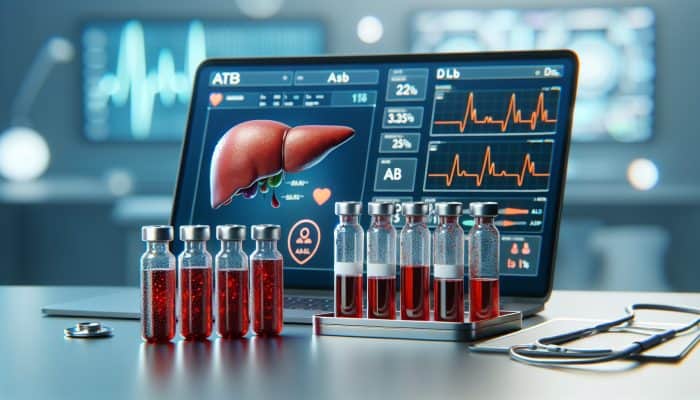
A liver blood test serves as a critical diagnostic tool, meticulously designed to evaluate the overall health of your liver by measuring concentrations of various proteins, enzymes, and other substances present in the bloodstream. This significant assessment reveals essential insights into the liver’s functionality, highlighting its vital role in metabolizing nutrients, detoxifying harmful substances, and producing bile. Typically, the evaluation encompasses tests for alanine aminotransferase (ALT), aspartate aminotransferase (AST), alkaline phosphatase (ALP), and bilirubin levels, alongside other crucial markers that contribute to a comprehensive understanding of liver health.
The liver, often dubbed the body’s “gatekeeper,” plays a pivotal role in processing everything consumed, significantly influencing overall health and well-being. Disruptions in its functionality can lead to serious health risks, underscoring the liver blood test’s importance in both routine health screenings and targeted investigations when liver disease is suspected. The insights gained from these tests are indispensable in assessing health status, determining the necessity for further evaluations, or identifying whether immediate medical intervention is warranted.
Why Are Liver Blood Tests Essential for Your Overall Health?
Liver blood tests are crucial for diagnosing a range of liver disorders, including hepatitis, fatty liver disease, and cirrhosis. These evaluations not only help track liver function but also assess the effectiveness of treatments for various liver-related conditions. Early identification of liver complications can lead to timely interventions, effectively preventing serious health risks and complications that could jeopardize overall well-being.
Additionally, these tests are vital in managing chronic health conditions that adversely affect liver function, such as <a href="https://limitsofstrategy.com/diabetes-blood-test-essential-guide-for-edinburgh-residents/">diabetes</a> and cardiovascular disease. For individuals with identifiable risk factors, like excessive alcohol consumption or a family history of liver disease, regular testing becomes increasingly important. By maintaining consistent monitoring of liver health, individuals can proactively adopt measures to enhance their overall well-being and reduce potential risks associated with liver disease.
How Often Should You Schedule a Liver Blood Test?
The frequency with which liver blood tests should be conducted varies significantly based on individual health status, existing risk factors, and the guidance of healthcare professionals. Generally, for healthy individuals with no known liver issues, an annual check-up is often sufficient. However, for those suffering from chronic liver conditions, those with risk factors such as obesity or excessive alcohol intake, or individuals with a family history of liver problems, testing may need to occur every few months to effectively manage liver health.
Healthcare providers typically customize their recommendations based on initial test outcomes and individual health profiles. Regular health assessments serve not only to monitor liver function but also to promote discussions about lifestyle changes that can enhance liver health. This proactive approach empowers individuals to take charge of their health, fostering lifestyle modifications that can significantly lower the risks associated with liver disease.
What Do Abnormal Results from Liver Blood Tests Indicate?
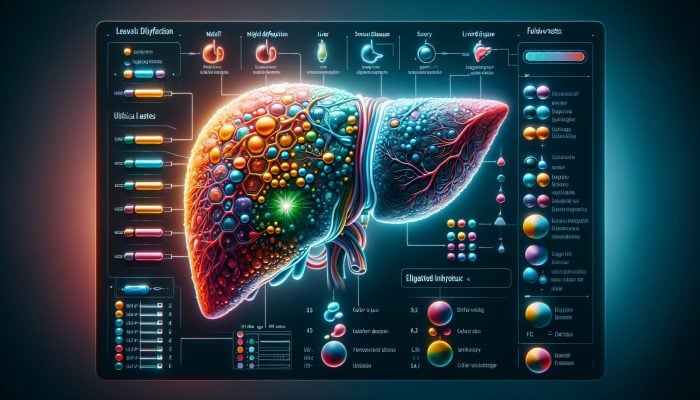
Abnormal liver blood test results can signify a broad spectrum of issues, ranging from mild liver dysfunction to severe liver diseases. Such findings may indicate liver damage or disease, or they may highlight other underlying health conditions that require further diagnostic evaluations to ascertain the specific cause. Elevated liver enzyme levels often point to inflammation or injury within liver tissue, necessitating additional investigation.
When abnormal results are detected, healthcare professionals typically recommend follow-up testing, which may include imaging studies or liver biopsies to gain a comprehensive understanding of the liver’s condition. The presence of symptoms such as jaundice, fatigue, or abdominal pain can complicate the clinical picture, underscoring the importance of thorough follow-up evaluations. Understanding the implications of these results is crucial for developing an effective treatment plan, ultimately leading to improved health outcomes and a better quality of life.
Essential Steps for Preparing for Your Liver Blood Test in Esher
What Preparations Are Necessary Before Your Liver Blood Test?
Adequate preparation for a liver blood test is paramount to ensure accurate and reliable results. Prior to the test, you may need to take specific actions, which typically include fasting for several hours before the blood draw. It is also advisable to refrain from alcohol consumption and to inform your doctor about any medications you are taking, as certain substances can influence test outcomes. Here’s a practical checklist of essential preparations:
- Fast for at least 8 hours before the test
- Avoid alcohol for a minimum of 24 hours
- Notify your doctor about all medications and supplements
- Stay hydrated, but avoid excessive water intake
- Wear clothing that allows easy access to your arm for blood drawing
- Prepare any questions or concerns to discuss with your doctor
These preparatory steps are designed to enhance the accuracy and reliability of the test results, making them a vital component of the process. Proper preparation ensures a seamless testing experience and helps establish a clear understanding of your liver health status.
Where Can You Access a Liver Blood Test in Esher?

In Esher, there are numerous avenues available for undergoing a liver blood test. Local GP surgeries often serve as the primary point of contact, where you can discuss any symptoms and receive referrals for blood tests. Additionally, private clinics offer a variety of diagnostic services, including liver blood tests, frequently providing quicker results for those willing to pay for expedited service.
Hospitals in the vicinity are also equipped with diagnostic laboratories capable of conducting comprehensive blood tests, including liver function tests. When selecting a facility for testing, consider factors such as convenience, wait times, and the reputation of the establishment. Ensuring that you receive care from a reputable facility can significantly enhance your testing experience and subsequent medical care.
How Long Does the Blood Testing Process Typically Take?
A liver blood test usually requires only a few minutes for the blood draw. The procedure is straightforward: a healthcare professional will insert a needle into a vein, typically in your arm, and collect the necessary samples. Once the blood is collected, it is sent to a laboratory for detailed analysis.
Results generally become available within a few days to a week, depending on the specific testing facility. In some instances, private clinics may offer expedited results, providing reassurance for anxious patients. It is essential to maintain open communication with your healthcare provider during this period, as they can assist in interpreting the results and discussing any necessary follow-up actions.
Deciphering Your Liver Blood Test Results
What Are the Characteristics of Healthy Liver Test Results?
Normal liver blood test results indicate that liver function remains within healthy parameters. While specific values may vary slightly among laboratories, key indicators typically include ALT levels under 40 U/L and AST levels below 40 U/L. Alkaline phosphatase (ALP) levels generally fall within the range of 30 to 120 U/L, while bilirubin levels should ideally be under 1.2 mg/dL.
These values signify that the liver is functioning appropriately, without discernible signs of inflammation or damage. It is important to acknowledge that normal results do not necessarily guarantee the absence of health issues; rather, they provide a baseline for future reference. Regular testing assists in monitoring changes over time, facilitating the early identification of any potential problems.
What Do Increased Test Results Indicate?
Elevated liver blood test results can reveal a wide range of issues, from mild liver dysfunction to severe liver diseases. Increased enzyme levels, particularly ALT and AST, often indicate liver inflammation or damage. Possible causes may include viral hepatitis, fatty liver disease, or even adverse reactions to medications.
Interpreting abnormal results does not always lead to a definitive diagnosis; rather, it often necessitates further testing to identify the root cause of the abnormalities. This could involve additional blood tests, imaging studies such as ultrasounds or MRIs, and possibly a liver biopsy. Understanding these results is crucial for addressing potential health risks and tailoring treatment plans to meet individual needs.
How Do Healthcare Providers Communicate Your Results Effectively?
The communication of liver blood test results typically occurs through your healthcare provider, whether in person, via phone, or through a secure online portal. During this discussion, your doctor will explain the significance of the results while addressing any concerns you may have. This presents an excellent opportunity to ask about the implications of your results and any necessary follow-up measures.
A comprehensive discussion ensures that you fully understand your liver health status and any subsequent steps, such as additional tests or lifestyle modifications. In some cases, healthcare providers may suggest scheduling a follow-up appointment to delve deeper into the results and formulate a tailored plan for managing your liver health.
Expert Insights on Liver Blood Testing in Esher
What Do Health Professionals Say About Liver Health?
Healthcare experts underscore the significance of regular liver blood tests for the early detection and management of liver conditions. For many individuals with fatty liver disease, symptoms may remain absent until significant damage has occurred, making routine testing vital. A proactive approach allows for early intervention, resulting in improved health outcomes and an enhanced quality of life.
Real-life examples illustrate the effectiveness of routine screenings. For example, patients identified with liver conditions through regular blood tests have successfully made lifestyle changes, such as adopting healthier dietary habits and increasing physical activity, leading to notable improvements in their liver health. Continuous monitoring not only optimizes disease management but also fosters a culture of awareness surrounding liver health within the community.
How to Effectively Engage in Discussions About Your Results with Your Doctor
Engaging in a discussion about your liver blood test results with a doctor requires clarity and openness. Start by asking direct questions regarding the implications of your results. Inquire about the necessity for additional tests, as well as any lifestyle modifications or alterations to medication that may be advisable.
Consider the following actionable steps to facilitate a productive conversation about your results:
- Prepare specific questions beforehand.
- Bring a list of any symptoms you have experienced.
- Request clarification on any medical terminology that may be unclear.
- Discuss potential next steps in your care plan.
- Ask about lifestyle changes that could enhance liver health.
- Follow up with written notes or summaries after your appointment.
This structured approach ensures that you leave the consultation with a clear understanding of your liver health and the necessary actions to take moving forward.
The Vital Role of Liver Specialists in Esher
Liver specialists, also known as hepatologists, in Esher play a critical role in interpreting complex liver blood test results and providing specialized care for various liver conditions. Their expertise is invaluable for patients presenting with atypical or concerning test results, as they can offer targeted insights into the underlying causes of liver dysfunction.
These specialists frequently collaborate with primary care physicians to develop comprehensive care plans that address the unique health needs of each patient. For individuals with chronic liver diseases, consulting a specialist can significantly enhance the management strategy by introducing advanced treatment options and therapies. The partnership between general practitioners and liver specialists ensures that patients receive holistic care tailored to their specific circumstances.
Common Liver Conditions Identified Through Blood Tests
What Is Fatty Liver Disease and How Is It Diagnosed?
Fatty liver disease occurs when fat accumulates in the liver, often as a result of obesity, diabetes, or excessive alcohol consumption. This condition can be identified through liver blood tests, which may reveal elevated levels of liver enzymes such as ALT and AST. Fatty liver disease can manifest in two distinct forms: alcoholic fatty liver disease and non-alcoholic fatty liver disease (NAFLD), with the latter becoming an increasingly pressing issue in the UK due to rising obesity rates.
The importance of early detection cannot be overstated, as fatty liver disease has the potential to progress to more severe liver conditions, including cirrhosis. Regular liver blood tests serve as an indispensable tool in identifying individuals at risk, allowing for timely preventive measures. Treatment typically involves lifestyle adjustments, including weight loss, dietary changes, and increased physical activity, which can lead to substantial improvements in liver health.
How Is Hepatitis Diagnosed Through Blood Testing?
Hepatitis, referring to liver inflammation often triggered by viral infections, can be diagnosed using liver blood tests to detect specific antibodies or viral proteins. Several types of hepatitis exist, including hepatitis A, B, C, D, and E, each characterized by different transmission modes and treatment protocols. Blood tests can indicate the presence of these viruses, clarifying whether an individual is infected and guiding the appropriate course of action.
Moreover, liver blood tests can assess the extent of liver damage caused by hepatitis infections, thereby informing treatment decisions and monitoring health outcomes. Early diagnosis is particularly crucial, as timely interventions can prevent complications such as liver failure and the potential necessity for liver transplantation. The increasing availability of vaccines for hepatitis A and B underscores the importance of awareness and prevention in combating these viral infections.
Can Liver Blood Tests Reveal Cirrhosis?
Liver blood tests can suggest the presence of cirrhosis by indicating elevated levels of liver enzymes and other markers associated with liver dysfunction. Cirrhosis represents the advanced stage of scarring (fibrosis) of the liver and can arise from various factors, including chronic hepatitis, alcoholic liver disease, and non-alcoholic fatty liver disease.
While blood tests can indicate potential cirrhosis, additional imaging or biopsy may be necessary for a conclusive diagnosis. Ultrasounds and CT scans are commonly employed to evaluate liver condition and structure, providing a clearer understanding of the extent of damage. Early detection of cirrhosis is vital, as it allows for the implementation of lifestyle adjustments and treatments that could halt or even reverse liver damage, improving long-term prognosis.
What Constitutes Abnormal Liver Function Test Results?
Abnormal liver function test results often indicate the presence of liver damage or disease, as evidenced by elevated levels of enzymes like ALT and AST in blood tests. Various conditions can lead to these abnormalities, including viral hepatitis, alcoholic liver disease, and autoimmune disorders affecting the liver.
When results display unusual enzyme levels, it typically prompts further investigations to determine the underlying cause. This may comprise additional blood tests, imaging studies, or liver biopsies, aimed at diagnosing the specific condition impacting liver health. Understanding liver function test abnormalities aids physicians in devising tailored treatment plans that enhance patient outcomes.
How Can Alcoholic Liver Disease Be Identified?
Alcoholic liver disease, resulting from chronic alcohol abuse, can often be identified through blood tests that reveal elevated liver enzymes and markers indicative of alcohol consumption. Key indicators include increased levels of AST and ALT, frequently presenting with a higher AST-to-ALT ratio, which is typical of alcoholic liver disease.
Patients displaying signs of liver dysfunction, such as jaundice or abdominal swelling, may undergo liver blood tests to evaluate the extent of damage. In severe cases, further assessments such as imaging studies or liver biopsies may be warranted. Early identification of alcoholic liver disease is essential for preventing irreversible damage and guiding patients towards necessary lifestyle changes and treatment options.
Key Lifestyle Factors Contributing to Liver Health
How Does Your Dietary Intake Influence Liver Health?
A well-balanced diet, abundant in fruits, vegetables, and whole grains, is essential for maintaining liver health, while excessive consumption of processed foods, sugars, and unhealthy fats can lead to liver disease. The liver plays a crucial role in processing nutrients and detoxifying harmful substances, making dietary choices pivotal for sustaining its functionality. A diet that promotes liver health is vital for preventing conditions such as fatty liver disease and other metabolic disorders.
Here are some dietary recommendations to enhance liver health:
- Incorporate leafy greens and cruciferous vegetables into your meals.
- Choose whole grains over refined grains.
- Limit your intake of saturated fats and sugars.
- Increase your consumption of omega-3 fatty acids found in fish and nuts.
- Stay well-hydrated by drinking plenty of water.
- Include antioxidant-rich foods such as berries and green tea in your diet.
By adopting these dietary practices, individuals can significantly improve their liver health and overall well-being. Being mindful of your food choices empowers you to make informed decisions that foster long-term health and disease prevention.
What Are the Effects of Alcohol on Liver Health?
Excessive alcohol consumption poses a significant risk to liver health and can lead to damage and disease, making moderation or complete abstinence critical for maintaining optimal liver function. Alcoholic liver disease encompasses a range of conditions resulting from heavy drinking, including fatty liver, alcoholic hepatitis, and cirrhosis.
The liver metabolizes alcohol, but chronic excessive consumption can overwhelm its capacity, resulting in inflammation and scarring. Limiting alcohol intake is vital for individuals at risk or those diagnosed with liver conditions. Even moderate drinkers should remain aware of guidelines issued by health authorities, which recommend capping alcohol consumption to a specific number of units per week. Understanding the effects of alcohol on liver health is essential for making informed decisions regarding drinking habits.
How Does Physical Activity Promote Liver Function?
Regular physical activity can significantly enhance liver function by reducing fat accumulation, improving insulin sensitivity, and promoting overall health. Engaging in exercise is key to weight management, which is crucial in preventing liver diseases such as fatty liver. Moreover, physical activity helps regulate blood sugar levels and decrease overall inflammation, both of which are vital for maintaining optimal liver health.
Incorporating at least 150 minutes of moderate aerobic activity each week, along with strength training exercises, can yield substantial benefits for liver function. Activities such as walking, cycling, and swimming not only enhance cardiovascular health but also support the liver’s metabolic processes. Emphasizing the significance of an active lifestyle fosters awareness around liver health, encouraging individuals to take proactive steps toward their well-being.
What Advantages Do Regular Liver Blood Tests Offer?
Early Identification of Liver Conditions for Improved Health Outcomes
Regular liver blood tests facilitate the early detection of liver conditions, allowing for timely interventions and improved management of liver health. The sooner a liver condition is recognized, the more effective the treatment can be, thereby minimizing the risk of severe complications.
By identifying abnormalities in liver function early, healthcare providers can guide patients in making necessary lifestyle adjustments and, if needed, initiate treatments that can halt or reverse any damage. This proactive approach fosters a culture of health awareness, motivating individuals to consistently monitor their liver health.
Assessing the Effectiveness of Treatments for Liver Diseases
Liver blood tests are critical for evaluating the effectiveness of treatments for liver diseases, ensuring that therapies are achieving their intended outcomes. Regular testing enables healthcare professionals to assess changes in liver function and make timely adjustments to treatment plans based on the results obtained.
For patients undergoing treatment for conditions such as hepatitis or cirrhosis, ongoing monitoring can help gauge the success of medications, dietary modifications, or lifestyle interventions. This continuous assessment is key to optimizing patient outcomes and ensuring that liver health remains a central focus throughout their healthcare journey.
How Can Liver Blood Tests Potentially Save Lives?
By identifying liver conditions before they escalate, liver blood tests can lead to life-saving treatments and necessary lifestyle adjustments. Early detection of issues such as fatty liver disease, hepatitis, or cirrhosis can prompt timely actions that dramatically enhance health outcomes.
Additionally, routine monitoring fosters a deeper understanding of liver health, empowering individuals to take charge of their well-being. By making proactive decisions based on their liver health status, patients can implement necessary changes that not only improve liver function but also elevate their overall quality of life. The potential for liver blood tests to save lives is substantial, highlighting their importance in preventive healthcare.
Effective Strategies for Liver Blood Testing in Esher
How to Select the Right Testing Facility
When choosing a testing facility in Esher, it is crucial to consider factors such as reputation, accreditation, and the availability of follow-up care. Opting for a facility that is well-respected within the community can provide peace of mind, ensuring that quality care is prioritized throughout the testing process.
Seek clinics and hospitals accredited by relevant health authorities, as this often signifies adherence to high standards of practice. Furthermore, evaluate the facility’s approach to patient care; seamless communication and a supportive environment can greatly enhance your experience. Investigating patient reviews and ratings can also provide valuable insights into the quality of care delivered, assisting you in making an informed decision.
How to Prepare Mentally for Your Liver Blood Test
Mentally preparing for a liver blood test can help alleviate anxiety and enhance the overall experience. Understanding what to expect and familiarizing yourself with the testing process can significantly reduce fears. Consider relaxation techniques such as deep breathing exercises or mindfulness practices to maintain low stress levels.
Additionally, discussing your concerns with friends or family can provide emotional support. Recognizing that you are taking proactive steps to monitor your health reinforces a positive mindset, emphasizing that you are prioritizing your well-being. Mental preparation is just as crucial as physical preparation, contributing to a more balanced healthcare experience.
What Steps Should You Take After Receiving Your Test Results?
Upon receiving your liver blood test results, it is vital to follow up with your healthcare provider to discuss the findings and any necessary subsequent steps. This conversation is crucial for comprehending the implications of your results and outlining the actions you may need to take moving forward.
Consider the following actions post-test:
- Schedule a follow-up appointment with your doctor.
- Request clarification on any unfamiliar medical terms.
- Inquire about lifestyle changes that could enhance your liver health.
- Ask whether further tests or ongoing monitoring are required.
- Document your questions and concerns for future consultations.
- Share your results with family members for support, if appropriate.
Taking these steps ensures that you remain actively engaged in your healthcare journey, empowering you to make informed decisions regarding your liver health.
Understanding Key Parameters in Liver Blood Tests
Familiarizing yourself with essential liver function test markers such as ALT, AST, and bilirubin can enhance your comprehension of your results and their implications. Each marker provides distinct insights into liver health, with ALT and AST primarily indicating liver cell damage, while bilirubin levels reflect the liver’s processing capability.
By understanding these parameters, you can engage more effectively in discussions with your healthcare provider regarding your liver health. Knowledge empowers you to ask relevant questions and advocate for your well-being, fostering collaborative relationships with your healthcare team. This proactive approach not only enhances your understanding of liver function but also underscores the importance of regular monitoring.
Financial Aspects of Liver Blood Tests in Esher
What Is the Estimated Cost of a Liver Blood Test?
The cost of a liver blood test in Esher can fluctuate depending on whether it is performed at a private clinic or through the NHS. Typically, NHS services offer blood tests at no cost to patients, as healthcare is funded through taxation. However, waiting times may impact timely access to testing for individuals experiencing symptoms.
For those opting for private clinics, costs can range from approximately £50 to several hundred pounds, depending on the complexity of the tests and the pricing structures of the facilities. It is crucial to weigh these options against your health needs and financial circumstances to make the most informed choice regarding your healthcare.
Is a Liver Blood Test Covered by Health Insurance?
Many private health insurance plans include coverage for liver blood tests; however, coverage specifics may vary, making it essential to check with your insurance provider. Ensure that you comprehend the details of your policy, including any deductibles, co-pays, or limitations on coverage for diagnostic tests.
If you are contemplating a liver blood test and have health insurance, verify whether your insurer requires a referral from your doctor to cover the costs. Being informed about your insurance coverage helps to avoid unexpected expenses and ensures that you can access necessary medical care without financial strain.
Where to Find Affordable Options for Liver Blood Testing
Affordable liver blood testing options in Esher encompass NHS services, community health programs, and certain private clinics that offer discounted rates. NHS services are frequently available without charge, making them an excellent choice for individuals with limited budgets.
Community health initiatives may also provide free or low-cost health screenings, including liver function tests, especially during health awareness campaigns. Additionally, some private clinics may offer promotional rates or packages for routine blood tests, making them accessible for individuals seeking expedited services without exorbitant costs. Exploring these options ensures that you can prioritize your liver health while effectively managing your budget.
Frequently Asked Questions About Liver Blood Tests
What is the primary function of a liver blood test?
A liver blood test is a diagnostic procedure that measures levels of proteins, enzymes, and substances in the blood to evaluate liver health effectively.
Why should I consider getting a liver blood test?
Liver blood tests are essential for diagnosing liver conditions, monitoring liver function, and assessing the effectiveness of treatments for liver diseases.
How frequently should I schedule a liver blood test?
The frequency of liver blood tests varies; typically, they are recommended annually for healthy individuals and more frequently for those at risk.
What do abnormal liver test results signify?
Abnormal results may indicate liver damage, disease, or dysfunction, necessitating further diagnostic tests to ascertain the underlying cause.
Where can I obtain a liver blood test in Esher?
Liver blood tests can be conducted at local GP surgeries, private clinics, or hospitals equipped with diagnostic laboratories in Esher.
How long does it typically take to receive liver blood test results?
Results are generally available within a few days to a week, depending on the testing facility.
What preparations should I make before my liver blood test?
Prepare by fasting for several hours, avoiding alcohol, and informing your doctor about any medications you are taking.
What lifestyle modifications can enhance liver health?
Adopting a balanced diet, exercising regularly, limiting alcohol intake, and maintaining a healthy weight can significantly improve liver health.
Can liver blood tests detect liver diseases?
Yes, liver blood tests can identify various liver diseases, including fatty liver disease, hepatitis, and cirrhosis.
Are liver blood tests typically covered by health insurance?
Many private insurance plans cover liver blood tests; however, coverage specifics may vary by provider and policy, so it’s crucial to verify.
Connect with us on Facebook!
This Article Was First Found On https://bloodtest.co.uk
The Article Liver Blood Test: Your Essential Guide in Esher Was Found On https://limitsofstrategy.com