Unlocking the Secrets of Low-Carb Diets: A Comprehensive Guide for the UK
What Are the Core Principles of a Low-Carb Diet?
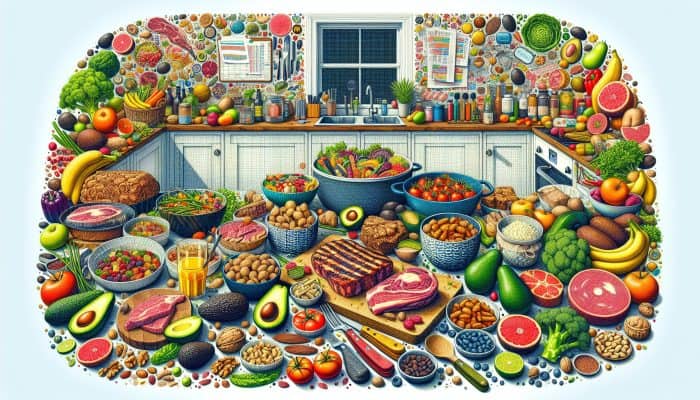
Grasping the essentials of low-carb diets is vital for anyone interested in adopting this nutritional strategy. A low-carb diet focuses on minimizing the intake of carbohydrates while promoting the consumption of proteins and healthy fats. This dietary approach aims to push the body into a state of ketosis, where it efficiently utilizes fat as its primary energy source instead of carbohydrates. This method has gained traction among individuals in the UK, largely due to its effectiveness in facilitating weight loss and enhancing numerous health metrics. Popular low-carb foods in the UK include:
- Meat (including beef, pork, and chicken)
- Fish (such as salmon, mackerel, and sardines)
- Eggs
- Non-starchy vegetables (like spinach, broccoli, and cauliflower)
- Dairy products (including cheese, cream, and butter)
- Nuts and seeds (like almonds, walnuts, and flaxseeds)
- Healthy oils (such as olive oil and coconut oil)
- Low-carb fruits (like berries and avocados)
This extensive array of food choices allows for enjoyable meal planning while effectively reducing carbohydrate intake.
What Are the Key Advantages of Low-Carb Diets for UK Residents?
The advantages of adopting a low-carb diet are manifold, especially for those residing in the UK. This dietary approach effectively regulates blood sugar levels, enhances heart health, and promotes significant weight loss. Consequently, an increasing number of individuals across the nation are turning to low-carb diets due to their validated health benefits. The primary advantages of following a low-carb diet encompass:
- Notable weight loss facilitated by fat burning
- Improved insulin sensitivity
- Lower triglyceride levels alongside an increase in HDL cholesterol
- Effective management of type 2 diabetes
- Reduced appetite resulting in fewer cravings
- Heightened mental clarity and focus
- Lowered risk of heart disease
- Increased overall energy levels
These compelling benefits are encouraging more UK residents to consider the low-carb lifestyle as a viable path toward enhanced health.
How Can You Begin Your Low-Carb Diet Journey in the UK?
If you are situated in the UK and eager to embark on a low-carb diet, the journey can be both straightforward and rewarding. Beginners should aim to gradually decrease their carbohydrate intake while emphasizing whole, unprocessed foods. Tracking progress can be beneficial, enabling necessary adjustments along the way. Steps to initiate a low-carb diet in the UK include:
- Evaluate your current carbohydrate intake and pinpoint high-carb foods
- Swap high-carb foods for low-carb alternatives
- Incorporate more proteins and healthy fats into your meals
- Plan meals to avoid impulsive eating
- Ensure adequate hydration and consider monitoring macronutrients
- Seek encouragement from online communities or local groups
- Start trying out low-carb recipes to add variety to your diet
- Regularly monitor weight loss and other health indicators
By adhering to these guidelines, individuals can transition smoothly to a low-carb lifestyle.
Expert Strategies for Thriving on Your Low-Carb Diet

What Are the Top Low-Carb Food Choices Available in the UK?
The finest low-carb foods accessible in the UK are plentiful and diverse, making it easier to sustain this dietary choice. Key options include various types of meats like chicken, beef, and fish, which not only provide essential nutrients but also help stave off hunger. Eggs are another excellent protein source, versatile enough to be prepared in numerous ways to maintain meal variety. Non-starchy vegetables, including leafy greens and cruciferous options, are highly recommended for their low carbohydrate content and rich nutritional benefits.
A practical meal plan showcasing a low-carb diet in the UK might look like this:
1. Breakfast: A flavorful omelette loaded with spinach and cheese, served alongside avocado.
2. Lunch: A vibrant grilled chicken salad filled with a variety of non-starchy vegetables drizzled with olive oil.
3. Dinner: Tender baked salmon paired with steamed broccoli and a generous serving of butter.
4. Snacks: A handful of nuts or a few slices of cheese can help keep energy levels steady throughout the day.
This structured meal planning aligns perfectly with low-carb principles while catering to the dietary preferences of individuals in the UK.
How Can UK Residents Sustain Their Low-Carb Diet Over the Long Term?
Maintaining a low-carb diet requires careful planning, consistency, and a thorough understanding of the dietary landscape. UK residents can successfully uphold their low-carb lifestyle by preparing meals in advance and ensuring they stay hydrated, which helps curtail cravings. Finding substitutes for beloved high-carb foods is also vital for long-term adherence. Practical tactics for maintaining a low-carb diet include:
- Engaging in weekly meal prep to avoid last-minute high-carb decisions
- Stocking low-carb snacks to tackle mid-afternoon cravings
- Experimenting with low-carb recipes to keep meals interesting
- Choosing whole foods over processed options
- Incorporating hydration reminders to ensure adequate water intake
- Participating in cooking sessions with family or friends to create a supportive environment
- Substituting high-carb ingredients in favorite recipes (e.g., using cauliflower rice instead of regular rice)
- Being mindful of portion sizes, even when enjoying low-carb foods
By implementing these strategies, UK residents can adeptly navigate the challenges of maintaining a low-carb diet.
What Common Hurdles Do Low-Carb Dieters Encounter in the UK?

Common hurdles faced by UK residents on a low-carb diet often stem from social situations, dining out, and identifying suitable products. Social pressures can complicate adherence, particularly during food-centric events. Additionally, it can be challenging to pinpoint low-carb options while dining out, especially in traditional settings. To tackle these challenges, individuals can:
- Clearly communicate dietary preferences to friends and family
- Research local restaurants that offer low-carb options ahead of social gatherings
- Bring a low-carb dish to share at social events
- Practice the art of politely declining high-carb offerings without guilt
- Seek support from online communities to share experiences and advice
- Identify local grocery stores that stock a variety of low-carb products
- Plan meals around social occasions to avoid last-minute decisions
- Utilize low-carb recipe resources to maintain inspiration
By recognizing and addressing these challenges, UK residents can greatly enhance their likelihood of success with a low-carb diet.
How Can UK Residents Incorporate Low-Carb Snacks into Their Daily Routines?
Incorporating low-carb snacks into everyday routines is essential for UK residents to sustain their energy levels while adhering to a low-carb lifestyle. Snacks play a critical role in bridging the gap between meals and curbing hunger, making it important to select options that align with low-carb principles. Convenient selections include a variety of nuts, slices of cheese, or vegetable sticks paired with healthy dips. Examples of easily accessible low-carb snacks in the UK consist of:
- Almonds or walnuts
- Cheese slices or cheese sticks
- Celery sticks with cream cheese
- Hard-boiled eggs
- Olives
- Sliced cucumbers served with hummus
- Beef jerky
- Low-carb protein bars
These snack options not only complement a low-carb diet but also provide essential nutrients necessary for overall health.
Exploring the Relationship Between Low-Carb Diets and Weight Loss in the UK
How Does a Low-Carb Diet Effectively Facilitate Weight Loss?
A low-carb diet promotes weight loss primarily by lowering insulin levels, encouraging the body to utilize fat as its fuel source instead of carbohydrates. This metabolic shift can lead to significant weight reduction for many individuals in the UK. By limiting carbohydrate intake, the body is prompted to access stored fat as its main energy source, resulting in enhanced fat burning and weight loss. To effectively track progress, UK residents can:
- Monitor body weight weekly, recording any changes
- Measure body dimensions (waist, hips) to observe fat loss
- Assess how clothing fits as an indicator of fat loss
- Consider evaluating body fat percentage through reliable methods
- Keep a food diary to track adherence to the diet
- Regularly evaluate energy levels and overall well-being
- Utilize applications designed for monitoring dietary intake and progress
- Consult healthcare professionals for guidance when necessary
These strategies can effectively motivate individuals while ensuring accountability throughout their weight loss journey.
What Inspiring Success Stories Exist Among Low-Carb Diet Adopters in the UK?
Numerous UK residents have achieved remarkable results on a low-carb diet, showcasing the transformative potential of this dietary method. Success stories frequently highlight significant weight loss, improved health metrics, and a better quality of life. These testimonials can serve as powerful motivation for those considering a low-carb lifestyle. Common indicators of success in a low-carb diet include:
- Substantial weight loss (often 1-2 stone or more)
- Reduced blood sugar levels for individuals with diabetes
- Increased energy levels and improved mental clarity
- Enhanced physical fitness and stamina
- Positive changes in cholesterol levels and blood pressure
- Improved mood and reduced cravings
- Greater confidence and self-esteem
- Better sleep quality
These indicators reflect the potential benefits of a low-carb diet and can inspire others to embark on their journey toward better health.
How to Effectively Combine Exercise with a Low-Carb Diet in the UK?
Integrating a low-carb diet with regular physical activity can significantly enhance weight loss and overall fitness for UK residents. Engaging in exercise while following a low-carb diet can boost fat burning and improve metabolic health. To maximize these benefits, UK residents may consider:
- Incorporating both aerobic exercises (like walking and cycling) and strength training
- Choosing activities that align with personal interests and preferences
- Setting realistic fitness goals to sustain motivation
- Listening to the body’s signals and adjusting exercise intensity as necessary
- Participating in group activities to foster community support
- Utilizing local parks and recreational facilities for outdoor workouts
- Scheduling workout sessions during peak energy times
- Consulting fitness professionals for tailored exercise plans
These strategies can assist UK residents in establishing a balanced approach that complements their low-carb diet effectively.
Assessing the Health Benefits of Low-Carb Diets in the UK
How Can a Low-Carb Diet Enhance Heart Health?
Embracing a low-carb diet can positively influence heart health by lowering blood pressure, reducing cholesterol levels, and minimizing inflammation. Many UK residents have reported favorable changes in their cardiovascular health markers after adopting a low-carb lifestyle. Indicators of improved heart health may include:
- Lowered blood pressure readings
- Reduced LDL cholesterol levels
- Increased HDL cholesterol levels
- Enhanced blood sugar regulation
- Decreased markers of inflammation
- Improved overall energy and endurance
- Better weight management
- Heightened awareness of heart-healthy food choices
These indicators illustrate the significant impact of a low-carb diet on cardiovascular health, making it an appealing option for individuals prioritizing heart wellness.
How Does a Low-Carb Diet Aid in Diabetes Management in the UK?
Effectively managing diabetes is essential for many UK residents, and a low-carb diet can greatly assist in stabilizing blood sugar levels. By decreasing carbohydrate intake, individuals can enhance insulin sensitivity and better regulate their blood sugar levels. The most beneficial low-carb foods for diabetes management in the UK encompass:
- Non-starchy vegetables (like leafy greens and bell peppers)
- Lean proteins (such as chicken and fish)
- Healthy fats (such as avocados, olives, and nuts)
- Low-fat dairy products (including Greek yogurt and cheese)
- Legumes in moderation (like lentils and chickpeas)
- Low-carb fruits (such as berries and citrus fruits)
- Whole grains in limited portions (like quinoa)
- Herbs and spices for flavor without added carbs
Incorporating these foods can empower individuals to effectively manage their diabetes while enjoying a diverse and satisfying diet.
How Does a Low-Carb Diet Influence Mental Well-Being in the UK?
Many UK residents have noted significant enhancements in mental clarity and mood while adhering to a low-carb diet. The reduction of refined carbohydrates can lead to more stable energy levels and fewer mood fluctuations, thus supporting overall mental health. The effects on mental well-being can manifest in various ways, including:
- Enhanced focus and cognitive performance
- Reduced anxiety and irritability
- Improved mood and emotional stability
- Increased energy levels throughout the day
- Better quality of sleep
- Greater resilience to stress
- Boosted motivation to pursue health-promoting activities
- Enhanced ability to manage daily challenges
These benefits can significantly elevate the quality of life for individuals following a low-carb lifestyle, reinforcing its role in holistic health.
Evidence-Based Insights into the Advantages of Low-Carb Diets
What Does Current Research Indicate About Low-Carb Diets?
Research demonstrates that low-carb diets can effectively promote weight loss, improve metabolic health, and enhance blood sugar control. These findings resonate with the experiences of numerous UK residents seeking reliable dietary strategies for health enhancement. For example, studies have highlighted that:
- Low-carb diets often yield greater weight loss results compared to traditional low-fat diets
- Participants frequently experience substantial reductions in body fat percentage
- Improvements in fasting blood glucose levels are commonly observed
- Participants often report heightened feelings of satiety and reduced hunger
- Long-term adherence to low-carb diets can facilitate sustained weight management
- Positive shifts in cholesterol profiles are evident among participants
- Overall improvements in quality of life are regularly documented
- Individuals frequently report enhanced physical performance and energy levels
These research-supported benefits underscore the effectiveness of low-carb diets, affirming their validity as a health-conscious dietary choice for UK residents.
What Are the Long-Term Effects of Low-Carb Diets in the UK?
Committing to a low-carb diet over the long term can yield sustained weight loss and health improvements for individuals in the UK. The key to successful long-term adherence lies in integrating the low-carb approach into one’s lifestyle, rather than treating it as a temporary solution. Practical steps for maintaining long-term success on a low-carb diet include:
- Continuously educating oneself about low-carb nutrition.
- Incorporating variety in meals to prevent monotony
- Setting new health and fitness objectives to sustain motivation
- Exploring seasonal foods to keep meals fresh and appealing
- Participating in low-carb community events or cooking classes
- Regularly tracking progress to celebrate milestones
- Creating meal plans that accommodate busy lifestyles
- Engaging with healthcare professionals for ongoing support
By adopting these strategies, individuals can ensure consistent commitment to their low-carb lifestyle and enjoy the associated benefits for years to come.
How Does a Low-Carb Diet Impact Gut Health in the UK?
A low-carb diet can positively affect gut health by reducing inflammation and promoting beneficial bacteria, which are essential for overall wellness. Many UK residents are recognizing the importance of a healthy gut microbiome, as it plays a crucial role in digestion and immune function. Expert reviews suggest that:
- Low-carb diets can lead to decreased bloating and digestive discomfort
- Increased intake of fiber-rich, non-starchy vegetables supports gut health
- Improved gut permeability can result from lower sugar consumption
- Beneficial bacteria thrive on a diet rich in healthy fats and low in processed sugars
- Regular consumption of fermented foods can enhance gut flora diversity
- Numerous individuals report improvements in skin health linked to gut function
- A healthier gut microbiome correlates with enhanced mood and mental clarity
- Direct connections exist between gut health and overall wellness
These insights emphasize the significance of gut health concerning dietary choices and highlight the various advantages of a low-carb diet in this context.
Managing Social Interactions While Following a Low-Carb Diet in the UK
How Can UK Residents Successfully Navigate Social Events on a Low-Carb Diet?
Handling social events while adhering to a low-carb diet can present challenges for UK residents; however, with proper preparation, these experiences can be enjoyable. Individuals can effectively navigate these scenarios by developing strategies that allow them to indulge without compromising their dietary goals. Suggested techniques for managing social events include:
- Communicating dietary preferences with hosts ahead of time
- Bringing a low-carb dish to share, ensuring there’s something suitable
- Focusing on social interactions rather than solely on food
- Choosing low-carb options when available
- Practicing polite declines to high-carb offerings
- Engaging in conversations to shift attention away from food-related temptations
- Identifying venues that accommodate low-carb choices
- Forming connections with others who share similar dietary preferences
By employing these strategies, individuals can participate confidently in social gatherings while adhering to their low-carb lifestyle.
How to Enjoy Dining Out While on a Low-Carb Diet in the UK?
Dining out while following a low-carb diet in the UK can be challenging; however, numerous restaurants now cater to low-carb preferences. With a bit of foresight, individuals can enjoy meals outside their homes without straying from their dietary objectives. Key tips for dining out include:
- Researching restaurant menus in advance to identify low-carb options
- Requesting modifications to dishes, such as swapping starchy sides for vegetables
- Choosing grilled or roasted items instead of fried foods
- Being cautious with sauces and dressings that may contain high levels of sugars
- Selecting steak, fish, or chicken as the main protein sources
- Looking for establishments that offer low-carb-specific dishes
- Sharing meals with others to help manage portion sizes
- Opting for beverages like water, sparkling water, or unsweetened drinks
These strategies empower diners to enjoy meals out while remaining committed to their low-carb diet.
How to Incorporate Low-Carb Meals into Family Life in the UK?
Integrating low-carb options into family meals can cultivate a supportive environment for everyone involved. Families in the UK can benefit from preparing dishes that cater to various dietary preferences while still adhering to low-carb guidelines. Effective strategies for incorporating low-carb meals into family routines include:
- Creating a weekly meal plan featuring low-carb recipes
- Involving family members in meal preparation to encourage participation
- Utilizing slow cookers for easy, low-carb meal options
- Exploring multicultural low-carb recipes to introduce variety
- Designating one day a week as family cooking night
- Encouraging open discussions about dietary choices and health
- Adapting family favorite recipes to align with low-carb principles
- Ensuring that the available snacks at home follow low-carb guidelines
These approaches foster a supportive atmosphere, motivating family members to collectively embrace a low-carb lifestyle.
How to Navigate Pub Culture While Maintaining a Low-Carb Diet in the UK?
Participating in pub culture while on a low-carb diet presents unique challenges but can be managed with careful planning. UK residents can enjoy socializing in pubs by making informed choices regarding drinks and snacks. Effective strategies include:
- Opting for low-carb beverages such as spirits mixed with soda or dry wines
- Choosing low-carb snacks like pork scratchings or cheese boards
- Communicating dietary needs to friends to foster understanding
- Limiting intake of sugary cocktails and beers
- Encouraging pub outings centered around activities rather than just food and drink
- Being aware of which local pubs offer low-carb options
- Engaging in trivia or games to stay occupied without focusing on food
- Organizing a low-carb potluck with friends during get-togethers
With adequate planning, individuals can continue to enjoy the UK pub culture while adhering to their low-carb principles.
How to Navigate Social Gatherings on a Low-Carb Diet in the UK?
Social gatherings throughout the UK can be effectively managed while adhering to a low-carb diet through strategic planning and clear communication of dietary preferences. Creating an inclusive atmosphere can ease participation for those following a low-carb regimen. Strategies to ensure low-carb options at social events include:
- Communicating dietary needs to the host before the gathering
- Offering to bring a low-carb dish to share
- Encouraging diverse low-carb-friendly foods at potlucks
- Selecting venues that provide varied menu options
- Participating in food-related discussions to share experiences
- Identifying like-minded individuals to create a supportive network
- Keeping a low-carb recipe book handy for inspiration
- Being flexible and creative in enjoying what’s available
These strategies empower UK residents to enjoy social gatherings without compromising their dietary choices.
Essential Resources for Low-Carb Diets in the UK
Where Can UK Residents Access Support for Their Low-Carb Diet?
UK residents seeking assistance with their low-carb diet can access a wealth of resources, including online communities, local groups, and healthcare professionals. Engaging with these resources can provide motivation, accountability, and educational insights. Effective methods to seek support include:
- Joining online forums and social media groups focused on low-carb diets
- Connecting with a local dietitian or nutritionist for personalized guidance
- Participating in local meetups or support groups
- Exploring health and fitness clubs that promote low-carb lifestyles
- Utilizing popular low-carb blogs and websites for tips and recipes
- Researching local health events featuring low-carb presentations
- Collaborating with friends or family members pursuing similar dietary paths
- Following reputable low-carb influencers on social media for inspiration
By leveraging these resources, individuals can enrich their low-carb journey with the support they require.
What Books and Apps Are Recommended for Low-Carb Diets in the UK?
Numerous books and apps in the UK can significantly assist individuals on their low-carb diet journey. These resources provide invaluable guidance, recipes, and insights into effective meal planning. Recommended books and apps include:
- “The Low-Carb Diet Book” by Dr. David Unwin
- “The 30-Day Low-Carb Diet Solution” by Dr. Chris Gardner
- “Keto in 30 Minutes” by Jennifer Perillo
- “Carb Manager” app for tracking macronutrients
- “MyFitnessPal” for logging food intake
- “KetoDiet App” for recipes and meal planning
- “Eat Well, Lose Weight” by Karen Dwyer
- “The Low-Carb High-Fat Cookbook” by Andreas Eenfeldt
These resources empower UK residents to navigate their low-carb dietary choices effectively.
Where to Find Low-Carb Diet Workshops and Seminars in the UK?
Workshops and seminars focused on low-carb diets are available throughout the UK, providing hands-on learning experiences and networking opportunities. These events offer practical knowledge and support for individuals seeking to enhance their low-carb lifestyle. To discover upcoming workshops, consider:
- Searching local health centres or community centres for events
- Checking online platforms such as Eventbrite for listings
- Visiting local health food stores that may host workshops
- Engaging with nutritionist practices offering seminars
- Following low-carb influencers or dietitians on social media for event announcements
- Joining local health clubs conducting workshops
- Participating in university-led health initiatives focusing on diet
- Networking with others interested in low-carb diets to share information
These workshops and seminars provide valuable insights and foster a sense of community among individuals with shared interests.
Addressing Common Questions About Low-Carb Diets
What Foods Should I Prioritize on a Low-Carb Diet?
Focus on consuming proteins such as meat, fish, eggs, and non-starchy vegetables. Include healthy fats while limiting sugars and grains to maintain a low-carb lifestyle.
What Is the Expected Timeline for Weight Loss on a Low-Carb Diet?
Weight loss timelines vary by individual; however, many experience rapid initial results within the first few weeks, often between 1-2 stone, depending on adherence and lifestyle choices.
Are Fruits Allowed on a Low-Carb Diet?
Yes, but it is advisable to choose low-carb fruits such as berries and avocados while limiting higher-sugar options like bananas and grapes.
Is Long-Term Adherence to Low-Carb Diets Safe?
Many individuals find low-carb diets safe for long-term commitment, particularly when balanced with nutrient-dense foods. Consulting a healthcare professional for personalized advice is recommended.
How Can I Navigate Social Situations While Following a Low-Carb Diet?
Clearly communicate your dietary needs, select low-carb options when available, and consider bringing a dish to share that aligns with your dietary requirements.
What Snacks Are Suitable for a Low-Carb Diet?
Low-carb snacks include nuts, cheese, vegetable sticks, and hard-boiled eggs, providing satiety without excessive carbohydrates.
Is Exercise Necessary While Following a Low-Carb Diet?
While exercise is not mandatory, incorporating it can enhance weight loss and overall health. A mix of strength training and aerobic activities is recommended.
Can a Low-Carb Diet Affect My Cholesterol Levels?
Many individuals notice improvements in their cholesterol profiles when following a low-carb diet, including increased HDL and reduced triglycerides.
How Can I Ensure Sufficient Fiber Intake on a Low-Carb Diet?
Focus on non-starchy vegetables, nuts, seeds, and consider adding low-carb grains like chia seeds or psyllium husk for extra fiber.
Is Alcohol Consumption Allowed on a Low-Carb Diet?
Yes, but it is best to choose low-carb options such as spirits or dry wines and to be cautious of mixers that may contain sugars.
Connect with us on Facebook!
The article Low-Carb Diet Tips: UK Guide was first published on https://acupuncture-frome.co.uk
The Article UK Guide to Low-Carb Diet Tips for Success Was Found On https://limitsofstrategy.com