Comprehensive Overview of Off-Grid Power Solutions
What Are Off-Grid Power Solutions and Why Are They Vital for Sustainable Living?
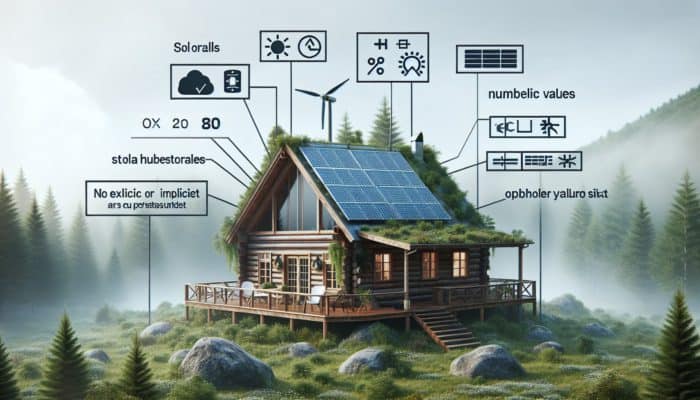
Off-grid power solutions refer to innovative and self-sustaining energy systems capable of producing electricity independently from the centralized power grid. These systems are critically important for supplying energy to remote and isolated areas where traditional electrical infrastructure is not feasible or simply absent. By harnessing renewable energy sources such as solar, wind, and hydro power, off-grid solutions represent a sustainable alternative to conventional fossil fuels. The most common types of off-grid systems include:
- Solar Power Systems
- Wind Power Systems
- Hydro Power Systems
- Biogas Systems
- Diesel Generators
- Hybrid Systems (which combine two or more energy sources)
- Battery Storage Systems
- Microgrids
The core principle behind off-grid power solutions lies in their ability to empower individuals and communities by promoting energy independence, particularly in remote regions such as rural Africa or mountainous areas in South America. This independence fosters resilience and sustainability, enabling communities to thrive without dependence on external energy sources.
What Advantages Does Embracing Off-Grid Living Provide for Individuals and Communities?
Adopting an off-grid lifestyle offers numerous benefits that significantly enrich overall quality of life. It empowers individuals to escape the constraints imposed by utility companies, cultivating a strong sense of autonomy and self-sufficiency. Living off-grid champions sustainability, resulting in a marked reduction in one’s carbon footprint while lessening reliance on finite resources. This lifestyle not only yields environmental advantages but also fosters personal satisfaction and fulfillment. Key benefits of off-grid living include:
- Independence from Utility Providers
- Lower Environmental Impact
- Enhanced Self-Sufficiency
- Potential for Considerable Cost Savings
- Increased Resilience During Emergencies
- Encouragement of Sustainable Practices
- Deepened Connection with Nature
- Strengthening of Local Communities through shared resources
As awareness of these benefits increases, the global movement towards off-grid living continues to gain momentum, inspiring more individuals to consider this transformative lifestyle.
What Challenges Come with Off-Grid Systems, and What Solutions Exist to Overcome Them?
While off-grid power systems present a multitude of advantages, they are not without their unique challenges that require thoughtful consideration. The initial setup costs can be intimidating, and ongoing maintenance necessitates consistent attention to ensure systems function at optimal efficiency. Furthermore, energy production may fluctuate based on environmental conditions, adding another layer of complexity. Nevertheless, recent technological advancements are swiftly providing solutions to these challenges. Common obstacles and their potential solutions include:
- High Initial Costs – Explore financing options and utilize government incentives to mitigate these costs.
- Maintenance Requirements – Choose dependable components and set up service agreements with qualified technicians.
- Variable Energy Supply – Implement hybrid systems that integrate multiple energy sources to ensure stability.
- Storage Limitations – Invest in cutting-edge battery technologies to improve energy retention capabilities.
- Regulatory Challenges – Stay informed about local regulations and participate in community initiatives to advocate for off-grid solutions.
- Lack of Technical Expertise – Seek professional installation services and training opportunities for DIY enthusiasts.
- Environmental Considerations – Adopt sustainable practices during system design and installation to minimize ecological impact.
- Community Engagement – Build local support for off-grid initiatives to enhance their feasibility and success.
By proactively addressing these challenges, individuals can fully enjoy the substantial benefits of off-grid living while contributing to a more sustainable and resilient future.
Exploring the Various Types of Off-Grid Power Systems Available
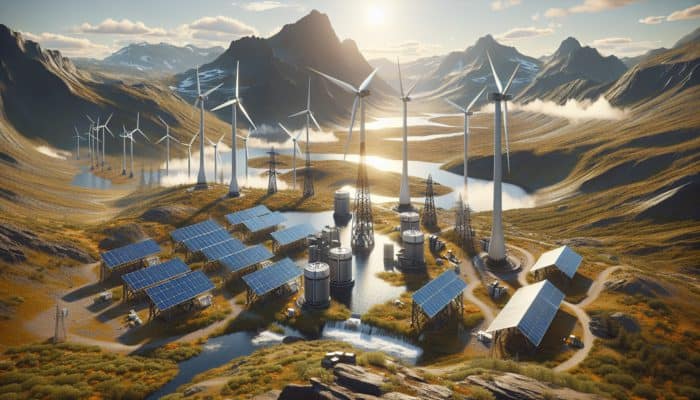
How Do Solar Power Systems Function as Effective Off-Grid Solutions?
Solar power systems are among the most widely adopted off-grid solutions, utilizing photovoltaic panels to convert sunlight into usable electricity. Ongoing technological advancements are improving the efficiency and affordability of solar panels, making them increasingly attractive for diverse applications. A typical solar power system comprises several key components: solar panels, an inverter, a charge controller, and battery storage. Each component plays a crucial role in the system’s overall performance.
In a standard configuration, solar panels absorb sunlight and convert it into direct current (DC) electricity. The inverter then transforms this DC into alternating current (AC), which is suitable for powering household appliances. The charge controller ensures optimal battery charging, preventing overcharging and extending battery lifespan. Battery storage is essential, providing energy during times of insufficient sunlight. This system is effective across diverse global environments, from arid deserts to temperate regions, empowering countless households and remote establishments with energy independence.
What Unique Characteristics Do Wind Power Systems Offer in Off-Grid Applications?
Wind power systems capture the natural energy of the wind to produce electricity through turbines, making them especially beneficial in locations with consistent wind patterns. These systems are ideally suited for coastal regions or open plains where wind resources are abundant. A standard wind power system consists of a wind turbine, a generator, a tower, and an energy storage component.
The wind turbine harnesses the kinetic energy from the wind, causing its blades to rotate and convert this energy into mechanical power. The generator subsequently converts this mechanical energy into electrical energy. Depending on their scale, wind power systems can cater to individual homes or be clustered together to provide energy for entire communities. The flexibility of wind energy, combined with its minimal environmental footprint, positions it as a crucial component in the global off-grid power landscape.
How Do Hydro Power Systems Convert Water Flow into Electricity?
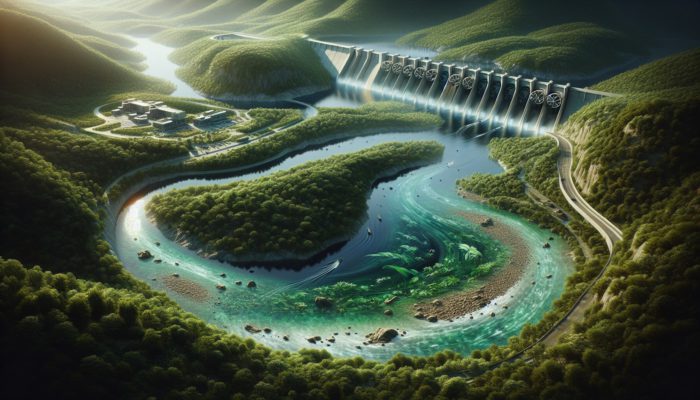
Hydro power systems utilize the natural flow of water to produce electricity, making them highly effective in locations with access to rivers or streams. These systems convert the kinetic energy of flowing water into mechanical energy, which drives turbines to generate electricity. The benefits of hydro power systems are extensive.
Primarily, they provide a stable and reliable energy output, as flowing water serves as a more consistent energy source compared to solar or wind. Additionally, hydro systems generally have a long operational lifespan and relatively low maintenance costs. They can be scaled to accommodate a range of energy needs, from small micro-hydro setups for individual homes to larger systems designed for community use. However, environmental impacts must be considered, as hydro power can affect local ecosystems. When implemented thoughtfully, hydro power can significantly enhance energy independence and sustainability across various regions worldwide.
How Do Off-Grid Power Solutions Ensure Effective Functionality?
Understanding the Mechanisms of Energy Generation in Off-Grid Systems
Off-grid power systems generate electricity from a variety of renewable sources, including solar, wind, and hydroelectric. The choice of system is heavily influenced by local environmental conditions and available resources. For example, solar panels tend to perform best in sunny regions, while wind turbines thrive in areas with steady wind flow.
Each type of off-grid system converts natural energy into electricity through distinct processes. Solar panels collect sunlight using photovoltaic cells, converting it into electricity, whereas wind turbines capture wind energy to rotate blades connected to a generator. Hydro systems transform the kinetic energy of flowing water into electrical energy. By selecting the most appropriate energy generation system based on their location’s unique advantages, users can optimize energy production and ensure a reliable power supply, even in remote areas.
What Role Does Energy Storage Play in Off-Grid Systems?
Energy storage serves as a vital component of off-grid systems, ensuring that power remains accessible even during periods of low energy generation. This is especially crucial for systems reliant on intermittent energy sources such as solar and wind. Batteries are the most common form of storage, allowing households and businesses to retain surplus energy for future use.
Various types of batteries are utilized in off-grid systems, including lead-acid, lithium-ion, and flow batteries. Lead-acid batteries are often preferred due to their lower initial costs, but they generally have shorter lifespans and lower energy densities compared to lithium-ion batteries. While lithium-ion batteries may have higher upfront costs, they offer longer service lives and greater efficiency, making them increasingly popular for modern off-grid applications. Understanding the differences among battery types and their respective advantages is essential for maximizing energy storage in off-grid power systems.
How Is Integration Achieved Within Off-Grid Power Solutions?
Integrating the various components of an off-grid power system is crucial for achieving high levels of efficiency and reliability. A well-designed system guarantees optimal performance and longevity, especially in off-grid contexts where electrical reliability is paramount.
The integration process involves assessing energy needs, selecting appropriate generation and storage components, and ensuring compatibility across all parts. The first step entails evaluating the total energy consumption of the household or facility, which helps determine the appropriate size of solar panels, wind turbines, or hydro systems needed for effective energy generation. Following this assessment, users must choose batteries that can sufficiently store the produced energy, ensuring they can meet energy demands during low generation periods. Finally, proper installation and connection of inverters, charge controllers, and monitoring systems allow for real-time data on energy production and consumption, empowering users to manage their energy resources effectively.
Expert Insights on Off-Grid Power Solutions
What Are Some Real-Life Applications of Off-Grid Power Solutions?
Off-grid power solutions have been successfully implemented in various environments, ranging from individual homes to commercial enterprises. These systems serve as essential energy sources in remote locations, providing vital electricity where traditional infrastructure is lacking. A notable example is a community in rural Nepal that relies entirely on solar microgrids for its electricity needs. This innovative system has transformed their lives, granting residents access to lighting, refrigeration, and communication technologies, significantly improving their overall quality of life.
Another successful application can be found at a remote research station in Antarctica, where a combination of wind and solar power systems supplies the critical energy necessary to sustain research activities in harsh conditions. These real-world examples vividly demonstrate the immense potential of off-grid power solutions, showcasing their ability to empower underserved communities and enhance operational capabilities in challenging environments.
How Are Innovations Shaping the Future of Off-Grid Power Solutions?
Recent technological advancements are transforming the landscape of off-grid power solutions, enhancing their efficiency and accessibility. Innovations are emerging across various sectors, including improved battery technologies, more efficient solar panels, and advanced energy management systems. New lithium-ion battery designs are providing greater energy density and longer lifespans, significantly increasing the viability of solar and wind systems for off-grid applications.
Moreover, solar panels have experienced remarkable improvements, with some models achieving efficiency rates exceeding 20%. These advancements facilitate greater energy generation and storage from available resources. Additionally, smart energy management systems that integrate with off-grid setups allow users to monitor consumption patterns, optimize energy use, and reduce waste. By embracing these technological innovations, users can achieve enhanced reliability and sustainability in their off-grid energy solutions.
How Can Conducting a Cost-Benefit Analysis Aid in Deciding on Off-Grid Power Solutions?
Conducting a thorough cost-benefit analysis is essential for evaluating the feasibility of off-grid power solutions. Initial setup costs can be substantial, as they involve acquiring solar panels, batteries, inverters, and potentially additional components. However, understanding the long-term savings associated with off-grid systems is crucial for making informed decisions. While the upfront investment may seem daunting, many users report significant reductions in their monthly electricity bills, with most systems yielding a return on investment (ROI) period of 5 to 10 years.
To effectively carry out a cost-benefit analysis, users should first estimate their total energy consumption and determine the necessary size of the off-grid system. Next, they must calculate total installation costs, encompassing components and labor. Finally, by estimating savings from reduced utility payments over time, users can weigh the potential financial benefits against initial costs. This analysis is crucial for individuals and organizations contemplating the shift to off-grid power solutions.
What Distinct Advantages Do Off-Grid Power Solutions Offer?
How Do Off-Grid Solutions Contribute to Environmental Conservation?
Off-grid power solutions significantly reduce reliance on fossil fuels, leading to decreased carbon emissions and supporting environmental conservation efforts. By leveraging renewable energy sources such as solar, wind, and hydro, these systems play a vital role in alleviating the negative impacts of climate change and minimizing ecological degradation. The transition towards off-grid living aligns with global sustainability goals, advocating for cleaner energy alternatives that benefit both individuals and the planet.
Moreover, off-grid systems can enhance biodiversity by reducing pollution and habitat destruction linked to traditional energy sources. Communities that adopt these solutions can foster a sustainability culture, promoting practices that prioritize environmental stewardship. As awareness of climate-related issues continues to expand, the adoption of off-grid power solutions becomes increasingly essential in the global pursuit of a sustainable future.
In What Ways Does Off-Grid Living Promote Energy Autonomy?
One of the most significant benefits of off-grid systems is the energy autonomy they provide users. By generating their electricity, individuals become less reliant on utility companies, which can be especially advantageous in regions where the electricity supply is unreliable or costly. This autonomy empowers people and communities to take control of their energy futures.
In many developing areas, the ability to generate electricity off-grid can be transformative, granting access to essential services like lighting, heating, and communication technologies. Furthermore, during crises or natural disasters, when grid infrastructure may fail, off-grid systems ensure that vital services continue to operate. The benefits of energy autonomy carry profound implications, leading to increased resilience against economic fluctuations and fostering sustainable development in underserved regions.
What Financial Advantages Can Be Gained from Off-Grid Power Solutions?
While the initial investment for off-grid power solutions can be substantial, the long-term financial advantages often outweigh these costs. By eliminating monthly utility bills, users can achieve significant savings over time. Once operational, maintenance costs typically remain lower than ongoing utility expenses, particularly in areas where electricity prices are rising.
Numerous off-grid users report reaching a break-even point on their investments within a few years, leading to a net gain as time progresses. Additionally, as technology continues to advance and installation costs decrease, the financial burden of transitioning to an off-grid lifestyle is expected to diminish further. Individuals seeking environmentally conscious choices while achieving financial independence will find off-grid solutions to be an appealing option.
How Do Off-Grid Systems Ensure Consistency and Resilience?
Off-grid systems deliver reliable power supplies in remote or disaster-prone areas, significantly enhancing resilience against outages. Unlike traditional grid systems, which can be susceptible to natural disasters or infrastructural failures, off-grid systems are engineered to operate autonomously. This independence is particularly critical in regions with weak or nonexistent electrical infrastructure.
By utilizing renewable energy sources, off-grid users can enjoy a steady power supply, even under adverse conditions. Furthermore, these systems often incorporate redundancy measures, such as battery storage or hybrid configurations, ensuring that users have access to energy regardless of fluctuations in generation. This reliability not only boosts daily living standards but also prepares communities for emergencies, guaranteeing that essential services remain uninterrupted.
What Customization and Scalability Options Are Available for Off-Grid Systems?
Off-grid power systems can be tailored to meet individual needs, providing high adaptability for various applications. This flexibility is one of the primary advantages of off-grid solutions, as users can design their systems according to energy consumption patterns and available resources. For example, a small cabin in the woods may require different configurations compared to a larger home or community facility.
Additionally, off-grid systems are inherently scalable, allowing users to expand or modify their setups as their energy requirements change. This adaptability is especially beneficial for growing families or businesses anticipating future energy needs. By incorporating modular components, users can seamlessly add solar panels, wind turbines, or increase battery storage capacity without causing significant disruption to their existing systems. This versatility makes off-grid solutions suitable for a wide range of global contexts and user scenarios.
What Are the Key Steps for Installing and Maintaining Off-Grid Systems?
How to Effectively Plan and Design Off-Grid Systems?
The successful installation of off-grid systems begins with meticulous planning and design. Understanding energy requirements is crucial, as this influences decisions regarding system size, component selection, and layout. Factors such as local climate conditions, available resources, and site characteristics must be carefully evaluated during the planning phase.
A comprehensive energy audit often serves as the initial step, enabling users to assess their total energy consumption and identify opportunities for efficiency improvements. This information informs the design of the off-grid system, ensuring it meets energy demands while remaining cost-effective. Users should also consider potential site-specific challenges, including zoning regulations, environmental impacts, and accessibility during installation. By dedicating adequate time to the planning phase, users can establish a robust foundation for a successful and efficient off-grid power system.
What Are the Essential Steps in the Installation Process for Off-Grid Systems?
The installation of off-grid systems requires careful execution to ensure optimal performance. Engaging professionals or knowledgeable individuals can significantly enhance installation quality, reducing the likelihood of errors that could lead to costly repairs or inefficiencies.
Key steps in the installation of an off-grid power system include obtaining necessary permits, preparing the site, and assembling the components. Experts typically begin by determining the most effective placement for solar panels or wind turbines, considering factors such as sunlight exposure and wind patterns. A thorough testing of electrical connections and system components is conducted post-installation to ensure optimal operation. Proper installation directly impacts the system’s efficiency, reliability, and lifespan. Therefore, meticulous attention to detail during this phase is vital for achieving optimal results.
How to Conduct Maintenance and Troubleshooting for Off-Grid Systems?
Regular maintenance is crucial for ensuring the longevity and efficiency of off-grid systems. Users must establish a routine maintenance schedule that includes inspecting components, cleaning solar panels, and checking battery health. By conducting these checks, users can detect potential issues early and prevent costly downtime.
Troubleshooting common problems, such as wiring faults or battery failures, is also an essential part of maintenance. Educating oneself about the system’s components and their respective functions empowers users to resolve minor issues independently. Moreover, enlisting professionals for periodic inspections or upgrades can help maintain optimal system performance. A proactive approach to maintenance and troubleshooting enhances the reliability of off-grid solutions, ensuring they continue to meet energy demands effectively over time.
How Can Off-Grid Power Solutions Be Scaled Efficiently?
What Features Characterize Small-Scale Off-Grid Applications?
Small-scale off-grid systems cater to individual homes or small businesses, providing tailored energy solutions designed to meet specific requirements. These systems can be constructed with minimal components and are often more affordable, making them accessible to a wider audience. Considerations for small-scale off-grid systems include energy consumption levels, available space, and budget constraints.
Typically, users start by evaluating their energy needs and determining the most suitable energy generation method—be it solar, wind, or hydro. This assessment guides the selection of appropriate components, such as solar panels or small wind turbines. Small-scale systems can also benefit from the inclusion of energy-efficient appliances, further reducing energy consumption and enhancing the overall effectiveness of the off-grid solution.
How Do Medium-Scale Off-Grid Applications Operate?
Medium-scale off-grid systems are designed to support larger homes or small communities, requiring more extensive planning and investment. These systems can power multiple households or facilities, providing a dependable energy source in areas where traditional grid access is limited. The advantages of medium-scale off-grid systems include shared infrastructure costs, which lead to significant savings for users.
Typically, these systems integrate a combination of energy sources—solar, wind, or hydro—to maximize generation potential and ensure a reliable energy supply. Users must engage in thorough planning to accommodate the varied energy needs of multiple users, which involves calculating total energy consumption and designing a system capable of meeting those demands. Scalability is also a key consideration, enabling future expansion as the community’s energy requirements evolve.
What Characteristics Define Large-Scale Off-Grid Applications?
Large-scale off-grid systems are designed to power entire communities or industrial operations, often incorporating multiple energy sources to ensure reliability and stability. These systems can deliver substantial energy output, making them suitable for remote towns or rural areas lacking grid connectivity. Unlike smaller systems, large-scale applications necessitate extensive planning, investment, and coordination among various stakeholders.
In large-scale setups, users can implement hybrid systems that combine solar, wind, and hydro power, optimizing energy production through diversified sources. This redundancy enhances reliability and resilience, thereby reducing the risk of outages during adverse weather conditions. Additionally, large-scale systems often incorporate sophisticated energy management systems that facilitate real-time monitoring and adjustments to maximize efficiency. The ability to scale and adapt to community needs positions large-scale off-grid solutions as a pivotal element in the global transition towards sustainable energy sources.
What Future Trends Are Emerging in Off-Grid Power Solutions?
Which Innovative Technologies Will Shape the Future of Off-Grid Solutions?
The future of off-grid power solutions is being influenced by emerging technologies that boost efficiency, affordability, and sustainability. Innovations in energy storage, such as solid-state batteries, promise to revolutionize how users store and manage energy, increasing capacity while minimizing space and maintenance requirements. Additionally, advancements in solar panel technology continue to enhance energy conversion rates, making solar power an even more attractive option for off-grid systems.
Smart technologies are also gaining prominence in off-grid energy management, enabling users to monitor consumption patterns and optimize energy use through real-time data. These emerging technologies present exciting opportunities to improve the viability and effectiveness of off-grid power solutions, making them increasingly appealing to a broader global audience.
How Do Policies and Regulations Impact Off-Grid Power Solutions?
Policies and regulations have a significant influence on the adoption and growth of off-grid power solutions. Supportive policies that promote renewable energy can stimulate investments in off-grid technologies, driving innovation and lowering costs. Conversely, regulatory hurdles may present challenges, especially in regions where traditional energy infrastructure is deeply ingrained.
Governments can facilitate growth in the off-grid sector by offering incentives—such as tax credits, grants, and subsidies—for individuals and businesses investing in renewable energy systems. Furthermore, establishing clear guidelines for off-grid installations can simplify the permitting process, encouraging a greater number of individuals to consider these sustainable solutions. As awareness of renewable energy continues to rise, supportive policies and regulations are essential for accelerating the global transition to off-grid power solutions.
What Market Dynamics Are Influencing Off-Grid Power Solutions?
The market for off-grid power solutions is experiencing substantial growth due to the increasing demand for sustainable energy sources. Factors driving this trend include heightened awareness of climate change, the desire for energy independence, and rising electricity costs in many regions. As individuals and communities seek alternatives to traditional energy sources, off-grid solutions are gaining traction worldwide.
Moreover, advancements in technology are making off-grid systems more accessible and affordable, further fueling market growth. Companies are emerging to provide innovative solutions, ranging from compact solar kits for homes to large-scale energy management systems for communities. Understanding these market dynamics is essential for individuals and organizations looking to invest in off-grid power solutions, enabling them to make informed decisions and capitalize on emerging opportunities.
What Environmental Considerations Surround Off-Grid Power Solutions?
The environmental impact of off-grid power solutions is a crucial factor for sustainability. By replacing fossil fuels with renewable energy sources, off-grid systems help decrease greenhouse gas emissions and support global efforts to combat climate change. Additionally, these systems can promote environmental conservation by reducing pollution and habitat destruction linked to traditional energy infrastructure.
However, implementing off-grid systems must be approached with care to avoid potential adverse effects on local ecosystems. Sustainable practices, such as responsible site selection and component sourcing, are vital in mitigating any negative impacts. By prioritizing environmental stewardship in the design and installation of off-grid power solutions, users can amplify their positive contributions to sustainability while enjoying the benefits of renewable energy.
How Do Off-Grid Solutions Create Community and Social Advantages?
Off-grid power solutions can provide substantial community and social benefits, particularly in underserved regions. Access to reliable energy can enhance quality of life by enabling essential services such as healthcare, education, and communication. For instance, educational institutions equipped with solar power can offer lighting and technology resources, significantly improving learning opportunities for students in remote areas.
Moreover, off-grid systems can foster community engagement and collaboration as individuals unite to develop shared energy solutions. This spirit of cooperation can strengthen local economies by generating jobs in installation, maintenance, and energy management. Ultimately, the social advantages of off-grid power solutions extend beyond mere energy provision, contributing to overall community development and empowerment.
Common Questions About Off-Grid Power Solutions
What Are Off-Grid Power Solutions?
Off-grid power solutions are independent systems that generate electricity without connecting to a centralized grid, typically utilizing renewable energy sources such as solar, wind, and hydro.
What Advantages Come with Living Off-Grid?
Benefits include energy independence, lower environmental impact, self-sufficiency, potential cost savings, and enhanced resilience during emergencies.
What Types of Systems Are Utilized for Off-Grid Power?
Common types include solar, wind, hydro, biogas systems, diesel generators, and hybrid systems that combine various energy sources.
How Do Off-Grid Power Systems Generate Energy?
They generate energy using renewable sources: solar panels convert sunlight into electricity, wind turbines harness wind energy, and hydro systems utilize flowing water.
What Types of Batteries Are Commonly Used in Off-Grid Systems?
Lead-acid, lithium-ion, and flow batteries are typically used, each with unique advantages in terms of cost, lifespan, and efficiency.
How Can I Scale My Off-Grid Power System Effectively?
Scaling can be achieved by adding more energy generation sources, increasing battery storage capacity, or designing modular components that allow for future expansion.
Are Off-Grid Power Systems Reliable?
Yes, off-grid systems can provide reliable power, especially when designed with redundancy and backup measures to ensure energy availability under varying conditions.
What Are the Costs Associated with Off-Grid Power Solutions?
Costs can vary widely based on system size and components, but they typically include initial setup expenses, equipment purchases, and ongoing maintenance costs.
How Do Off-Grid Systems Affect the Environment?
They reduce reliance on fossil fuels, lowering carbon emissions and promoting sustainability, but must be designed carefully to mitigate any negative ecological effects.
What Future Trends Are Emerging in Off-Grid Power Solutions?
Emerging technologies, supportive policies, and market growth are driving trends in off-grid power, enhancing efficiency and accessibility for users worldwide.
Explore our world at X!
The post Off-Grid Power Solutions: Universal Energy Access appeared first on Survival Bite.
The Article Off-Grid Power Solutions for Universal Energy Access Was Found On https://limitsofstrategy.com