
Your Comprehensive Guide to Mastering Perimeter Drainage Systems
What Is Perimeter Drainage, and Why Is It Critical for Homeowners?

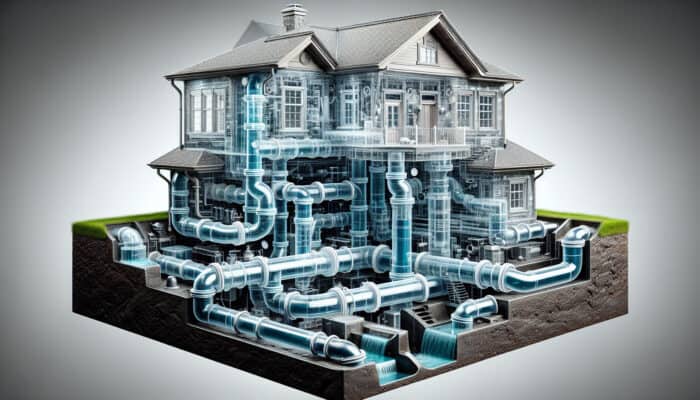
Perimeter drainage systems represent a crucial construction feature designed to effectively divert water away from the foundation of a building. This protective system is particularly essential in areas prone to heavy rainfall, such as Maple Ridge, where the risk of water damage can be significant. Homeowners must grasp the critical functions of these systems to prevent moisture-related issues that may arise over time. The primary components of a perimeter drainage system include:
- Drainage Pipes: These are the primary channels responsible for collecting and transporting excess water away from the foundation.
- Gravel or Aggregate: This material surrounds the pipes, facilitating optimal drainage and enhancing water movement.
- Catch Basins: Designed to capture surface water, these structures prevent it from infiltrating the foundation area.
- Channel Drains: Typically placed in driveways and patios, these drains reroute water away from the home’s footprint.
- Filter Fabric: This fabric acts as a barrier to keep soil from clogging the drainage system while allowing water to pass through.
- Sump Pumps: In certain systems, sump pumps are employed to actively remove accumulated water from lower areas.
- Drainage Ditches: These channels aid in guiding water away from the foundation.
- Downspout Extensions: These components effectively channel rainwater away from the foundation’s perimeter.
By understanding these essential elements, homeowners can appreciate the vital role perimeter drainage plays in managing water-related issues and safeguarding their property.
Unlock the Advantages of Installing a Perimeter Drainage System
Investing in a perimeter drainage system yields numerous benefits that go far beyond mere water diversion. These systems are fundamental for maintaining a safe and stable environment surrounding your home. Some key advantages include:
- Prevention of Basement Flooding: An effective drainage system keeps basements dry, preventing floods that could result in severe damage.
- Protection of Structural Integrity: By reducing water accumulation around the foundation, homeowners can maintain their property’s long-term stability and value.
- Improvement of Indoor Air Quality: Lower moisture levels lead to fewer mold and mildew issues, promoting a healthier living space.
- Enhanced Property Value: Homes equipped with reliable drainage systems are more appealing to potential buyers, bolstering resale value.
- Reduction of Soil Erosion: Efficient drainage systems help prevent damage to landscaping, preserving both aesthetic and functional aspects of your yard.
- Peace of Mind: Homeowners gain confidence knowing their foundation is safeguarded against potential water damage.
- Long-Term Cost Savings: Installing perimeter drainage can avert expensive repairs related to future water damage.
- Compliance with Local Regulations: Many jurisdictions, including Maple Ridge, mandate effective drainage solutions as part of building codes.
These benefits highlight the importance of perimeter drainage systems, particularly in regions susceptible to heavy rainfall.
Step-by-Step Process for Installing Your Perimeter Drainage System
Installing a perimeter drainage system can be a complex task that is best performed by professionals to ensure it meets local building codes and functions optimally. The typical installation process involves several key steps:
1. Site Assessment: Professionals evaluate the property to determine the most effective drainage solution tailored to its unique characteristics.
2. Excavation: A trench is dug around the foundation to accommodate drainage pipes, often requiring machinery to achieve the necessary depth and width.
3. Installation of Drainage Pipes: Once the trench is prepared, drainage pipes are installed, typically sloped to encourage natural water flow away from the foundation.
4. Placement of Gravel: A layer of gravel surrounds the pipes, providing support for the drainage system and enhancing water movement.
5. Backfilling: After placing the pipes and gravel, the trench is filled with soil, ensuring proper compaction to prevent later settling.
6. Final Grading: The area surrounding the excavation is graded to promote water runoff away from the house, preventing water pooling near the foundation.
Each installation is distinct and requires professional expertise to ensure the system functions efficiently. Proper installation is critical for maximizing the performance of the perimeter drainage system.
Expert Insights on Perimeter Drainage Services in Maple Ridge

Why Should You Trust Professionals for Your Perimeter Drainage Needs?
Hiring professional perimeter drainage services is essential to ensure that the system is accurately installed and operates efficiently. Experienced contractors have the knowledge and tools necessary to assess specific site conditions and implement customized solutions. For example, a recent project in Maple Ridge involved installing a perimeter drainage system around a residential property that experienced frequent basement flooding. The team conducted a thorough site analysis, confirming the need for additional drainage pipes and gravel to optimize water diversion.
After completing the installation, homeowners reported a significant reduction in water accumulation during heavy rainfall, allowing them to use their basement as intended. Professional services typically come with quality guarantees, equipping homes with durable systems designed to withstand the unique weather challenges of Maple Ridge.
What Warning Signs Indicate the Need for Perimeter Drainage Installation?
Recognizing the signs that indicate the necessity for perimeter drainage is crucial for homeowners. Common indicators include:
– Water Pooling: If you observe water pooling around your home’s foundation after significant rainfall, it is a clear signal that drainage solutions should be evaluated.
– Damp Basement Walls: Persistent dampness or moisture on basement walls may indicate water infiltration, requiring immediate action.
– Mold Growth: The presence of mold or mildew indicates high moisture levels, often resulting from inadequate drainage around the foundation.
– Soil Erosion: If the soil surrounding your home appears to be washing away, it may suggest that water is not being effectively redirected.
– Cracks in Foundation: Visible cracks or signs of settling in the foundation can indicate water damage or pressure from accumulated moisture.
Promptly recognizing these signs allows homeowners to take timely action, preventing extensive damage and costly repairs.
How Can You Ensure Your Perimeter Drainage System Operates Efficiently?
Regular maintenance of your perimeter drainage system is vital for its efficiency and longevity. Homeowners can adopt several proactive measures to ensure their systems remain in optimal condition:
1. Inspect Regularly: Schedule inspections at least twice a year to check for clogs or blockages in the drainage pipes.
2. Clear Debris: Ensure that catch basins and drainage channels are free from leaves, dirt, and other debris that could obstruct water flow.
3. Monitor for Damage: Look for signs of wear and tear in the drainage system, such as cracks in pipes or misalignment of drainage channels.
4. Check Downspouts: Verify that downspouts direct water at least 3-5 feet away from the foundation to maintain effective water diversion.
5. Flush Pipes: Periodically flush the drainage pipes with water to remove sediment buildup and ensure smooth operation.
6. Consult Professionals: If any issues arise, seek the expertise of professional drainage services to assess and resolve the situation.
By implementing these maintenance practices, homeowners can prolong the lifespan of their perimeter drainage systems and safeguard their properties from potential water damage.
How Does a Perimeter Drainage System Function Effectively?
Understanding the Key Role of Drainage Pipes
Drainage pipes form the core of any perimeter drainage system, designed to efficiently collect excess water and transport it away from the foundation. Typically installed in a sloped trench surrounding the home, these pipes leverage gravity to facilitate water flow. When rain or groundwater accumulates, the pipes quickly remove this excess moisture, preventing pooling around the foundation, which could lead to significant damage.
Often, perforated pipes are used, allowing water to enter through small openings while preventing dirt and debris from obstructing the system. This design proves particularly effective in regions like Maple Ridge, where heavy rainfall is a common occurrence. Homeowners must recognize that proper pipe sizing is essential; undersized systems can lead to backups and flooding. Therefore, hiring professionals for installation ensures that the drainage pipes are appropriately selected and positioned, maximizing their efficiency.
What Happens to the Water Collected by the Drainage System?
Once the drainage pipes collect water, they channel it toward a designated area away from the building. This diversion is crucial for preventing flooding and structural damage. The water may flow into a:
– Sump Pit: Some systems include a sump pit to collect water, which is then pumped out and away from the foundation.
– Storm Drainage System: In urban settings, collected water may be directed to a municipal storm sewer system for management and treatment.
– Dry Well: These underground structures temporarily hold water and allow it to seep back into the ground, reducing surface runoff.
– Retention Pond: Larger properties may channel water into a retention pond, where it can be stored and released gradually.
Each of these methods is designed to ensure effective water management, mitigating risks associated with accumulation and preserving the integrity of the building.
The Critical Importance of Proper Slope in Drainage Systems
Establishing an appropriate slope is vital for the effectiveness of a perimeter drainage system; it ensures that water flows away from the foundation rather than pooling around it. Ideally, the slope should be at least 1% (or a 1-inch drop per 100 inches of run) away from the foundation. This design promotes gravity-driven drainage, significantly reducing the risk of flooding or moisture damage.
If the slope is not correctly established during installation, water can accumulate near the foundation, leading to issues such as basement flooding, hydrostatic pressure on walls, or even foundation settlement. Homeowners should regularly assess the grading around their homes, especially after landscaping changes or heavy rains, to confirm that water is being effectively directed away from the foundation.
Essential Maintenance Practices for Perimeter Drainage Systems
For a perimeter drainage system to function properly, regular maintenance is essential. Homeowners should prioritize the following tasks to ensure optimal performance:
1. Routine Inspections: Schedule annual inspections with professionals to examine all components of the system, including pipes and catch basins.
2. Debris Management: Regularly clear any debris from surface drains and gutters to prevent blockages and ensure that water flows freely.
3. Check for Settling: Monitor the ground around the system for settling or changes that could impact the slope and overall functionality.
4. Pipe Cleaning: Consider having drainage pipes cleaned every few years to eliminate buildup that could impede water flow.
5. Monitor Performance: After heavy rains, observe how the drainage system performs and address any issues immediately.
These maintenance practices enhance the durability and reliability of perimeter drainage systems, ensuring homes are protected from water damage.
What Are the Major Benefits of Installing a Perimeter Drainage System?
Preventing Costly Basement Flooding with Effective Drainage Solutions
One of the most substantial benefits of a perimeter drainage system is its ability to prevent basement flooding. In regions like Maple Ridge, heavy rainfall can cause water to accumulate around foundations, increasing the likelihood of water seeping into basements. A properly functioning perimeter drainage system reroutes this water away from the foundation, keeping below-ground spaces dry and usable.
By efficiently managing water flow, homeowners can avoid the expensive repairs associated with water damage, including mold remediation and structural repairs. This proactive approach to water management ensures that basements remain free from excessive moisture, allowing homeowners to utilize these spaces for storage, recreation, or living areas without concern for flooding.
Safeguarding Your Home’s Foundation from Water Damage
Perimeter drainage systems are essential for protecting a home’s foundation. Water accumulation around the foundation can create hydrostatic pressure, exerting force on the walls and potentially resulting in cracking, settling, or compromising structural integrity. By implementing a reliable drainage system, homeowners can reduce these risks and extend the lifespan of their homes.
When water is effectively channeled away from the foundation, the surrounding soil remains stable, lessening the chances of shifts that could lead to significant issues. This proactive protection not only maintains the structural integrity of the home but can also save homeowners from costly interventions in the future.
Boosting Property Value with Efficient Drainage Solutions
A well-maintained perimeter drainage system can significantly enhance property value. Potential buyers often hesitate to invest in homes with histories of water damage or basement flooding, making properties equipped with effective drainage solutions more attractive. This system not only reflects responsible homeownership but also assures potential buyers that the home is protected against moisture-related problems.
In Maple Ridge, where heavy rainfall is prevalent, having a perimeter drainage system signals to buyers that the property is equipped to handle environmental challenges. Investing in proper drainage can yield substantial returns when it comes time to sell, as buyers prioritize homes that offer long-term protection against water damage.
Minimizing Health Risks Linked to Excess Moisture
Moisture accumulation within homes can create environments conducive to mold and mildew growth, posing health risks to residents. Perimeter drainage systems help lower these moisture levels by effectively directing water away from the foundation, ensuring that basements and crawl spaces remain dry.
Improving indoor air quality is vital for the health of all residents, particularly for those with respiratory conditions like asthma. By minimizing moisture-related risks, homeowners can promote a healthier living space for their families. This preventive measure enhances comfort and fosters overall well-being within the home.
Preventing Landscape Erosion and Maintaining Aesthetic Appeal
Well-designed perimeter drainage systems play a crucial role in preventing soil erosion around properties. Heavy rainfall can wash away topsoil and disrupt landscaping, resulting in unattractive and unstable ground conditions. By effectively managing water flow, these systems help maintain the integrity of landscapes, ensuring that plants and gardens thrive.
For homeowners in Maple Ridge, preserving the aesthetics and functionality of outdoor spaces is essential. A well-maintained drainage system protects valuable landscaping investments, contributing to the overall appeal and value of the property.
Effective Strategies for Securing Reliable Perimeter Drainage Services in Maple Ridge
How to Choose the Best Contractor for Your Drainage Services
Selecting the right contractor for perimeter drainage services is crucial for ensuring successful installation and ongoing maintenance. Homeowners should consider several factors when evaluating potential contractors:
– Experience: Seek contractors with a proven history of working with perimeter drainage systems, particularly in the Maple Ridge area, where local expertise is beneficial.
– Licensing and Insurance: Verify that the contractor holds the necessary licenses and insurance to protect against liability during the project.
– References: Request references or testimonials from previous clients to evaluate the effectiveness and reliability of their services.
– Detailed Estimates: A reputable contractor should provide a comprehensive estimate outlining the scope of work, materials needed, and associated costs.
By taking the time to choose a qualified contractor, homeowners can ensure that their perimeter drainage systems are installed correctly, offering peace of mind and long-term protection.
What Should You Anticipate During the Installation of a Drainage System?
Understanding the installation process can help homeowners prepare effectively for perimeter drainage projects. Generally, the installation timeline varies based on the complexity of the system and the specific conditions of the property.
1. Consultation: The project begins with a consultation where the contractor evaluates the property and discusses the optimal drainage solutions tailored to the homeowner’s needs.
2. Scheduling: After agreeing on a plan, the contractor schedules a date for installation, ensuring homeowners are informed of the timeline.
3. Excavation and Installation: The contractor will excavate a trench around the foundation, install drainage pipes, and backfill the area. This process typically takes one to two days, depending on the size of the property.
4. Final Grading and Cleanup: Once the installation is complete, the area will be graded to ensure proper water flow, and the contractor will clean up the worksite.
By understanding these steps, homeowners can anticipate a smoother installation experience and know what to expect throughout the process.
Long-Term Financial Benefits of Installing a Perimeter Drainage System
Investing in a perimeter drainage system can lead to significant long-term cost savings for homeowners. While the initial installation may require a considerable financial outlay, preventing future water damage and the associated repairs can far outweigh these costs.
Remediation of water damage can be exceptionally expensive, often totaling thousands of dollars for restoration, mold removal, and structural repairs. Additionally, a well-maintained drainage system can lessen the need for costly landscaping repairs due to erosion and water pooling.
Homeowners should view the installation of a perimeter drainage system as a proactive investment in their property’s future. By safeguarding against water-related concerns, they protect their investment and ensure their homes remain in excellent condition for years to come.
Key Maintenance Tips for Longevity of Drainage Systems
To ensure the longevity and effectiveness of perimeter drainage systems, homeowners should implement the following maintenance tips:
1. Regular Inspections: Schedule annual inspections with professionals to identify any potential issues before they develop into significant problems.
2. Keep Gutters Clean: Regularly clean gutters and downspouts to prevent overflow and ensure that water is directed away from the foundation.
3. Monitor Landscaping: Be aware of any changes in landscaping that may affect drainage, such as new plantings or soil erosion.
4. Prompt Repairs: Address any signs of damage within the system, including clogged pipes or settling ground, immediately to prevent further complications.
By following these maintenance strategies, homeowners can extend the lifespan of their perimeter drainage systems, ensuring continued protection against water damage.
Common Challenges with Perimeter Drainage Systems and Effective Solutions
How to Resolve Clogged Drainage Pipes Efficiently
A frequent challenge faced by homeowners with perimeter drainage systems is clogged drainage pipes. Over time, debris, sediment, and other materials can accumulate within the pipes, leading to reduced flow or complete blockages. This situation increases the risk of water backing up around the foundation, raising the likelihood of flooding.
To prevent clogs, homeowners should schedule regular cleaning and inspection of their drainage systems. This may involve professional services to clear debris and ensure that pipes remain unobstructed. Furthermore, utilizing filter fabric during the initial installation can help minimize clogging risks by preventing soil and debris from entering the drainage system.
What Actions Should You Take If Your Drainage System Fails?
If a perimeter drainage system fails, it is crucial to act promptly to identify and resolve the issue. Signs of a system failure may include water pooling around the foundation, slow drainage, or visible soil erosion.
Homeowners should first conduct a visual inspection of the system to identify any obvious blockages or damage. If necessary, consulting with professional drainage services can provide a thorough assessment. They can determine the root cause of the failure, whether it results from a design flaw, blockage, or damage, and recommend appropriate corrective measures.
Taking swift action can prevent further damage to the home and ensure that water management remains effective.
Upgrading Your Existing Drainage System for Better Performance
Many homeowners may find their existing perimeter drainage systems inadequate as properties age or environmental conditions change. Upgrading to a more efficient system can significantly enhance water management and protection against flooding.
When considering an upgrade, homeowners should evaluate their current system’s efficiency and pinpoint areas for improvement. This may involve enlarging drainage pipes, adding more catch basins, or incorporating additional features like sump pumps. Consulting with drainage professionals can help homeowners determine the best course of action based on specific needs and property conditions.
Investing in an upgraded system not only boosts protection against water damage but can also increase the overall value of the property.
Recognizing Indicators of a Failing Drainage System
Several signs may indicate that a perimeter drainage system is failing and requires immediate attention. Homeowners should remain vigilant for:
– Slow Draining: If water is pooling or taking longer than usual to drain, it may signify a blockage within the system.
– Water Backups: Any indication of water reversing toward the foundation suggests that the drainage system is not functioning properly.
– Dampness in Basements: Persistent moisture or mold growth in basements may indicate that water is not being effectively diverted.
– Visible Erosion: Signs of soil erosion around the foundation or landscaping can imply inadequate water management.
By monitoring these signs, homeowners can take timely action and consult professionals to address any issues before they escalate.
The Benefits of Utilizing Professional Maintenance Services
Engaging professional maintenance services for perimeter drainage systems is a proactive strategy to ensure their ongoing efficiency. Regular inspections by qualified professionals can detect potential issues early, allowing for timely repairs and maintenance.
During these inspections, professionals can assess the entire drainage system, including pipes, catch basins, and grading. They can provide recommendations for necessary repairs or upgrades, ensuring that the system continues to function optimally. Investing in professional maintenance not only prolongs the lifespan of the drainage system but also protects the home from possible water damage.
Frequently Asked Questions About Perimeter Drainage Systems
What Is the Purpose of Perimeter Drainage?
Perimeter drainage refers to a specialized system designed to collect and redirect water away from a building’s foundation, preventing water accumulation and safeguarding against damage.
How Does Perimeter Drainage Function?
Perimeter drainage operates by channeling water through a network of drainage pipes installed around the foundation, facilitating its flow away from the home to designated areas.
What Signs Suggest That I Need Perimeter Drainage?
Indicators include water pooling around the foundation, damp basement walls, mold growth, soil erosion, and visible cracks in the foundation.
How Often Should I Maintain My Perimeter Drainage System?
Regular maintenance should be scheduled at least once a year, with additional inspections following heavy rainfall to ensure the system is functioning correctly.
Can I Install Perimeter Drainage Myself?
While DIY installation is feasible, it is advisable to hire professionals to ensure proper installation and compliance with local building codes.
What Are the Advantages of Perimeter Drainage?
Benefits include preventing basement flooding, protecting the foundation, enhancing property value, reducing health risks from moisture, and minimizing landscape erosion.
What Is the Typical Duration of Installation?
Installation generally takes one to two days, depending on the complexity and size of the property.
What Should I Expect During the Installation Process?
Expect a site assessment, excavation, drainage pipe installation, backfilling, and final grading to ensure proper water flow away from the foundation.
What Causes Drainage Pipes to Become Clogged?
Clogged drainage pipes can result from debris, sediment buildup, tree roots, and other materials obstructing water flow.
How Can I Prevent Drainage System Failure?
Regular inspections, clearing debris, monitoring for signs of damage, and prompt repairs can help prevent drainage system failure.
Connect with us on Facebook!
The Article: Perimeter Drainage Services in Maple Ridge: Your Solution First Published On: https://pacificbluemechanical.ca/
The Article Perimeter Drainage Services: The Solution for Maple Ridge Was Found On https://limitsofstrategy.com



I loved your breakdown of perimeter drainage—it’s like the unsung hero of home construction! It’s fascinating how something as mundane as drainage pipes can save a homeowner from the aquatic version of a horror movie. I mean, who wants a “Moisture Mansion” where the walls sweat more than a marathon runner?