Crucial Factors to Consider for Successful Relocation in Preparedness Planning
Key Influencing Elements in Your Relocation Choices

As you embark on a journey to relocate as a prepper, it is essential to perform a comprehensive evaluation of numerous personal and situational factors. Begin by thoroughly assessing your unique needs and preferences. These considerations may encompass aspects such as family size, individual skills, and lifestyle choices. Prioritizing security is vital; thus, avoid high-crime areas and regions prone to natural disasters. Additionally, assess the availability of essential resources like water, food, and energy. Access to these crucial elements can greatly influence your long-term survival and self-sufficiency in the chosen location. Finally, do not overlook the psychological comfort that a new environment can provide—having a sense of belonging and safety is essential for your overall well-being and preparedness for any potential emergencies.
Evaluating the advantages and disadvantages of different geographic locations is critical in your decision-making process. Ideal relocation sites are typically characterized by stable climates, lower population densities, and minimal crime rates. For instance, remote areas with natural barriers like mountains or rivers can provide enhanced security and isolation. Conversely, regions with fertile land are preferable for agricultural activities. It is also important to consider the proximity of essential services and whether these services can remain operational during crises. Each of these factors significantly contributes to a comprehensive understanding of what defines an appropriate relocation destination.
What Are the Fundamental Aspects That Characterize a Safe Relocation?
Gaining insight into the essential elements that contribute to a secure relocation is vital for improving your preparedness strategy. The main considerations encompass safety, accessibility, and sustainability. Safety involves not only the absence of crime but also the area’s susceptibility to natural disasters. Locations prone to earthquakes, floods, or hurricanes can pose significant challenges for preppers seeking long-term survival. Accessibility relates to the ease of reaching your new location and the availability of crucial resources, including food and medical supplies.
Sustainability is a vital component regarding how self-sufficient a location can be concerning resource availability. The presence of renewable energy sources such as solar or wind power can significantly enhance a community’s resilience. Additionally, having access to arable land is essential for sustainable food production, which is crucial for long-term survival. A well-devised relocation strategy should also consider the potential for community development, as a collaborative environment encourages resource sharing and mutual assistance during emergencies.
How Can You Thoroughly Evaluate Resource Availability?
When searching for a new location, conducting a meticulous evaluation of resource availability is paramount. Water is the most critical resource; therefore, investigating local water sources such as rivers, lakes, or groundwater is essential. Assess the quality and seasonal availability of the water to ensure that your community can maintain hydration throughout the year. Implementing rainwater harvesting systems or drilling wells can supplement local supplies, but these initiatives require careful planning and foresight.
Food availability is another vital aspect to contemplate. An ideal relocation site should feature fertile land suitable for agriculture and possibly nearby forests for foraging or hunting. Researching local flora and fauna can provide valuable insights into what can be sustainably cultivated or harvested. Evaluating energy sources is equally important; locations that provide access to solar, wind, or hydroelectric power can ensure a reliable energy supply and reduce dependence on external systems. Each of these resources must be assessed thoroughly to guarantee a self-sufficient lifestyle in the face of increasing global uncertainties.
How Do You Evaluate Community and Social Dynamics for Your Relocation?

A robust community can greatly enhance individual preparedness, making it crucial to analyze local social dynamics before making your relocation. Evaluating the preparedness level of the surrounding community is essential. Proactive and engaged neighbors can serve as invaluable allies during crises, while a community that lacks preparedness may hinder efforts and increase vulnerability. Investigating local groups or networks focused on survivalism or prepping can be advantageous, as these communities often engage in mutual aid and resource sharing.
Social stability is another fundamental element. Areas characterized by high levels of social cohesion typically exhibit lower crime rates and more effective collective responses during emergencies. Observing how the community has reacted to recent challenges, such as natural disasters or economic downturns, can provide insights into their resilience. Assessing the availability of local resources, such as community gardens or mutual aid networks, can enrich your relocation strategy, ensuring you have access to essential support systems.
Professional Insights on Effective Prepper Relocation Strategies
What Standards Should Direct Your Choice of an Ideal Relocation Site?
Selecting the most appropriate relocation site necessitates a careful combination of thorough research and real-world evaluation. Successful prepper relocations often hinge on specific criteria, including geography, community preparedness, and resource availability. For example, a family that relocated to a small town in Canada discovered that the local population was generally self-sufficient, boasting a strong tradition of community gardening and hunting. This communal spirit provided a crucial safety net during emergencies.
The characteristics of a location heavily influence your decision. Areas that are remote yet still accessible to essential infrastructure often provide the balance many preppers seek. For instance, selecting a site with natural barriers like mountains can enhance safety, while proximity to a sustainable water source can satisfy hydration needs. Real-world examples indicate that preppers frequently prioritize elevation to avoid flooding and seek regions with fertile soil for agriculture to guarantee they can cultivate food independently.
What Actions Should You Take to Prepare for Diverse Emergency Scenarios?
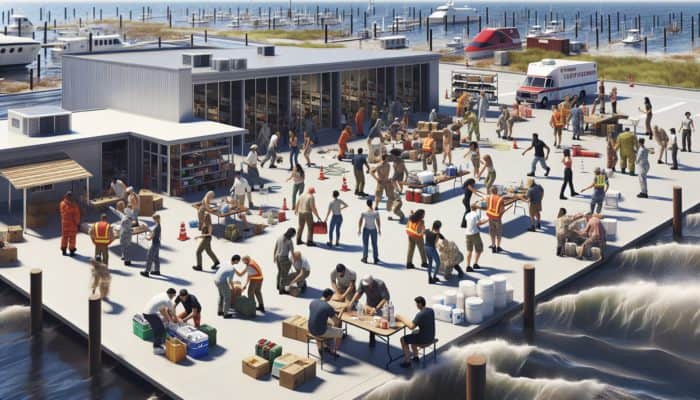
To improve overall preparedness, it is essential to outline actionable steps for addressing multiple emergency scenarios at your new relocation site. Begin by conducting a comprehensive risk assessment of the area, identifying potential threats such as natural disasters, economic collapse, or civil unrest. Each scenario should have a tailored response plan that defines community roles and specifies the resources necessary for effective management.
Developing drills for various emergencies can significantly boost your community’s preparedness. For instance, a coastal community might focus on hurricane preparedness, regularly conducting drills for evacuation routes and constructing storm shelters. Furthermore, securing vital supplies and devising a storage plan for food and medical resources can greatly enhance resilience. Involving community members in training sessions fosters a sense of collective responsibility, motivating individuals to contribute actively to emergency readiness.
What Approaches Should You Implement for Efficient Relocation Planning?
Effective relocation planning demands a multifaceted strategy that prioritizes timing, logistics, and contingency plans. Timing is crucial; relocating during favorable weather seasons—such as steering clear of winter storms—facilitates a smoother transition. Create a timeline that incorporates milestones for packing, moving, and integrating into your new community.
Logistics must be meticulously organized. Determine the means of transportation for moving essential supplies, ensuring they are accessible and easy to retrieve. Creating a checklist of items to be moved can streamline this process. Contingency planning is equally vital; prepare for unforeseen events by establishing backup plans for resource acquisition or alternative evacuation routes. A well-prepared plan alleviates stress during the relocation process, providing peace of mind as you transition to your new environment.
Creating a Resilient Prepper Community
What Best Practices Should Guide the Establishment of Community Guidelines?
Establishing a solid community framework is crucial for promoting cooperation and enhancing resilience. Creating clear guidelines and expectations helps all members understand their roles and responsibilities within the group, ensuring a cohesive and effective team. This framework may encompass rules regarding resource sharing, conflict resolution, and emergency response protocols. Maintaining clear communication and transparency in decision-making processes will strengthen trust among community members.
In addition to developing community guidelines, holding regular meetings can facilitate discussion and feedback, allowing for adjustments as the community evolves. Encouraging input from all members nurtures a sense of ownership and engagement. Key community values, such as mutual respect, cooperation, and shared responsibility, should be emphasized, forming a solid foundation for collaborative efforts.
Which Skills Are Essential for Ensuring Community Survival?
A thriving prepper community relies on a diverse skill set that enhances its chances of survival during crises. Essential skills include farming, which ensures a consistent food supply through sustainable agricultural practices. Community members should be knowledgeable about permaculture, crop rotation, and seed saving, all of which contribute to a resilient food system.
Medical knowledge is another critical area; having trained medical personnel within the community can significantly enhance survival prospects during healthcare emergencies. Skills in first aid, emergency response, and herbal medicine can complement traditional medical resources and ensure that health needs are met even in the absence of conventional healthcare systems. Engineering skills can also provide invaluable support for constructing shelters, developing renewable energy systems, and maintaining essential infrastructure.
How Can You Facilitate the Smooth Integration of New Members into the Community?
As communities grow, integrating new members becomes vital for maintaining security and cohesion. Implementing a vetting process to evaluate potential new members based on their skills, experience, and alignment with community values ensures that new arrivals positively contribute to the group dynamic.
Creating a welcoming integration process can help new members acclimate smoothly. This may involve orientation sessions that introduce them to community guidelines, existing members, and local resources. Encouraging participation in community activities fosters early connections and builds rapport. Establishing mentorship opportunities can also aid in integrating new members by pairing them with seasoned community members who can guide them through the adjustment period.
What Steps Can You Take to Ensure Long-Term Security?
What Physical Security Measures Are Essential for Community Safety?
Achieving long-term security in a prepper relocation site requires implementing robust physical security measures. Start by designing secure entry points, such as fortified gates and surveillance systems, to control access and monitor activities around the perimeter. This not only deters potential threats but also ensures a swift response to any unauthorized intrusions.
Physical barriers, such as fencing or natural obstacles like thorny bushes, can reinforce the security perimeter. Conducting regular security assessments helps identify vulnerabilities and adapt measures accordingly. Moreover, community involvement in security patrols fosters a collective sense of responsibility, creating a proactive culture focused on maintaining safety and security for all members.
How Can You Effectively Train for Emergency Response?
Regular training sessions are essential for preparing community members for various emergency scenarios. Creating specialized teams focused on different areas—such as fire response, medical emergencies, or security—ensures that all members are well-prepared and equipped. Conducting drills that simulate various situations provides hands-on experience in managing real-life emergencies.
Incorporating expert-led training can significantly enhance the community’s overall preparedness and resilience. Inviting professionals to conduct workshops on first aid, fire safety, or self-defense not only boosts individual confidence but also fosters a culture of collective readiness. Establishing a routine for drills and training ensures that preparedness remains a priority within the community, equipping members with the knowledge and skills necessary for effective emergency response.
What Are the Most Effective Techniques for Conflict Resolution Within the Community?
To maintain peace and order within the community, it is crucial to establish effective conflict resolution strategies. Some key techniques include:
- Facilitated discussions to address grievances openly and constructively.
- Establishing a mediation committee to handle disputes impartially.
- Encouraging a culture of active listening and empathy among members.
- Implementing conflict resolution training to equip members with the necessary skills.
- Creating a community charter that outlines acceptable behavior and consequences.
- Holding regular community meetings to maintain open lines of communication.
- Providing resources—such as counseling or conflict management tools—to support resolution efforts.
- Encouraging accountability and personal responsibility among community members.
These strategies can help mitigate conflicts before they escalate, fostering a harmonious living environment.
Proven Techniques for Achieving Successful Prepper Relocation
How Can You Efficiently Secure Essential Resources?
Expert analysis of securing essential resources is vital for successful prepper relocation. Water should be your top priority; invest in filtration systems and storage tanks to ensure a reliable supply. Assess the potential for groundwater access and familiarize yourself with local water laws to understand your rights regarding water usage.
Food security involves establishing multiple sources of sustenance. Communities should plan for sustainable agricultural systems that include crop diversity and effective livestock management to ensure steady food supplies. For energy, consider renewable sources like solar panels or wind turbines, which can provide long-term energy solutions while reducing reliance on external systems. Streamlining resource management through cooperative efforts can enhance community resilience and ensure that all members thrive.
How Can You Build a Strong Support Network for Your Community?
Real-world examples demonstrate how effective support networks significantly strengthen a community’s resilience. Preppers often connect with local groups or organizations that share similar values, facilitating the exchange of resources and skills through barter systems. Networking with nearby prepper communities can promote resource exchanges, emergency support, and knowledge sharing among like-minded individuals.
Utilizing social media platforms and forums also provides additional avenues for building connections with like-minded individuals. Hosting workshops or skill-sharing events can help consolidate relationships while fostering skill development within the community. Establishing a formalized support network encourages collaboration and resource sharing, ensuring the community remains strong and self-sufficient.
What Legal Factors Should You Address During Your Relocation?
Addressing legal considerations when relocating is crucial to ensure compliance and protect your community. Key points include:
- Understanding property rights, including zoning regulations and land use permits.
- Ensuring access to natural resources such as water and timber on the property.
- Researching local laws regarding agriculture, livestock, and hunting.
- Familiarizing yourself with building codes to ensure compliant shelter construction.
- Obtaining necessary permits for alternative energy systems like wind or solar.
- Reviewing local regulations regarding community gatherings and safety protocols.
- Consulting with legal experts to efficiently navigate complex regulations.
- Staying informed about any changes in local policies that may affect your community.
Being aware of legal considerations can help prevent future conflicts and maintain a stable environment for your prepper community.
How Can You Select the Most Suitable Location for Your Relocation?
Choosing the ideal relocation site necessitates a thorough analysis of various factors. Safety is paramount; prioritize locations with low crime rates and minimal disaster risks. Accessibility is another crucial consideration; proximity to essential services, such as medical facilities and transportation routes, can significantly impact survival during crises.
Sustainability should also inform your decision-making process. Communities located near renewable resources, fertile land, and clean water sources are prime candidates for relocation. Additionally, consider the area’s social dynamics; vibrant, engaged communities often offer a supportive network for preppers. The culmination of these factors will guide your decision-making process, ensuring a well-rounded approach to relocation.
Prioritizing Health and Well-being in a Prepper Community
How Can You Guarantee Access to Medical Care for Community Members?
Planning for medical emergencies is a critical aspect of maintaining community health. Establishing a community health center can centralize medical resources and personnel, ensuring that all members receive adequate attention. Training community members in first aid and basic medical procedures can significantly enhance preparedness during emergencies.
Incorporating telemedicine solutions can also improve access to healthcare services. Partnering with local healthcare providers for regular check-ups and assessments can further strengthen your community’s health framework. Establishing protocols for emergencies—such as a triage system—can streamline care during crises, ensuring that serious cases receive timely attention.
What Are the Best Practices for Supporting Mental Health Within the Community?
Mental health is equally important in a prepper community, as stress and anxiety can stem from uncertain circumstances. Promoting mental wellness through community activities can create a supportive atmosphere. Regular social gatherings, workshops, and recreational events can foster connections and mitigate feelings of isolation.
Offering counseling services or peer support groups can provide essential outlets for members facing challenges. Implementing stress management techniques, such as mindfulness practices or physical fitness programs, can promote mental well-being. By prioritizing mental health, communities can enhance their resilience, ensuring all members can navigate challenges effectively.
How Can You Implement Sustainable Food Production Practices?
Implementing sustainable farming practices is vital to guarantee a steady food supply for the community. Adopting methods such as permaculture, crop rotation, and organic farming can enhance soil quality and yield. Engaging in community gardening initiatives enables members to collaborate while cultivating a diverse range of crops that meet communal needs.
Educating members about food preservation techniques—such as canning, drying, or fermenting—can extend the lifespan of harvested produce. Establishing a seed bank can help maintain crop diversity and prepare for future planting seasons. By fostering sustainable food practices, your community can ensure long-term self-sufficiency and resilience in the face of crises.
Why Is It Essential to Encourage Physical Activity in the Community?
Promoting regular exercise within the community can significantly enhance overall physical health and well-being. Establishing community sports programs or fitness classes can provide members with enjoyable and engaging ways to stay active. Organizing outdoor activities such as hiking, biking, or gardening can combine exercise with community bonding.
Creating designated spaces for physical activity, such as community gardens or sports fields, can encourage regular participation. Additionally, hosting wellness challenges or friendly competitions can motivate members to prioritize fitness. By fostering a culture of health and well-being, communities can bolster resilience, preparing individuals to face both physical and psychological challenges during times of crisis.
Frequently Asked Questions About Prepper Relocation
What is the optimal location for a prepper community?
The optimal location for a prepper community includes areas with low crime rates, access to fresh water, fertile land for agriculture, and renewable energy sources. Proximity to essential services also enhances safety and resilience.
How can I ensure food security within a prepper community?
Food security can be ensured by adopting sustainable agricultural practices, diversifying crops, establishing community gardens, and implementing food preservation techniques. Collaborative efforts enhance resource sharing among community members.
What emergency scenarios should I prepare for?
Prepare for various scenarios, including natural disasters, economic collapse, or pandemics. Tailor response plans for each situation and conduct regular drills to ensure community readiness.
How can I integrate new members into a prepper community?
Integrate new members through a vetting process, followed by orientation sessions. Encourage participation in community activities to foster connections and build relationships.
What skills are vital for survival in a prepper community?
Vital skills include farming, medical knowledge, engineering, and self-defense. Diverse expertise enhances the community’s ability to face challenges and ensures collective resilience.
How do I address conflicts within the community?
Address conflicts through facilitated discussions, establishing a mediation committee, and promoting active listening. Creating a community charter can also outline acceptable behavior and resolution processes.
What physical security measures should I implement?
Implement secure entry points, physical barriers, and surveillance systems to enhance safety. Conduct regular security assessments to identify vulnerabilities and ensure community members are involved in security patrols.
How can I maintain mental health in a prepper community?
Promote mental health by organizing community activities, providing counseling services, and implementing stress management techniques. Regular social interactions can foster connections and reduce feelings of isolation.
What legal considerations should I keep in mind when relocating?
Consider property rights, zoning regulations, agricultural laws, and building codes. Familiarize yourself with local regulations to ensure compliance and protect your community.
How can I build a support network for my prepper community?
Build a support network by connecting with local groups, hosting workshops, and creating opportunities for resource sharing. Engaging with like-minded individuals strengthens resilience and enhances communal bonds.
Explore our world on X!
The post Prepper Relocation Guide: Universal Strategies appeared first on Survival Bite.
The Article Relocation Guide for Preppers: Essential Strategies Was Found On https://limitsofstrategy.com