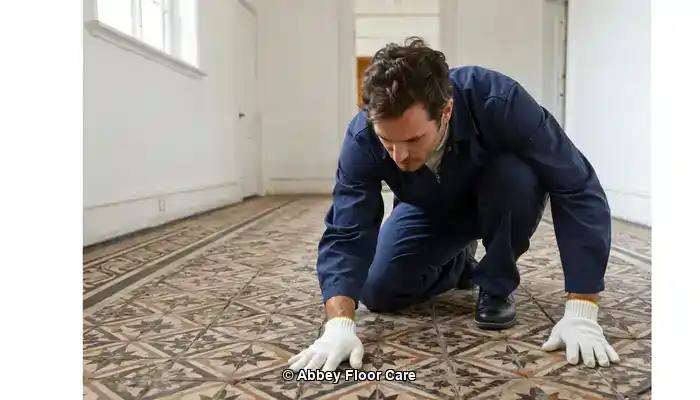
Last Updated on October 30, 2025 by David
Essential Insights from the Expert Guide on Reviving Colour and Pigment in Victorian Mosaic Tiles
- Victorian mosaic tiles often lose their vibrancy due to ingrained dirt, aged coatings, and surface wear—not just the passage of time.
- Avoiding harsh chemicals and vigorous scrubbing is crucial as these actions can strip original pigments, particularly from encaustic and geometric tiles.
- Commencing safe restoration involves thorough cleaning using pH-neutral solutions and low-speed rotary machines fitted with soft brushes.
- It is essential to carefully remove old sealers and waxes to uncover the true condition of the tile surface.
- Enhancing colour is achievable with breathable, stone-safe sealers that enrich tone without leaving a glossy finish.
- Engaging professional restoration services can rejuvenate original pigments without resorting to repainting or artificial coloration, thereby preserving authenticity.
- Maintaining restored tiles requires gentle cleaning routines and avoiding acidic or bleach-based products.
- Utilizing heritage-sensitive methods protects both aesthetic appeal and historical value.
Exploring Effective Techniques for the Restoration of Victorian Tiles
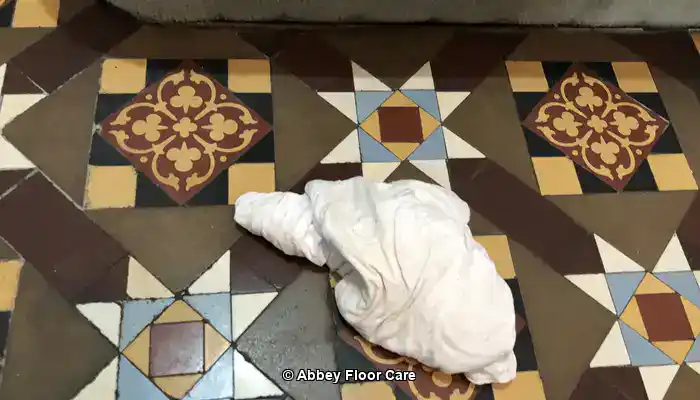
Abbey Floor Care restoring the colour to a Victorian clay tile floor using a colour-enhancing impregnating sealer.
Victorian encaustic and mosaic tiles are crucial components of British architectural heritage, celebrated for their intricate craftsmanship and unique colour palettes derived from mineral pigments that are fused directly into the clay tile bodies. These tiles not only contribute aesthetic value but also encapsulate a rich history requiring diligent preservation and expert restoration to uphold their unique charm and significance.
Expert Tip: Must-Have Products for Daily Maintenance of Victorian Tiles
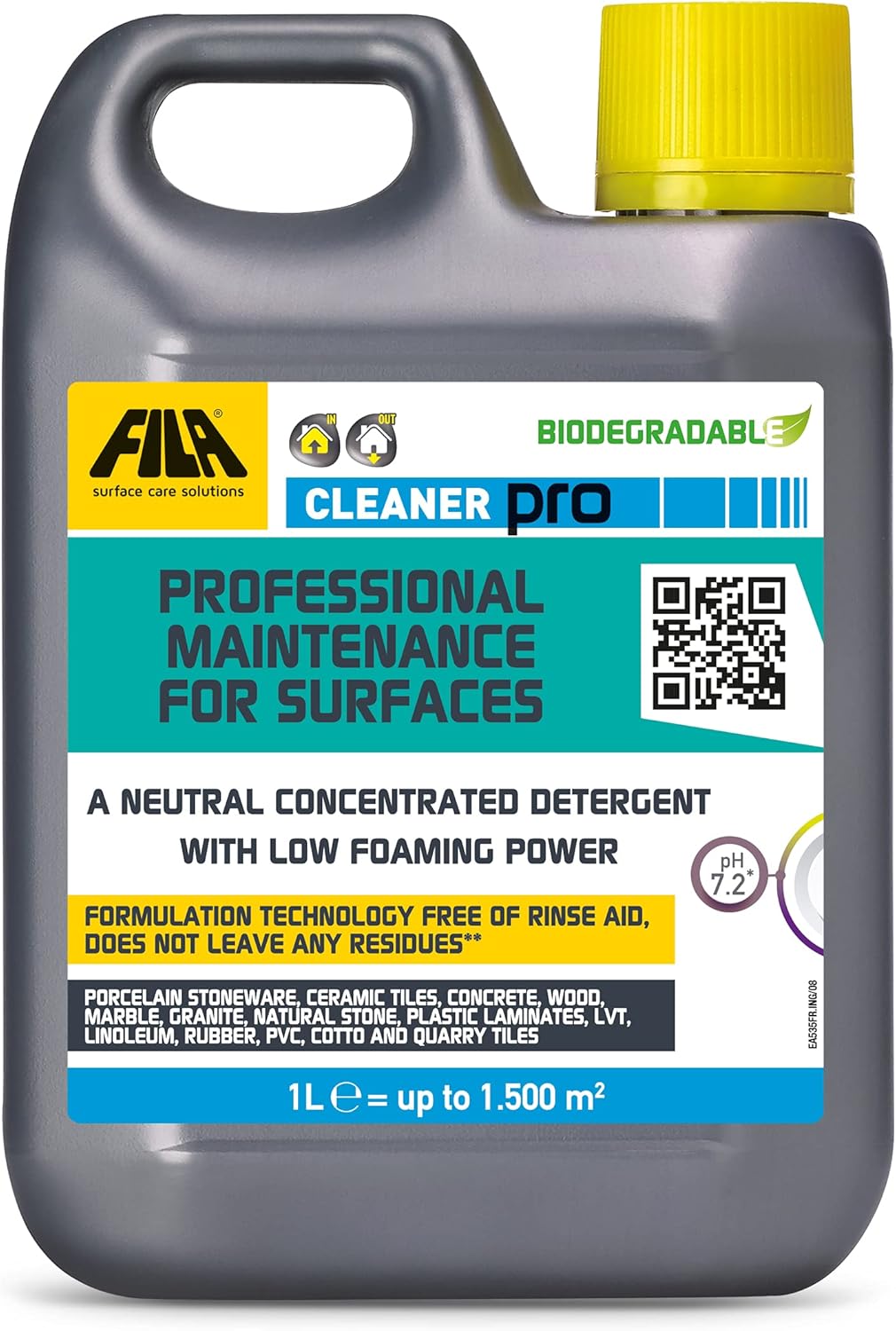
Fila Pro Floor Cleaner
|
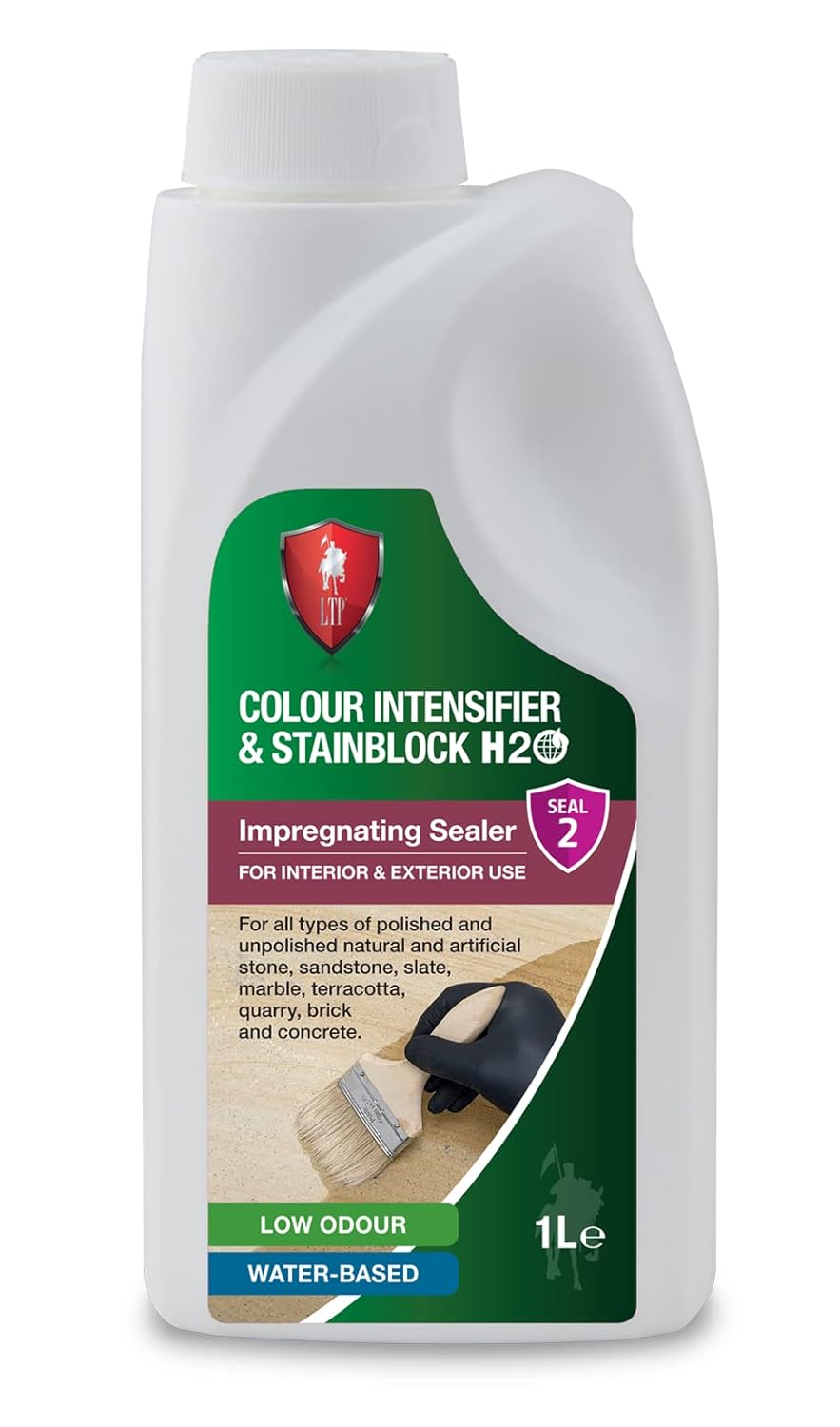
LTP Colour Intensifier & Stainblock H20
|
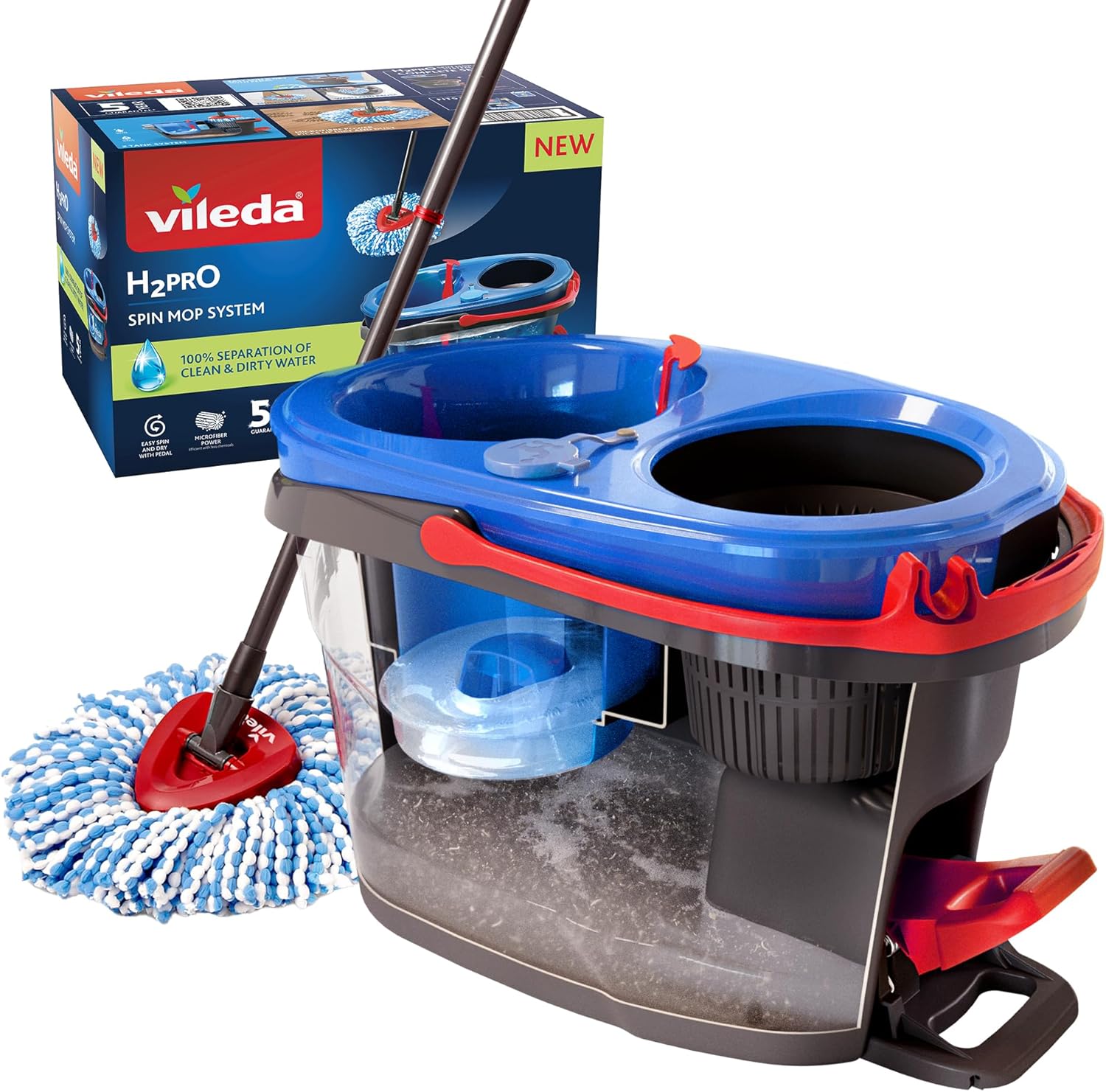
Vileda H2PrO Spin Mop System
|
Over time, however, these tiles frequently lose their visual appeal due to factors such as surface wear, harsh chemical effects, and environmental influences. The process of restoring their original vibrancy is a specialized task requiring a comprehensive understanding of the materials involved, historically accurate techniques, and high-quality products to ensure effective and lasting results that respect the tiles’ heritage.
What Leads to Colour Loss and Surface Dulling in Victorian Mosaic Tiles?
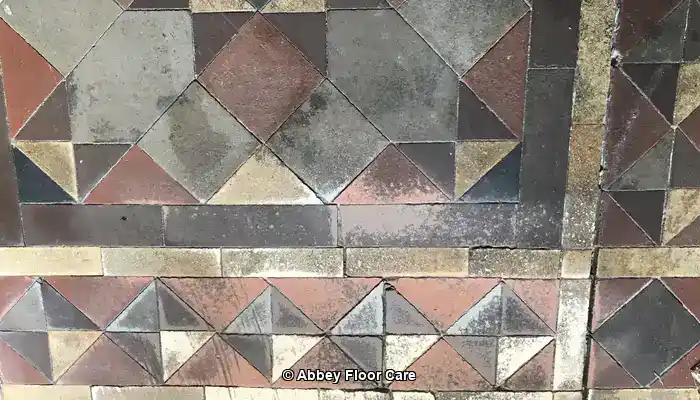
Example of Victorian Clay Tile Floor dulled through surface wear and damage.
Despite the integral nature of pigments in the tiles, several factors contribute to their fading and dulling:
- Accumulated dirt and grime: Continuous foot traffic introduces fine particles and oils that permeate porous surfaces, scattering light and muting colours.
- Wax and polish buildup: Layers of non-breathable wax or sealants trap moisture, leading to a cloudy or yellowed appearance that diminishes the vibrancy of the tiles.
- Moisture-driven issues: Many Victorian tiles were installed over subfloors without damp-proof membranes, resulting in rising damp that carries soluble salts. These salts crystallize on the tile surface as efflorescence, obscuring the original tones and details.
- Physical abrasion: Small surface scratches, which accumulate from years of foot traffic, disrupt smooth light reflection, further diminishing visual richness and clarity.
Effective restoration meticulously addresses each of these contributors while respecting the tile’s historical and aesthetic integrity, ensuring the tiles can be enjoyed for generations to come.
Why is Breathability Critical When Damp-Proof Membrane is Absent?
Given that many Victorian tiled floors exist on older subfloors lacking a damp-proof membrane (DPM), it becomes crucial that their natural clay structure remains permeable. This permeability allows moisture from the subfloor to evaporate freely. Non-breathable wax coatings or film-forming sealers obstruct this essential evaporation pathway, leading to moisture accumulation beneath the surface. Such entrapment can result in salts and humidity causing efflorescence and degradation of the surface minerals, as well as the undesirable issue known as wax blooming—a whitish film or haze on the tile. Restoration strategies must prioritize breathable impregnating sealers that protect tiles while allowing moisture vapour to escape, thus preventing long-term damage and preserving the integrity of the tiles.
Gaining a Comprehensive Understanding of Pigments and Tile Composition
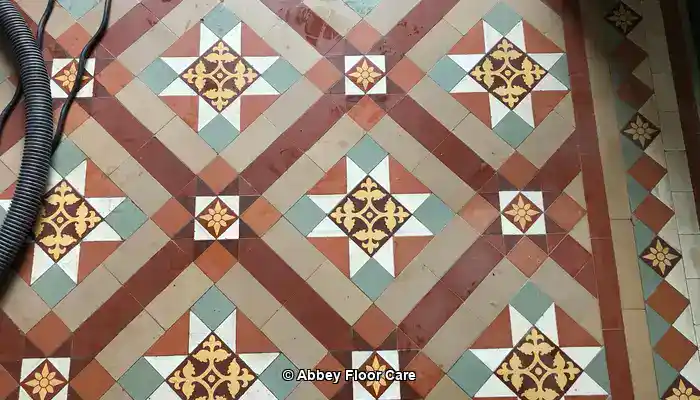
An example of different pigments in a Victorian Clay tile floor during restoration by Abbey Floor Care
Investigating the Mineral Oxide Pigments Utilized in Victorian Tiles
Victorian mosaic and encaustic tiles derive their distinctive earthy colours from mineral oxide pigments embedded directly into the clay. These pigments not only provide durability but also enhance colour depth. The primary pigments include:
- Iron oxide: responsible for terracotta reds, rust browns, and soft ochres.
- Manganese: yields deep browns and rich blacks.
- Cobalt: offers varying shades of blue.
- Chromium: produces natural green tones.
Understanding the Firing and Fusion Process of Victorian Tiles
During the manufacturing process, the tiles are fired at temperatures around 1100°C. This vitrification process fuses the pigments deep into the tile body, ensuring that the colour permeates through the tile rather than merely resting on the surface. As a result, this process offers lasting vibrancy and resilience to the tiles, making them a sustainable choice for historic spaces.
Recognizing the Characteristics of a Porous Unglazed Finish in Victorian Tiles
Victorian tiles typically exhibit a porous, unglazed matte finish, granting them a natural aesthetic appeal. However, this porosity makes the tiles absorbent and vulnerable to surface contamination and moisture, necessitating careful cleaning and maintenance to preserve their integrity and beauty over time.
Understanding Colour Durability Variability Among Different Tiles
Natural earth pigments, particularly in red and yellow tiles, tend to contain fewer mineral additives than darker hues like black, which include manganese. This difference in composition indicates that red and yellow tiles are generally less hard-wearing and more susceptible to surface dishing under heavy foot traffic. Such wear manifests as shallow depressions where footfall concentrates, leading to uneven colour intensity and a loss of surface flatness.
Key Considerations for Effective Restoration of Victorian Tiles
A comprehensive understanding of pigment composition and tile wear patterns is essential when planning a restoration. Softer-toned tiles require gentler cleaning techniques and specially formulated impregnating sealers that respect their physical attributes while enhancing colour vibrancy. Darker, harder tiles can endure more intensive cleaning but still necessitate breathable, colour-enhancing protections to maintain their vividness over time and ensure lasting beauty.
Utilizing Effective Cleaning Techniques to Restore Victorian Mosaic Tiles
Thorough cleaning is fundamental to restoring Victorian encaustic and mosaic tiles to their original splendour. However, the cleaning process requires a specialized approach that goes beyond standard pH-neutral detergents. Professional restorers utilize carefully formulated alkaline cleaners and mechanical techniques to dismantle heavy soiling and residual substances without compromising the historical integrity of the tile fabric.
Beginning with the Removal of Debris from Victorian Tiles
The cleaning process starts by removing all loose dirt and grit using soft brushes or vacuuming with brush attachments. This initial step is vital to prevent scratching the delicate tile surfaces during subsequent cleaning phases, ensuring a safe and effective restoration process that respects the tiles’ heritage.
Employing Alkaline Cleaners for Intensive Soil Removal
Unlike pH-neutral cleaners, which often lack the necessary chemical strength to target ingrained fatty acids and organic soils, alkaline cleaners are essential for thoroughly breaking down household oils, grease, and sticky residues that frequently accumulate on tile surfaces and in grout lines. These alkaline formulations dissolve the binding agents of dirt, sugars, and fats, facilitating effective removal while remaining compatible with the mineral composition of Victorian tiles. Professional-grade alkaline products, such as PS87 PRO or tailored formulations from heritage cleaning specialists, are typically used in diluted form. This ensures thorough cleaning without excessive aggression towards the clay body, preserving the tile integrity.
Enhancing Cleaning Efficacy with Mechanical Agitation Using Appropriate Cleaning Pads
Mechanical action significantly enhances cleaning efficacy. Low-speed rotary scrubbers fitted with red or, occasionally, green non-abrasive pads are commonly employed to agitate soils from small pits, tile surfaces, and grout lines. These pads effectively clean while protecting the integrity of tile edges and delicate surface details, ensuring a thorough yet gentle cleaning process that respects the historic nature of the tiles.
Effectively Removing Waxes and Exotic Sealants from Tiles
Years of use often lead to the accumulation of old waxes and sealants, particularly from DIY attempts with unsuitable products. Water-based cleaners—whether alkaline or mildly acidic—are preferred for removing these residues without damaging the tile’s mineral structure. However, stubborn ‘exotic’ or solvent-resistant coatings require targeted solvent-based removers, such as Lithofin Wax-Off or LTP Solvex. These solvents effectively soften and emulsify waxes and old sealants but must be handled with care by professionals trained in their safe application and disposal to ensure optimal results.
Understanding the Importance of Proper Rinsing and Drying After Cleaning
After the chemical cleaning process, thorough rinsing is critical to eliminate all cleaning residues. Multiple rinses with clean water, combined with wet vacuum extraction, ensure that no detergent or solvent traces remain to interfere with subsequent restoration coatings. Drying times vary based on environmental conditions, such as humidity, surface type, and moisture content. Restoration experts always utilize moisture meters to confirm that the tiles are completely dry before applying any impregnating sealers or protective treatments. This meticulous approach prevents moisture entrapment that could otherwise cause efflorescence, staining, or damage beneath sealed layers, safeguarding the tiles’ integrity.
The Benefits of Comprehensive Cleaning for Victorian Tiles
Thorough cleaning reveals the true condition of the tiles by eliminating visual obstructions. This process exposes areas that may require repair and provides a clean, receptive surface for colour-enhancing impregnators or other restorative products. This careful preparation is fundamental to the success and longevity of Victorian mosaic tile restoration, ensuring that the tiles retain their beauty and historical significance.
Enhancing Colour with Premium Impregnating Sealers for Victorian Tiles
Restorers utilize impregnating colour-enhancing sealers manufactured by LTP and Lithofin, brands recognized for their advanced, heritage-approved formulations. Unlike superficial coatings, these sealers:
- Deeply penetrate tile pores to physically enrich colour by altering light refraction, thus restoring vibrancy.
- Maintain vapour permeability, essential for moisture escape, which is particularly critical in older floors lacking DPM layers.
- Provide durable protection against stains and foot traffic without altering the natural texture or gloss of the tiles.
- Applied in multiple light coats, allowing each layer to penetrate before the next is added, ensuring complete uniformity in appearance.
These sealers directly combat fading by restoring vibrancy while preserving the historic floor’s breathable nature, ensuring longevity and maintaining aesthetic appeal for future generations.
Repairing Damaged Tiles and Mastering Colour Tinting Techniques for Authentic Restoration
Tiles that exhibit chips, cracks, or missing pieces require careful repair utilizing tinted epoxy or lime-based mortars, colour-matched with natural mineral oxides for seamless blending. Restoration specialists often source matching replacement tiles from salvage archives to maintain pattern continuity and historical accuracy. Colour tinting involves selectively applying wax or resin mixtures infused with earth pigments to seamlessly blend worn or missing pattern areas while respecting tile breathability and reversibility, ensuring an authentic restoration that honors the original craftsmanship.
Implementing Best Practices for Successful Colour Tinting
- Employ small, controlled applications to avoid overt colouring and maintain authenticity.
- Conduct patch testing on inconspicuous areas before complete application to ensure compatibility.
- Ensure compatibility with the impregnating sealers applied across the entire surface for uniformity and durability.
Ensuring Longevity of Restored Victorian Mosaic Floors Through Proper Maintenance
To sustain restored colour and condition, ongoing care is essential:
- Routine cleaning with pH-neutral, non-abrasive detergents specifically designed for historic tiles is crucial.
- Implement preventive measures, such as placing entrance mats to minimize dirt ingress and protect the tiles.
- Promptly clean up liquid spills, particularly acidic substances like vinegar or wine, to prevent surface etching and damage.
- Regularly reapply breathable impregnating sealers every 3–5 years or as wear necessitates to maintain protection.
- Closely monitor floors for signs of efflorescence or moisture ingress that may indicate underlying damp issues requiring immediate attention.
Identifying and Avoiding Common Mistakes in Restoration Projects
- Avoid wax treatments that can obstruct breathability, cause efflorescence, or lead to wax blooming and further deterioration.
- Do not use acrylic or polyurethane sealants that trap moisture and lead to degradation of the tile’s surface.
- Limit the use of harsh chemical cleaners, as they can erode clay and pigments, further compromising the tiles’ integrity.
- Never repaint tiles; paint films alter their visual and physical properties and are not reversible, leading to potential damage.
- Recognize and address issues in older subfloors before sealing to prevent future complications.
Showcasing Successful Restoration Projects as Proven Examples
Real-world examples underscore the successful application of these principles:
A Case Study: Restoration of a Victorian Hallway in Sheffield
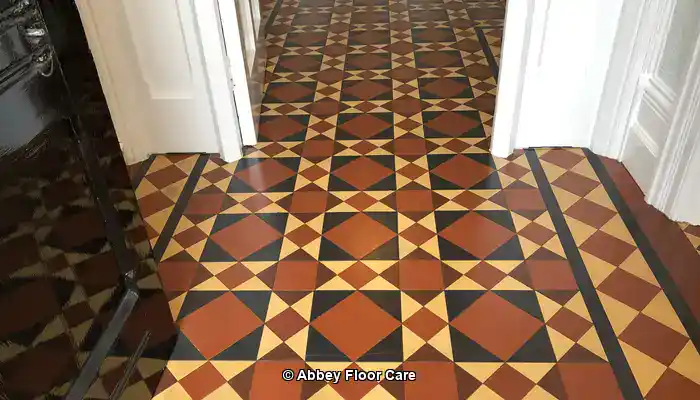
Our cleaning process effectively removed years of wax and grime, followed by applying a Lantania Avo colour-enhancing impregnating sealer that visibly deepened the tile colours. This was complemented by the application of an acrylic topical sealer to provide surface protection on floors laid over a damp-proof membrane.
Overview of Civic Mosaic Floor Restoration Project in Chesterfield
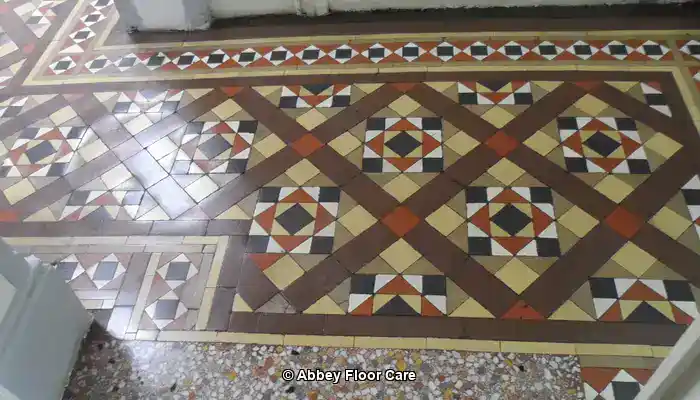
Following the cleaning and removal of outdated topical sealers, the floor was sealed with an LTP Colour Enhancing Impregnating sealer. The surface was further protected with a wax, meticulously applied to seamlessly integrate the clay tiles into the building’s historic fabric, ensuring the preservation of its heritage.
Championing Cultural Heritage Through Expert Restoration Practices
Restoring the colour and pigment of Victorian mosaic tiles represents a multifaceted endeavour that integrates material science, skilled craftsmanship, and a profound sensitivity to heritage values. By utilizing premium impregnating colour-enhancing sealers from industry leaders such as Dry Treat, Lantania, and Lithofin, one can ensure long-term breathability, protection, and vibrancy of colour. Expert cleaning, meticulous repair, and dedicated maintenance are essential components in maintaining authenticity while rejuvenating these historic floors for future generations to appreciate and enjoy.
Frequently Asked Questions Regarding the Restoration of Victorian Mosaic Tiles
What Are Victorian Mosaic Tiles and Why Are They Significant?
Victorian mosaic tiles are decorative tiles popular in the 19th century, renowned for their vibrant colours and intricate patterns. These tiles were commonly used in both public buildings and private homes, showcasing the artistry and craftsmanship of the era, making them an essential part of cultural heritage.
How Can I Achieve Successful Restoration of Faded Victorian Mosaic Tiles?
Restoring faded Victorian mosaic tiles involves a series of critical steps: cleaning, repairing any damages, applying new pigments to replicate the original colours, and sealing the tiles to protect them from future wear and degradation, ensuring their vibrancy is restored.
What Essential Materials Are Needed for Effective Tile Restoration?
Essential materials for tile restoration include specialized cleaning solutions, pigments, adhesives, grout, and protective sealants, all selected for their compatibility with the original tiles to ensure an effective and authentic restoration that respects the historical significance of the tiles.
How Long Does the Tile Restoration Process Typically Take to Complete?
The duration of tile restoration varies significantly based on the size and condition of the area being restored, typically ranging from a few days for smaller projects to several weeks for larger restorations, depending on the extent of the work required.
Is It Feasible to Undertake the Restoration on My Own?
Yes, smaller restoration projects can be completed as DIY tasks if you possess the necessary skills and tools. However, more complex repairs usually require professional expertise to guarantee quality results and avoid potential damage that could compromise the tile’s integrity.
What Is the Estimated Cost Involved in Restoring Victorian Mosaic Tiles?
Costs can fluctuate significantly based on the project’s size and condition, typically ranging from a few hundred to several thousand pounds for comprehensive restorations, depending on the extent of the work required and the materials used.
How Do I Select the Right Restoration Expert for My Needs?
When selecting restoration professionals, seek those with experience in historic projects, positive reviews, and a demonstrated commitment to using authentic materials and techniques for the best results in restoring and preserving the tiles.
What Common Challenges Do Restorers Encounter During Projects?
Restorers often face challenges such as matching original colours, repairing damaged tiles, and ensuring the longevity and effectiveness of the restoration work, all of which require skill and experience to navigate successfully.
How Can I Effectively Maintain Restored Tiles Over Time?
Regular cleaning with pH-neutral products, avoiding harsh chemicals, resealing periodically, and promptly addressing any damage are crucial steps for maintaining the condition and appearance of restored tiles, ensuring their long-term beauty.
What Innovations Are Currently Being Implemented in Tile Restoration Techniques?
Recent innovations in tile restoration encompass advanced cleaning solutions, new sealant types, and digital technologies that facilitate precise colour matching and pattern replication in restoration projects, enhancing the overall quality of work and the preservation of these historic tiles.
The article Restoring Colour and Pigment to Faded Victorian Mosaic Tiles was first found on https://www.abbeyfloorcare.co.uk
The Article Restoring Faded Victorian Mosaic Tiles to Their Original Colour appeared first on https://fabritec.org
The Article Restoring Victorian Mosaic Tiles to Their Original Color Was Found On https://limitsofstrategy.com