Enhance Your Cooking Skills with Professional Techniques for Quail Preparation
Learn How to Choose the Freshest Quail for Ultimate Flavor Satisfaction

Choosing the freshest quail is crucial for creating rich and satisfying flavors in your dishes. When you shop for quail, pay close attention to the birds; they should have clear eyes and firm flesh. A high-quality quail feels substantial for its size, indicating it has been well-nourished and is of excellent quality. To ensure freshness, buy your quail from trustworthy sources like a local butcher or a nearby farmer’s market. Don’t hesitate to ask about their sourcing methods to guarantee top-notch quality. The visual signs can tell you a lot; dull colors or unpleasant odors signal that the quail may not be fresh, and these signs should not be overlooked.
Additionally, consider the size of the quail; younger, smaller birds typically provide a more tender texture paired with a milder flavor, while larger quails can deliver a richer taste experience. Familiarize yourself with various quail breeds available in the U.S., such as Coturnix and Bobwhite, as each breed has unique flavor profiles and cooking traits. Understanding these differences can greatly enhance your smoking experience and improve your final dish.
Master the Art of Brining Quail for Enhanced Flavor and Moisture
Brining your quail in a brine solution can significantly boost both moisture retention and flavor, resulting in juicy meat that explodes with taste. To prepare a brine, mix water, salt, and sugar at a ratio of about 1 cup of salt and 1/2 cup of sugar per gallon of water. You can enhance this basic brine by adding flavor components such as crushed garlic, fresh herbs, or spices that infuse the quail with unique tastes. Carefully immerse the quail in a large container, ensuring they are fully submerged in the brine solution for optimal flavor absorption.
Let the quail soak in the brine for several hours; while a minimum of 4 hours is advisable, brining overnight can yield even more outstanding results. This technique not only enhances flavor but also tenderizes the meat, making it even more delightful post-smoking. After the brining period, rinse the quail thoroughly under cold water to eliminate excess salt and sugars, preventing an overly salty flavor.
Why is Patting Quail Dry Essential Before Smoking?
Once your quail has been brined, the next vital step is to pat the birds dry, which is critical for the smoking process. This preparation enables the skin to crisp up beautifully during smoking, enhancing the delicate flavors we aim for. Use paper towels to gently pat the quail, removing any lingering surface moisture that could interfere with the smoking process. This step is essential; too much moisture can cause steaming instead of smoking, which dulls flavor and texture.
In addition to drying, this is also a perfect time to inspect each bird for any remaining feathers or impurities. A clean, well-prepared quail not only tastes better but also looks more appealing when served. Furthermore, if you wish, you can lightly season the quail at this stage, ensuring that your chosen rub or seasoning sticks effectively to the dry skin.
Selecting the Right Wood for Outstanding Smoking Results

Exploring Different Types of Wood for Smoking Quail
The type of wood you choose for smoking quail has a profound impact on the flavor profile of your final dish. Each wood variety imparts unique flavors; for quail, milder woods like apple and cherry are ideal due to their gentle sweetness, which beautifully complements the meat’s delicate flavor. These woods allow the natural characteristics of the quail to shine through without being overpowered by harsh smokiness.
Avoid using stronger woods like hickory or mesquite for quail, as their robust flavors can overshadow the bird’s subtle taste. If you want to experiment, consider mixing a small portion of a stronger wood with milder varieties, but do so cautiously to ensure the quail’s flavor remains the star. For a balanced flavor profile, fruit woods are excellent options because they offer versatility and enhance the overall taste while keeping the experience light and enjoyable.
What Quantity of Wood Should You Use for Optimal Flavor When Smoking Quail?
The amount of wood used during the smoking process can significantly influence the intensity of the smoke flavor in your quail. For the best results, use small amounts of wood to maintain the delicate profile of the meat. Typically, around 2-3 chunks of wood are sufficient for effective smoking, ensuring that the flavor remains subtle and enjoyable without overshadowing the quail’s natural characteristics.
It’s advisable to start with a smaller amount of wood, as you can always add more if you want a stronger flavor. If you find the flavor too mild after your initial smoking attempt, gradually increase the quantity in future sessions. Always remember that the goal is to enhance the quail’s flavor without overwhelming it; delicate meat deserves a thoughtfully curated smoking experience.
When is the Best Time to Add Wood to the Smoker for Optimal Results?
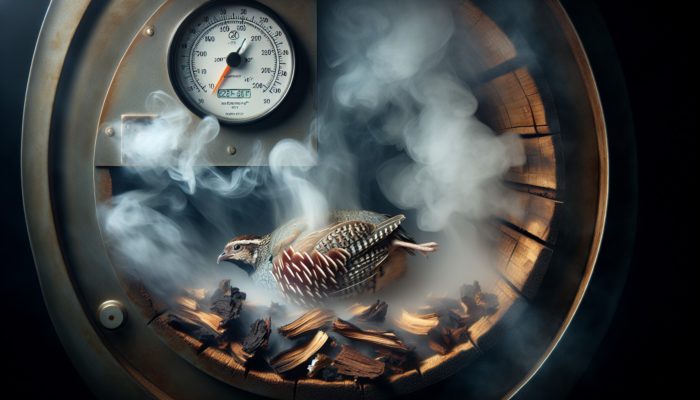
Timing is crucial when it comes to adding wood to your smoker for the best smoking results. For optimal outcomes, introduce wood at the start of the smoking process. Once your smoker reaches the desired temperature, typically between 225-250°F, place your wood on the coals or in the smoker box, depending on your specific setup. This timing allows the wood to begin smoldering right away, releasing aromatic smoke that envelops the quail as it cooks.
Ensure that your wood is adequately dry, as wet wood can create steam instead of smoke. Keep a close eye on your smoker’s temperature during this phase, as fluctuations can affect both the smoking duration and the flavor profile of your quail. Consistent heat is vital for an even cook and optimal smoke absorption.
Preparing Your Smoker for Successful Quail Smoking
Selecting the Right Smoker for Effective Quail Smoking
The type of smoker you choose can greatly impact your quail’s final outcome. Electric, charcoal, and pellet smokers each offer different advantages for smoking quail. Electric smokers are particularly user-friendly, providing consistent temperatures that make them a fantastic option for beginners. They allow you to concentrate on other aspects of the smoking process without constantly managing the fire.
On the other hand, charcoal smokers provide a traditional smoking experience, delivering a deeper flavor due to the natural combustion of the charcoal. Although they require more attention to maintain steady temperatures, many pitmasters favor them for the rich flavors they can achieve. Pellet smokers merge the convenience of electric smoking with the flavors of classic wood smoking, using compressed wood pellets that provide a wide range of flavor profiles.
When choosing your smoker, consider your experience level, the flavor profile you wish to achieve, and the time you can dedicate to overseeing the smoking process. Each type can yield delicious results if you can effectively control the temperature.
How to Maintain Ideal Temperature for Delicate Flavor in Smoked Quail
Keeping the right temperature is essential for achieving that delicate flavor when smoking quail. The optimal smoking temperature for quail is between 225-250°F. This temperature range lets the quail cook slowly while absorbing the wood smoke, ensuring that the meat remains tender and juicy throughout the process.
Utilizing a reliable thermometer is crucial for tracking the internal temperature of the smoker. A digital probe thermometer can help you closely monitor the heat, enabling necessary adjustments as needed. If your smoker experiences temperature fluctuations, consider placing a water pan inside to help stabilize the heat and maintain moisture levels.
For the best results, resist the urge to raise the temperature to speed up the cooking time. Slow and steady cooking is vital for unlocking the full flavor potential of your quail, ultimately leading to a superb outcome that highlights the bird’s natural charm.
How Long Should You Smoke Quail for Ideal Flavor and Texture?
Smoking quail typically requires about 1-2 hours at the recommended temperature range of 225-250°F. However, the exact duration may vary based on the size of the quail and the specific smoker you are using. The most reliable method to check doneness is by using a meat thermometer, aiming for an internal temperature of 165°F.
Begin checking the internal temperature after approximately one hour of smoking. This step is crucial; overcooking can make the meat tough and dry, while undercooking can pose food safety risks. Keep a vigilant eye on the smoker’s temperature throughout the cooking process, as even slight fluctuations can drastically impact cooking time.
Once the quail reaches the desired internal temperature, carefully take it out from the smoker and prepare it for resting. This resting period is vital as it allows the juices to redistribute, resulting in juicy and flavorful quail that will surely impress your guests.
Expert Techniques for Smoking Quail to Achieve Exceptional Flavor
What Techniques Do Experienced Smokers Use?
Professionals in smoking quail often utilize a combination of brining and careful wood selections to achieve the ideal flavor. Brining is a critical step that enhances moisture and infuses rich flavors deep into the meat. Many experts recommend using a brine infused with herbs and spices tailored to the desired flavor profile of the dish.
Regarding wood selection, seasoned smokers typically favor mild fruitwoods like apple or cherry, as these offer a subtle sweetness that pairs beautifully with quail. Additionally, they emphasize maintaining consistent temperatures throughout the smoking process, which can be monitored by regularly checking the smoker’s heat and making necessary adjustments.
One practical example of expert technique involves keeping meticulous records during the smoking process. Many seasoned smokers log essential details such as temperature, time, wood type, and even weather conditions to refine their techniques over time. This practice helps them replicate successful smoking sessions and serves as a valuable learning tool for future attempts.
How Do Professionals Monitor the Smoking Process for Optimal Results?
Monitoring the smoking process is crucial for achieving the best results when smoking quail. Experts recommend using high-quality thermometers, such as meat probes, which can remain in the quail throughout the cooking process. This approach allows for continuous monitoring of the internal temperature without needing to open the smoker and risk losing heat.
Moreover, regularly recording the smoker’s temperature assists in making necessary adjustments to the heat. Experts often maintain detailed logs of the smoking conditions, noting any variations or adjustments throughout the process. This information is invaluable for perfecting future smoking sessions.
Regularly checking on the quail is equally important. Look for visual indicators; the skin should appear slightly crispy and browned, suggesting that the smoke is penetrating effectively. This careful attention to detail ensures that the quail achieves the ideal flavor and texture, culminating in a dish that delights the palate.
What Common Mistakes Should You Avoid When Smoking Quail?
One common mistake when smoking quail is over-smoking, which can overpower the bird’s delicate flavor. Experts advise against using excessive wood or smoking at too high a temperature, as over-smoking can create a bitter taste that masks the quail’s natural qualities.
Another frequent error is neglecting the brining process. Skipping this essential step can result in dry, flavorless meat that fails to showcase the full potential of the quail. Proper brining ensures moisture retention and flavor enhancement, making it a crucial part of preparation.
Additionally, many novice smokers underestimate the importance of closely monitoring cooking times and temperatures. Allowing the quail to smoke without regular checks can lead to overcooking or undercooking, both of which detract from the quality of the dish. Paying careful attention to these factors can help you avoid common pitfalls and elevate your quail smoking techniques.
Exploring Seasoning and Rubs for Amplified Quail Flavor
Essential Seasoning Techniques to Elevate Quail’s Natural Flavor
When seasoning quail, a minimalist approach often yields the most impressive results. Basic seasonings like salt, pepper, and fresh herbs can enhance the bird’s inherent flavors without masking them. Experimenting with subtle herbs such as rosemary or thyme can add aromatic depth that beautifully complements the smoky profile.
Timing is also crucial when applying your seasonings. While some prefer to apply seasonings post-brining, others find that incorporating herbs and spices before the brining process allows flavors to penetrate more deeply into the meat. This method can create a more pronounced flavor profile that remains well-balanced.
For a simple yet effective seasoning blend, consider mixing equal parts of salt and pepper, then adding a teaspoon of your chosen herbs. Rub this mixture evenly over the quail, ensuring an even distribution that enhances every bite. The goal is to elevate the quail’s natural flavors while allowing the smoking process to contribute its unique essence.
Which Rubs Work Best for Quail to Boost Flavor?
Rubs are an excellent way to infuse additional flavor into your smoked quail. Mild flavors work best to enhance the bird’s taste without overwhelming it. A rub featuring a blend of paprika, garlic powder, and a hint of brown sugar can add depth while maintaining the quail’s delicate taste.
For a balanced rub, consider utilizing the following ingredients:
- 1 tablespoon paprika
- 1 tablespoon garlic powder
- 1 tablespoon onion powder
- 1 teaspoon brown sugar
- 1 teaspoon black pepper
- 1 teaspoon salt
- 1 teaspoon dried thyme
- 1 teaspoon ground mustard
Mix these ingredients thoroughly and store them in an airtight container until you are ready to use them.
Applying rubs is an art form. Be sure to massage the rub gently into the quail’s skin, allowing the flavors to adhere and penetrate the meat. This technique is crucial for creating layers of taste that will be highlighted during the smoking process.
How to Effectively Apply Rubs and Seasonings to Quail for Maximum Flavor
Evenly applying rubs and seasonings over the quail is essential for achieving a balanced flavor profile. Start by ensuring the quail is dry after the brining process. Take your chosen rub and generously sprinkle it over the surface of the quail, making sure to coat all sides, including the cavity.
Gently massage the rub into the skin, carefully working it into any crevices or folds. This step not only enhances flavor but also creates a beautiful crust as the quail cooks, contributing to the dish’s overall aesthetic appeal. It’s crucial to allow the quail to rest for at least 30 minutes after seasoning, permitting the flavors to meld and thoroughly infuse into the meat.
When applying rubs, consider your personal taste preferences. If you enjoy a spicier kick, feel free to add a pinch of cayenne or chili powder to the mix. Conversely, for a more aromatic experience, additional herbs like oregano or basil can be included. The objective is to create a harmonious blend that complements the quail’s natural flavors and enhances the smoking experience.
Advanced Techniques for Perfecting Your Quail Smoking
Direct vs. Indirect Smoking: Which Method Works Best for Quail?
When smoking quail, the technique you select can greatly influence the final dish. Indirect smoking is generally preferred for quail, as it prevents the delicate meat from burning. In this method, the quail is positioned away from the direct heat source within the smoker. This approach allows for a slower, more even cooking process, which is essential for maintaining the bird’s tenderness and ensuring even smoke penetration.
By placing the quail indirectly, you reduce the risk of charring the exterior while the interior remains undercooked. This method is particularly beneficial for smaller birds like quail, which can easily dry out if exposed to high heat for extended periods.
Utilizing this technique not only enhances flavor but also creates a more enjoyable eating experience. The result is a beautifully smoked quail with a crispy exterior and juicy interior that your guests will rave about.
How Does Your Smoking Method Influence Flavor and Texture?
The smoking method you choose can greatly affect the final flavor of the quail. Indirect smoking allows for a gradual infusion of smoke, resulting in a more delicate taste profile that highlights the bird’s natural qualities. This slow cooking process enables the meat to absorb the aromatic qualities of the wood, enriching the overall flavor without overpowering it.
In contrast, direct smoking can lead to a harsher, more pronounced smoke flavor, which is less suitable for delicate meats like quail. The intense heat can also dry out the meat, detracting from its inherent qualities.
Experimenting with various smoking methods can yield different results, so finding the right balance is essential. For quail, the indirect method is widely regarded as the best approach for achieving finely tuned flavor and texture.
Using a Water Pan to Maintain Moisture While Smoking Quail
Incorporating a water pan into your smoker setup can drastically influence the moisture levels of your smoked quail. By placing a water pan inside the smoker, you can help sustain humidity, which keeps the quail moist throughout the cooking process. This is particularly beneficial for smaller birds like quail, which can dry out quickly during smoking.
Fill the water pan with water or a flavorful liquid like apple juice to enhance the aromatic experience. The steam generated from the water pan helps regulate the smoker’s temperature while adding moisture to the air, creating a more forgiving smoking environment.
Be sure to regularly check the water level throughout the smoking process, as it will evaporate over time. Keeping the pan filled ensures that the quail remains juicy and flavorful, ultimately improving the overall dining experience. Using a water pan is a minor adjustment that can yield significant improvements in the final dish.
The Significance of Resting and Serving Your Smoked Quail
Why Allowing Your Quail to Rest is a Vital Step
Resting the quail after smoking is a critical step that is often overlooked. Once the quail has reached the desired internal temperature and is removed from the smoker, allow it to rest for about 10 minutes. This resting period facilitates the redistribution of juices throughout the meat, resulting in a more succulent and flavorful experience when served.
If you skip this essential step, you risk losing valuable juices that can escape as soon as the quail is cut into. A well-rested bird will retain more moisture, providing a tender bite that highlights the care taken throughout the smoking process.
During this resting time, consider preparing your side dishes or garnishing your plate. This preparation allows for a seamless transition from smoker to table, ensuring that your guests experience the best possible presentation of your smoked quail.
Expert Techniques for Elegantly Carving Smoked Quail for Beautiful Presentation
Carving smoked quail can be somewhat tricky due to its small size, but with a sharp knife and a steady hand, it can be done elegantly. Begin by positioning the quail breast-side up. Use a sharp knife to separate the legs from the body, cutting through the joint where the leg connects to the carcass.
After removing the legs, move on to the wings, making similar cuts along the joint. For the breast meat, carefully slice along the breastbone, working in a downward motion to neatly remove the flesh from either side. Aim for thin, even slices to enhance presentation and ease of eating.
Consider plating the quail artfully, perhaps by fanning the slices on a platter or arranging the legs and wings attractively. This attention to detail can elevate your dish, making it suitable for special occasions or casual gatherings alike.
What Are the Best Accompaniments to Serve with Smoked Quail for a Complete Meal?
Pairing smoked quail with the right accompaniments can significantly enhance the overall meal experience. Light side dishes such as a fresh salad or roasted vegetables are excellent choices that complement the rich, smoky flavor without overwhelming the palate. A citrus-based sauce, such as a lemon or orange glaze, can also provide a refreshing contrast to the quail’s inherent richness.
Consider the following options for a well-rounded meal:
- Mixed greens salad with vinaigrette
- Roasted seasonal vegetables
- Garlic mashed potatoes
- Wild rice pilaf
- Citrus salad with arugula
- Grilled asparagus with balsamic reduction
- Quinoa salad with fresh herbs
- Coleslaw with a light dressing
These accompaniments not only pair beautifully with smoked quail but also enhance its flavor, creating a balanced and delightful dining experience for your guests.
Storing and Reheating Smoked Quail Properly
How Long Can You Store Smoked Quail Without Compromising Quality?
Properly storing smoked quail is essential to maintain its quality and flavor. Once cooled, smoked quail can be kept in the refrigerator for up to 3 days. Ensure you place it in an airtight container to prevent moisture loss and flavor degradation.
If you plan to store the quail for longer than three days, freezing is a great option. When properly stored in freezer-safe bags or vacuum-sealed containers, smoked quail can last for up to 3 months. Be sure to label your bags with the date to help you keep track of freshness.
When storing, avoid placing hot quail directly into the fridge, as this can raise the refrigerator’s temperature and compromise food safety. Allow the quail to cool to room temperature before refrigerating or freezing.
Best Practices for Reheating Smoked Quail to Preserve Quality
Reheating smoked quail requires a gentle approach to maintain its unique flavor and texture. The best method for reheating is in the oven at a low temperature, around 250°F. This technique allows the quail to warm evenly without drying out.
Before reheating, consider covering the quail with foil to retain moisture during the process. Heat the quail for about 15-20 minutes, checking frequently to ensure it does not overcook. This method helps preserve the quail’s tenderness and juiciness, allowing you to enjoy it as if it were freshly smoked.
If you find that the quail has dried out slightly during storage, consider serving it with a light sauce or broth to add moisture back into the meat, enhancing the overall experience.
How to Freeze Smoked Quail for Future Enjoyment Without Compromising Flavor?
Freezing smoked quail is a convenient option for enjoying this delicacy later. To freeze quail, place it in vacuum-sealed bags or wrap it tightly in plastic wrap followed by aluminum foil for added protection. This method helps prevent freezer burn and preserves the quail’s flavor for future enjoyment.
When you’re ready to use it, thaw the quail overnight in the refrigerator. Never refreeze thawed quail, as this can negatively impact its texture and flavor. Once thawed, reheat the quail using the methods previously discussed to restore its original qualities.
Freezing smoked quail is an excellent way to extend its shelf life while still providing you with a delicious meal option on busy days.
Reheating Smoked Quail in the Microwave: Tips for Quality Maintenance
Reheating smoked quail in a microwave is a quick option, but it requires careful attention to avoid overcooking. Start by placing the quail in a microwave-safe dish and covering it with a damp paper towel. This helps retain moisture and prevents the quail from drying out during the reheating process.
Set your microwave to medium power and heat the quail in short intervals, approximately 30 seconds at a time. Check the temperature frequently to ensure it warms evenly. If the quail is not adequately heated, continue microwaving in small increments until it reaches a warm internal temperature.
While the microwave can be a convenient reheating option, it may not yield the same quality result as oven reheating. Use this method as a last resort when time is of the essence, and be mindful of keeping the quail moist throughout the process.
Creative Ways to Experiment with Flavors in Smoked Quail
How to Infuse Unique Flavors with Herbs and Spices in Your Brine
Experimenting with various herbs and spices in your brine can lead to unique flavor profiles that elevate your smoked quail to new heights. Consider incorporating aromatic ingredients like dill, coriander, or even a hint of cinnamon into your brine mixture. These additions can create an intriguing contrast to the natural sweetness of the quail.
When crafting your brine, remember to balance the flavors. Overdoing a potent herb can easily overpower the quail, while a subtle infusion can enhance its natural characteristics. For a basic herb brine, consider mixing the following:
- 1 cup salt
- 1/2 cup sugar
- 1 gallon water
- 1 tablespoon dill seeds
- 1 tablespoon coriander seeds
- 1 teaspoon ground cinnamon
Allow the quail to soak in this mixture for several hours or overnight, depending on the desired intensity of flavor. The result is a beautifully flavored quail that offers a delightful twist on traditional smoking techniques.
Incorporating Different Woods to Create Unique Flavor Profiles
Integrating various types of wood can create complex flavor profiles for your smoked quail. Mixing fruitwoods like apple and cherry can provide a balanced sweet and fruity taste that pairs beautifully with the quail’s delicate flavor. This combination enhances the overall experience, producing a depth of flavor that keeps each bite interesting and satisfying.
When experimenting with wood combinations, start with small amounts of each type and adjust according to your taste preferences. A good starting ratio is a 50/50 blend, but feel free to modify based on your previous experiences.
Additionally, consider the smoking time and temperature, as these factors will influence how the flavors meld together. Experimentation is key; keep detailed notes on your wood combinations, cooking times, and results to refine your technique and achieve the perfect flavor blend.
What Are Some Creative Serving Ideas for Smoked Quail?
Serving smoked quail in innovative ways can transform a simple dish into a gourmet experience. Here are some unique serving ideas to consider:
- Incorporate quail into a fresh salad with mixed greens and a citrus dressing for a refreshing meal.
- Serve on a charcuterie board alongside an assortment of cheeses, fruits, and artisan breads.
- Create a gourmet sandwich using artisan bread and fresh toppings like arugula and aioli.
- Present quail as a stunning centerpiece for a rustic dinner party, garnished with fresh herbs.
- Use smoked quail in tacos or wraps, adding colorful garnishes for a vibrant presentation.
- Pair with seasonal fruits such as figs or peaches for a sweet contrast to the smoky flavor.
- Offer quail as part of a tasting menu, showcasing different wood flavors with each dish.
- Create a hearty quail hash with potatoes and vegetables for a delightful brunch option.
These creative serving ideas not only enhance the dish but also provide an opportunity to impress your guests with unique flavor pairings and artistic presentations.
Exploring Marinades and Rubs for Enhanced Flavor in Smoked Quail
Experimenting with different marinades and dry rubs can further amplify the flavor of quail before smoking. Consider using citrus-based marinades, which can add brightness and acidity, perfectly balancing the richness of the smoked meat. A simple marinade made from olive oil, lemon juice, and garlic can work wonders, tenderizing the quail while infusing it with flavor.
For those seeking a spicier kick, consider crafting a marinade incorporating chili paste, lime juice, and fresh herbs. Marinate the quail for several hours or overnight to allow the flavors to penetrate deeply into the meat. For dry rubs, try combining spices such as cumin, coriander, and smoked paprika to create a bold and flavorful crust.
Ultimately, the key to successful marinades and rubs lies in balancing flavors to enhance the quail’s natural sweetness without overpowering it. Keep experimenting to discover the combinations that best suit your taste preferences.
Infusing Smoke with Aromatics for Unique Flavor Experiences
Infusing smoke with aromatic ingredients can elevate your smoked quail to new heights. Incorporate elements like citrus peels, fresh herbs, or even tea leaves in the smoker to create unique flavor profiles. For instance, adding lemon or orange peels to the wood can impart subtle citrus notes that brighten the smoky flavor.
Herbs such as rosemary or thyme can also be utilized to enhance the smoke. Place fresh sprigs directly onto the wood before smoking, allowing their oils to release and mingle with the smoke. This technique provides an added layer of flavor that perfectly complements the quail.
Experiment with different combinations to discover your favorite aromatic infusions. However, exercise caution, as some ingredients may release stronger flavors that could overpower the delicate nature of the quail. A careful balance will lead to a memorable and delicious final dish.
Frequently Asked Questions About Smoking Quail: Your Questions Answered
Can I smoke frozen quail for convenience?
Yes, you can smoke frozen quail, but it’s advisable to thaw it in the refrigerator first for even cooking results.
What internal temperature should quail reach for safe consumption?
Quail should achieve an internal temperature of 165°F for safe consumption.
Can I use a gas grill for effectively smoking quail?
Yes, you can use a gas grill to smoke quail by utilizing a smoker box or wrapping wood chips in foil.
How long should I brine quail for optimal flavor results?
Brining quail for a minimum of 4 hours is recommended, but overnight brining will yield even better outcomes.
Is it better to smoke quail with the skin on or off for moisture retention?
It is advisable to smoke quail with the skin on, as it helps retain moisture and adds flavor during the cooking process.
What sides pair excellently with smoked quail for a complete meal?
Light side dishes such as salads, roasted vegetables, and citrus-based sauces complement smoked quail beautifully.
Can I over-smoke quail and affect its flavor?
Yes, over-smoking can lead to a bitter flavor, so it’s crucial to monitor wood usage and smoking time carefully.
How do I know when my smoked quail is done cooking safely?
Use a meat thermometer to check for an internal temperature of 165°F to ensure that it is fully cooked.
Can I reheat smoked quail in a microwave for convenience?
Yes, reheating smoked quail in a microwave is possible; use medium power and cover it with a damp paper towel to retain moisture.
What types of wood are best suited for smoking quail?
Mild fruitwoods like apple and cherry are ideal for smoking quail due to their gentle sweetness that complements the meat.
Connect with us on Facebook for more tips and tricks!
The Article How to Smoke Quail for Delicate Flavor: A Guide appeared first on https://pitmastersarsenal.com
The Article Smoke Quail for Delicate Flavor: A Step-by-Step Guide Was Found On https://limitsofstrategy.com