Master the Art of Creating the Ultimate Stir-Fry
How to Select the Most Delicious Vegetables for Your Stir-Fry
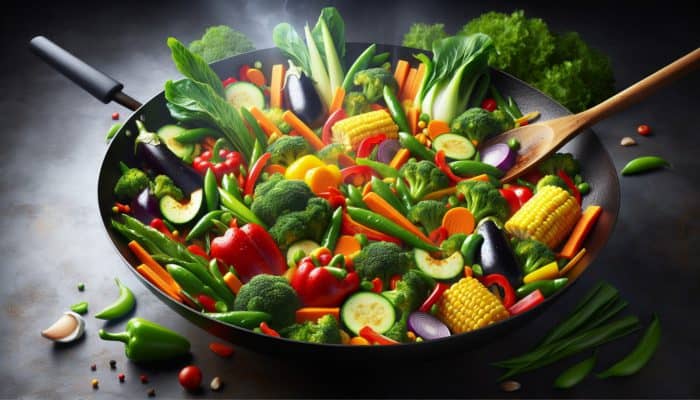
To create a colorful and healthy stir-fry, you must choose a diverse selection of vegetables. These vegetables not only boost the visual appeal of your meal but also contribute a delightful range of flavors and textures. For instance, bell peppers add a sweet crunch and vibrant color, while broccoli introduces a satisfying texture and is rich in essential nutrients. Slicing or julienning carrots enhances the dish’s presentation and provides a touch of sweetness and crunch. Including snap peas, bok choy, or zucchini further diversifies the texture and flavor profile of your stir-fry. Opt for seasonal produce; for example, fresh corn or eggplant in summer can offer an exciting twist to your dish.
When picking your vegetables, ensure they are fresh and vibrant to create a dish that is both delicious and nutrient-dense. It’s essential to remember that different vegetables have varying cooking times; denser options like carrots may require pre-cooking or should be added first, while more delicate vegetables like bell peppers should be added later to keep their delightful crunch intact.
What Protein Choices Should You Include for a Balanced Stir-Fry?
Selecting the appropriate protein is vital for crafting a well-rounded stir-fry. Commonly chosen proteins include chicken, beef, tofu, and shrimp, each celebrated in various culinary traditions. Thinly sliced chicken breast cooks rapidly and absorbs flavors beautifully, making it an excellent choice for stir-frying. Beef stir-fry is a staple across many cuisines, especially in Asian cooking. Opt for cuts like flank steak or sirloin, which guarantee tenderness and benefit from marinating to enhance their flavor and juiciness.
If you lean towards plant-based options, tofu serves as a fantastic alternative. It absorbs sauces well and can be pan-seared for a crispy finish. Shrimp cooks swiftly and adds a luxurious touch to your meal, making it perfect for an impressive yet quick dinner. Always consider marinating your proteins to infuse them with flavor before cooking; a simple mix of soy sauce, garlic, and a splash of sesame oil can significantly elevate even the simplest ingredients.
How to Craft the Ideal Sauce for Your Stir-Fry
The sauce serves as the heart of any stir-fry, providing the depth and character that elevate the dish to new culinary heights. A classic stir-fry sauce usually comprises soy sauce, garlic, ginger, and a sweetener like honey or sugar. The soy sauce acts as the foundational element, delivering umami flavors that enrich the overall taste of your dish. Garlic and ginger are essential for imparting warmth and aromatic qualities, creating a harmonious flavor balance. You can adjust the sweetness with honey or brown sugar to match your personal preferences.
- Soy sauce
- Fresh garlic, minced
- Fresh ginger, minced or grated
- Honey or sugar
- Sesame oil (optional for richness)
- Rice vinegar (for acidity)
- Chilli paste (for heat)
Feel free to experiment with the proportions to create a signature sauce that reflects your unique taste. Additionally, incorporating elements like rice vinegar adds a tangy note, while chilli paste or sriracha introduces heat, catering to diverse palates. Always taste and adjust the sauce before adding it to the stir-fry to achieve the best possible results.
What Cooking Oils Are Ideal for Stir-Frying?
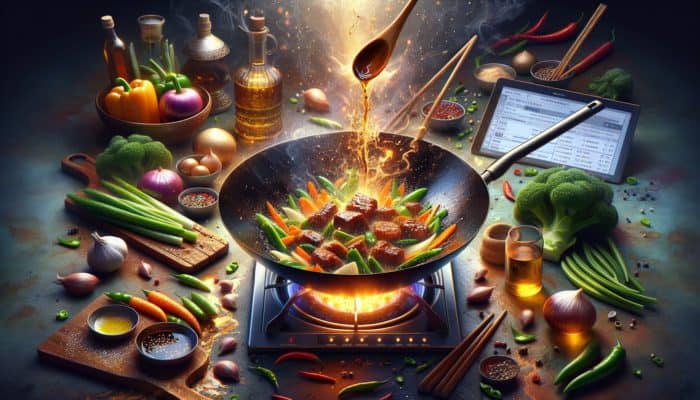
Choosing the appropriate cooking oil is crucial for achieving an outstanding stir-fry. Oils with high smoke points, such as peanut oil or canola oil, are recommended because they can endure the high temperatures necessary for stir-frying without burning. Peanut oil is especially favored in Asian cooking due to its subtle nutty flavor, which enhances the dish without overpowering it.
When selecting an oil, consider its flavor profile as well. While sesame oil isn’t suitable for cooking due to its lower smoke point, it can be drizzled at the end for an aromatic finish. Vegetable oil is a versatile option that works well across various cuisines, providing a neutral base that allows other flavors to shine. Always heat the oil until it shimmers before adding ingredients, indicating that the pan has reached the ideal temperature for achieving that coveted stir-fry sizzle.
How to Infuse Aromatics for Enhanced Stir-Fry Flavor
Aromatics play a vital role in elevating the flavor profile of your stir-fry. Traditional choices include onions, garlic, and spring onions, which form the backbone of many stir-fry dishes. The natural sweetness of onions caramelizes slightly during cooking, adding depth and complexity to the dish. Garlic imparts a burst of flavor that pairs beautifully with nearly every protein and vegetable combination.
Spring onions, often referred to as scallions, contribute a mild onion flavor while adding freshness and color when sprinkled on top of the finished dish. Consider incorporating additional aromatics, such as lemongrass or cilantro, to introduce distinct flavors that reflect diverse culinary traditions. The key is to sauté these aromatics just long enough to release their essential oils without burning, setting the stage for the other ingredients to shine.
Expert Tips for Preparing a Quick and Flavorful Stir-Fry Dinner
How to Select the Best Pan for Your Stir-Fry

The choice of pan can significantly affect the outcome of your stir-fry. A wok is traditionally utilized in Asian cuisines because its unique shape allows for even heat distribution and high sides that facilitate tossing ingredients without spillage. Woks enable rapid cooking at high temperatures, which is essential for achieving that ideal stir-fry texture.
If a wok isn’t available, a large skillet can serve as a suitable alternative. Ensure it is wide enough to allow proper movement of the ingredients. The material of the pan also matters; non-stick pans can prevent burning but may not provide the same char that a well-seasoned cast-iron pan or carbon steel wok can offer. For instance, using a well-seasoned wok can impart a slightly smoky flavor to the stir-fry, characteristic of the finest authentic dishes.
When using either type of pan, it’s crucial to preheat it adequately before adding oil. This ensures a quick sear on proteins and vegetables, locking in their flavors and juices. Avoid overcrowding the pan, as this can lead to steaming instead of frying, which prevents the desired crispness.
How to Efficiently Prepare Your Ingredients for Quick Stir-Fry Cooking
Efficient ingredient preparation can dramatically decrease cooking time, making your stir-fry both quick and satisfying. One effective strategy is to chop vegetables and proteins in advance—a practice known as mise en place. By having everything ready before you begin cooking, you can concentrate solely on the cooking process, ensuring that nothing burns or overcooks.
Utilize sharp knives for quicker chopping, and consider investing in a high-quality cutting board for greater ease of use. When preparing vegetables, aim for uniform sizes to ensure even cooking and browning. For proteins, slice them thinly against the grain for maximum tenderness. Batch prepping is another time-saving tactic; preparing larger quantities of vegetables and proteins that can be stored in airtight containers in the fridge for use throughout the week can be incredibly beneficial.
Lastly, consider the order of operations. Start with proteins that require longer cooking times, followed by denser vegetables, and finish with quicker-cooking ingredients. This approach ensures that all components reach their ideal texture simultaneously, resulting in a perfectly harmonized stir-fry.
What Cooking Techniques Should You Master for an Impeccable Stir-Fry?
To achieve the perfect stir-fry texture and flavor, mastering a few key techniques is essential. The cooking process should be rapid, with constant movement in the pan to prevent burning and ensure even cooking. Use a spatula or wooden spoon to continuously stir and toss the ingredients while they cook.
High heat is crucial, ensuring that proteins sear quickly while vegetables maintain their crispness. Start by adding the proteins first, allowing them to brown slightly before introducing any vegetables. This initial searing locks in flavors and juices, enhancing the overall taste of the dish.
As you add vegetables, incorporate them according to their cooking times. For example, introduce carrots and broccoli before adding more delicate vegetables, such as bell peppers. A common trick is to add a splash of water and cover the pan briefly to create steam, which helps cook denser vegetables more quickly. Finish by adding the sauce towards the end of cooking, allowing it to coat the stir-fry without losing its vibrant flavor. This technique helps achieve the perfect balance of moisture and texture, ensuring a delicious stir-fry every time.
What Best Practices Should You Follow When Preparing Vegetables for Stir-Fry?
How to Clean and Chop Vegetables Effectively
Properly preparing your vegetables is critical for a successful stir-fry. Start by washing vegetables thoroughly to eliminate dirt and pesticide residues. This step is often overlooked but is vital for maintaining hygiene and enhancing the overall quality of your dish. Soaking tougher vegetables, such as broccoli and spinach, in a bowl of water for a few minutes can help loosen any debris.
Once washed, it’s essential to cut vegetables into uniform sizes to ensure even cooking. For instance, slice broccoli into similarly sized florets and carrots into thin matchsticks. This not only creates a visually appealing dish but also guarantees that each piece cooks at the same rate, resulting in a consistent texture. Techniques such as chiffonade for leafy greens or julienning for root vegetables can add a professional touch to your stir-fry.
Investing in a quality knife and a sturdy cutting board can streamline this process. Always keep your knife sharp; a sharp knife reduces the effort needed to chop and allows for cleaner cuts. Additionally, consider using a food processor for large quantities or hard vegetables to save time while ensuring even cuts. Properly prepped vegetables can significantly enhance the cooking experience and the final result of your stir-fry.
Why Is Blanching Vegetables Important for Color and Texture?
Blanching vegetables is a technique that involves briefly cooking them in boiling water, followed by immediate cooling in ice water. This method serves several purposes, primarily assisting in retaining the color and nutrients of the vegetables before they are added to the stir-fry. For instance, green beans or broccoli that have been blanched will maintain their vibrant green color and crisp texture, enhancing the dish’s visual appeal.
The process is simple: bring a pot of water to a rolling boil, add your vegetables for about 1-2 minutes, and then immediately transfer them to a bowl of ice water. This shock halts the cooking process, preserving the crunch of the vegetables. Blanching also reduces cooking time in the stir-fry, allowing for quicker meal preparation.
Moreover, this technique can enhance the flavors in your stir-fry. For example, blanched vegetables can readily absorb stir-fry sauces, resulting in a more flavorful end product. This is particularly beneficial for denser vegetables, such as carrots, as it ensures they become tender without turning overly soft or mushy. Mastering the blanching technique can elevate your stir-fry, making it both visually stunning and delicious.
How to Store Prepped Vegetables for Maximum Freshness
Properly storing your prepped vegetables is crucial for maintaining their freshness and flavor. After washing and chopping, place vegetables in airtight containers to prevent wilting and spoilage. Adding paper towels inside these containers can help absorb excess moisture, thereby extending the freshness of leafy greens.
Storing vegetables in the refrigerator is ideal, but ensure they are kept in the crisper drawer, designed to maintain optimal humidity levels. Use prepped vegetables within a few days for the best quality; certain vegetables, such as bell peppers and broccoli, can last up to a week if stored correctly.
If you have an abundance of prepped vegetables, consider freezing them for longer-term storage. However, it’s best to blanch them first to preserve their color and nutrients. When ready to use, remove them from the freezer and add them directly to your stir-fry without thawing. This approach not only saves time but also maximizes the nutritional value of your meals.
What Are the Major Benefits of Cooking Stir-Fry?
What Nutritional Benefits Does Stir-Fry Provide?
Stir-frying offers numerous nutritional benefits, making it a highly regarded cooking method worldwide. One of the primary advantages is that it preserves the nutrients in vegetables more effectively than other cooking techniques, such as boiling. This is due to the quick cooking times and high heat, which help maintain vitamins and minerals. For instance, stir-fried broccoli retains its vitamin C content, which can diminish through prolonged cooking.
Moreover, stir-frying generally uses minimal oil, resulting in a lower fat content compared to deep-frying or sautéing methods, which require larger amounts of fat. By incorporating nutrient-dense ingredients like lean proteins, whole grains, and a variety of vegetables, stir-fries can be tailored to accommodate nearly any dietary requirement, from vegan to high-protein plans.
Additionally, the versatility of stir-fry allows for the inclusion of various ingredients that promote health, such as adding leafy greens for iron or colorful vegetables for antioxidants. The quick cooking time means meals can be prepared swiftly, making it easier to maintain a healthy, balanced diet even on the busiest of days.
How to Optimize Time Efficiency When Cooking with Stir-Fry
Stir-fry cooking is highly efficient, both in terms of time and energy. This method can transform fresh ingredients into a delicious meal in under 30 minutes, making it particularly appealing for busy weeknights. When using prepped ingredients, the cooking process can be even faster, allowing for quick assembly and minimal clean-up.
The rapid cooking time results from the high heat and constant movement of ingredients, promoting even cooking and browning without the risk of burning. This means that proteins can be cooked through while vegetables retain their crispness, providing a satisfying texture that’s hard to achieve with slower cooking methods.
Additionally, stir-frying allows for creative use of leftovers, minimizing food waste. Unused vegetables from previous meals can be repurposed in a stir-fry, resulting in a quick and tasty meal that helps prevent unnecessary waste. This efficiency makes stir-frying a practical choice for individuals looking to save time without sacrificing flavor or nutrition.
How to Embrace Versatility in Stir-Fry Ingredients
The adaptability of ingredients in stir-fry cooking is one of its most attractive features. Almost any combination of proteins, vegetables, and sauces can be utilized, allowing for endless variations on recipes. This flexibility caters to diverse dietary preferences, cultural influences, and seasonal ingredient availability.
For example, you might create a classic chicken and vegetable stir-fry or try tofu and bok choy, drawing inspiration from various culinary traditions. Stir-fry can easily adapt to whatever ingredients you have on hand, making it a great option for utilizing leftover produce. This versatility not only encourages creativity in the kitchen but also facilitates economical meal planning.
Furthermore, the method suits all types of cuisine—from Asian to Mediterranean—by simply switching up the sauces and flavors used. This global appeal means that stir-frying can become a staple cooking technique in any household, promoting a varied and exciting dining experience.
What Effective Strategies Can You Employ to Create a Quick Stir-Fry Dinner?
How to Achieve Balanced Flavors for an Outstanding Stir-Fry
Achieving the perfect flavor balance in your stir-fry sauce is essential for creating a harmonious dish. The key components to consider include sweet, salty, and spicy elements. A well-crafted stir-fry should feature a base of soy sauce for saltiness, complemented by a sweetener like honey or sugar to add depth. This sweetness counteracts the saltiness and enhances the overall flavor profile.
When introducing heat, consider incorporating chilli paste or fresh, chopped chilli peppers to achieve your desired level of spiciness. The heat can elevate the dish and excite the palate but should be used judiciously to avoid overwhelming the other flavors. Experimenting with different vinegars—such as rice vinegar or apple cider vinegar—can add a tanginess that brightens the dish, making it more complex.
To achieve balance, it’s crucial to taste your sauce as you prepare it, adjusting the ingredients to suit your preferences. For example, if the sauce feels too salty, a splash more vinegar can help balance it out. This attention to detail when mixing your sauce will ensure a deep, satisfying flavor that permeates every ingredient in your stir-fry.
What Sequence Should You Follow When Cooking Ingredients?
The order in which you add ingredients to your stir-fry is critical for achieving optimal results. Begin with proteins, as these typically require longer cooking times. Ensure they are seared properly before adding vegetables; this not only locks in flavors but also allows the proteins to develop a beautifully browned exterior.
Once your proteins are nearly cooked through, start adding denser vegetables such as carrots and broccoli, which also require more time to become tender. Follow with quicker-cooking vegetables, such as bell peppers and snow peas, to ensure everything cooks evenly without becoming mushy. The final touch is to add the sauce, allowing it to coat all ingredients just before serving.
This method not only enhances the texture of each ingredient but also allows for a visually appealing presentation. By adhering to this order, you can ensure that everything reaches the perfect level of doneness, resulting in a delicious stir-fry that impresses on all fronts.
What Thoughtful Serving Suggestions Can Enhance Your Stir-Fry Experience?
Thoughtful presentation of your stir-fry can significantly elevate the dining experience. A classic approach is to serve stir-fry over a bed of steaming rice or noodles, providing a satisfying base that absorbs the delicious sauce. Choose between white rice, brown rice, or even quinoa to cater to various dietary preferences.
For an added touch, consider garnishing the dish with sesame seeds or chopped green onions. These additions not only enhance the visual appeal but also contribute texture and flavor that complement the stir-fry. A drizzle of sesame oil before serving can add a nutty aroma, enticing diners even further.
For those looking to embrace a more global touch, consider serving stir-fries in a bowl, topped with fresh herbs like cilantro or basil—especially fitting for Thai or Vietnamese-inspired dishes. Adding a side of spring rolls or a simple cucumber salad can round out the meal, providing a fresh contrast to the warm, savory stir-fry.
What Techniques Are Essential for Mastering Protein Cooking in Stir-Fry?
How to Utilize Effective Marinating Techniques for Enhanced Flavor
Marinating proteins before cooking is an excellent technique for enhancing both flavor and tenderness. A simple marinade can be made using soy sauce, garlic, and ginger. Allow proteins to marinate for at least 30 minutes to let the flavors fully penetrate. This step is especially beneficial for proteins like chicken or beef, which can sometimes lack flavor without added seasoning.
For tofu, pressing it before marinating can help it absorb flavors more effectively. Slice the tofu into bite-sized pieces and press it between paper towels to remove excess moisture. Once marinated, the tofu will soak up the flavors more readily, resulting in a more satisfying dish. The key is to ensure the marinade is not overly salty; balance it with a sweetener or acid to create a well-rounded flavor.
Consider letting proteins marinate for longer—up to several hours or even overnight if time permits. This can significantly deepen the flavor profile, particularly beneficial for tougher cuts like flank steak. By investing a little time in marinating, you can dramatically improve the overall taste and enjoyment of your stir-fry.
How to Understand Cooking Temperatures for Optimal Results
Cooking temperature is a critical factor when preparing proteins for stir-fry. The goal is to achieve high heat to quickly sear the proteins, locking in their juices and flavor. Start by preheating your pan or wok until it is very hot, then add oil. The oil should shimmer but not smoke; this indicates that it’s hot enough for stir-frying.
Once the oil is ready, add the proteins in a single layer to ensure they sear rather than steam. Avoid overcrowding the pan, as this can lower the temperature and lead to uneven cooking. For instance, cooking shrimp requires only a few minutes per side, while chicken might take slightly longer. Achieving the perfect temperature ensures that proteins develop a golden crust while remaining juicy inside.
Using a thermometer can help ensure that proteins are cooked to a safe temperature without overcooking. For chicken, this is 75°C (165°F); however, beef can be enjoyed at varying levels of doneness, depending on personal preference. Remember, once proteins are cooked through, allow them to rest briefly before slicing. This allows juices to redistribute, resulting in a more tender bite.
What Resting and Slicing Techniques Ensure Perfect Texture?
Resting cooked proteins is a crucial step that is often overlooked. Allowing proteins to rest for a few minutes after cooking enables the juices to redistribute throughout the meat, preventing them from running out when sliced. This is especially important for proteins like chicken or beef, which can quickly dry out if cut immediately after cooking.
Once rested, slice the proteins thinly against the grain. For instance, slicing chicken against the grain helps break down the muscle fibers, resulting in a more tender texture. This technique is particularly essential for tougher cuts of meat, where slicing against the grain can significantly improve the mouthfeel.
When slicing tofu, ensure you cut it into uniform cubes or strips to maintain consistency in cooking. Thin slices of tofu can absorb sauces more effectively, enhancing flavor. By mastering these techniques, you can ensure that your stir-fry features protein that is not only delicious but also perfectly textured, contributing to an overall satisfying meal.
What Flavorful Stir-Fry Sauce Recipes Can Elevate Your Dish?
How to Create a Basic Soy Sauce Stir-Fry
A simple yet flavorful soy sauce stir-fry sauce can elevate any dish. This versatile sauce requires just a few key ingredients that you may already have on hand. Start with soy sauce as the base, then add minced garlic and ginger for depth. For sweetness, include a bit of honey or brown sugar.
- 1/4 cup soy sauce
- 2 cloves garlic, minced
- 1 tablespoon ginger, minced or grated
- 1 tablespoon honey or sugar
- 1 tablespoon sesame oil (optional)
- 1 tablespoon rice vinegar (optional)
- 1 teaspoon cornstarch mixed with water (for thickening)
Mix all the ingredients in a bowl, adjusting the proportions to fit your taste preference. If you desire a thicker sauce, add a cornstarch slurry at the end of cooking to achieve a silky consistency. This sauce is adaptable; feel free to tweak it with additional ingredients like chilli paste for heat or lime juice for acidity.
How to Formulate a Spicy Stir-Fry Sauce for Extra Heat
If you enjoy a bit of spice, a spicy stir-fry sauce adds an exciting kick to your dish. Combine soy sauce, chilli paste, minced garlic, and a touch of honey to balance the heat. This sauce offers a wonderful blend of sweet and spicy that enhances the flavor profile of any stir-fry.
- 1/4 cup soy sauce
- 1 tablespoon chilli paste (adjust to taste)
- 2 cloves garlic, minced
- 1 tablespoon honey
- 1 tablespoon sesame oil (optional)
- 1 tablespoon rice vinegar (for acidity)
- 1 teaspoon cornstarch mixed with water (for thickening)
Prepare this sauce in the same manner as the basic recipe, tasting and adjusting it to fit your spice tolerance. This sauce pairs exceptionally well with proteins like chicken or shrimp and complements a variety of vegetables beautifully.
How to Mix a Sweet and Sour Stir-Fry Sauce for a Tangy Twist
A sweet and sour sauce provides a delightful balance of flavors and is a favorite in many stir-fry dishes. To create this tangy sauce, blend vinegar, sugar, ketchup, and pineapple juice for a burst of flavor that pairs well with proteins and vegetables alike.
- 1/4 cup vinegar (rice or apple cider)
- 1/4 cup sugar
- 1/4 cup ketchup
- 1/4 cup pineapple juice
- 1 tablespoon soy sauce (for saltiness)
- 1 teaspoon cornstarch mixed with water (for thickening)
- 1 teaspoon garlic powder (optional for depth)
Mix the ingredients in a small bowl and adjust to taste. This sauce can be added towards the end of cooking, allowing it to coat the stir-fry beautifully. A sweet and sour sauce pairs excellently with colorful vegetables and tender meats, creating a dish that is as pleasing to the eye as it is to the palate.
What Expert Tips Can Help You Refine Your Stir-Fry Skills?
How to Perfect the Stir-Frying Technique for Ideal Results
Mastering the stir-frying technique is crucial for achieving mouthwatering results. The key is to keep the ingredients moving constantly in the pan. This prevents burning and ensures that everything cooks evenly. Use a spatula or wooden spoon to continuously stir and toss the ingredients, allowing them to sear while still retaining their moisture.
Another critical aspect of stir-frying is the pan’s temperature. It should be hot enough that the ingredients sizzle upon contact. If the pan is too cool, the ingredients will steam instead of fry, resulting in a lack of texture. To achieve that signature stir-fry ‘wok hei’ or ‘breath of the wok’ flavor, ensure your pan is sufficiently hot before introducing oil and ingredients.
Additionally, batch cooking can be advantageous; if you have many ingredients, cook them in small batches instead of overcrowding the pan. This ensures each piece is cooked properly, maintaining the ideal texture and flavor. Mastering these techniques can elevate your stir-fry from a simple meal to a culinary delight.
How to Add Ingredients in Stages for Optimal Cooking
Introducing ingredients in stages is a vital strategy for successful stir-frying. Different ingredients have various cooking times, so it’s essential to add them at the right moment. Start with proteins, allowing them to sear properly before adding denser vegetables.
For example, begin with chicken or beef and cook until browned. Then, introduce harder vegetables, such as carrots and broccoli, which require more time to become tender. After a few minutes, add quicker-cooking vegetables like bell peppers or snow peas. This staggered approach ensures that every component is cooked perfectly, avoiding a mushy or overcooked result.
Once all ingredients are nearly cooked, it’s time to add the sauce. Drizzle it over the stir-fry, mixing it in quickly to coat everything evenly. This method optimizes the cooking process and enhances flavor distribution throughout the dish, resulting in a well-rounded meal.
How to Adjust Seasoning for a Perfectly Flavored Dish
Adjusting seasoning is a crucial step that should not be overlooked before serving your stir-fry. After adding the sauce, taste the dish to determine if it requires more salt, sweetness, or acidity. Sometimes, a splash of vinegar or a pinch of sugar can make all the difference in elevating the overall flavor.
For added depth, consider incorporating fresh herbs or spices at the end of the cooking process. Ingredients like cilantro, basil, or even a sprinkle of red pepper flakes can brighten the dish and add layers of flavor. The goal is to create a balanced stir-fry that excites the palate without overwhelming it.
Keep in mind that flavors can intensify as the dish sits, so avoid the temptation to over-season initially. A final taste test before serving is essential to ensure that your stir-fry is perfectly flavored, appealing to both the eyes and the taste buds.
What Oil Should You Choose for Optimal Cooking Performance?
Choosing the right oil is crucial in stir-frying, as it significantly impacts both flavor and cooking performance. Oils with high smoke points, such as peanut oil or canola oil, are best suited for this cooking method. These oils can withstand the high temperatures necessary for a proper stir-fry without burning, allowing for a quick sear that locks in flavors.
Avoid using oils with low smoke points, such as olive oil, as they can produce off-flavors and potentially harmful compounds when overheated. If you wish to incorporate additional flavors into your stir-fry, consider adding a drizzle of sesame oil at the end for its unique nutty flavor.
By selecting the right oil, you can ensure that your stir-fry not only cooks evenly but also develops rich flavors that enhance the overall dish. The right oil makes all the difference in achieving that authentic taste that keeps people coming back for more.
How to Prep Ingredients in Advance for Seamless Cooking
Prepping ingredients in advance can significantly streamline the stir-fry process. Having all your vegetables washed, cut, and proteins marinated before you start cooking allows for a seamless cooking experience. This not only saves time but also reduces the risk of overcooking, as you can focus entirely on the stir-frying technique.
Consider dedicating time on a less busy day to chop vegetables and marinate proteins, storing them in airtight containers in the fridge. This way, when it’s time to cook, you can grab your prepped ingredients and start stir-frying without any delays.
Additionally, using a mise en place approach—where everything is organized and ready to go before you begin—can aid in maintaining focus and efficiency in the kitchen. This method ensures you have all your components at hand, allowing you to create a delicious stir-fry quickly and effortlessly.
What Frequently Asked Questions Should You Know About Stir-Fry?
What Types of Vegetables Are Best for Stir-Frying?
Fresh, vibrant vegetables are ideal for stir-frying. Consider using bell peppers, broccoli, carrots, snap peas, and bok choy for a nutritious and visually appealing dish.
How Long Should I Marinate Proteins for Stir-Fry?
Marinating proteins for at least 30 minutes is recommended, but longer durations can enhance flavor. Overnight marinating can yield even better results.
What Oil Is Best for Stir-Frying?
Oils with high smoke points, such as peanut oil or canola oil, are best for stir-frying as they can withstand high heat without burning.
How Can I Ensure My Stir-Fry Vegetables Stay Crisp?
To maintain crispness, avoid overcrowding the pan and cook vegetables quickly over high heat. Adding them in stages based on cooking time also helps prevent mushiness.
Can I Use Frozen Vegetables for Stir-Fry?
Yes, frozen vegetables can be used, but it’s best to add them straight from the freezer without thawing. This keeps them crisp and vibrant.
What Are Some Common Sauces for Stir-Fry?
Common sauces include soy sauce, sweet and sour sauce, and spicy garlic sauce. Each adds distinct flavors, enhancing the overall dish.
How Do I Prevent My Stir-Fry from Becoming Soggy?
Ensure your pan is hot enough before adding ingredients and avoid overcrowding the pan. Cook quickly and use a minimal amount of sauce to prevent the food from becoming too soggy.
What Proteins Work Best in Stir-Fry?
Chicken, beef, tofu, and shrimp are among the most popular choices for stir-fry. Each offers unique textures and flavors that complement various vegetables.
Can I Make Stir-Fry Ahead of Time?
While fresh stir-fry is best, you can prepare the ingredients in advance and store them in the refrigerator for later use. Cook them just before serving for optimal freshness.
How Can I Add More Flavor to My Stir-Fry?
Incorporate aromatics like garlic and ginger, use a well-balanced sauce, and consider adding fresh herbs or spices at the end for a flavor boost.
Connect with us on Facebook!
The post How to Make a Quick Stir-Fry Dinner: Easy Tips appeared first on https://cookinggods.com
The Article Quick Stir-Fry Dinner: Simple Tips for Success Was Found On https://limitsofstrategy.com