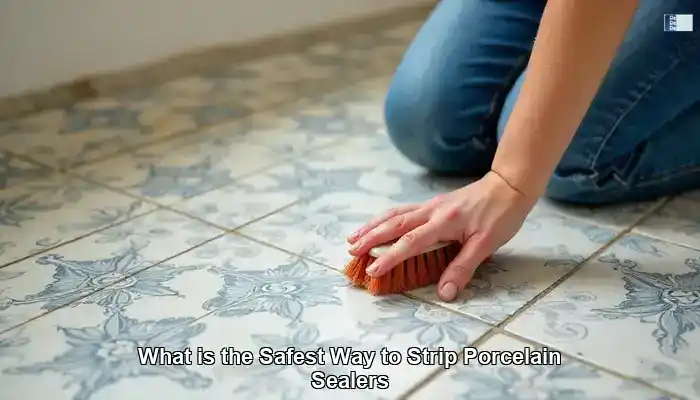
Comprehensive Guide to Understanding Porcelain Sealers: What You Need to Know
Porcelain sealers are vital for preserving the durability and visual appeal of porcelain surfaces. These protective coatings not only enhance the look of tiles, countertops, and decorative items but also extend their lifespan by creating a protective barrier against wear and tear. In the UK, where porcelain is a favored option for both home and business settings, it is imperative for homeowners and industry professionals to gain a comprehensive understanding of the various types of sealers available. This knowledge empowers them to make informed choices for maintenance and care.
Analyzing the Best Sealers for Porcelain Tiles: Impregnating vs. Topical Types
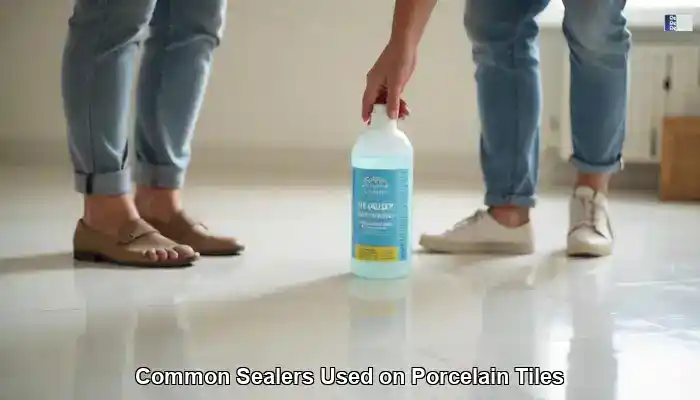
Within the UK, the most commonly utilized types of sealers for porcelain surfaces are impregnating (or penetrating) sealers. These specialized formulations deeply penetrate the tile material, providing robust internal protection while preserving the tile’s natural appearance. They excel at resisting moisture and staining, making them suitable for a wide range of applications, whether indoors or outdoors.
Top Recommendations: Best Products for Cleaning and Sealing Porcelain Tiles
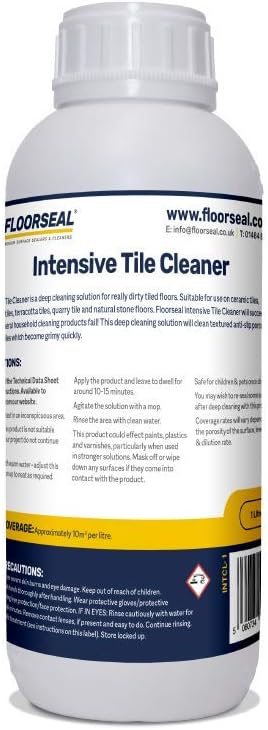
Floorseal
Intensive Tile Cleaner
|
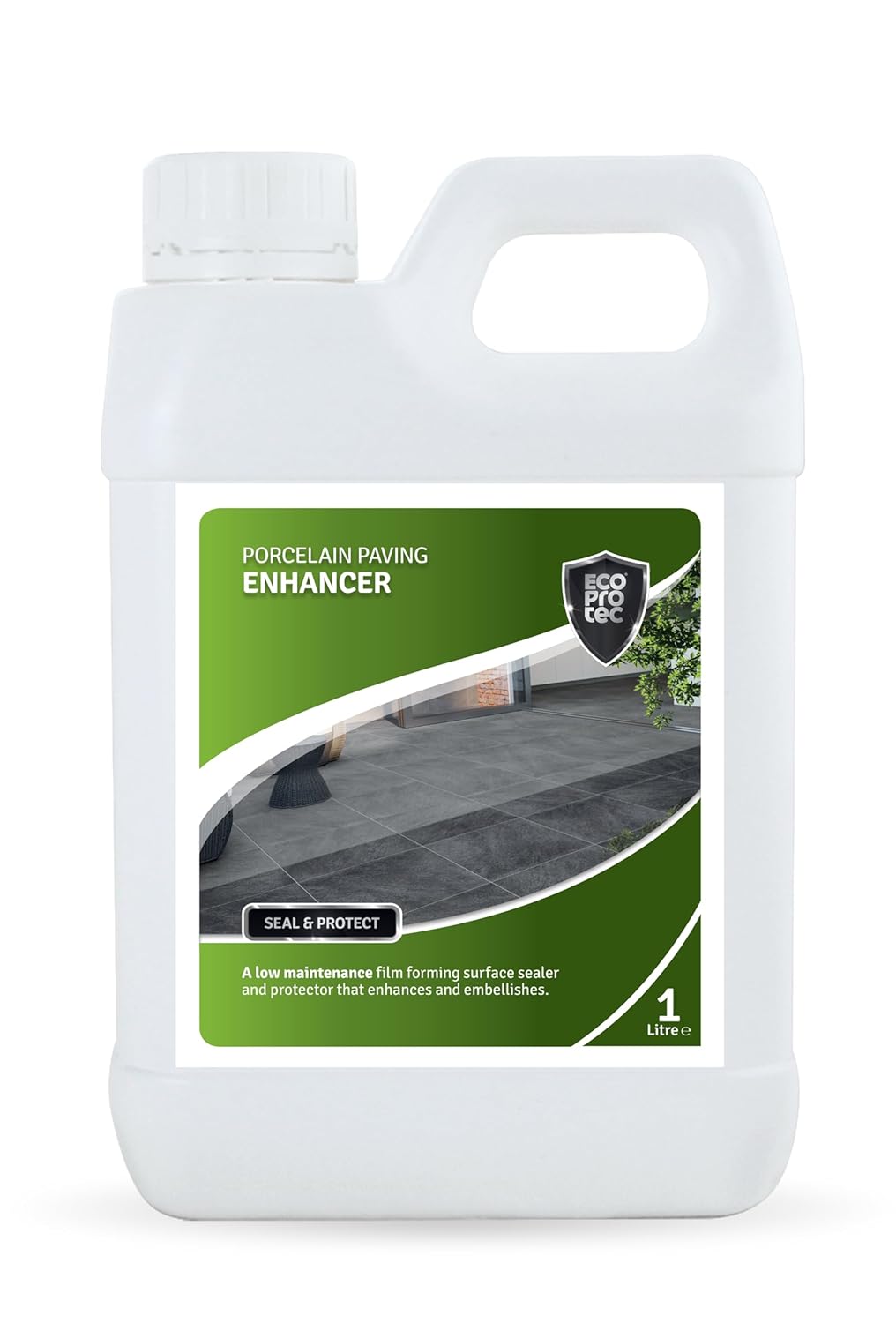
EcoProtect
Porcelain Tile Sealer
|
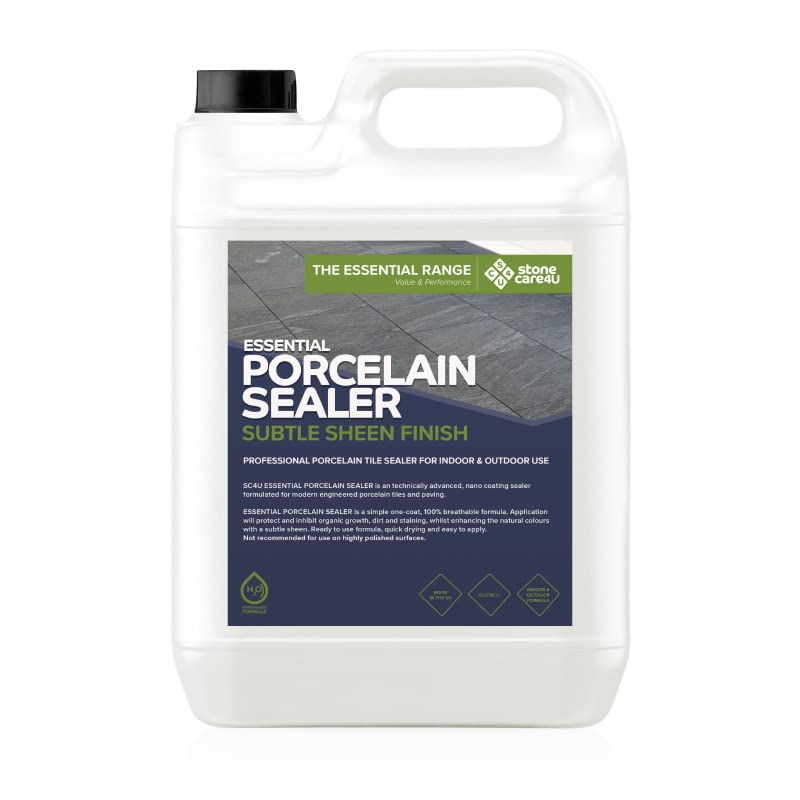
Stonecare4U
Essential Porcelain Sealer
|
Topical sealers establish a thin protective barrier on the surface of porcelain tiles, providing a shield that sits atop the tile instead of penetrating it. Given that porcelain is a dense, non-porous material, conventional sealers designed for porous surfaces often do not adhere effectively. Therefore, topical sealers specifically engineered for porcelain utilize adhesion promoters, ensuring a strong bond to the smooth, glossy finish of the tiles.
-
Typically, topical sealers fall into two categories: solvent-based or petroleum-based, as these formulations effectively adhere to low-porosity surfaces like porcelain. However, the rise of water-based options is starting to address growing environmental concerns.
-
The primary mechanism of adhesion is based on mechanical bonding—the creation of a surface film—rather than absorption into the tile’s pores.
-
To ensure proper bonding, the tile surface must be thoroughly clean, dry, and free from debris or residues before applying any sealer.
-
After applying the sealer—usually by spraying or wiping—it must cure properly. Neglecting this step may lead to peeling or ineffective adherence.
-
Regular maintenance is vital, as the topical layer can degrade over time and necessitates reapplication to maintain its protective qualities.
If a topical sealer is not specifically formulated for porcelain or if the application instructions are not followed (such as inadequate cleaning or curing), the sealer may struggle to bond and could peel away prematurely. Consulting the manufacturer’s instructions is always advisable to achieve the best results.
The Essential Role of Sealers in Maintaining Porcelain Surfaces
Applying sealers to porcelain surfaces goes beyond mere cosmetic enhancement; it is a critical measure for ensuring the longevity and durability of the material. While many manufacturers market porcelain as non-porous, there are instances where tiles may exhibit micro-porosities due to inconsistent or subpar manufacturing practices—flaws that might go unnoticed. These hidden vulnerabilities can make tiles susceptible to staining, moisture infiltration, and long-term degradation.
This is why the use of an impregnating (penetrating) sealer is considered best practice. It infiltrates the tile to form an invisible barrier beneath the surface that blocks contaminants and moisture without altering the finish. In the UK’s damp climate, especially in older structures, this protective layer is crucial for preventing discoloration while preserving both the aesthetic and functional attributes of the tiles. Furthermore, penetrating sealers can enhance the inherent beauty of the tile, making them an excellent choice for decorative applications where appearance is paramount. Selecting the appropriate sealer not only safeguards your tiles but also ensures they continue to perform optimally for years.
Identifying Signs That Your Sealer Needs Reapplication
Recognizing when a porcelain sealer requires stripping or reapplication is crucial for maintaining the quality of your surfaces. Some visual cues to observe include discoloration or dullness, both of which indicate that the sealer has lost its effectiveness. Additionally, if water fails to bead on the surface, it clearly shows that the protective barrier has been compromised and needs immediate attention.
Since sealers are generally invisible, wear and degradation can be challenging to detect without performing tests. Changes in texture, such as a rough or sticky feel, may suggest that the sealer has degraded, but these signs are not always apparent. Homeowners should regularly conduct a simple water droplet test: place a few drops on the tile surface. If the water spreads and absorbs, this indicates that the sealer has worn away. Conversely, if the droplets bead up, the protective layer remains intact.
Prioritizing Safety During the Porcelain Sealer Stripping Procedure
When embarking on the task of stripping porcelain sealers, prioritizing safety is essential. The process often involves the use of chemical products that require careful handling and the implementation of suitable safety measures to create a secure working environment.
Essential Protective Gear for Stripping Porcelain Sealers

Utilizing the correct protective equipment is vital when working with sealers and stripping agents. At a minimum, individuals should wear gloves to protect their hands from harsh chemicals that may cause skin irritations or allergic reactions. Safety goggles are also essential to shield the eyes from any splashes or fumes that could result in serious injuries.
A properly fitting mask or respirator is highly recommended to prevent inhalation of harmful vapors. In the UK, where strict regulations govern the handling of chemicals, ensuring the proper use of protective gear is crucial for personal safety and compliance with health regulations. Remember, prevention is significantly more effective than remediation; investing in high-quality protective equipment can avert potential hazards.
Establishing Adequate Ventilation During the Stripping Process
Effective ventilation is critical when utilizing chemical strippers, particularly indoors. The fumes emitted by these products can be hazardous, potentially causing respiratory issues or chemical exposure. It is advisable to open windows and doors to create a cross-breeze, ensuring that fresh air circulates effectively. In smaller areas, using fans to direct vapors outside can further enhance safety.
Whenever feasible, it is best to conduct stripping work outdoors or in well-ventilated garages or sheds. The UK’s unpredictable weather may not always allow for this, but planning around ventilation can significantly improve safety. Always remain vigilant about air quality; if the fumes become overwhelming, take a break and step outside until it is safe to continue.
Practicing Safe Chemical Handling Procedures
When working with chemical strippers, adhering to manufacturer guidelines is essential to mitigate risks. Always carefully read the labels and instructions, as they contain crucial information regarding safe usage, including dilution ratios and specific applications. In the UK, regulations exist concerning the disposal of chemical waste, and it is vital to follow these guidelines to protect both human health and the environment.
Furthermore, ensure that all chemical products are stored securely, out of reach of children and pets. Familiarize yourself with the correct disposal methods for any unused products or residues; many local councils in the UK offer hazardous waste collection services to facilitate safe disposal. By following these guidelines, you not only foster a safer environment but also safeguard your health and the well-being of those around you.
Comprehending Chemical Strippers for Porcelain Sealers
Chemical strippers are commonly used for removing porcelain sealers; however, selecting and employing them judiciously is crucial to avoid unintended damage. Understanding the various formulations and their specific strengths can streamline the stripping process while enhancing safety.
Choosing the Most Suitable Chemical Stripper
In the UK, chemical strippers come in a variety of formulations:
- Solvent-based strippers are fast-acting and effective at removing stubborn residues; however, they emit strong fumes and necessitate strict safety precautions. They are ideal for professional use in well-ventilated environments.
- Bio-based strippers, made from natural ingredients, are gentler on users and the environment. Although safer, they typically require longer dwell times to achieve the desired results.
- Water-based strippers represent a balanced option—lower in toxicity and suitable for indoor use where air quality and user safety are paramount.
It is critical to confirm that the selected product is compatible with porcelain, as incorrect formulations can damage the tile surface.
Essential Tools for Effective Stripping of Sealers
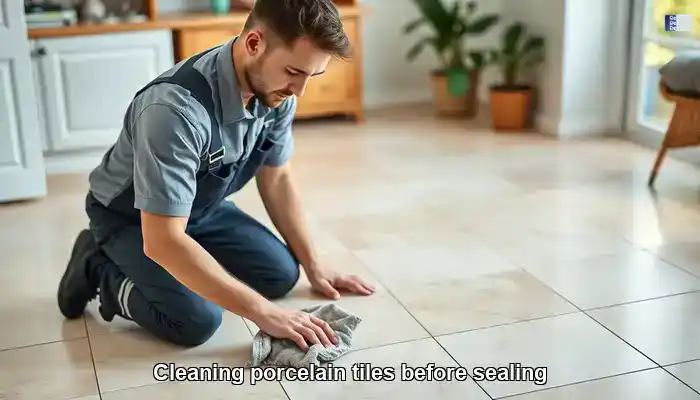
For most stripping projects, it is important to note that impregnating sealer residues do not require complete removal, as these typically reside deep within the pores of the tile. Instead, the focus should be on thorough cleaning. Utilize a high-quality alkaline cleaner to eliminate surface contaminants such as dirt, grease, and oil, ensuring proper adhesion for any new sealers applied to the tiles and grout without disturbing the protective layer already embedded.
Effective Techniques for Applying Chemical Strippers
Applying chemical strippers requires a meticulous approach to ensure both safety and effectiveness. Begin by preparing the work area; remove any furniture or items that could sustain damage. Use a paintbrush or roller to evenly apply the stripper across the surface, ensuring a thick, uniform layer.
Allow the chemical to dwell for the recommended duration, as indicated on the product label. This waiting period is crucial as it permits the stripper to penetrate the sealer thoroughly. Once the designated time has elapsed, gently use a scraper to remove the dissolved sealer. Exercise caution to avoid scratching the porcelain surface; a plastic scraper is often the best choice for this task.
Always consult the specific guidelines for the chemical being utilized, as application techniques can vary. Understanding the safest way to strip porcelain sealers not only ensures successful completion of the task but also protects the integrity of your porcelain surfaces.
Neutralization and Cleanup Procedures Following Stripping
Once the stripping process is complete, neutralizing any residues left behind is critical to prepare the surface for re-sealing. Many chemical strippers require neutralization with water, while others may necessitate specific neutralizing agents. Adhere closely to the product instructions for optimal results.
After neutralization, thoroughly clean the area to eliminate all traces of the stripper. This step is vital, as any remaining chemicals can interfere with the application of new sealers. Use clean water and a mop or rag to wipe down the surface, ensuring it is free of dirt and chemical remnants. Proper cleanup is essential to guarantee that the newly sealed surface adheres effectively and performs at its best.
Leveraging Mechanical Agitation Techniques for Improved Stripping
While chemical strippers are fundamental for removing porcelain sealers, mechanical agitation plays a supportive role—particularly in accelerating the action of the chemical rather than abrading the tile surface. Given that porcelain is dense and often glazed, abrasive methods, such as sandpaper, scrapers, or steel wool, are not recommended, as they can cause permanent damage to the surface.
Implementing Safe Mechanical Agitation Techniques
Mechanical agitation should primarily focus on enhancing the effectiveness of chemical strippers, especially in textured areas and grout lines. The most effective techniques include:
- Stiff bristle brushes for manual scrubbing of grout and textured regions.
- Red pads on a rotary floor machine for gentle agitation over larger surfaces.
- Detail brushes or white pads for intricate edge work without risking damage to the tile finish.
These tools help in breaking down sealer residues and embedded contaminants without harming the tile. Always allow the chemical to dwell for the recommended duration before initiating agitation. Rushing the process or overworking the surface may reduce effectiveness and increase the risk of errors.
Prioritizing Safety During Mechanical Agitation
Safety should always be a priority when employing mechanical methods. It is essential to wear eye protection to guard against debris and dust. Gloves are also advisable to protect your hands from cuts or abrasions. Maintaining a clean workspace diminishes the likelihood of accidents, so ensure that any dust or residue is promptly cleared away.
Consider using a dust mask to avoid inhaling fine particles, especially when sanding or working with materials that generate dust. Furthermore, confirm that the porcelain surface is securely attached to prevent any movement during the stripping process. Adopting these safety precautions will not only protect you but also enhance the overall effectiveness of your work.
Maintenance and Proper Storage of Tools After Use
After completing a stripping job, it is crucial to maintain your tools to ensure their longevity. Clean all abrasive tools thoroughly after use, removing any sealant residue that may have accumulated. Store them in a dry environment to prevent rust or degradation, especially for metal scrapers.
Investing in high-quality tools can significantly influence the success of future projects. Regularly inspect your equipment for wear and tear to determine when replacement is necessary. Keeping your tools in optimal condition is essential for achieving the best results each time you engage in a project, including learning about the safest way to strip porcelain sealers.
Exploring Eco-Friendly Options for Stripping Porcelain Sealers
As awareness of environmental issues increases, many individuals in the UK are seeking eco-friendly alternatives for stripping porcelain sealers. These options can be less harmful while still achieving effective results.
Natural Strippers: A Sustainable and Safe Choice
Natural strippers often utilize plant-based ingredients to break down sealers without the harsh chemicals associated with traditional products. In the UK, options made from citrus or soy are prevalent. These alternatives are generally safer for both users and the environment, producing minimal harmful fumes and residues.
Moreover, many natural strippers can be employed indoors without the same toxic exposure concerns as their chemical counterparts. However, it is important to note that while they are less harmful, they may require longer application periods to achieve the same outcomes as stronger chemical strippers.
Application Techniques for Effective Use of Natural Strippers
Applying natural strippers follows a similar methodology to conventional methods. Use a brush or roller to evenly coat the surface, allowing sufficient time for the product to penetrate and work effectively. It is essential to adhere to the manufacturer’s instructions regarding application time, as different products can vary greatly.
After the natural stripper has completed its task, use a soft cloth or scraper to remove the sealer, exercising care to avoid damaging the porcelain surface. Rinse thoroughly with water to ensure all stripper residues are eliminated before allowing the surface to dry completely.
Effectiveness and Limitations of Eco-Friendly Stripping Options
While eco-friendly methods present a safer alternative, they do come with certain limitations compared to traditional chemical strippers. For heavy-duty stripping tasks, natural products may not provide the same speed or efficacy, necessitating additional effort and time.
However, for routine maintenance or lighter sealing applications, eco-friendly strippers can be more than adequate. They are particularly beneficial for those who are conscious of their environmental footprint and wish to reduce exposure to harsh chemicals. Understanding what is the safest way to strip porcelain sealers, with an emphasis on eco-friendly alternatives, aligns seamlessly with a sustainable lifestyle.
When to Seek Professional Services for Stripping Porcelain Sealers
In certain situations, hiring professionals for stripping porcelain sealers may be the most prudent choice. Recognizing when to call in experts can save time and prevent potential damage to your surfaces.
Key Scenarios for Engaging Professional Stripping Services
There are specific circumstances where professional services for stripping porcelain sealers are advisable. If the porcelain surfaces are extensive or intricate, attempting to manage the task without proper experience can lead to errors. Moreover, if the previous sealing job involved multiple layers or particularly resilient sealers, employing a professional’s expertise can ensure thorough and safe removal.
Another significant reason to enlist professionals is if you are not familiar with handling chemicals or mechanical tools. The risks associated with improperly using chemical strippers or abrasives can result in costly damage or health complications. In such cases, seeking professional assistance not only alleviates concerns but also guarantees a satisfactory outcome.
How to Choose a Reliable Service Provider for Stripping
When selecting a professional service for stripping porcelain sealers in the UK, it is crucial to seek reputable companies with established track records. Online reviews, testimonials, and recommendations from friends or family can provide valuable insights. Verify that the provider is properly licensed and insured, as this protects you from potential liabilities during the stripping process.
It is also wise to inquire about the methods and products they utilize to ensure alignment with your preferences, particularly if you are interested in eco-friendly options. A responsible service provider will be transparent regarding their processes and willing to address any questions you may have.
Understanding the Professional Stripping Process
Engaging professionals for stripping porcelain sealers typically involves a systematic approach. Initially, they will assess the condition of the porcelain and the type of sealer that has been applied. This evaluation helps them determine the most effective method for stripping.
Once the assessment is completed, the professionals will prepare the work area, protecting surrounding surfaces from dust and damage. They will then proceed with the stripping process using their chosen techniques, whether chemical or mechanical, ensuring safety and efficiency throughout. After completing the stripping, they will clean the area and may provide recommendations for re-sealing or maintenance.
Understanding Cost Factors for Professional Stripping Services
Gaining insight into the costs associated with professional porcelain sealer stripping services in the UK is crucial for budgeting purposes. Prices can vary widely based on factors such as the size of the area, the type of sealer being removed, and the methods employed. On average, homeowners can expect to pay between £100 and £300 for professional stripping services, depending on these variables.
Keep in mind that while it may seem costly upfront, hiring professionals can ultimately save you money by preventing damage that could arise from DIY attempts. It is advisable to obtain quotes from multiple service providers to ensure you secure the best value for your investment.
Ensuring Compliance with Legal and Safety Regulations
It is imperative that the chosen professional service adheres to UK regulations and safety standards for stripping porcelain sealers. Reputable companies will comply with all pertinent health and safety regulations, ensuring a secure working environment for both their employees and clients.
Do not hesitate to inquire about their safety protocols and environmental practices. A responsible service provider will prioritize safety and sustainability, aligning with your values. This not only safeguards you during the stripping process but also contributes to a safer community and environment.
Post-Stripping Care for Porcelain Surfaces
Once the stripping process has been finalized, proper care of the porcelain surface is essential for preserving its beauty and durability. Following the correct procedures ensures that the freshly stripped surface is adequately prepared for re-sealing or other treatments.
Meticulous Cleaning of the Stripped Surface After Treatment
Cleaning the surface meticulously after stripping is crucial to remove any remaining residues and ensure that the new sealant adheres effectively. Start by rinsing the area with clean water to wash away any lingering chemicals or dust. For stubborn residues, a soft cloth or non-abrasive sponge may be necessary to prevent scratching the porcelain.
Once cleaned, allow the surface to dry thoroughly before applying a new sealer. This ensures that no moisture is trapped beneath the sealant, which could lead to future issues such as mold growth or peeling. Regular maintenance and cleaning of stripped surfaces will help them maintain their attractiveness for years to come.
Common Questions About Porcelain Sealers Answered
What is the safest way to strip porcelain sealers?
The safest approach includes wearing protective gear, ensuring proper ventilation, and selecting suitable stripping methods, whether chemical or mechanical. Always adhere to the manufacturer’s instructions for best results.
How often should I strip and reapply porcelain sealers?
Stripping and reapplying porcelain sealers typically depends on the level of wear and tear. Generally, inspecting surfaces every 1-3 years is recommended; however, it is also wise to check them regularly for signs of deterioration.
Can I strip sealers myself, or should I hire a professional for the task?
This depends on your experience and the size of the area. DIY methods are suitable for smaller jobs, but professionals are advisable for larger or more complex projects.
What are the environmental impacts of using chemical strippers?
Chemical strippers can release harmful fumes and pollutants. Eco-friendly alternatives are available that minimize environmental impact and exposure risks.
How can I determine if my porcelain sealer needs stripping?
Indicators include discoloration, dullness, or water failing to bead on the surface. These signs suggest that the sealer’s effectiveness has diminished.
Are eco-friendly strippers effective?
Yes, eco-friendly strippers can be effective, especially for lighter applications. However, they may take longer than traditional chemical strippers for more demanding tasks.
What protective gear do I require for stripping sealers?
Essential protective equipment includes gloves, safety goggles, and a mask to prevent inhalation of fumes and exposure to harsh chemicals.
How should I dispose of chemical strippers?
Follow local regulations for the disposal of hazardous waste. Many councils in the UK provide collection services to ensure safe disposal of chemical products.
What maintenance is required after stripping?
Post-stripping maintenance involves thoroughly cleaning the surface and ensuring it is properly dried before reapplying any new sealers.
Can mechanical methods damage porcelain surfaces?
Yes, improper use of mechanical methods can indeed damage porcelain. Always utilize appropriate tools and techniques to minimize the risk of scratches or chips.
The article Porcelain Tile Nightmare: How to Strip Sealers Without Ruining Your Floor was first found on https://www.abbeyfloorcare.co.uk
The Article Stripping Sealers from Porcelain Tile Without Damage appeared first on https://fabritec.org
The Article Stripping Sealers Without Damaging Porcelain Tile Was Found On https://limitsofstrategy.com