Explore the Essential Role of Supplements in Enhancing Performance for Aging Runners
What Are the Significant Advantages of Supplements for Older Runners?
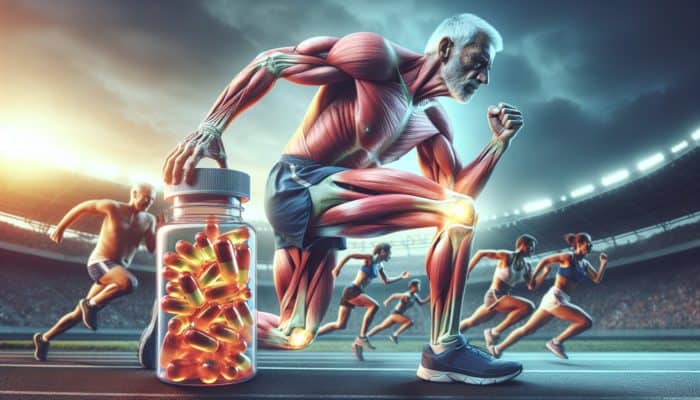
Best Supplements for Older Runners: Embarking on a running journey offers numerous benefits; however, the inevitable process of aging brings about physical changes that can negatively impact both performance and recovery. Older runners often encounter obstacles such as diminished muscle mass, increased joint stiffness, and extended recovery times. These challenges arise from age-related declines in muscle strength and joint health, which notably affect running performance. This is where dietary supplements become indispensable. They provide essential nutrients that older runners might not receive adequately through their regular diets, facilitating quicker recovery, boosting endurance, and enhancing overall health. As a result, older runners can continue their passion for running with renewed energy and enthusiasm.
As we age, our bodies experience a reduced capacity to absorb certain essential nutrients, leading to older runners potentially struggling to get adequate vitamins and minerals from food alone to meet their training demands. This is where supplements act as a vital link. For instance, protein supplements are crucial for muscle recovery, while specific vitamins are necessary for strengthening immune function—an essential component for maintaining a consistent training schedule. Ultimately, by integrating supplements tailored to their unique needs, older runners can sustain their running practices and significantly enhance their performance and enjoyment of the sport.
Which Types of Supplements Offer Maximum Benefits for Aging Runners?
A wide variety of supplements can greatly assist older runners in maintaining their physical health and optimizing performance levels. A key category includes joint health supplements, such as glucosamine and chondroitin, which are vital for preserving cartilage integrity and overall joint functionality. As runners age, the wear and tear on their joints can lead to discomfort and reduced mobility; thus, these supplements play a crucial role in effective pain management and improved joint performance.
Another important category includes muscle-building supplements, such as protein powders and creatine, which are advantageous for older runners striving to preserve the muscle mass that typically declines with age. Additionally, antioxidant supplements, including vitamins C and E, are instrumental in combating oxidative stress triggered by strenuous training. These antioxidants are essential in reducing inflammation and promoting rapid recovery, enabling older runners to train effectively while minimizing the risk of injury.
Moreover, omega-3 fatty acids are vital due to their anti-inflammatory properties, which support heart health and enhance joint function. Finally, multivitamins specifically designed for older adults can ensure that runners obtain all the crucial micronutrients needed to maintain overall health, facilitating endurance and recovery during their running sessions.
What Key Safety Considerations Should Be Made When Using Supplements?
Prioritizing safety is paramount when considering the use of supplements among older runners. As individuals age, they may have existing health conditions or be taking medications that could negatively interact with certain supplements. Therefore, consulting a healthcare provider or a sports nutritionist before starting any supplement regimen is essential. These professionals can provide personalized recommendations based on individual health profiles and specific running goals.
Additionally, older runners must remain vigilant about the quality and effectiveness of the supplements they choose. Not all products on the market are created equally; some may contain fillers or lower-quality ingredients. It is wise to select products that have undergone thorough third-party testing for purity and potency to ensure safety. Furthermore, understanding the appropriate dosages is crucial to avoid potential adverse effects. Starting with lower doses and gradually increasing while monitoring the body’s responses can help ensure a safe evaluation of the supplements’ effects.
Gain Insights from Experts on the Best Supplements for Aging Runners
What Are Some Real-World Success Stories of Older Runners Using Supplements?
Real-world success stories offer invaluable insights into the effectiveness of supplements specifically designed for older runners. Numerous athletes have shared personal experiences that highlight the positive influence these supplements have had on their performance and overall well-being.
- A 65-year-old marathon runner incorporated a daily glucosamine supplement into his routine and reported a substantial reduction in joint pain, allowing him to increase his training intensity.
- A group of older runners took part in a study where they consumed whey protein after their runs, resulting in improved muscle recovery and reduced post-workout soreness.
- An 80-year-old sprinter began adding omega-3 fatty acids to her regimen and noticed enhanced joint flexibility, enabling her to maintain her speed during training sessions.
- After introducing antioxidant-rich supplements to her routine, a 70-year-old ultramarathoner experienced significantly improved recovery times, allowing her to compete in consecutive races.
- A retired military veteran in his 60s started using creatine, leading to noticeable improvements in overall strength, positively impacting his running speed and endurance.
These examples highlight that appropriate supplements can lead to significant performance enhancements, emphasizing the importance of personalized nutritional strategies for older runners. A common thread among these success stories is that each individual approached supplementation with a clear understanding of their specific goals and health requirements, often seeking expert guidance.
How Can Experts Assist You in Making Informed Supplement Choices?
Experts such as healthcare providers or sports nutritionists play a vital role in helping older runners make well-informed decisions regarding their supplement choices. Their expertise is especially beneficial in developing personalized supplement plans tailored to an individual’s health conditions, dietary habits, and fitness objectives.
Consulting with a professional can help older runners navigate the multitude of options available, ensuring they select supplements that meet their unique needs. Experts can conduct comprehensive assessments to identify any nutrient deficiencies or health concerns that may require supplementation. For instance, they may recommend muscle-building supplements for individuals experiencing muscle loss or joint health products for those dealing with discomfort during their running sessions.
Furthermore, experts can educate older runners on the significance of proper timing and dosages, advising them on the optimal times to take supplements to maximize their benefits. They can also monitor the effects of supplementation over time, enabling runners to adjust their intake based on performance improvements or any adverse reactions that may occur. This collaborative approach ensures that older runners can safely and effectively incorporate supplements into their routines, optimizing their training results.
What Are the Actionable Steps to Seamlessly Integrate Supplements into Your Running Regimen?

Integrating supplements into a running regimen necessitates a systematic and organized approach. Here are actionable steps that older runners can implement to ensure a smooth transition into supplement usage:
- Assess Your Current Health: Before starting any new supplement, older runners should consult with a healthcare provider to evaluate their current health status. This assessment can highlight specific needs or deficiencies that supplements may address.
- Research and Select Supplements: Based on health evaluations, older runners should conduct thorough research and select supplements tailored to their particular needs. Prioritize quality brands that have undergone third-party testing to ensure safety and effectiveness.
- Establish a Plan: When beginning a supplement regimen, older runners should develop a clear strategy detailing which supplements to take, the timing for intake, and the correct dosages. This organized approach facilitates effective monitoring of effects.
- Monitor Effects: Keeping a log to track performance, recovery times, and any side effects can aid older runners in assessing the impact of their supplement use. Adjustments can be made based on these observations.
- Consult Regularly with Experts: Ongoing check-ins with a healthcare provider or nutritionist are crucial for continued support and guidance. They can help determine if modifications are needed as the runner’s training intensifies or if health challenges arise.
By following these steps, older runners can seamlessly integrate supplements into their routines, ultimately enhancing their running experience while prioritizing health and safety.
Discover the Top Supplements for Joint Health for Aging Runners
What Are the Most Effective Supplements for Supporting Joint Health?
For older runners, maintaining joint health is essential for sustaining an active lifestyle. The most effective supplements for joint health typically include glucosamine and chondroitin, which are well-known for their ability to support cartilage repair and reduce inflammation. These compounds work synergistically: glucosamine helps maintain cartilage structure, while chondroitin aids in hydration and improves elasticity, enhancing overall joint mobility.
Additionally, omega-3 fatty acids are celebrated for their anti-inflammatory properties, which can help alleviate joint pain and stiffness, enabling older runners to stay active. Vitamin D also plays a critical role, as it facilitates calcium absorption and supports bone health, which is vital for maintaining joint integrity. Another noteworthy supplement is curcumin, an active compound found in turmeric, known for its potent anti-inflammatory effects, providing sustainable support for joint health.
Given the diverse global landscape of running, the availability of these supplements can vary. However, with an increasing awareness of joint health, older runners can easily find these products at health stores or online, making them accessible regardless of their location.
How Do Joint Health Supplements Improve Overall Joint Functionality?
Joint health supplements specifically target the root causes of joint pain and degeneration, which can be exacerbated in older individuals who run. For example, glucosamine and chondroitin contribute to the maintenance and repair of cartilage, which often deteriorates due to the repetitive strain of running. By supplementing with these compounds, older runners can help restore cartilage integrity, reducing pain and enhancing mobility.
Moreover, omega-3 fatty acids are integral in reducing inflammation. By lowering inflammatory markers in the body, these fatty acids help diminish joint pain commonly associated with aging and intense physical activity. Additionally, vitamin D is crucial for maintaining robust bones, which support joint function, especially during weight-bearing activities such as running.
Supplements like curcumin can provide additional anti-inflammatory benefits, promoting overall joint health by reducing swelling and discomfort. Collectively, these supplements create a comprehensive approach to joint care that is particularly beneficial for older runners, enabling them to maintain their activity levels and enjoy running without significant discomfort.
What Are the Recommended Dosages and Timing for Joint Health Supplements?
Understanding the proper dosages and timing for joint health supplements is crucial for optimizing their effectiveness. Typically, a daily dosage of glucosamine ranges from 1,500 mg to 2,000 mg, while chondroitin is usually recommended at a dosage of 1,200 mg per day. It is advisable to take these supplements consistently over an extended period, as their benefits are cumulative and may not be immediately evident.
Omega-3 fatty acids can be taken in daily dosages ranging from 1,000 mg to 3,000 mg, depending on an individual’s dietary intake of fatty fish and overall health. For vitamin D, the recommended daily allowance varies but is generally around 600 IU for adults over 50. However, some individuals may require higher doses based on their blood levels, making consultation with a healthcare provider essential.
Timing can significantly influence the efficacy of these supplements. For instance, dividing doses throughout the day can enhance absorption and improve digestive comfort. Taking joint supplements with meals may further aid in their absorption. By adhering to these recommended dosages and timing strategies, older runners can bolster their joint health, allowing them to run safely and effectively.
Evidence-Based Benefits of Key Supplements for Aging Runners
What Do Experts Say About the Effectiveness of Muscle-Building Supplements?
Research demonstrates that muscle-building supplements can significantly enhance the performance of older runners. Clinical studies have shown that supplements like whey protein and creatine can assist older adults in increasing muscle mass and strength, which are essential for maintaining running performance as they age.
Whey protein, for example, is a source of high-quality protein that supplies essential amino acids required for muscle repair and growth. A study indicated that older adults who consumed whey protein post-exercise experienced greater muscle protein synthesis compared to those who did not. This is especially important for older runners who frequently face muscle loss due to age-related factors.
Creatine, on the other hand, is recognized for its ability to enhance energy production during high-intensity activities. Research has shown that older adults who supplement with creatine can experience significant improvements in muscle strength and power, which directly impact their running performance. Moreover, the benefits of these supplements extend beyond muscle building; they can also facilitate recovery, allowing older runners to recuperate more rapidly between training sessions.
What Are the Key Insights from Recent Supplement Research?
Recent research has revealed several critical findings regarding the use of supplements among older runners. Numerous studies have concentrated on the advantages of specific supplements in enhancing endurance, reducing recovery times, and improving overall health. For instance, research indicates that whey protein supplementation can lead to increased lean muscle mass and improved recovery following endurance training.
Additionally, a systematic review concluded that creatine supplementation significantly enhances strength performance in older populations, reinforcing the idea that muscle maintenance is vital for preserving running capabilities. Omega-3 fatty acids have also been shown to alleviate inflammation, which is particularly beneficial for older runners prone to joint issues, thus enhancing their training regimens.
Moreover, studies indicate the effectiveness of antioxidants in minimizing oxidative stress caused by intense running. Antioxidant supplements can help reduce muscle soreness and inflammation, facilitating quicker recovery and enabling increased training frequency. Overall, research consistently emphasizes the significance of thoughtful supplementation in optimizing performance and health for older runners.
How Can Older Runners Stay Informed About Supplement Research?
Staying informed about the latest supplement research is essential for older runners who aim to make educated choices regarding their health and wellness. One effective strategy is subscribing to reputable health and fitness journals that publish peer-reviewed studies on supplementation. Journals like the Journal of the International Society of Sports Nutrition and the American Journal of Clinical Nutrition frequently feature the latest research findings.
Additionally, following expert blogs and social media channels can provide valuable insights into emerging trends and recommendations within the supplement industry. Many sports nutritionists and healthcare professionals share summaries of research, practical tips, and personal experiences that can assist older runners in effectively navigating supplementation.
Participating in workshops or webinars focused on sports nutrition can further enhance knowledge and foster discussions with experts in the field. Engaging in online forums with fellow runners can provide shared experiences regarding supplements, creating a community-based source of information and support. By actively seeking credible sources and engaging with the community, older runners can remain informed and make knowledgeable decisions about their supplementation.
What Are the Recommended Best Practices for Supplement Intake Among Older Runners?
Establishing best practices for supplement intake is crucial for older runners to maximize benefits while minimizing potential risks. First and foremost, older runners should consult a healthcare provider before initiating any new supplement regimen to ensure safety and appropriateness, considering their unique health conditions and potential interactions with existing medications.
Timing plays a vital role in optimizing the effectiveness of supplements. For example, consuming protein supplements immediately after training can enhance muscle recovery. Conversely, certain vitamins and minerals, such as vitamin D and calcium, should be taken consistently over time to reap their full benefits.
Moreover, older runners should regularly monitor their supplement use and adjust dosages as necessary. Keeping a journal can help track which supplements are effective and how they influence performance and overall well-being. Careful consideration should also be given to combining supplements; for example, while omega-3s can complement anti-inflammatory supplements, other combinations may require professional guidance to prevent adverse interactions.
Finally, maintaining a balanced diet rich in whole foods is critical for effective supplementation. Supplements are not substitutes for a healthy diet; instead, they serve as tools to enhance overall nutritional intake. By following these best practices, older runners can approach supplementation with confidence, ensuring that they effectively support their running goals while prioritizing their overall health.
How Do Antioxidants Enhance Performance for Aging Runners?
What Benefits Do Antioxidants Offer for Running Performance?
Antioxidants play a pivotal role in improving athletic performance, particularly for older athletes. As runners age, their bodies become increasingly susceptible to oxidative stress triggered by rigorous physical activity, leading to muscle fatigue and prolonged recovery times. Antioxidants work by neutralizing free radicals produced during exercise, thereby reducing oxidative damage and inflammation.
For older runners, the accumulation of oxidative stress can hinder performance, making it essential to include antioxidants in their diets. Research has demonstrated that antioxidants can enhance endurance and recovery periods, allowing athletes to maintain consistent training and performance levels. By minimizing muscle damage and soreness, antioxidants facilitate quicker recovery, enabling older runners to train more frequently and effectively.
Moreover, antioxidants such as vitamins C and E, along with flavonoids found in various fruits and vegetables, contribute to immune function, further bolstering overall health. This aspect is particularly vital for older runners who may be more susceptible to illness due to a decline in immune responses linked to aging.
Which Antioxidant Supplements Are Most Beneficial for Aging Runners?
When considering the most effective antioxidant supplements for older runners, specific options stand out for their efficacy and safety. Vitamins C and E rank among the most researched antioxidants, recognized for their ability to combat oxidative damage. Vitamin C, a water-soluble vitamin, is crucial for collagen synthesis and essential for maintaining joint and tissue health, making it a beneficial addition for regular runners.
Another potent antioxidant is Coenzyme Q10 (CoQ10), which aids in energy production within cells and has been shown to reduce exercise-induced oxidative stress. Furthermore, supplements containing flavonoids, such as quercetin, have been linked to improved endurance and recovery, making them ideal for aging runners seeking to enhance their performance.
Additionally, resveratrol, a natural compound found in red wine and berries, is gaining recognition for its antioxidant properties and potential to improve cardiovascular health. Older runners can greatly benefit from integrating antioxidant supplements into their routines, helping to mitigate oxidative stress and optimize their overall performance.
How Can Older Runners Seamlessly Incorporate Antioxidants into Their Daily Routines?
Incorporating antioxidant-rich foods and supplements into a daily regimen can yield significant benefits for older runners. To achieve optimal antioxidant intake, it is essential to consume a diverse range of foods rich in these compounds. Fruits such as berries, cherries, and oranges are excellent sources of vitamins C and E, while nuts and seeds provide healthy fats along with additional antioxidants.
Moreover, adding vegetables such as spinach, kale, and broccoli to meals can significantly enhance overall nutrient density. For those considering supplements, taking them alongside meals can improve absorption and minimize potential digestive discomfort.
Establishing a routine for supplement intake can also assist older runners in maintaining consistency. For example, designating a specific time each day to take antioxidants, such as during breakfast or immediately following a workout, can help establish a habit that maximizes their benefits.
Staying mindful of hydration is equally important; drinking sufficient water supports the effective transport of these nutrients throughout the body. By implementing these practices, older runners can leverage the power of antioxidants to enhance their health and improve their running performance.
How Do Antioxidants Contribute to Injury Prevention for Aging Runners?
Antioxidants play a crucial role in preventing injuries among older runners. By reducing oxidative stress and inflammation, antioxidants help shield muscle cells from damage caused by the demands of running. This protective mechanism can lead to a lower risk of injuries, especially for older runners who are particularly vulnerable due to age-related changes in muscle and joint health.
Integrating antioxidants into a training program can also accelerate recovery, allowing older runners to rebound more quickly from strenuous workouts. This capability enables them to engage in training more effectively while simultaneously decreasing the likelihood of injuries arising from overtraining or insufficient recovery periods.
Furthermore, antioxidants contribute to joint health by alleviating inflammation and discomfort associated with the wear and tear of running. This anti-inflammatory effect is vital for maintaining mobility and flexibility, empowering older runners to continue their training without significant setbacks.
By prioritizing antioxidants in their diets and supplementation routines, older runners can build resilience against injuries, enriching their overall running experience while promoting longevity in their athletic pursuits.
Strategies for Optimizing the Use of Supplements
What Factors Should Influence Your Selection of Supplements?
Selecting the appropriate supplements for aging runners requires careful consideration of several crucial factors. First and foremost, age and health status are vital determinants; older athletes should evaluate their current health conditions and any medications that could interact with supplements. This process often involves consulting a healthcare provider or nutritionist to tailor supplement choices accordingly.
Dietary habits also significantly influence supplement selection. Older runners should assess their dietary intake to identify nutrient gaps that supplementation can effectively address. For example, if an individual is not consuming adequate protein from dietary sources, a protein supplement may prove beneficial.
Another important factor is running goals. Whether the objective is to enhance endurance, build muscle, or improve recovery, the types of supplements needed can vary. For instance, a runner focused on muscle maintenance may prioritize creatine and protein supplements, while another aiming to reduce inflammation may opt for omega-3 fatty acids or antioxidants.
Lastly, personal preferences and sensitivities should not be overlooked. Some individuals may prefer whole food sources of nutrients over synthetic supplements. Acknowledging these personal preferences can ensure adherence to a supplement regimen, ultimately supporting running goals more effectively.
How Can Older Runners Effectively Monitor and Adjust Their Supplement Regimens?
Monitoring and adjusting supplement regimens is essential for older runners to ensure they achieve their desired outcomes without experiencing adverse side effects. Regular self-assessment, including tracking performance metrics and recovery times, provides valuable insights into how supplements are influencing overall wellness.
Maintaining a journal to document supplements taken, along with notes regarding energy levels, muscle soreness, and overall well-being, can be immensely beneficial. This detailed tracking allows older runners to identify patterns, helping them determine which supplements yield the most favorable results.
If certain supplements do not appear effective, it may be wise to consult with a healthcare provider to discuss potential adjustments. This may involve altering dosages, trying different brands, or even eliminating specific supplements that are not producing the desired effects.
Furthermore, as training regimens evolve and personal goals change, older runners should remain prepared to reassess their supplement needs regularly. Engaging in ongoing conversations with healthcare professionals can provide fresh perspectives and ensure that supplementation remains aligned with the runner’s health and performance objectives.
What Are the Essential Tips for Maximizing Supplement Benefits?
To maximize the benefits of supplements, older runners can implement these practical tips:
- Stay Consistent: Regular, consistent use of supplements is vital for experiencing their full benefits. Adhere to a routine that aligns with meals and workouts.
- Hydrate Adequately: Proper hydration facilitates nutrient absorption and supports overall bodily functions, thereby enhancing the effectiveness of supplements.
- Combine Wisely: Certain supplements work synergistically to amplify their benefits. For example, pairing vitamin D with calcium boosts bone health, while antioxidants can enhance muscle recovery.
- Adjust as Needed: Be willing to evaluate and modify supplement regimens based on personal experiences and feedback from healthcare providers.
- Prioritize Whole Foods: Supplements should complement a balanced diet. Focus on nutrient-dense foods to ensure optimal health.
- Track Your Progress: Keep a journal to monitor how supplements affect your performance and recovery, making it easier to adjust your regimen.
- Consult Regularly: Frequent check-ins with healthcare professionals can provide guidance and ensure your supplement choices remain safe and effective.
By employing these strategies, older runners can develop an effective supplement regimen that supports their running endeavors while promoting their overall health and well-being.
Frequently Asked Questions About Supplements for Aging Runners
What Are the Most Effective Supplements for Older Runners?
The most effective supplements for older runners typically include glucosamine and chondroitin for joint health, whey protein for muscle maintenance, omega-3 fatty acids for reducing inflammation, and antioxidants such as vitamins C and E to combat oxidative stress.
How Can I Determine If I Need Supplements?
Older runners should assess their dietary intake and health status in consultation with a healthcare provider. If deficiencies or health concerns are identified, supplements may be recommended to support overall performance and recovery.
Can Supplements Interact with Medications?
Yes, certain supplements can interact with medications, potentially affecting their efficacy or causing adverse reactions. Consulting with a healthcare provider before starting any new supplement regimen is vital.
What Is the Best Way to Incorporate Supplements into My Routine?
Begin by consulting with a healthcare provider to determine the most suitable supplements for your needs. Establish a consistent routine for taking them, ideally with meals to enhance absorption, and monitor their effects on your performance.
Are There Any Side Effects Associated with Supplements?
While many supplements are safe, some can result in side effects such as digestive discomfort, allergic reactions, or interactions with medications. Observing your response and consulting with a professional can help mitigate risks.
How Much Protein Should Older Runners Aim to Consume?
Older runners should target 1.2 to 2.0 grams of protein per kilogram of body weight daily, depending on their activity level and training intensity, to support muscle maintenance and recovery.
What Role Do Antioxidants Play in Recovery?
Antioxidants help reduce oxidative stress and inflammation caused by intense exercise. By counteracting these effects, they can enhance recovery times and minimize muscle soreness in older runners.
Is It Possible to Obtain Sufficient Nutrients from Food Alone?
While a balanced diet is optimal, older adults may experience issues with nutrient absorption. Supplements can help address gaps, particularly if dietary intake is insufficient to meet increased nutrient needs.
When Is the Best Time to Take Joint Health Supplements?
Joint health supplements, such as glucosamine and chondroitin, can be taken daily, preferably with meals, to enhance absorption. Consistency is crucial for achieving maximum benefits over time.
How Can I Stay Updated on Supplement Research?
To stay informed, subscribe to reputable health and nutrition journals, follow expert blogs, engage in online forums, and attend workshops that focus on sports nutrition and supplementation for older adults.
Connect with us on Facebook!
The Article Best Supplements for Older Runners: Enhance Your Performance appeared first on https://athleticsupplement.com
The Article Supplements for Older Runners: Boost Your Performance Was Found On https://limitsofstrategy.com