Comprehensive Guide to Thyroid Blood Testing
What Is Involved in a Thyroid Blood Test?
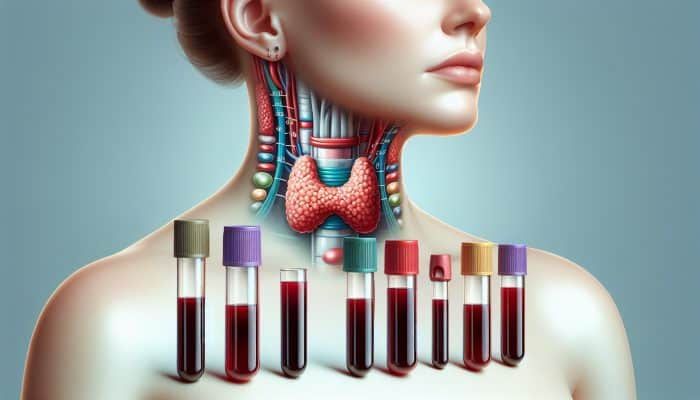
Thyroid Blood Test in Bath: A thyroid blood test serves as a crucial diagnostic method that assesses the levels of vital thyroid hormones present in the bloodstream, primarily aimed at evaluating the functionality of the thyroid gland. Located in the neck, the thyroid gland plays an essential role in regulating metabolic processes, energy levels, and overall bodily functions through hormone secretion. By analyzing these hormone levels, healthcare practitioners can identify various thyroid conditions, particularly hypothyroidism and hyperthyroidism. This test holds particular importance for individuals exhibiting symptoms such as chronic fatigue, unexplained weight fluctuations, and mood variations.
The testing procedure typically entails the collection of a small blood sample, which is subsequently analyzed in a laboratory. The findings from a thyroid blood test can provide critical insights into the efficiency of thyroid function, revealing whether there is an excess or deficiency in hormone production. This information is essential in formulating the most suitable treatment approaches for patients. In summary, a thyroid blood test transcends being merely a routine procedure; it represents a foundational element in evaluating thyroid health.

What Varieties of Thyroid Blood Tests Are Offered to Patients?
There are several types of thyroid blood tests, each specifically designed to evaluate different aspects of thyroid functionality. The most frequently conducted tests include:
- TSH Test: This test measures the level of Thyroid Stimulating Hormone, which is crucial for controlling the production of T4 and T3 hormones.
- T4 Test: This test assesses the concentration of Thyroxine, the principal hormone produced by the thyroid, reflecting its overall performance.
- T3 Test: This evaluates the level of Triiodothyronine, a key hormone involved in metabolic functions, and is performed when hyperthyroidism is suspected.
- Free T4 and Free T3 Tests: These tests measure the unbound forms of T4 and T3, providing a clearer picture of hormone availability in the bloodstream.
- Thyroid Antibody Tests: These tests detect antibodies that could indicate autoimmune thyroid diseases, such as Hashimoto’s thyroiditis or Graves’ disease.
Each of these tests serves a distinct purpose, and a thorough evaluation often requires multiple tests to accurately assess thyroid health. For instance, elevated TSH levels paired with decreased T4 levels may indicate hypothyroidism, while low TSH levels along with high T4 levels could signify hyperthyroidism.
Understanding the relationship between these tests enables healthcare professionals to create effective treatment strategies tailored to the unique needs of each patient. This holistic approach is crucial for accurate diagnosis and effective management of thyroid-related conditions.
How Should You Prepare for a Thyroid Blood Test?
Preparation for a thyroid blood test is an important step that can significantly enhance the accuracy of the test results. Patients should follow the specific guidelines provided by their healthcare providers. Common recommendations include:
- Fasting: Certain tests may require fasting for a designated period before blood collection, which helps minimize the impact of recent food intake on hormone levels.
- Avoiding Medications: Certain medications can influence thyroid hormone levels. It is advisable to consult your physician regarding which medications should be paused prior to testing.
- Timing: Thyroid hormone levels can fluctuate throughout the day, making the timing of the test crucial; morning appointments are often preferred.
- Staying Hydrated: Drinking water is generally encouraged; however, patients should confirm fasting requirements with their healthcare provider.
Adhering to these preparatory guidelines can result in more dependable test outcomes, which are vital for precise diagnosis and suitable treatment. Additionally, patients should inform their healthcare provider of any changes in health status, medications, or symptoms leading up to the test. This context can enhance the evaluation of thyroid health and the interpretation of test results.
Where Can You Obtain Thyroid Blood Tests in Bath?

Exploring NHS Options for Thyroid Testing in Bath
In Bath, the National Health Service (NHS) provides reliable and accessible options for acquiring a thyroid blood test. Patients can utilize these services at local health centers or hospitals. Generally, the first step for individuals experiencing symptoms indicative of thyroid issues is to obtain a referral from a General Practitioner (GP). NHS facilities are equipped to conduct routine health evaluations, including thyroid tests, ensuring comprehensive patient care.
Patients can expect a streamlined process, commencing with an appointment at their local GP practice, where they can discuss their symptoms and concerns. If deemed necessary, GPs will arrange for a blood test, which can be performed on-site or may require a visit to a nearby laboratory. The NHS prioritizes patient care, striving to provide timely access to critical diagnostic tests, thus ensuring individuals receive appropriate follow-up based on their results.
Moreover, NHS blood test results are typically processed within a few days, facilitating prompt communication with patients regarding their thyroid health. This efficient system supports the early identification of thyroid disorders, enabling timely intervention and effective management.
What Are the Benefits of Private Sector Thyroid Testing in Bath?
For those seeking quicker results from their thyroid blood test or a more detailed analysis, private clinics in Bath offer an appealing alternative. These facilities provide increased flexibility in scheduling appointments and often feature shorter wait times for tests. Moreover, patients can experience more personalized care, as private clinics typically maintain a lower patient-to-provider ratio.
A multitude of private health providers in Bath offer thyroid testing services, allowing patients to choose based on their specific requirements and budget. Some clinics may present advanced testing options, including comprehensive hormone panels and extensive health assessments that extend beyond standard thyroid evaluations.
When considering a private clinic, patients should conduct thorough research on the clinic’s reputation, the qualifications of healthcare providers, and patient reviews. Many clinics also feature convenient online booking systems, making it easy to arrange appointments according to individual preferences. While costs may vary, it is essential to weigh the benefits of expedited results and personalized care against potential expenses, particularly for those without health insurance coverage.
What Is the Process of Thyroid Blood Testing Like?

During a thyroid blood test, patients can anticipate a straightforward and minimally invasive procedure. A healthcare professional usually collects a small blood sample from a vein in the arm using a fine needle and syringe. The entire process is typically quick, lasting only a few minutes, with most patients reporting minimal discomfort.
Before initiating the test, the healthcare provider will usually sanitize the area with an antiseptic wipe to prevent infection. A tourniquet may be applied above the collection site to enhance vein visibility. Once the blood is collected, the needle is swiftly removed, and pressure is applied to the site to minimize bleeding.
Patients may experience a brief pinch or sting during needle insertion; however, this sensation is usually fleeting. After the test, patients are advised to keep the bandage on for several hours to ensure proper healing. The overall experience is designed to be as comfortable as possible, with healthcare professionals trained to support patients throughout the procedure.
For individuals who may feel anxious about blood tests, it can be beneficial to communicate these feelings to the healthcare provider, who can offer reassurance and relaxation techniques to help ease anxiety. Understanding the procedure can reduce apprehension, allowing individuals to approach the test with confidence.
How to Effectively Prepare for Your Thyroid Blood Test?
Thorough preparation for a thyroid blood test is crucial for ensuring the accuracy and reliability of the results. Patients should take several key steps prior to their appointment:
- Consult Your Doctor: Discuss any medications, supplements, or health conditions that may influence your test outcomes.
- Medications: Adhere to your doctor’s instructions regarding whether to continue or pause medications before testing.
- Fasting: If fasting is required, ensure you follow the specific time frame indicated by your healthcare provider.
- Gather Information: Bring relevant medical records or details concerning your symptoms to your appointment.
By following these preparatory steps, patients can contribute to more accurate and meaningful test outcomes. Arriving at the appointment slightly earlier can also be advantageous, allowing time to complete necessary paperwork and to relax before the test. This preparation not only increases the likelihood of obtaining accurate results but also empowers patients to actively engage in their healthcare journey.
How to Interpret Your Thyroid Test Results Effectively?
After undergoing a thyroid blood test, understanding the results is essential for managing thyroid health effectively. The results typically comprise measurements of TSH, T4, and T3 hormone levels, providing insights into the thyroid gland’s performance.
TSH levels serve as a primary indicator of thyroid function, with normal ranges typically falling between 0.4 and 4.0 mIU/L. An elevated TSH level may suggest hypothyroidism, while a low TSH level could imply hyperthyroidism. T4 and T3 levels further clarify thyroid performance, with normal free T4 levels ranging from 0.8 to 1.8 ng/dL and normal T3 levels spanning from 80 to 220 ng/dL.
Interpreting these results can be complex, as factors such as age, overall health, and specific symptoms significantly influence outcomes. Therefore, patients must discuss their findings with their healthcare provider, who can offer context and elaborate on any irregularities. They can also recommend necessary follow-up tests or treatments based on the results, ensuring that patients receive personalized care tailored to their thyroid health.
Regular monitoring of thyroid levels is crucial, especially for individuals diagnosed with thyroid disorders. Understanding how to interpret these results empowers patients to take control of their health and facilitates informed decision-making regarding their treatment options.
Expert Perspectives on Thyroid Blood Testing in Bath
What Are Patients in Bath Saying About Their Thyroid Testing Experiences?
Patients in Bath have shared numerous positive testimonials regarding their thyroid blood test experiences, highlighting the professionalism and empathy displayed by local healthcare providers. For instance, one patient recounted their journey from experiencing debilitating fatigue and unexpected weight gain to receiving an accurate diagnosis of hypothyroidism. The healthcare professionals expertly guided them through the testing process, alleviating any anxiety they initially felt.
Another individual commended the efficiency of testing at a local NHS facility, valuing the rapid turnaround time for results, which enabled prompt initiation of treatment. Testimonials like these underscore the quality of care patients receive and reassure others who may feel apprehensive about undergoing a thyroid blood test.
Real-life examples are crucial in demystifying the testing process, encouraging more individuals in Bath to pursue necessary evaluations. When patients hear success stories from their peers, it cultivates a sense of community and support, making them feel more comfortable with their healthcare decisions.
What Practical Steps Can You Take to Prepare for a Thyroid Test in Bath?
Preparing for a thyroid blood test in Bath can be streamlined by following a few practical steps. Here’s a concise checklist to assist patients:
- Book Your Appointment: Schedule your test at a local NHS facility or private clinic.
- Discuss Medications: Consult your doctor regarding any medications that may need adjustment before testing.
- Fasting Requirements: Confirm whether fasting is necessary and adhere to the recommended guidelines.
- Gather Medical History: Compile relevant health information and symptoms to discuss during your appointment.
- Plan Your Day: Ensure a stress-free day leading up to the test, allowing ample time and avoiding rush.
- Stay Hydrated: Drink sufficient water before the test, but verify with your provider if fasting is required.
By following these guidelines, patients can approach their thyroid blood test with confidence and enhance the accuracy of their results. Recognizing the significance of preparation can alleviate stress and improve the overall testing experience, making it more positive and informative.
How to Analyze Your Thyroid Test Results in Detail?
Interpreting thyroid blood test results can be intricate, requiring a grasp of normal hormone levels and the implications of any deviations. Local experts in Bath emphasize the necessity of contextualizing these results within the broader spectrum of a patient’s health status.
For example, if a patient presents with elevated TSH and low T4 levels, it generally suggests hypothyroidism. In contrast, low TSH accompanied by elevated T4 may indicate hyperthyroidism. Additional assessments, such as thyroid antibody tests, can further clarify autoimmune conditions like Hashimoto’s disease or Graves’ disease.
Experts advocate that patients should not solely focus on individual hormone levels but also consider accompanying symptoms and overall health. Collaborating with healthcare providers to discuss the nuances of results fosters a deeper understanding of one’s thyroid health. This communication is vital, as it can lead to timely interventions and informed treatment decisions tailored to individual needs.
Regular follow-up is also essential, as thyroid function may fluctuate over time. Experts recommend periodic testing, especially for those with diagnosed thyroid conditions, to monitor any changes that may require adjustments in treatment.
Why Is Regular Thyroid Testing Important in Bath?
Frequent thyroid blood tests are essential for maintaining thyroid health, particularly for individuals diagnosed with thyroid disorders or exhibiting symptoms. Experts in Bath underscore the significance of these tests for early detection and continuous monitoring.
Regular testing enables healthcare providers to track hormone levels and make timely adjustments to treatment plans. For example, patients undergoing treatment for hypothyroidism need regular evaluations to ensure their medication dosage remains effective, thus preventing symptoms related to under- or over-treatment.
Additionally, consistent testing can help identify changes in thyroid function resulting from factors like aging, lifestyle modifications, or other underlying health issues. Early detection of abnormalities can avert complications and enhance overall quality of life. Experts encourage individuals to adopt a proactive approach regarding their thyroid health, advocating for routine check-ups and dialogues with healthcare providers about testing schedules.
Moreover, the community in Bath has access to numerous resources and specialists devoted to thyroid health, making it easier for individuals to stay informed and engaged in their health management. This proactive stance empowers patients, ensuring they remain vigilant about their thyroid function and overall well-being.
Who Are the Available Thyroid Specialists and Clinics in Bath?
Bath is home to several esteemed thyroid specialists and clinics that cater to the diverse needs of patients seeking thyroid health management. The Royal United Hospital Bath stands out for providing comprehensive endocrinology services, including thyroid testing and treatment.
Another well-regarded facility is the Bath Clinic, where patients can find specialists skilled in diagnosing and managing thyroid conditions. This clinic is celebrated for its patient-centered approach, ensuring individuals receive care tailored to their specific health needs.
For those preferring private healthcare, Circle Bath Hospital offers advanced thyroid testing options and consultations with endocrinologists focusing on personalized treatment strategies.
Patients are encouraged to research these establishments and consider factors such as location, services provided, and patient reviews. Accessing local specialists can provide invaluable support in navigating thyroid health, from initial diagnosis to ongoing management and treatment. Establishing a relationship with a trusted healthcare provider can enhance patient confidence in their care and encourage a proactive approach to thyroid health.
How Do Thyroid Blood Tests Enhance Your Health?
Facilitating Early Detection of Thyroid Disorders
The primary advantage of thyroid blood tests resides in their capacity to enable the early identification of thyroid disorders. Recognizing these conditions in their initial phases is crucial for timely intervention and effective treatment. For example, individuals diagnosed with hypothyroidism can initiate hormone replacement therapy before experiencing significant complications, such as cardiovascular problems or severe fatigue.
Regular testing can unveil subtle changes in thyroid function that might otherwise go unnoticed. Early detection empowers healthcare professionals to implement monitoring strategies and treatment plans specifically tailored to each patient’s individual needs. This proactive approach significantly improves the quality of life for those grappling with thyroid disorders.
Moreover, early detection can prevent the progression of thyroid diseases, which may lead to more severe health issues over time. For instance, untreated hyperthyroidism can result in complications such as heart conditions or osteoporosis. By prioritizing thyroid health through regular testing, individuals can take charge of their well-being, averting potential complications stemming from thyroid dysfunction.
Why Is Continuous Monitoring of Thyroid Health Essential?
Regular thyroid blood tests play a vital role in monitoring thyroid health, especially for patients with a history of established thyroid disorders. Ongoing monitoring allows healthcare providers to modify treatment plans as necessary, ensuring that patients receive the most effective interventions.
For instance, individuals receiving treatment for hypothyroidism require periodic tests to confirm that their thyroid hormone levels remain within the desired range. This continuous assessment is crucial for preventing symptoms associated with insufficient hormone production and ensuring treatment efficacy.
Moreover, regular testing enables healthcare providers to monitor for potential side effects of treatment, allowing timely adjustments to medication or dosage as required. This level of vigilance in monitoring thyroid health significantly contributes to improved health outcomes and patient satisfaction.
Additionally, for patients transitioning from treatment to maintenance, consistent testing ensures that thyroid function remains stable. Individuals can feel empowered by actively participating in their health management, as regular monitoring aligns with their broader health goals and lifestyle choices.
What Symptoms May Indicate Thyroid Imbalances?
The symptoms associated with thyroid imbalances can vary widely and significantly impact daily life. Common indicators include persistent fatigue, unexpected weight changes, and mood fluctuations. These symptoms often prompt individuals to seek a thyroid blood test for an accurate diagnosis.
Hypothyroidism typically presents with symptoms such as increased fatigue, weight gain, cold sensitivity, and depression. On the other hand, hyperthyroidism may manifest as weight loss, rapid heartbeat, anxiety, and heat intolerance. Recognizing these symptoms promptly is essential for individuals to seek timely medical attention.
Additionally, some patients might experience less common symptoms, such as hair loss or changes in skin texture. Being alert to these signs can facilitate earlier diagnosis and intervention. If individuals observe any concerning symptoms, they should consult their healthcare provider to discuss the possibility of undergoing a thyroid blood test.
Awareness of these symptoms not only encourages individuals to take action when necessary but also enhances their understanding of overall health. Proactive discussions with healthcare professionals can lead to timely testing and management of any underlying thyroid conditions.
What Do Thyroid Function Tests Evaluate?
Thyroid function tests are essential instruments used to assess thyroid health by measuring hormone levels in the bloodstream. These tests primarily evaluate TSH, T4, and T3 levels, offering a comprehensive understanding of the thyroid gland’s functionality.
TSH serves as the most sensitive marker for thyroid function. Elevated TSH levels typically indicate underactive thyroid function (hypothyroidism), while suppressed TSH levels suggest overactivity (hyperthyroidism). The T4 test measures the level of Thyroxine, a critical hormone for metabolism, and helps determine whether the thyroid produces adequate hormones. T3, a more active form of thyroid hormone, is also evaluated, particularly in cases of suspected hyperthyroidism.
Interpreting these tests can be complex, given that individual factors such as age and health history significantly influence results. Therefore, discussing the outcomes with healthcare providers is crucial for understanding the implications of the findings in the context of an individual’s health.
Furthermore, thyroid function tests can assist in monitoring the effectiveness of treatment for individuals already diagnosed with thyroid disorders. By regularly assessing hormone levels, healthcare professionals can ensure that patients receive the necessary adjustments to their treatment plans, optimizing outcomes and enhancing quality of life.
How Are Tailored Treatment Plans Created?
The results of thyroid blood tests can inform personalized treatment plans designed to meet each patient’s unique needs. This customized approach enhances treatment outcomes and ensures that therapies align with each individual’s specific health profile.
For example, individuals diagnosed with hypothyroidism may be prescribed a specific dosage of levothyroxine based on their TSH and T4 levels. Through regular monitoring of these hormone levels, healthcare providers can adjust dosages as needed to ensure that patients achieve optimal thyroid function.
Similarly, patients with hyperthyroidism may require antithyroid medications, beta-blockers, or even radioiodine therapy, depending on their unique condition and hormone levels. Personalized treatment not only addresses immediate symptoms but also considers long-term health goals and lifestyle factors.
Moreover, a collaborative approach involving both the patient and healthcare provider fosters a supportive environment where individuals can actively participate in their treatment decisions. This engagement leads to increased satisfaction and adherence to treatment plans, ultimately resulting in improved health outcomes. By prioritizing personalized care, patients can navigate their thyroid health with confidence and reassurance.
Strategic Approaches for Thyroid Blood Testing in Bath
How to Choose the Right Healthcare Provider for Thyroid Testing?
Selecting the appropriate healthcare provider in Bath for your thyroid blood test is a critical step in ensuring accurate testing and interpretation of results. Patients should consider several factors when choosing a provider, including expertise, reputation, and patient feedback.
One effective strategy is to seek referrals from friends, family, or other healthcare professionals. Many individuals in Bath have shared positive experiences with local providers, emphasizing the importance of a knowledgeable team capable of guiding patients through the testing process. Researching clinics and their staff online can also yield valuable insights into their qualifications and areas of expertise.
During an initial consultation with a potential healthcare provider, patients should feel comfortable asking questions about their experience with thyroid disorders and testing. A competent provider should be able to clearly explain the testing procedure, interpret results thoroughly, and provide clear guidance on subsequent steps.
Additionally, patients should assess the provider’s communication style and consider whether they feel heard and valued during discussions. Establishing a trusting relationship with a healthcare provider is crucial for the effective management of thyroid health, allowing patients to feel supported throughout their journey.
How to Effectively Understand Thyroid Test Results?
Grasping the results of a thyroid blood test requires familiarity with normal ranges and the implications of any deviations. Patients should consult with healthcare professionals in Bath to gain a comprehensive understanding of their results.
Normal TSH levels typically range from 0.4 to 4.0 mIU/L, while free T4 levels should fall between 0.8 and 1.8 ng/dL. T3 levels generally span from 80 to 220 ng/dL. Deviations from these ranges can indicate thyroid dysfunction and may necessitate further investigation or alterations in treatment.
Patients should feel empowered to inquire with their healthcare provider for clarification on any aspects of their results that are unclear. A knowledgeable provider will take the time to explain what the findings imply in context, considering the patient’s overall health and individual circumstances.
Understanding test results is not only crucial for immediate management but also for long-term health. Patients should remain proactive in their discussions about health, ensuring they comprehend their thyroid health status and its implications for their overall well-being.
What Steps Should You Take After Receiving Your Test Results?
Upon receiving the results of a thyroid blood test, patients must engage in discussions with their healthcare provider to determine the next steps. This conversation is essential, as it can lead to necessary follow-up tests, treatment adjustments, or referrals to specialists if warranted.
Patients should come prepared with questions concerning their results, including what the numbers signify and how they relate to their symptoms. This proactive approach fosters a collaborative relationship with healthcare providers, ensuring that patients are actively involved in managing their health.
If any irregularities are detected, the healthcare provider will discuss appropriate interventions, which may involve medication adjustments, lifestyle changes, or further testing. Patients should feel empowered to advocate for their health, seeking clarification on any concerns or uncertainties that arise.
In summary, the post-test discussion is a vital component of the healthcare journey. Engaging openly with healthcare providers about test results ensures that patients have a clear understanding of their thyroid health and the necessary steps to maintain it.
Understanding the Financial Aspects and Accessibility of Thyroid Blood Tests in Bath
How Do NHS and Private Testing Services Compare in Cost?
The cost of thyroid blood tests in Bath varies significantly between NHS and private services. NHS tests are generally provided at no charge to patients, as the National Health Service covers them. Patients can access these services through their GP, making it an accessible option for many.
Conversely, private testing expenses can fluctuate based on the clinic and additional services offered. Patients seeking quicker results or more comprehensive evaluations may opt for private clinics, where prices can range from £50 to £200, depending on the extent of the tests performed.
While private tests can provide faster turnaround times and potentially more extensive analysis, patients must weigh the benefits against the associated costs. Those with private health insurance should review their policy details, as some plans may cover a portion of the expenses related to thyroid testing.
Ultimately, patients should consider their health needs and financial situation when deciding between NHS and private testing options. Both avenues possess distinct advantages, and understanding the cost implications is crucial for making informed decisions.
How to Access Thyroid Testing Services in Bath?
Accessing thyroid testing services in Bath is straightforward, with multiple pathways available for patients. For those opting for NHS services, the initial step generally involves scheduling an appointment with a General Practitioner (GP). During this consultation, patients can discuss their symptoms, and if appropriate, the GP will refer them for a blood test.
Patients can also directly access private clinics, bypassing the need for a referral. Many private facilities offer convenient online booking systems, allowing patients to schedule their tests at their convenience. It is essential for individuals contemplating private testing to research various clinics, comparing services and prices to make an informed choice.
Moreover, patients should ensure they have any necessary medical information available for their appointments, including current medications and a summary of symptoms. This preparation can facilitate a smoother process and ensure that healthcare providers have the necessary context to deliver effective care.
In Bath, a variety of healthcare options are available, making it easier for individuals to prioritize their thyroid health through accessible testing services.
What Is the Insurance Coverage for Thyroid Tests?
Insurance coverage for thyroid blood tests can vary depending on the individual’s health insurance plan. Some private health insurance providers in the UK may cover the costs associated with thyroid testing, while others may require patients to pay out of pocket.
Patients are encouraged to thoroughly review their insurance policy details, looking for any mention of coverage for diagnostic tests and associated costs. It is advisable to contact their insurance provider directly for clarification on what is covered under their plan.
In general, patients should be prepared for potential out-of-pocket expenses when opting for private testing. However, the advantages of rapid results and personalized care can often justify the costs, making it a worthwhile investment in one’s health.
By understanding their insurance coverage and financial responsibilities, patients can make informed choices about their thyroid health management, ensuring they receive the necessary testing and follow-up care without undue financial strain.
Commonly Asked Questions About Thyroid Testing
What Is a Thyroid Blood Test?
A thyroid blood test measures levels of thyroid hormones in the blood to assess thyroid function and diagnose disorders.
How Should I Prepare for a Thyroid Blood Test?
Preparation may include fasting, discussing medications with your doctor, and gathering relevant medical history. Follow specific instructions provided by your healthcare provider.
Where Can I Get a Thyroid Blood Test in Bath?
You can obtain a thyroid blood test at NHS facilities through your GP or at private clinics in Bath for quicker results.
What Do the Results of a Thyroid Blood Test Indicate?
Results show levels of TSH, T4, and T3 hormones, indicating thyroid function. Discuss these with your healthcare provider for context.
How Frequently Should I Get a Thyroid Blood Test?
The frequency of testing depends on individual circumstances; however, regular testing is recommended for individuals with known thyroid disorders or symptoms.
What Symptoms May Suggest I Need a Thyroid Test?
Common symptoms include fatigue, weight fluctuations, mood swings, and sensitivity to temperature changes. If you experience these, consult your healthcare provider.
Are Private Thyroid Tests More Accurate Than NHS Tests?
Both NHS and private tests are reliable. Private tests may offer quicker results and additional analyses, but accuracy is generally consistent across both.
What Is the Cost of a Private Thyroid Blood Test in Bath?
The costs for private thyroid blood tests in Bath can range from £50 to £200, depending on the clinic and the tests included.
Can I Access Thyroid Testing Without a Referral?
Yes, you can access private thyroid testing directly without a referral, while NHS services typically require a GP appointment first.
What Happens After Receiving My Thyroid Test Results?
After receiving results, discuss them with your healthcare provider to determine next steps, which may include treatment adjustments or further testing.
Connect with us on Facebook!
This Article Was First Found On https://bloodtest.co.uk
The Article Thyroid Blood Test Guide: Your Comprehensive Resource in Bath Was Found On https://limitsofstrategy.com