Your Comprehensive Guide to Understanding Thyroid Blood Tests
What Vital Functions Do Thyroid Blood Tests Fulfill?
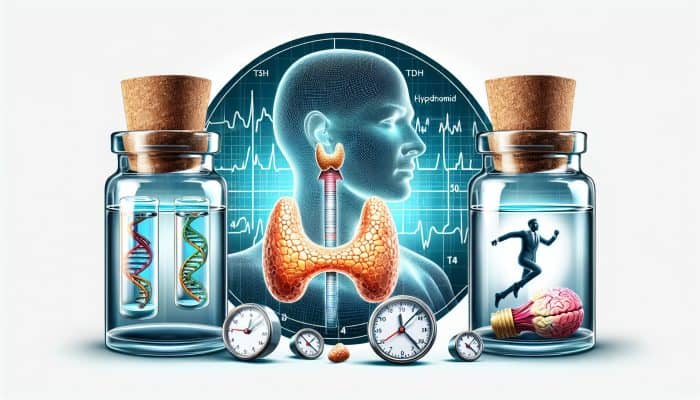
The Thyroid Blood Test in Newquay serves as an essential diagnostic tool that evaluates the efficiency of the thyroid gland, a crucial butterfly-shaped organ located in the neck. These tests measure the levels of various hormones, notably Thyroid Stimulating Hormone (TSH), Thyroxine (T4), and Triiodothyronine (T3). By examining the concentrations of these hormones, healthcare providers can diagnose thyroid-related disorders such as hypothyroidism, marked by low thyroid activity, and Hyperthyroidism, which signifies excessive thyroid activity. Symptoms of hypothyroidism may include fatigue, weight gain, and increased cold sensitivity. Conversely, hyperthyroidism often presents with symptoms such as unexplained weight loss, rapid heartbeat, and heightened levels of anxiety.
Identifying thyroid disorders early through blood tests is imperative as it allows for timely medical intervention, which can prevent serious complications associated with untreated thyroid conditions. Regular monitoring of thyroid hormone levels facilitates quick adjustments to any changes, promoting a personalized and effective management plan tailored to individual health needs.
Why Is Consistent Monitoring of Thyroid Health Crucial?
Engaging in regular thyroid testing is fundamental for sustaining optimal thyroid health. Individuals who possess a personal or family history of thyroid disorders, or those at increased risk due to age or other factors, can greatly benefit from routine monitoring. Early detection of thyroid problems can significantly enhance health outcomes, enabling prompt treatment and effective management strategies.
Moreover, thyroid hormones are essential for a multitude of bodily functions, including metabolism, heart rate regulation, and overall energy maintenance. A decline in thyroid function can trigger a series of health issues that not only compromise physical health but also adversely affect mental well-being. By committing to regular thyroid assessments, individuals can effectively monitor their thyroid health over time, make necessary adjustments to treatment plans, and ultimately improve their quality of life.
How Frequently Should You Schedule Thyroid Testing?
The frequency of thyroid testing varies widely based on individual health circumstances, including age, existing medical conditions, and personal or family health histories. Generally, adults, especially those over 60 or at risk for thyroid conditions, should undergo thyroid function evaluations at least once a year. For those already diagnosed with a thyroid issue, more frequent testing may be necessary to monitor hormone levels and optimize treatment accordingly.
Consulting your healthcare provider is essential for establishing a personalized testing schedule that meets your unique health requirements. Regular evaluations ensure that any changes in thyroid function are promptly identified and managed, thus preventing potential future complications.
Finding Trustworthy Thyroid Blood Testing Services in Newquay

How Can You Access NHS Services for Thyroid Testing Nearby?
Residents of Newquay can easily obtain thyroid blood testing through various NHS services, ensuring that quality healthcare is accessible. You can begin the process of requesting a thyroid blood test through your GP or at local walk-in centers, where qualified healthcare professionals are ready to conduct these vital assessments.
Notable NHS facilities in Newquay providing thyroid testing include:
- Newquay Community Hospital
- Walk-in Centre at Newquay
- St. Austell Healthcare
- Truro Hospital (for referrals)
These facilities offer reliable access to necessary healthcare services. You can typically arrange appointments or check walk-in availability by visiting their websites or contacting them directly.
What Are Your Options for Private Clinics Offering Thyroid Testing?
If you seek quicker results or personalized health consultations, several private clinics in Newquay offer thyroid blood tests. Although these services may come at a higher cost, they often promise faster turnaround times for results and a more tailored approach to patient care.
Private clinics cater to those desiring a more customized healthcare experience, potentially including additional tests or specialized consultations focused on thyroid health. It is wise to read patient reviews and compare services before choosing a private clinic to ensure it meets your specific health needs.
What Can You Anticipate During a Thyroid Blood Test Procedure?

When you arrive for a thyroid blood test, you can expect a straightforward and relatively uncomplicated procedure. A qualified healthcare professional will collect a small blood sample from a vein in your arm, typically using a needle and syringe or a vacuum collection system. The entire process is usually quick, taking only a few minutes, and most individuals report minimal discomfort, often likened to a slight pinch.
After the blood sample is taken, it will be sent to a laboratory for analysis. Depending on the facility, results may be available within a few days to a week. It is advisable to discuss with your clinician how and when you will receive your results, along with any necessary follow-up actions based on those findings.
Expert Insights on Thyroid Blood Tests in Newquay
How Do Thyroid Tests Enhance Your Overall Health?
Thyroid tests play a crucial role in diagnosing and managing thyroid conditions, ultimately leading to improved health outcomes and a better quality of life. For instance, individuals who regularly monitor their thyroid function are more likely to detect hormonal imbalances early, enabling timely interventions that can boost energy levels, assist in weight management, and enhance overall well-being.
Consider a patient from Newquay who, after experiencing unexplained fatigue and weight gain, decided to undergo thyroid testing. The results confirmed hypothyroidism, which was subsequently treated with the appropriate medication. Within weeks, the patient noticed increased energy and gradual weight improvement, showcasing the significant impact of regular thyroid testing on personal health outcomes.
Furthermore, thyroid tests provide invaluable data to healthcare providers, allowing them to formulate more effective treatment plans. By understanding a patient’s specific thyroid hormone levels, clinicians can tailor interventions, track progress, and adjust treatments as needed, fostering a proactive approach to thyroid health.
What Information Do Your Thyroid Test Results Offer?
Interpreting thyroid test results requires an understanding of the hormones involved—TSH, T4, and T3—and their significance in diagnosing thyroid conditions. TSH, produced by the pituitary gland, stimulates the thyroid to produce T4 and T3. Elevated TSH levels typically indicate hypothyroidism, while reduced levels may suggest hyperthyroidism. Conversely, T4 and T3 levels provide insights into thyroid activity; elevated levels can signal an overactive thyroid, whereas low levels may indicate an underactive thyroid.
Healthcare professionals will thoroughly explain your results, helping you understand the specific levels in the context of your health. Maintaining open communication with your clinician regarding any concerns or symptoms you experience is essential, as this information can guide further testing or necessary adjustments to your treatment plan.
What Steps Should You Take to Prepare for a Thyroid Blood Test?
Proper preparation for a thyroid blood test is crucial to ensure accuracy in results. Generally, it is advisable to fast for several hours prior to the test; however, specific guidelines may differ based on your healthcare provider’s recommendations. Additionally, it is vital to inform your doctor about any medications or supplements you are taking, as certain substances can influence hormone levels and affect test outcomes.
To optimize your preparation, adhere to these actionable steps:
- Confirm any specific instructions from your healthcare provider regarding fasting or medication adjustments.
- Stay well-hydrated with water before the test, as this can facilitate the blood draw.
- Avoid vigorous exercise the day before the test, which might impact hormone levels.
- Bring any relevant medical history or symptom information to discuss with your healthcare provider.
Following these guidelines significantly increases the likelihood of obtaining accurate and useful thyroid test results.
Where Can You Access Thyroid Blood Testing in Newquay?
In Newquay, several reputable clinics and hospitals provide thyroid blood tests. Accessing these facilities is straightforward, with many offering various options for appointment scheduling and walk-in services.
Some key locations for thyroid blood tests in Newquay include:
- Newquay Community Hospital – Phone: 01637 874 282
- Newquay NHS Walk-in Centre – Phone: 01637 881 181
- Truro Hospital – (Referral required) – Phone: 01872 250 000
- Private Health Clinics in Newquay (various options available)
It is advisable to contact these facilities directly to inquire about specific appointment requirements, availability, and any preparatory steps needed before your test.
What Is the Optimal Frequency for Thyroid Testing to Maintain Health?
The recommended frequency for thyroid tests can vary based on individual health conditions and risk factors. For the general population, annual testing is advisable, especially for adults over 60 or those with a family history of thyroid dysfunction. If you have a previously diagnosed thyroid condition or are currently receiving treatment, your healthcare provider may suggest more frequent testing to monitor hormone levels and assess the effectiveness of your current management strategy.
Regular testing is particularly important for individuals who have experienced fluctuations in thyroid health or have started new medications that may affect thyroid function. By adhering to a consistent testing schedule, individuals can safeguard their thyroid health and detect potential issues before they develop into more serious conditions.
Common Thyroid Disorders Identified in Newquay
What Is Hypothyroidism and What Symptoms Should You Monitor?
Hypothyroidism is a condition where there is insufficient production of thyroid hormones, leading to a range of symptoms that can significantly affect an individual’s quality of life. Common signs of hypothyroidism include:
- Fatigue and ongoing lethargy
- Weight gain or difficulties in losing weight
- Cold intolerance
- Dry skin and hair
- Constipation
- Depression
- Memory issues
- Muscle weakness
Because these symptoms can often be mistaken for other health issues or lifestyle factors, it is critical to pursue thyroid testing if any signs of hypothyroidism arise. The condition may develop gradually, making it essential to seek medical advice promptly as symptoms appear.
Treatment typically involves hormone replacement therapy, which helps restore hormone levels to normal, alleviating the symptoms. With effective management, individuals can lead healthy and fulfilling lives, underscoring the importance of early diagnosis and prompt treatment.
What Is Hyperthyroidism and Which Symptoms Should You Be Aware Of?
Hyperthyroidism is characterized by the overproduction of thyroid hormones, resulting in an overactive thyroid gland. Symptoms can vary widely and may include:
- Unexplained weight loss
- Rapid heart rate or palpitations
- Anxiety and irritability
- Increased sweating
- Tremors in the hands or fingers
- Difficulty sleeping
- Menstrual irregularities in women
Similar to hypothyroidism, the symptoms of hyperthyroidism may overlap with other health concerns, making it essential to undergo testing if thyroid dysfunction is suspected. Treatment options vary depending on the severity of the condition and may include medications, radioactive iodine therapy, or surgical intervention to remove part or all of the thyroid gland.
Early diagnosis is critical for effectively managing hyperthyroidism, allowing for lifestyle adjustments and medical interventions that can restore hormonal balance and enhance overall health.
What Are the Effective Treatments for Thyroid Disorders?
Treatment strategies for thyroid disorders depend on the specific condition diagnosed and its severity. For hypothyroidism, the primary treatment involves hormone replacement therapy, which entails taking synthetic thyroid hormones to normalize hormone levels and relieve associated symptoms. Regular monitoring of hormone levels is essential to ensure the correct dosage is maintained.
Conversely, treatment for hyperthyroidism may encompass several approaches, including antithyroid medications to suppress hormone production, radioactive iodine therapy to shrink the thyroid gland, or surgical options for more severe cases. Each treatment plan is tailored to the patient, taking into account their overall health status, preferences, and any existing comorbidities.
Overall, maintaining open communication with a healthcare provider is vital for understanding the specific treatment options available and determining the best course of action for the effective management of thyroid health.
The Advantages of Early Detection of Thyroid Issues
How Does Early Detection Improve Your Health?
Early detection of thyroid issues is crucial for preventing the worsening of symptoms related to thyroid disorders. Identifying these problems at their onset allows for prompt treatment, dramatically improving the chances of favorable health outcomes. When thyroid dysfunction is recognized early, individuals can collaborate with healthcare providers to formulate effective management strategies aimed at restoring hormonal balance.
Moreover, early detection can lead to a significantly enhanced quality of life through symptom relief and improved treatment results. For example, a patient experiencing fatigue, weight gain, and mood swings may find that timely intervention leads to increased energy and overall mental wellness. This proactive health management approach empowers individuals to take charge of their thyroid health.
How Can Regular Testing Prevent Serious Complications?
Routine thyroid testing and early diagnosis play a vital role in preventing complications associated with untreated thyroid disorders. Conditions such as heart disease, infertility, and neurological issues can arise from prolonged thyroid imbalances. For instance, untreated hypothyroidism can heighten the risk of cardiovascular disease, while hyperthyroidism may lead to bone loss and osteoporosis.
By participating in regular testing, individuals can mitigate the risks linked to these complications, ensuring that thyroid health is preserved and potential health threats are addressed before they escalate. This highlights the importance of establishing a proactive health strategy that incorporates ongoing thyroid monitoring.
How Does Timely Diagnosis Enhance Quality of Life?
A timely diagnosis of thyroid conditions can significantly enhance an individual’s quality of life. Early identification of thyroid disorders enables treatments to noticeably reduce symptom severity, allowing individuals to return to normal functioning and overall well-being. Patients often report increased energy levels, improved mood, and better weight control following appropriate treatment for their thyroid conditions.
Furthermore, a timely diagnosis promotes more effective collaboration with healthcare providers, resulting in personalized care plans. This collaborative approach fosters a supportive environment for managing thyroid health, ultimately enhancing the patient experience and satisfaction.
How Does Early Intervention Improve Treatment Effectiveness?
Early intervention in thyroid disorders can result in more effective treatment strategies. By promptly identifying thyroid concerns, healthcare providers can customize interventions to the patient’s unique hormonal profile, minimizing the need for aggressive therapeutic methods. This personalized approach enhances treatment effectiveness and reduces the likelihood of complications arising from untreated or poorly managed thyroid dysfunction.
For example, a patient diagnosed with early-stage hypothyroidism may require a lower dosage of hormone replacement therapy compared to someone diagnosed later in the disease’s progression. This targeted strategy helps ensure optimal treatment outcomes and promotes the overall health and well-being of patients affected by thyroid disorders.
How Can Early Detection Reduce Healthcare Costs?
Early identification of thyroid issues can significantly lower long-term healthcare expenses. Interventions at early stages are typically less costly and less complicated than treating advanced thyroid disorders that have resulted in additional health complications. By preventing severe conditions through regular testing and timely diagnosis, individuals can avoid extensive treatments, hospitalizations, and long-term health consequences.
Investing in regular thyroid monitoring not only benefits individual patients but also enhances efficiency within the healthcare system. As early detection alleviates financial burdens on healthcare providers, fostering awareness and access to thyroid testing becomes increasingly important for improving population health outcomes.
Research Insights on Thyroid Blood Tests in Newquay
What Do Recent Studies Indicate About Thyroid Testing?
Current research consistently demonstrates that regular thyroid testing is crucial for effectively managing thyroid disorders and can reduce the risk of associated health issues. Studies show that the early identification and treatment of thyroid dysfunction lead to better patient outcomes, including improved quality of life and a decrease in complications from untreated conditions.
Additionally, ongoing research into the effectiveness of thyroid testing continues to yield insights into optimal testing protocols and patient management strategies. Staying informed about these developments enables healthcare providers to refine their practices, ensuring that patients receive the highest quality of care.
How Reliable Are Thyroid Blood Tests?
Thyroid blood tests are highly reliable when performed correctly and interpreted by experienced healthcare professionals. These tests provide precise measurements of thyroid hormone levels, facilitating accurate diagnoses of thyroid disorders. The reliability of these tests depends on several factors, including laboratory quality, testing methodology, and the clinician’s expertise in interpreting results.
For patients, understanding the reliability of thyroid blood tests underscores the importance of partnering with reputable healthcare providers. This collaboration ensures that test results are accurately analyzed and that any necessary follow-up actions are taken.
What Are the Long-Term Advantages of Regular Thyroid Testing?
The long-term benefits of thyroid testing extend well beyond immediate diagnosis and treatment. Ongoing monitoring encourages a proactive health management approach, allowing patients to effectively oversee their thyroid function and maintain optimal wellness over time. This continuous assessment can contribute to improved disease management, preventing severe thyroid conditions and potential long-term complications.
Moreover, patients who routinely participate in thyroid testing are more likely to experience stable hormone levels, leading to sustained enhancements in mood, energy, and overall health. By prioritizing thyroid health through consistent testing, individuals can enjoy a higher quality of life and healthier aging.
Lifestyle Factors That Impact Thyroid Health in Newquay
How Does Your Diet Influence Thyroid Function?
Your diet plays a significant role in supporting thyroid health, as certain foods can enhance thyroid function while others may hinder hormone production. A balanced diet rich in essential nutrients is vital for optimal thyroid performance. Key dietary components that support thyroid health include iodine, selenium, and zinc.
To promote healthy thyroid function, consider adopting the following dietary tips:
- Incorporate iodine-rich foods such as fish, dairy products, and seaweed.
- Include sources of selenium like Brazil nuts, eggs, and legumes.
- Consume zinc-rich foods such as nuts, seeds, and whole grains.
- Prioritize a diet abundant in fruits, vegetables, and whole grains for overall health.
Conversely, certain foods, particularly those high in goitrogens (e.g., cruciferous vegetables like broccoli and kale), can impede thyroid hormone synthesis if consumed in excess. Maintaining a balanced dietary approach is crucial, ensuring adequate nutrient intake while being cautious of foods that may negatively impact thyroid health.
What Role Does Physical Activity Have in Thyroid Function?
Regular physical activity is essential for managing thyroid conditions and enhancing overall health. Engaging in exercise can help regulate metabolism, boost energy levels, and support weight management. For individuals with thyroid dysfunction, tailored exercise regimens that consider specific health needs can be particularly beneficial.
Exercise can encompass aerobic activities, strength training, and flexibility exercises. Finding enjoyable physical activities can boost motivation and consistency, fostering sustainable exercise habits that positively influence thyroid health. Consulting with a healthcare provider or fitness expert can assist in creating an exercise plan that aligns with your unique goals and health status.
How Does Stress Management Affect Thyroid Health?
Stress can significantly impact thyroid function, as elevated stress levels may exacerbate thyroid disorders. Implementing effective stress management techniques, such as meditation, yoga, and mindfulness practices, can greatly contribute to improved thyroid health.
Residents of Newquay can take advantage of the natural environment by engaging in outdoor activities that promote relaxation and reduce stress. Incorporating restorative practices into daily routines can help lessen stress’s impact, leading to enhanced thyroid function and overall well-being.
Moreover, fostering strong social connections and participating in support groups can further boost mental health, providing encouragement and understanding for those managing thyroid issues.
What Impact Does Sleep Quality Have on Thyroid Health?
Quality sleep is crucial for maintaining both thyroid health and overall wellness. Insufficient sleep can disrupt hormone regulation, potentially leading to health issues that adversely affect thyroid function. Establishing a consistent sleep routine, creating a conducive sleep environment, and utilizing relaxation techniques can significantly improve sleep quality.
Strategies such as limiting screen time before bedtime, ensuring a cool and dark sleeping environment, and engaging in calming activities before sleep can enhance restfulness. For individuals with thyroid dysfunction, achieving adequate sleep can support hormonal balance and improve energy levels throughout the day.
What Environmental Factors in Newquay Affect Thyroid Health?
Environmental factors in Newquay, including water quality, air pollution, and exposure to specific chemicals, can influence thyroid function. Being aware of these factors is essential for residents committed to protecting their thyroid health. For instance, some studies suggest that exposure to heavy metals and endocrine disruptors may negatively affect thyroid hormone production.
To reduce these risks, consider implementing protective measures such as using water filtration systems, opting for organic produce, and minimizing exposure to pollutants whenever feasible. Staying informed about local environmental conditions empowers individuals to take proactive steps in preserving their thyroid health.
Effective Strategies for Thyroid Blood Testing in Newquay
How to Select the Best Facility for Your Thyroid Blood Test?
Choosing the right facility for your thyroid blood test is vital for ensuring accurate results and quality care. Consider factors such as location, the reputation of healthcare providers, the range of services offered, and patient reviews when selecting a testing facility in Newquay. Additionally, inquire about the laboratory’s accreditation and its experience in conducting thyroid tests.
To streamline your search:
- Research local clinics and hospitals that offer thyroid testing services.
- Read patient reviews and testimonials to assess care quality.
- Contact facilities directly to inquire about their testing methods and turnaround times.
- Consult with your GP or healthcare provider for tailored recommendations based on your specific needs.
By thoroughly evaluating your options, you can select a facility that effectively meets your healthcare requirements.
What Actions Should You Take After Receiving Your Thyroid Test Results?
Upon receiving your thyroid test results, it is crucial to consult with your healthcare provider to discuss the findings and any necessary follow-up actions. Understanding the implications of your results is essential for determining the next steps in managing your thyroid health.
Depending on the results, your provider may recommend additional testing, changes to your treatment plan, or lifestyle adjustments to support thyroid function. Engaging in open communication with your healthcare provider ensures that you have a clear understanding of your health status and the steps you can take to enhance your thyroid health.
What Measures Can You Implement to Maintain Thyroid Health After Testing?
Maintaining thyroid health after testing involves adhering to your healthcare provider’s recommendations and making informed lifestyle choices that promote optimal thyroid function. Regular monitoring, whether through follow-up testing or consultations, is critical for ensuring ongoing health.
Furthermore, adopting a balanced diet, engaging in regular exercise, managing stress effectively, and ensuring adequate sleep can significantly improve thyroid health. By prioritizing these lifestyle factors, you contribute to the long-term stability of your thyroid function and overall well-being.
What Preparations Are Required for a Thyroid Blood Test?
Proper preparation for a thyroid blood test is essential for achieving accurate results. Recommended preparation generally includes fasting for several hours prior to the test and informing your doctor about any medications or supplements you are currently taking.
To ensure a successful test, follow these steps:
- Confirm any specific instructions from your healthcare provider regarding fasting or medication adjustments.
- Stay hydrated with water before the test.
- Avoid strenuous exercise leading up to the test.
- Bring any relevant medical history or symptom information to discuss with your healthcare provider.
By taking these preparatory steps, you can enhance the accuracy of your thyroid blood test results.
Where Can You Find Thyroid Testing Resources in Newquay?
Locating trustworthy thyroid testing resources in Newquay is essential for remaining informed and supported throughout the testing process. Local clinics, hospitals, and health centers can offer valuable information regarding thyroid testing options, while online resources can provide additional guidance on thyroid health.
Consider exploring:
- The NHS website for information about local services and testing.
- Local health centers or community hospitals that provide specific thyroid testing services.
- Support groups or forums focused on thyroid health for shared experiences and valuable advice.
- Online platforms that offer educational resources related to thyroid disorders.
These resources empower you to take control of your thyroid health and ensure access to necessary testing and support.
Frequently Asked Questions
What Is the Purpose of a Thyroid Blood Test?
A thyroid blood test evaluates the hormones produced by the thyroid gland to assess its function, aiding in diagnosing disorders such as hypothyroidism or hyperthyroidism.
How Often Should I Schedule a Thyroid Blood Test?
Generally, individuals at risk or with known thyroid conditions should have their thyroid levels checked annually; however, the frequency may vary based on individual health factors.
Can I Obtain a Thyroid Blood Test Without a Referral?
In Newquay, you can request a thyroid test through your GP or visit certain walk-in centers, although some private clinics may not require a referral.
What Symptoms Indicate That I May Need a Thyroid Blood Test?
Common symptoms include fatigue, weight changes, mood fluctuations, and alterations in heart rate. If you experience these, consider consulting a healthcare provider for testing.
What Should I Do If My Thyroid Test Results Are Abnormal?
Abnormal results may indicate a thyroid disorder, prompting further tests or treatment options to be discussed with your healthcare provider.
Are Thyroid Blood Tests Safe?
Yes, thyroid blood tests are generally safe and involve a simple blood draw, with minimal discomfort reported by most patients.
What Is the Typical Turnaround Time for Thyroid Test Results?
Thyroid test results can take anywhere from a few days to a week, depending on the laboratory and healthcare facility.
What Can I Do to Enhance My Thyroid Health?
Maintaining a balanced diet, exercising regularly, managing stress, and ensuring adequate sleep are key factors in supporting thyroid health.
Can Thyroid Disorders Be Fully Cured?
While some thyroid conditions can be effectively managed, such as hypothyroidism with hormone replacement therapy, others may necessitate ongoing treatment to maintain balance.
What Dietary Changes Can Support Thyroid Health?
Incorporating foods rich in iodine, selenium, and zinc while avoiding excessive goitrogens can support thyroid function and overall health.
Connect with us on Facebook!
This Article Was First Found On https://bloodtest.co.uk
The Article Thyroid Blood Test: A Complete Guide for Newquay Residents Was Found On https://limitsofstrategy.com