Master the Art of Crafting Engaging TV Personality Ponies
What Are TV Personality Ponies and Why Are They Important?
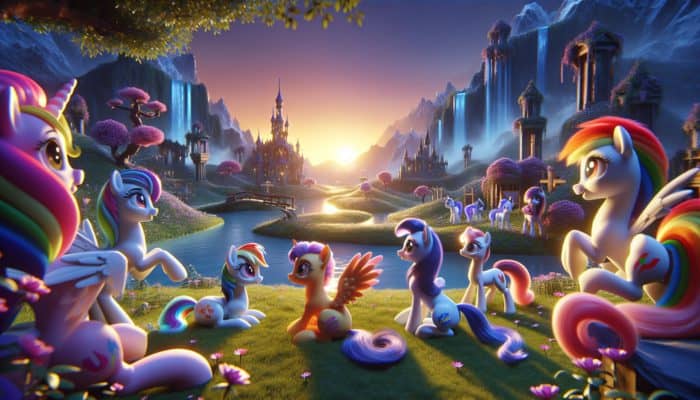
Developing TV personality ponies is a nuanced and creative endeavor, focusing on the creation of animated characters specifically tailored for television audiences. These characters are equipped with unique personalities and intricate backstories, ensuring they resonate with viewers globally. The primary objective is to captivate audiences and create lasting impressions that enrich the overall viewing experience. This careful character crafting combines artistic vision, storytelling prowess, and a deep understanding of audience dynamics, resulting in ponies that not only amuse but also become significant cultural icons, embedding themselves in the collective consciousness of popular culture.
These ponies inhabit various roles across different genres, significantly enhancing their appeal to diverse audiences. Whether they appear in lighthearted children’s cartoons or emotional family narratives, the adaptability of TV personality ponies allows them to fit seamlessly into multiple storytelling formats. They frequently take on roles such as protagonists, supporting characters, or even antagonists, creating a complex web of relationships that holds viewers’ attention and investment throughout the narrative journey.
At their essence, TV personality ponies embody a unique blend of artistic expression and storytelling, contributing to narratives that reflect real-world themes, emotions, and experiences. Their creation transcends simple visual design; it requires breathing life into characters that audiences can connect with deeply, making them integral to contemporary storytelling and entertainment.
What Makes TV Personality Ponies Irresistibly Engaging?
The allure of TV personality ponies stems from their remarkable ability to connect with a wide range of audiences through their relatable and charismatic attributes. These characters often embody traits that resonate profoundly on a personal level, allowing viewers to see themselves reflected in their experiences, aspirations, and challenges. This emotional connection is particularly vital in children’s programming, where the ability to evoke feelings significantly enhances viewer loyalty and engagement, a crucial factor for the show’s success.
Moreover, TV personality ponies are carefully crafted to fit seamlessly within various narrative frameworks, ranging from playful adventures to deeply emotional journeys. They frequently encounter challenges and obstacles that mirror viewers’ own experiences, fostering empathy and understanding. This relatability positions them as ideal characters for diverse television formats, effectively bridging generational divides and appealing to family audiences.
Additionally, the visual and auditory elements of these ponies significantly contribute to their charm. Featuring vibrant colors, engaging animations, and distinctive voice performances, TV personality ponies create an immersive experience that captivates audiences beyond mere observation. This engaging nature intensifies emotional ties, encouraging viewers to form lasting connections that persist long after the show concludes.
Essential Components for Crafting Memorable TV Ponies
Creating a successful TV personality pony necessitates a thoughtful combination of several essential components that ensure the character’s enduring popularity and relevance. At the forefront is the necessity for distinctive traits. Unique attributes, whether they be quirky habits or extraordinary skills, help a character stand out in the audience’s memory. For instance, a pony with an eye-catching appearance, such as unusual color patterns or striking accessories, can immediately attract attention and spark curiosity, making them memorable.
The second fundamental element is the development of compelling narratives. A pony’s backstory must be intriguing enough to draw viewers in, providing context that enriches the character’s depth. This narrative exploration can delve into themes like friendship, bravery, or personal growth. For example, a pony that confronts fears or learns critical life skills resonates powerfully with audiences, particularly younger viewers, leaving lasting impressions that strengthen their bond with the character.
Equally important are captivating visual designs. The use of bright, appealing colors and expressive features enhances a pony’s personality, making them more relatable and endearing to viewers. This visual engagement is further amplified by the pony’s interactions with other characters, contributing to a rich dynamic that keeps viewers invested in the unfolding storyline.
Finally, ensuring these characters are integrated into larger narratives is essential. Their actions should align with overarching themes and character arcs, ensuring that they contribute meaningfully to the storyline and character growth, effectively driving the plot forward and enriching the overall viewing experience.
How to Effectively Develop Engaging Pony Characters?

What Characteristics Define an Engaging Pony Character?
An engaging pony character is characterized by a rich tapestry of unique personalities and relatable narratives that draw viewers into their world. They must possess distinctive traits that differentiate them, such as a special skill or quirk that makes them unforgettable. For example, a pony renowned for its exceptional singing talent or an adventurous spirit can immediately capture the audience’s imagination and attention, making them stand out among other characters.
Additionally, developing a compelling backstory is crucial for adding complexity to the character. A thoughtfully constructed backstory can make a pony’s journey more relatable, inviting viewers to empathize with their challenges and triumphs. This emotional connection is vital for engagement, transforming characters into beloved figures that resonate long after the screen fades to black.
Furthermore, the character development arc is essential. Engaging characters typically experience growth and transformation throughout the series, facing challenges that test their resolve and prompt personal evolution. This journey not only sustains viewer interest but also mirrors the experiences of the audience, enhancing relatability and emotional ties.
Finally, the interactions between pony characters and their surroundings are pivotal in shaping engagement. Dynamic relationships, whether friendships or rivalries, add excitement and depth to the narrative, inviting viewers to emotionally invest in the outcomes and developments that unfold over time.
How to Craft Compelling Pony Backstories?
Creating an engaging backstory for a pony character is vital for establishing a connection with the audience. A well-defined backstory serves as the foundation of character development, enriching their personality and providing context for their actions throughout the narrative. Significant life events, such as formative experiences or defining challenges, can greatly shape a pony’s character and motivations, making their journey more relatable and compelling.
To develop an engaging backstory, consider incorporating universal themes such as friendship, loyalty, or the quest for identity. For instance, a pony that has struggled with feelings of inadequacy can resonate deeply with viewers facing similar challenges. By illustrating their journey toward self-acceptance, the character becomes relatable and inspiring, encouraging viewers to root for them throughout their story.
Another crucial aspect is the inclusion of significant relationships. Whether familial bonds or friendships, these connections can profoundly influence a pony’s growth and development. A supportive mentor or a loyal companion can provide essential encouragement and guidance, shaping the character’s choices and evolution throughout the narrative arc.
Moreover, situational challenges can add depth to a pony’s backstory. Whether facing obstacles like bullying or personal loss, these trials can act as catalysts for character transformation. By demonstrating resilience and determination, the pony embodies values that resonate with viewers, fostering deeper emotional investment in their journey and making their experiences feel authentic and relatable.
What Techniques Can Boost the Appeal of Pony Characters?

Enhancing a pony’s appeal requires a multifaceted approach that encompasses visual design, voice portrayal, and dynamic interactions. The first step is refining the character’s visual aesthetics. Vibrant colors and distinctive designs not only attract attention but also effectively communicate the character’s personality traits. For example, a pony dressed in vivid hues may suggest a lively, cheerful disposition, while more muted tones could indicate a thoughtful, introspective character, thereby conveying depth through design.
Expressive animations also play a critical role. Smooth, engaging movements can effectively convey emotions, making the character more relatable. When a pony expresses joy through energetic leaps or sadness through slower, more deliberate motions, audiences can empathize with the character’s emotional state, enhancing their connection to the narrative.
Moreover, selecting the right voice actor significantly influences a pony’s overall appeal. A voice that complements the character’s personality can infuse life into the character, delivering lines with appropriate emotional nuances. The subtleties in voice acting can convey a range of emotions, from exuberance to melancholy, allowing the audience to engage with the character on a deeper level, enriching their viewing experience.
Interactions with other characters also contribute substantially to a pony’s appeal. Creating dynamic relationships filled with conflict and camaraderie enriches the narrative, offering opportunities for character development. The way a pony navigates these relationships can showcase their unique personality traits, making them more relatable and endearing to viewers while driving the plot forward.
How to Integrate Pony Characters Seamlessly into Larger Storylines?
The seamless integration of pony characters into overarching storylines is vital for maintaining narrative coherence and enhancing viewer engagement. When these characters are woven into the fabric of the plot, their actions and development can profoundly influence the overall narrative arc. Effective integration ensures that ponies serve a purpose beyond mere entertainment, actively advancing the story and contributing to thematic exploration throughout the series.
One effective technique involves aligning a pony’s character development with the central themes of the narrative. For instance, if the story revolves around friendship and teamwork, a pony that learns to collaborate effectively with others can embody these values, illustrating the importance of unity. This alignment not only enhances the character’s relevance but also reinforces the story’s overarching message, making it resonate more profoundly with viewers.
Additionally, establishing clear goals and challenges for the pony characters can create a sense of purpose within the story. These objectives should resonate with the audience, whether it’s overcoming personal fears, achieving a dream, or solving a mystery. As the pony navigates these challenges, viewers become invested in their journey, rooting for their success and celebrating their victories along the way.
Furthermore, the interactions between pony characters and their environment should be dynamic and engaging. Whether through humorous exchanges, heartfelt moments, or intense conflicts, these interactions can enhance character depth and propel the narrative forward. By allowing characters to confront obstacles and evolve in response to their experiences, creators can craft engaging storylines that resonate with diverse audiences, deepening emotional connections.
Lastly, pacing is essential. The storyline should maintain a balance between moments of tension and resolution, allowing pony characters to shine during key plot developments. By strategically positioning characters within the narrative, creators can ensure that their journeys remain captivating and meaningful, leaving a lasting impression on viewers and fostering ongoing interest in the series.
Expert Insights on Crafting Memorable TV Personality Ponies
What Are Some Real-World Examples of Successful Pony Characters?
Real-world examples of successful TV personality ponies provide invaluable insights into effective character creation. Iconic figures such as Twilight Sparkle from “My Little Pony” and Rainbow Dash have emerged as symbols of success, showcasing traits that resonate with audiences worldwide. These characters are defined by their unique qualities and compelling narratives that engage viewers on multiple emotional and intellectual levels.
Twilight Sparkle embodies intelligence and leadership, captivating audiences with her journey of self-discovery and friendship. Her character arc serves as a model for creating relatable, multifaceted characters that evolve over time. Similarly, Rainbow Dash’s adventurous spirit and determination appeal to audiences, demonstrating the significance of strong personality traits in character design and development, which resonate deeply with viewers.
Successful TV personality ponies often share common characteristics that enhance their overall appeal. Key traits include:
- Distinctive personalities: Unique traits that differentiate them from others, making them memorable.
- Relatable backstories: Engaging narratives that resonate with the audience, fostering emotional connections.
- Dynamic interactions: Meaningful relationships with other characters that drive the plot and enhance engagement.
- Visual appeal: Eye-catching designs that enhance their personality and capture audience attention.
- Character development: Arcs that showcase growth and evolution throughout the series, keeping viewers invested.
- Emotional depth: The ability to evoke empathy and connection with viewers, enhancing engagement.
- Engaging narratives: Compelling storylines that captivate and maintain audience interest over time.
By analyzing these traits, creators can draw inspiration and apply similar principles to their pony characters, ensuring they resonate with audiences and remain relevant over time, thereby increasing their impact in the entertainment industry.
What Practical Steps Should Be Taken to Create an Engaging Pony Character?
Creating a compelling TV personality pony involves several actionable steps that guide creators from initial concept to final animation. The process begins with brainstorming ideas that align with desired themes and target audiences. It is crucial to consider which traits, backstories, and visual elements will resonate most with potential viewers, ensuring the character feels authentic and engaging from the start.
Once a solid concept has been established, the next step is character design. This phase includes sketching various visual elements, such as color schemes, distinguishing features, and expressions that reflect the character’s unique personality. Engaging visual design is essential for capturing audience attention and effectively communicating the core traits of the character, making them memorable and relatable.
Following the design phase, it is essential to develop the character’s backstory. This narrative should outline key life events, relationships, and challenges that shape the pony’s personality and motivations. A well-rounded backstory enhances relatability and provides context for the character’s actions within the narrative, making them more engaging and relatable to viewers.
Next, creators should outline the character’s role within the storyline. This involves defining their goals, conflicts, and relationships with other characters. It is important to ensure that these elements align with overarching themes, enhancing coherence and engagement throughout the series. By clearly establishing the character’s purpose, creators can drive the narrative forward more effectively.
Animation and voice acting represent the final steps in the creation process. Collaborating with skilled animators and voice actors is crucial to ensure that the character’s movements and expressions accurately reflect their personality. The right voice can significantly impact how audiences perceive the pony, so it’s vital to choose voice talent that embodies the character’s essence and emotional range, creating a compelling and immersive experience for viewers.
Finally, conducting thorough testing with focus groups can gauge audience reactions. Feedback from viewers can provide valuable insights into what works and what may need refining before finalizing character design and narrative, ensuring that the final product is polished and resonates with the intended audience.
What Expert Insights Reveal About Pony Character Design?
The design of a TV personality pony is a multifaceted process that demands careful consideration of various elements to create a character that stands out in a crowded market. Visual appeal is critical; a pony’s design should be vibrant and eye-catching, utilizing colors and shapes that reflect their personality and traits. For example, a pony with a more subdued color palette may convey thoughtfulness, while bright colors can indicate energy and enthusiasm, highlighting the character’s essence through design.
In addition to visual elements, character design should integrate personality traits through physical features. Expressive eyes, unique hairstyles, and distinctive markings contribute to a pony’s identity, allowing viewers to understand the character at a glance. A well-designed pony often evokes a sense of familiarity and warmth, encouraging audiences to form connections and emotional bonds, making them more memorable.
Moreover, integrating narrative elements into character design is essential. Consider how a pony’s appearance can reflect their backstory and development. For instance, a pony that has overcome significant challenges may bear scars or other signs that tell a story, adding depth and richness to their character. This storytelling aspect enhances the overall viewing experience, inviting audiences to engage more deeply with the character and their journey.
Another critical aspect of character design is adaptability. A successful pony must be versatile enough to fit various storylines and moods. This flexibility allows for dynamic storytelling, enabling characters to evolve in response to changing circumstances. The ability to express a range of emotions through design is vital for maintaining viewer interest and connection, ensuring the character remains relatable and engaging throughout different narratives.
Finally, collaboration between artists, writers, and voice actors is essential in creating a cohesive character. The combined expertise of these professionals ensures that the design aligns with the narrative and voice performance, resulting in a well-rounded character that captivates audiences and stands the test of time, creating lasting impressions and connections.
How Does Storytelling Influence Pony Development?
Storytelling is a fundamental element in the development of TV personality ponies, as it is through narrative that characters gain depth and resonance with audiences. A compelling storyline not only showcases a pony’s adventures but also highlights their growth, struggles, and triumphs, creating a rich tapestry that viewers can connect with emotionally and intellectually.
Effective storytelling begins with a strong premise that lays the groundwork for character development. The plot should be structured to allow characters to face challenges that catalyze personal growth. For instance, a pony overcoming self-doubt or learning to trust others can mirror experiences in the viewer’s life, fostering a deeper connection and empathy, which enhances engagement.
Conflict serves as another critical element of storytelling. Engaging narratives often revolve around obstacles that the characters must navigate, whether they are internal struggles or external adversities. These conflicts act as catalysts for character evolution, allowing viewers to witness the transformation of the pony as they confront and overcome hardships. This progression keeps audiences invested in the character’s journey and development, strengthening emotional ties.
Moreover, including subplots can enrich the narrative, providing additional layers for character exploration. Subplots involving friendships, rivalries, or personal quests can enhance the main storyline while offering opportunities for character interaction and depth. These intertwining narratives create a more immersive experience for viewers, encouraging deeper emotional engagement and connection with the characters as their stories unfold.
Additionally, effective storytelling should incorporate moments of reflection and resolution. Allowing characters to process their experiences and learn from their journeys adds authenticity to their development. This reflective aspect can resonate with audiences, encouraging them to contemplate their own lives and experiences, further enhancing engagement and connection.
Finally, maintaining consistency in character behavior and decisions throughout the story is crucial for building trust with the audience. Viewers need to believe in the character’s motivations and actions for the narrative to be compelling. By carefully crafting characters and their stories, creators can forge strong emotional connections that keep audiences returning for more, enhancing the overall impact of the series.
What Role Does Voice Acting Play in Shaping Pony Characters?
Voice acting is instrumental in shaping the personality and appeal of TV personality ponies, as it is through voice that characters come to life in the eyes of the audience. The choices made in voice casting can profoundly influence how audiences perceive and connect with the characters. A well-matched voice can enhance a character’s traits, making them more relatable and memorable, while also enriching the narrative experience as a whole.
The delivery of lines is crucial in conveying the character’s essence. Skilled voice actors can infuse dialogue with emotion, capturing the nuances of a pony’s personality. For example, a character known for their optimism can be voiced in a bright, cheerful tone, while a more serious character may require a deeper, more measured voice. This vocal distinction helps to convey the character’s essence, resonating with viewers on an emotional level and enriching the overall impact of the narrative.
Moreover, the ability to convey a range of emotions is vital. Voice actors must be adept at expressing joy, sadness, anger, and excitement, allowing the pony to exhibit a full spectrum of feelings. This emotional range enhances the audience’s connection, making the character’s experiences feel authentic and relatable, thereby enriching the viewing experience and deepening audience engagement.
Collaboration between voice actors and writers is also essential. Engaging dialogue that aligns with the character’s personality and story arc can elevate the overall impact of the narrative. When voice actors have the opportunity to contribute to character development, it can lead to richer, more nuanced performances that resonate with audiences on multiple levels, enhancing the overall viewing experience.
Additionally, the use of vocal techniques can further enhance character appeal. Unique vocal quirks, such as accents or specific speech patterns, can distinguish a pony, making them instantly recognizable and memorable. These distinctive qualities not only enhance the character’s personality but also contribute to their overall charm, making them more engaging to viewers.
Finally, the integration of voice acting with animation is key to creating a compelling viewing experience. Synchronizing vocal performance with the character’s movements and expressions ensures a seamless portrayal. When animation and voice acting work harmoniously, it creates an immersive experience that captivates audiences and leaves a lasting impression, reinforcing the emotional connections viewers forge with the characters.
What Advantages Do TV Personality Ponies Offer?
How Do TV Personality Ponies Enhance Viewer Engagement?
TV personality ponies provide numerous advantages when it comes to boosting viewer engagement. Their relatable traits and compelling storylines forge emotional connections with audiences, leading to increased loyalty and sustained viewership. By embodying characteristics that resonate with viewers, these ponies serve as conduits for emotional experiences, making the content more immersive and impactful, thereby enhancing the overall viewing experience.
One notable benefit of utilizing TV personality ponies is their ability to captivate diverse demographics. Their universal themes—such as friendship, adventure, and personal growth—allow them to resonate across age groups, attracting both children and adults alike. This broad appeal can result in higher viewership numbers, as families can enjoy the show together, fostering shared experiences and discussions about the characters and their journeys.
Moreover, the engaging narratives associated with these ponies create opportunities for viewers to become emotionally invested in their journeys. When audiences witness a pony overcoming challenges or achieving their dreams, they often find themselves rooting for the character’s success. This investment enhances the overall viewing experience, encouraging audiences to return for future episodes to see how their favorite characters evolve and grow over time.
Additionally, the charming visual design of TV personality ponies contributes significantly to their appeal. Bright colors, dynamic animations, and expressive character traits can capture attention and maintain interest, ensuring that viewers remain engaged throughout the show. This visual stimulation, combined with compelling storytelling, creates an engaging environment that enhances viewer retention and loyalty to the series.
In essence, the combination of relatable characters, engaging narratives, and appealing visuals makes TV personality ponies a powerful tool for enhancing viewer engagement, leading to greater enjoyment and sustained loyalty to the content over time.
How Do TV Personality Ponies Create New Merchandising Avenues?
The creation of TV personality ponies not only captivates audiences but also opens up lucrative merchandising opportunities. Characters with strong personalities and devoted fan bases can be transformed into a diverse array of products, ranging from toys and clothing to books and accessories. This expansion of product offerings can significantly enhance brand visibility and revenue generation, creating additional revenue streams for creators and stakeholders involved.
One significant advantage of merchandising is the ability to capitalize on characters that resonate with audiences. When fans form emotional attachments to a pony, they are more likely to seek out related products as a means of expressing their affinity. For example, plush toys, action figures, and clothing featuring beloved characters create a sense of connection for fans, allowing them to bring a piece of the show into their everyday lives and reinforcing their loyalty to the brand and its characters.
Moreover, merchandise can extend the brand’s reach into new markets. Collaborations with retailers, both online and in physical stores, can introduce TV personality ponies to a broader audience, further solidifying their presence in popular culture. Special edition products or seasonal merchandise can create excitement and urgency, encouraging fans to make purchases and engage with the brand, ultimately boosting sales and visibility.
Additionally, merchandising can serve as a potent marketing tool. The visibility of products in stores or online can drive interest in the associated TV show, attracting new viewers who may not have been previously aware of the characters. This cross-promotion can result in increased viewership, generating additional revenue streams through heightened advertising and sponsorship opportunities as the characters gain popularity.
Finally, successful merchandising fosters brand loyalty. When fans engage with products that feature their favorite ponies, they develop a deeper emotional connection to the brand. This loyalty can translate into long-term viewer retention, as fans become advocates for the show, sharing their enthusiasm with others and encouraging new audiences to join in the experience, thus expanding the show’s reach and impact.
How Do TV Personality Ponies Foster Brand Loyalty?
TV personality ponies play a pivotal role in cultivating brand loyalty by creating strong emotional connections with viewers. By crafting relatable characters that resonate with audiences, these ponies establish a sense of familiarity and attachment that can lead to long-term loyalty. This emotional bond is essential for sustaining viewer interest and engagement over time, ensuring that audiences remain invested in the characters and their ongoing stories.
One primary way these characters foster brand loyalty is through shared values and themes. When ponies embody qualities such as friendship, resilience, and kindness, they reflect the values that many viewers hold dear. As audiences witness these traits in action, they are more likely to develop a sense of affinity toward the characters, which can translate into loyalty to the brand itself and its offerings.
Moreover, the relatability of TV personality ponies allows viewers to see themselves in the characters. When audiences identify with a pony’s struggles and triumphs, they form a deeper connection that extends beyond mere entertainment. This personal connection can lead to a sense of community among fans, further enhancing brand loyalty as viewers bond over shared experiences and discussions about their favorite characters and narratives.
Brand interactions also play a crucial role in fostering loyalty. Engaging with fans through social media, events, and merchandise creates opportunities for deeper connections. When brands actively involve fans in conversations, acknowledge their feedback, and incorporate their suggestions into future content, they reinforce the emotional connection that viewers have with the ponies, solidifying their loyalty and commitment to the brand.
Furthermore, consistency in character portrayal is vital for maintaining brand loyalty. Viewers expect their beloved ponies to embody the traits and values they have come to admire. If a character’s actions deviate significantly from their established personality, it can lead to disillusionment and disengagement. By ensuring that characters remain true to their core identities, creators can cultivate lasting loyalty among fans, ensuring ongoing engagement and connection.
In summary, the emotional connections fostered by TV personality ponies, combined with shared values, community engagement, and consistent character portrayal, are instrumental in building brand loyalty that can sustain audience interest for years to come, enriching the overall impact of the show and its characters.
How Can TV Personality Ponies Enhance Social Media Presence?
TV personality ponies can significantly boost a brand’s social media presence by fostering fan interaction and encouraging content sharing. Engaging with audiences on various platforms allows for the creation of vibrant communities where fans can connect over their shared love for characters and storylines. This active engagement not only amplifies brand visibility but also cultivates a sense of belonging among viewers, which is crucial in today’s digital landscape.
One effective strategy for enhancing social media presence is by creating shareable content. Memes, gifs, and fan art featuring beloved TV personality ponies can encourage fans to share their enthusiasm across their networks. When fans share content that resonates with their experiences, it can lead to organic growth in the audience base, as new viewers are introduced to the characters through their friends and family, expanding the community and increasing overall engagement.
Another key aspect is the use of interactive content. Polls, quizzes, and contests can engage fans and encourage participation, fostering a deeper connection with the brand. For instance, asking fans to vote on their favorite pony moments or submit their own fan art can generate excitement and encourage ongoing interaction. This level of engagement not only builds loyalty but also creates a dynamic community around the brand, enhancing its overall appeal and reach.
Additionally, behind-the-scenes content can strengthen the connection between fans and the ponies. Sharing insights into the creative process, character development, or voice acting can make viewers feel more involved in the narrative. This transparency fosters a sense of intimacy, allowing audiences to appreciate the effort and craftsmanship that goes into bringing their favorite characters to life, further enhancing their emotional investment in the show.
Furthermore, leveraging social media influencers can amplify reach and engagement. Collaborating with influencers who share an interest in the show’s themes can introduce the characters to new audiences, further expanding the brand’s presence. Influencer endorsements can create buzz and excitement around new episodes or merchandise, driving interest and engagement among broader demographics, significantly enhancing visibility and reach.
In conclusion, TV personality ponies have the potential to significantly enhance a brand’s social media presence. By fostering fan interaction, creating shareable content, utilizing interactive strategies, and leveraging influencer collaborations, brands can cultivate vibrant online communities that drive engagement and increase visibility, solidifying their position in the market and enhancing viewer connection with the characters.
Effective Marketing Strategies for TV Personality Ponies
Which Marketing Channels Are Most Effective for Promoting Pony Characters?
Marketing TV personality ponies effectively involves selecting the right channels to reach target audiences and maximize exposure. A comprehensive marketing strategy should include a combination of traditional and digital platforms to ensure extensive outreach, thereby enhancing visibility and engagement across various demographics.
Television advertising remains a powerful tool for promoting TV personality ponies. Commercials aired during children’s programming or family-oriented shows can capture the attention of viewers who are likely to embrace the characters. Strategic placement during high-viewership periods amplifies impact, increasing brand visibility among target demographics and driving viewer interest in the show and its characters.
Social media is another critical channel for marketing. Platforms like Instagram, Facebook, and TikTok provide opportunities for engaging with fans and sharing interactive content. By posting behind-the-scenes videos, character spotlights, and fan art, brands can create a vibrant online community that keeps audiences engaged and excited about the ponies, enhancing overall brand loyalty and viewer retention.
Collaborating with influencers can also enhance marketing efforts. Influencers with established followings in relevant niches can introduce TV personality ponies to new audiences. By sharing their enthusiasm through authentic content, influencers can create buzz and excitement, encouraging their followers to explore the show and its associated merchandise, significantly expanding reach and visibility.
Additionally, leveraging merchandise promotions can drive interest and engagement. Launching limited-edition products, exclusive items, or special collaborations can create excitement among fans and encourage them to share their experiences online. Promotional campaigns that tie in with new episodes or character developments can enhance visibility and drive viewer interest, further solidifying the brand’s presence in the market.
Lastly, email marketing can be an effective strategy for nurturing relationships with fans. By sending newsletters that provide updates on new episodes, merchandise launches, and behind-the-scenes content, brands can maintain engagement and encourage viewers to stay connected, fostering a loyal fanbase that actively participates in the show’s community.
In summary, utilizing a mix of television advertising, social media engagement, influencer collaborations, merchandise promotions, and email marketing can create an effective marketing strategy for TV personality ponies, ensuring maximum reach and engagement with audiences while enhancing brand visibility and loyalty over time.
What Best Practices Should Be Followed in Pony Marketing?
Implementing best practices for marketing TV personality ponies is crucial for building a successful brand and ensuring long-term viewer engagement. These practices encompass various strategies focused on creating compelling content, fostering community, and maintaining brand consistency, all of which contribute to effective marketing.
First and foremost, creating engaging content is essential. This includes high-quality visuals, captivating storytelling, and interactive elements that invite audience participation. Content should resonate with the target audience, reflecting their interests and preferences while showcasing the personality and charm of the ponies. This level of engagement encourages viewers to share their excitement, expanding the brand’s reach and visibility significantly.
Leveraging fan communities is another best practice. Encouraging fans to share their creations, such as fan art or stories, fosters a sense of belonging and connection. Recognizing and celebrating fan contributions can enhance loyalty and engagement further, making viewers feel valued and appreciated within the community, which strengthens the brand and its characters.
Cross-promotional strategies can also be highly effective. Collaborating with other brands, platforms, or shows that align with the target audience can create synergistic marketing opportunities. By reaching new audiences through partnerships, brands can expand their visibility and enhance the appeal of TV personality ponies, attracting a broader viewer base and increasing overall engagement.
Consistency in branding and messaging is vital for building trust and recognition. Maintaining a coherent visual identity and tone across all marketing channels ensures that audiences can easily identify with the brand. This consistency reinforces brand loyalty and helps viewers feel a deeper connection to the ponies, enhancing long-term engagement and viewer satisfaction.
Moreover, measuring and analyzing marketing performance is crucial. Using analytics tools to track audience engagement, viewership, and merchandise sales can provide valuable insights into the effectiveness of marketing strategies. This data-driven approach allows brands to refine their efforts, ensuring they remain relevant and responsive to audience preferences and trends, ultimately enhancing their impact.
In summary, best practices for marketing TV personality ponies include creating engaging content, leveraging fan communities, implementing cross-promotional strategies, maintaining consistency, and analyzing performance metrics. By adhering to these principles, brands can build a strong marketing foundation that enhances visibility and fosters long-term viewer engagement, ensuring the continued success of their characters and stories.
How Can the Impact of Pony Marketing Be Measured?
Measuring the impact of marketing efforts for TV personality ponies is crucial for assessing success and refining strategies. Various metrics can provide insights into viewer engagement, merchandise sales, and overall brand performance, helping creators understand the effectiveness of their marketing initiatives and guide future efforts.
First, tracking viewership numbers is essential. Analyzing ratings data can reveal how many viewers tune in to each episode, providing a clear picture of audience interest. Sudden spikes or declines in viewership can indicate the effectiveness of specific marketing campaigns, helping brands adjust their strategies accordingly to maximize impact and reach.
Social media engagement metrics are also vital. Monitoring likes, shares, comments, and follower growth across platforms can provide insights into how well content resonates with audiences. High levels of engagement often reflect strong interest in the TV personality ponies, indicating the potential for increased viewership and brand loyalty as audiences become more invested in the characters and their journeys.
Merchandise sales serve as another key metric. Tracking the sales performance of products associated with the ponies can reveal the effectiveness of marketing efforts. Successful product launches and ongoing sales can indicate strong viewer engagement and loyalty, while underperforming merchandise may highlight areas for improvement that need to be addressed to enhance overall success.
Additionally, surveys and feedback forms can provide qualitative insights into viewer preferences and perceptions. Gathering feedback from fans about their experiences can help brands understand what resonates and what elements may need adjustment. This direct input from the audience can guide future marketing initiatives and character development, ensuring they remain aligned with viewer expectations and desires.
Finally, analyzing website traffic and online engagement can provide a comprehensive view of brand performance. Metrics such as page views, time spent on the site, and user interactions can indicate interest levels and inform marketing strategies moving forward, helping brands adapt to changing viewer behaviors and preferences effectively.
In conclusion, measuring the impact of marketing efforts for TV personality ponies involves analyzing viewership numbers, social media engagement, merchandise sales, audience feedback, and website metrics. By employing a data-driven approach, brands can refine their marketing strategies, ensuring they remain relevant and effective in a competitive landscape while maximizing their impact on audiences.
Emerging Trends in the World of TV Personality Ponies
What Innovations Can We Expect in Pony Character Design?
The future of TV personality ponies is set to embrace a wave of innovations in character design, propelled by advancements in technology and evolving audience expectations. As creators strive to enhance viewer experiences, they will explore new ways to make characters more interactive, engaging, and visually captivating, thereby keeping pace with the fast-evolving entertainment landscape.
One significant trend may involve the incorporation of augmented reality (AR) and virtual reality (VR) elements into character design. Imagine audiences being able to interact with their favorite ponies in a three-dimensional space, creating immersive experiences that transcend traditional viewing. This level of interactivity could deepen connections between audiences and characters, leading to an enriched storytelling experience that captivates viewers.
Additionally, advancements in animation technology will enable more fluid and dynamic character movements. High-definition graphics and intricate animations can create lifelike representations of ponies, making their expressions and movements even more engaging and relatable. Viewers will appreciate the attention to detail, enhancing their emotional connection to the characters and the stories they represent.
Moreover, character diversity is likely to play a more prominent role in future designs. As audiences continue to seek representation and inclusivity, creators will need to develop ponies that reflect a wide array of backgrounds and experiences. This diversity can enrich narratives and expand the appeal of characters, attracting a broader audience while fostering a deeper connection with viewers from various walks of life.
Sustainability in character design may also gain traction. As environmental concerns rise, creators might explore eco-friendly production methods and materials for merchandise, appealing to environmentally conscious consumers. This could lead to a new wave of character designs that emphasize sustainability while aligning with audience values and preferences, enhancing the overall impact of the brand.
In summary, the future of TV personality ponies is likely to witness innovations in character design, including AR and VR integration, advancements in animation technology, increased diversity, and a focus on sustainability. These trends will influence the evolution of characters, fostering deeper connections with audiences and enhancing overall viewer experiences in the process.
How Will Storytelling Shape Future Pony Development?
Storytelling will continue to be a fundamental force in the development of TV personality ponies, shaping how characters resonate with audiences in the future. As viewer expectations evolve, the narratives surrounding these characters will need to become more complex and innovative to maintain engagement and interest effectively.
One prominent trend may be the incorporation of episodic storytelling that allows for longer character arcs and deeper exploration of themes. Rather than standalone episodes, creators might opt for multi-part narratives that delve into a pony’s growth and transformation over time. This format can create a richer viewing experience, as audiences become more invested in the characters’ journeys and the challenges they encounter along the way.
Furthermore, interactive storytelling elements may become more commonplace. By allowing viewers to make choices that influence the direction of the narrative, creators can engage audiences in new and exciting ways. This level of participation can foster a sense of ownership and investment in the characters, encouraging viewers to become active participants in the unfolding storylines, thereby enhancing engagement and connection.
Additionally, themes of social relevance will likely play a more significant role in future storytelling. As audiences become increasingly aware of global issues, creators may choose to explore topics such as mental health, environmental sustainability, and social justice within the narratives of TV personality ponies. By addressing these themes, characters can serve as vehicles for important conversations, resonating deeply with viewers and fostering a sense of community around shared values and experiences.
Moreover, the inclusion of diverse voices in the writing process can lead to richer and more authentic storytelling. Collaborating with writers from varied backgrounds can ensure that narratives reflect a wide range of experiences, enhancing relatability and connection with audiences while promoting inclusivity and understanding in the storytelling process.
In summary, storytelling will remain central to the development of TV personality ponies, evolving to include episodic arcs, interactive elements, socially relevant themes, and diverse voices. These trends will shape the future of narratives, fostering deeper engagement and connection with viewers as they relate to the characters and their journeys over time.
How Can Audience Preferences Be Anticipated?
Anticipating audience preferences is crucial for staying relevant in the competitive landscape of TV personality ponies. As viewer tastes and demographics continue to evolve, creators must remain attuned to emerging trends and shifts in audience expectations to ensure their characters resonate effectively and maintain audience interest over time.
One significant trend is the growing demand for authenticity and relatability in characters. Audiences increasingly seek ponies that reflect their own experiences, struggles, and aspirations. By focusing on nuanced character development that explores real-world challenges, creators can foster deeper connections with viewers who see their own lives reflected in the stories being told, enhancing overall engagement and viewer loyalty.
Additionally, the importance of representation will likely continue to influence audience preferences. Viewers are increasingly advocating for diverse characters that reflect a wide array of backgrounds, cultures, and identities. By prioritizing inclusivity in character design and storytelling, creators can attract broader audiences and create a more engaging viewing experience that resonates with a variety of demographic groups.
Moreover, the rise of digital platforms has shifted how audiences consume content. Short-form content, such as web series or social media clips, has become increasingly popular. Creators may need to adapt their storytelling styles to fit these formats, delivering concise, engaging narratives that capture attention quickly and effectively, catering to the fast-paced consumption habits of modern viewers.
Furthermore, audience preferences for interactivity and engagement will likely shape future character development. Viewers enjoy participating in the narrative, whether through polls, fan submissions, or interactive content. By incorporating these elements, creators can foster a sense of community and ownership among fans, enhancing their connection to the characters and the overall brand.
In summary, anticipating audience preferences involves focusing on authenticity, inclusivity, adapting to digital consumption habits, and embracing interactivity in storytelling. By staying attuned to these trends, creators can ensure that TV personality ponies resonate with viewers, fostering loyalty and engagement in an ever-evolving entertainment landscape.
What Is the Potential for Integrating Virtual Reality in Pony Experiences?
The integration of virtual reality (VR) in TV personality pony experiences presents exciting possibilities for enhancing viewer engagement and interaction. As technology continues to evolve, creators can leverage VR to create immersive environments that allow audiences to connect with their favorite characters in novel and innovative ways, transforming the viewing experience into a participatory adventure.
One key benefit of VR integration is the ability to create fully immersive experiences. Audiences can step into the world of their beloved ponies, exploring vibrant landscapes and interacting with characters in real time. This level of engagement can deepen emotional connections, as viewers become active participants in the narratives and adventures of the ponies, enhancing the overall enjoyment and investment in the story.
Moreover, VR experiences can offer storytelling opportunities that transcend traditional formats. By allowing users to navigate their own journeys alongside the ponies, creators can deliver personalized narratives that cater to individual preferences. This interactivity can enhance viewer investment in the characters and their stories, fostering a sense of ownership and attachment that encourages ongoing engagement and connection with the brand.
Additionally, VR can facilitate social interactions among fans. Virtual environments can host communal experiences, enabling viewers to connect with each other while exploring the world of the ponies. This sense of community can create a more enriching experience, as fans share their insights and engage in discussions about their favorite characters and narratives, thus fostering a vibrant fan culture that enhances the overall appeal of the show.
Furthermore, educational applications of VR may emerge, allowing audiences to learn important life lessons through immersive experiences. By incorporating themes of friendship, resilience, and teamwork into VR adventures, creators can foster positive values while entertaining viewers, thus contributing to their development and understanding of essential life skills in an engaging manner.
In summary, the integration of virtual reality into TV personality pony experiences has the potential to revolutionize viewer engagement. By creating immersive, interactive environments that allow for personalized storytelling and social connections, creators can enhance the overall experience, making characters more relatable and memorable for audiences while expanding the possibilities for narrative exploration and viewer interaction.
Frequently Asked Questions
What defines TV personality ponies?
TV personality ponies are animated characters designed specifically for television shows, characterized by unique personalities and detailed backstories that engage viewers and create memorable content that resonates with audiences on multiple levels.
How do you develop an engaging pony character?
An engaging pony character should possess distinctive traits, a relatable backstory, and a clear development arc, all of which resonate with audiences and foster emotional connections that enhance viewer engagement throughout the series.
Why are backstories significant for pony characters?
Backstories provide depth and context to pony characters, making them more relatable and interesting to audiences by showcasing their experiences, challenges, and growth throughout the narrative, thus enhancing viewer investment and connection.
What techniques can enhance pony appeal?
Enhancing pony appeal involves refining visual design, utilizing expressive animations, selecting fitting voice actors, and creating dynamic character interactions that captivate audiences and foster emotional connections, enriching the overall viewing experience.
How do successful TV personality ponies impact marketing?
Successful TV personality ponies can boost viewer engagement, expand merchandising opportunities, and enhance brand loyalty, leading to greater visibility and increased revenue for the shows and associated products in the marketplace.
What are effective marketing channels for promoting ponies?
Effective marketing channels include television advertising, social media engagement, influencer collaborations, and merchandise promotions to maximize exposure and effectively reach target audiences, enhancing viewer connection with the characters and the brand.
What future trends can we anticipate for TV personality ponies?
Future trends may include innovations in character design, interactive storytelling, increased diversity in representation, and the integration of virtual reality to enhance viewer experiences and deepen emotional connections with the characters over time.
How does voice acting influence pony characters?
Voice acting significantly impacts how audiences perceive and connect with pony characters, as the right vocal performance can convey emotions and personality traits effectively, enriching the overall viewing experience and enhancing character relatability.
Why is storytelling crucial for pony development?
Storytelling is essential for pony development, as it shapes character arcs, explores relevant themes, and fosters emotional connections that keep audiences engaged and invested in the characters and their journeys throughout the narrative.
How can brands cultivate loyalty through pony characters?
Brands can build loyalty by creating relatable characters, engaging with fans through various channels, and maintaining consistency in character portrayal and messaging, fostering deeper connections with the audience and enhancing overall brand loyalty over time.
Connect with us on Facebook!
The Article: Creating TV Personality Ponies: A Universal Guide appeared first on Amitys Hair Salon.
The Article TV Personality Ponies: The Ultimate Creation Guide Was Found On https://limitsofstrategy.com