Unveil the Timeless Beauty of Victorian Tiles Across the UK
Important Reminder: Conditions Under Which Wax Should Be Avoided
Waxes and Sealants are often sought after for their ability to provide a shiny finish and resist wear. However, it’s essential to understand that these products are not universally suitable for all vintage flooring. In particular, traditional floor waxes can create a barrier that inhibits essential moisture from escaping beneath the tiles. In historic buildings lacking a damp-proof membrane, the moisture rising from the ground is crucial for the natural functioning of these floors.
Utilizing non-breathable coatings can trap moisture, potentially leading to severe problems over time. This accumulated moisture can result in “blooming” in the wax or, more alarmingly, cause deterioration of the tiles beneath the surface. Thus, it is crucial to evaluate whether your tiles are appropriate for waxing prior to application. If uncertainty exists, it is advisable to refrain from using any product.
Preservation experts often recommend breathable treatments that honor the unique characteristics of Victorian floors. This approach transcends mere aesthetics; it aims to guarantee that these architectural gems endure, preserving their integrity in alignment with the historical methods that have allowed them to thrive for generations.
Understanding the Historical Importance of Victorian Tiles
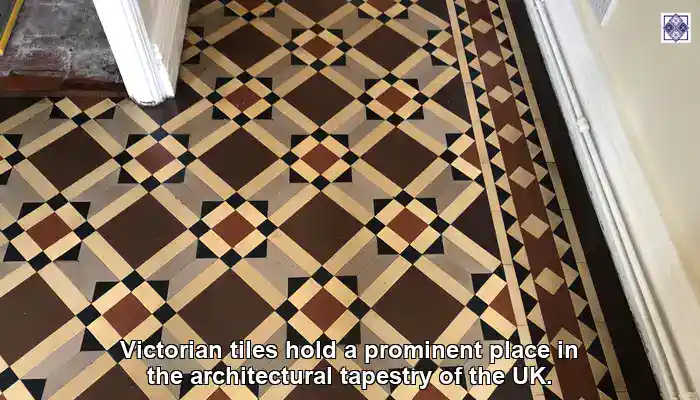
Victorian tiles represent a vital aspect of the UK’s architectural heritage, showcasing the remarkable craftsmanship and artistic movements that flourished during the 19th century. These tiles were frequently utilized for both flooring and wall decoration, embodying the aesthetic values of that era. The innovations introduced by the Industrial Revolution led to a surge in tile production, making decorative tiles accessible for enhancing residences, public buildings, and train stations. The Victorian period’s emphasis on individuality and exceptional craftsmanship is reflected in tiles adorned with intricate designs, vibrant hues, and varied textures, each tile telling a story that echoes the design philosophies of its time.
Expert Recommendations: Key Products for Daily Care of Victorian Tiles
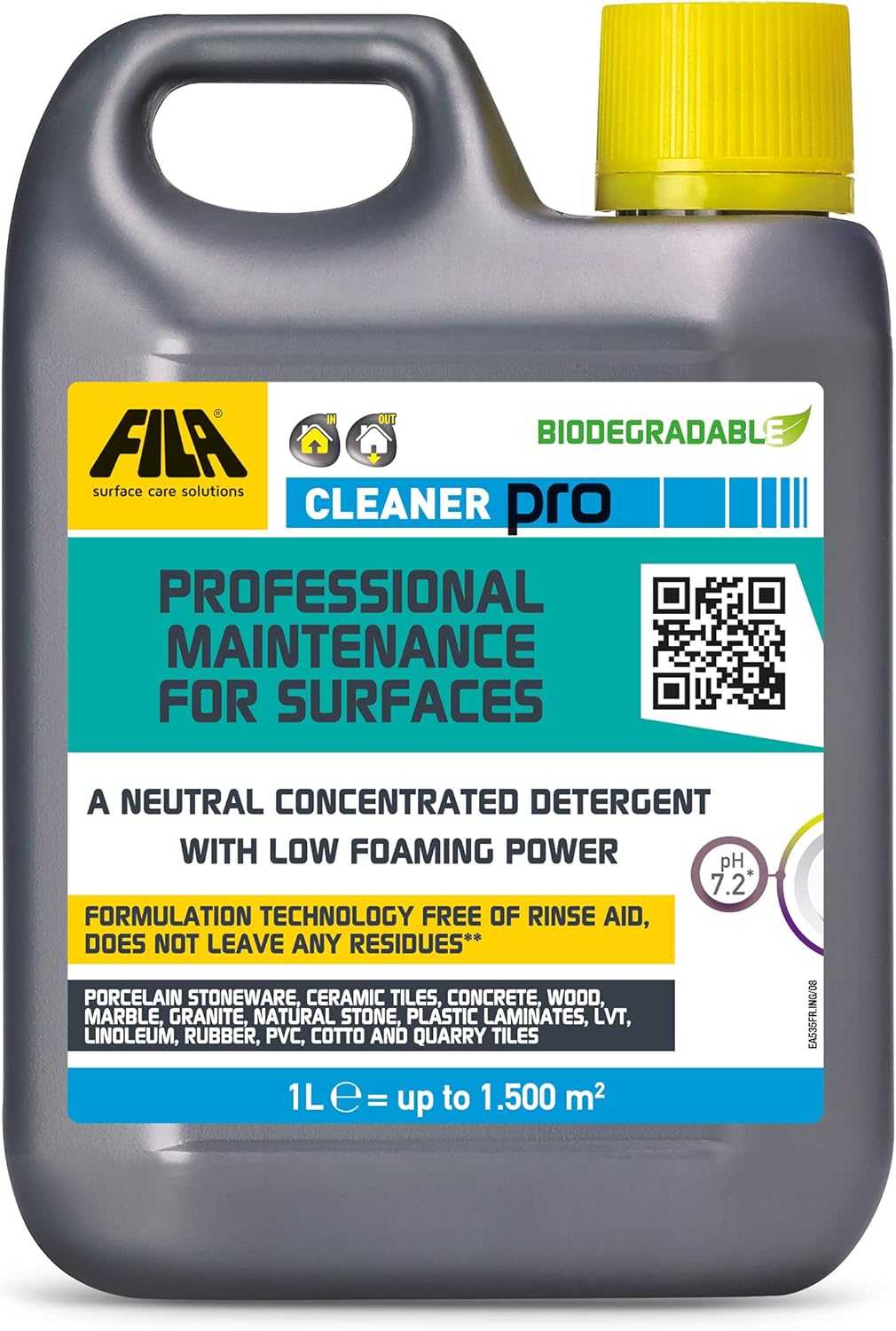
Fila Pro Floor Cleaner
|

LTP Colour Intensifier & Stainblock H20
|
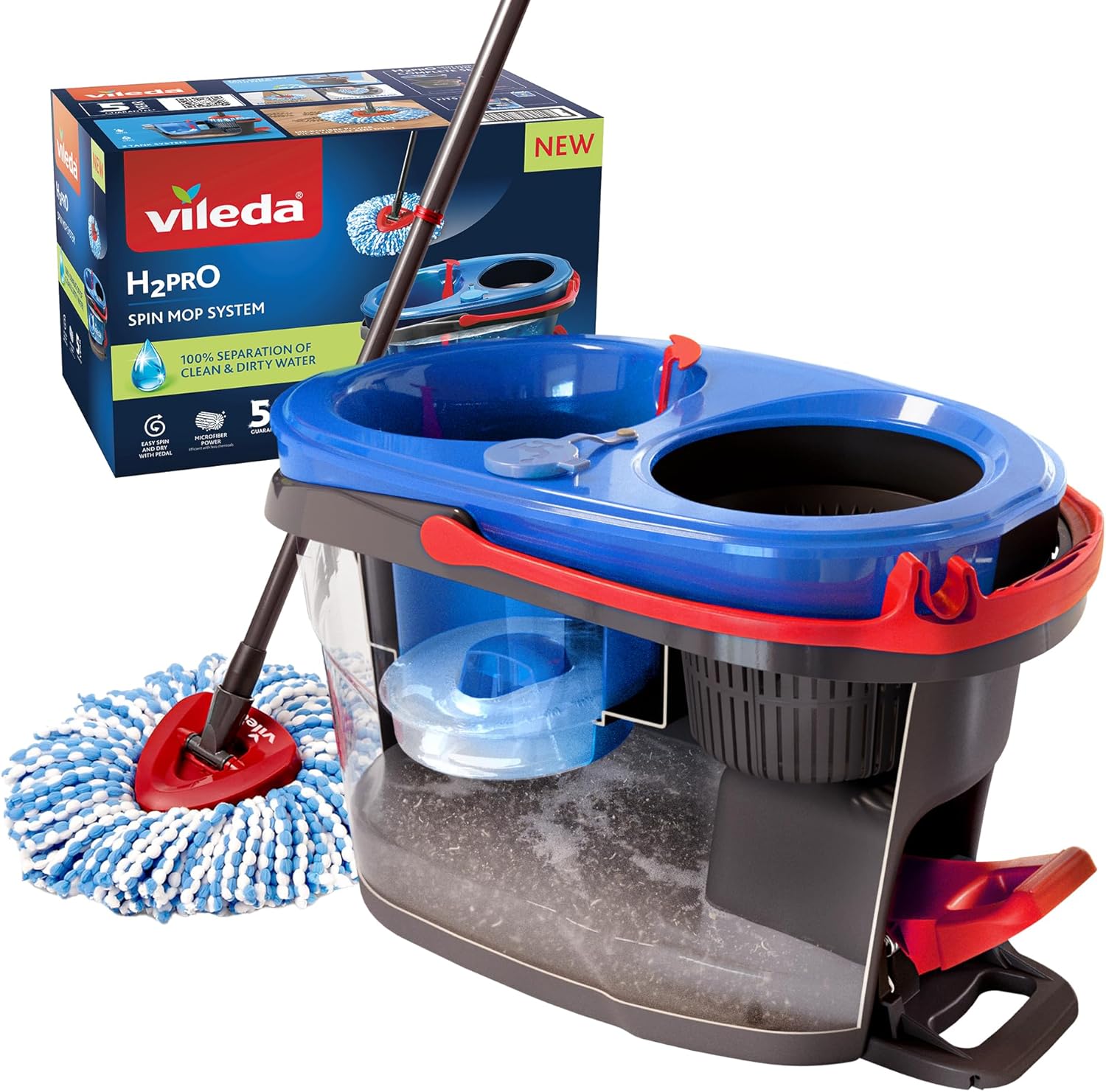
Vileda H2PrO Spin Mop System
|
Interestingly, the renewed enthusiasm for Victorian tiles has coincided with a broader movement across the UK focused on historic preservation and a growing appreciation for traditional craftsmanship. Homeowners are increasingly motivated to restore or replicate Victorian tile designs, igniting a revival that emphasizes the importance of effective maintenance strategies. This involves critical considerations surrounding the application of wax or sealant, ensuring these historical treasures retain their vibrancy and longevity.
Diving into the Varied Styles of Victorian Tiles
Victorian tiles showcase a wide array of styles, each offering unique characteristics and aesthetic appeal. For instance, encaustic tiles are celebrated for their complex, multi-colored patterns achieved through layered clay, giving them a tactile quality that enhances their visual beauty. Geometric tiles, recognized for their bold shapes and symmetrical designs, create a striking visual impact, often adorning entryways and hallways. Conversely, mosaic tiles are crafted from small fragments, forming breathtaking artistic compositions, making them ideal for decorative borders or extensive floor installations.
The rich variety of these tile categories necessitates that homeowners carefully consider the specific traits and maintenance requirements of their tiles when establishing upkeep practices. Whether opting for wax or sealant, comprehending the inherent properties of the tiles can significantly impact their durability and overall aesthetic, ensuring that each tile maintains its unique charm and beauty.
Understanding the Essential Nature of Tile Maintenance
Effective maintenance of Victorian tiles is crucial for preserving both their visual appeal and structural integrity. Over time, these tiles may experience wear and tear from foot traffic, accidental spills, and exposure to cleaning agents. This deterioration can lead to fading, staining, and even structural damage. Regular maintenance not only enhances visual attractiveness but also prolongs the lifespan of the tiles, ensuring they remain a treasured element in any home.
Successful maintenance strategies encompass routine cleaning, sealing, and restoration when necessary. Homeowners must recognize that the methods they select—whether choosing wax or sealant—are vital to the overall care plan for their Victorian tiles. With the right maintenance approach, these historical gems can continue to radiate beauty for generations to come.
Proven Restoration Techniques to Preserve Victorian Tiles
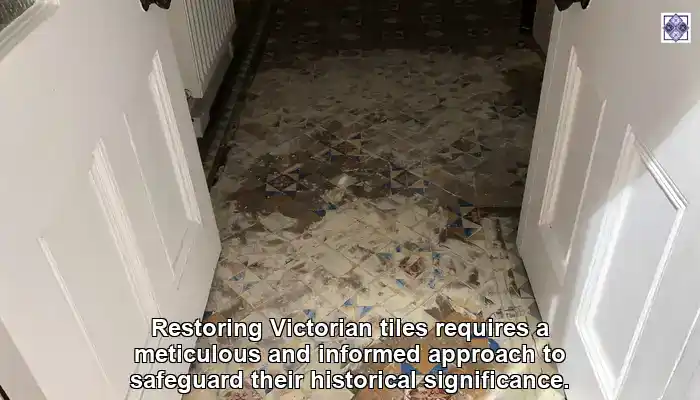
Restoring Victorian tiles demands a thorough and informed approach to safeguard their historical significance. Restoration methods can range from deep cleaning with gentle, pH-neutral solutions to more advanced techniques such as repairing or replacing damaged tiles. In some cases, applying wax can serve as a quick and effective way to enhance the tiles’ appearance while providing a protective layer. However, if damage is extensive, utilizing sealants or enlisting professional restoration services may become essential.
Understanding the specific requirements of the tiles, including their age and condition, is crucial in determining the most effective restoration method. For example, older tiles may have become porous, making sealants a preferable choice for lasting protection. Collaborating with specialists can equip homeowners with the knowledge and expertise needed for proper maintenance, ensuring that their Victorian tiles remain a stunning highlight of their property.
Incorporating Victorian Tiles into Contemporary Interior Designs
Recently, Victorian tiles have been elegantly integrated into modern design, showcasing their versatility and timeless allure. Designers are increasingly incorporating these tiles into contemporary settings, creating a seamless blend of historical and modern aesthetics. Whether featured in new builds or renovation projects, Victorian tiles contribute a distinctive character and warmth that is often difficult to achieve with contemporary materials.
Their utilization extends beyond traditional homes; many commercial spaces, including cafés and boutiques, have adopted Victorian tiles to cultivate inviting environments. This trend emphasizes their adaptability and widespread appeal across diverse settings. However, this modern application also raises important maintenance considerations—should one opt for wax or sealant to protect these tiles within dynamic environments? The answer lies in a comprehensive understanding of the specific usage and environmental factors involved.
Clarifying the Differences Between Wax and Sealant: A Comprehensive Comparison
Understanding the Components of Wax
Wax, typically derived from natural sources such as beeswax or plant-based materials, is valued for its ability to impart a warm, lustrous finish to Victorian tiles. Upon application, wax creates a protective layer that enhances the color and design of the tiles while also repelling dirt and moisture. This characteristic is especially advantageous in homes with a classic aesthetic, where the traditional appearance of wax beautifully complements the historical significance of the tiles.
The wax application process is straightforward and appealing to both DIY enthusiasts and homeowners. It usually involves buffing the wax onto the tile surface using a cloth or brush, allowing for a customized finish tailored to individual preferences. However, while wax provides an easy solution for enhancement and protection, it does come with certain limitations regarding durability and long-term maintenance.
Analyzing the Composition of Sealant
In contrast, sealants are primarily composed of synthetic or chemical compounds engineered to create a robust barrier against moisture, stains, and wear. They come in various finishes, from matte to glossy, allowing homeowners to select a look that complements their decor. Sealants prove particularly beneficial in high-traffic areas, offering a durable protective coating capable of withstanding daily use.
Applying sealants is generally more complex than waxing, often requiring rollers or sprays for even coverage. This process may necessitate thorough preparation, including cleaning and priming the tile surface if needed before application. Although applying sealants might demand more effort, their exceptional protection makes them a valuable investment for those seeking to preserve the beauty and longevity of their Victorian tiles.
Application Techniques: Wax Versus Sealant

When it comes to protecting original Victorian tiles, the application techniques for wax and sealants can greatly affect not only the results but the overall experience.
Wax is often seen as the more hands-on method. It is gently applied using a soft cloth or brush, allowing complete control over the amount used and the areas covered. Many homeowners appreciate this approach for its simplicity and adaptability—especially when they wish to take their time and make minor adjustments as they go.
Sealants, on the other hand, require a more structured approach to achieve consistent, even coverage. Depending on the type, a roller, brush, or spray may be used, and thorough preparation is critical. This means meticulously cleaning the tiles and ensuring they dry completely before proceeding.
Ultimately, the choice often comes down to personal preference: do you favor an intuitive and flexible method, or do you prefer a more systematic approach that provides long-lasting protection?
Benefits of Wax Application on Victorian Tiles
Enhancing Visual Charm Through Wax Application
The visual charm of Victorian tiles can be greatly amplified by the application of wax. By adding a layer of wax, colors become more vivid, and intricate designs are accentuated, creating a warm and inviting atmosphere. This transformation is particularly evident in homes with traditional architecture, where the allure of the tiles can be prominently showcased.
Wax also imparts a soft sheen that enhances the overall look of the tiled surface. For homeowners who appreciate a vintage aesthetic, the reflective quality of wax can create a welcoming environment, making spaces feel cozier and more inviting. This enhancement in aesthetics is often a primary reason individuals choose wax over alternative protective options, as it aligns closely with the intrinsic character of Victorian tiles.
Streamlined Application Process for Wax
One of the most appealing advantages of using wax on Victorian tiles is the straightforward application process. Homeowners can easily apply wax without the need for specialized tools or extensive training, making it an accessible DIY endeavor. The steps are simple: clean the tiles, spread the wax, and buff it to achieve the desired shine. This ease of application enables homeowners to perform regular maintenance, ensuring their tiles remain in excellent condition.
Additionally, the uncomplicated nature of wax application allows homeowners to customize the finish to their liking. Whether they prefer a high-gloss appearance or a more matte look, adjustments can be made effortlessly. This flexibility in application is a significant advantage for those looking to adapt the aesthetic of their tiles over time, making wax a highly attractive option for many.
The Reversible Nature of Wax Application
An often-overlooked benefit of using wax is its reversibility. Unlike sealants, which bond more permanently to the tile surface, wax can be easily removed and reapplied as necessary. This feature is especially advantageous for those who wish to periodically change the appearance of their tiles or address wear and tear without committing to a permanent solution.
The capacity to remove wax without damaging the underlying tiles opens up opportunities for consistent maintenance and adjustments. Homeowners can experiment with different finishes or restore the tiles to their original beauty without the worry of long-term consequences. This adaptability makes wax a practical choice for those who value both the historical significance and evolving character of their Victorian tiles.
Key Advantages of Utilizing Sealant on Victorian Tiles
Guaranteeing Durability and Robust Protection
For homeowners who prioritize longevity and resilience, sealants offer an excellent choice for safeguarding Victorian tiles. These products create a strong, enduring barrier that protects against moisture, stains, and wear, significantly prolonging the life of the tiles. In high-traffic areas, where foot traffic can lead to accelerated wear, sealants effectively prevent damage that wax alone may not withstand.
The chemical formulation of sealants enables them to resist a variety of threats, including spills and harsh cleaning agents that could otherwise compromise the integrity of the tiles. Therefore, selecting sealant can be seen as a long-term investment that preserves both the historical and aesthetic value of Victorian tiles while reducing the frequency of required maintenance.
Low Maintenance Solution with Sealants
Once a sealant is applied, the maintenance required is substantially less compared to wax. This feature makes sealants particularly attractive for busy households or commercial environments where time and resources are often limited. With sealants, homeowners do not have to worry about frequent reapplication, as the protective layer can endure for several years, depending on the product and the level of foot traffic.
Additionally, cleaning sealed tiles is generally simpler, as the sealant prevents stains and dirt from penetrating the tile surface. This ease of cleaning promotes a more hygienic environment, making sealants an excellent selection for both families and businesses. The low-maintenance aspect of sealants aligns perfectly with contemporary living, where convenience is highly valued, making them a practical solution for many.
Diverse Sealant Options for Victorian Tiles
Sealants come in various finishes, from matte to high gloss, providing homeowners with the chance to customize the look of their Victorian tiles. This versatility is particularly beneficial for those seeking to match the sealant finish with the overall aesthetic of their space. The variety of options allows for greater design flexibility, ensuring that the protective layer enhances rather than detracts from the visual appeal of the tiles.
Furthermore, sealants can be effectively applied to numerous tile types, including those with intricate designs or uneven surfaces, making them suitable for a diverse range of applications. The adaptability of sealants in both residential and commercial settings highlights their value as a maintenance solution for Victorian tiles, emphasizing their ability to enhance overall aesthetics while providing robust protection.
Crucial Considerations for Homeowners in the UK
Recognizing the Impact of Climate on Victorian Tile Maintenance
The UK’s notoriously damp climate presents unique challenges for maintaining Victorian tiles. High moisture levels can significantly affect both wax and sealant, with sealants generally providing superior protection against water damage. In regions with elevated humidity, employing a sealant can help prevent moisture penetration, which is vital for maintaining the structural integrity of the tiles.
Moreover, the risk of mold and mildew growth in humid conditions makes sealants an appealing choice for homeowners seeking to ensure a clean and healthy living environment. Being mindful of the local climate and its effects on tile maintenance is essential for making informed choices about whether to use wax or sealant on Victorian tiles.
Evaluating the Age and Condition of Tiles
The age and condition of Victorian tiles greatly influence the most suitable maintenance method. Older tiles, especially those that have undergone significant wear, may benefit more from sealants, which can provide a protective barrier that aids in restoring their original charm and appearance. In contrast, newer tiles or those in pristine condition might respond well to a wax finish, allowing for a more traditional aesthetic.
Homeowners should thoroughly assess the state of their tiles before determining the most effective maintenance approach. Consulting with professionals who specialize in historic tiles can offer valuable insights into the best care methods, ensuring that the choice between wax and sealant aligns with the specific needs of the tiles.
Taking Foot Traffic and Usage Patterns into Account
High-traffic areas in UK homes, such as hallways and entryways, can significantly influence the durability and appearance of Victorian tiles. In these spaces, the resilience offered by sealants becomes particularly beneficial. Sealants create a strong protective layer that can withstand the demands of daily use, making them ideal for bustling households.
In contrast, regions with lower foot traffic may allow for the use of wax, providing a beautiful finish without requiring the extensive protection that sealants offer. Homeowners must consider the specific usage patterns of each area when deciding which maintenance method to implement, ensuring that their Victorian tiles remain both functional and visually appealing.
Assessing the Effects of Heating Systems on Tile Maintenance
The widespread adoption of underfloor heating in many UK homes introduces additional complexities when considering the maintenance of Victorian tiles. Sealants are generally more resistant to the heat generated by underfloor systems, making them a safer choice for protecting tiles in heated spaces. Conversely, wax may soften or degrade under elevated temperatures, possibly leading to damage.
Homeowners with underfloor heating should carefully evaluate their options, considering the potential effects of heat on the integrity and appearance of their tiles. Choosing a sealant specifically designed to withstand high temperatures will not only protect the tiles but will also ensure they remain visually appealing and functional in heated environments.
Implementing Optimal Cleaning Practices for Tile Care
In many UK homes, the use of harsh cleaning chemicals can adversely affect both wax and sealants. However, wax tends to degrade more quickly when exposed to strong cleaning agents, making it less suitable for high-maintenance environments. Sealants, on the other hand, provide better chemical resistance, ensuring that tiles remain safeguarded even with frequent cleaning.
Homeowners should be mindful of their cleaning practices and opt for gentle, pH-neutral solutions to maintain both waxed and sealed tiles. Establishing a regular cleaning routine that honors the integrity of the tiles can significantly enhance their longevity and visual appeal, ensuring that Victorian tiles continue to be a stunning feature in any home.
Making an Informed Decision: Wax or Sealant?
Assessing Tile Type for Optimal Maintenance Decisions
When contemplating whether to use wax or sealant on Victorian tiles, it is essential to consider the specific type of tile being maintained. Different materials may respond more favorably to either option, with encaustic tiles, for instance, often flourishing under the warmth and depth of color that wax can provide. In contrast, more porous tiles may necessitate a sealant to ensure adequate protection from moisture and stains.
Understanding the unique characteristics of each tile type can significantly influence the maintenance decision. Homeowners should consider consulting with professionals experienced in working with Victorian tiles to determine the best approach tailored to their specific circumstances.
Determining Your Preferred Finish
The finish you desire can also impact the decision between wax and sealant. Homeowners should consider whether they favor a matte, glossy, or traditional appearance when making their choice. Wax typically provides a warm, classic finish that enhances the natural beauty of Victorian tiles, while sealants can offer either high-gloss or matte finishes that may better align with modern designs.
Evaluating personal aesthetics and the overall design of the space is crucial for making a well-informed choice. Homeowners should take the time to visualize how wax or sealant will influence the overall appearance of their tiles, ensuring that their selection aligns with the desired ambiance of the area.
Budget Considerations for Maintenance Choices
When weighing the options between wax and sealant, budget considerations play a critical role. Generally, wax is more affordable and easier to apply, making it an appealing option for those looking to maintain their Victorian tiles without incurring excessive expenses. However, the long-term cost-effectiveness of sealants should also be factored in, particularly in high-traffic areas that may require more durable protection.
Homeowners should assess their specific maintenance needs alongside their financial constraints to determine which option is most suitable. Planning for both initial and ongoing costs can ensure that Victorian tiles are maintained beautifully and effectively over time, preserving their value and allure.
Frequently Asked Questions About the Care of Victorian Tiles
What is the most effective way to care for Victorian tiles?
The most effective approach to maintaining Victorian tiles is through regular cleaning with a pH-neutral solution. Depending on the condition and location of the tiles, either wax or sealant can be utilized for protection.
Can I apply wax over sealant?
No, it is not advisable to apply wax over sealant. Wax should be applied directly to clean, unsealed tiles for optimal results, while sealants work best on unsealed surfaces.
How often should I reapply wax or sealant?
Wax typically needs reapplication every 6 to 12 months, while sealants can last several years before requiring reapplication, depending on foot traffic and environmental conditions.
Are there specific cleaning products I should avoid?
Yes, it is crucial to avoid harsh chemicals such as bleach or ammonia, as these substances can damage both wax and sealant, potentially harming Victorian tiles.
Is it possible to restore damaged Victorian tiles?
Yes, damaged Victorian tiles can often be restored by professionals through cleaning, repair, or replacement, depending on the extent of the damage.
Is wax suitable for all types of Victorian tiles?
While wax can enhance the appearance of many types of Victorian tiles, porous tiles may require sealant for improved protection against moisture and stains.
Can sealants change the appearance of my tiles?
Yes, sealants can indeed alter the look of tiles, offering options for both matte and glossy finishes, making it essential to choose one that aligns with your desired aesthetic.
What is the cost difference between wax and sealant?
Generally, wax is less expensive than sealant, both in terms of product cost and application, making it a more budget-friendly option for many homeowners.
How can I tell if my tiles need sealing?
If water penetrates the tiles or stains appear after cleaning, it may indicate a need for sealant to protect and preserve your Victorian tiles.
Where can I find professional help for restoring Victorian tiles?
Search for local specialists or restoration companies that focus on historic tiles in your area; they can provide expert advice and services for maintaining your Victorian tiles.
The Article Should I Use Wax or Sealant on Victorian Tiles: A Guide first found on https://london-stone.co.uk
The Article Wax or Sealant on Victorian Tiles: Which Should You Choose? appeared first on https://fabritec.org
The Article Wax or Sealant for Victorian Tiles: Making the Right Choice Was Found On https://limitsofstrategy.com